


 English
 Español
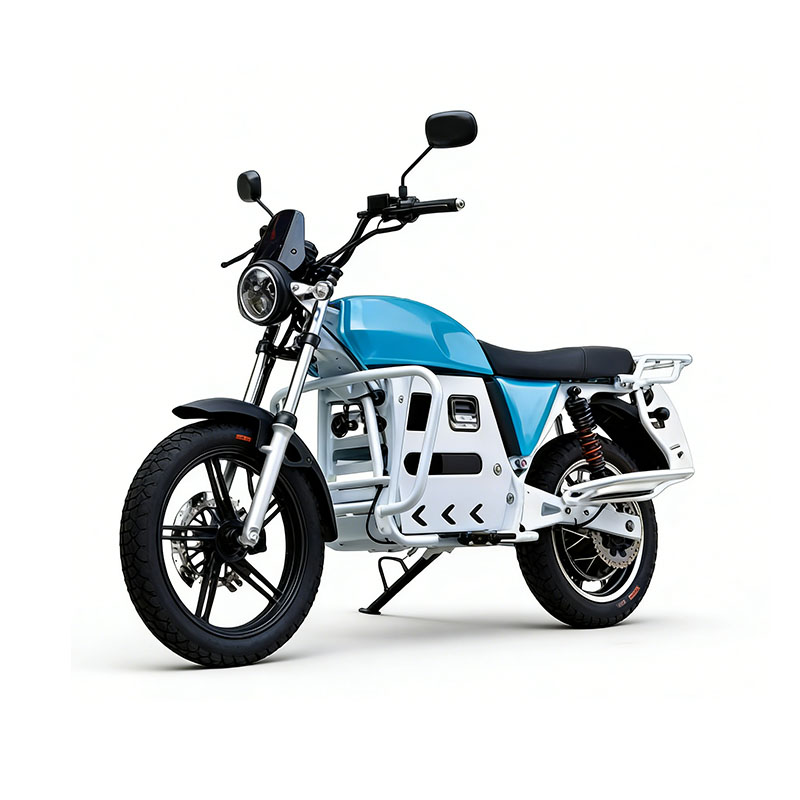

Can You Use a Hybrid Bicycle for an Electric Bike?
Yes, usually, but the donor bicycle matters more than the motor. A hybrid can make a practical pedal-assist commuter if its frame, brakes, wheels and battery mounting points are sound. If any one of those is marginal, a conversion becomes an expensive compromise.
Picture a 9 km commute: 4 km on quiet streets, 3 km into a headwind, and 2 km on packed gravel. A hybrid already has the upright position and gear range for that mix. Adding a modest motor reduces the effort on the headwind and gravel sections without changing the route. That is the realistic case for conversion.
Terminology also matters. A hybrid bicycle is a human-powered crossover. A hybrid e-bike is usually a factory-built electric crossover. Adding a kit to your existing hybrid creates a converted e-bike; the label does not change the legal class, braking limits or frame loads.
What a Hybrid Bicycle Gives You Before the Motor
Hybrids are useful donors because they are already designed for mixed use. The typical package includes:
- An upright riding position that leaves room for a frame-mounted battery and keeps steering predictable with extra weight.
- Medium-width tyres and 700c wheels that balance rolling efficiency with comfort on light gravel and broken pavement.
- A wide gear range that lets a mid-drive motor use the bicycle's existing ratios instead of relying on raw torque.
- Flat bars and familiar controls, which make brake cut-off sensors and a handlebar display easier to integrate.
Those traits help with assist, but none of them guarantee that a motor kit will fit. The drive system and battery add mass exactly where a hybrid frame may have the least reserve: the rear triangle, the bottom bracket and the space behind the seat tube.
Frame, Brakes, Drivetrain and Weight: The Four-Point Check
Measure the bicycle before shopping for a kit. The questions that decide the project are mechanical, not cosmetic.
| Decision area | What to measure | Why it changes the build |
|---|---|---|
| Frame and bottom bracket | Bottom-bracket standard, chainstay clearance, battery space | Decides hub versus mid-drive; weak mounts create flex or cracking |
| Brakes | Rim or disc type, pad thickness, rotor clearance, cable condition | Extra mass and assist speed increase stopping load |
| Drivetrain | Cassette range, chainline, chain and sprocket wear | Motor torque exposes worn parts; a mid-drive loads the chain harder |
| Dropouts and wheels | 100 mm front or 135 mm rear spacing, spoke tension | Hub kits need exact spacing; poor wheels cause vibration and spoke failure |
| Total weight | Rider, bicycle, kit and battery; rack limits | Affects range, brake heat, hill starts and carrying capacity |
If a mid-drive is the plan, read a short frame geometry comparison before committing. Frame angles and bottom-bracket position change how the motor assists and how much room remains for the battery.
Motor and Battery Choices That Fit a Hybrid Frame
For a first conversion, a rear hub motor with 250-500W continuous assist is the simplest path. It preserves the existing drivetrain, fits many hybrid rear triangles and keeps the bottom bracket untouched. The trade-off is added unsprung mass at the rear wheel and less natural torque feel on steep climbs.
A mid-drive is better on hills, but demands a stronger frame
Mid-drive kits put torque through the bottom bracket and use the bicycle's gears. That feels more bicycle-like on climbs and can return better efficiency. It also places new load on the frame and chainline. Fitting one to a lightweight aluminium hybrid without checking bottom-bracket support and chainstay clearance is a common costly mistake.
Battery choice should follow the route, not the advert
A 48V 10-15Ah pack, roughly 480-720Wh, is a sensible city-to-suburb range. In mixed riding, expect about 35-60 km from 500Wh, with less in cold weather, headwinds and repeated climbs. Mount the battery inside the frame triangle or on a reinforced rear rack; a seatpost bag carrying 3-5 kg is a handling and wear risk, not a neat solution.
Info: The controller, display, battery, charger, brake sensors and connectors must be one matched system. A cheap battery with an unmatched charger is the highest-risk part of a conversion.
Warning: Do not rely on a rear hub motor to hold itself in place under torque. Use the torque arm specified for the kit, inspect the dropout for cracks, and stop if the wheel or frame moves under load.
Cost, Range and Daily Ownership
A realistic budget is not just the kit price. For a modest pedal-assist conversion, parts often land around $350-$900; a better mid-drive or torque-sensor system can reach $700-$1,400. Professional fitting, wheel rebuilding, brake work and a second battery mount can add $150-$400. Battery replacement later is often $250-$600.
- Confirm the total cost of kit, fitting, wheel work and a safe battery mount before ordering.
- Check that consumables and spares - brake sensors, displays, connectors, charger - are available locally.
- Test range on your real route with wind, hills and cold weather, not only on a flat test loop.
- Inspect the brakes and dropouts after the first 100 km, then again at the start of each season.
The goal is not to make a hybrid faster than it is; it is to make the same commute feel lighter, safer and more repeatable.
These numbers matter because a converted hybrid must still be reliable in rain, stop safely with a loaded battery, and have local spare parts. If the total approaches the price of a purpose-built light electric two-wheeler, compare the ownership model, not only the purchase price.
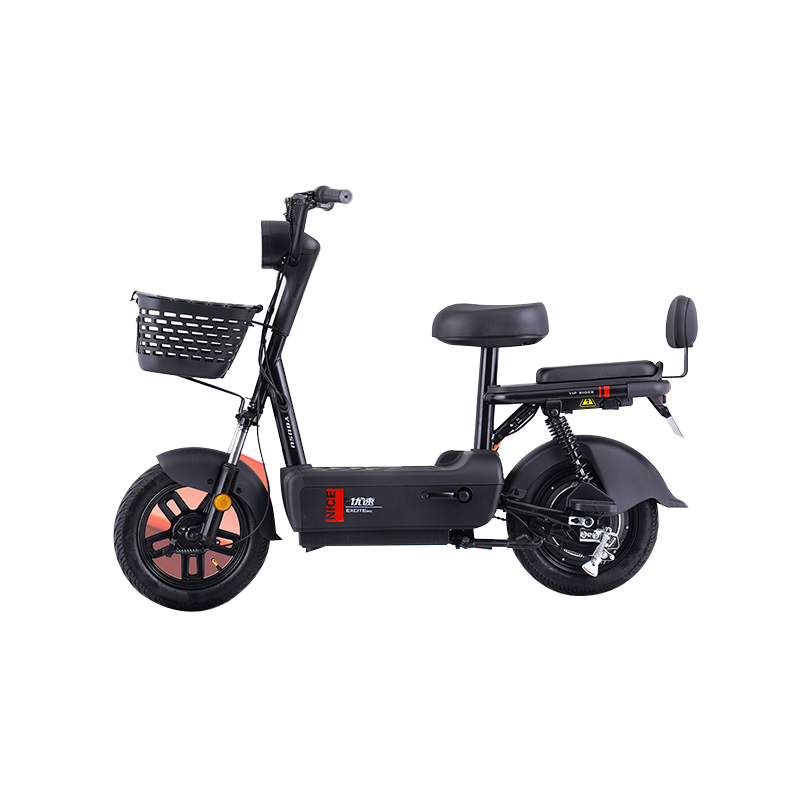
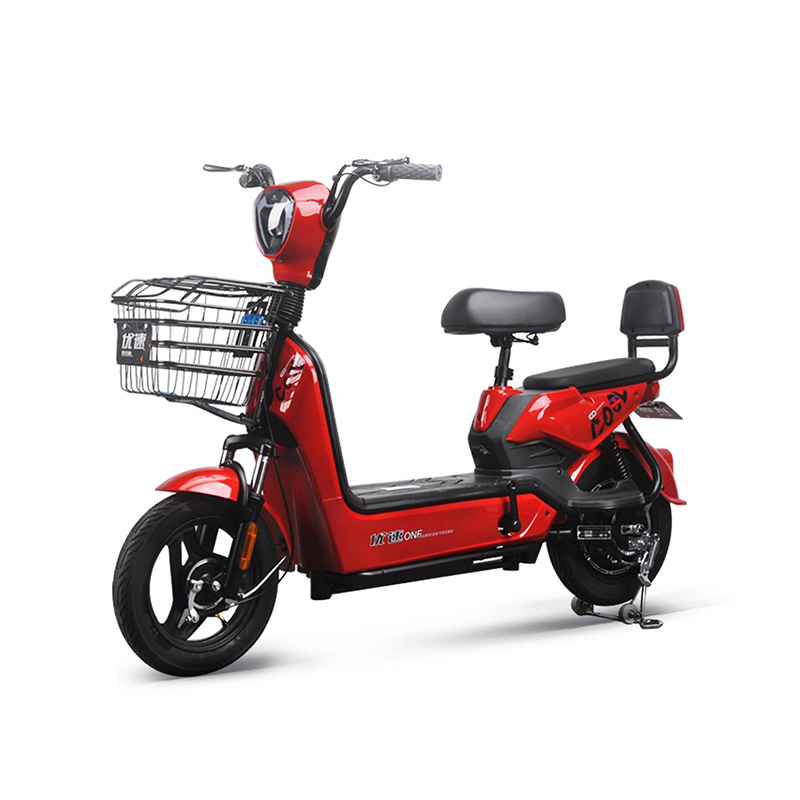
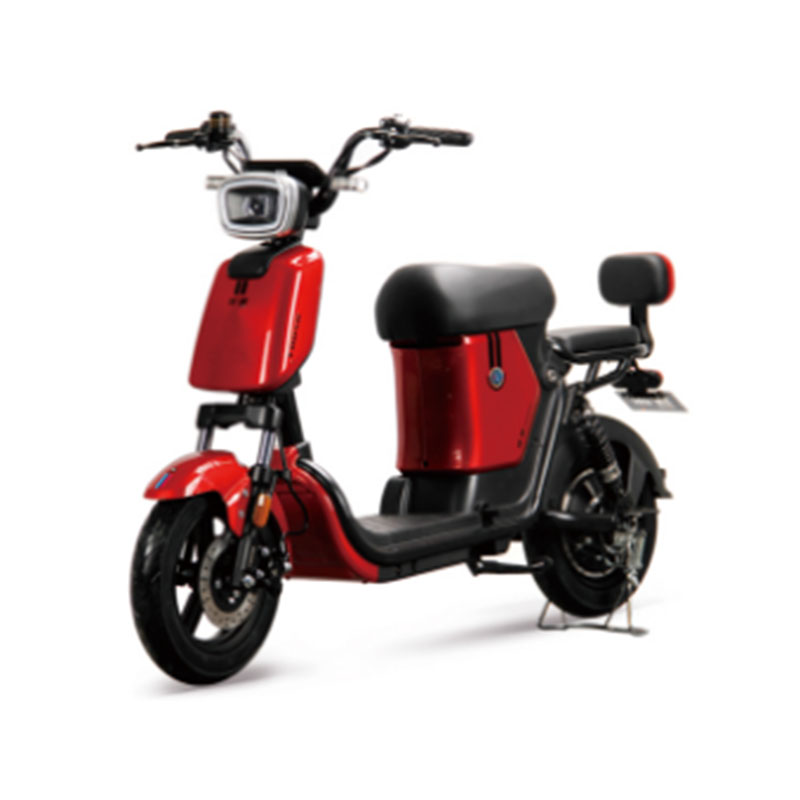
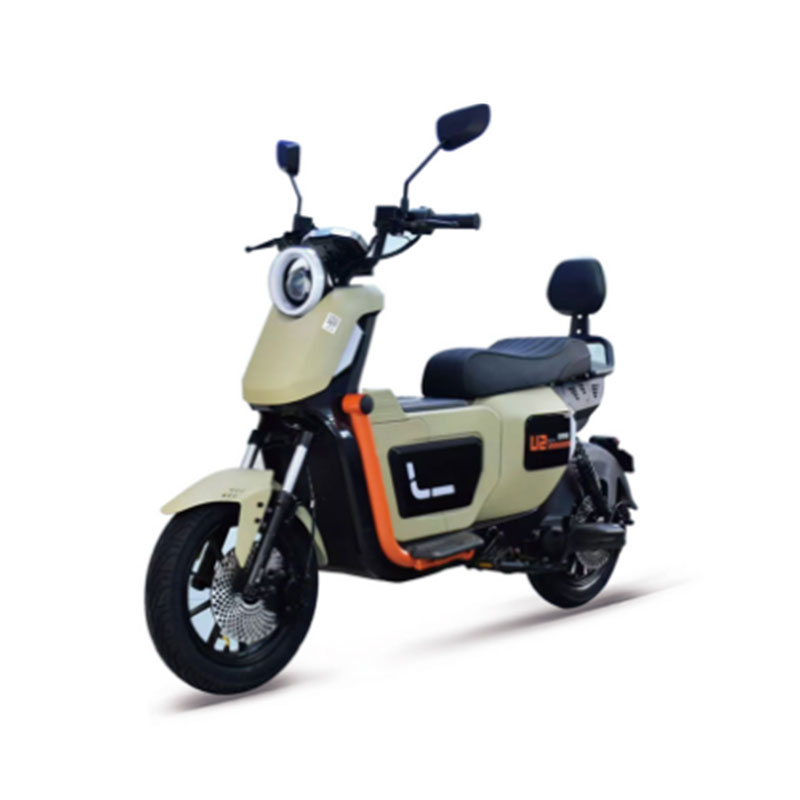
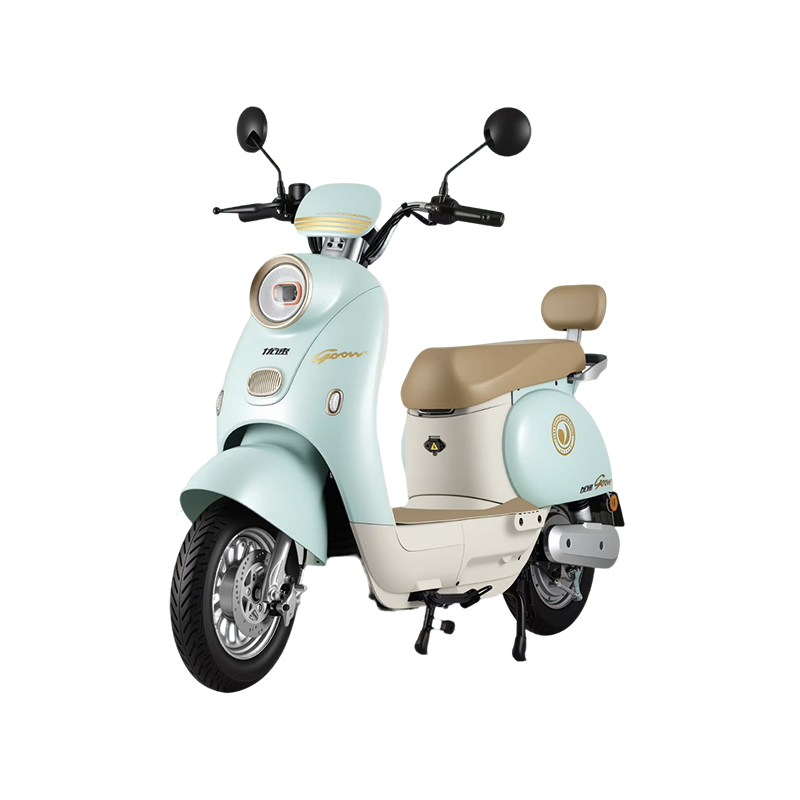
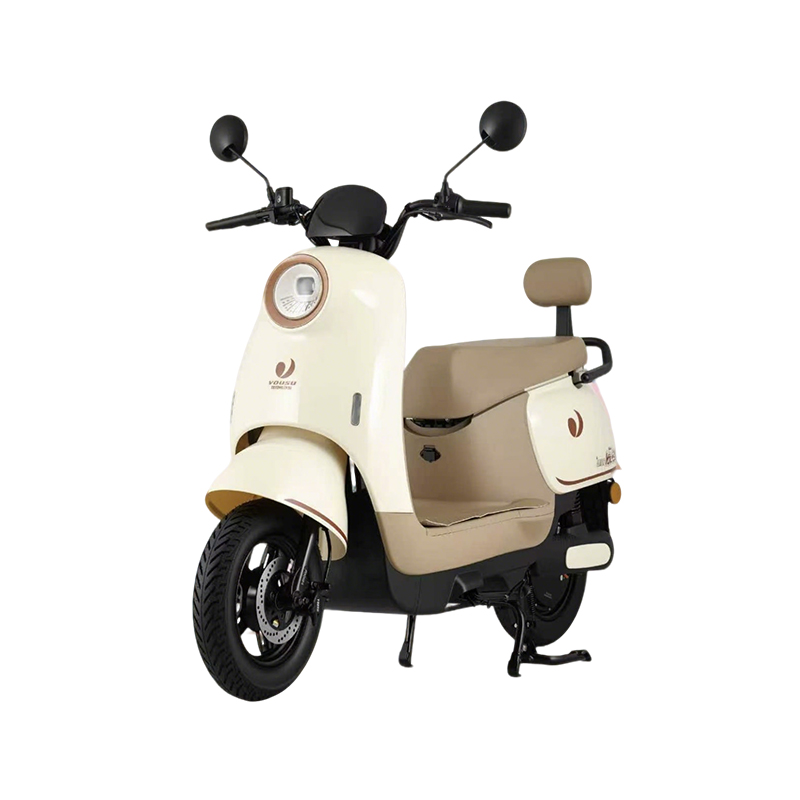
For a compact city benchmark, a lightweight urban platform shows what integrated packaging looks like at low speed; it is not a hybrid bicycle, but it is a useful cost and complexity reference.
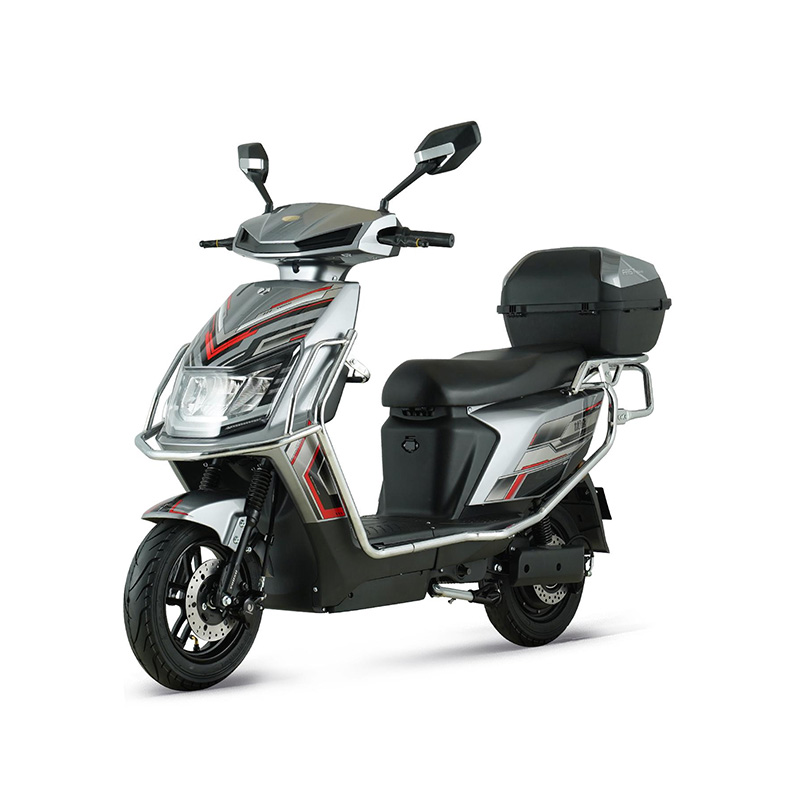
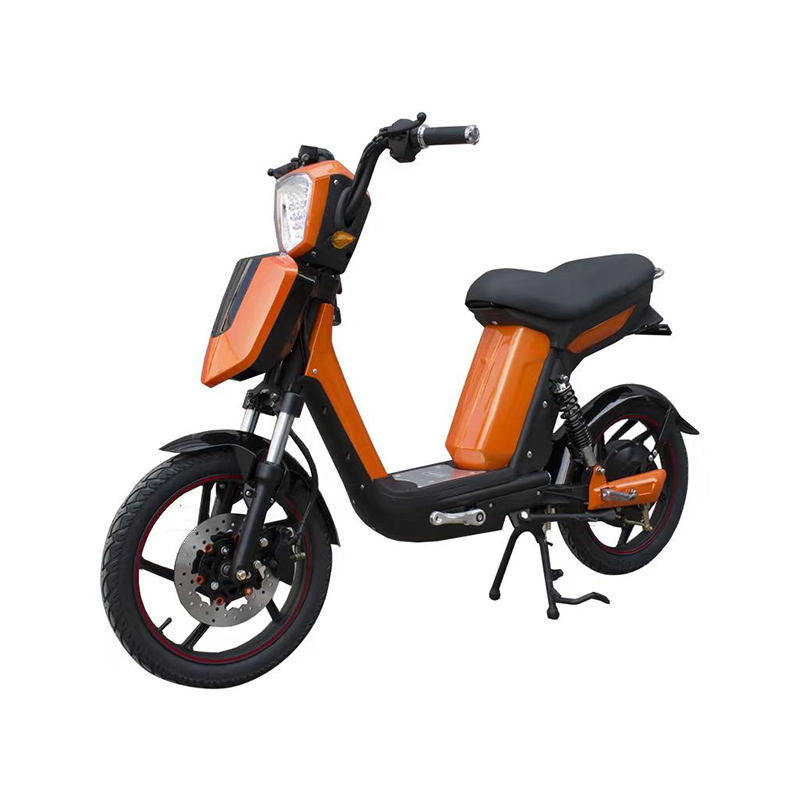 SY-LXQS Lightweight Urban Electric Scooter SeriesOEM/ODM city scooter range with multiple motor and battery options, offered as a lightweight urban platform and a compact benchmark for cost and packaging.View Product →
When a Hybrid Conversion Is a Bad Idea
A conversion is the wrong route when the bicycle cannot accept the load without structural compromise. Walk away, or choose a different platform, if you find any of these conditions:
- A carbon or bonded frame with no safe, documented mounting point for the kit or battery.
- A bottom bracket or chainstay shape that leaves no clearance for a mid-drive unit or a reinforced hub.
- Rim brakes in poor condition on a heavy build, especially with long descents or a loaded rear rack.
- A step-through frame with a weak battery mount that flexes when the rider stands or the bike hits a pothole.
- No local parts support, no clear legal class, or a seller who cannot explain controller and charger matching.
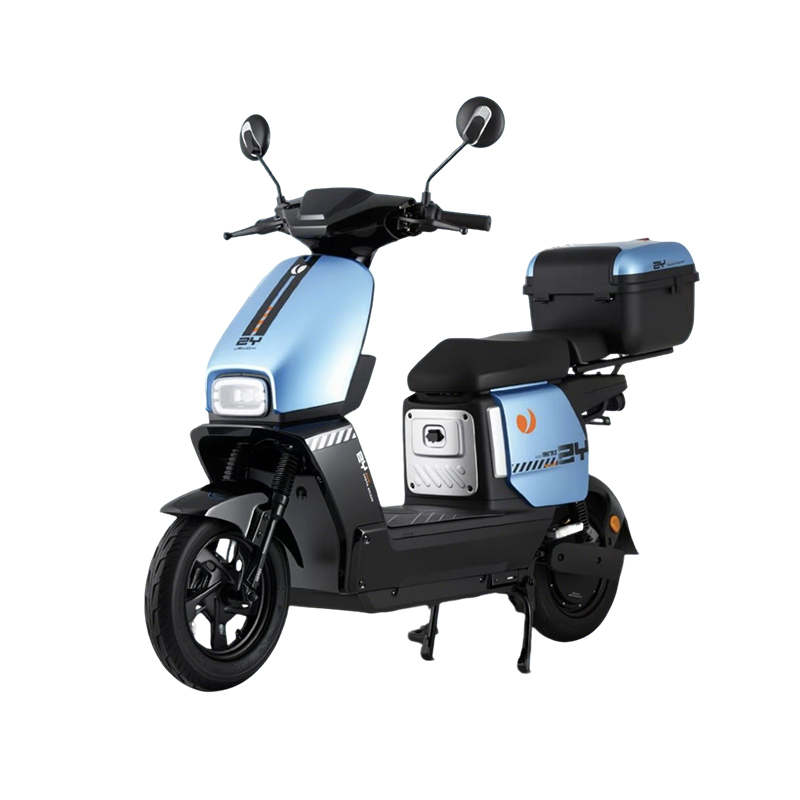
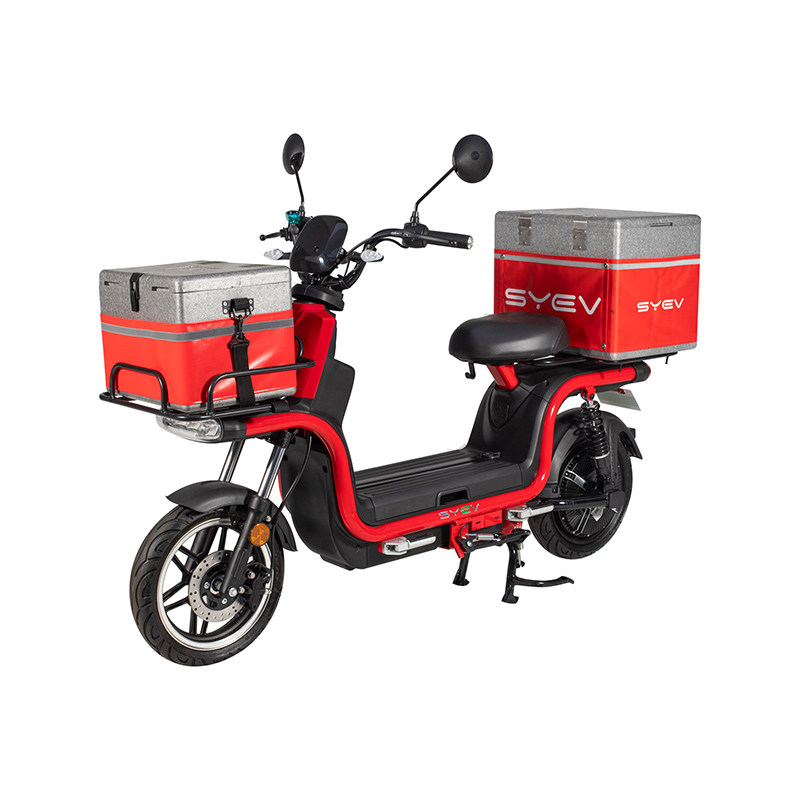
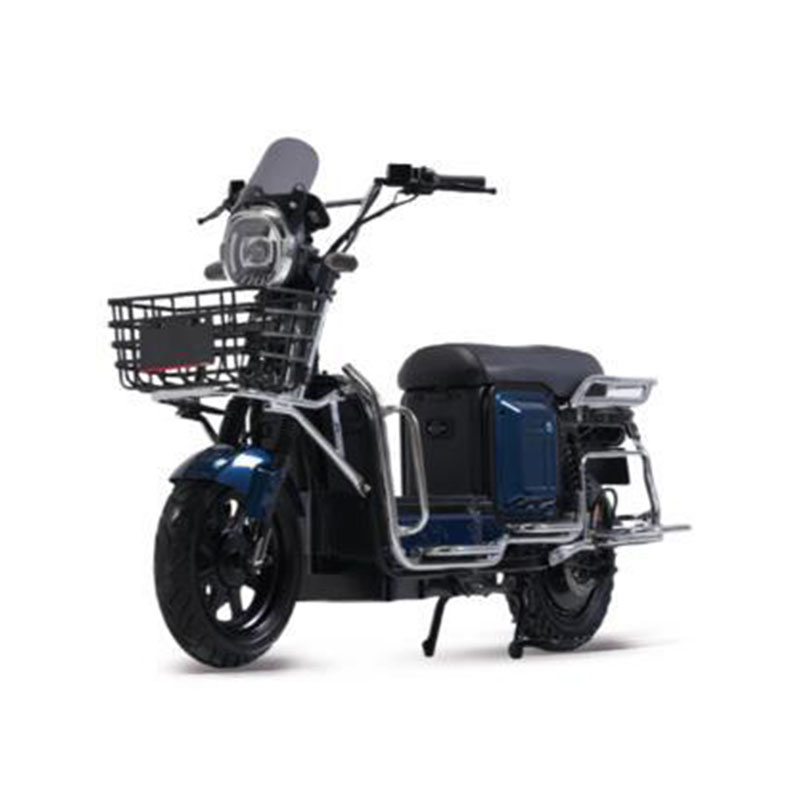
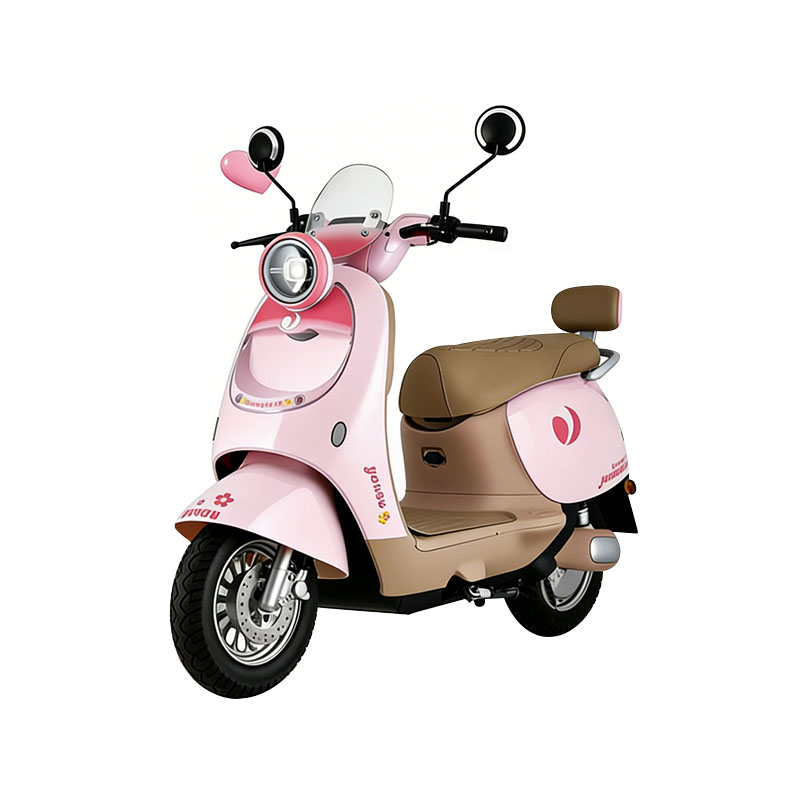
If the intended use is repeated load-carrying rather than a personal commute, a purpose-built logistics platform may make more sense than overbuilding a hybrid. The packaging, battery position and load capacity are designed as one system.
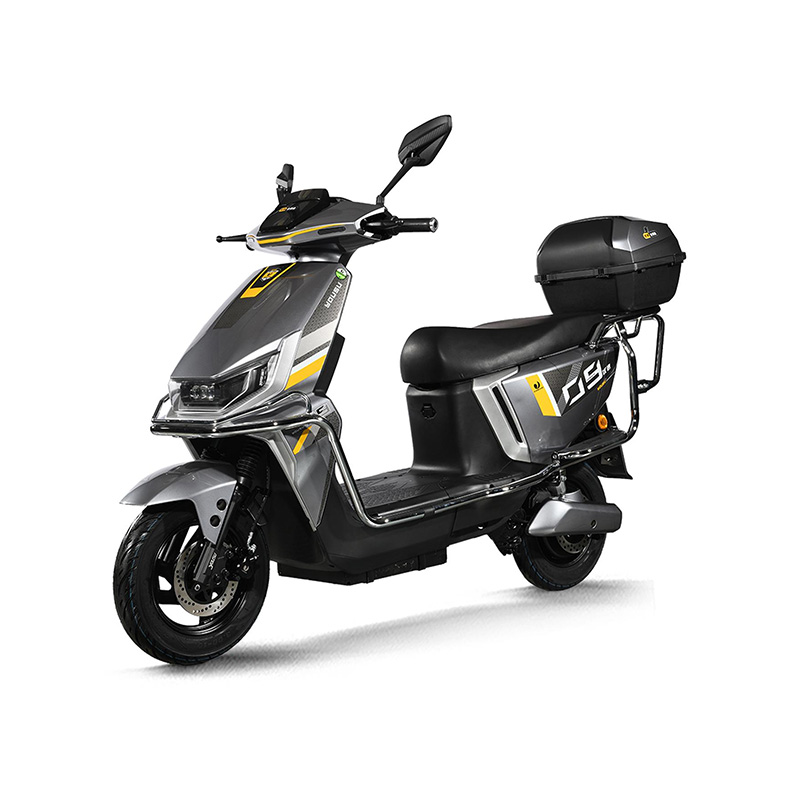
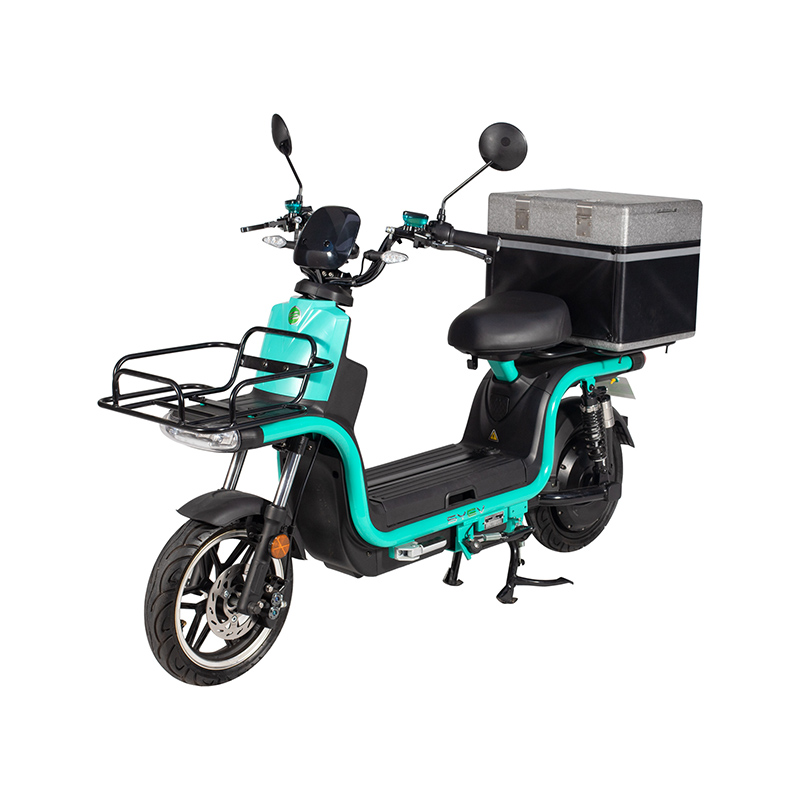 1200W Logistics Delivery Electric Scooter with Lithium BatteryPurpose-built logistics scooter with lithium battery and smooth-start controller tuning, suited to repeated heavy-load delivery work.View Product →
Legal, Safety and Build Quality Checks
Before ordering parts, confirm the local class limits for motor power, assisted speed, throttle or pedal-assist operation, lights, brakes and insurance. In many markets a street-legal e-bike sits around 250W and 25 km/h; a 750W or 800W build may be treated as a moped or may not be allowed on cycle paths. The correct answer depends on where you ride, not on what the kit seller calls it.
Build quality is a system question. Ask how the frame, controller, battery and charger are validated, and whether spare brake sensors, displays and connectors are available. A documented manufacturing and quality-control process is more useful than a "high quality" claim.
Good practice: Use a fused battery lead, a matched charger, brake cut-off sensors, correctly rated cable and a torque arm where specified. These small parts protect the expensive parts and the rider.
Purpose-Built Alternatives: When to Stop Converting
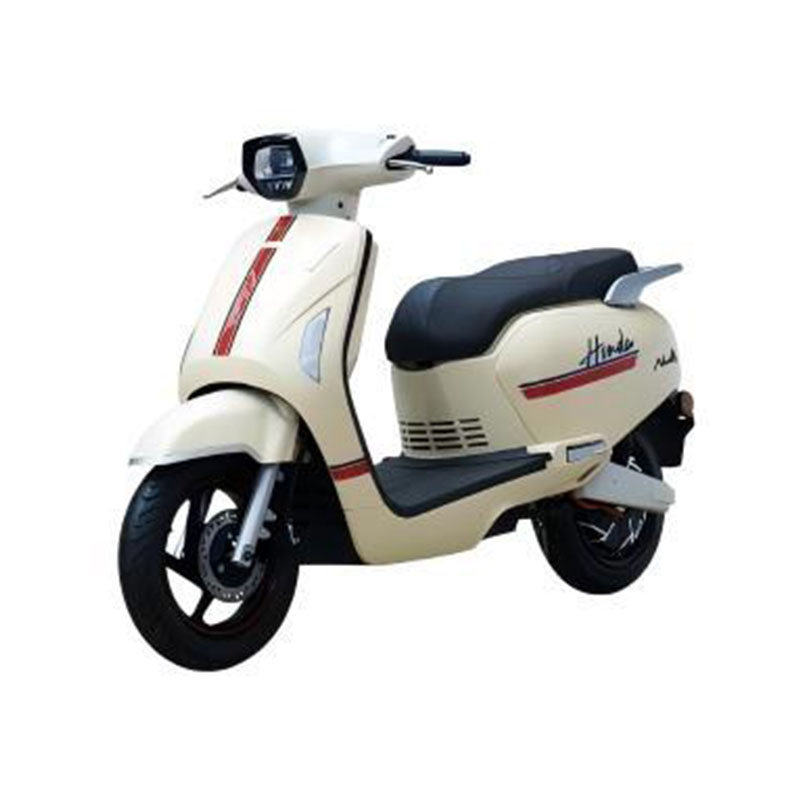
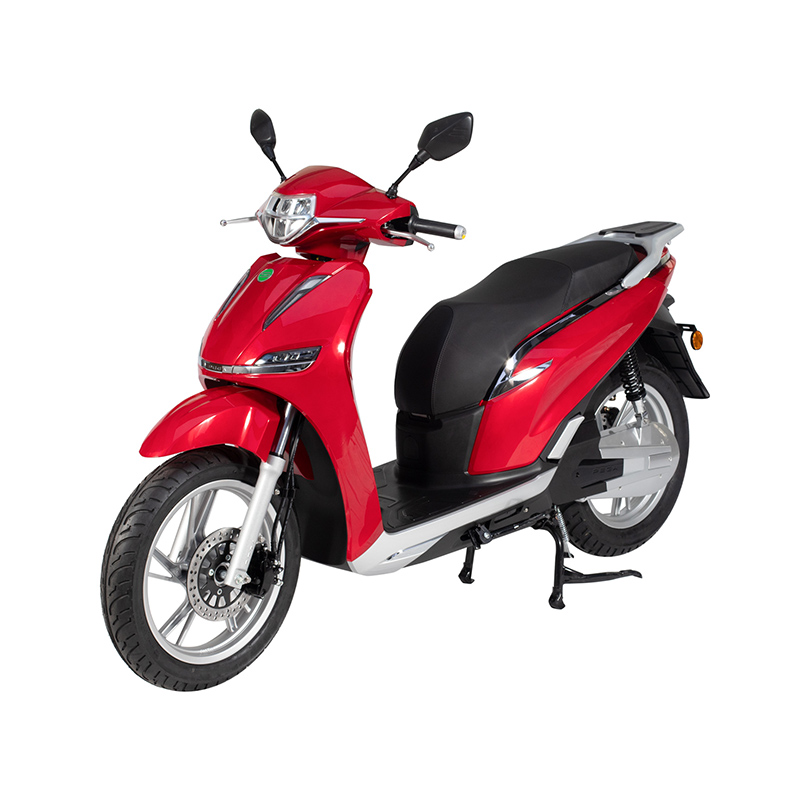
A conversion keeps the bicycle you already know. A factory-built light electric two-wheeler trades some familiarity for integrated battery placement, matched electronics and a defined warranty. If you want assist beyond what a hybrid frame can safely take, compare a higher-power platform against local rules before treating it as a substitute.
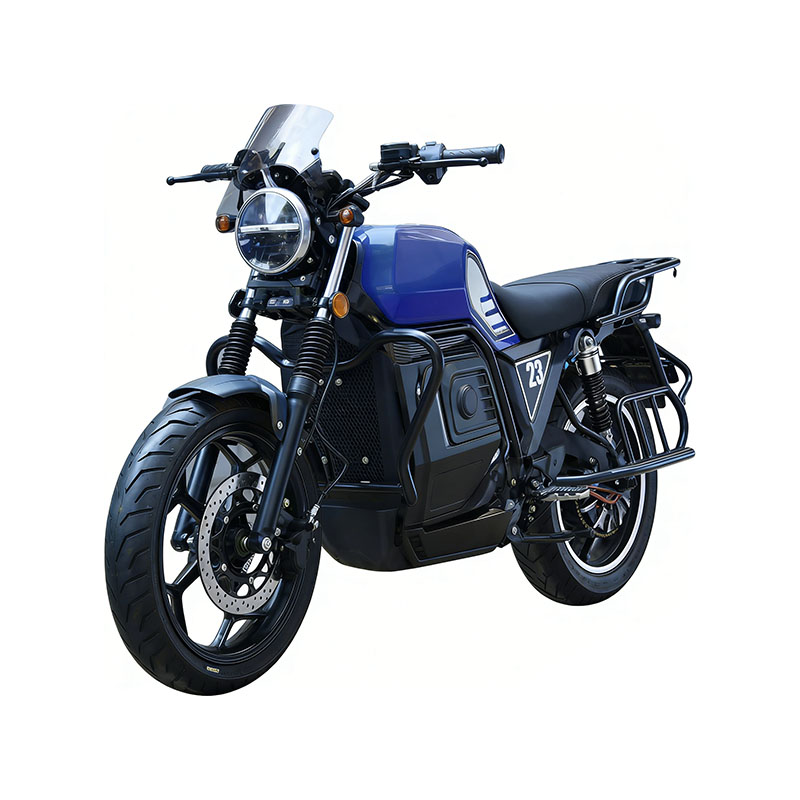
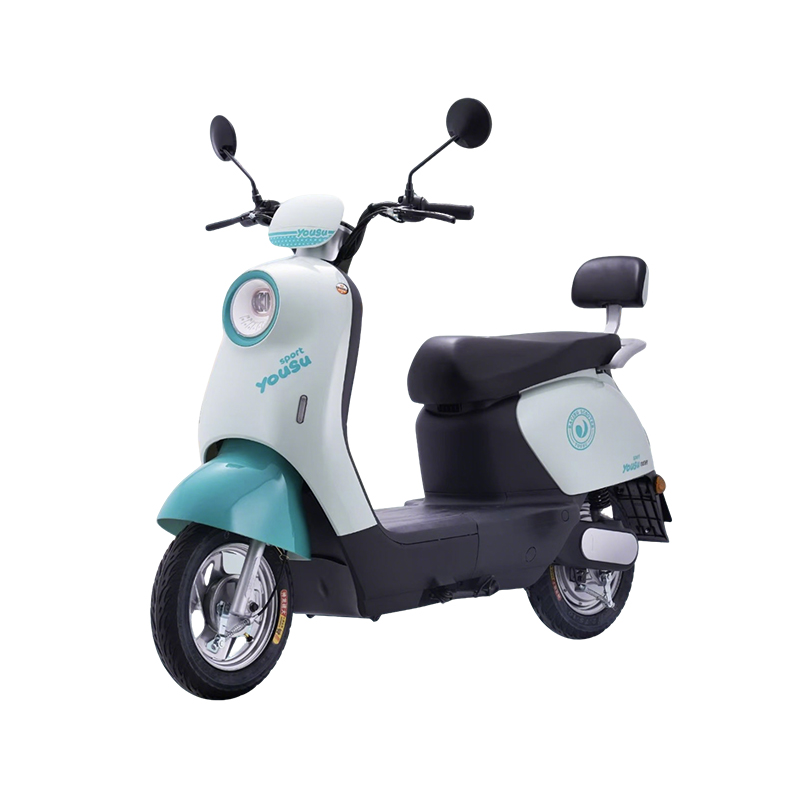
An 800W factory platform with a branded motor and controller is a different product class from a 250W hybrid conversion. It can suit private-site or regulated use, but it is not a like-for-like replacement for a bicycle on every route.
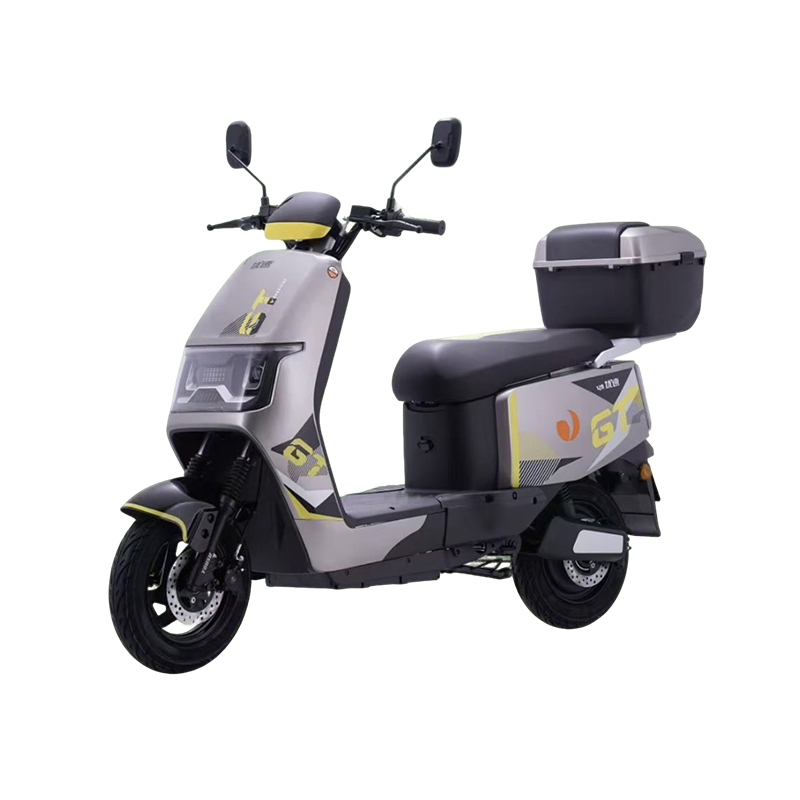
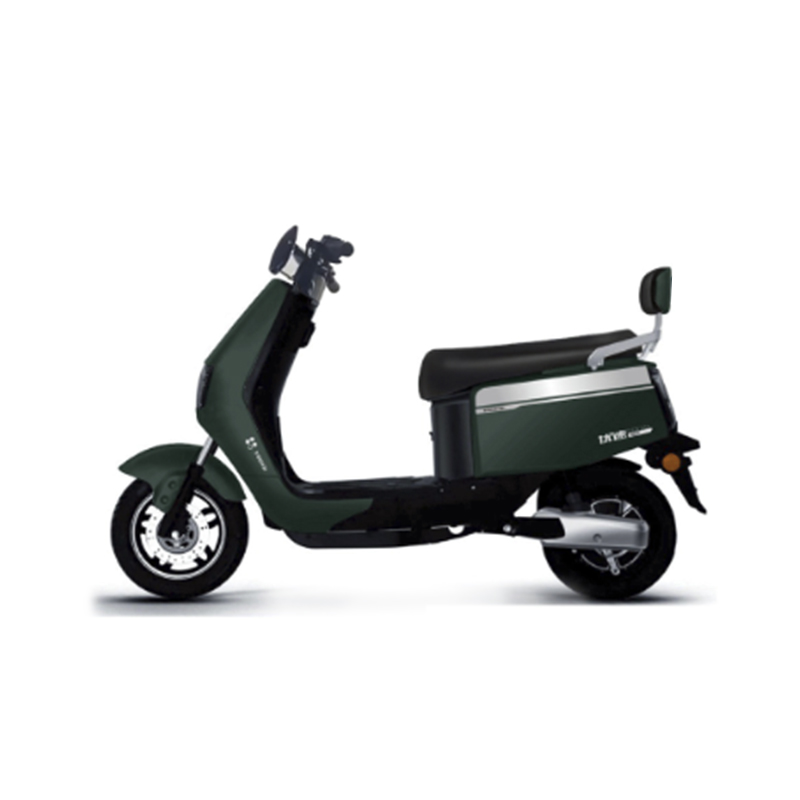 Yousu E10-15 High-Performance Electric ScooterFactory-built 800W scooter with branded motor and controller; a higher-performance platform for private-site or regulated use, not a bicycle conversion.View Product →
The Bottom Line
Yes, you can use a hybrid bicycle for an electric bike conversion, provided the frame accepts the kit, the brakes can manage the extra mass, the battery is mounted securely and the local power class is legal. Choose modest assist first, use matched components and inspect the dropouts before riding. If the frame, brakes or paperwork fail the test, do not force the build; choose a purpose-built platform instead.
 Previous