


 English
 Español

Buyer’s guide
What Is a Hybrid Electric Bicycle?
It is an electric bike built for mixed surfaces and everyday pace—not a car-style hybrid, and not a mountain bike with a battery bolted on.
The short answer is practical: a hybrid electric bicycle is usually a bicycle with electric pedal assist, built around the upright, stable, mixed-surface layout of a hybrid bike. It sits between a road bike and a mountain bike in riding position, tire choice, and intended use, then adds a motor, battery, controller, and sensor to reduce effort on climbs, headwinds, and longer commutes. The rider still pedals; the electric system amplifies that effort.
That distinction matters because the word “hybrid” is used loosely. In cars, it often means two power sources working through a complex drivetrain. In bicycles, it more often describes a frame and fit philosophy: comfortable enough for daily distance, capable enough for light gravel or broken pavement, and efficient enough for paved routes. When the motor is added, the result is a hybrid electric bicycle—an everyday machine rather than a specialist trail bike or a pure racing bike.
The definition buyers actually use
In retail and distribution, a hybrid electric bicycle is generally judged by three signals: an upright or semi-upright riding position, clearance for moderately wide tires, and an assist system intended for commuting and fitness rather than extreme terrain. You will see flat handlebars, stable steering, mounts for racks and mudguards, and gearing that covers both flat roads and modest gradients. The electric drive may be a hub motor or a mid-drive motor, but the riding brief stays the same: practical, comfortable, and versatile.
A second meaning appears in technical discussions. Some people call any pedal-plus-motor bicycle a “hybrid electric” vehicle because it combines human power and electric power. That is accurate in the broad sense, but it does not tell you whether the bike is a city commuter, a trekking model, a cargo platform, or a speed pedelec. For procurement, the useful question is not only “Is it hybrid?” but “Which hybrid layout and assist class is this, and what job is it meant to do?”
“Hybrid” describes the blend of riding position and capability; “electric” describes the assist system. Confusing those two ideas is how buyers end up with the wrong frame, the wrong motor, or the wrong battery for the route.
How the assist system creates the hybrid feel
A typical hybrid electric bicycle pairs a frame with rack and mudguard mounts, 700c or 28-inch wheels, and tires in a moderate width range—often around 35 mm to 45 mm—with a motor, battery, controller, and pedal sensor. The sensor is the part riders feel most directly. A cadence sensor adds power when the cranks turn; a torque sensor reads pedal pressure and responds more naturally, especially at low speed and on climbs. Neither is automatically better for every market. Cadence systems can be simpler and cheaper to service; torque systems usually feel smoother and more predictable when loaded.
The controller then manages how much current reaches the motor, how quickly assist ramps in, and when it cuts out. That is why two bikes with similar wattage labels can feel completely different. A well-matched controller and sensor make a modest motor feel responsive; a poorly tuned system can feel abrupt even with a larger motor. For a deeper technical walkthrough of motor, battery, and controller behavior, this Yousu explainer is useful: how an electric bicycle works.
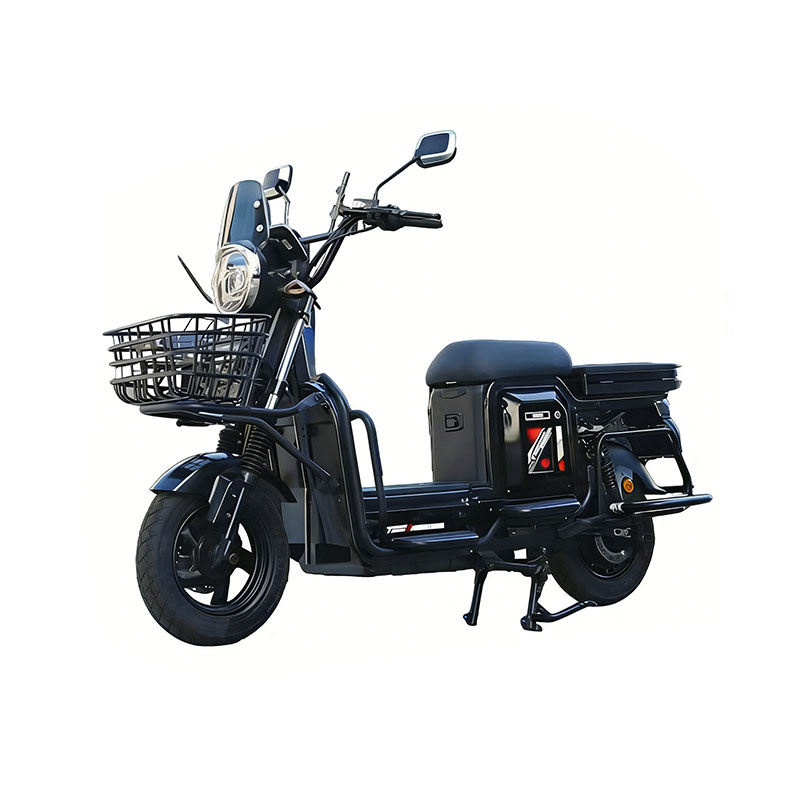
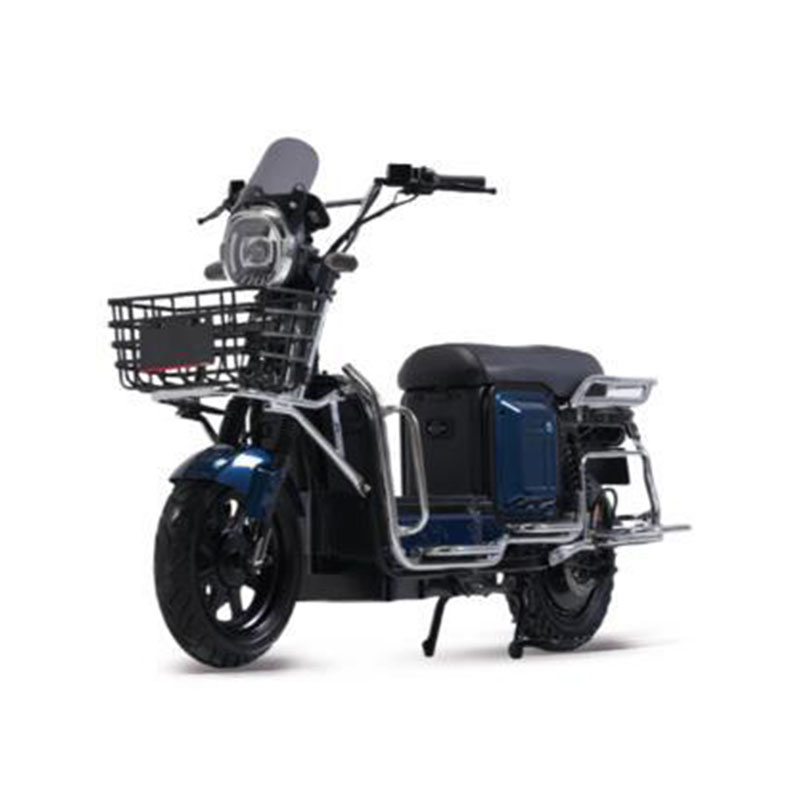
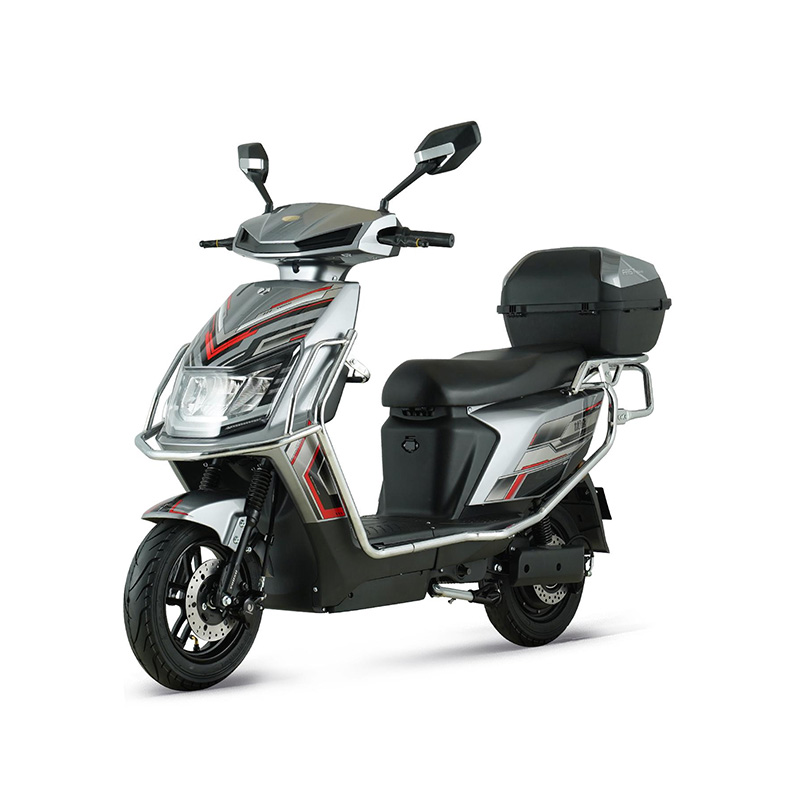
On the supply side, hybrid e-bike projects often borrow proven commuter platforms. A light urban 800W model, for example, shows how a simple frame, lead-acid pack, and practical controller are packaged for everyday routes.
 SY-LXQS Lightweight Urban Electric ScooterA lightweight urban scooter with 350–800 W motor options, lead-acid or lithium packs, and OEM/ODM variants suited to everyday city routes.View Product →
That does not make every light platform a hybrid bicycle, but it shows the component logic: frame stiffness, battery placement, controller access, and serviceability all shape the final ride.
Geometry, tires, and weight
Hybrid electric bicycle geometry usually favors a slightly taller head tube, a shorter reach than a road bike, and a wheelbase that feels stable without becoming sluggish. Tire clearance matters more than many buyers expect. A 35 mm tire can handle smooth pavement and light gravel; a 45 mm tire adds comfort and puncture tolerance but may affect fender clearance. Check the gap between tire and frame under load, not just on a showroom floor.
- Choose an upright fit for visibility and commuting comfort, especially if the bike will carry racks or daily luggage.
- Confirm tire clearance with mudguards fitted; a few millimeters of nominal clearance can disappear once the tire is inflated and loaded.
- Check the weight with the battery installed. A hybrid e-bike can be 22 kg to 30 kg or more, which affects lifting, parking, and transport.
- Look for service access around the controller, battery mount, and rear dropouts; small design choices become expensive maintenance issues later.
Weight is a purchasing risk, not just a spec-sheet number. A heavy hybrid electric bicycle may ride well but be difficult to carry upstairs, lift onto a rack, or move in tight parking. If the rider cannot lift the bike safely, the daily experience suffers.
Brakes deserve equal attention. A loaded hybrid e-bike needs predictable stopping power, good lever feel, and enough pad clearance for wet conditions. Mechanical disc brakes can be adequate for gentle commuting; hydraulic discs usually offer better modulation for heavier riders and hilly routes. Check rotor size and pad availability, because consumables are part of the ownership cost.
Hub motor or mid-drive?
Both layouts can work in a hybrid electric bicycle, but they suit different riding patterns. A hub motor is usually simpler, quieter, and easier to service in markets where technicians are familiar with basic electrical diagnostics. A mid-drive motor uses the bike’s gearing, which helps on steep climbs and with heavier loads, but it places more stress on the drivetrain and usually costs more.
Hub-drive strengths
Hub systems are common on commuter and light trekking models because they keep the frame interface straightforward and can be packaged at lower cost. They are a sensible fit for gentle terrain, predictable routes, and fleets that need simple replacement procedures.
Mid-drive strengths
Mid-drive systems feel more natural when the rider changes gears with the terrain. They are often the better choice for hilly areas, heavier riders, and utility use where the motor benefits from low gearing. The trade-off is higher drivetrain wear and stricter service requirements.
| Configuration | Typical geometry | Assist character | Best-fit use |
|---|---|---|---|
| Urban hybrid | Upright, flat bar, moderate tires | 250 W to 500 W hub or light mid-drive | Commuting, paths, short errands |
| Trekking hybrid | Stable, wider tires, rack mounts | 500 W to 750 W mid-drive with torque sensing | Mixed surfaces, longer rides, light touring |
| Utility hybrid | Reinforced frame, cargo mounts | 750 W to 1000 W mid-drive or heavy hub | Hills, loads, daily logistics |
| High-performance hybrid | Stiffer frame, larger brakes | 1000 W+ or speed-pedelec systems where legal | Fast commuting on approved routes |
A higher wattage label does not guarantee a better hybrid electric bicycle. Check continuous versus peak rating, controller current, battery discharge capability, and whether the frame and brakes are rated for the resulting speed and load.
Range, charging, and battery risk
Range claims are only useful when the test conditions are stated. A hybrid e-bike used in stop-start traffic with a heavy rider, cold weather, hilly terrain, and high assist will not match a flat-route test with a light rider. Battery capacity in watt-hours is more informative than voltage alone. As a rough guide, divide watt-hours by an assumed consumption rate, then apply a tolerance for temperature and terrain. For many commuter hybrids, a realistic planning range may be 40 km to 80 km, but the exact figure depends on assist level and load.
Charging behavior matters for commercial use. Delivery riders and shift-based fleets need to know charge time, charger compatibility, and whether the pack can be removed for indoor charging. A fast-charging model can reduce downtime, but only if the battery management system, charger, and cell quality support it safely.
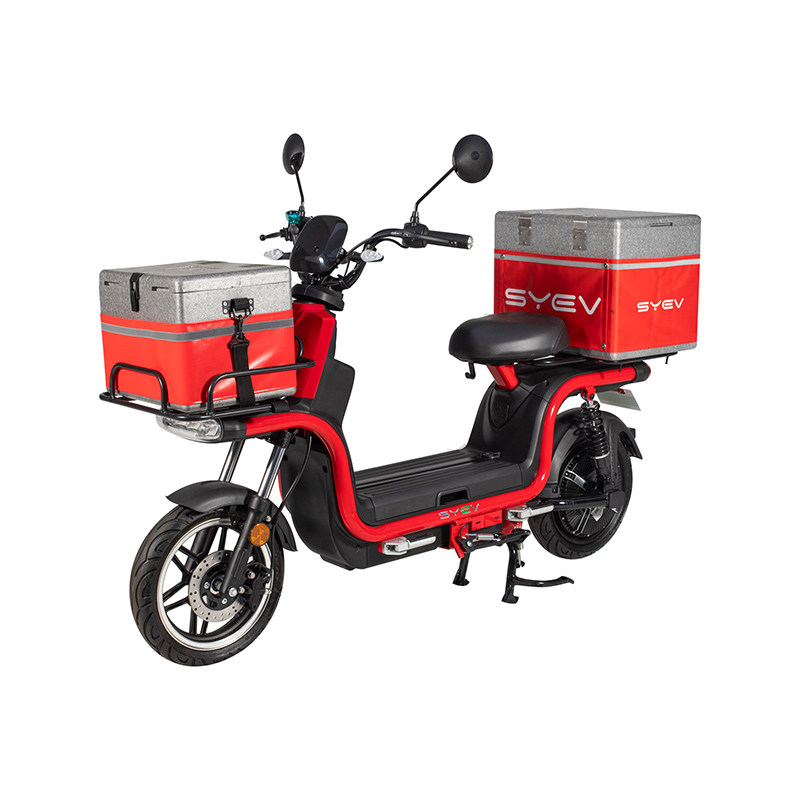
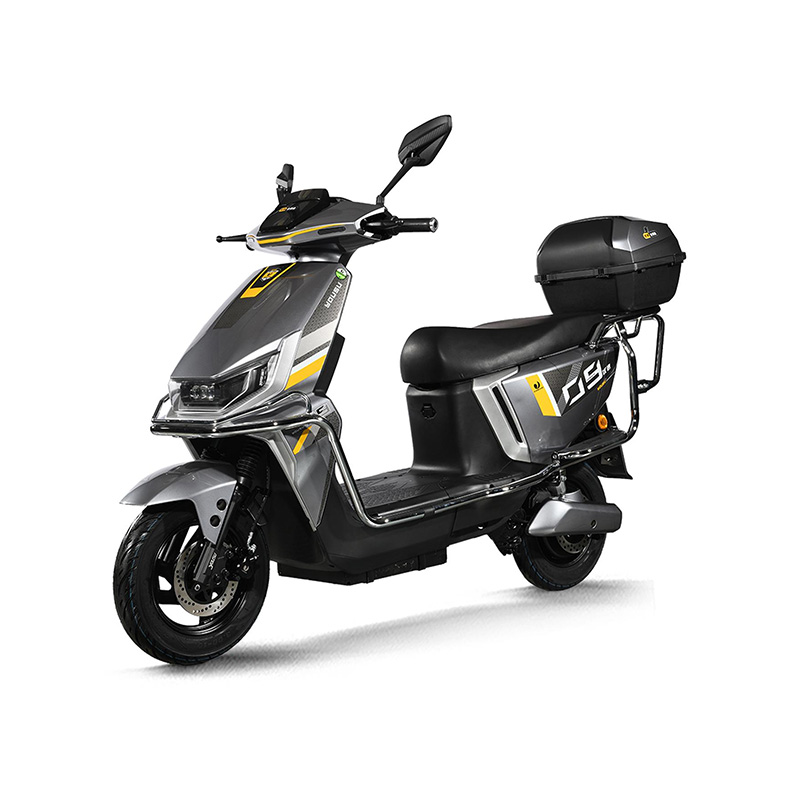
For delivery or long-shift use, lithium packs and serviceable controllers matter more than headline wattage; the 1,200 W logistics-oriented platform is listed for that duty.
 1200W Logistics Electric Scooter for DeliveryA delivery-oriented 1200 W scooter with 60V 26Ah lithium battery, disc brakes, and OEM/ODM variants designed for high-intensity logistics use.View Product →
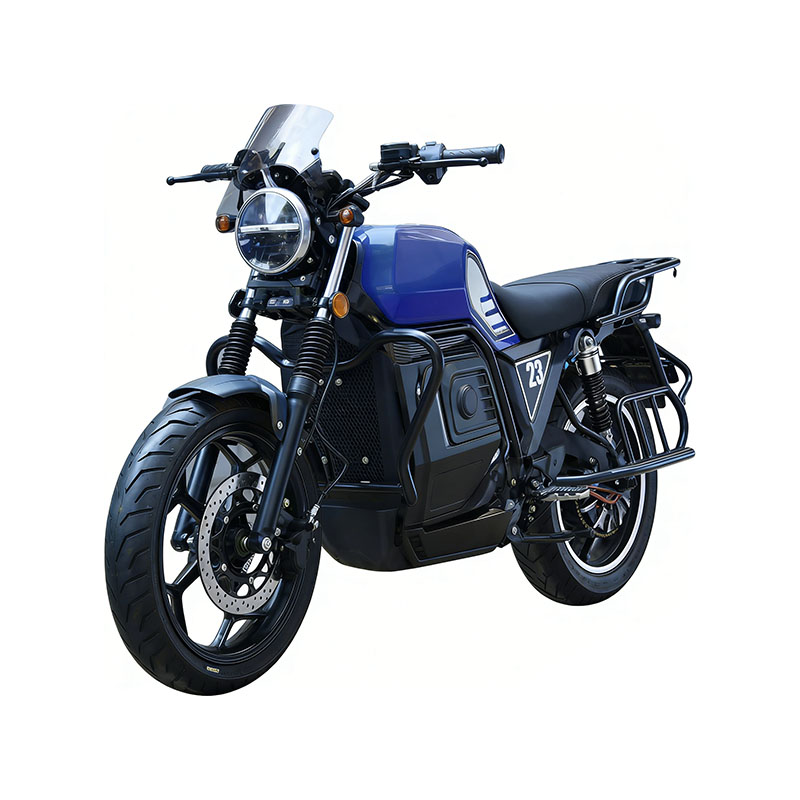
Time-sensitive fleets should also look at charge acceptance, not just charger size. The Cyclist A7 Pro is listed with 10 A fast charging and a two-grid-per-minute charge indication.
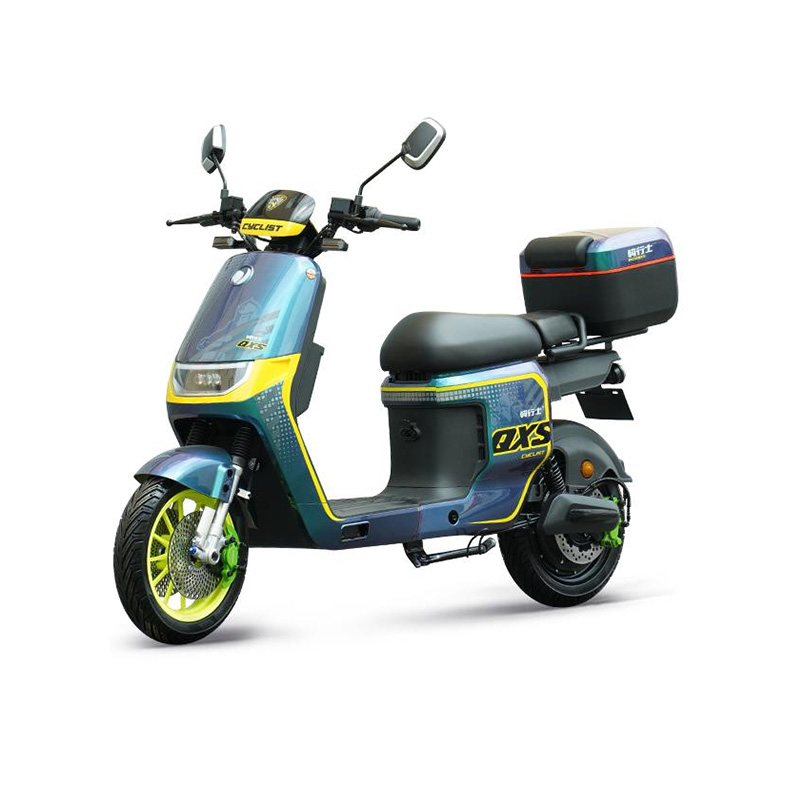 Yousu Cyclist A7 Pro E-MotorcycleA high-performance e-motorcycle with 72V 20Ah battery, 1800W power, 10A fast charging, and OEM/ODM availability for performance-focused riders.View Product →
Before approving a battery spec, test the lowest and highest assist settings on a loaded bike. Listen for controller cut-in noise, check connector temperature, and confirm that the charger and pack communicate correctly.
Do not accept uncertified battery packs or mismatched chargers. Ask for cell-level documentation, pack testing reports, and clear labeling for voltage, capacity, and charging limits. A low purchase price is not worth a safety or liability problem.
What importers and dealers should verify
For a distributor, a hybrid electric bicycle is a specification, a service obligation, and a regulatory item at the same time. The frame may look right, but the commercial risk sits in the details: whether spare controllers are available, whether the battery connector is common in your market, whether the brake mounts follow a standard, and whether the seller can supply consistent batches. Ask for a written configuration sheet with motor model, controller current, battery chemistry, charger input, tire size, and maximum load.
- Confirm the intended market classification and speed limit, then match motor cut-off behavior and labeling to that requirement.
- Request sample bikes from the same production batch, not hand-built displays, and test them with a rider near the target weight.
- Check frame alignment, brake rub, cable routing, and battery lock security after a short loaded ride.
- Ask which parts are proprietary and what the minimum spare-parts order is; serviceability affects warranty cost more than many buyers expect.
- Review packaging, moisture protection, and connector sealing for the destination climate, especially for coastal or rainy regions.
Factory capability should be checked before the first bulk order. A useful starting point is Yousu’s factory and production overview, then compare the stated capacity with the delivery window you actually need. A supplier that can build samples but cannot hold tolerances across 500 units is a different risk from one with stable production and documented inspection points.
Where it fits, and where it does not
A hybrid electric bicycle fits riders who want one machine for commuting, fitness, errands, and light off-pavement use. It is a poor substitute for a dedicated mountain bike on technical trails, a cargo bike for heavy loads, or a road bike for competitive pacing. The value comes from balance: comfortable geometry, useful tire volume, predictable assist, and enough serviceability to keep the bike on the road.
For buyers, the practical conclusion is straightforward. Define the route, rider weight, load, climate, and local rules first. Then choose the motor layout, battery capacity, frame fit, and brake system that support those conditions. Treat “hybrid” as a design brief rather than a marketing badge, and a hybrid electric bicycle becomes much easier to specify, compare, and buy with confidence.
 Previous