


 English
 Español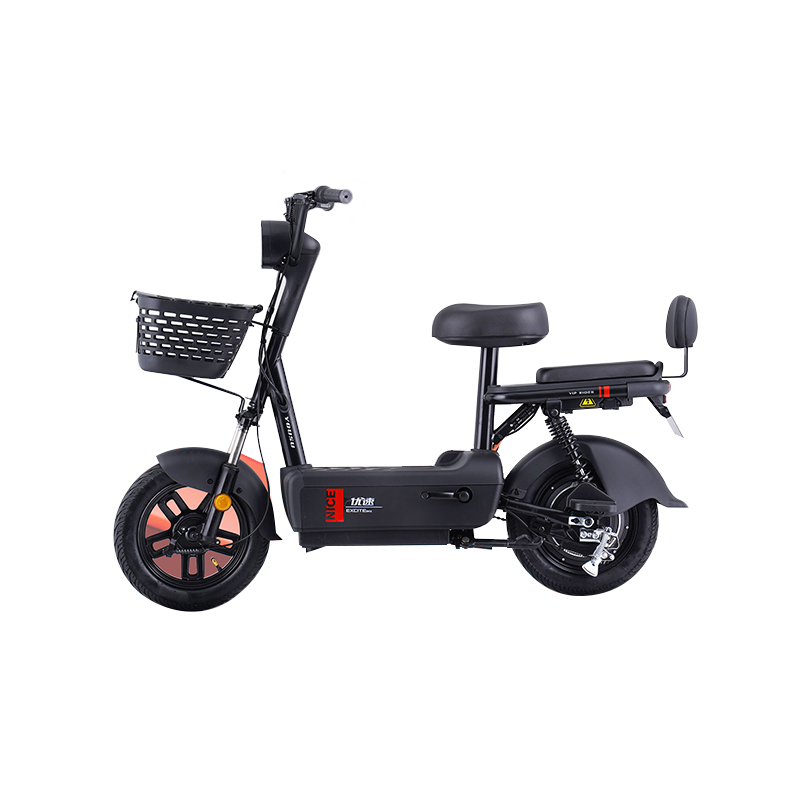
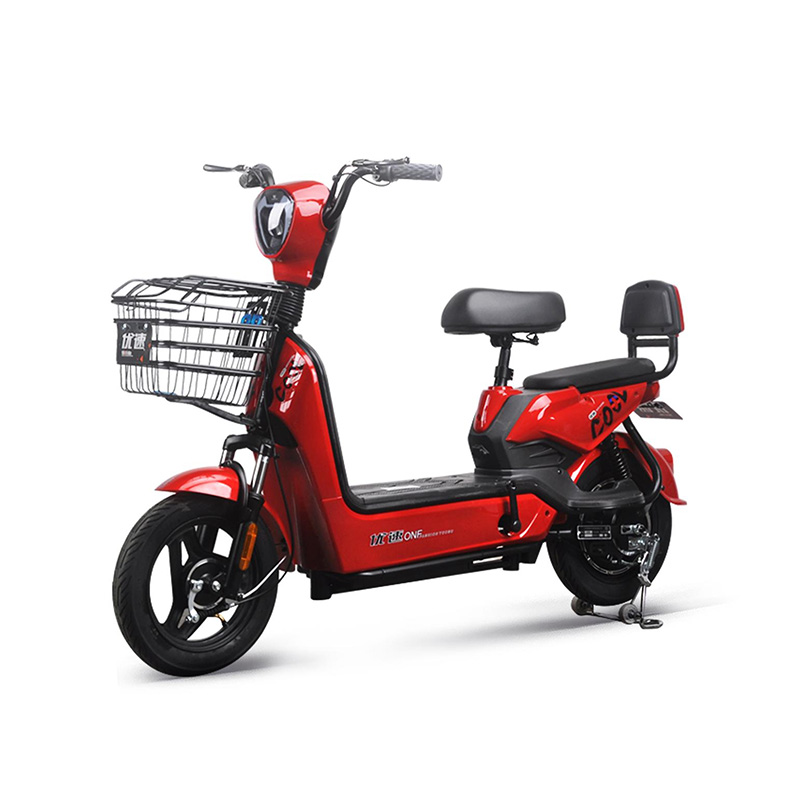
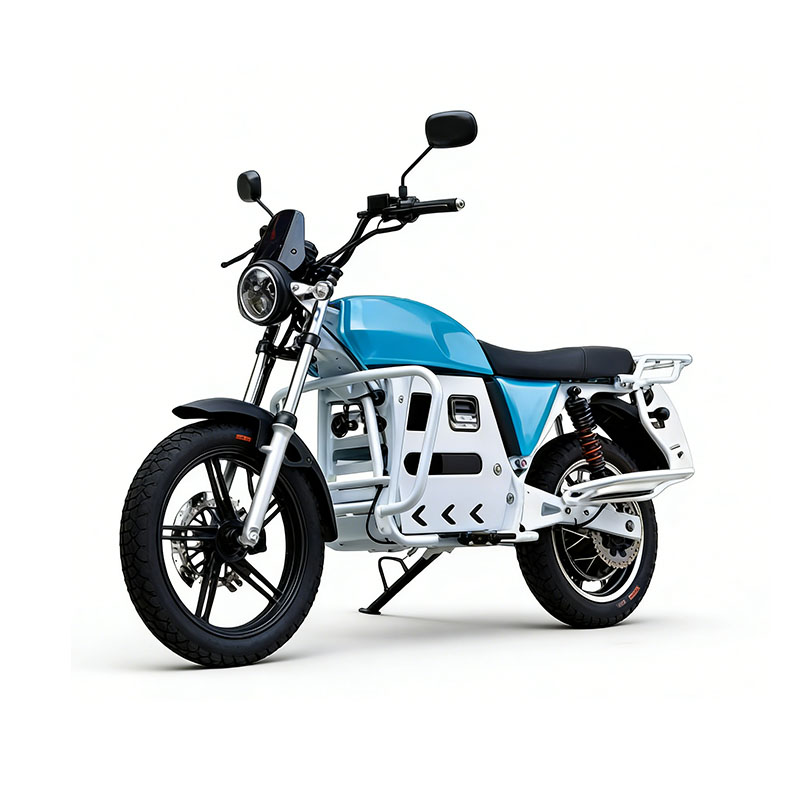
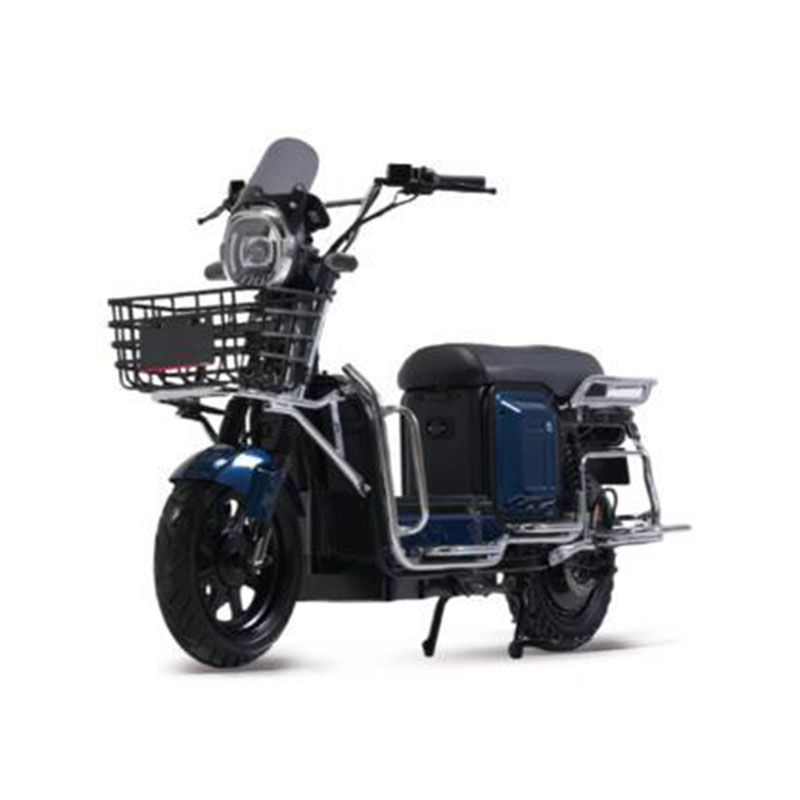
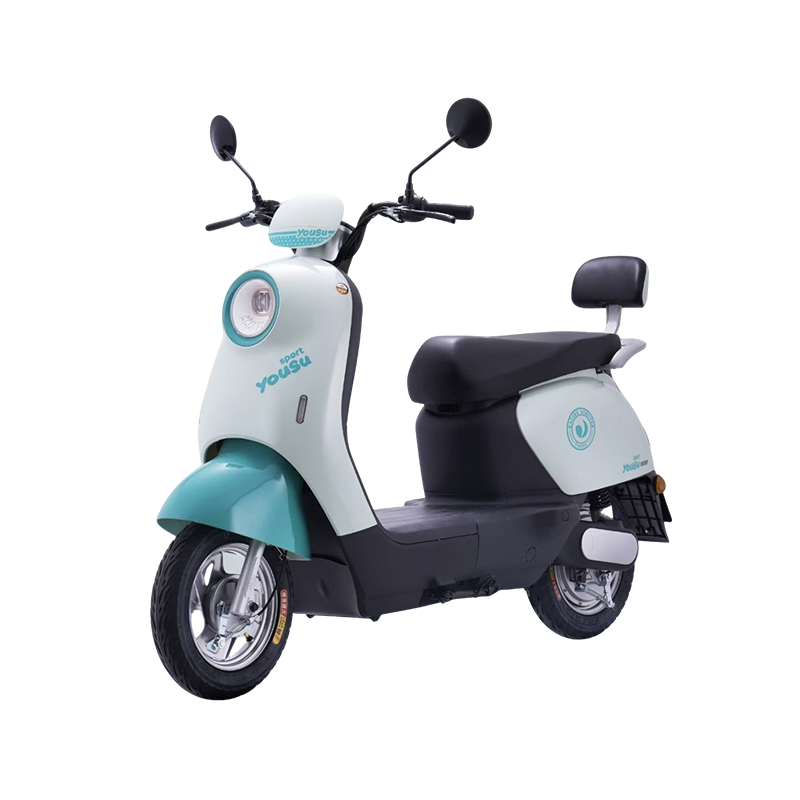
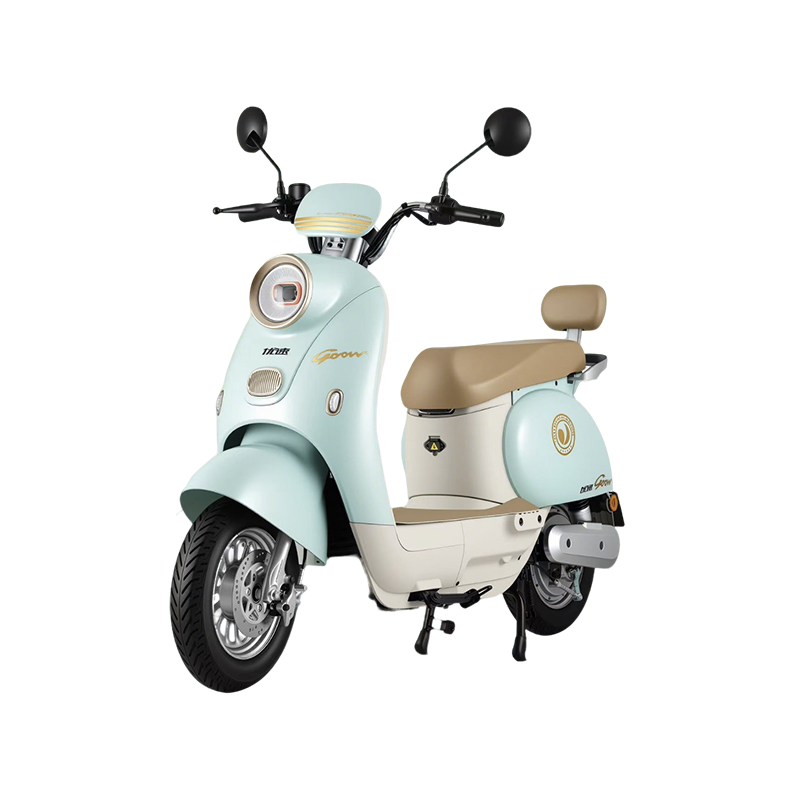
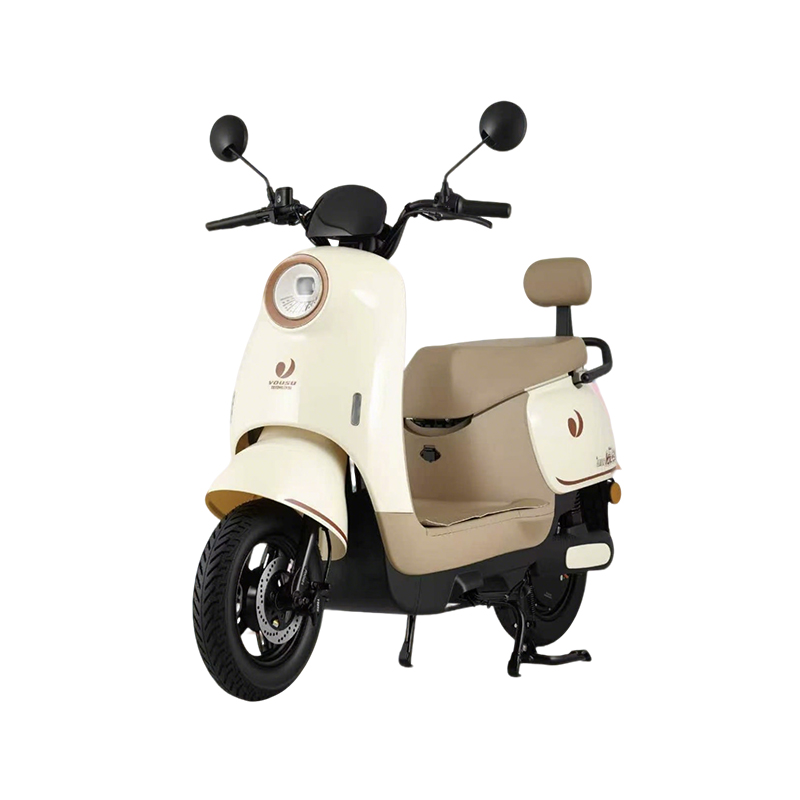
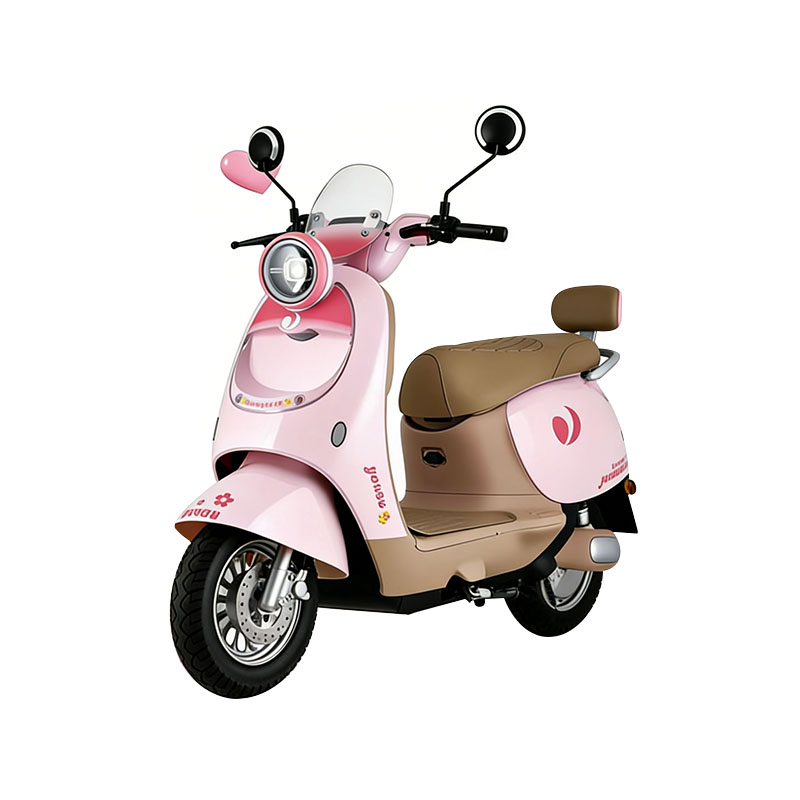
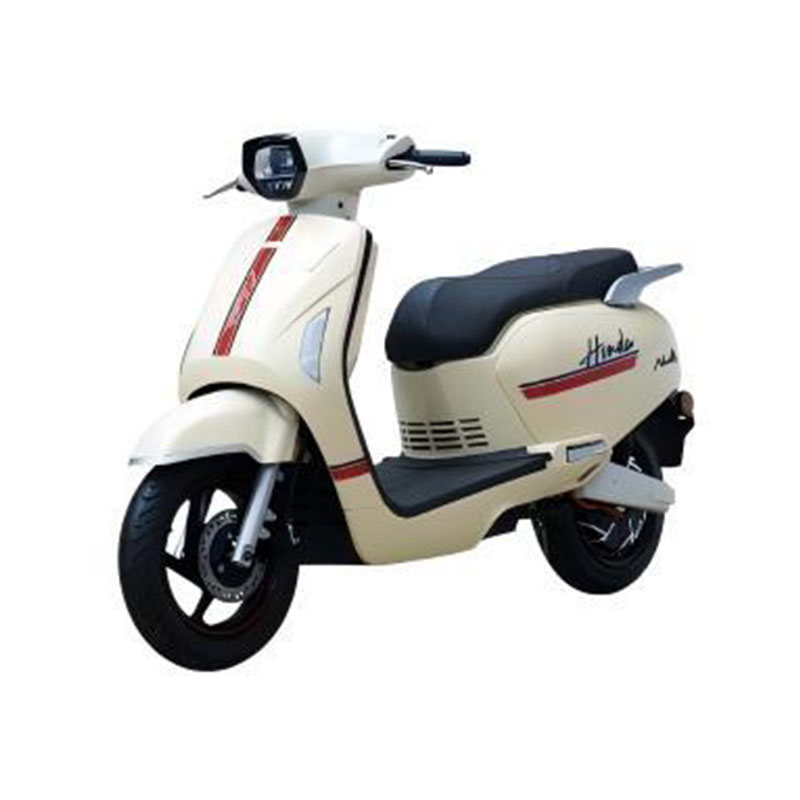
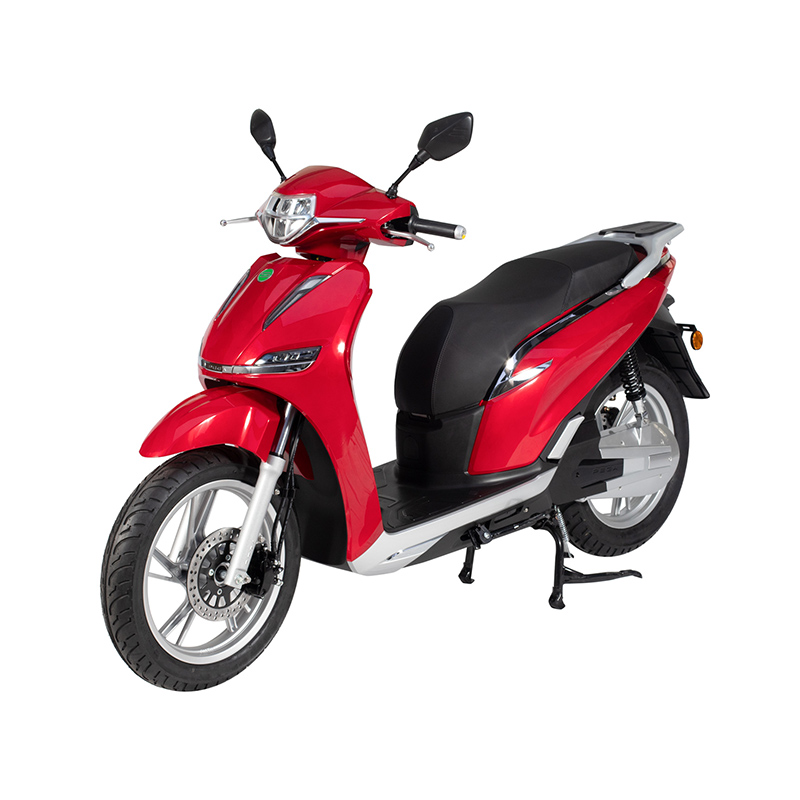
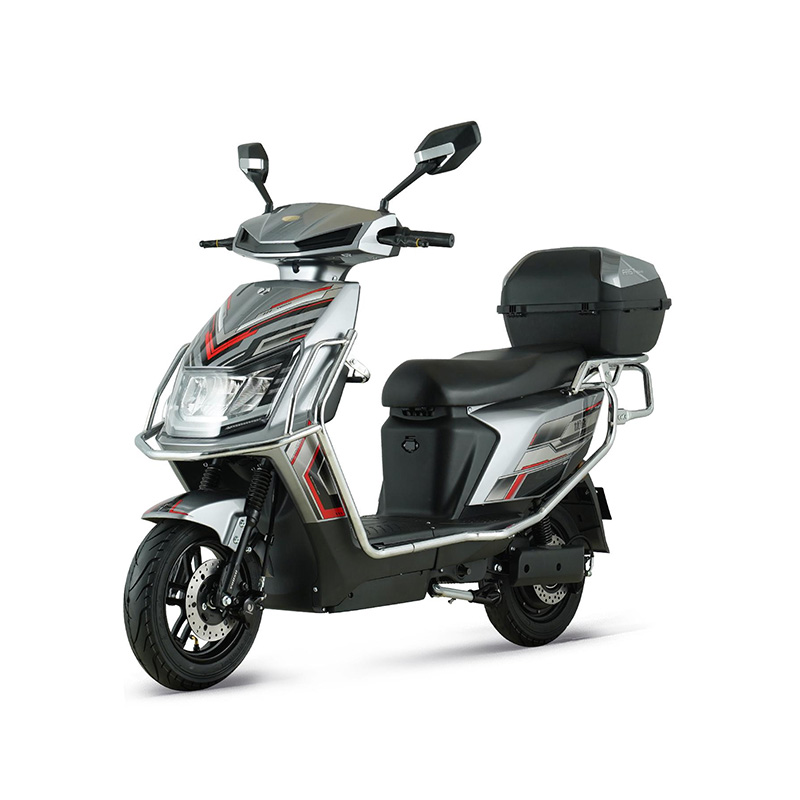
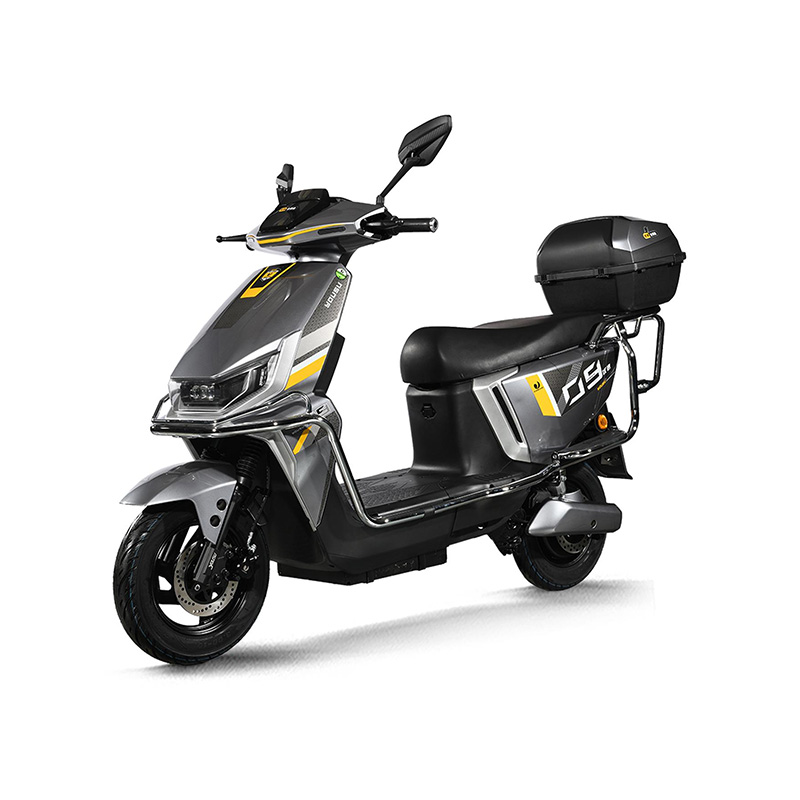
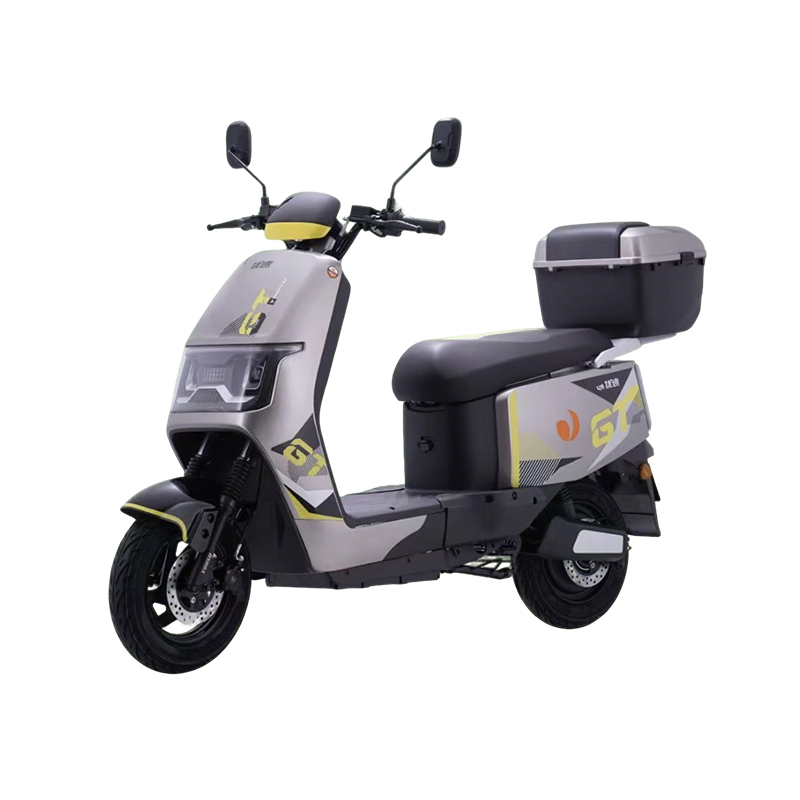

You twist the throttle on an electric bicycle and the rear wheel answers with a quiet hum, pulling you forward without you touching the pedals. A moment later you pedal, and the motor adds power again, seemingly on its own. For many buyers, this is where the questions start: how does the e-bike know you are pedaling? Which components matter, and which ones explain the price gap between a basic commuter and a high-performance machine? The answer is simpler than it seems. An electric bicycle works by coordinating four systems. The battery stores energy, the controller governs how much energy flows, the motor converts that energy into motion, and sensors tell the system when you need assistance. Once you understand those four parts, you can evaluate any e-bike, electric scooter, or electric motorcycle with much more confidence.
The Four Systems Behind Every Electric Bicycle
Every electric bicycle, regardless of price, relies on the same architecture. A lithium battery pack supplies direct current, the motor is normally a brushless unit driven by an electronic controller, and sensors read your input from the pedals or throttle. The handlebar display is simply the human interface to that controller.
Battery: The Energy Store
Battery capacity is described by voltage and amp-hours. A 48V 20Ah pack, for example, can deliver 960 watt-hours, which translates into a practical commuting range depending on terrain and assist level. Lithium batteries dominate because they are lighter, charge faster, and last longer than older lead-acid types. For logistics use or frequent stop-and-go riding, lithium packs reduce dead weight and support more charge cycles.
Motor: From Electricity to Motion
Most e-bikes use brushless hub motors in the front or rear wheel. A rear hub motor gives quick acceleration from a standstill and is simple to maintain. Mid-drive motors sit at the crank and use the bicycle's gear system, which improves climbing efficiency at the cost of more drivetrain wear. Motor wattage tells you how much power the motor can sustain. A 350–500W motor suits flat commuting, 800W handles hills and heavier riders, and 2000W and above belongs to performance-oriented machines.
Controller: The Brain of the System
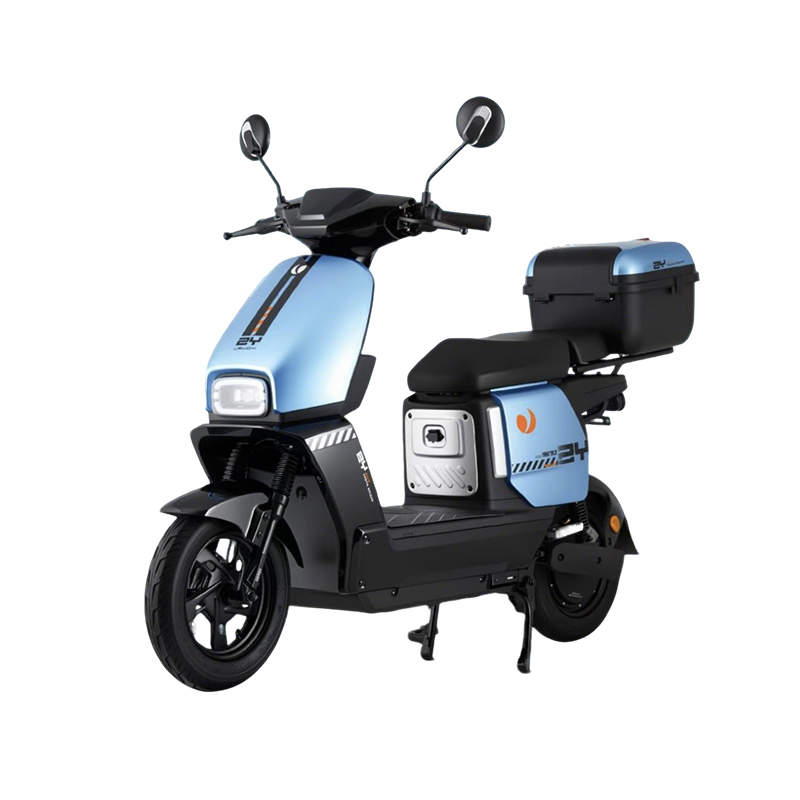
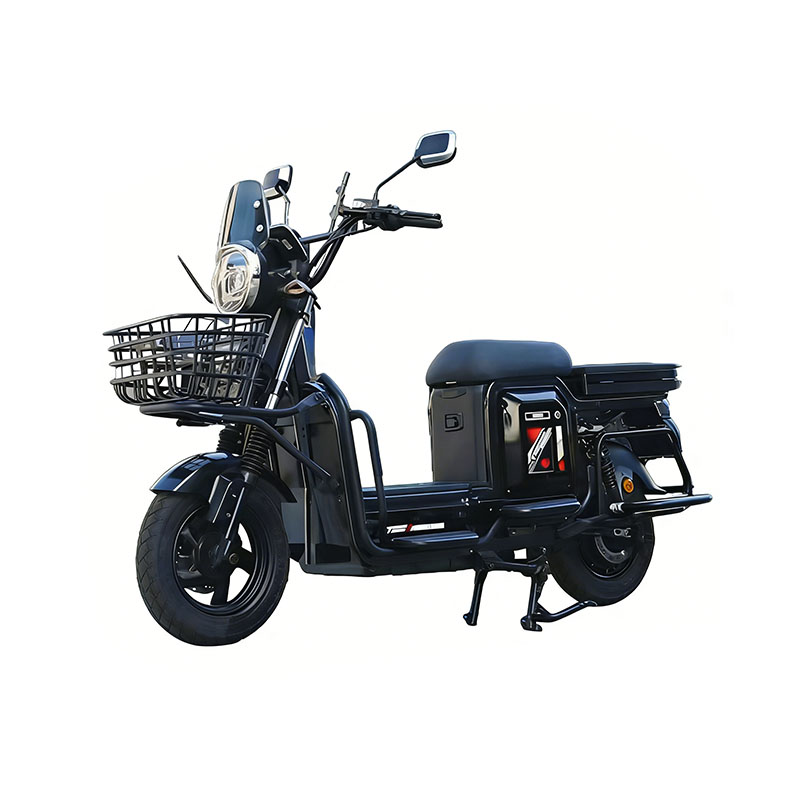
The controller is the part most buyers overlook until it fails. It regulates current from the battery to the motor and interprets the signals coming from the sensors. You can compare controllers by tube count and current rating: a 12-tube 32A controller can deliver more current smoothly than a 6-tube unit. More advanced designs use wireless control or liquid-cooling technology to keep performance stable under sustained load. That is why a high-end electric scooter with a solid-state liquid-cooling controller can hold its power delivery on long climbs while a basic controller starts to throttle back.
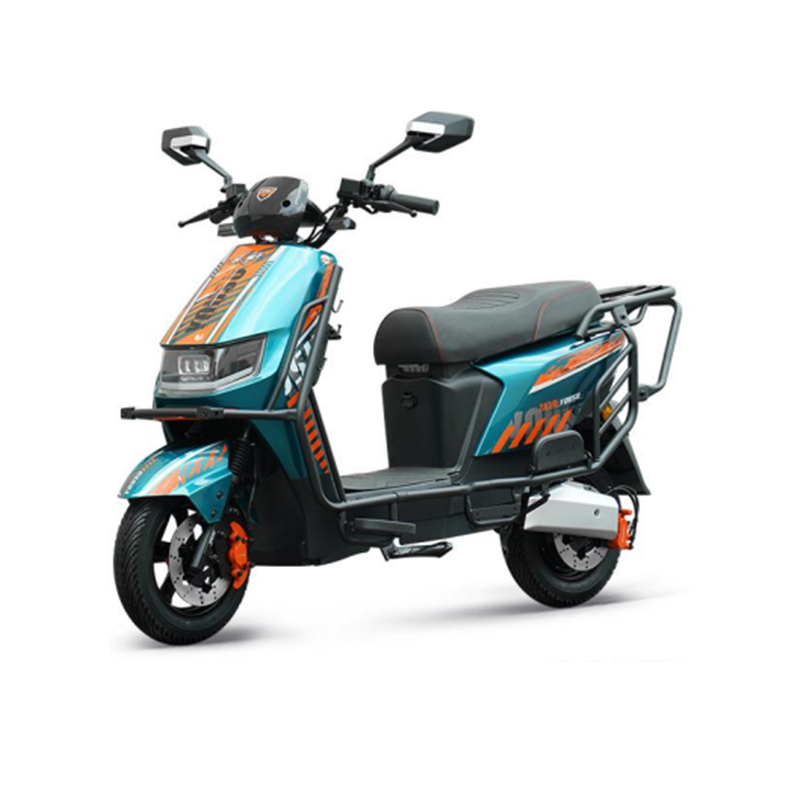 OEM/ODM Yousu high-end E-motorbike King-Kong I, Electric Scooter with Heibao solJiangsu Yousu Vehicle Technology Co., Ltd. is China OEM/ODM Yousu high-end E-motorbike King-Kong I, Electric Scooter with Heibao solid st...View Product →
Sensors: Pedal Assist and Throttle
A pedal-assist sensor, usually mounted near the crank, detects when you pedal and how hard. Cadence sensors simply detect rotation; torque sensors measure the force you apply, which gives a more natural riding feel. A throttle, normally on the handlebar, activates the motor directly without pedaling. The combination of a torque sensor and a throttle gives the most flexible riding experience.
| System | Role | What to Check |
|---|---|---|
| Battery | Stores DC energy | Voltage, amp-hour capacity, cell quality |
| Motor | Converts electrical energy into rotation | Hub or mid-drive, wattage, placement |
| Controller | Regulates power delivery | Tube count, current rating, cooling design |
| Sensors | Detect pedaling or throttle input | Cadence or torque type, throttle option |
Pedal Assist, Power on Demand, and Regulations
Electric bicycles operate in two broad modes. In pedal-assist mode, the motor is regulated by your pedaling: the sensor detects rotation or torque, and the controller matches motor output to your effort. In power-on-demand mode, a throttle activates the motor directly. Many commuting models combine both so you can pedal on flat stretches and rest your legs on inclines.
Regulations vary by market, but the physics is the same everywhere. A pedelec that cuts assistance at 25 km/h is treated as a bicycle in many jurisdictions, while a throttle-driven model or a faster s-pedelec may require registration, insurance, or a helmet. Buyers importing e-bikes for resale should confirm which class their target market allows, because a single spec difference can change the product from a bicycle into a moped.
What Actually Happens When You Ride
From the moment you start, the sequence is fast enough to feel seamless. Here is what happens step by step:
- You pedal or twist the throttle.
- The cadence or torque sensor registers the input.
- The controller reads the sensor signal and checks the battery voltage.
- The controller sends a controlled current to the motor.
- The motor drives the wheel, and the display updates speed, battery level, and assist mode.
Under braking, the motor stops receiving power. Most commuter models rely on mechanical disc or drum brakes, so the electric system does not interfere with stopping distance. Some models include regenerative braking, but on light vehicles the recovered energy is modest compared with what a full charge provides.
Matching the System to the Use Case
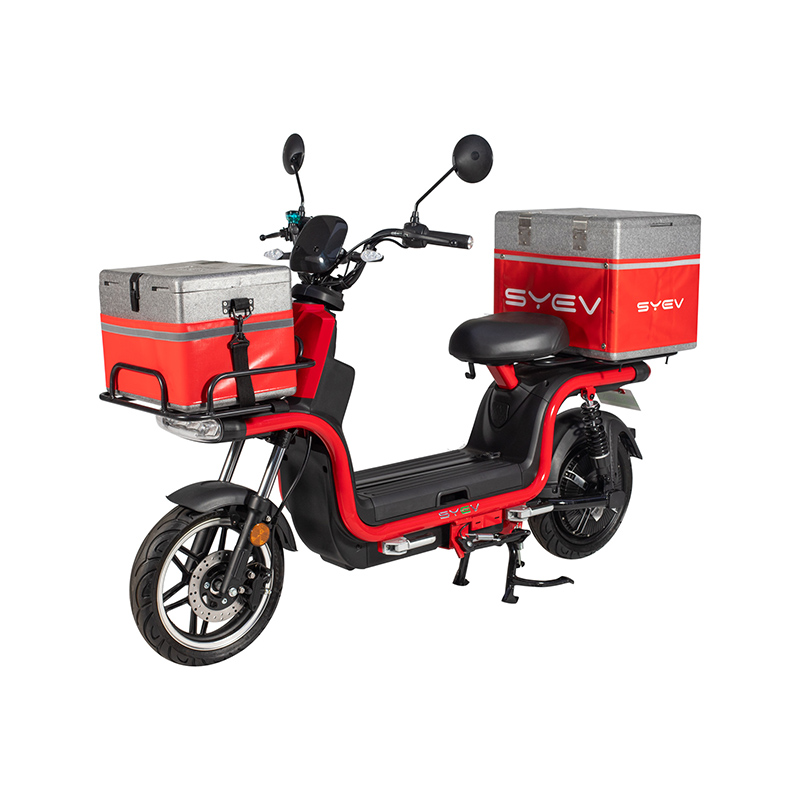
Once you can read the components, choosing becomes more straightforward. A small commuter with a 500W motor and a 48V 20Ah battery gives comfortable range for daily errands. A delivery operation needs higher power for quick starts and a lithium battery to keep weight and downtime low. A performance rider will want a large controller and a motor above 2000W. For a wider comparison of configurations, you can also read our practical guide on how to choose an electric vehicle for your specific route and load.
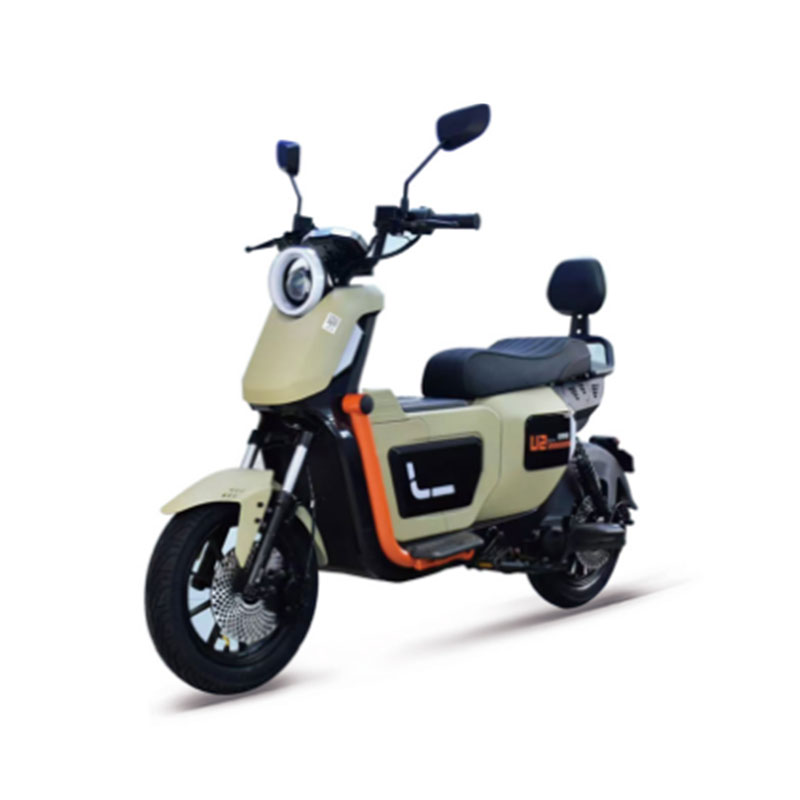
At the commuting end, a simple and proven layout is often better value than a long list of features. A compact model such as the household commuting electric scooter from the Simple series keeps maintenance and purchase cost low while covering the daily trip reliably.
 Custom Simple Model Electric Scooter Manufacturers, FactoryJiangsu Yousu Vehicle Technology Co., Ltd. is China electric simple scooter manufacturers and simple electric scooter factory, we custom ...View Product →
| Scenario | Motor Power | Battery | Controller |
|---|---|---|---|
| Household commuting | 350–500W | 48V 20Ah | 6–9 tubes |
| Long-range or logistics | 800–1200W | 60V 20Ah or lithium | 9–12 tubes |
| High performance | 2000W and above | High-voltage lithium | High-current 12 tubes or more |
Range, Charging, and Day-to-Day Care
Real range depends on more than the label. Rider weight, tire pressure, hills, wind, and assist level all draw different amounts from the battery. A standard 48V 20Ah pack might cover 40–60 km in eco mode and far less in high assist. Correct charging habits matter more than most buyers expect: avoid draining the battery to zero regularly, keep it away from extreme heat, and use the charger supplied with the vehicle.
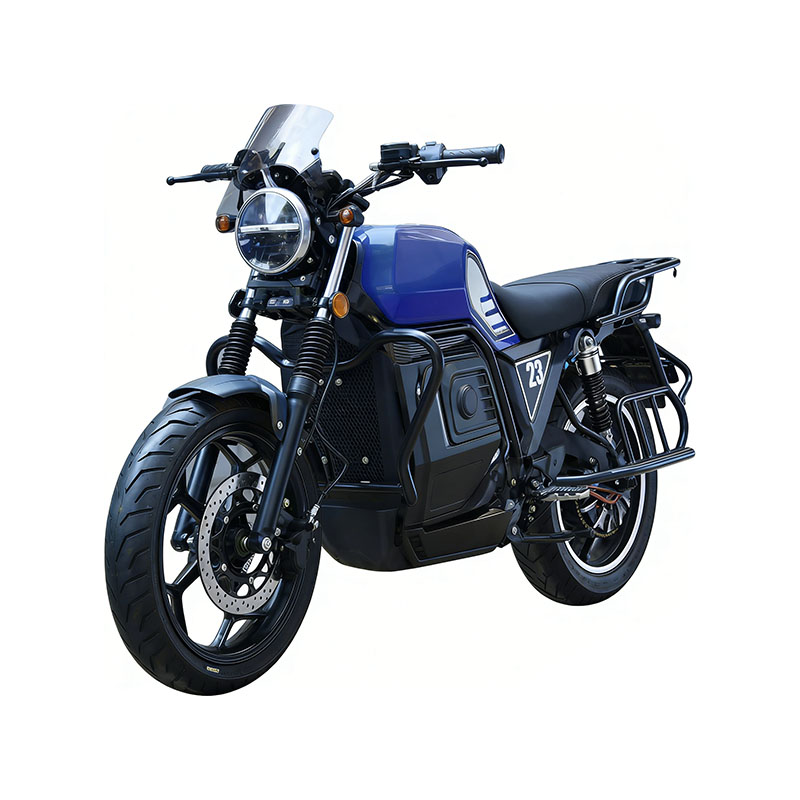
Charging speed is also a design consideration. Standard chargers add one battery grid every few minutes; a 10A fast-charging system can add two grids per minute, which makes sense for commercial fleets and high-mileage riders. The electric motorcycle with 10A fast charging from the Cyclist series shows how a higher-current charger, combined with a controller that manages the load, shortens downtime without damaging the cells.
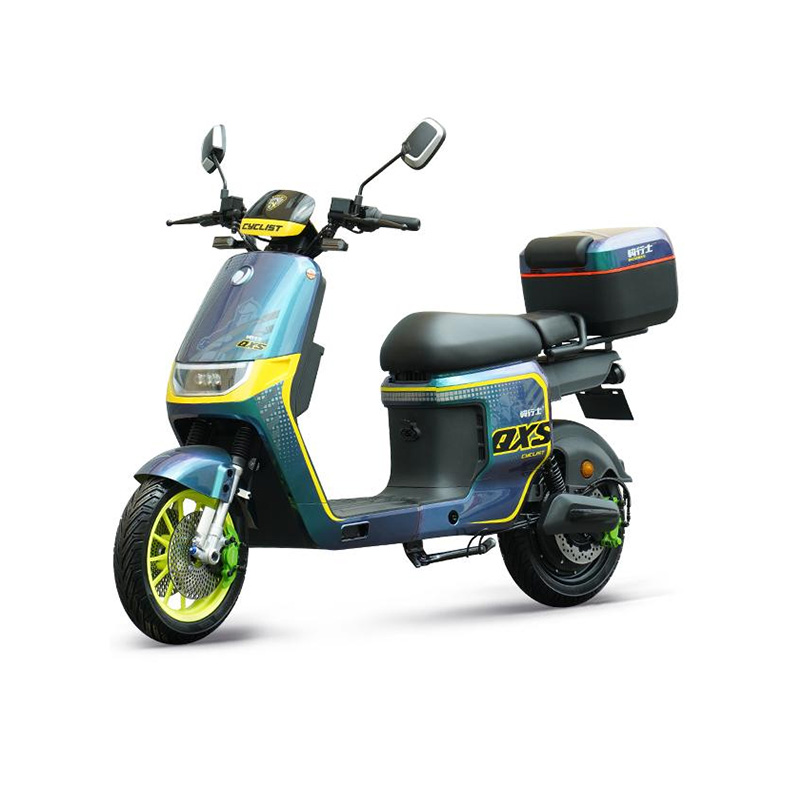 OEM/ODM Yousu Cyclist high-end E-motorcycle A7-pro, 10A fast charging (2 grids pJiangsu Yousu Vehicle Technology Co., Ltd. is China OEM/ODM Yousu Cyclist high-end E-motorcycle A7-pro, 10A fast charging (2 grids per mi...View Product →
An electric bicycle is not a mystery. Battery, controller, motor, and sensors form a closed loop that responds to your pedaling or throttle. When a spec sheet lists 800W, 12 tubes, and 48V 20Ah, you now know what each number does. Before buying or importing, decide which scenario you are optimizing for, check the class your market allows, and look for components that match the daily demand. That approach, rather than chasing the biggest motor, is what separates a good purchase from an expensive mistake.
 Previous