


 English
 Español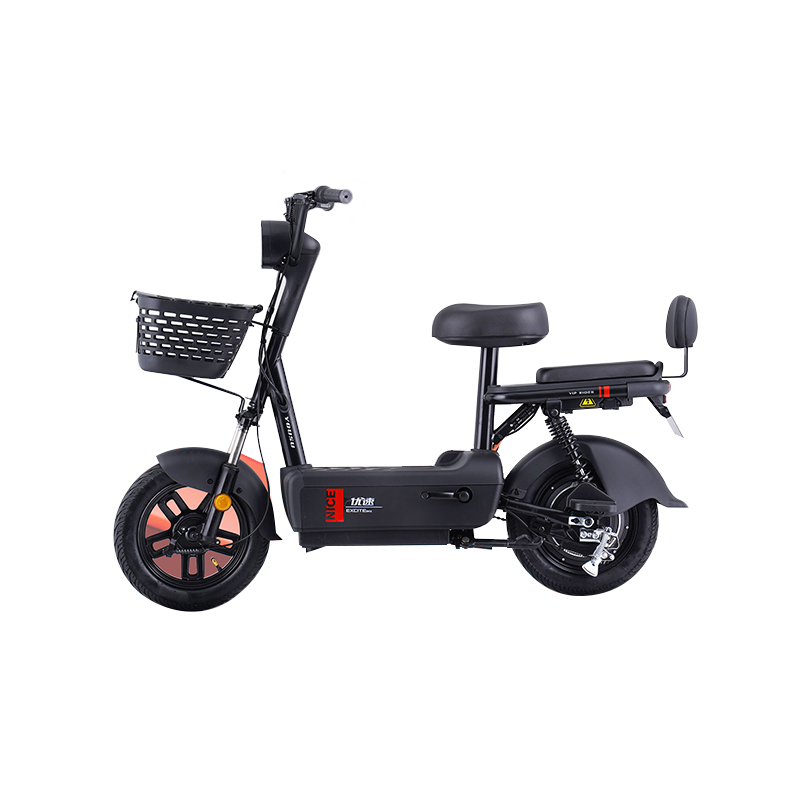
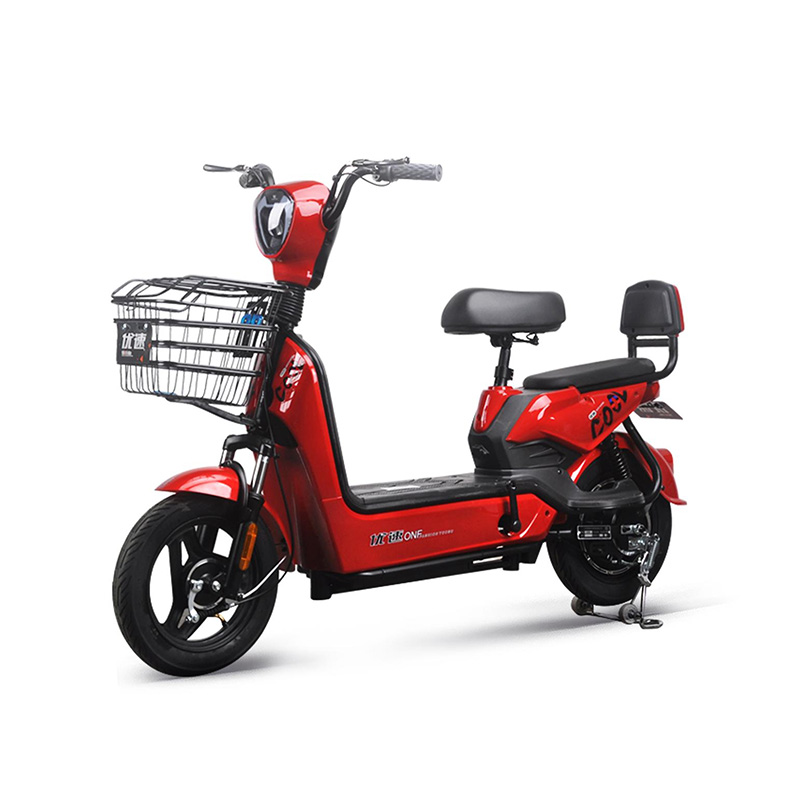
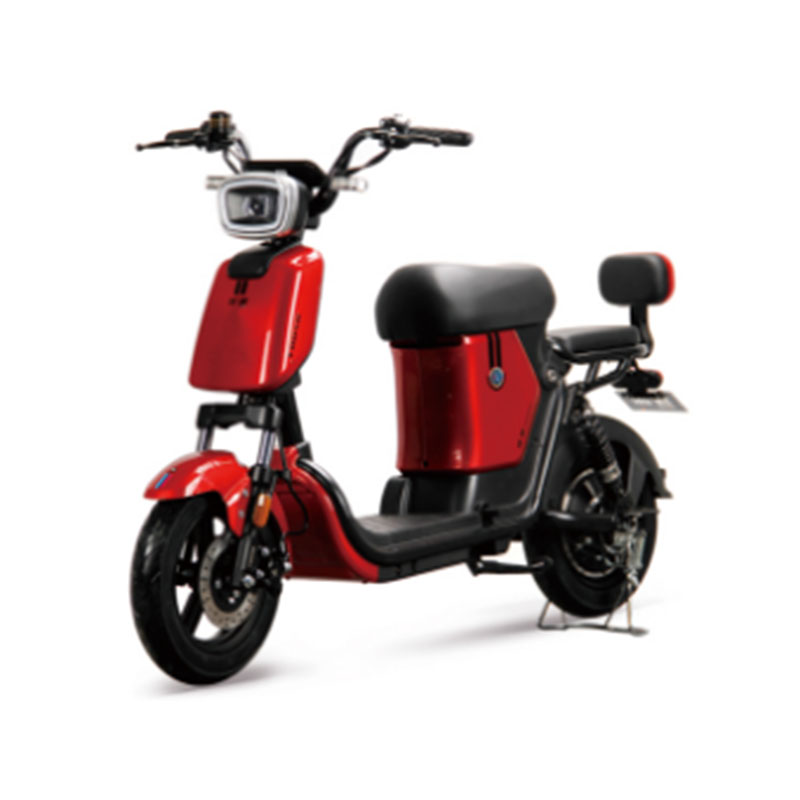
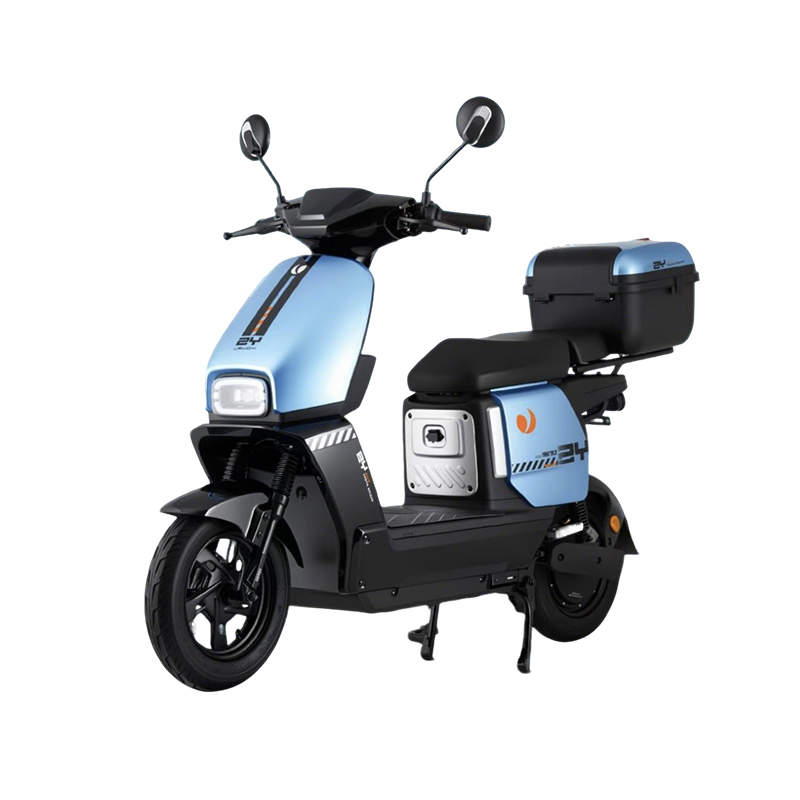
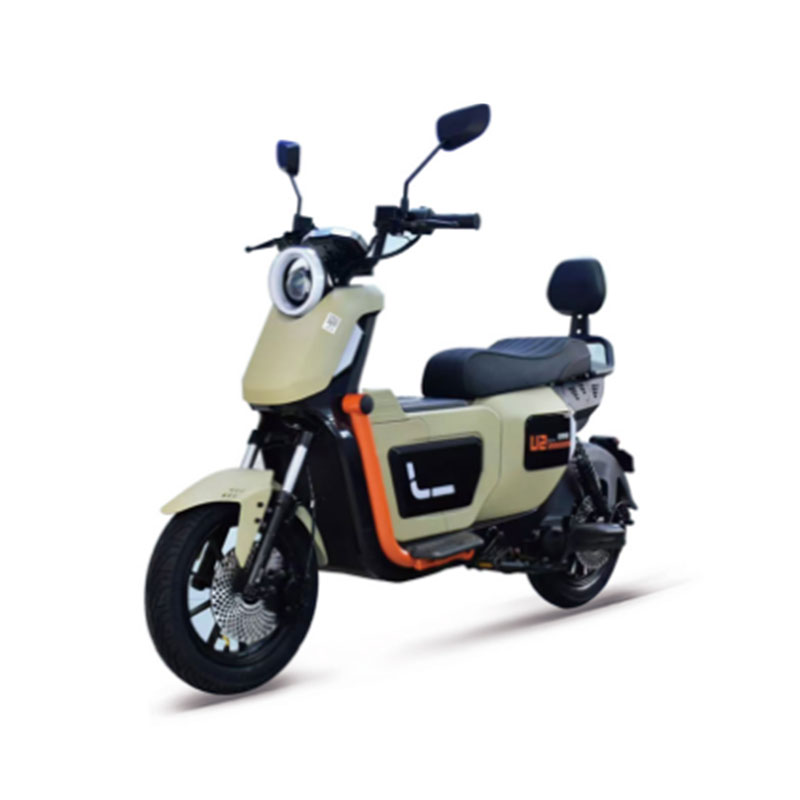
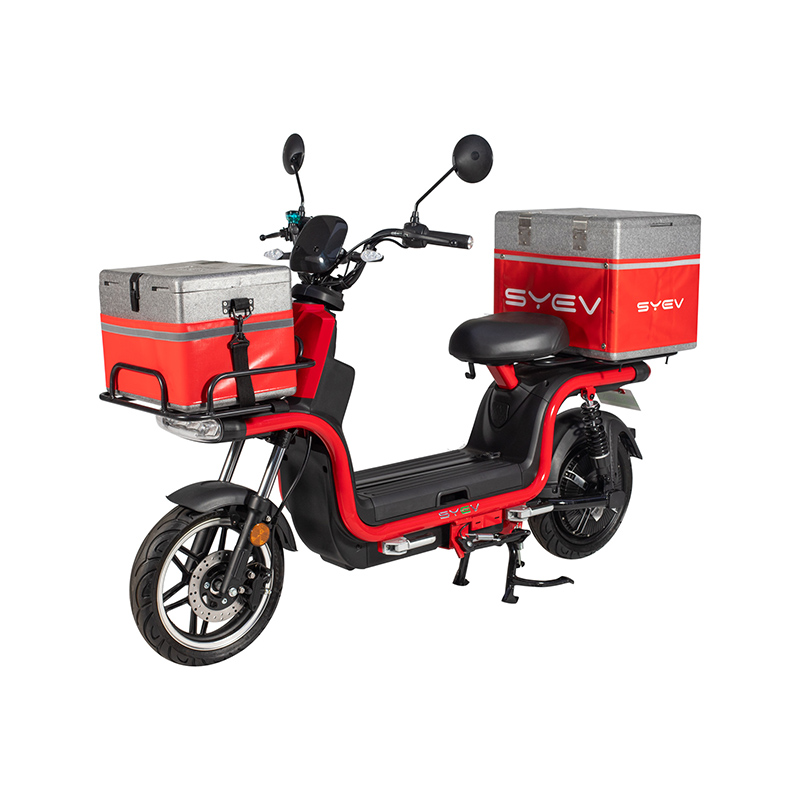
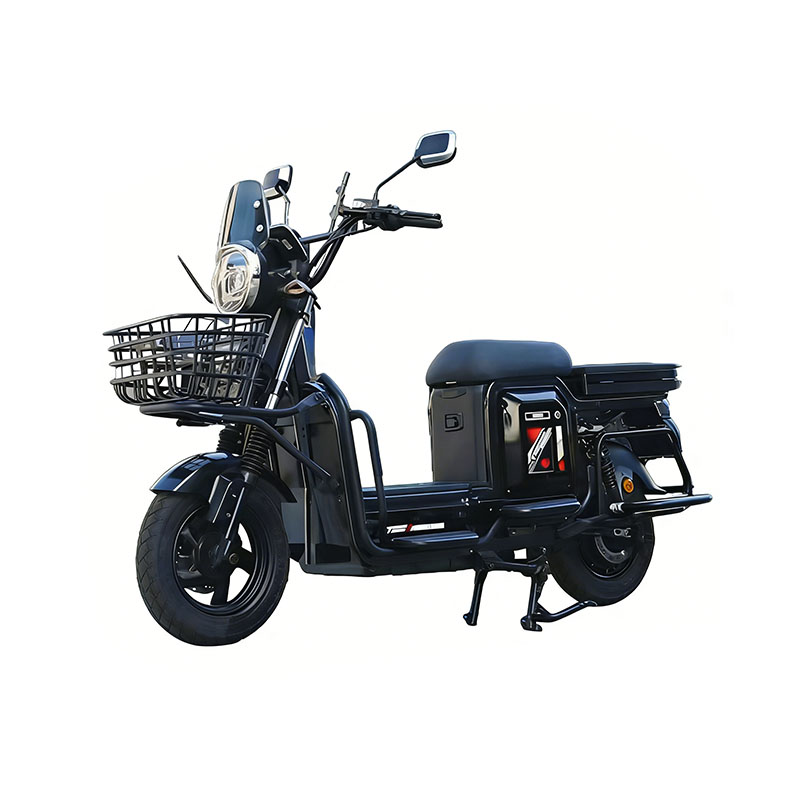
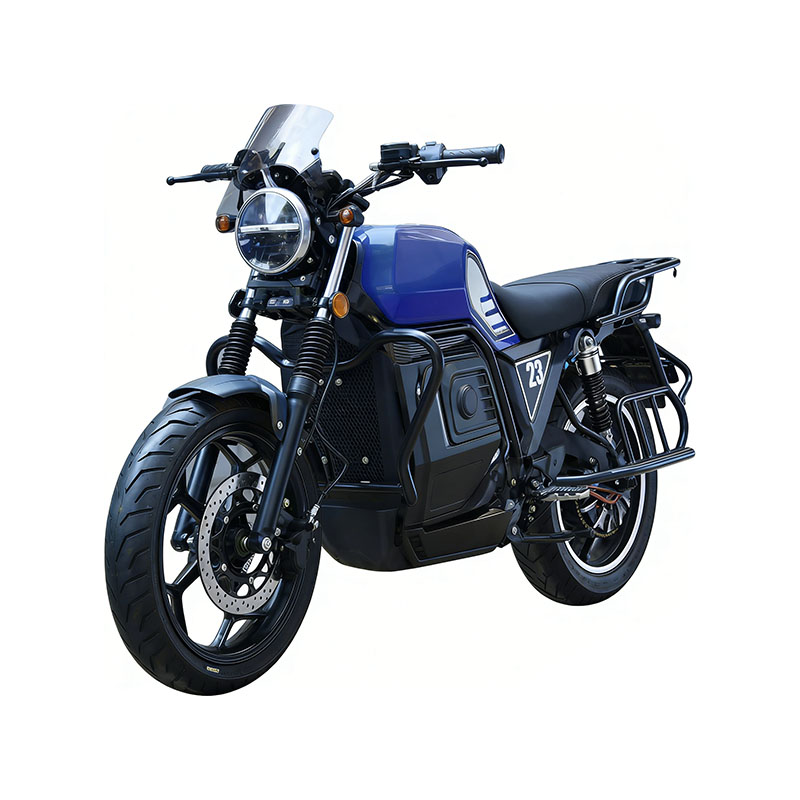
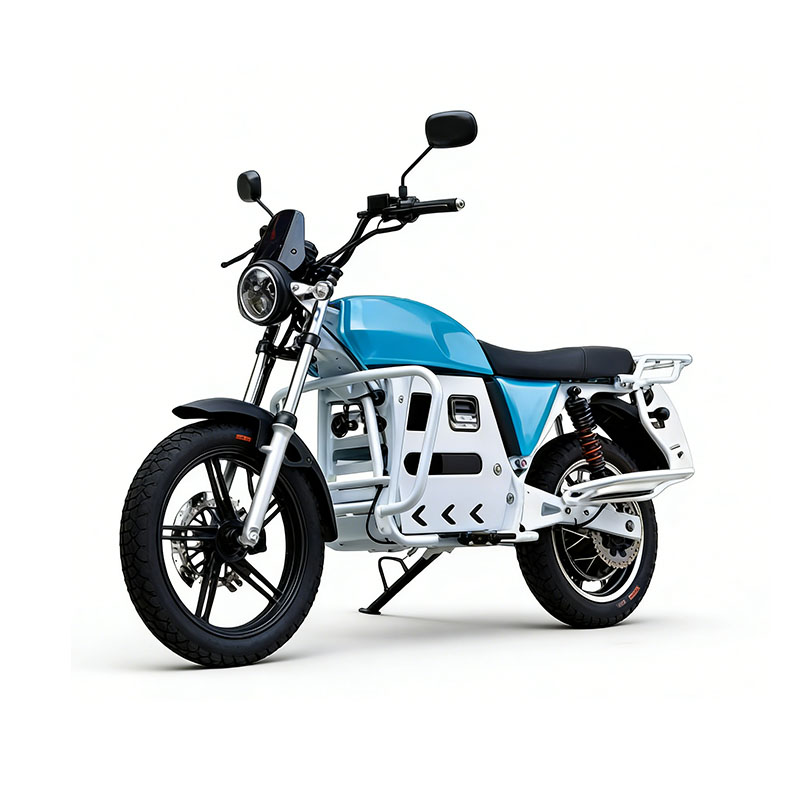
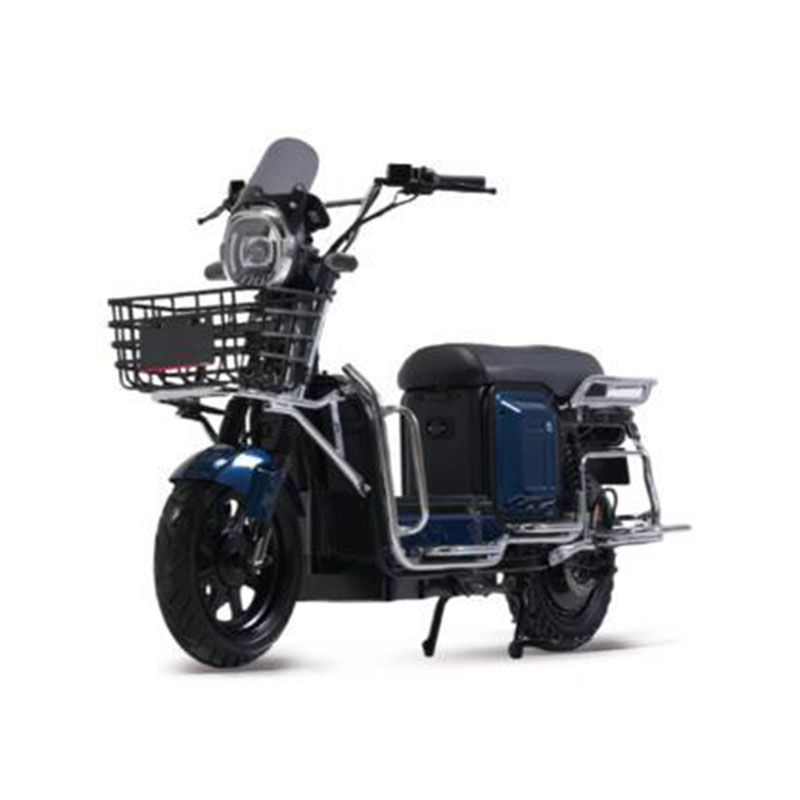
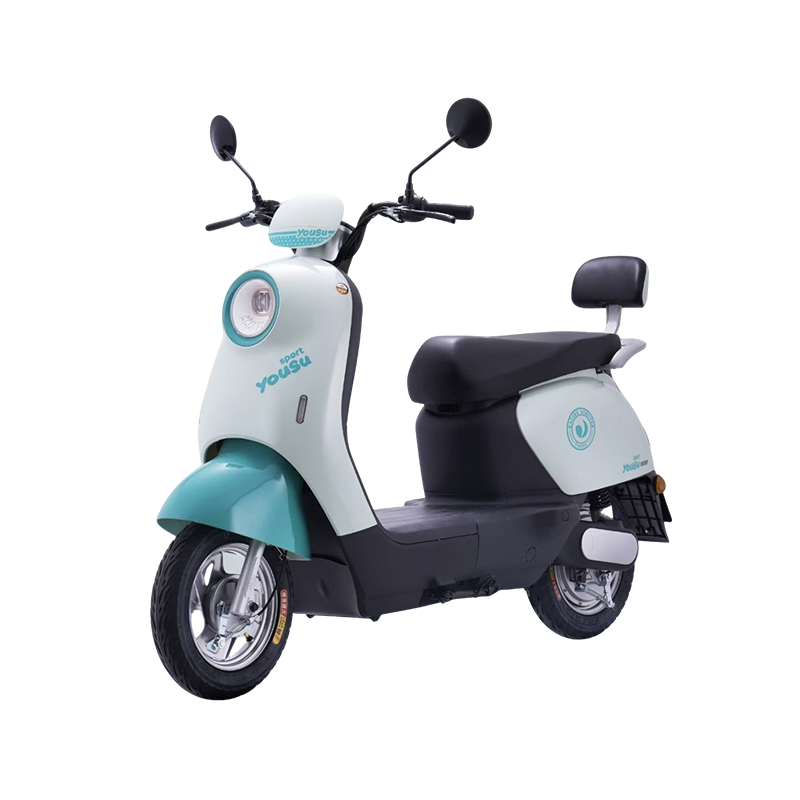
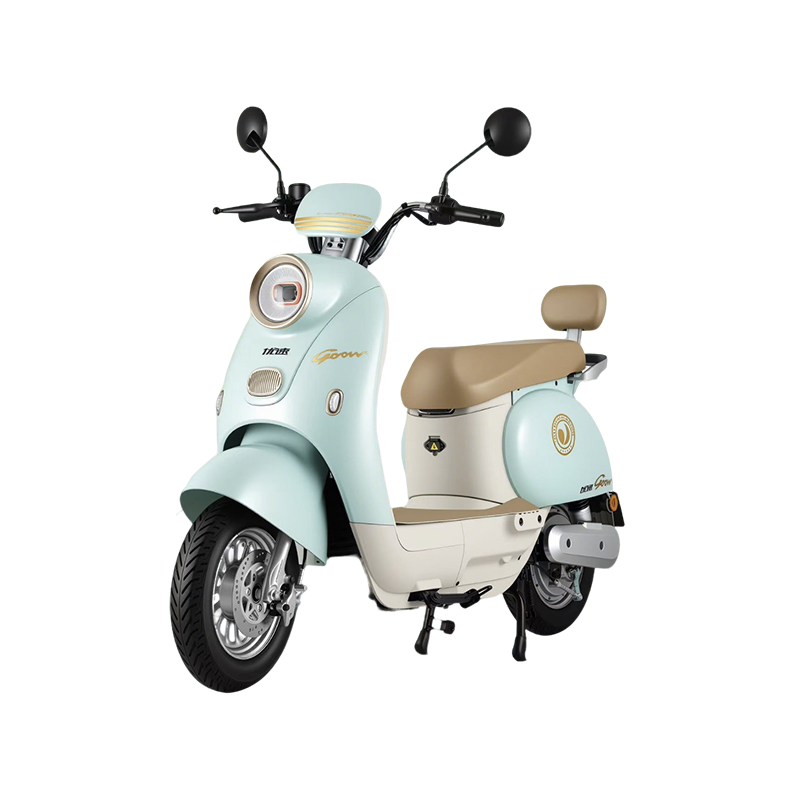

Picture a parent loading two children onto a long rear deck, a courier sliding a parcel box onto a front rack, and a small bakery owner replacing a van for morning deliveries. These riders use different machines, but the common thread is a cargo electric bicycle. A cargo electric bicycle is an electric-assisted bicycle built with a reinforced frame, heavier-duty components, and a higher payload limit than a standard commuter e-bike. The purpose is simple: move more weight — groceries, kids, tools, or deliveries — without the sweat of an unassisted cargo bike. The conclusion for most buyers is equally simple: if you need to carry something heavy or bulky on a regular basis, a cargo e-bike is a different category of transport, not just an upgraded commuter.
What Defines a Cargo Electric Bicycle?
Defining a cargo electric bicycle requires looking beyond motor wattage. Frame geometry, wheel strength, brake capacity, tire width, rack design, and total weight rating all matter as much as battery pack. Most cargo e-bikes carry a combined rider-plus-payload weight from 150 kg to 250 kg, while a typical commuter e-bike stops around 120 kg. The frame is lengthened or reinforced, often with a lower center of gravity to keep the bike stable when loaded. A cargo e-bike also uses a kickstand strong enough to support the bike and its load, and many come with integrated racks, boxes, or weather protection.
In practice, a cargo e-bike is less about speed and more about controlled, comfortable hauling. Its motor may not be the most powerful at top speed, but the drive system is tuned for low-speed torque and smooth assist from a standstill. That distinction matters when you are carrying a week of groceries or two school-age passengers.
The Main Types of Cargo Electric Bicycles
Long-Tail Cargo Bikes
Long-tail cargo bikes extend the rear end so that panniers, child seats, or a padded deck sit behind the rider. This layout keeps the bike narrow enough to use bike lanes and makes two-kid school runs feasible. The extra length also improves loading balance, though careful riders learn to watch the heavier tail when turning.
Front-Loading Cargo Bikes
Front-loading cargo bikes place a large bucket or flat bed between the front wheel and the handlebars. The load sits low and highly visible, which helps on crowded streets, but the design is heavier and less agile. Delivery companies and family riders often choose this format because rain covers and custom bins are easy to install.
Compact or Short-Tail Cargo Bikes
Compact or short-tail cargo bikes are shorter versions of the longtail, with a smaller rear rack that still carries more than a standard commuter rack. They suit people with limited storage space and riders who want a daily errand bike that can occasionally handle a bulky load. Each type answers a different question: families with small children often prefer longtails or front loaders; couriers tend to choose front loaders or purpose-built boxes; urban commuters often get the best fit from a compact model.
Motor, Battery, and the Components That Matter
Motor and Controller
The motor is the heart of a cargo e-bike. Mid-drive motors sit at the bottom bracket and drive the chain, giving good hill-climbing torque and a balanced weight distribution. Hub motors live in the rear wheel, add less drivetrain stress, and often cost less. Cargo riders should pay attention to the controller as well, because it manages torque and pedal-assist response. A large-tube, sine-wave, or programmable controller delivers smoother output, which matters when the bike is heavy.
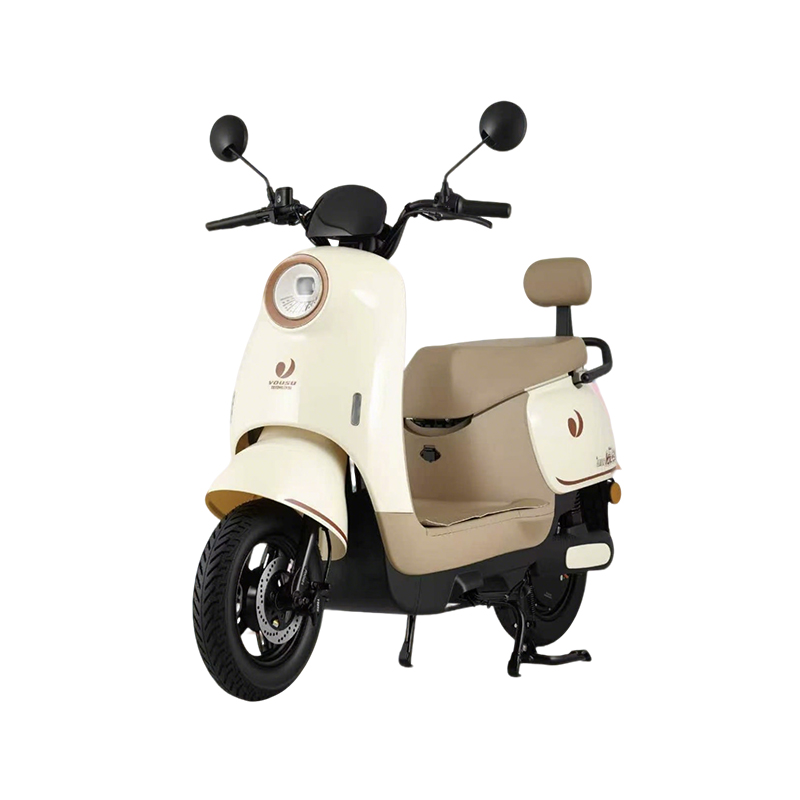
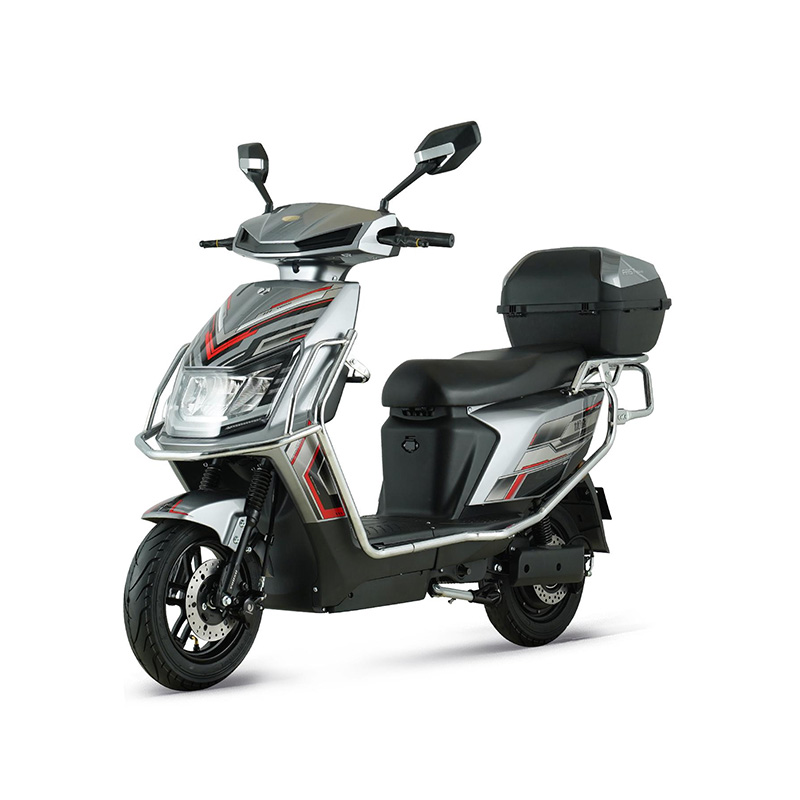
The same engineering logic appears in utility electric motorcycles. A model like the electric motorcycle with a large-capacity box, from the Yousu Cyclist series, pairs traction-focused power with integrated storage so the whole vehicle is designed around carrying rather than quick acceleration.
 OEM/ODM High-Performance Series Manufacturers, FactoryAs China High-Performance Series manufacturers and High-Performance Series factory, Jiangsu Yousu Vehicle Technology Co., Ltd. offers OEM...View Product →
Battery and Range
Battery capacity in watt-hours tells you the energy reserve, while amp-hours at a given voltage is the figure more commonly printed on the battery case. For cargo work, expect 48 V or 60 V systems with 20 Ah or larger packs. Under a full load, range drops by 15 to 30 percent compared with an unloaded ride, so the true range is often 40 to 70 km, not the ideal figure on a spec sheet.
Brakes, Tires, and Practical Storage
Cargo bikes stop heavy. Hydraulic disc brakes are the standard recommendation because they deliver consistent power even with a load and in wet weather. Mechanical discs and drum brakes appear on budget models, but they need more maintenance under frequent heavy use. Wide tires, often 2.15 inches or more, provide stability at low speed. Suspension is less critical than people think, but a suspension seatpost or front fork improves comfort when the frame is stiff.
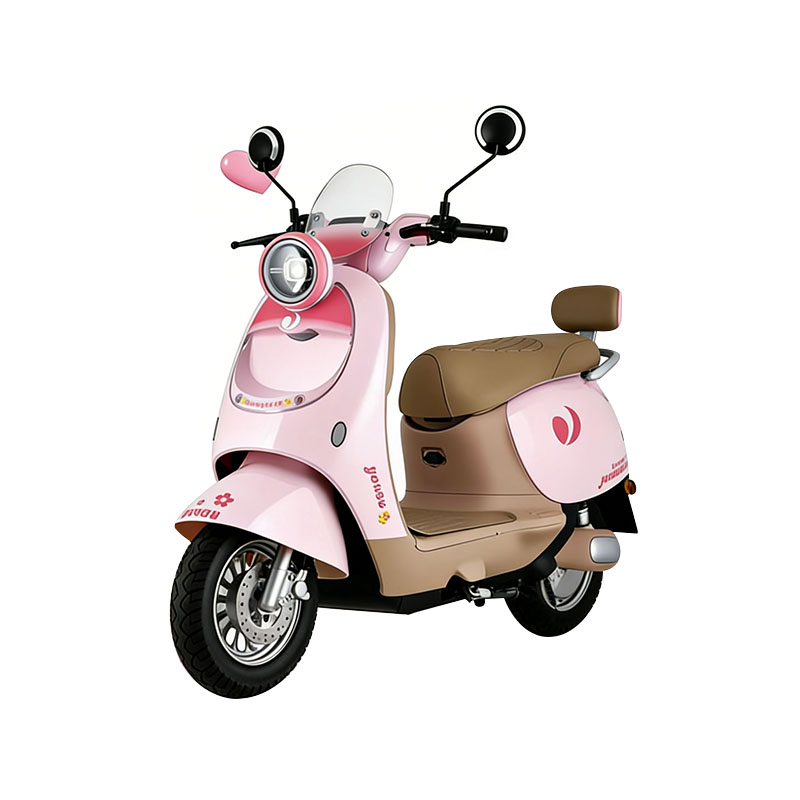
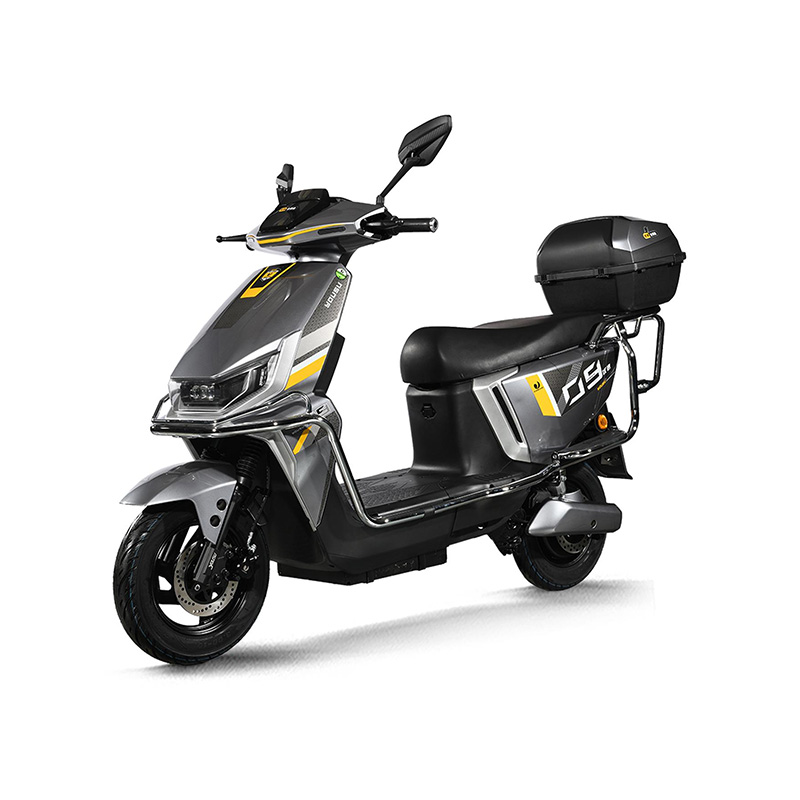
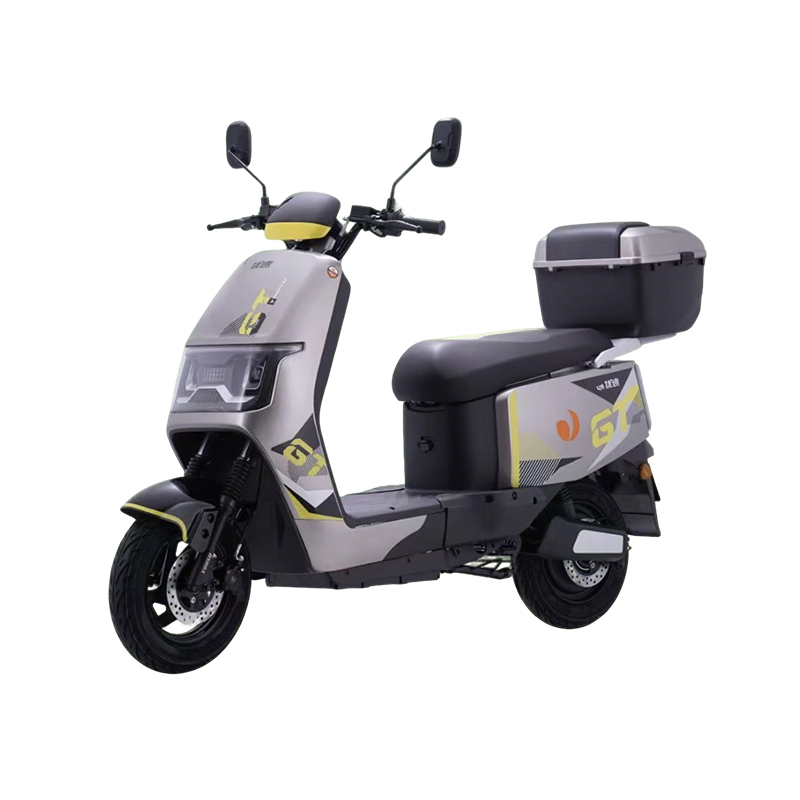
Practical cargo touches matter, too. Rear shelves and tail boxes turn an ordinary scooter or bike into an everyday hauler. The e-scooter equipped with a rear shelf and tail box, such as the Yousu Smile, is a compact example of how integrated storage changes what you can carry on a short trip.
 Custom Turtle Model Electric Scooter Manufacturers, FactoryJiangsu Yousu Vehicle Technology Co., Ltd. is China turtle model electric scooter manufacturers and turtle electric scooter factory, we c...View Product →
Payload and Range: What Can You Really Expect?
Spec numbers vary by manufacturer, but these figures show the realistic range of cargo e-bike formats.
| Cargo Bike Format | Typical Combined Payload | Typical Range per Charge |
|---|---|---|
| Long-tail | 180–200 kg including rider | 35–70 km |
| Front-loader | 200–250 kg including rider | 30–60 km |
| Compact / short-tail | 120–160 kg including rider | 40–80 km |
What to Look for When Buying a Cargo Electric Bicycle
Start with what you will carry. Children require proper seats, foot protection, and a stable base; grocery runs need panniers, baskets, or a box; delivery work needs weather-resistant storage and quick-release racks. Next, consider the total weight rating, not the motor power. A 750 W motor on a weak frame can fail at the rack mounts. Check the frame welds, rear rack certification, and the stand's rated capacity.
Comfort is another factor. A loaded cargo bike can be hard to maneuver, so test rides should include a simulated load if possible. Local regulations also affect your choice because regions differ on speed limits, motor power, and where cargo e-bikes can ride. If you are new to electric vehicles, it is worth reading this guide to choosing an electric vehicle before you compare models.
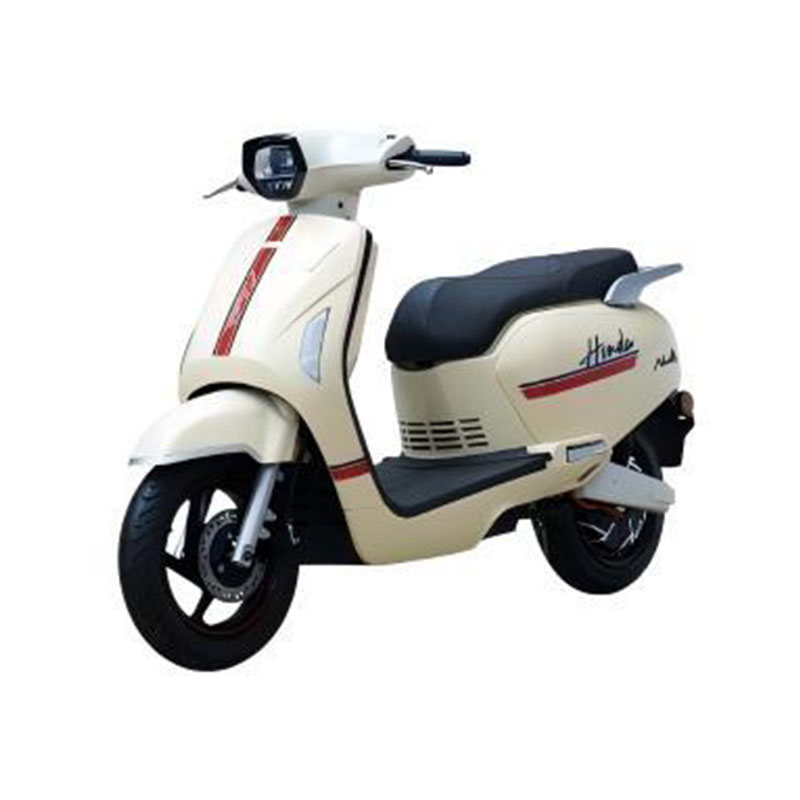
Finally, think about parking and security. A heavy cargo bike is more difficult to lock, so built-in protection adds value. The utility-style e-scooter with bumper protection, like the Yousu Robot, combines 3.00-10 vacuum tires with bumper protection to reduce the risk of damage when you park in crowded areas.
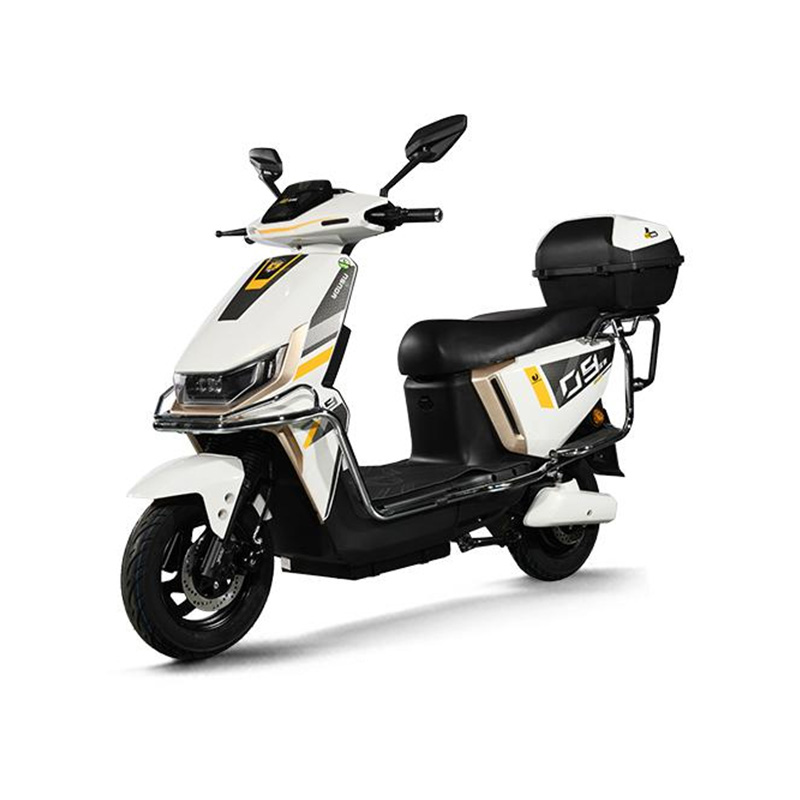 OEM/ODM Yousu high-end E-motorbike Robot, Electric Scooter with 3.00-10 Vacuum TJiangsu Yousu Vehicle Technology Co., Ltd. is China OEM/ODM Yousu high-end E-motorbike Robot, Electric Scooter with 3.00-10 Vacuum Tires ...View Product →
Cargo E-Bikes for Business and Last-Mile Delivery
For businesses, the case for a cargo electric bicycle is straightforward: it removes the need for short van trips, cuts fuel and parking costs, and avoids many urban access restrictions. One well-equipped cargo bike can cover a daily delivery radius of nearly 10 km while carrying loads that would otherwise require a small vehicle. Large-scale operators show that a planned route on a heavy-duty e-bike is often faster than a van in congested centers. That is why delivery fleets, food services, and maintenance teams are adding them alongside standard vehicles.
A cargo electric bicycle is not a niche toy for cyclists or a one-size-fits-all motorcycle. It is a purpose-built electric vehicle with a reinforced structure, a higher payload rating, and a drive system tuned for carrying weight. Once you define how much load and distance you need, choosing the right format becomes a straightforward decision.
 Previous