


 English
 Español

Rider's Guide — Charging
How Long Does It Take to Charge an Electric Bicycle?
A straight answer first, then the arithmetic behind it: what the hours really are, what stretches them, and how a handful of habits decide whether a pack lasts three years or five.
A 48-volt, 13-amp-hour battery plugged in at 9 p.m. on the standard 2-amp charger that ships in the box is full by roughly 3 a.m. That single sentence holds almost the entire answer: for most electric bicycles, a full charge takes three to seven hours. Lightweight commuters with small packs finish in three to four hours, larger 17-to-20Ah batteries need six to ten or more, and stopping at 80 percent trims at least an hour off nearly any of those figures.
Three variables decide where a given bike lands in that range: pack capacity, charger output, and room temperature. All three are printed on labels you can read before you ever buy. The sections below turn those labels into realistic numbers, then cover fast chargers, safe habits, and the small scheduling tricks that make charge time a non-issue.
The Short Answer, by the Numbers
The table below covers the battery sizes riders actually meet, from compact city packs to the large 20Ah units shared with light electric scooters and mopeds. Times assume a charge from empty at room temperature, with a modest allowance for losses and the slow final phase.
| Battery pack | Capacity | Standard 2 A charger | 3 A charger | Best suited to |
|---|---|---|---|---|
| Compact city pack | 36V 10Ah (360 Wh) | 5.5–6 hours | 3.5–4 hours | Short urban commutes |
| Mid-size pack | 48V 13Ah (624 Wh) | 7–8 hours | 5–5.5 hours | Daily commuting, hills |
| Large pack | 48V 20Ah (960 Wh) | 11–12 hours | 7.5–8 hours | Long range, cargo, delivery |
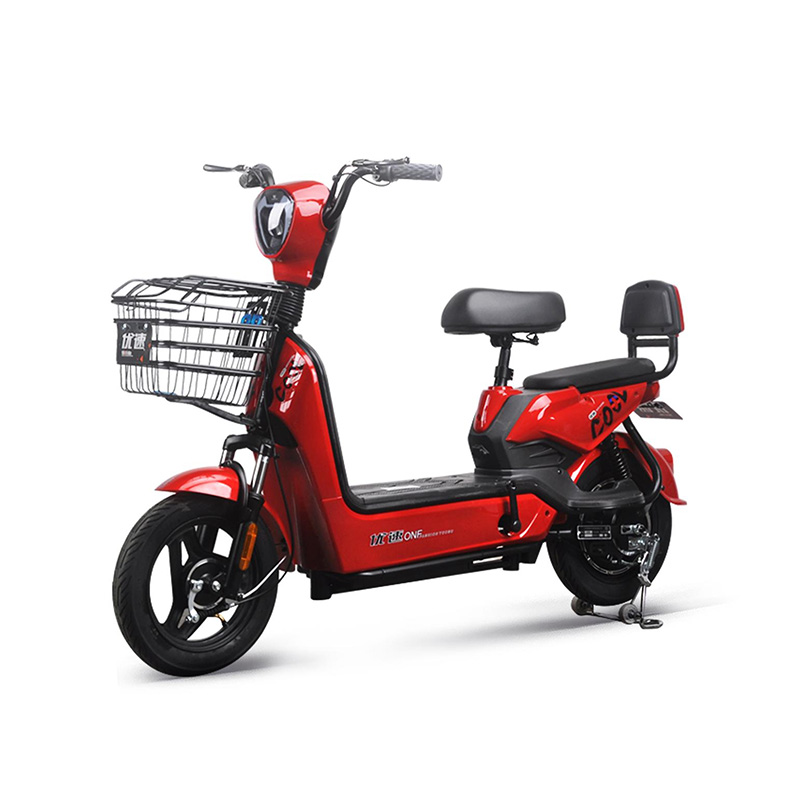
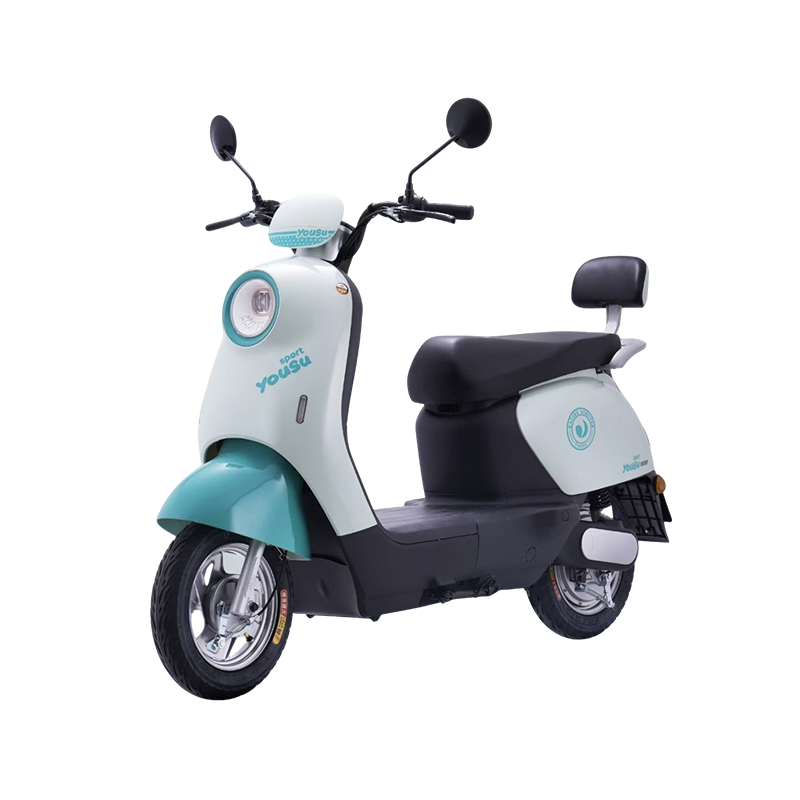
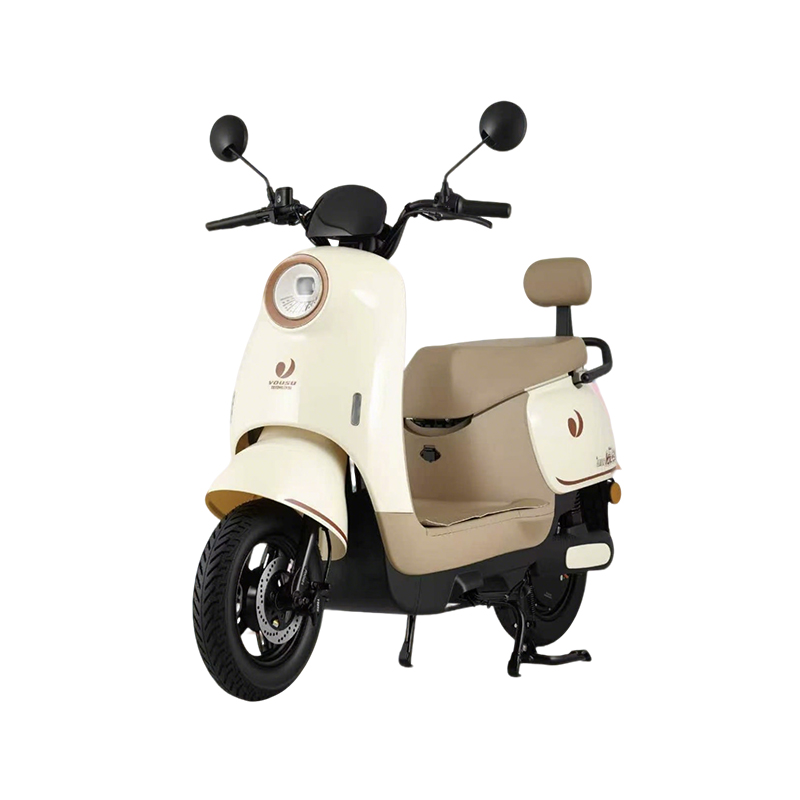
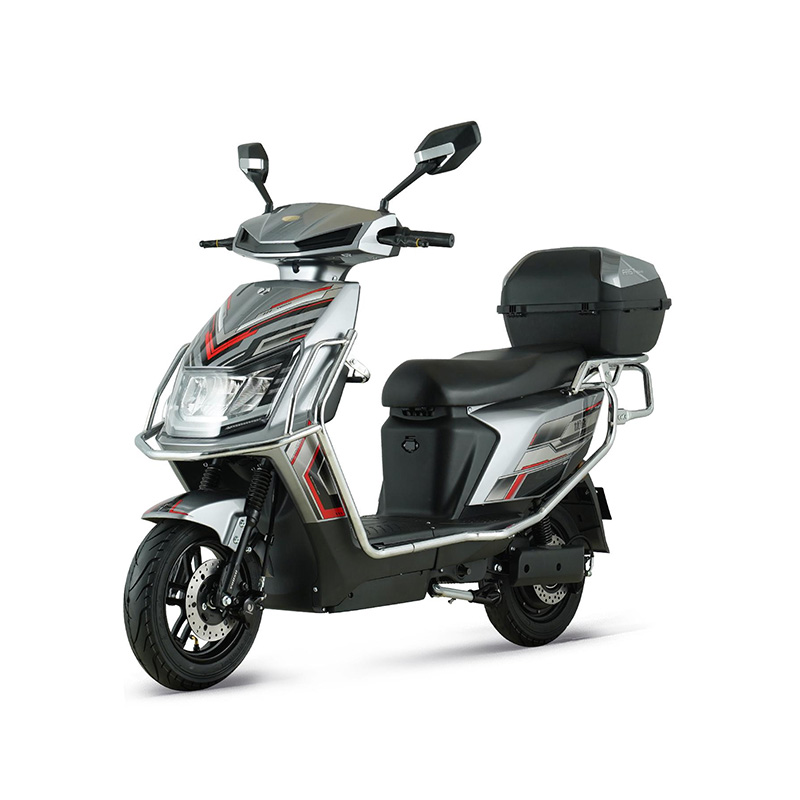
Two patterns fall straight out of the table. Doubling capacity roughly doubles the wait on the same charger, and stepping up from 2 amps to 3 amps saves two to four hours on a large pack. The arithmetic is brand-agnostic, too: Yousu's Beam, a compact city model built around a 48/60V 20Ah battery, sits on the bottom row — an overnight charge on a basic charger, not an after-dinner one.
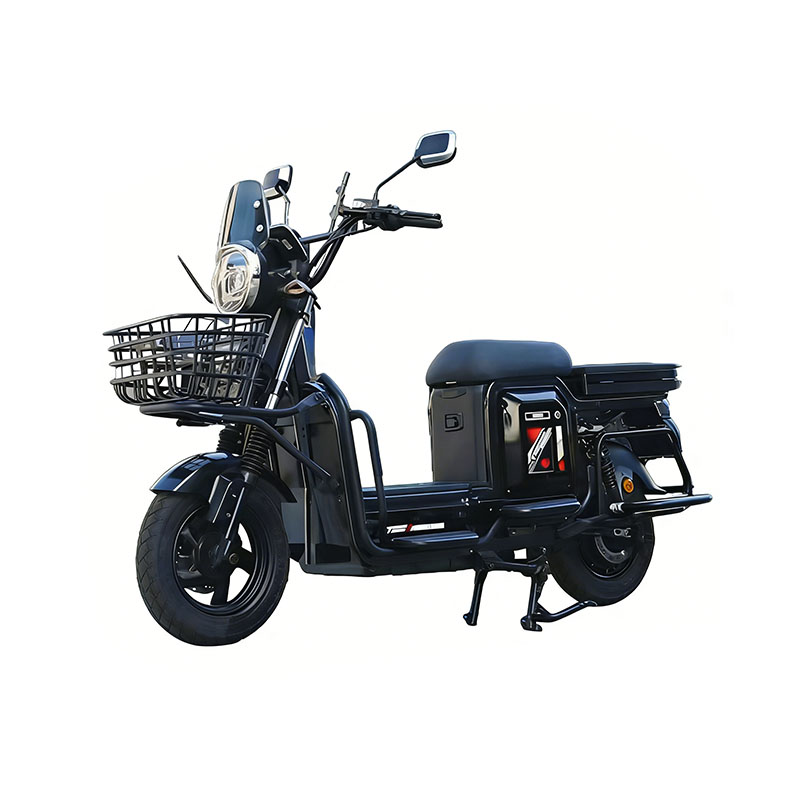
 Yousu Beam City Electric Scooter with 48/60V 20Ah BatteryThe Beam is a compact city model built around a 48/60V 20Ah pack, which needs roughly an overnight charge on a standard charger — a useful baseline example for comparing charging times across battery sizes.View Product →
The Math Behind the Hours
Charge time is a division problem wearing a lab coat. Divide the battery's amp-hour rating by the charger's amp output, then add 10 to 20 percent for inefficiency: 13 Ah on a 2-amp charger is 6.5 hours on paper, which lands closer to seven and a half in practice. If a spec sheet lists watt-hours instead, divide by charger watts — 624 Wh against a 100-watt charger is a little over six hours before losses.
Why the last 20 percent crawls
Lithium chargers work in two stages. During constant current, the pack fills at full rated amps until it reaches roughly 80 percent. During constant voltage, the current tapers to a careful trickle while the cell groups balance. That is why "charges in four hours" and "full in six" can both be true for the same bike — the final stretch simply cannot be rushed without consequences.
A battery does not fill like a fuel tank. It fills like a crowd finding its seats — quickly at first, then slowly as the room runs out of space.
What Actually Slows a Charge Down
When a charge runs longer than the table promised, the cause is almost always one of the following.
- Battery capacity. More amp-hours simply means more charge to move; nothing else about the process changes.
- Charger output. A 2-amp charger is the slow default; a 3-to-4-amp unit roughly halves the wait on mid-size packs.
- Temperature. Cold slows the chemistry — a pack at 5 °C charges noticeably slower than the same pack at 20 °C.
- Starting point. Topping up from 40 percent takes about half the time of a charge from empty.
- Battery age. An aging pack has higher internal resistance, and its protection board tapers the current earlier to shield the cells.
Info: The charger's label tells most of the story. An output of 54.6 V at 2 A is an overnight unit for a 48V pack; the same voltage at 4 A cuts the job roughly in half. Match the voltage exactly — amps change speed, volts change safety.
Warning: Never charge a lithium pack below freezing. Charging below 0 °C plates metallic lithium onto the anode, permanently reducing capacity and creating a real safety hazard. Bring a cold pack indoors and let it reach room temperature first.
None of these factors is a defect — it is physics doing its job. The lever riders most want to pull is speed, and speed brings its own trade-offs.
Fast Chargers: Hours Saved, Trade-Offs Added
Fast charging works exactly the way the math predicts: more amps, less time. A 4-amp charger turns an eight-hour overnight job into a four-hour dinner job. Push to 6 or 10 amps and charging compresses toward the two-hour mark — but the pack pays in heat, and heat is the quiet enemy of lithium cycle life.
Used occasionally, that trade is worth it. Used daily, it can visibly shorten pack life — which is why considered manufacturers pair fast charging with robust controllers and protection boards rather than simply shipping a bigger brick.
When a 10-amp charger earns its keep
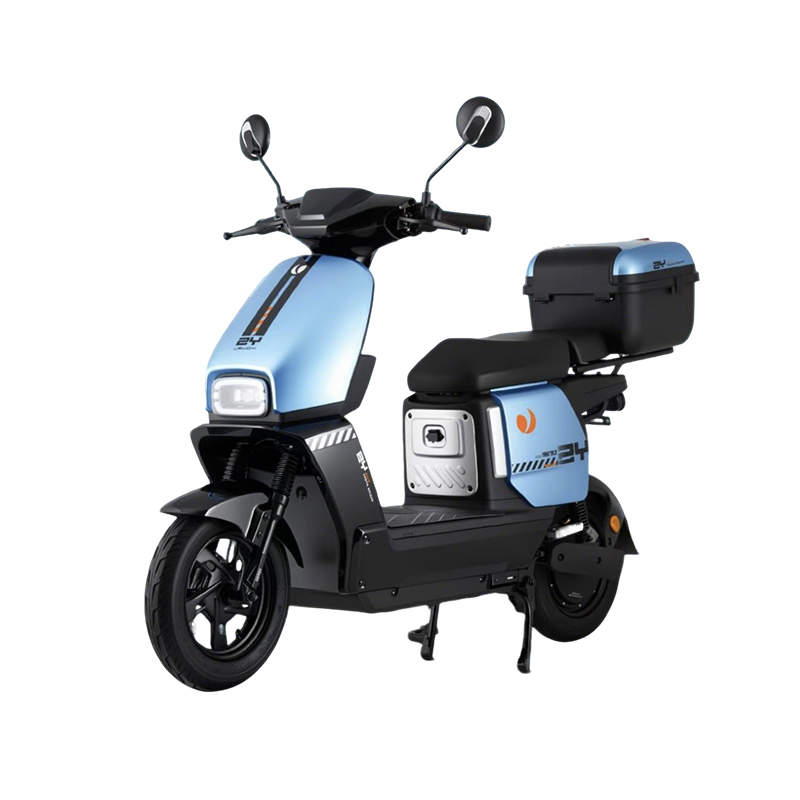
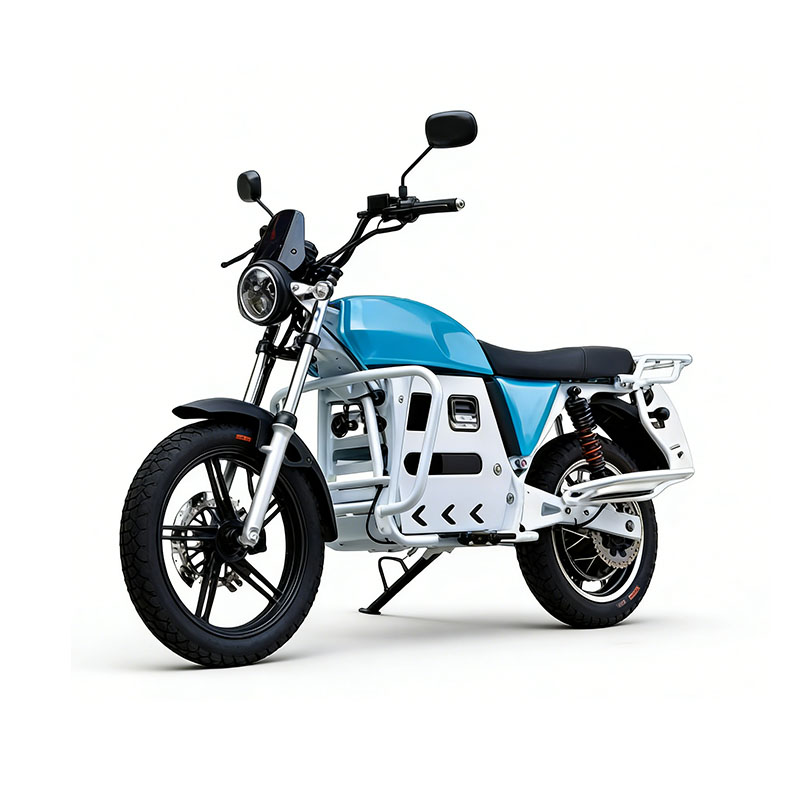
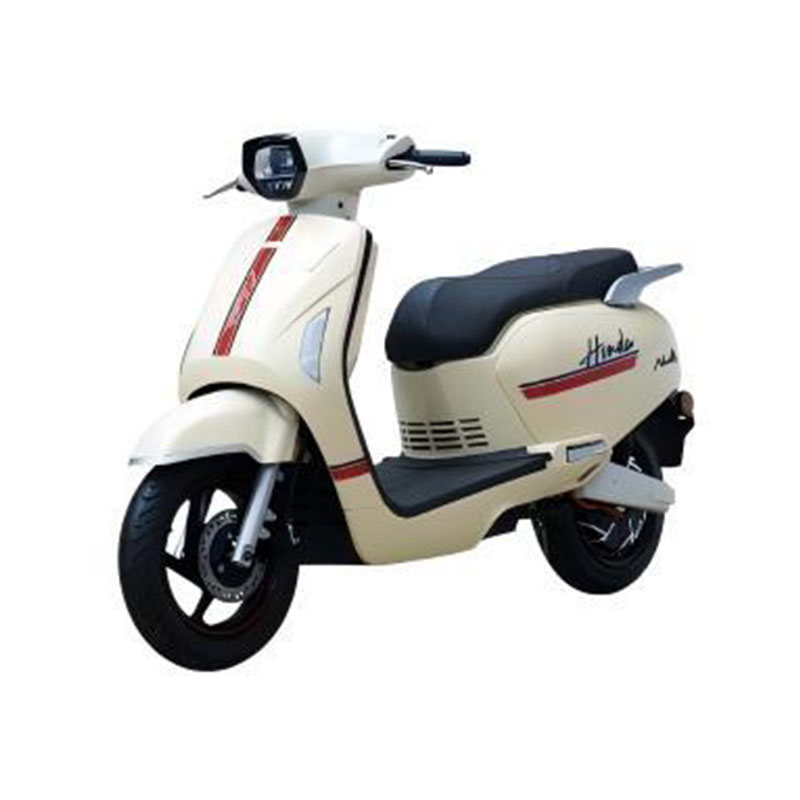
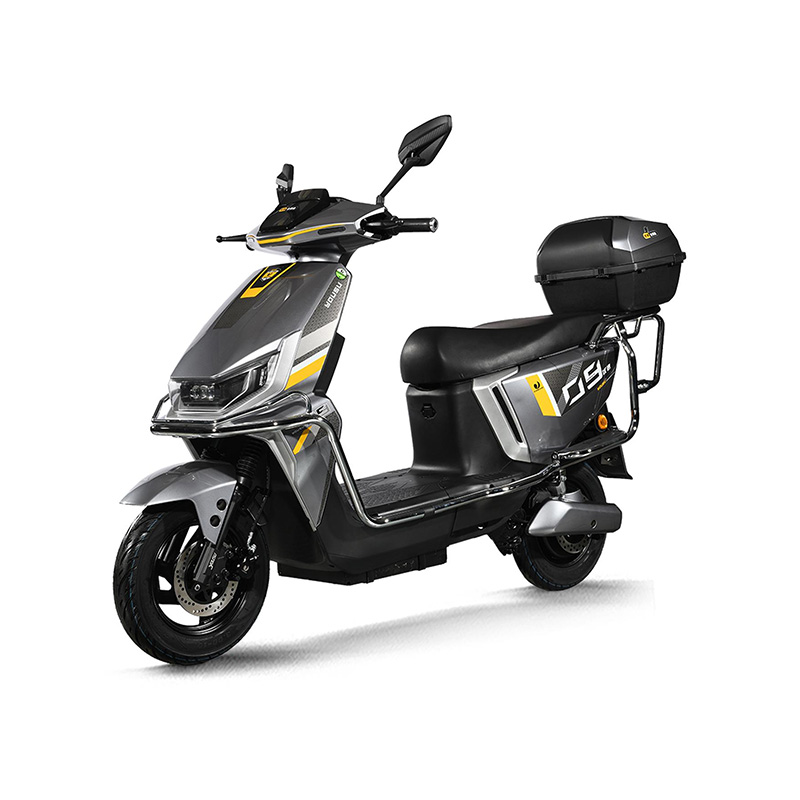
Time-pressed riders — couriers, delivery fleets, anyone who cannot afford an overnight gap — get genuine value from fast charging. Yousu's A7Pro flagship is specified with 10A fast charging, a rate the company describes as two charge bars per minute on the display, aimed squarely at riders for whom every idle hour is money.
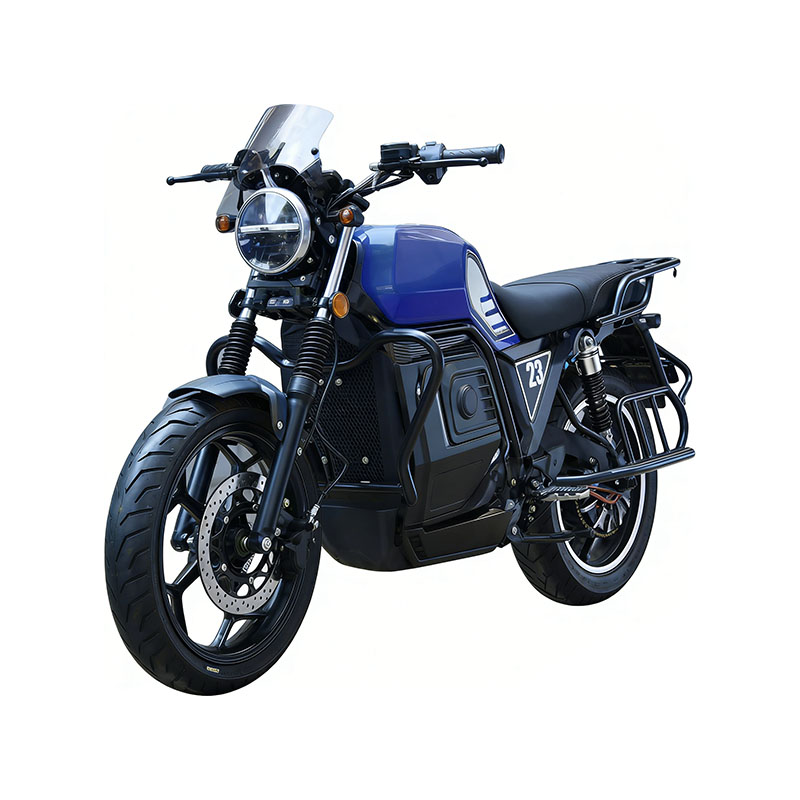
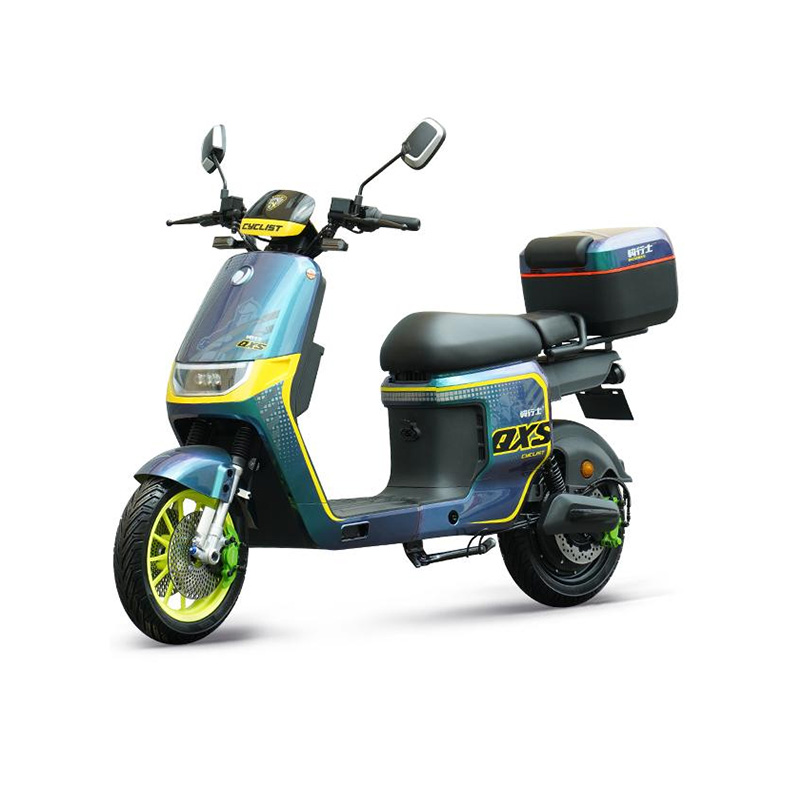 Yousu A7-Pro High-End Electric Motorcycle with 10A Fast ChargingThe A7Pro flagship supports 10A fast charging, adding about two charge bars per minute. That makes it a strong pick for couriers and delivery fleets who cannot afford an overnight charging gap.View Product →
For everyone else, the standard charger remains the better default: inexpensive, gentle on the cells, and perfectly matched to an overnight routine.
Charging Habits That Protect the Battery
Hardware fixes the charge time; habits decide the lifespan. Most e-bike packs are rated for at least 500 full cycles before capacity falls to about 80 percent of new — how you charge decides whether you merely reach that number or sail well past it.
- Charge at room temperature, on a hard, non-flammable surface, with the battery on or off the bike as the manual allows.
- Let a pack rest 20 to 30 minutes after a long, hard ride before plugging it in.
- For daily use, stop around 80 to 90 percent and save 100 percent charges for long rides.
- Unplug soon after the indicator turns green; do not leave a pack sitting at full for days.
- Use only the charger supplied for your battery — matching the voltage is non-negotiable.
- Top up whenever convenient: lithium cells have no memory effect, and shallow charges are gentle charges.
Success: The highest-value habit is the 80 percent rule. Packs that live between roughly 20 and 80 percent age measurably slower — and since the final stretch of charging is the slowest anyway, partial charging saves time twice.
Danger: Never charge a pack that is swollen, dented, wet, or smells sweetly chemical, and never leave any lithium battery charging unattended overnight on a bed, sofa, or carpet. A charging pack deserves the same respect as a cooking stove.
For a fuller walk-through of safe charging from wall socket to battery terminal, the same protocol applies to every light electric vehicle — see our step-by-step guide on how to charge a battery car safely.
Planning Your Day Around a Charge
Once the numbers are known, charging stops being an inconvenience and becomes scheduling. The household commuter plugs in after dinner and rolls out full the next morning; in many markets, off-peak electricity makes that window the cheapest one, too. A mid-size pack draws well under a kilowatt-hour per full charge — five to ten cents almost anywhere, cheaper than the coffee drunk while it charges.
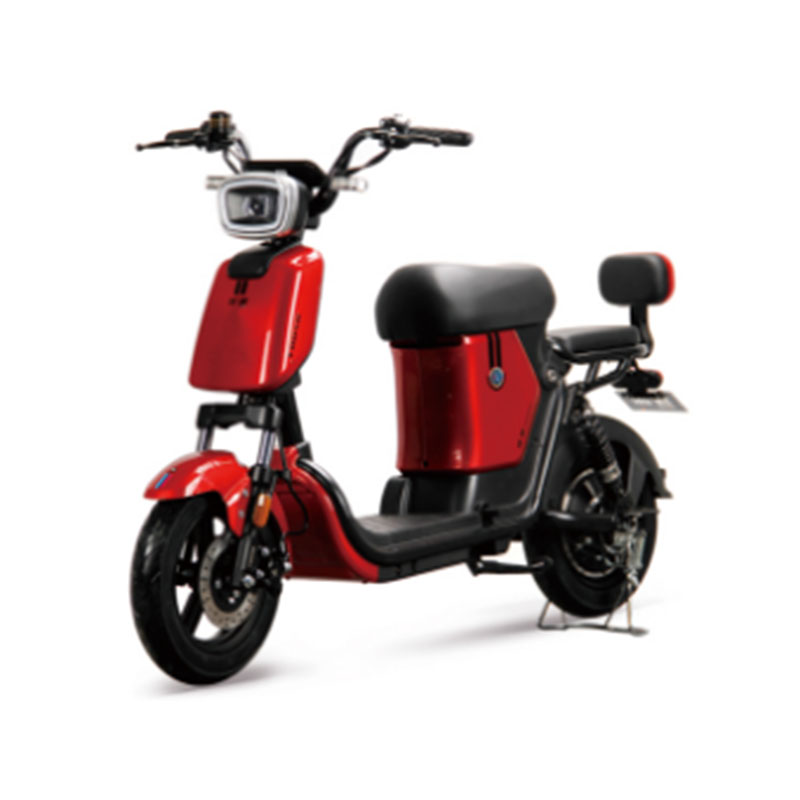
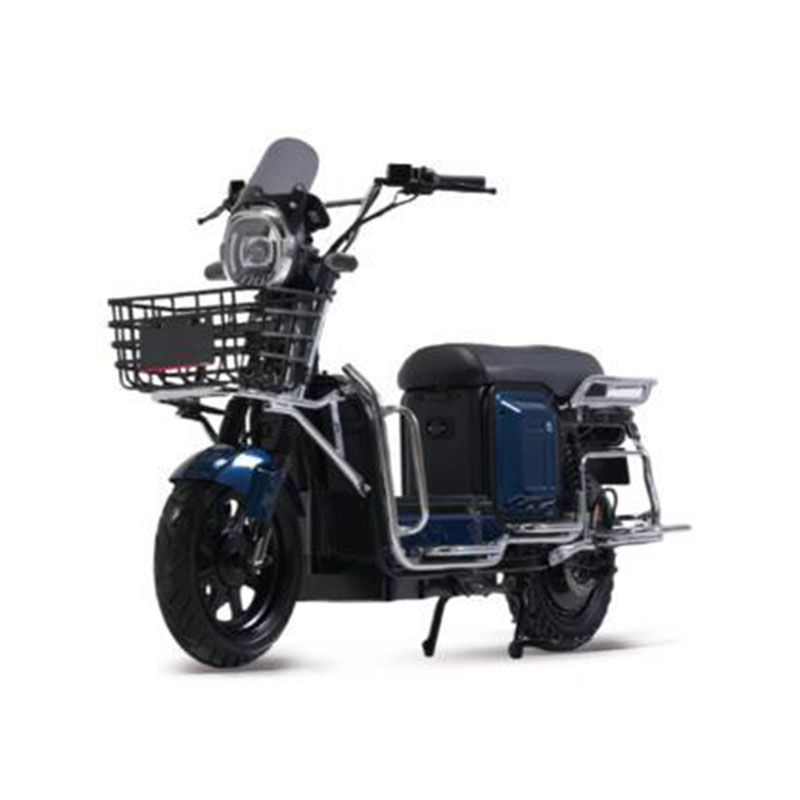
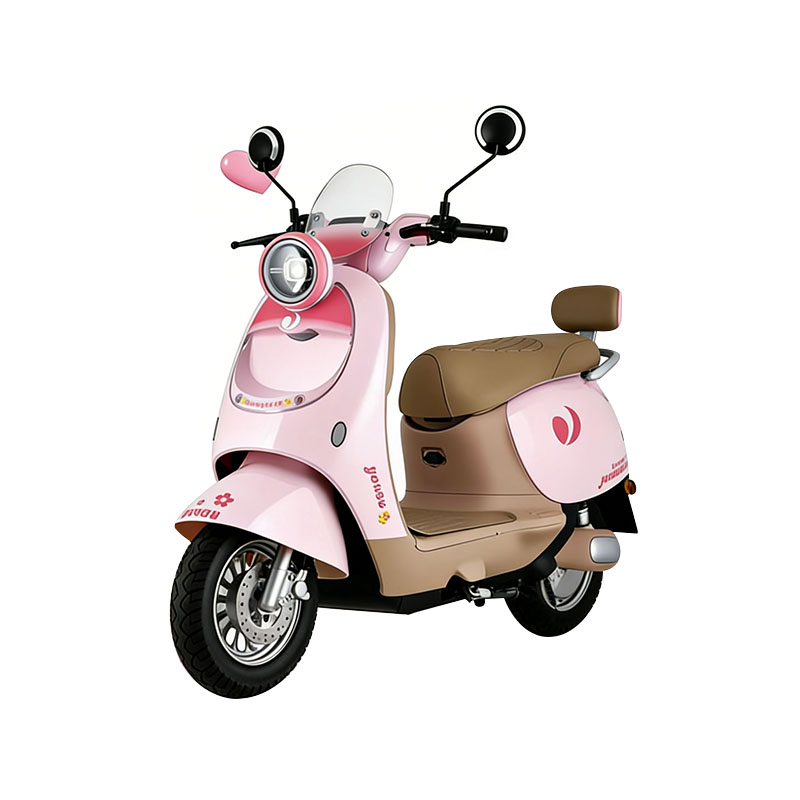
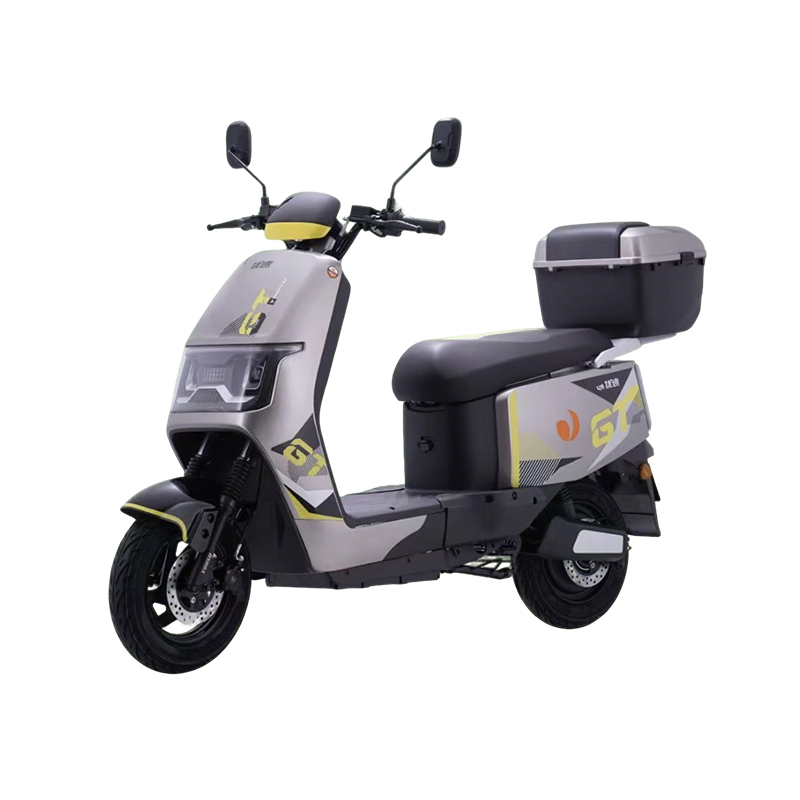
Riders who cover long distances plan differently: charge to 100 percent the night before a big ride, and budget a longer window for a high-capacity pack. For the daily household commuter, though, all of this fades into the background — which is precisely the brief behind models like the Yousu Potato, a simple household commuting machine designed so charging is an overnight task rather than a daily decision.
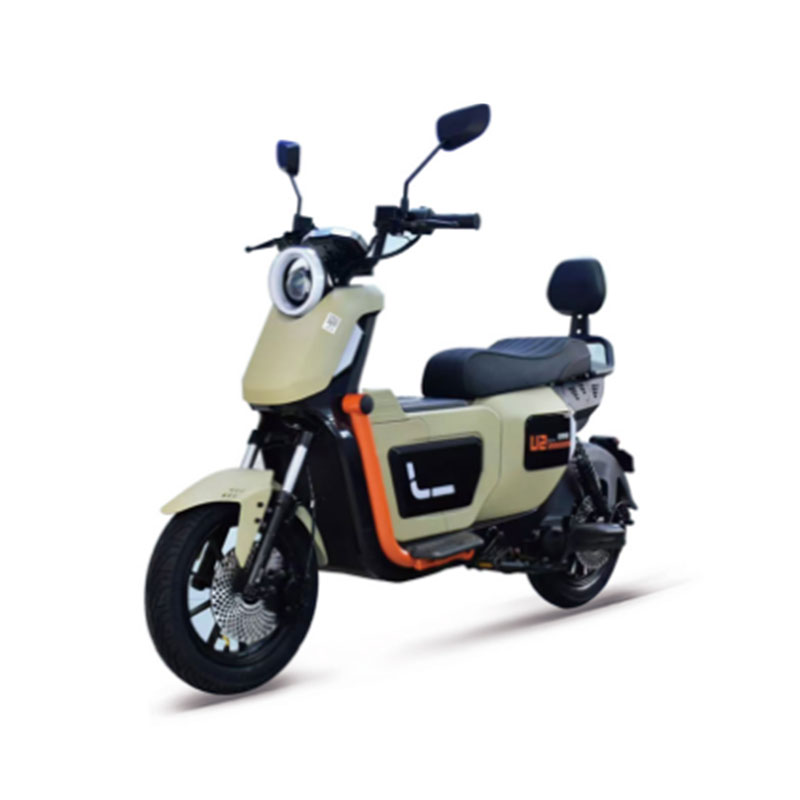
 Yousu Potato Simple Household Commuting Electric ScooterThe Potato is a basic household commuter designed so charging stays an overnight task rather than a daily decision, making it a practical choice for riders covering everyday short distances.View Product →
So, how long does it take to charge an electric bicycle? Three to seven hours for most packs, two more for large 20Ah batteries on a basic charger, and time you can claw back by stopping at 80 percent or stepping up the amps. The wait is shorter than a film and cheaper than a snack; the real skill is matching battery and charger to the way you actually ride.
That matching is where a manufacturer's perspective matters. Building everything from household commuters to 10A fast-charging flagships, Yousu treats charger output and battery configuration as decisions as consequential as motor power, because they determine how a vehicle fits into a day. Compare those specifications across the full Yousu range of light electric vehicles before you choose — and let charge time work around your life, not the other way around.
 Previous