


 English
 Español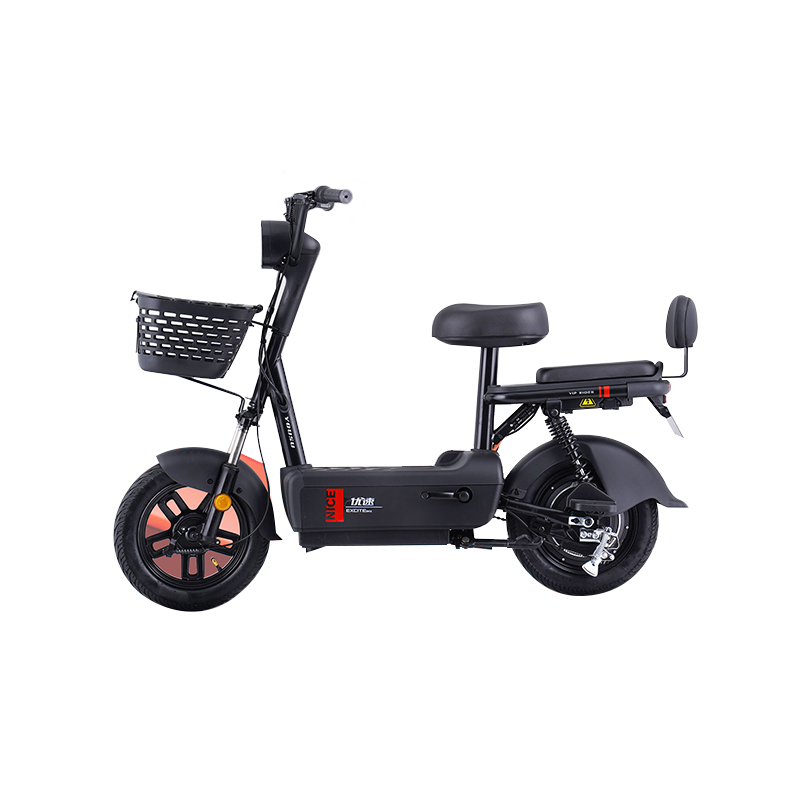
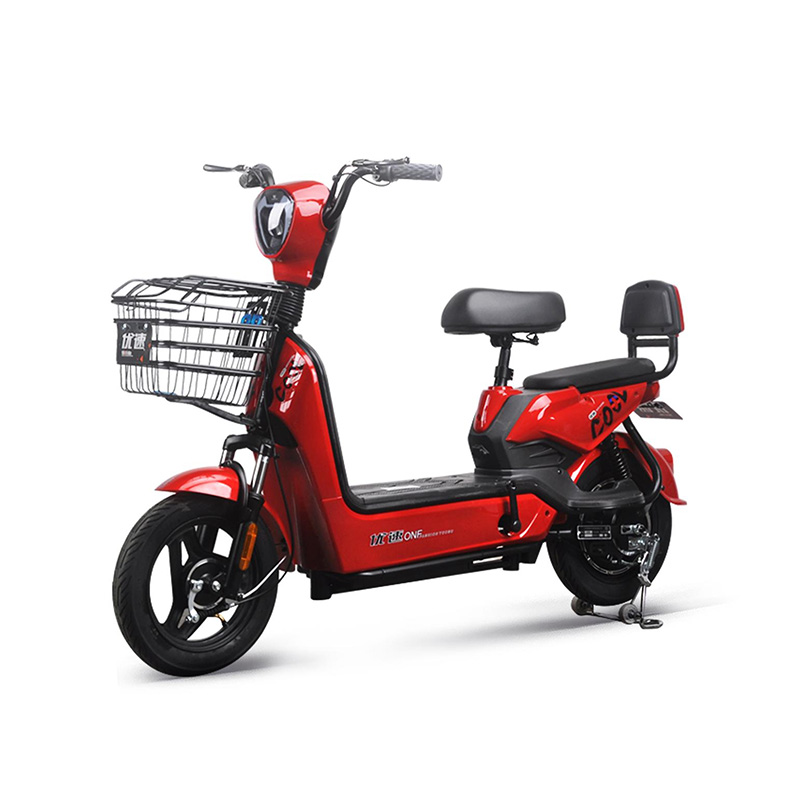
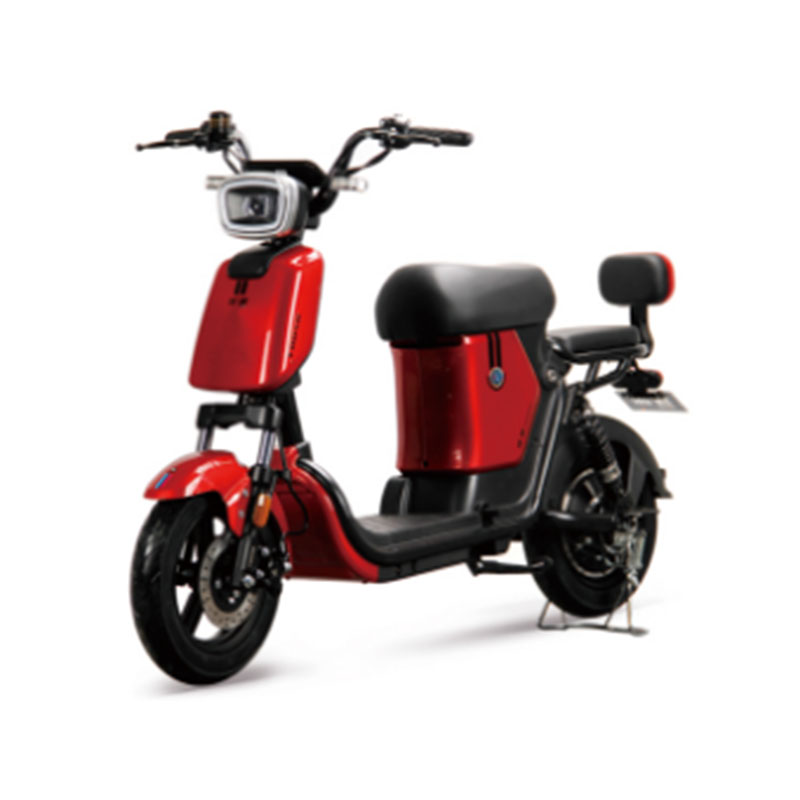
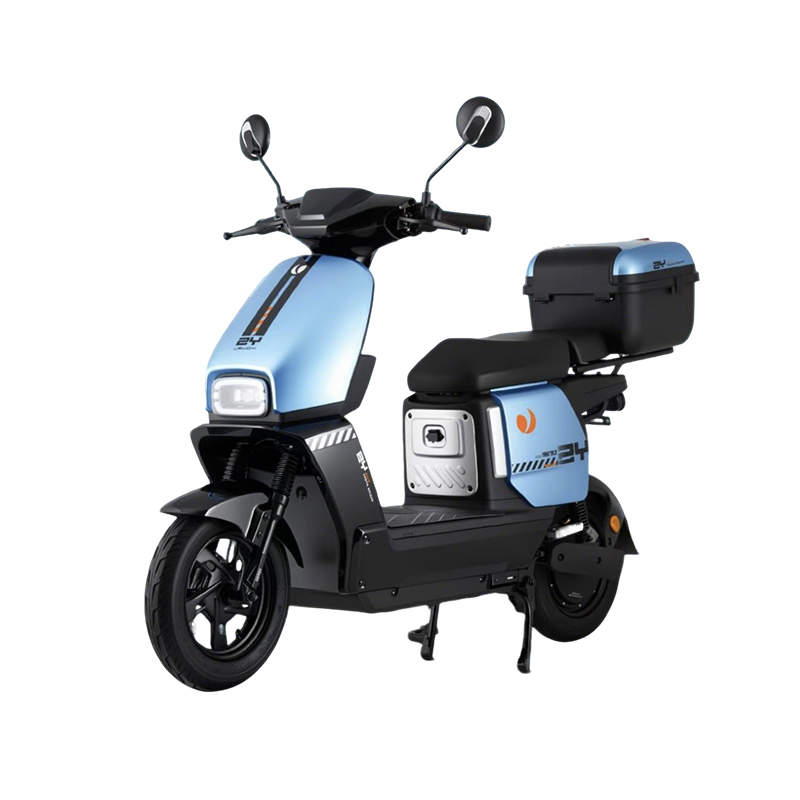
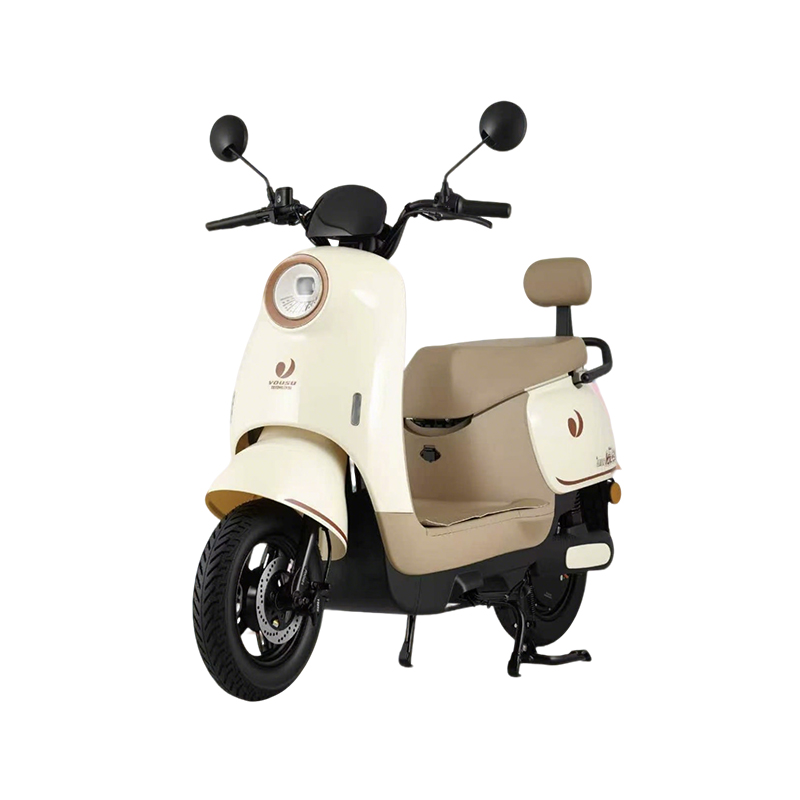
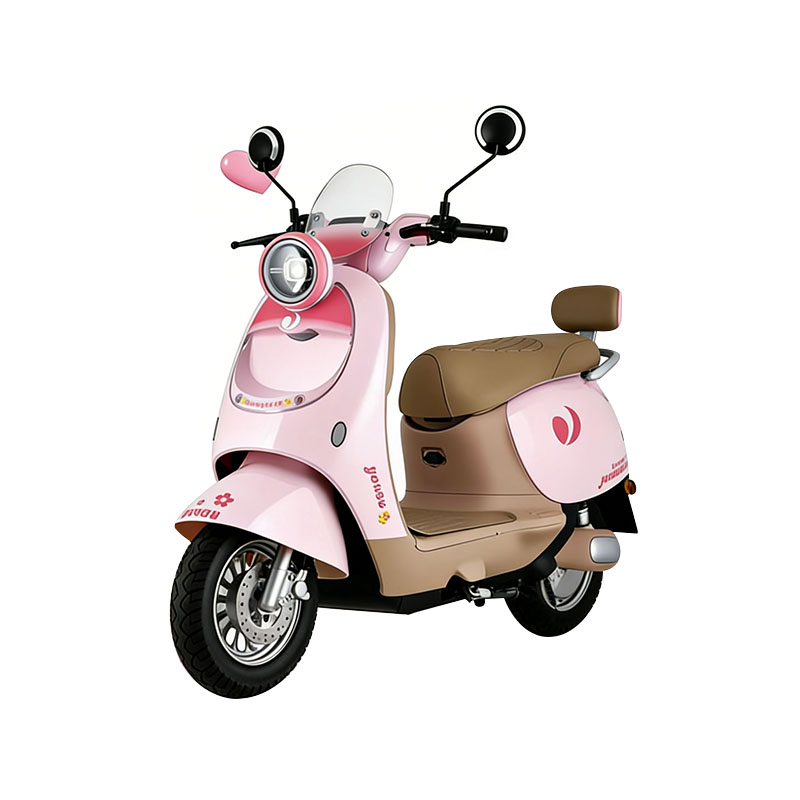
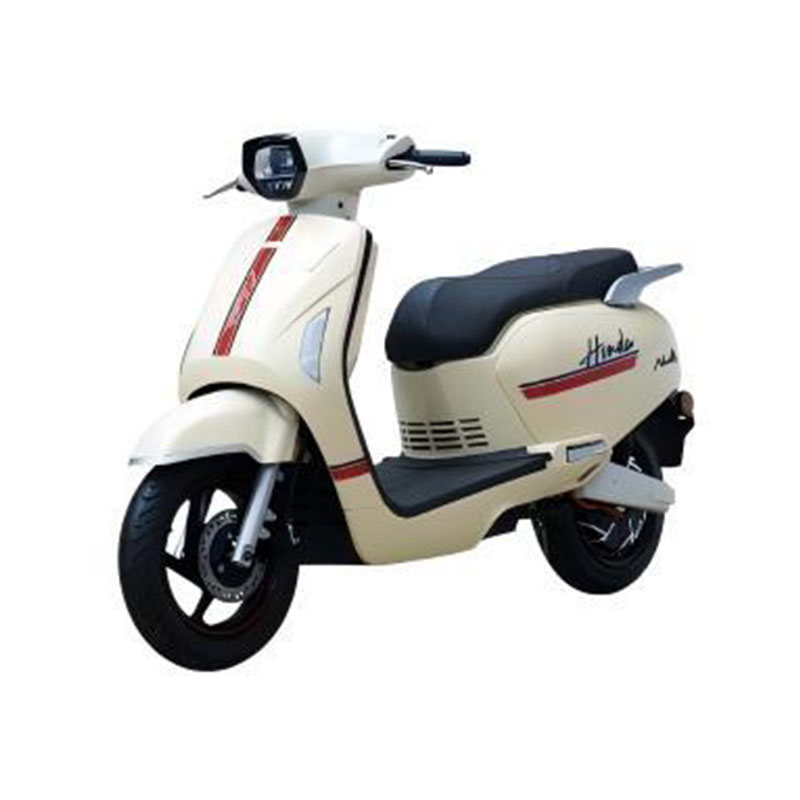
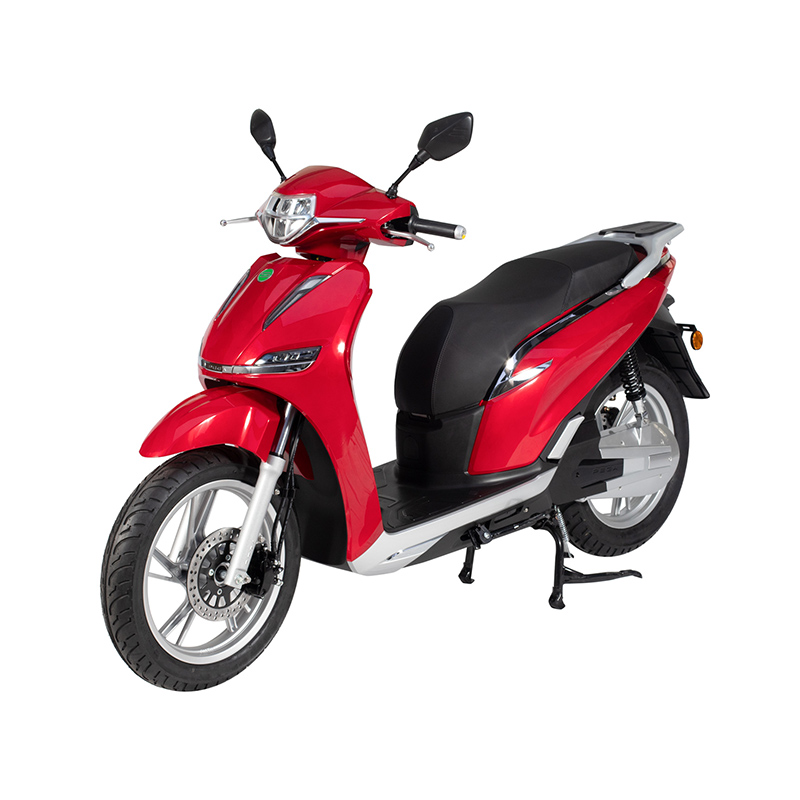
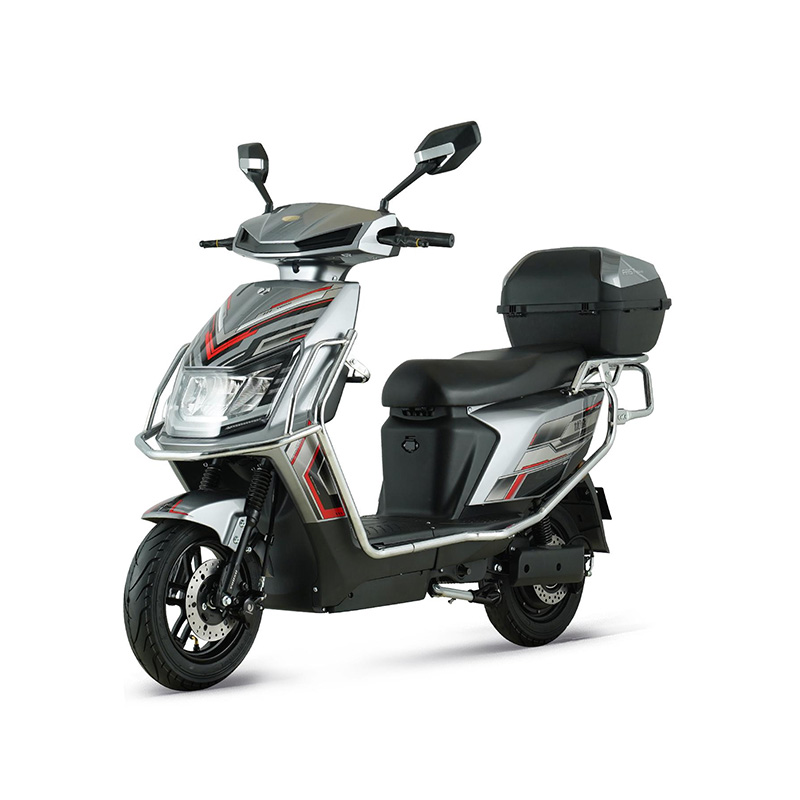
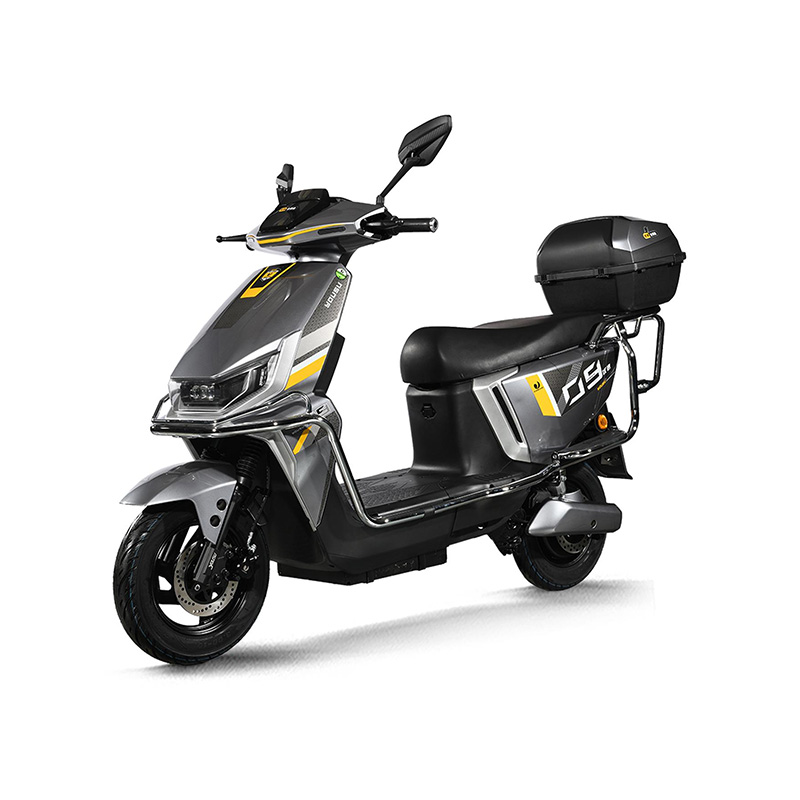
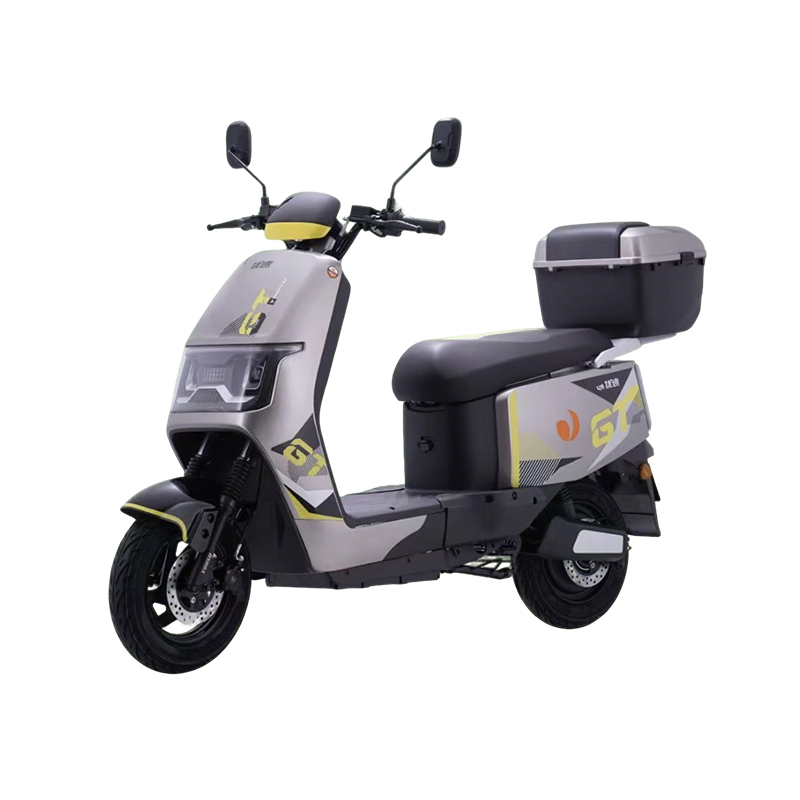

Picture a typical workday: fold the scooter, carry it up three flights of stairs, slide it under your desk, then reverse the whole routine in the evening. In that commute, every kilogram you save feels like a small victory. But a low number on the scale can hide a weak motor, a small battery, or a frame that flexes under load. The smarter approach is to treat weight as the starting point of your decision, not the entire specification.
What "Lightweight" Actually Means in a Practical Commuter
Every buyer asks the same question — how light is it — but the answer only matters when connected to your commute. Weighing under 13 kg (under roughly 30 lb) puts a scooter in the category you can genuinely carry up stairs without planning ahead. Between 13 and 18 kg, you can still lift it, but you will arrange your route around it. Above 18 kg, treat it as a machine you roll rather than carry.
| Weight class | Best suited for | Main advantage | Main compromise |
|---|---|---|---|
| Under 13 kg (under ~30 lb) | Multi-modal commutes, stairs, trains | Easy to carry and store | Smaller battery and deck; shorter range |
| 13–18 kg (~30–40 lb) | Daily urban riding with occasional carrying | Balanced portability and stability | Noticeable to carry upstairs |
| Over 18 kg (over ~40 lb) | Speed, long range, larger riders | Stronger ride comfort and power | Hard to lift; needs secure storage |
Use this only as a framework. The right class depends on how many stairs you face, whether you combine the scooter with public transport, and how much secure storage you have at both ends of the trip.
Why Scrimping on Weight Can Lower Ride Quality
Manufacturers cut weight where it is expensive: battery capacity, motor size, and frame material. A 350W motor keeps a rider moving on flat ground, but the same scooters feel labored on a bridge approach or a ramp. This is why a 500W motor is often the practical middle ground for a lightweight commuter: it delivers enough torque for city obstacles without forcing a battery so large that the scooter stops being portable.
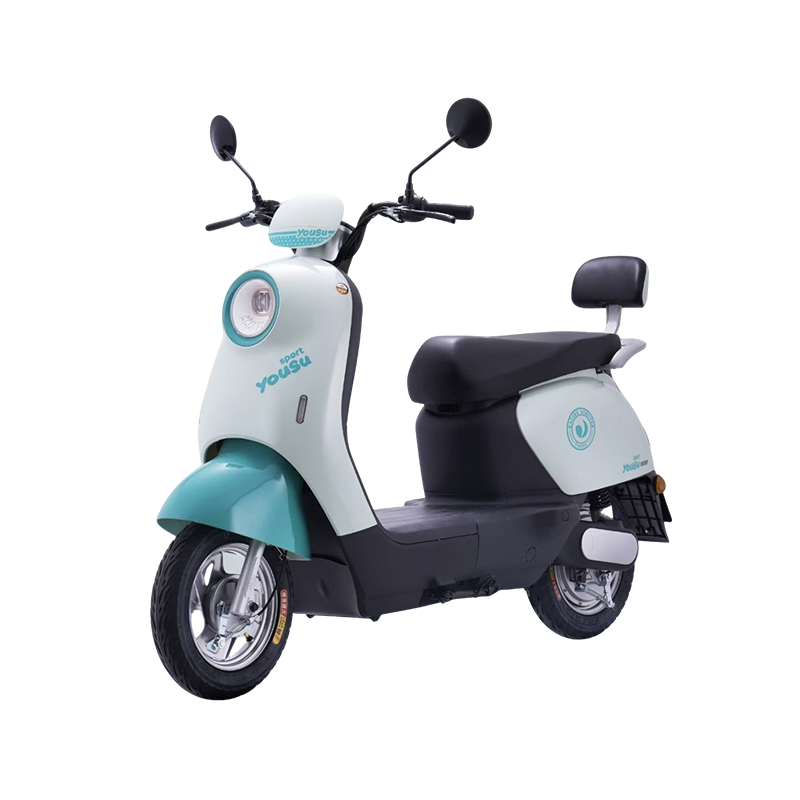
In a lightweight build, the motor-to-weight ratio works in your favor. The same 500W motor accelerates a 12 kg scooter noticeably more eagerly than an 18 kg one, which is why commuters can use a modest motor on a light frame and still keep up with traffic. The risk appears when manufacturers shrink the battery to cut weight and then compensate by quoting peak power that the battery cannot sustain. Check rated continuous output, not the headline peak number, and look at the whole drivetrain on a model like the Yousu Beam 500W commuter scooter — motor, controller, and battery together, rather than a single wattage figure.
 Custom Turtle Model Electric Scooter Manufacturers, FactoryJiangsu Yousu Vehicle Technology Co., Ltd. is China turtle model electric scooter manufacturers and turtle electric scooter factory, we c...View Product →
Buy for the Whole Commute, Not Just the Scale
A lightweight scooter only helps if the rest of the commute works. Three details decide whether you will actually enjoy it:
Check the Folding and Carrying Design
The latch mechanism determines how often you will really fold the scooter. A single-action fold with a secure lock beats a supposedly lighter scooter with a stiff, fiddly latch. Also check the handlebar width when folded — narrower is easier to keep beside a desk or inside a station locker.
Match the Tires to Your Roads
Smaller wheels keep weight and folded size down, but they transmit more road feedback. Tubeless vacuum tires help here: a 14 x 2.5 wear-resistant vacuum tire, like the one fitted on the Yousu Meta with 14 x 2.5 vacuum tires, reduces puncture risk without adding meaningful weight. If your route includes cobblestones or rough tarmac, read how suspension behaves on small-format scooters in this breakdown of built-in suspension on compact electric scooters before you commit to a model.
 Custom Simple Model Electric Scooter Manufacturers, FactoryJiangsu Yousu Vehicle Technology Co., Ltd. is China electric simple scooter manufacturers and simple electric scooter factory, we custom ...View Product →
Treat Security as Part of the Weight
A lighter scooter is easier to carry — and easier for someone else to carry away. Built-in anti-theft alarms and remote locking add only grams but change the risk profile significantly, especially in mixed public areas.
How to Compare Lightweight E-Scooter Specs Without Getting Confused
Manufacturers describe performance in different ways: some quote peak power, some quote rated power, and some advertise only the battery voltage. The practical approach is to check six values consistently:
- Actual curb weight, including battery, and whether the figure includes the charger.
- Motor rated (continuous) output, not only the peak marketing number.
- Battery capacity in amp-hours and voltage; the product of the two gives a far better range estimate.
- Controller specification — sine-wave type and tube count for smooth, sustained power delivery.
- Tire type and size; tubeless vacuum tires are lighter and more puncture-resistant in daily city use.
- Brake type and service cost; common options are drum or disc, with a 180 mm disc offering stronger stopping power.
Working through this checklist filters out models that simply have a low number on the scale but disappoint in a real ride. If you want to see how these details show up in a specific category, our guide to simple-model electric scooters explains how restrained engineering keeps weight down while preserving ride quality.
What a Manufacturer Considers When Building a Lightweight Scooter
Cutting weight on a production line is harder than it looks. A thinner frame tube saves grams but can change handling. A smaller battery saves grams but reduces range. A cheaper controller saves cost but produces jerky acceleration and more heat. Manufacturers with their own assembly operations, like Jiangsu Yousu Vehicle Technology, control these variables in-house. We currently produce 8,000 to 10,000 e-scooters per month, rising to 12,000 to 15,000 at peak periods, and export to Europe, the Americas, and Southeast Asia. Because each model is assembled on automated lines and uses branded motors, controllers, and tires, a buyer is not gambling on quality from one batch to the next.
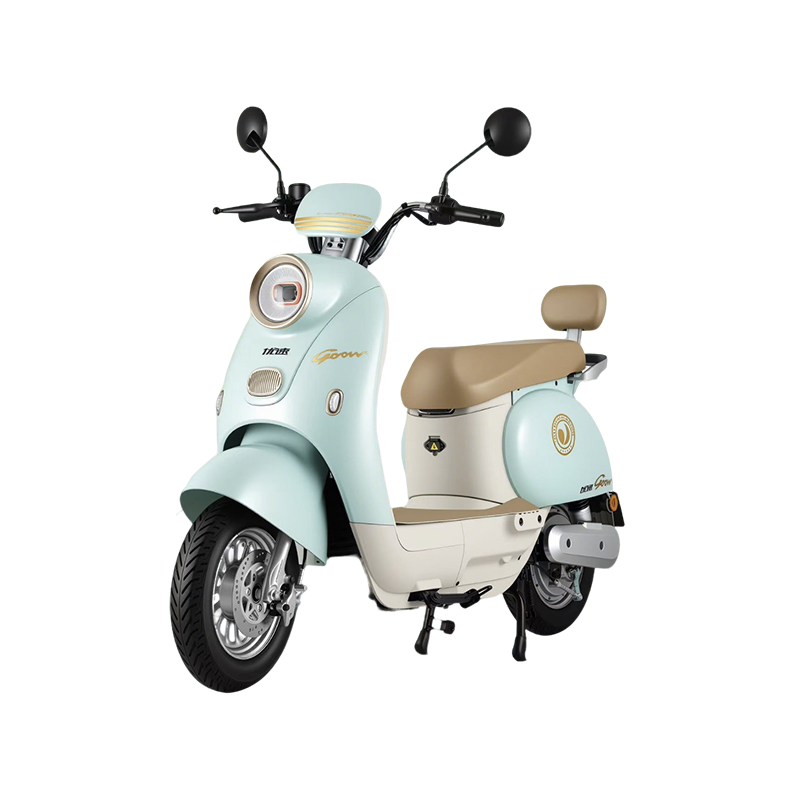
Practical rider support is part of the same mindset. Models like the Yousu Potato household commuting scooter are designed for predictable daily use — simple controls, dependable components, easy service — rather than for the lowest possible weight at the expense of everything else. We also develop models to buyer requirements, so a trader can bring in a lightweight scooter tailored to a local market instead of competing purely on the cheapest generic chassis. To compare the compact commuter models we offer, start with our complete electric scooter lineup.
Custom Simple Model Electric Scooter Manufacturers, FactoryJiangsu Yousu Vehicle Technology Co., Ltd. is China electric simple scooter manufacturers and simple electric scooter factory, we custom ...View Product →A Short Checklist Before You Order
Final decisions come down to what the scooter does on your actual route. Run through this before confirming an order:
- Confirm the weight you will carry and the distance you need to cover; buy the real-world mix of both, not a range figure.
- Match motor power to your terrain: 350W for flat streets, 500W for regular city slopes, 800W or more for heavy loads or long elevations.
- Check the battery, not just the voltage: capacity in amp-hours and cell quality decide how long the scooter stays useful.
- Inspect the controller: sine-wave control and adequate tube count prevent harsh starts and overheating.
- Choose tires and brakes based on your roads: vacuum tires and a good disc brake are cheap insurance.
- Verify security features such as an anti-theft alarm or remote lock — a light scooter is an easier target.
- Confirm parts availability and after-sales response with the supplier; for bulk buyers, consistent spare parts matter more than the initial price.
The right lightweight electric scooter is the one you will fold, carry, and ride every day — not the one with the lowest number on paper. Weight matters, but it has to be judged together with motor output, battery capacity, tires, and build quality. Define your commute first, then match the specification to it, and the choice becomes straightforward.
 Previous