


 English
 Español
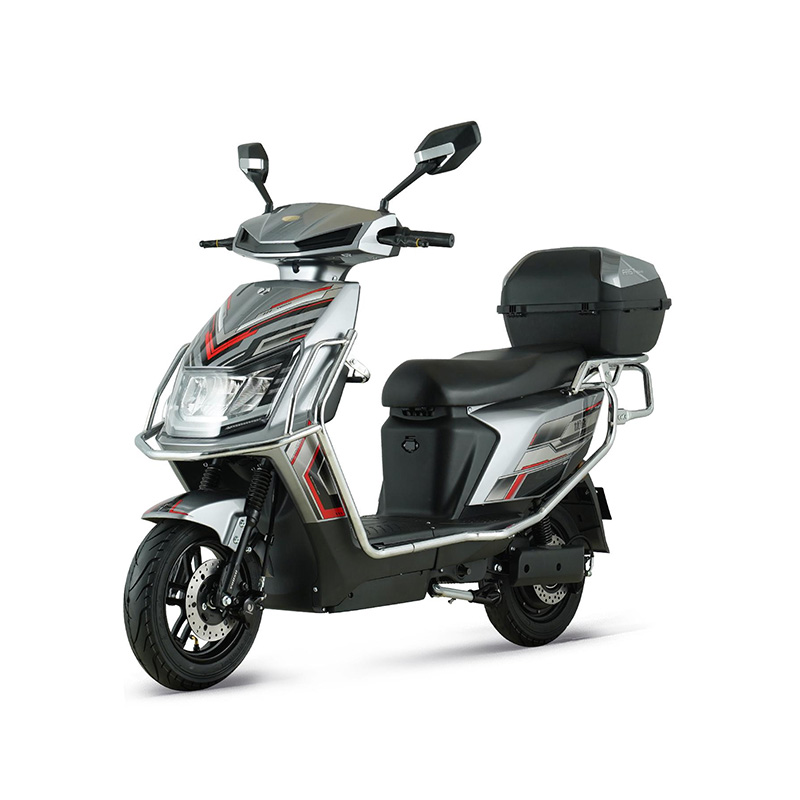
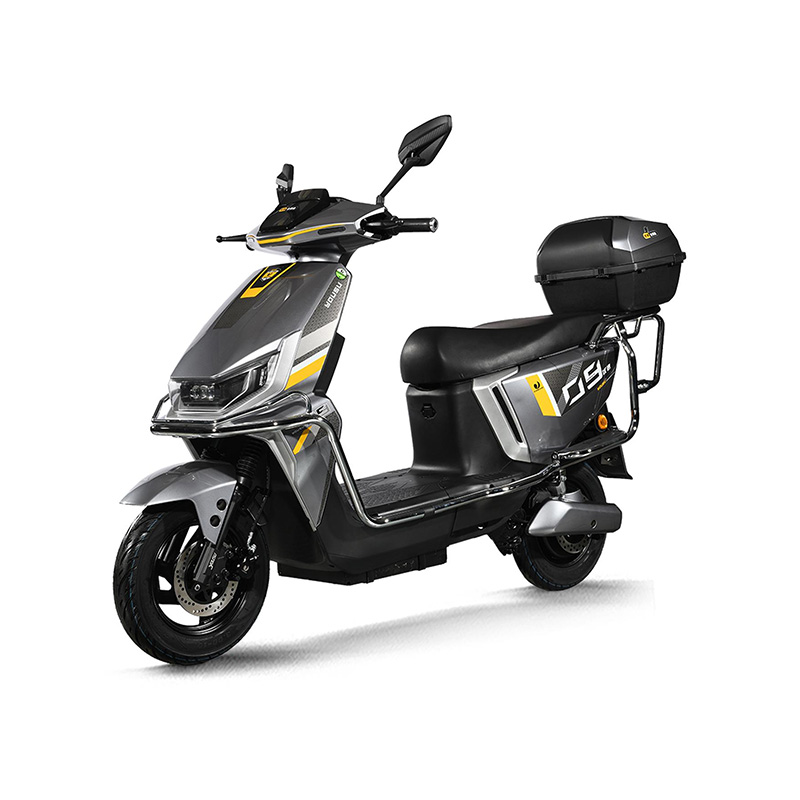
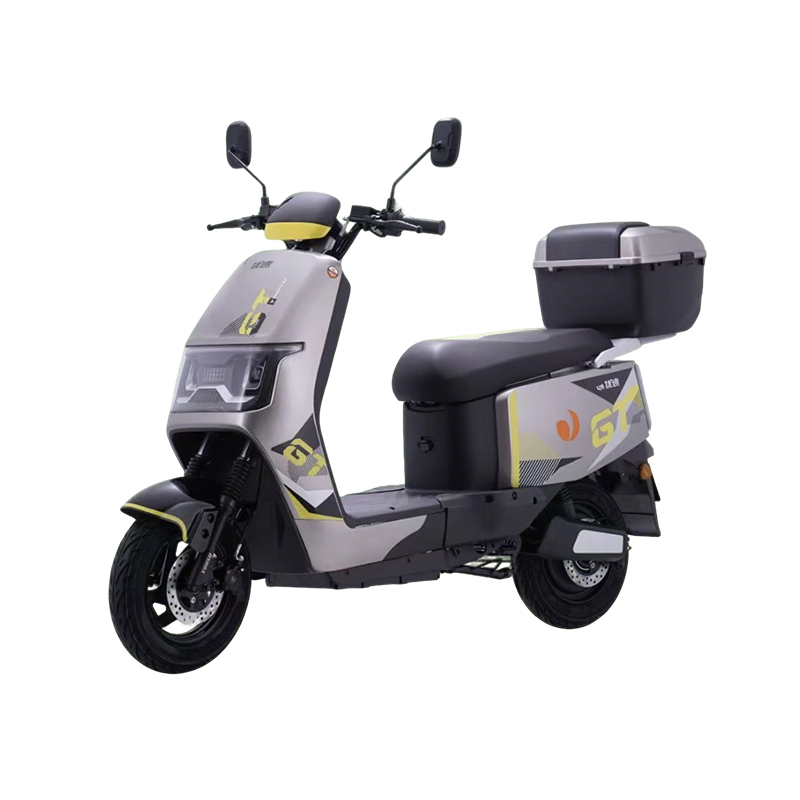

Passenger Comfort & Cargo Practicality
For riders who regularly carry a passenger and need real storage space for groceries, work gear, or overnight bags, the touring class and the sport-touring class consistently outperform other motorcycle categories. This combination of comfort, storage, and stability is exactly what separates a motorcycle suited for daily two-up riding from one that merely tolerates a passenger occasionally.
The Touring and Sport-Touring Classes Best Balance Comfort, Practicality, and Cargo
Sport bikes and standard nakeds often place the passenger high and far back with minimal padding, which becomes uncomfortable within 20–30 minutes. Cruisers offer a low, relaxed passenger position but rarely include factory cargo solutions beyond saddlebags, limiting practicality for errands. Touring and sport-touring motorcycles solve both problems simultaneously, which is why they are the category most frequently recommended by dealers and reviewers for couples or families who ride together regularly.
A motorcycle built with a reinforced subframe to support a passenger comfortably is almost always the same motorcycle engineered to support panniers, top cases, and additional payload without compromising handling.
Why Passenger Comfort and Cargo Capacity Are Linked
Passenger comfort and cargo capacity are not separate design goals; they are directly connected through the motorcycle's frame geometry, subframe strength, and overall weight distribution. This is what determines real-world usability across every riding scenario.
motorcycle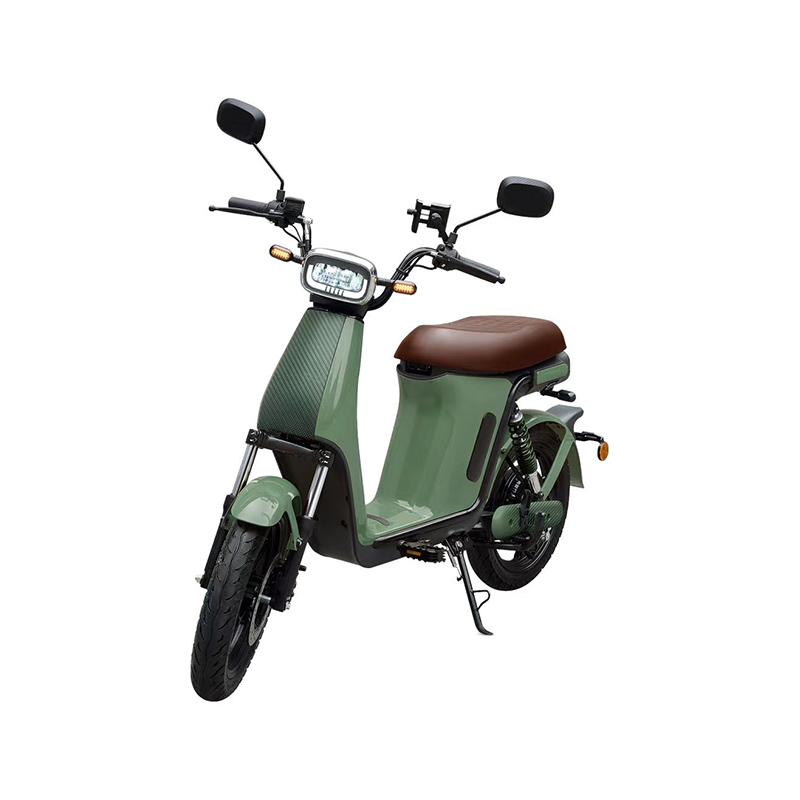
Three Factors That Determine Real-World Usability
- Payload capacity — the combined weight of rider, passenger, and cargo the motorcycle is rated to carry safely.
- Passenger seat design — width, padding thickness, and backrest availability directly affect fatigue over distance.
- Storage integration — whether luggage mounts are factory-engineered or require aftermarket modification affects both convenience and weight balance.
Motorcycle classes that address all three factors together, rather than treating passenger comfort and storage as afterthoughts, are the ones best suited for everyday two-up practicality.
Comparing Passenger Comfort and Cargo Capacity Across Motorcycle Classes
The table below compares typical passenger accommodation and cargo capabilities across common motorcycle classes, based on general seat width, factory luggage support, and payload ratings observed across current production models.
| Class | Passenger Seat Comfort | Factory Luggage Support | Typical Payload Capacity |
|---|---|---|---|
| Sport | Low | Minimal | Low |
| Cruiser | Moderate | Saddlebags only | Moderate |
| Standard / Naked | Moderate | Aftermarket-dependent | Moderate |
| Sport-Touring | High | Integrated hard cases | High |
| Touring | Very High | Full trunk and pannier systems | Very High |
While touring motorcycles achieve the highest scores across every category, they are also the heaviest and least agile for everyday solo commuting. Sport-touring motorcycles frequently emerge as the best overall balance, offering nearly the same passenger comfort and storage capacity as full touring bikes while retaining lighter handling for daily practicality.
Touring Motorcycles: Maximum Comfort and Storage for Two-Up Riding
Touring motorcycles are purpose-built around the assumption that a passenger and full luggage will be present on most rides. This is reflected in nearly every aspect of the design, from the reinforced subframe to the wide, deeply padded passenger seat with an integrated backrest option.
Strengths for Passenger Comfort
- Wide, thickly padded passenger seats reduce pressure points on rides longer than an hour.
- Passenger backrests and grab rails significantly reduce upper-body fatigue and improve confidence at speed.
- Lower vibration transmission through the frame improves comfort over multi-hour trips.
Strengths for Cargo Capacity
- Factory-installed hard side cases and top trunks often provide a combined 90–150 liters of lockable storage.
- Reinforced subframes support higher payload ratings, often exceeding 400 pounds combined for rider, passenger, and gear.
- Weatherproof storage compartments keep cargo secure and dry during unexpected rain on longer trips.
Sport-Touring Motorcycles: Practical Balance for Daily Two-Up Use
Sport-touring motorcycles were designed specifically to close the gap between the comfort of a touring bike and the agility of a sport or standard model. This makes them particularly well suited to riders who want strong passenger accommodation and real cargo capacity without the size and weight penalty of a full touring machine.
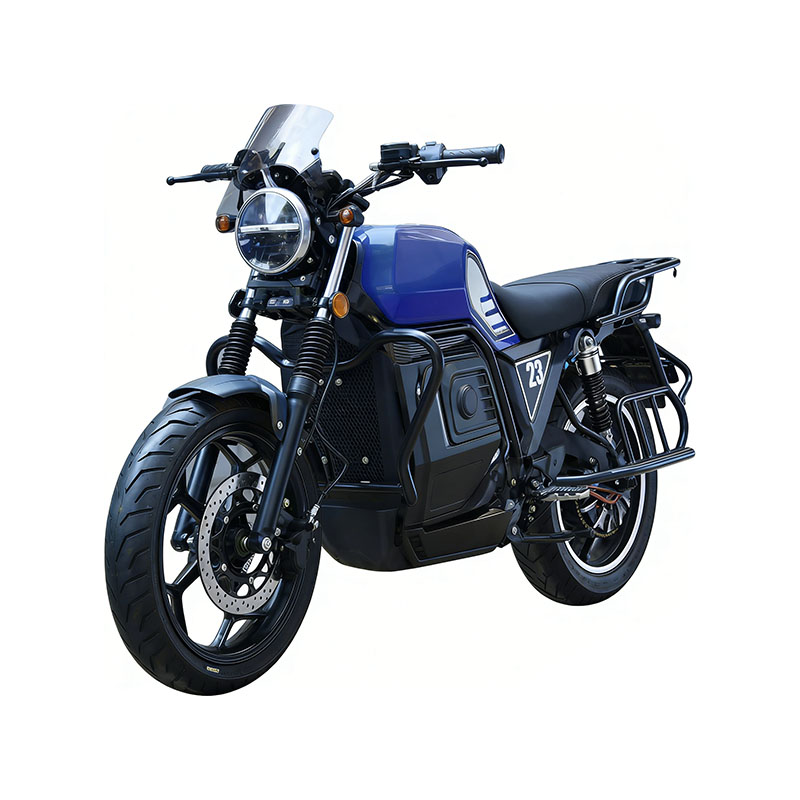
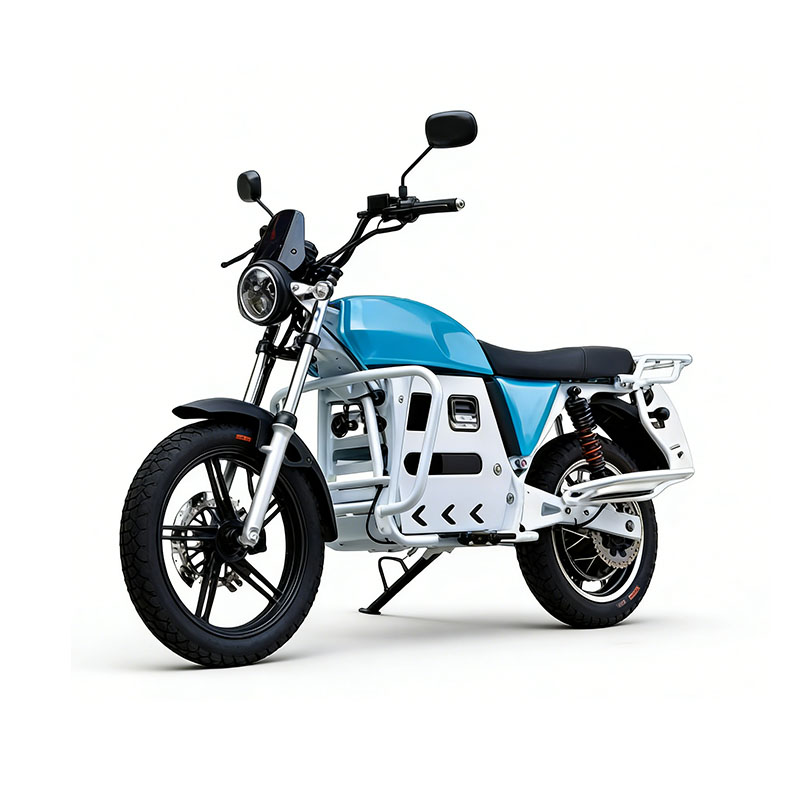
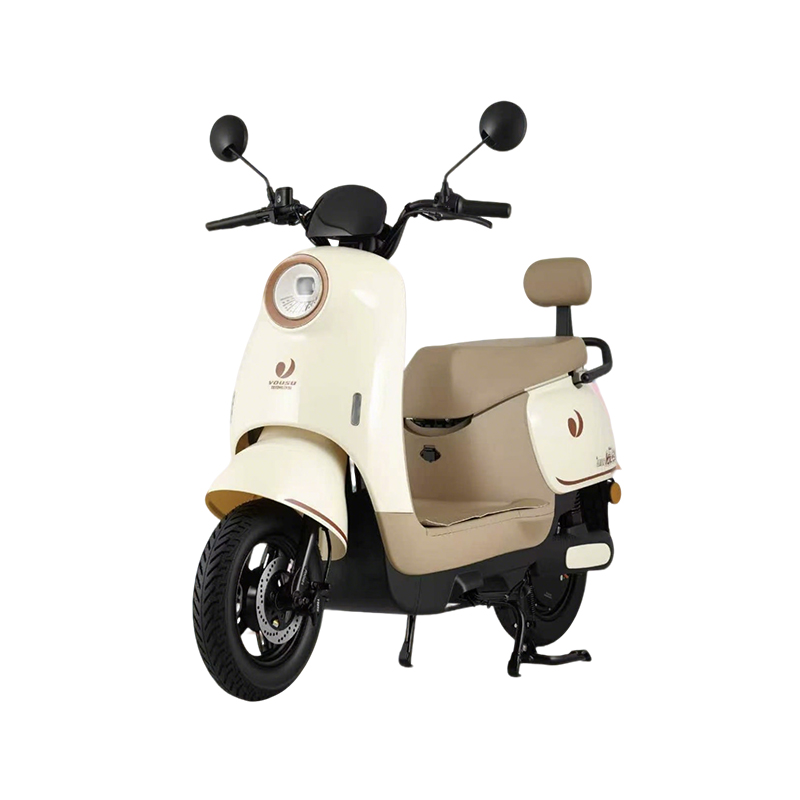
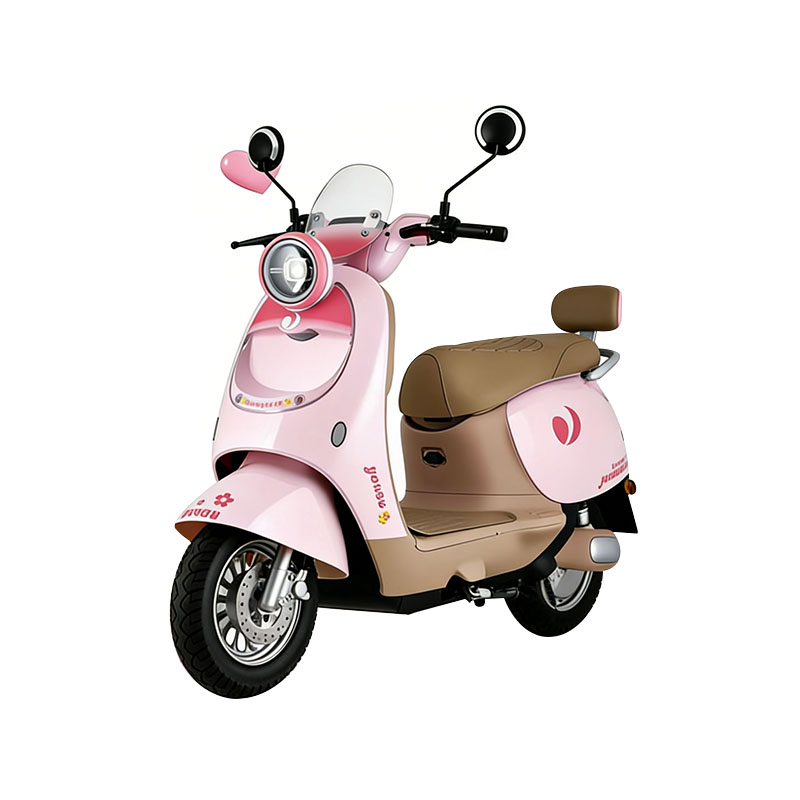
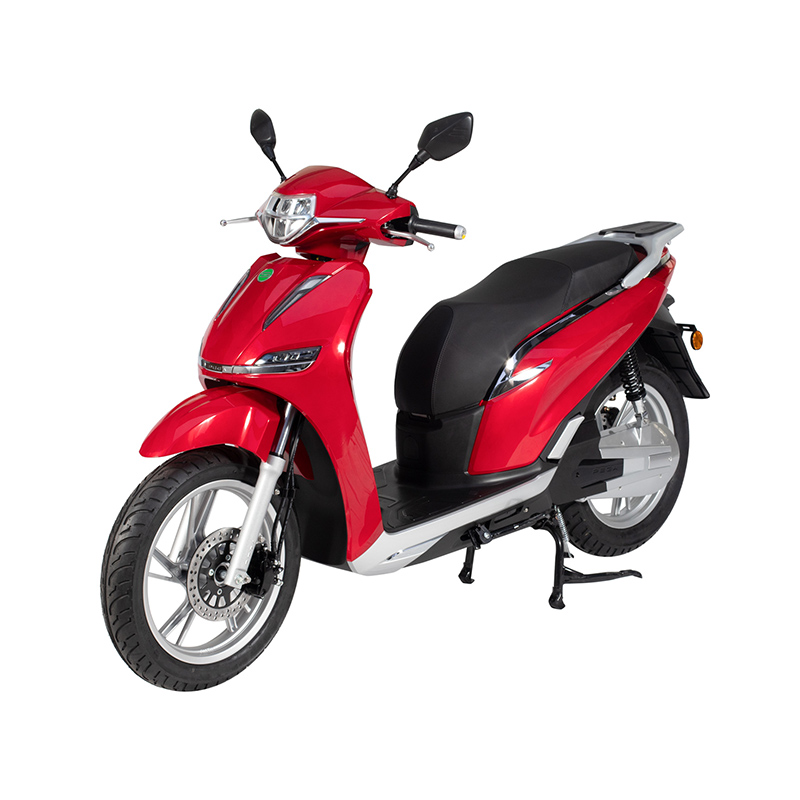
One growing option within this space is the electric road motorcycle, which is increasingly available in sport-touring configurations that include factory pannier mounts and passenger-friendly seating. Riders comparing an electric road motorcycle to a traditional combustion sport-tourer often note that the smoother, vibration-free power delivery makes the passenger experience noticeably more comfortable on longer rides, since there is less mechanical buzz transmitted through the seat and pegs over time.
Insight
Quick-detach hard case systems allow riders to remove luggage easily when extra storage isn't needed, keeping the bike agile for solo commuting between passenger trips.
Where Sport-Touring Models Excel
- Semi-aggressive but manageable riding position keeps the bike enjoyable for solo commuting between passenger trips.
- Quick-detach hard case systems allow riders to remove luggage easily when extra storage isn't needed.
- Sportier suspension tuning maintains confident handling even when carrying a passenger and loaded panniers.
- Lighter overall weight compared to touring bikes makes daily parking and low-speed maneuvering easier.
Matching Motorcycle Class to Passenger and Cargo Needs
Not every rider carries a passenger or cargo with the same frequency. A rider who occasionally takes a partner for a weekend ride has different priorities than a rider who commutes daily with a passenger and needs consistent storage for work equipment or groceries.
Quick Reference by Usage Pattern
| Usage Pattern | Recommended Class | Key Practical Feature |
|---|---|---|
| Occasional weekend passenger rides | Standard / Naked | Aftermarket seat pad and soft luggage |
| Frequent daily passenger commuting | Sport-Touring / Electric road motorcycle | Quick-detach hard cases, agile handling |
| Long-distance two-up touring | Touring | Backrest, high payload capacity |
| Errands with occasional passenger | Cruiser | Low seat height, saddlebag storage |
Cargo Configuration Options That Improve Everyday Practicality
Beyond the base motorcycle class, several configuration choices can meaningfully expand practicality for riders who need both passenger comfort and reliable cargo space. These options are worth evaluating regardless of which class a rider ultimately chooses:
- Hard-sided panniers versus soft luggage: hard cases offer better security and weatherproofing, while soft bags are lighter and easier to remove daily.
- Top case versus tank bag: a top case adds passenger backrest support in addition to storage, while a tank bag keeps frequently used items within rider's reach.
- Passenger footpeg position: lower, forward-set pegs reduce knee strain for passengers on longer rides.
- Suspension preload adjustment: adjustable rear preload allows the bike to maintain proper handling balance when carrying a passenger and loaded cargo.
Takeaway
Riders who properly configure suspension preload for two-up loads report noticeably improved handling stability, even on motorcycles not originally marketed as passenger-focused.
Payload Ratings and Why They Matter
Every motorcycle has a maximum payload rating that includes the combined weight of the rider, passenger, luggage, and any accessories. Exceeding this rating compromises handling, braking distance, and suspension performance, making it one of the most overlooked but critical specifications for riders who regularly carry a passenger and cargo.
Before You Load Up
Never estimate payload by feel alone — always check the manufacturer's published rating against the real combined weight of rider, passenger, and gear.
How to Check Practical Payload Fit
- Add the combined weight of rider and typical passenger to estimate baseline load.
- Estimate typical cargo weight for common trips, such as groceries, work bags, or overnight luggage.
- Compare the total against the manufacturer's published payload capacity, leaving a reasonable margin for safety.
- Confirm that suspension components can be adjusted to accommodate the typical loaded weight without bottoming out.
Final Takeaway for Practicality-Focused Buyers
For riders who need a motorcycle that genuinely balances passenger comfort, everyday practicality, and cargo capacity, the touring and sport-touring classes remain the most dependable choices due to their reinforced subframes, integrated luggage systems, and passenger-focused seating. Riders who prioritize daily agility alongside two-up comfort may find that a sport-touring model, including newer electric road motorcycle configurations, offers the best overall balance between comfort, storage, and manageable size. Ultimately, the right choice depends on how often a passenger and cargo are present, how far those trips typically extend, and how much emphasis a rider places on daily handling versus maximum long-distance comfort.
 Previous