


 English
 Español

Rider Ergonomics & Comfort
For riders who need one motorcycle to handle both quick trips to the store and multi-day highway journeys, the standard (naked/roadster) class and the adventure-touring class consistently provide the most comfortable riding position. Both classes place the rider in a neutral, upright posture — a design choice that separates genuinely versatile motorcycles from bikes that excel at one task but punish the rider on another.
The Standard and Adventure-Touring Classes Offer the Most Balanced Comfort
Sport bikes force an aggressive forward lean that becomes fatiguing after 30–45 minutes. Cruisers place feet forward and lower the rider deep into the seat, which feels relaxed at first but creates lower back pressure on longer rides because there is little ability to shift weight. Standard and adventure-touring models avoid both extremes, which is why they routinely top independent rider-comfort surveys and why dealership staff frequently recommend them to buyers who describe mixed-use riding needs.
The neutral triangle of seat, footpegs, and handlebars is the single biggest factor separating genuinely versatile motorcycles from bikes that excel at one task but punish the rider on another.
Why Riding Position Determines Real-World Comfort
Riding position is not simply about how a motorcycle looks when parked. It determines how weight is distributed across the wrists, spine, hips, and knees over time. A position that feels fine for a five-minute errand can become uncomfortable after two hours on a highway, and a position built purely for touring can feel cumbersome when maneuvering through tight parking lots or stop-and-go traffic.
Three Pressure Points That Matter Most
- Wrist load — determined by handlebar height relative to the seat.
- Lower back strain — determined by how far the rider leans forward and how supportive the seat foam is.
- Knee and hip angle — determined by footpeg placement relative to the seat.
Motorcycle classes that keep all three of these within a moderate range — rather than optimizing one at the expense of the others — are the ones that hold up across both short and long rides.
Comparing Ergonomics Across Motorcycle Classes
The table below compares typical ergonomic characteristics across common motorcycle classes, based on general seat height, handlebar reach, and forward lean angle patterns observed across current production models.
| Class | Typical Lean Angle | Wrist Load | Long-Distance Comfort |
|---|---|---|---|
| Sport | Aggressive (30–40°) | High | Low |
| Cruiser | Reclined | Low | Moderate |
| Standard / Naked | Neutral (10–15°) | Low–Moderate | High |
| Adventure-Touring | Neutral–Upright | Low | Very High |
| Touring | Upright | Very Low | Very High |
Touring bikes score just as well as adventure-touring models for long-distance comfort, but they are typically heavier and less nimble for daily errands, parking, and tight urban maneuvering. This is why adventure-touring and standard classes are usually rated highest for combined short-trip and long-distance use, since they retain a lighter, more manageable chassis alongside upright ergonomics.
motorcycles
Standard and Naked Motorcycles: The Everyday Baseline
Standard motorcycles are often described as the "default" ergonomic layout because manufacturers design them around a moderate, all-purpose riding posture rather than optimizing for racetrack speed or highway cruising alone. The seat height typically sits in a range that most adult riders can flat-foot or nearly flat-foot, which matters enormously for short errands that involve frequent stops, tight turns, and low-speed balancing.
Strengths for Short Trips
- Light steering input makes low-speed maneuvering and parking easier.
- Narrow seat-to-peg distance reduces strain when frequently mounting and dismounting.
- Compact dimensions simplify filtering through traffic and fitting into small parking spaces.
Strengths for Long Rides
- Neutral spine angle reduces cumulative lower back fatigue over multi-hour rides.
- Wide handlebars allow small position shifts to relieve pressure points periodically.
- Moderate wind exposure keeps the rider alert without excessive buffeting at highway speed.
Adventure-Touring Motorcycles: Built for Distance Without Sacrificing Agility
Adventure-touring motorcycles were originally engineered for long overland travel across mixed surfaces, which means their ergonomics were designed around all-day comfort from the start. The upright seating position, wide handlebars, and taller suspension travel combine to reduce fatigue on paved highways while still allowing confident control on rougher terrain during short local rides.
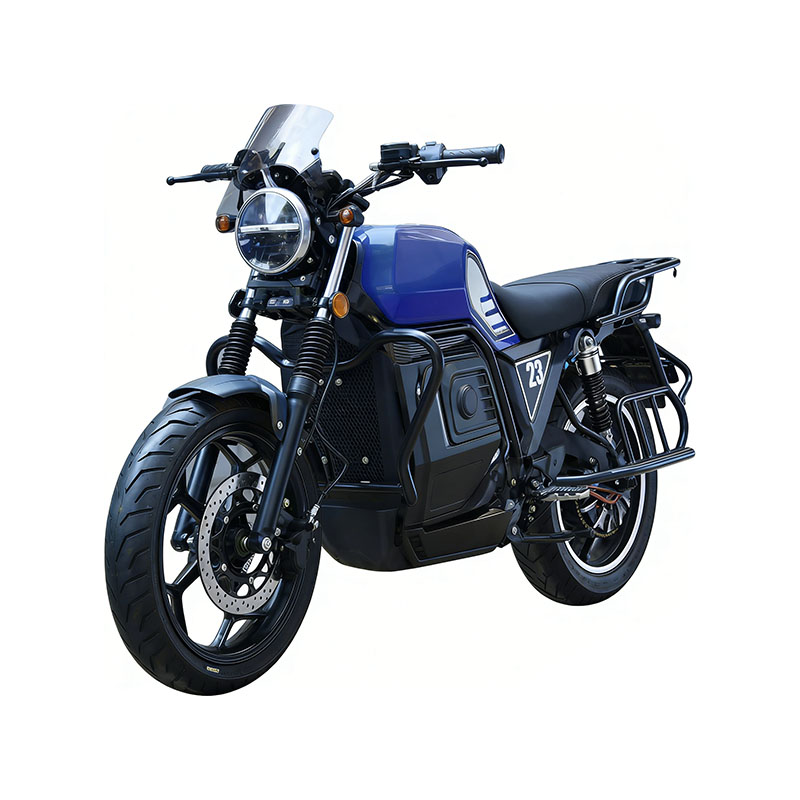
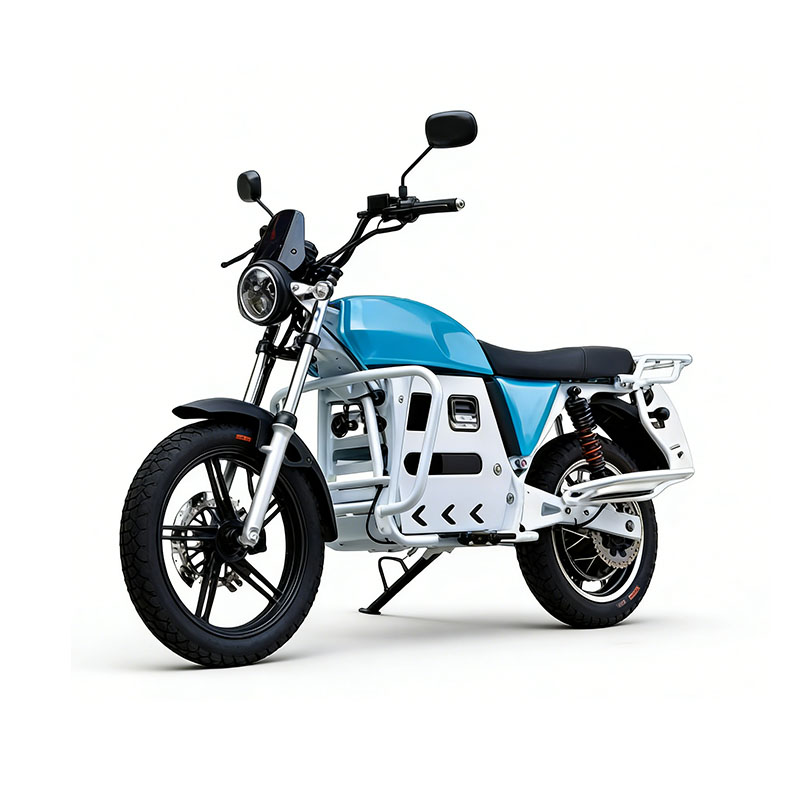
One notable trend within this category is the rise of the electric off road motorcycle, which borrows the same upright, neutral riding posture from traditional adventure-touring models while removing the vibration and heat that can add fatigue on long rides. Riders testing an electric off road motorcycle for commuting and weekend trail use often report that the seating position feels nearly identical to a combustion-powered adventure bike, while the reduced mechanical noise makes both short errands and extended rides feel noticeably less tiring on the ears and hands.
Insight
Standing-capable footpeg placement allows riders to stretch and reposition on rough sections — a small detail that meaningfully reduces fatigue on longer rides.
Where Adventure-Touring Models Excel
- Suspension travel absorbs road imperfections that would otherwise transmit shock into the rider's spine.
- Windscreens reduce upper-body fatigue during sustained highway speeds.
- Wide, flat seats distribute weight more evenly than narrower sport-oriented seats.
- Standing-capable footpeg placement allows riders to stretch and reposition on rough sections.
Matching Comfort Needs to Riding Frequency and Distance
Not every rider weighs short-trip comfort and long-distance comfort equally. A rider who commutes five days a week but only tours once or twice a year should prioritize low-speed comfort and seat height, while a rider who regularly logs 200+ mile weekend rides should weight wind protection and seat cushioning more heavily.
Quick Reference by Riding Pattern
| Riding Pattern | Recommended Class | Key Comfort Feature |
|---|---|---|
| Mostly city errands | Standard / Naked | Low seat height, light handling |
| Mixed city and highway | Adventure-Touring | Upright posture, wind protection |
| Frequent long highway trips | Touring | Full fairing, cushioned seat |
| Occasional off-pavement trail riding | Adventure-Touring / Electric off road motorcycle | Standing ergonomics, long suspension travel |
Adjustable Features That Extend Comfort Across Both Use Cases
Even within the most comfortable classes, adjustability plays a major role in how well a single motorcycle can serve both short errands and long-distance rides. Riders should look for the following adjustable features when comparing models:
- Adjustable windscreen height for reducing highway buffeting without adding bulk during city riding.
- Multi-position footpegs that allow a slightly more relaxed bend for errands and a sportier stance for spirited riding.
- Handlebar risers or adjustable clamps that fine-tune wrist angle for different rider heights.
- Seat foam density and shape options, since firmer foam often performs better on long rides while softer foam can feel more comfortable for brief stints.
Takeaway
Riders who fine-tune these settings often report noticeably reduced fatigue on rides beyond two hours, even on motorcycles that were not originally marketed as touring-focused.
Body Type and Rider Height Considerations
Comfort is never purely about motorcycle class; it also depends heavily on how well a specific model's dimensions match the rider's body. A standard or adventure-touring motorcycle with an excellent ergonomic reputation can still feel uncomfortable if the seat height, reach, or peg placement doesn't suit the individual rider.
Before You Buy
Never judge fit from a thirty-second sit-on in a showroom — fatigue points only reveal themselves after several minutes in the saddle.
Practical Fit-Testing Tips
- Sit on the motorcycle for at least five minutes in a dealership rather than a quick 30-second impression.
- Test reach to the handlebars with shoulders relaxed, not stretched forward.
- Check knee clearance against the tank or bodywork, especially for taller riders.
- If possible, request a short test ride that includes both low-speed maneuvering and a brief highway stretch.
Final Takeaway for Comfort-Focused Buyers
For riders who need one motorcycle that performs well for both short errands and long-distance travel, the standard/naked and adventure-touring classes remain the most reliable choices due to their neutral, upright ergonomics and manageable weight. Riders who also want occasional trail access without sacrificing daily comfort may find that an electric off road motorcycle offers a compelling middle ground, combining familiar upright ergonomics with reduced vibration fatigue. Ultimately, the best decision comes from matching riding frequency, typical trip length, and personal body dimensions to a class known for balanced, adjustable ergonomics rather than one optimized for a single extreme use case.
 Previous