


 English
 Español

Electric Bike Engineering — Range Analysis
How Does Range Vary Between Hub Motor and Mid-Drive Motor E-Bikes?
A close look at torque efficiency, terrain performance, and real-world mileage — and what it actually means for the range you'll get on your next ride.
The Direct Answer: Hub Motors vs. Mid-Drive Motors on Range
Mid-drive motor e-bikes typically deliver 10% to 30% more range than hub motor e-bikes when using the same battery capacity, because they leverage the bike's gears to apply power more efficiently across varying terrain. On flat, consistent terrain, a hub motor e-bike with a 500Wh battery might travel between 25 and 40 miles, while a mid-drive e-bike with the same battery can often cover 30 to 50 miles under identical conditions. On hilly or mixed terrain, the gap widens further, since mid-drive systems adjust torque output through the drivetrain, whereas hub motors apply a relatively fixed torque regardless of gradient.
That said, range is never determined by motor type alone. Battery capacity, rider weight, assist level, tire pressure, and terrain all interact with motor architecture to produce a final number. This article breaks down exactly why hub motors and mid-drive motors behave differently, what real-world range you can expect from each, and how to choose the right setup for your riding needs — including where light weight ebikes fit into the range equation.
Why Motor Type Changes the Range Equation
A hub motor sits inside the front or rear wheel and drives the wheel directly, independent of the bike's gears. It delivers a fairly constant amount of torque regardless of speed or incline, which means it has to work harder — and draw more current — when climbing hills or accelerating from a stop. A mid-drive motor, by contrast, is mounted at the bike's crank and sends power through the existing chain and gear system. This allows the motor to operate within its most efficient RPM range at all times, similar to how a car engine benefits from a transmission.
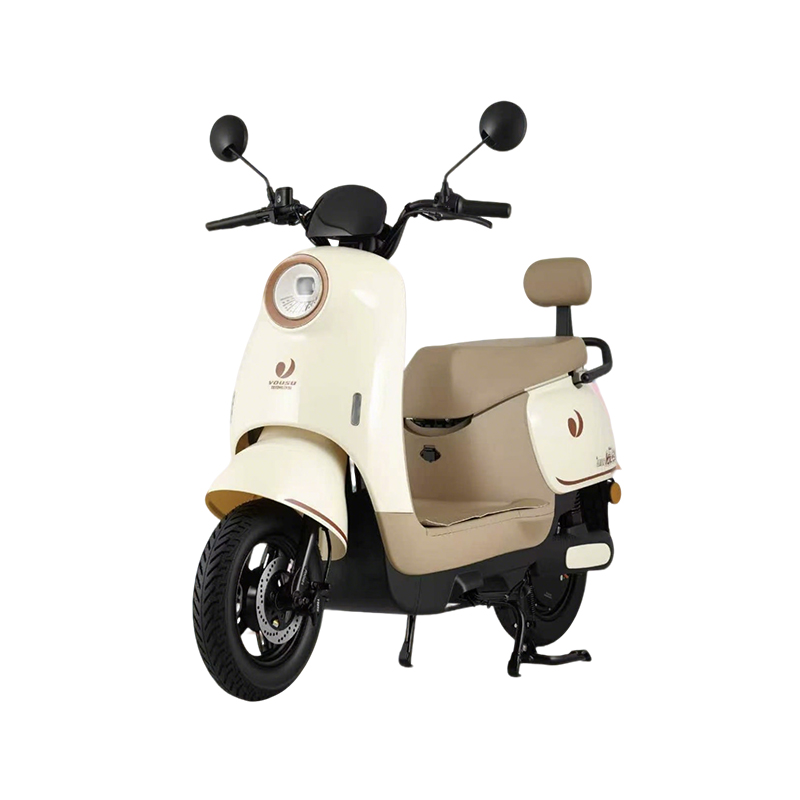
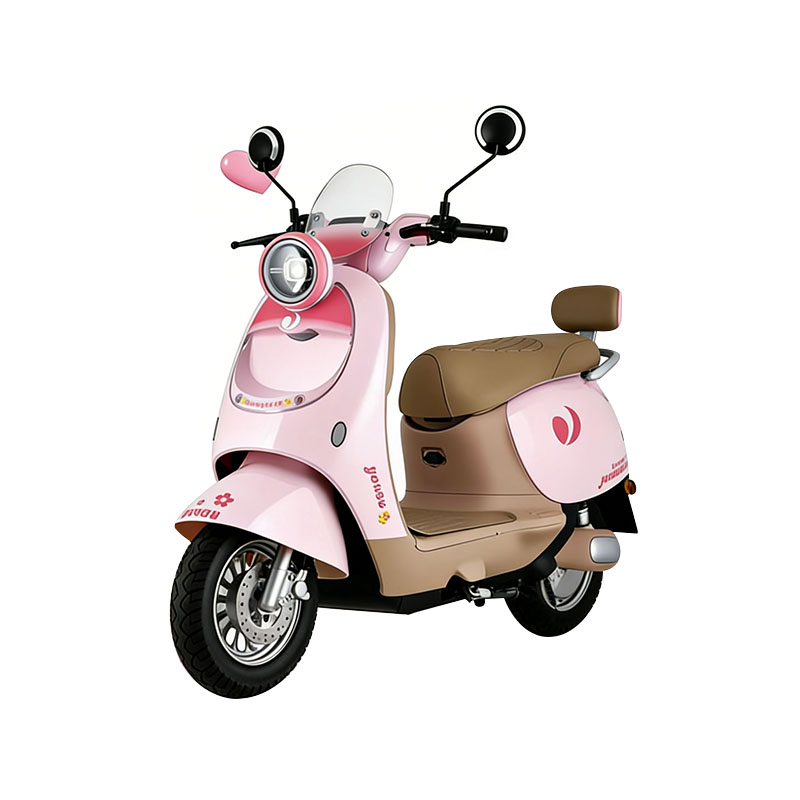
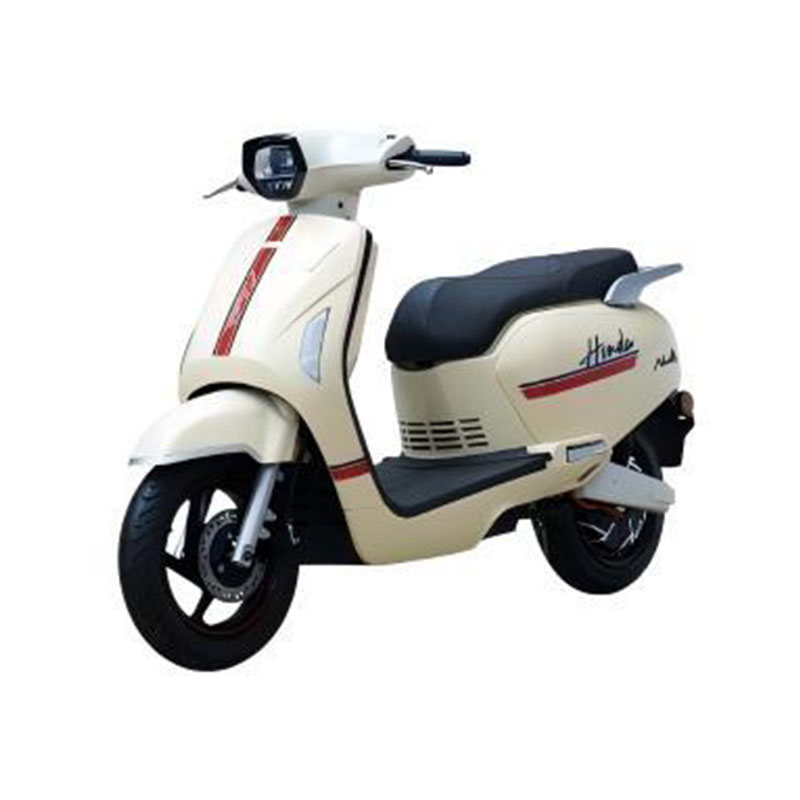
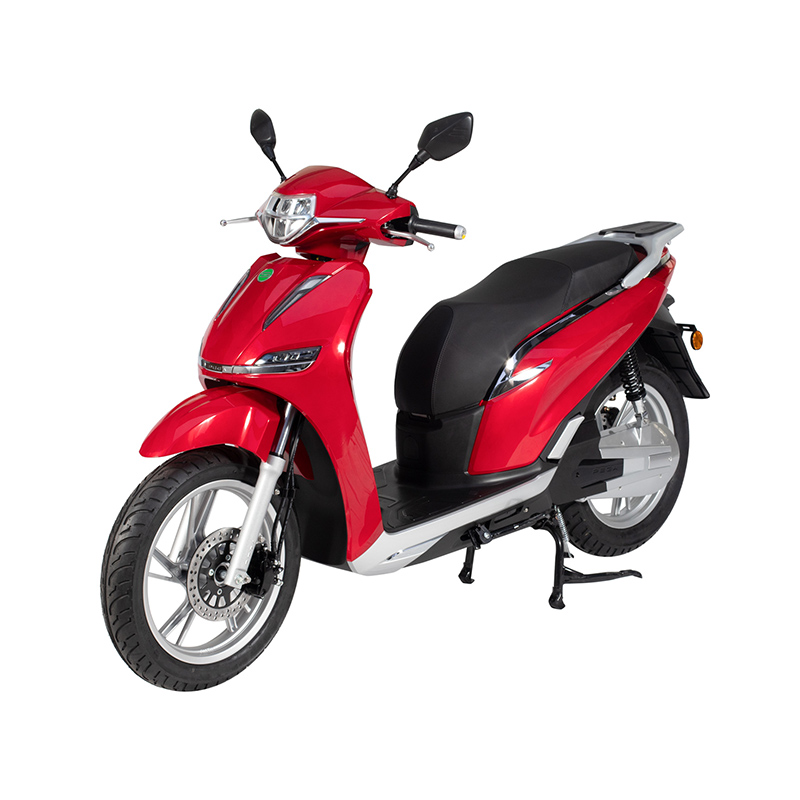
light weight ebikes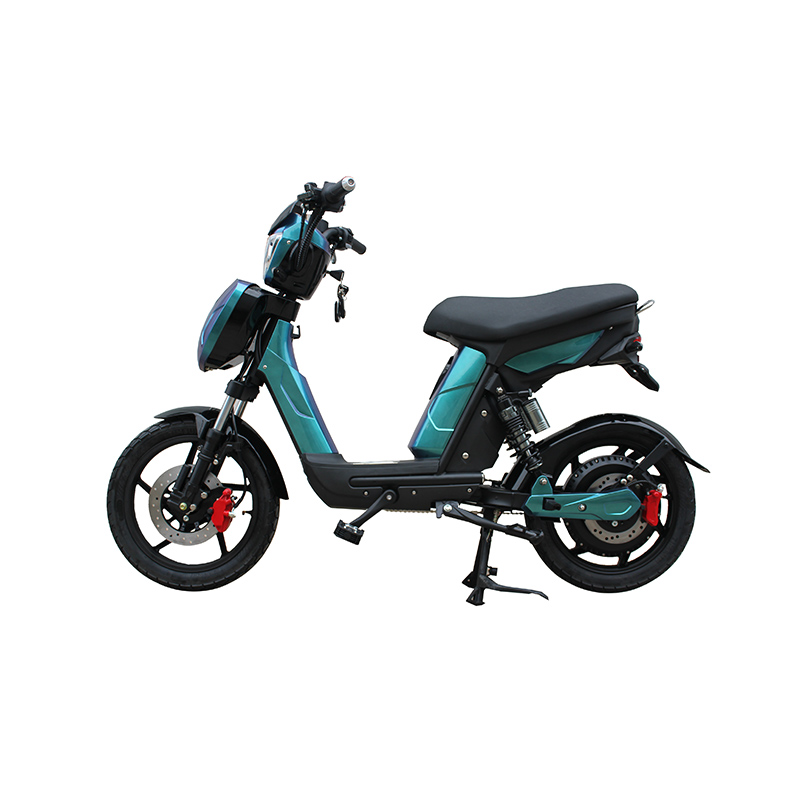
A mid-drive motor doesn't just move the bike — it works with the bike's own gearing, the way a transmission lets an engine stay in its efficient range.
Torque Efficiency and Energy Consumption
Because a mid-drive motor can multiply torque through lower gears on a climb, it doesn't need to draw as much raw current to produce the same forward force as a hub motor. Independent efficiency testing has shown mid-drive systems can be 15% to 20% more energy-efficient than direct-drive hub motors on hilly routes, translating directly into more miles per charge. On flat terrain, the efficiency gap narrows considerably, since neither motor type needs to work against gravity.
Weight Distribution and Rolling Resistance
Hub motors add unsprung weight to the wheel, which can slightly increase rolling resistance and reduce overall ride efficiency, particularly on rough surfaces. Mid-drive motors keep weight centralized near the bike's bottom bracket, improving balance and reducing the energy lost to wheel wobble or vibration. This is one reason many light weight ebikes in the performance and commuter categories are increasingly built around mid-drive systems — the centralized mass supports both better handling and more predictable range.
Real-World Range Comparison by Terrain Type
Range figures vary widely depending on testing conditions, so the table below reflects typical real-world results for a mid-tier e-bike with a 500Wh battery, moderate assist level, and a rider weighing approximately 70kg (154 lbs).
| Terrain Type | Hub Motor Range | Mid-Drive Motor Range |
|---|---|---|
| Flat urban roads | 30–40 miles | 35–50 miles |
| Mixed terrain (rolling hills) | 22–30 miles | 28–38 miles |
| Steep hills or mountain trails | 15–22 miles | 20–30 miles |
| High-speed throttle-only riding | 18–25 miles | 22–28 miles |
Notice that the range advantage of mid-drive motors is smallest on flat terrain and largest on hilly or mountainous routes. If your daily commute is entirely flat, the practical difference between motor types may be minor. If your route includes regular climbs, a mid-drive system's efficiency advantage becomes far more significant.
Other Factors That Influence Range Regardless of Motor Type
Motor type sets the baseline efficiency, but several other variables can shift range by 20% or more in either direction, no matter which motor system you choose.
Assist Level and Riding Style
Riding in a low assist mode and contributing more pedal power can extend range by 30% to 50% compared to riding on maximum assist or throttle-only mode. This holds true for both hub and mid-drive systems, since higher assist levels always draw more current from the battery regardless of how efficiently that current is converted into forward motion.
Info
Lowering your assist level even one step can meaningfully extend your range without adding much physical effort on flat terrain.
Rider Weight and Cargo Load
Every additional 25 lbs (about 11kg) of rider or cargo weight can reduce range by roughly 5% to 10%, since the motor must work harder to maintain the same speed and acceleration. This effect is slightly more pronounced on hub motor systems, which cannot use gear reduction to offset the added load as effectively as a mid-drive motor can.
Battery Capacity and Age
A larger battery, measured in watt-hours (Wh), directly extends range regardless of motor type. A 750Wh battery can offer roughly 50% more range than a 500Wh battery under the same conditions. Battery age also matters: most lithium-ion e-bike batteries retain about 70% to 80% of their original capacity after 500 to 800 full charge cycles, meaning an older battery will naturally deliver less range even if the motor itself is unchanged.
Warning
If your e-bike's range has dropped noticeably over time, an aging battery — not the motor — is often the real cause.
Tire Pressure and Rolling Resistance
Underinflated tires increase rolling resistance and can reduce range by 5% to 15%. This applies equally to both motor types, since the motor has to compensate for the extra drag no matter where it's mounted on the bike.
Ambient Temperature
Lithium-ion batteries lose efficiency in cold weather, and riders can see range drop by 10% to 20% when temperatures fall below 40°F (about 4°C) compared to mild, room-temperature conditions. This effect is chemical rather than mechanical, so it applies identically to hub motor and mid-drive motor e-bikes alike. Storing the battery indoors before a cold-weather ride, rather than leaving it exposed overnight, can help minimize this loss.
Wind Resistance and Riding Speed
Higher speeds dramatically increase aerodynamic drag, and energy consumption rises roughly with the square of speed. Riding consistently at 20 mph instead of 12 mph can reduce range by 25% or more, simply because the motor must overcome significantly greater wind resistance to maintain the faster pace. Headwinds compound this effect further, regardless of whether the bike uses a hub or mid-drive motor.
Cost, Weight, and Maintenance Trade-Offs Between the Two Systems
Range is an important factor, but it shouldn't be evaluated in isolation. Hub motors and mid-drive motors also differ in upfront cost, overall bike weight, and long-term maintenance needs — all of which affect the total ownership experience.
- Hub motor e-bikes are generally less expensive to manufacture and purchase, making them a common choice for budget-friendly commuter models.
- Mid-drive motors place additional stress on the chain, cassette, and derailleur, which can lead to faster drivetrain wear and slightly higher maintenance costs over time.
- Hub motors offer simpler installation and repair, since the motor is a self-contained unit within the wheel.
- Many light weight ebikes favor mid-drive systems specifically because the centralized weight and efficient power delivery support a lower overall bike weight without sacrificing climbing ability.
- Mid-drive systems generally handle steep, technical terrain better, making them a common choice for trail and mountain-oriented e-bikes.
Success
Matching motor type to your actual terrain — rather than chasing the highest advertised range — is the most reliable way to get the mileage you expect.
How to Choose Based on Your Priorities
Choosing between a hub motor and a mid-drive motor ultimately depends on the terrain you ride most often and how much you value maximum range versus upfront cost and simplicity.
- If your commute or typical route is flat and predictable, a hub motor e-bike can offer nearly comparable range at a lower price point.
- If your riding regularly includes hills, mountains, or mixed terrain, a mid-drive motor will generally extend your range meaningfully and reduce battery strain on climbs.
- If minimizing overall bike weight is a priority, look toward mid-drive systems, which are more common among light weight ebikes designed for long-distance or performance riding.
- If low maintenance and simple repairs matter most, a hub motor system may better suit your needs, particularly for casual or infrequent riders.
- If you frequently carry cargo or ride with a passenger, consider a mid-drive motor paired with a larger battery capacity to offset the added weight's impact on range.
Danger
Don't rely on a single flat-road range figure when planning a route with real elevation change — the shortfall on climbs can be significant enough to leave you stranded.
In practice, neither motor type is universally superior — the right choice depends on matching the system's strengths to your actual riding conditions. Riders who prioritize climbing ability, efficiency on varied terrain, and a lower total bike weight tend to gravitate toward mid-drive motors, while those who want a simpler, more affordable setup for flat commuting routes often find hub motors perfectly adequate. Testing a bike under conditions similar to your daily route remains the most reliable way to estimate the range you'll actually experience.
It's also worth considering how your riding habits might change over time. A rider who starts out commuting on flat streets may later want to explore hillier routes or longer weekend rides, in which case the extended range and climbing efficiency of a mid-drive motor could prove more valuable in the long run than the initial cost savings of a hub motor system. Conversely, a rider who only needs short, flat trips to work or errands may find that a hub motor comfortably covers their needs without ever pushing the battery close to its limit.
Ultimately, comparing advertised range figures side by side is only a starting point. Because real-world range depends so heavily on terrain, rider weight, assist level, and even weather, it's best to treat manufacturer estimates as a ceiling rather than a guarantee. Asking for range data tested under conditions close to your own — hilly commutes, cargo loads, or cold-weather riding — will give you a far more accurate picture of what to expect than a single flat-road figure alone.
 Previous