


 English
 Español
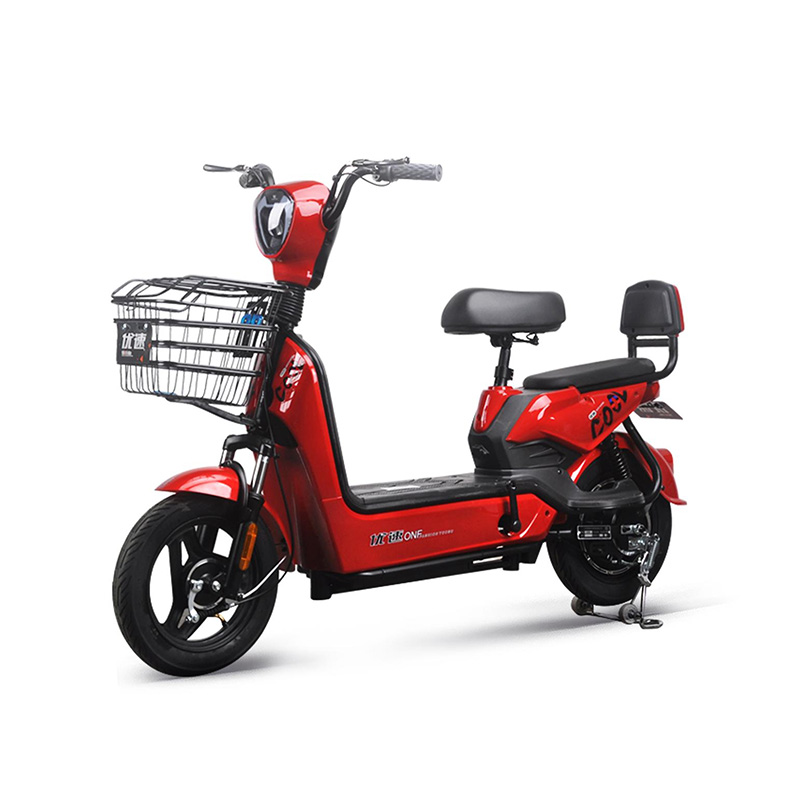
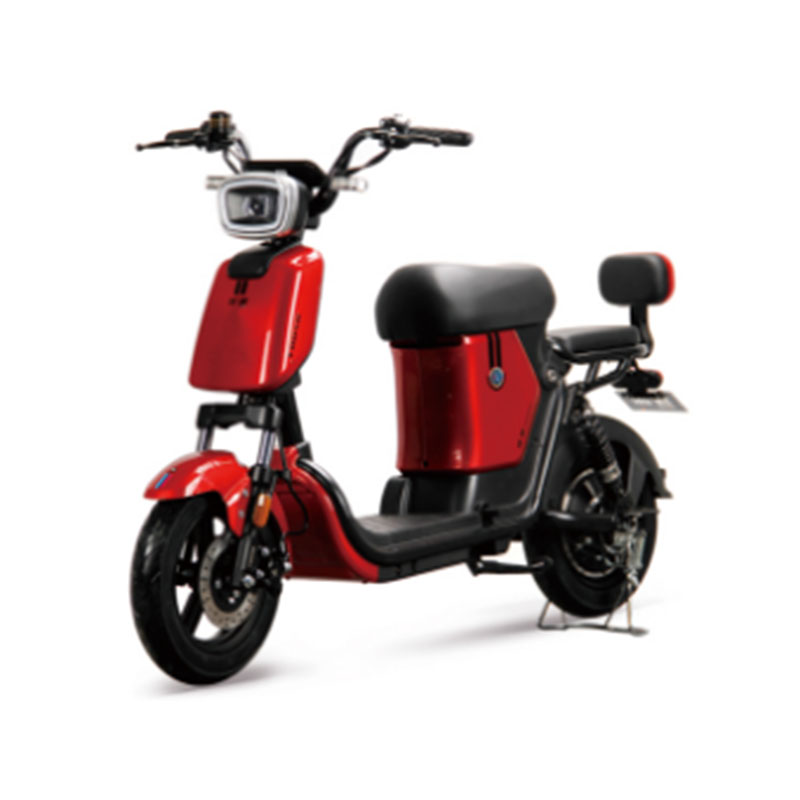
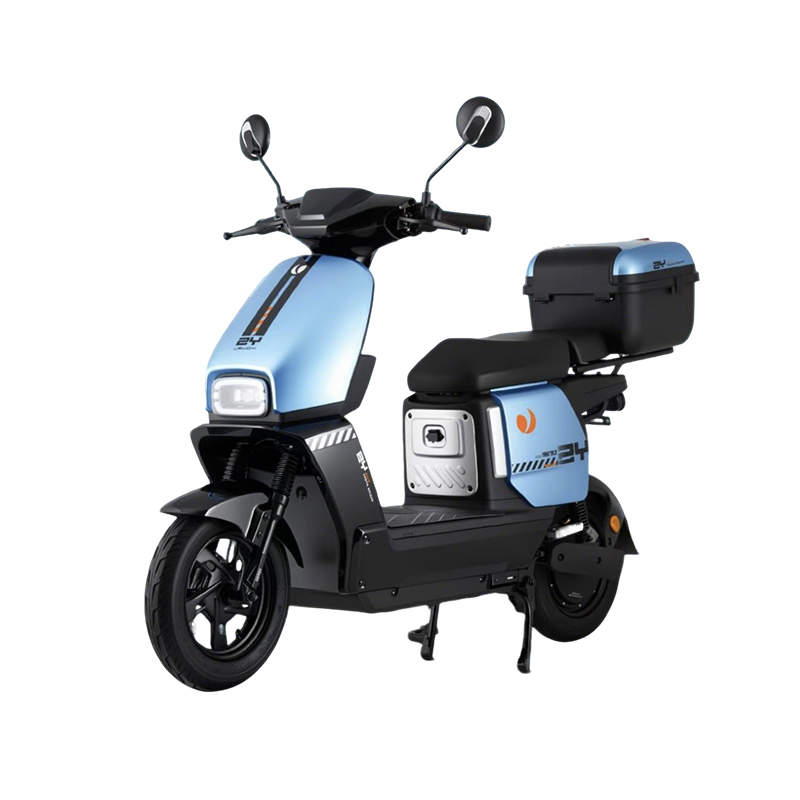
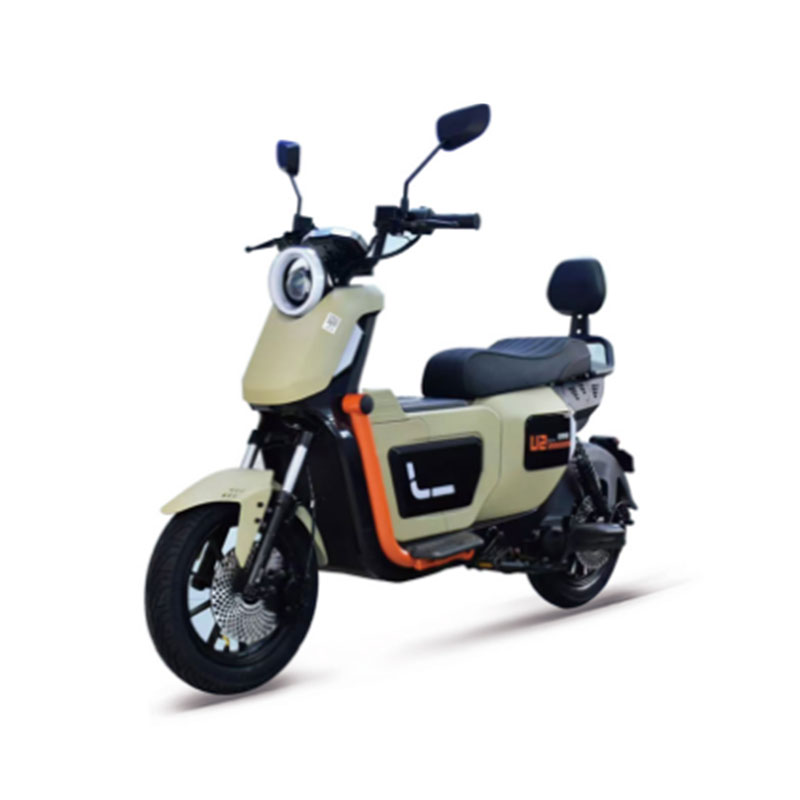
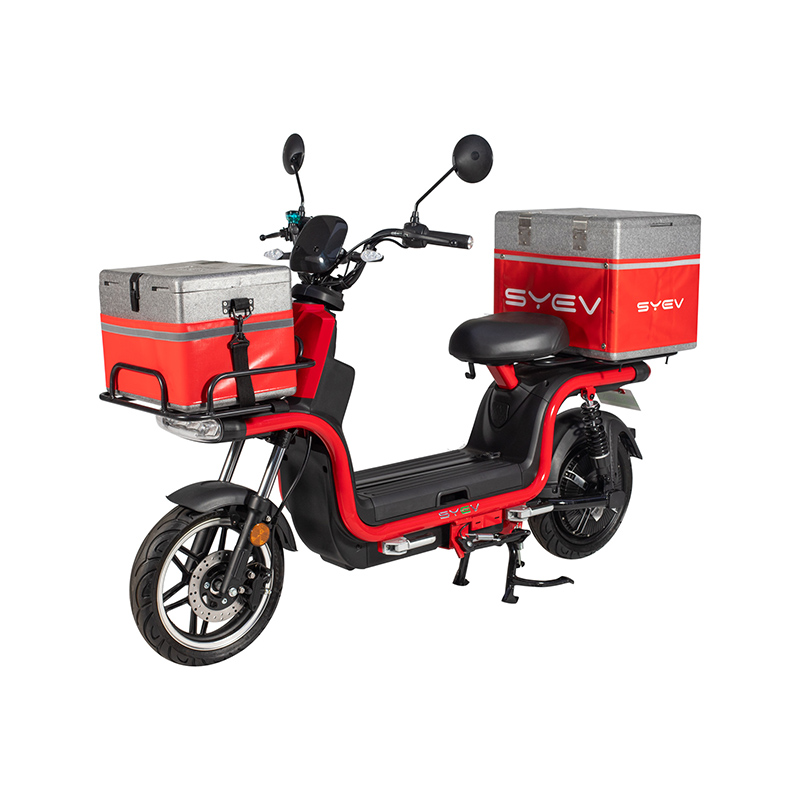
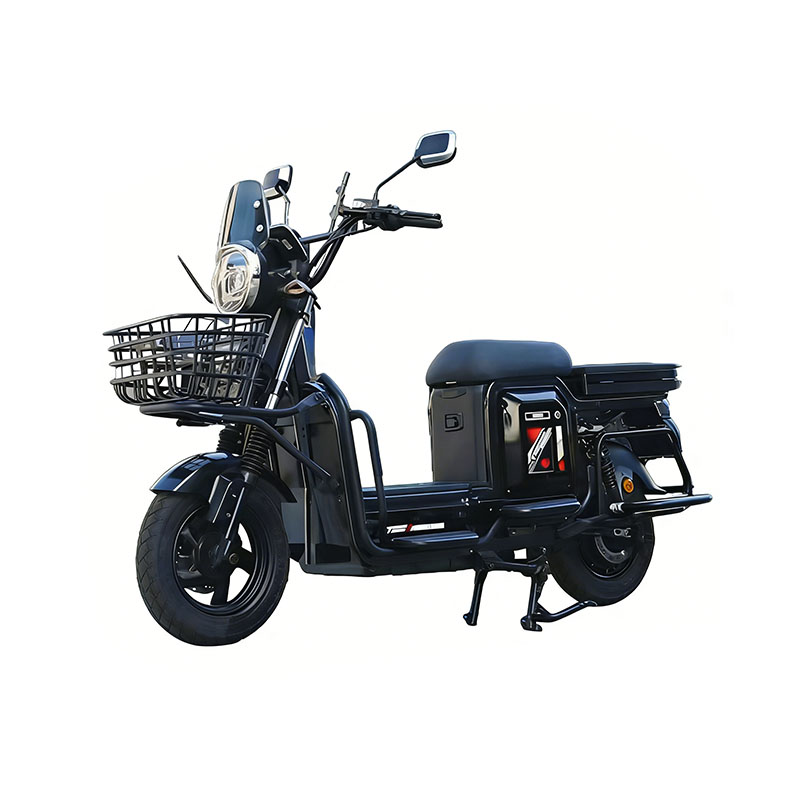
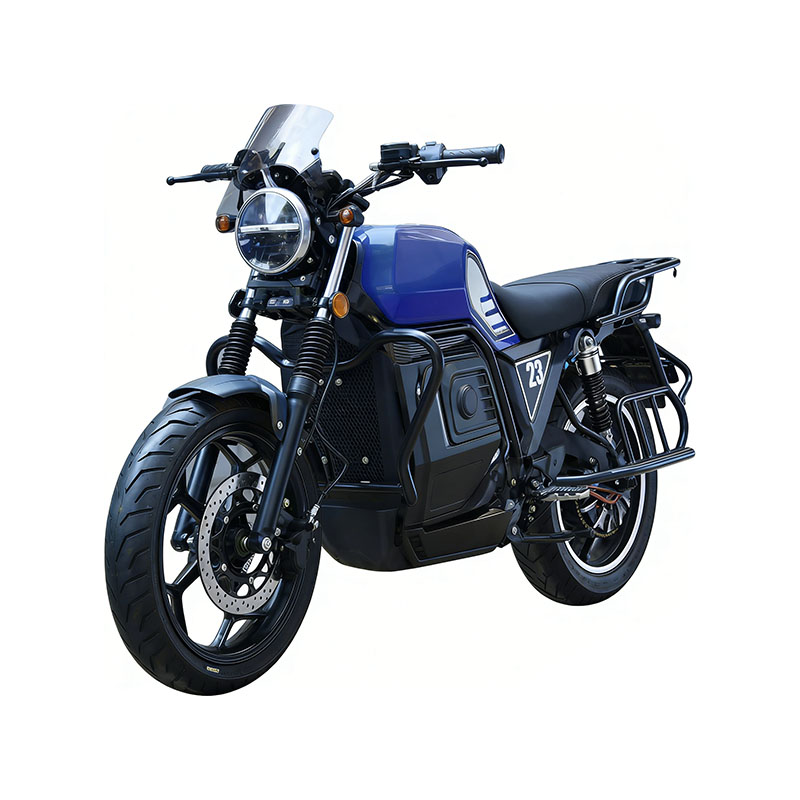
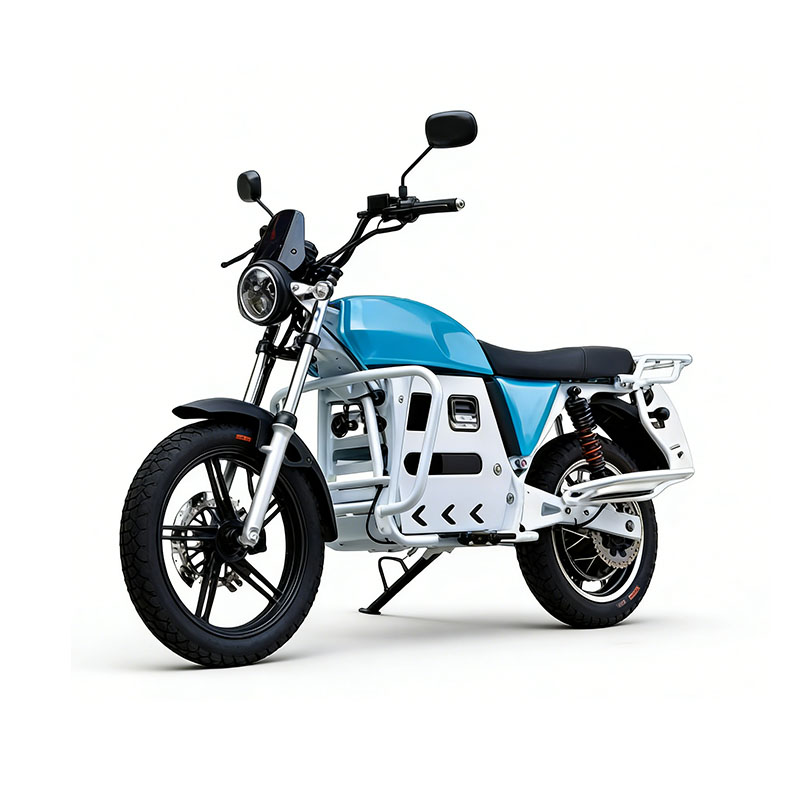
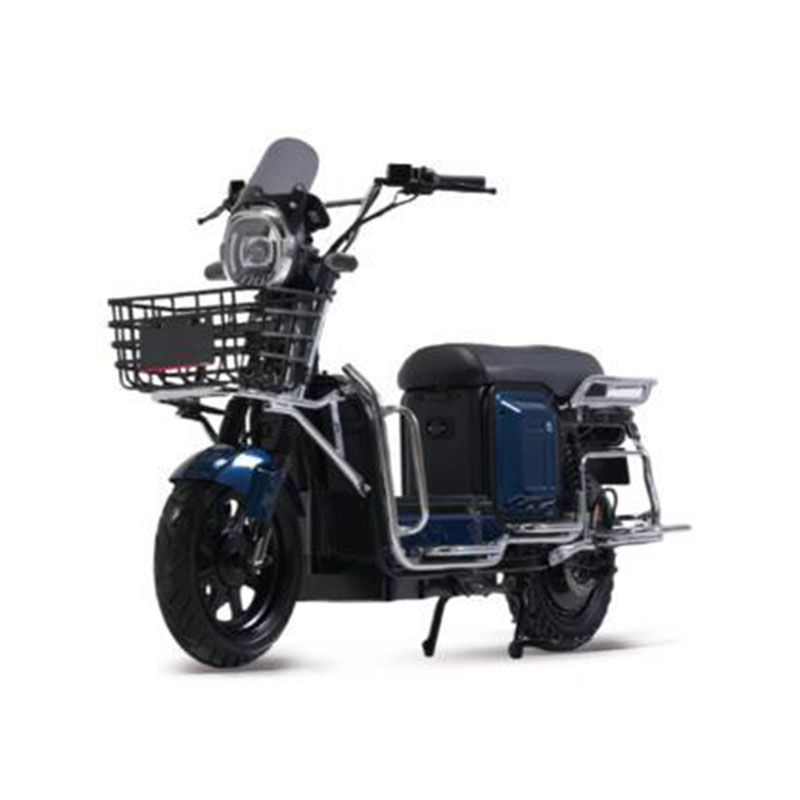
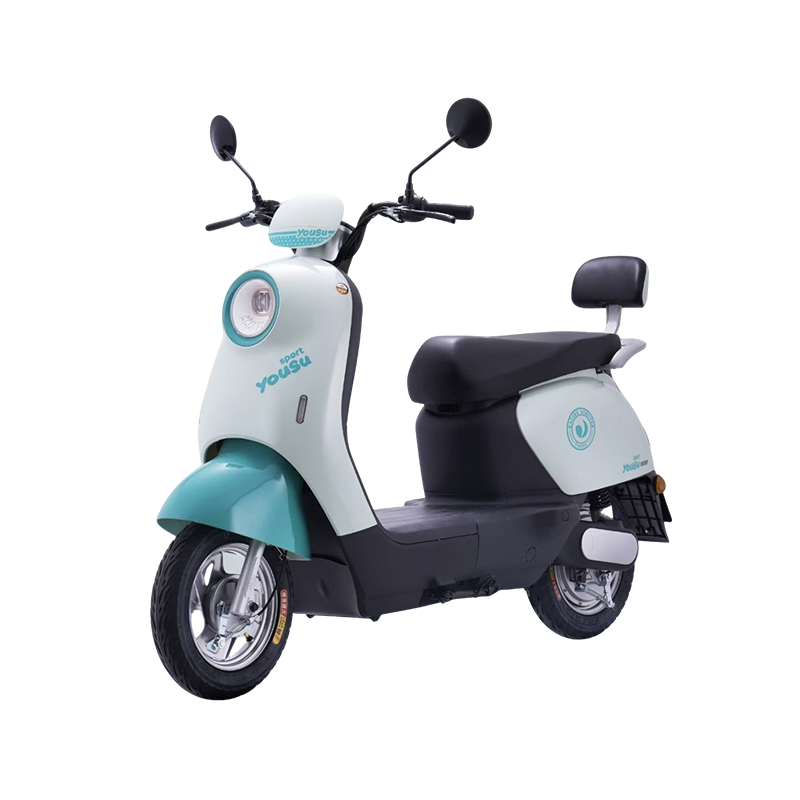
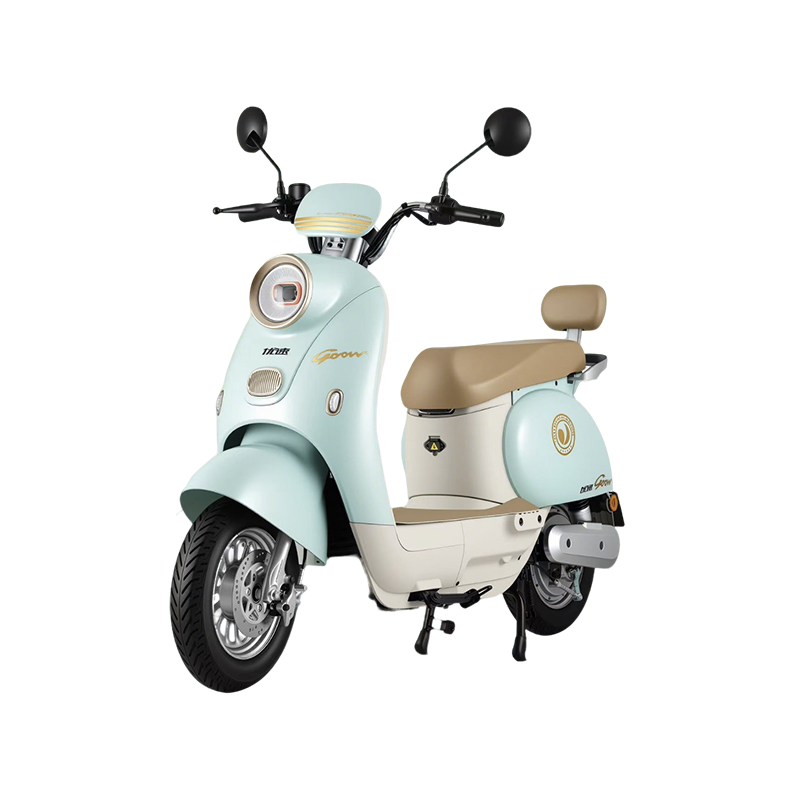
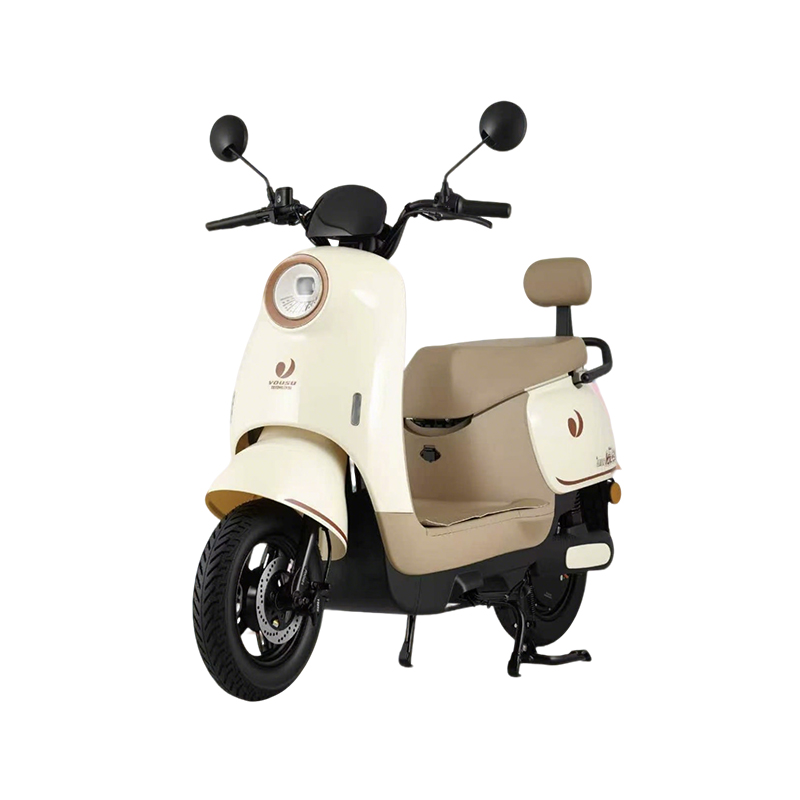
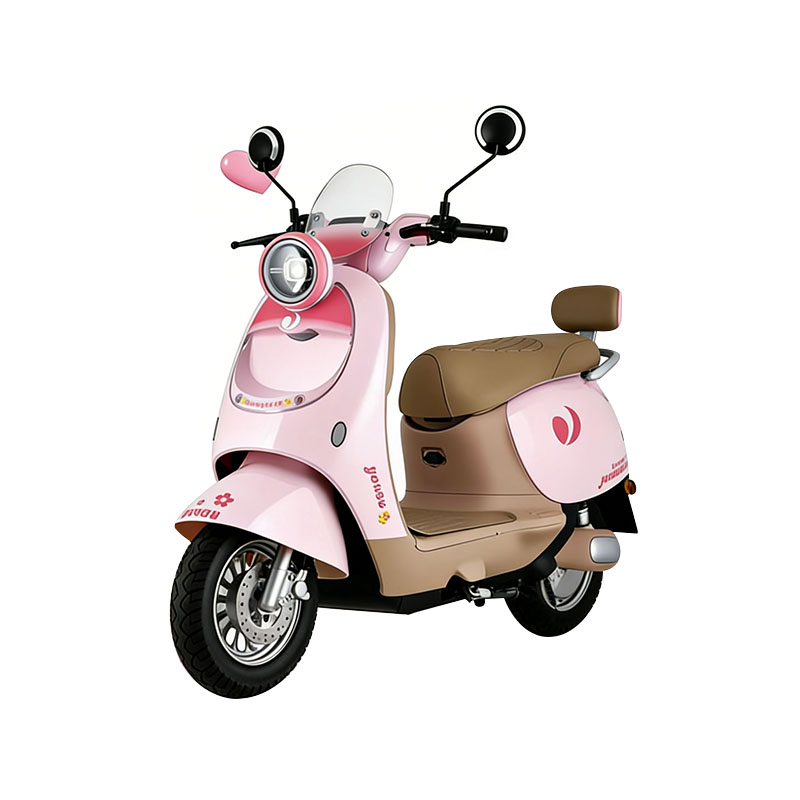
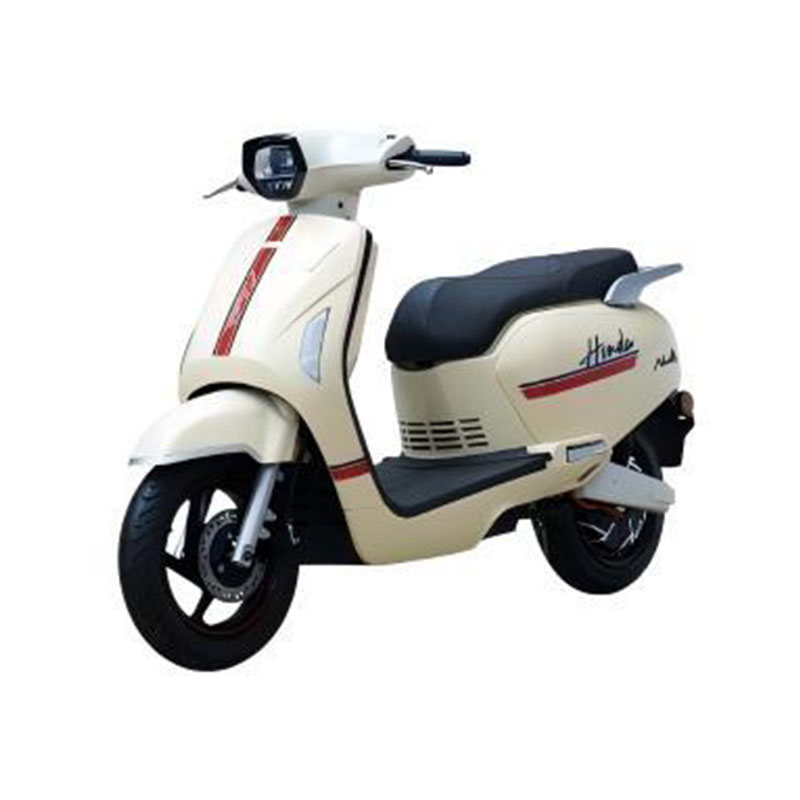
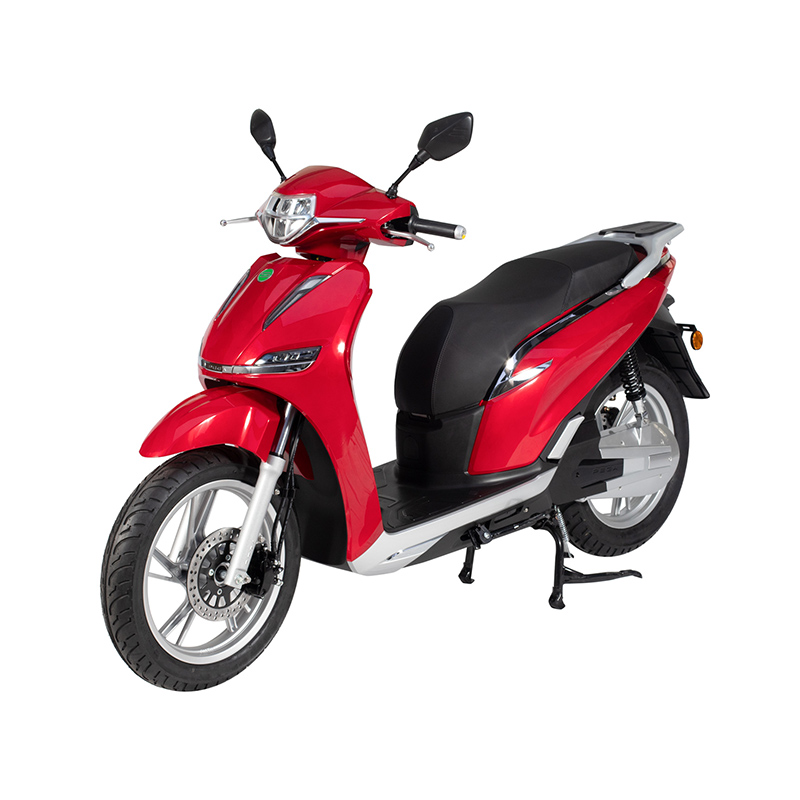
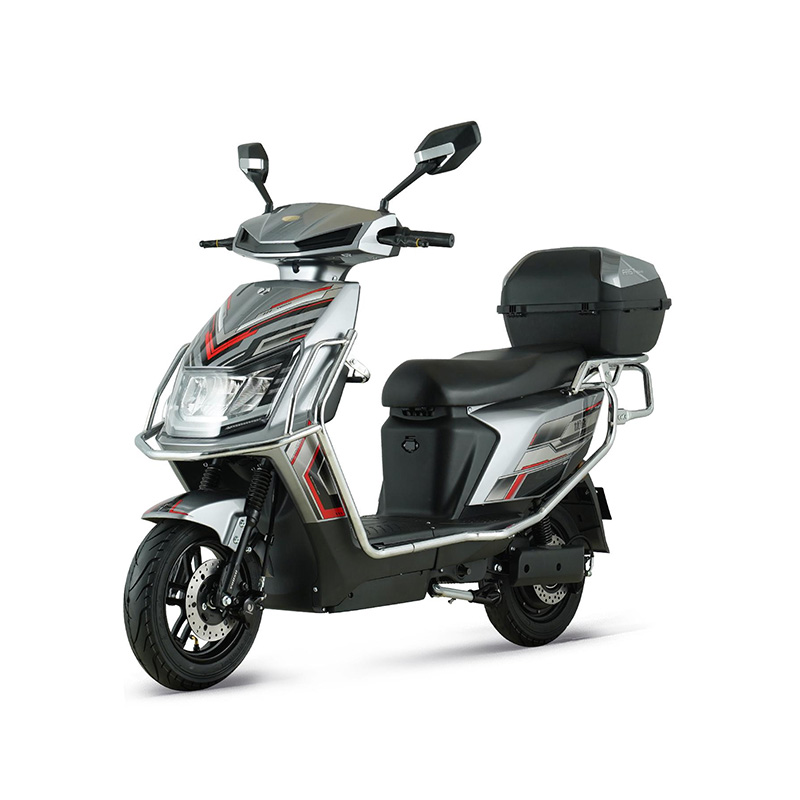
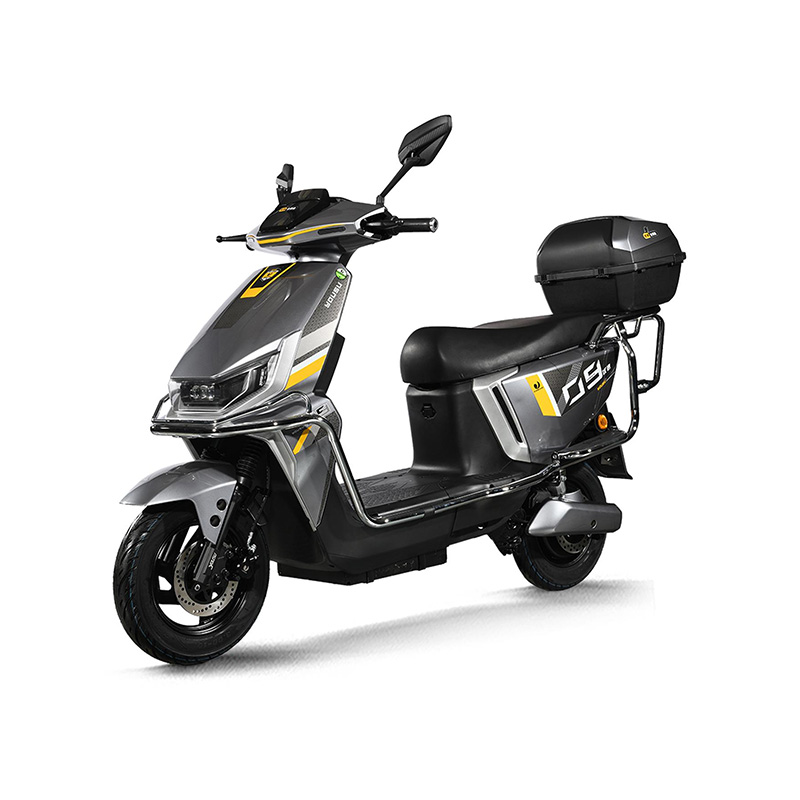
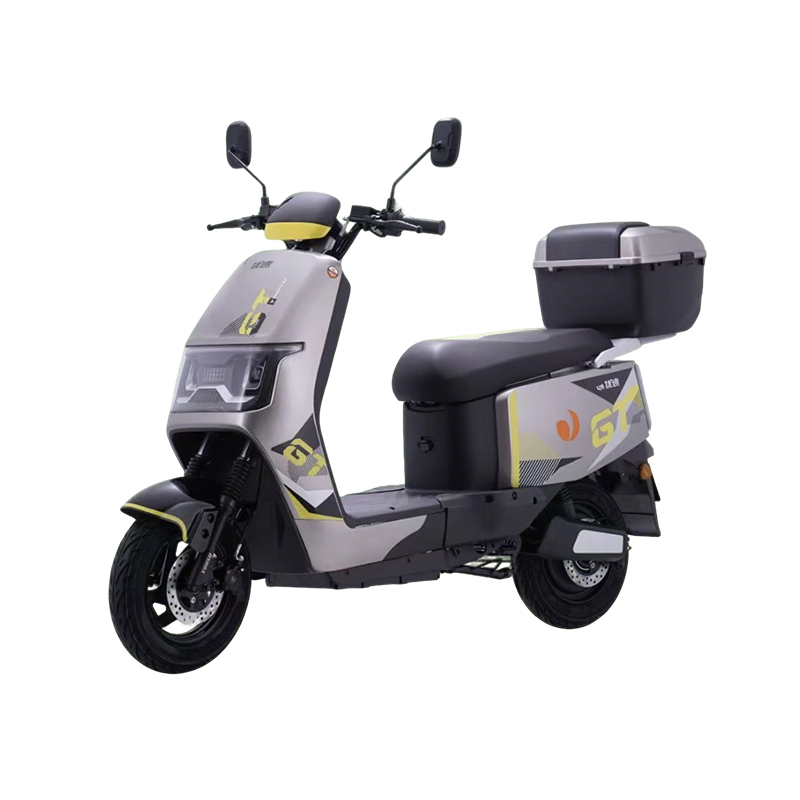

If you're coming from a traditional road bike or mountain bike, riding an electric bicycle for the first time can feel surprisingly different — and that's largely due to frame geometry. Electric bicycles are generally designed with a more upright, relaxed geometry that prioritizes comfort and stability over aerodynamic efficiency or aggressive trail performance. This isn't a flaw; it's an intentional design choice that reflects how most people actually use e-bikes: commuting, leisure riding, and light touring rather than racing or technical off-roading.
Understanding the geometry differences between an electric bicycle, a road bike, and a mountain bike helps you make a smarter purchase decision — and explains why your back, wrists, and hips feel the way they do after a long ride.
The Core Geometry Differences at a Glance
Frame geometry is defined by a handful of key measurements: stack height, reach, head tube angle, seat tube angle, chainstay length, and bottom bracket height. Each of these shapes how your body sits on the bike and how the bike handles.
| Geometry Parameter | Electric Bicycle | Road Bike | Mountain Bike |
|---|---|---|---|
| Stack Height | High (upright posture) | Low (aggressive lean) | Medium |
| Reach | Short to medium | Long | Medium to long |
| Head Tube Angle | 68–72° (stable) | 72–74° (responsive) | 63–68° (slack) |
| Wheelbase | Longer | Medium | Medium to long |
| Typical Frame Weight | 20–30 kg (total) | 7–10 kg (total) | 11–16 kg (total) |
Riding Posture: Upright vs. Aggressive vs. Athletic
The most immediately noticeable difference between these three bike types is how your body is positioned while riding.
Electric Bicycle: Upright and Neutral
Most electric bicycles — especially city, commuter, and step-through models — feature a high stack-to-reach ratio, which places the handlebars above the saddle or at roughly the same level. This positions your torso nearly vertical (typically 70–85° from horizontal), reducing strain on the lower back, shoulders, and wrists. It also improves visibility in urban traffic.
For example, the Rad Power Bikes RadCity 5 Plus uses a geometry where the handlebar sits approximately 10–12 cm above the saddle, producing an upright posture ideal for stop-and-go commuting.
Road Bike: Forward-Leaning and Aerodynamic
Road bikes prioritize speed. A typical road bike geometry places your torso at 30–45° from horizontal, transferring power efficiently to the pedals while reducing wind resistance. The long reach and low stack force weight onto the hands and wrists. This posture is efficient for trained athletes but genuinely uncomfortable for most casual riders on trips longer than 30 minutes.
Mountain Bike: Athletic and Balanced
Modern mountain bikes sit between the two extremes. The torso angle is typically 45–60° from horizontal — more upright than a road bike but still forward-leaning enough to shift weight over the front wheel during technical descents. Wide handlebars (typically 750–800 mm) improve control but add to overall width, making them less practical on narrow urban paths.
How Frame Geometry Affects Long-Ride Comfort
Comfort over extended distances is where the electric bicycle's geometry shines — and where the road bike's geometry can become a liability for non-athletes.
- Lower back pain is the number one complaint among new road bike riders. The aggressive forward lean compresses the lumbar spine and strains the erector muscles over time. Electric bicycle geometry virtually eliminates this issue by keeping the spine in a neutral, upright position.
- Wrist and hand numbness is common on road bikes where a large proportion of body weight rests on the handlebars. On most electric bicycles, the upright posture distributes weight more evenly between the saddle and hands.
- Neck strain is a direct consequence of the road bike's low handlebar position — riders must crane their neck upward to see ahead. The electric bicycle's higher front end eliminates this entirely.
- Saddle pressure is often greater on electric bicycles due to the upright posture pushing more weight directly down onto the seat. A quality, wider saddle (typically 155–175 mm for urban e-bikes vs. 130–145 mm for road bikes) compensates for this.
A 2021 study on commuter cycling comfort found that riders on upright-geometry bikes reported 47% less lower back discomfort after 60-minute rides compared to those on drop-bar road bikes. For electric bicycle users making daily commutes, this translates directly into real quality-of-life improvement.
Handling and Stability: Where Geometry Shapes the Ride Feel
Frame geometry doesn't just determine comfort — it fundamentally shapes how a bike handles, corners, and responds to rider input.
Head Tube Angle and Steering Response
The head tube angle determines how quickly the front wheel responds to steering input. Road bikes use steep angles (72–74°) for quick, precise handling. Mountain bikes use slack angles (63–68°) for stability at speed on rough terrain. Electric bicycles typically fall at 68–72°, offering a calm, predictable steering feel that suits urban environments — you won't get twitchy handling at traffic lights or on wet cobblestones.
Wheelbase and Stability at Speed
Electric bicycles have a notably longer wheelbase than road bikes — often 1,050–1,150 mm vs. 970–1,010 mm for a road bike. This longer wheelbase increases straight-line stability, which matters significantly when the motor assists you to 25–45 km/h on public roads. The trade-off is slightly reduced maneuverability in tight spaces.
Bottom Bracket Height and Center of Gravity
Electric bicycles carry significant battery and motor weight, often 3–6 kg of additional mass concentrated in the downtube or rear hub. Manufacturers compensate with a lower bottom bracket height and a longer wheelbase to keep the center of gravity low and stable. This makes the electric bicycle feel planted and confidence-inspiring, especially when carrying cargo or riding with a passenger.
Electric Mountain Bikes: When Geometry Blurs the Line
It's worth addressing the growing category of electric mountain bikes (e-MTBs), such as the Specialized Turbo Levo or Trek Rail series. These bikes combine traditional mountain bike geometry with electric assist — and they don't compromise on trail performance.
An e-MTB like the Specialized Turbo Levo SL uses a 65° head tube angle, 150mm of front suspension travel, and a 1,230 mm wheelbase — nearly identical to its non-electric counterpart. The motor (typically a 250W Brose or Shimano EP8 unit) is integrated into the bottom bracket area to keep weight centralized. The result is a bike that handles like a mountain bike and climbs like one too, only with significantly less rider fatigue on long ascents.
However, the total weight of an e-MTB (typically 21–25 kg vs. 12–15 kg for a non-electric equivalent) does affect handling in technical sections where the rider needs to lift or reposition the bike. This is a meaningful trade-off for serious trail riders.
Who Benefits Most from Electric Bicycle Geometry?
The upright geometry of a standard electric bicycle is not universally superior — it's purpose-built for a specific type of rider and use case. It is the right choice for:
- Daily commuters who need to arrive at work without back pain or sweat-soaked discomfort after 10–20 km of riding.
- Older riders or those with joint issues who benefit from reduced wrist load and a natural spinal position.
- Cargo and utility riders who carry groceries, children, or work equipment and need a stable, planted platform.
- Casual leisure riders who prioritize enjoyment and scenery over speed and performance metrics.
On the other hand, if you're an experienced cyclist seeking speed, efficiency on long-distance paved routes, or serious off-road performance, you may find the standard electric bicycle geometry too passive. In that case, an electric road bike (like the Cannondale SuperSix EVO Neo) or an e-MTB would be a better match — offering sport-specific geometry with the added benefit of motor assistance.
Frame geometry is one of the most consequential — and most overlooked — factors when choosing between an electric bicycle, a road bike, or a mountain bike. The electric bicycle's upright geometry delivers superior everyday comfort, lower injury risk, and better stability under load, but it comes at the cost of aerodynamic efficiency and sport-specific handling.
Before purchasing, always test-ride with your actual use case in mind: a 20-minute test loop around a parking lot tells you very little compared to a 45-minute ride on your real commute route. Pay attention to where you feel strain, how the bike responds to your steering inputs, and whether the saddle-to-handlebar drop forces an unnatural position. Those sensations — not spec sheets — will tell you whether the geometry is truly right for you.
 Previous