


 English
 Español
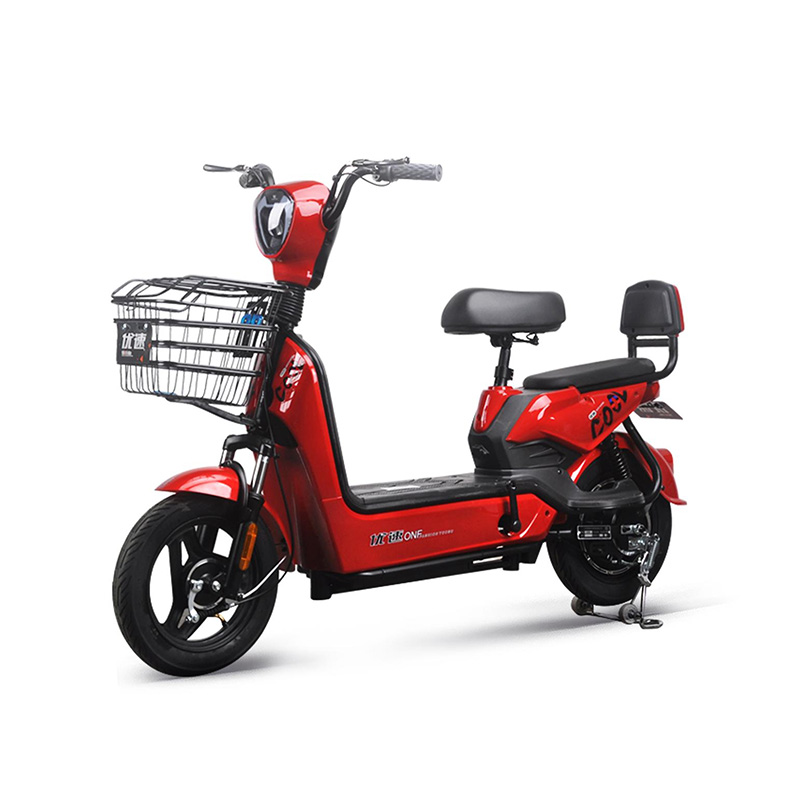
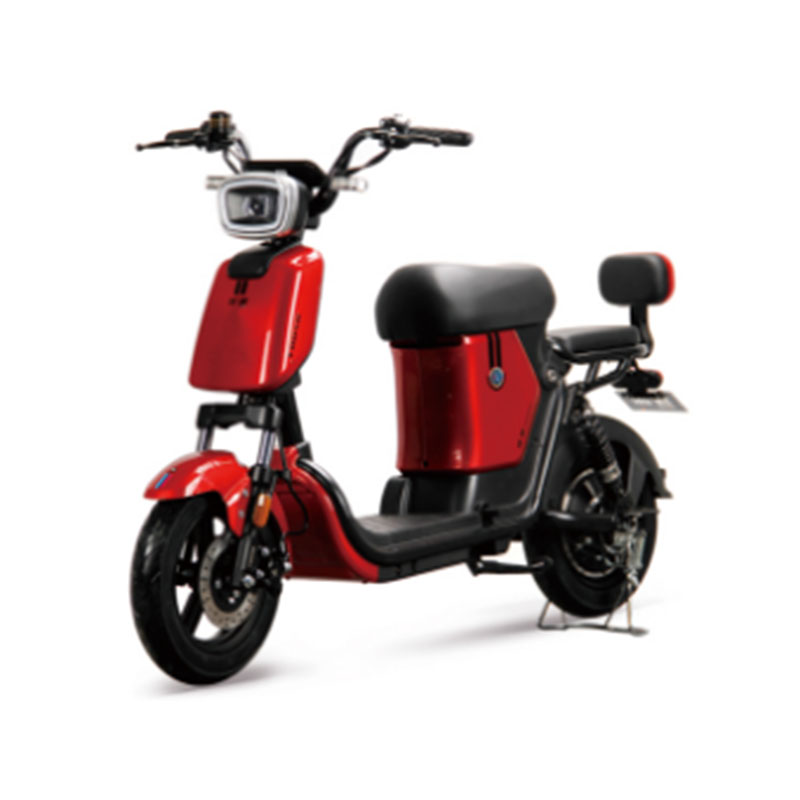
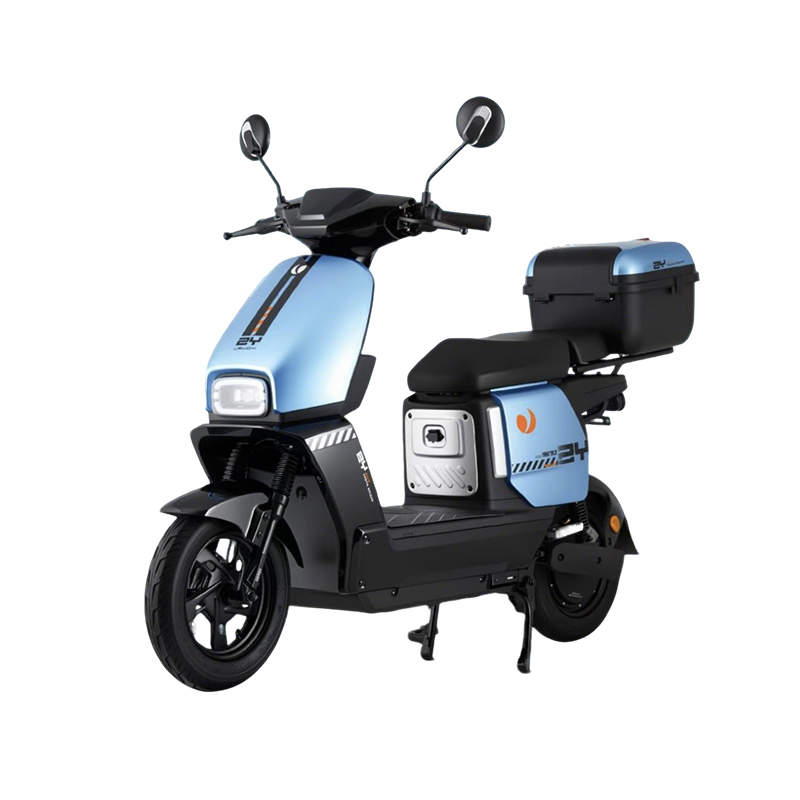
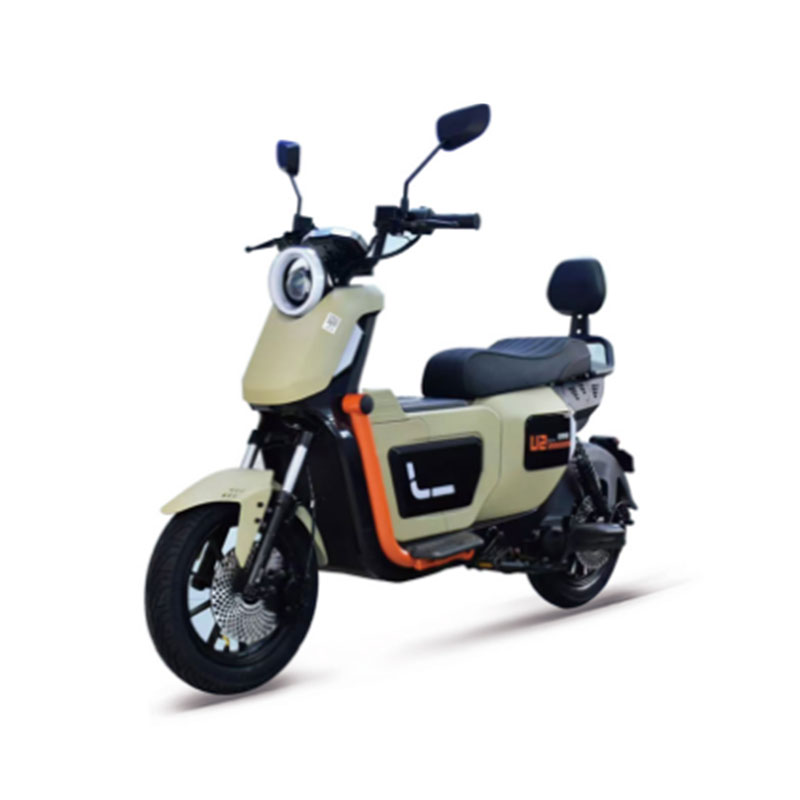
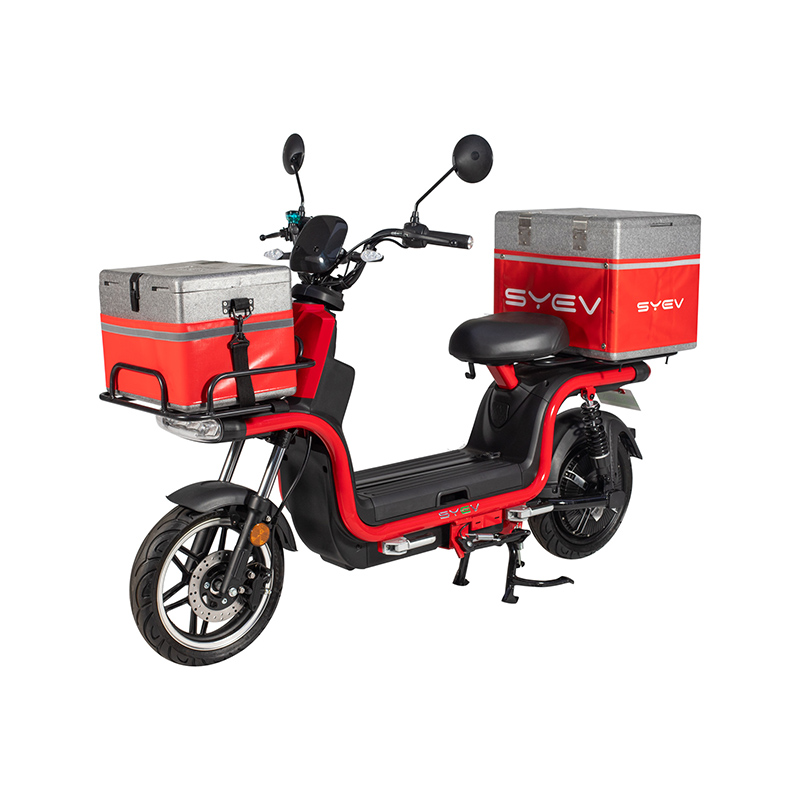
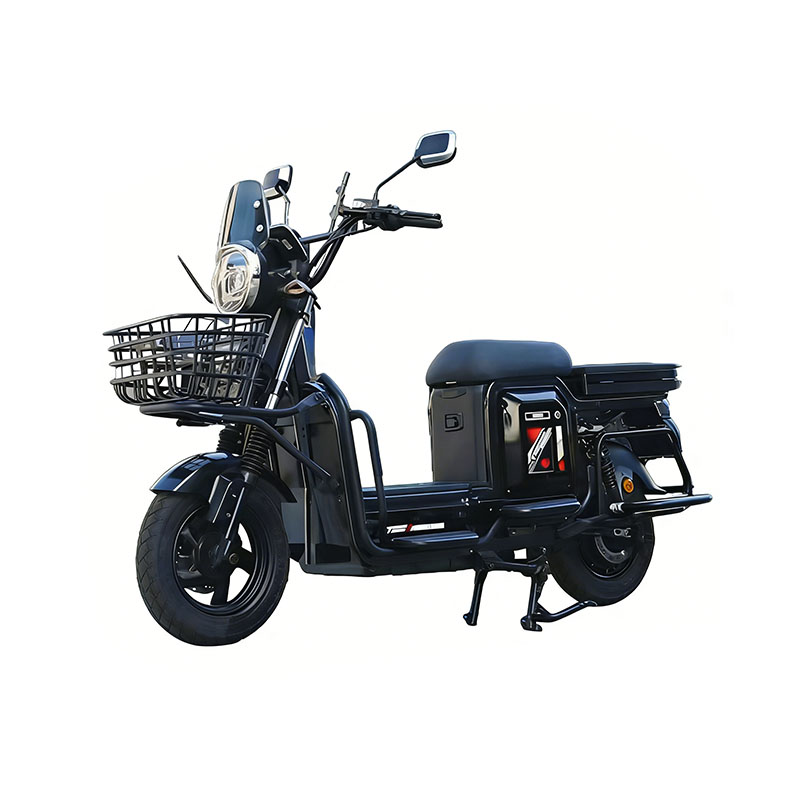
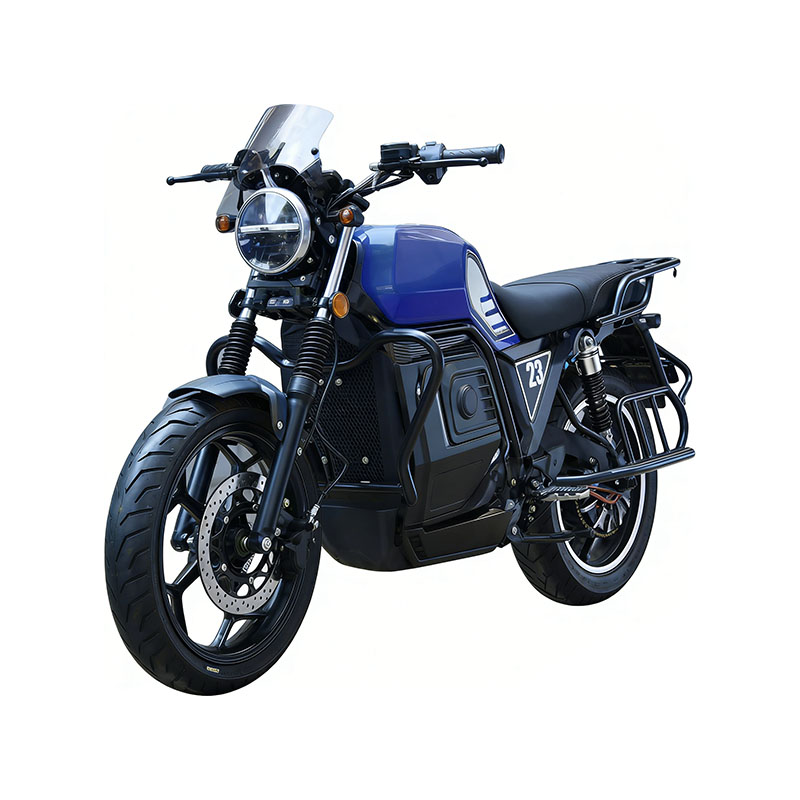
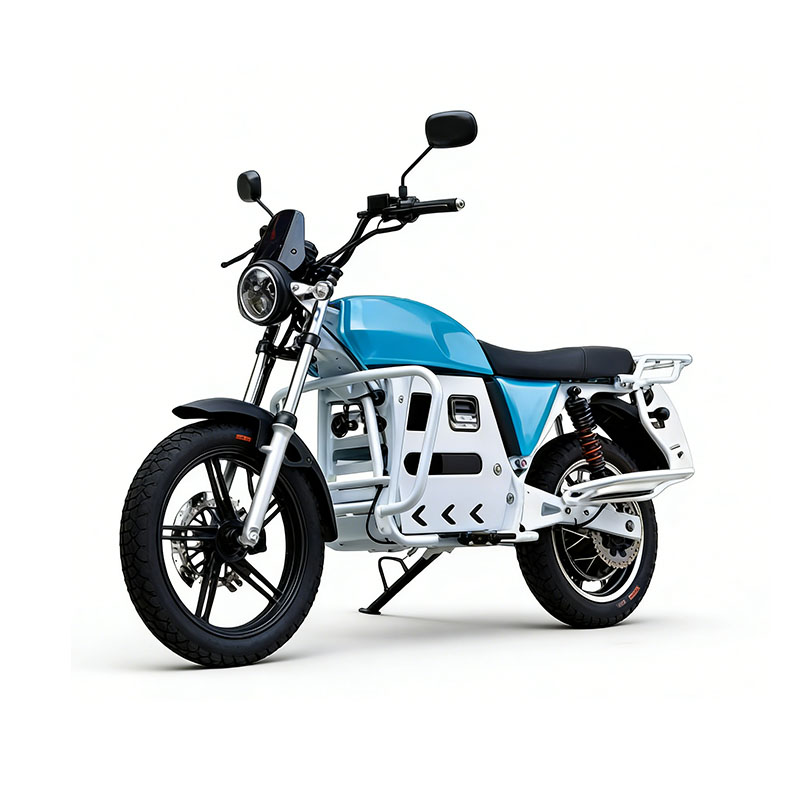
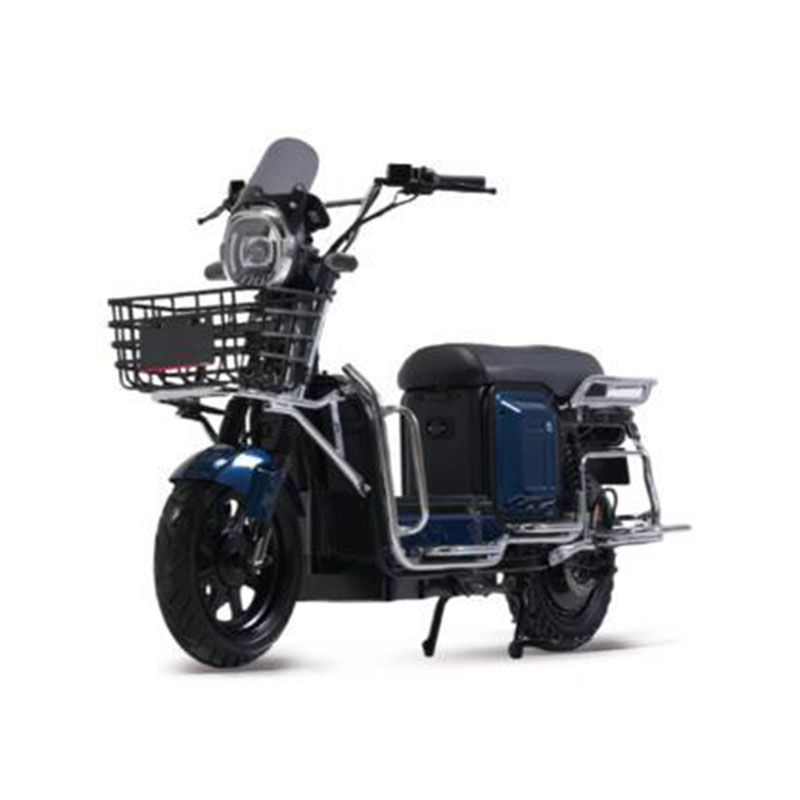
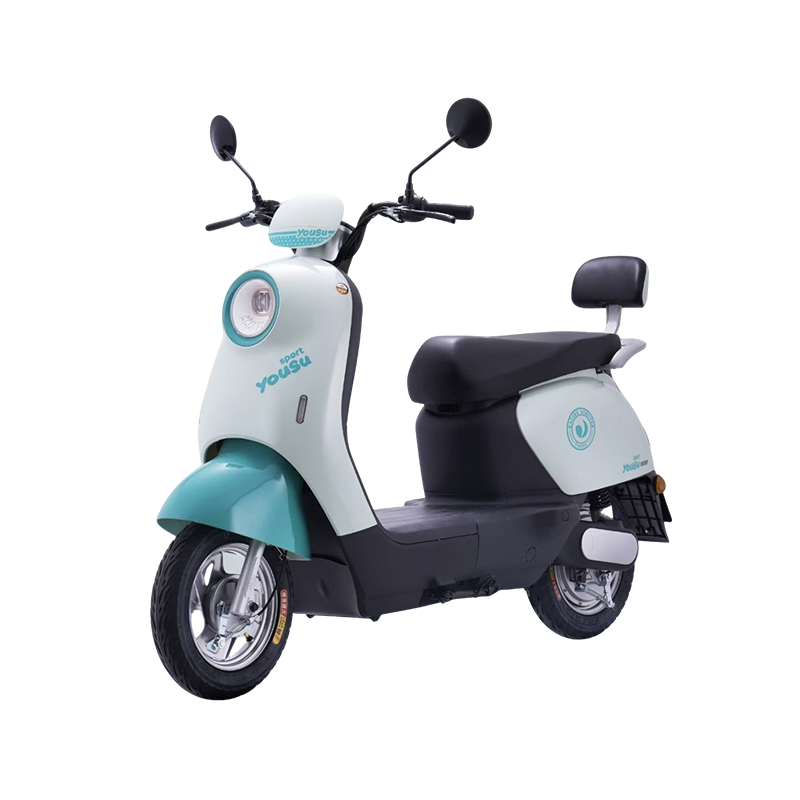
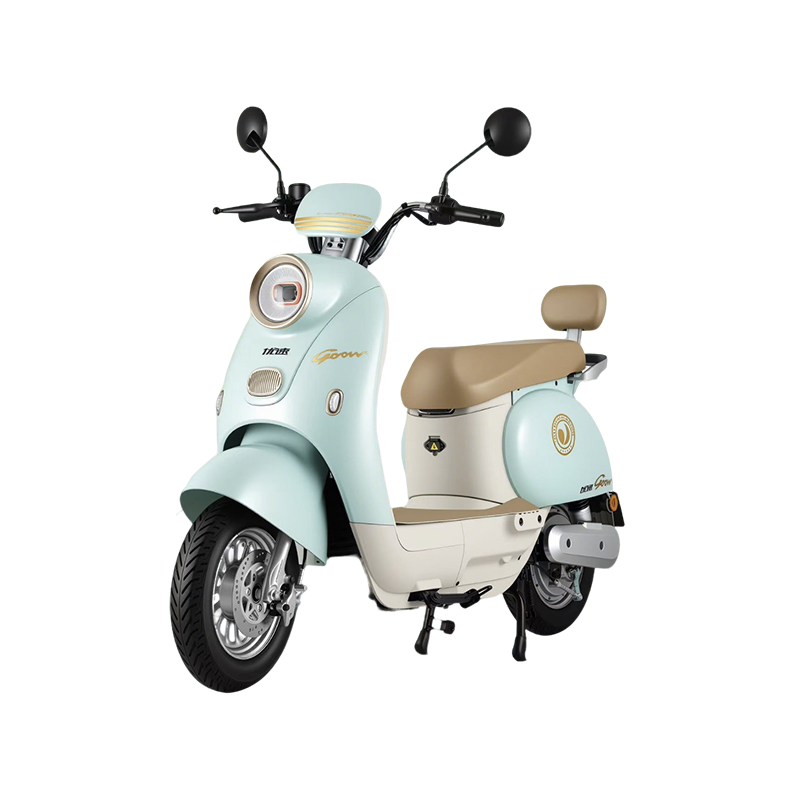
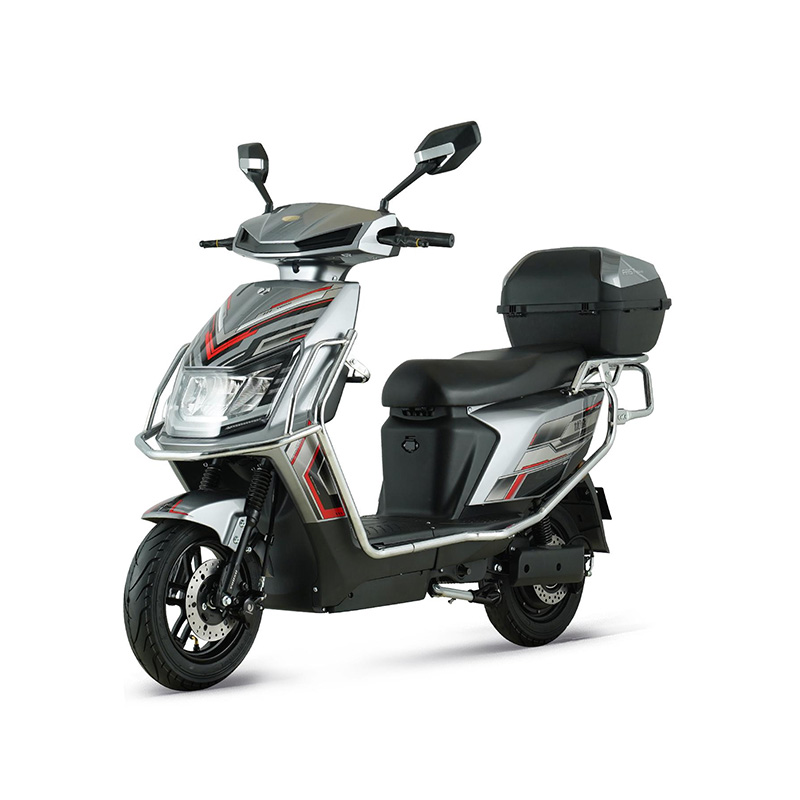
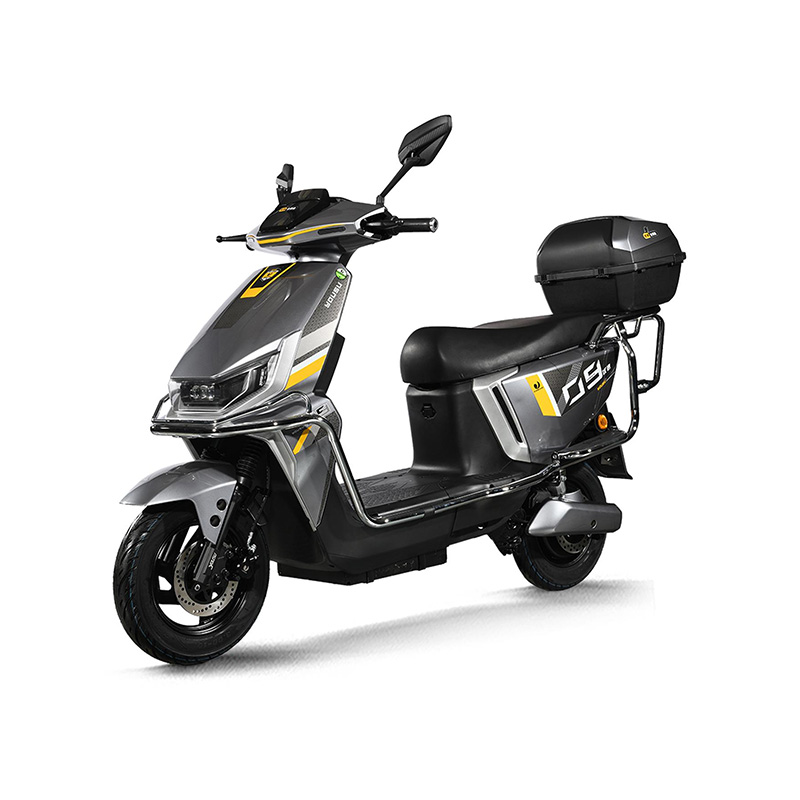
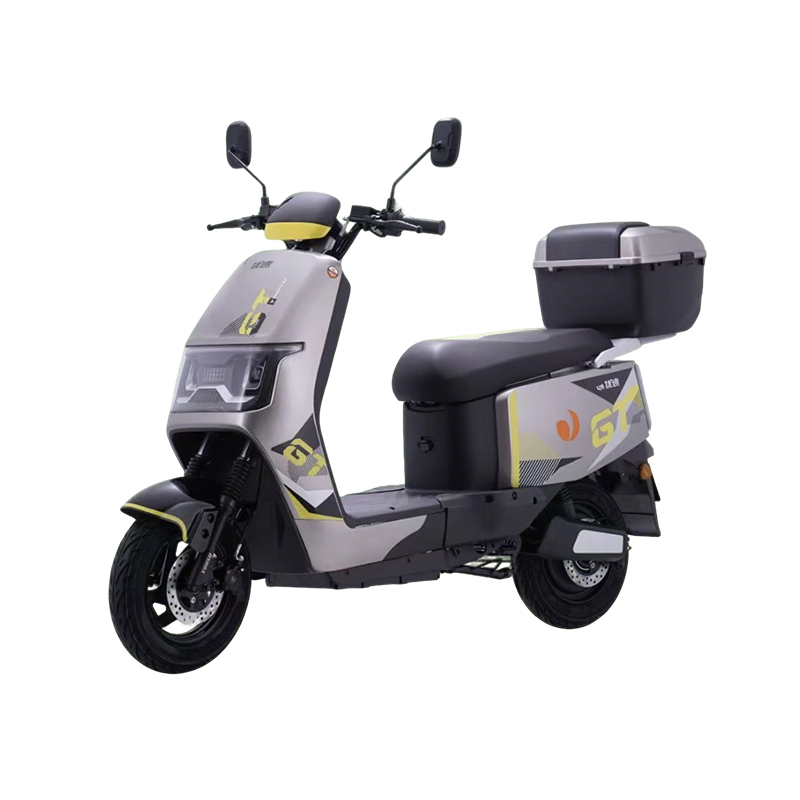

When comparing hub-drive and mid-drive electric bicycles, mid-drive motors are generally more efficient, especially on varied terrain and hilly routes. However, hub-drive electric bicycles offer a more affordable and low-maintenance alternative that suits flat urban commuting well. The right choice depends on your riding environment, budget, and performance expectations.
How Each Motor System Works
Understanding where the motor is placed on an electric bicycle tells you a lot about how it performs. The two dominant systems — hub-drive and mid-drive — take fundamentally different approaches to power delivery.
Hub-Drive Electric Bicycle
A hub-drive electric bicycle houses its motor directly inside the front or rear wheel hub. The motor operates independently of the bicycle's gears, pushing or pulling the wheel forward without interacting with the drivetrain. This makes it mechanically simple and easy to maintain.
Mid-Drive Electric Bicycle
A mid-drive electric bicycle places the motor at the bottom bracket — the center of the frame where the pedals connect. The motor drives power through the bicycle's existing chain and gears, meaning it benefits from every gear shift the rider makes. This integration is what gives mid-drive systems their efficiency edge.
Efficiency: The Core Difference
Efficiency in an electric bicycle refers to how effectively the motor converts battery energy into forward motion. This is where mid-drive systems have a clear technical advantage.
A mid-drive electric bicycle works with the bike's gear system, allowing the motor to maintain an optimal RPM range regardless of speed or gradient. On a steep hill, the rider drops to a lower gear, and the mid-drive motor operates at a higher, more efficient cadence. Studies and real-world tests show that mid-drive electric bicycles can deliver 10–30% greater range per charge compared to equivalent hub-drive models under hilly or mixed conditions.
In contrast, a hub-drive electric bicycle operates at a fixed gear ratio relative to wheel speed. On flat terrain, this is not a major issue. But on inclines, the motor must work harder at a less efficient operating point, consuming more battery power to achieve the same output. This can noticeably reduce the range of a hub-drive electric bicycle when used outside of flat urban environments.
Performance on Different Terrain
The terrain you ride on is one of the most important factors when choosing between a hub-drive and a mid-drive electric bicycle.
- Flat urban roads: A hub-drive electric bicycle performs well and efficiently. The consistent resistance means the motor rarely leaves its comfort zone.
- Hilly or mountainous routes: A mid-drive electric bicycle excels here. Its ability to use lower gears keeps the motor in a high-efficiency band, reducing strain and battery drain.
- Off-road trails: Mid-drive electric bicycles again dominate due to better weight distribution — the centered motor lowers the center of gravity — and more responsive power delivery.
- Mixed commuting: For riders who encounter both flat roads and moderate inclines, a mid-drive electric bicycle typically provides a more consistent riding experience.
Side-by-Side Comparison
| Feature | Hub-Drive Electric Bicycle | Mid-Drive Electric Bicycle |
|---|---|---|
| Motor Location | Front or rear wheel hub | Bottom bracket (center frame) |
| Gear Integration | None | Full gear system integration |
| Efficiency on Hills | Lower | Higher |
| Typical Range | 40–80 km (flat terrain) | 60–120 km (mixed terrain) |
| Weight Distribution | Off-center (wheel) | Centered and balanced |
| Maintenance Complexity | Low | Moderate (chain/gear wear) |
| Average Price Premium | Lower cost | $300–$800 more on average |
| Best For | Flat urban commuting | Hills, trails, mixed routes |
Battery Life and Real-World Range
Battery range is often the deciding factor for electric bicycle buyers. A mid-drive electric bicycle with a 500Wh battery can realistically achieve 80–120 km of range on mixed terrain with pedal assist, because the motor operates efficiently across all speeds and gradients.
A hub-drive electric bicycle with the same 500Wh battery may deliver a similar range on flat roads — sometimes even matching mid-drive performance in ideal conditions. However, introduce a series of hills or heavy loads, and the hub-drive electric bicycle's range can drop to 50–70 km under similar assist levels, due to motor inefficiency at low wheel speeds under high torque demand.
For riders who track their commute carefully, this difference in real-world range matters more than the rated range on the product specification sheet.
Maintenance and Long-Term Costs
Hub-drive electric bicycles have fewer moving parts interacting with the drivetrain. The motor is sealed inside the hub, and because it doesn't engage the chain or gears, those components experience less wear. This makes a hub-drive electric bicycle cheaper and simpler to maintain over time.
Mid-drive electric bicycles, while more efficient, put additional stress on the chain, cassette, and derailleur. Riders who use high assist levels frequently may find they need to replace the chain 30–50% more often than on a hub-drive electric bicycle. Premium mid-drive systems from brands like Bosch, Shimano Steps, and Brose include torque sensors and chain protection logic to help mitigate this, but the wear factor remains a real consideration.
Which Electric Bicycle Should You Choose?
The answer depends on your specific use case:
- Choose a hub-drive electric bicycle if you commute on flat roads, have a tight budget, and want a simple, low-maintenance ride. Entry-level hub-drive electric bicycles typically start around $800–$1,200.
- Choose a mid-drive electric bicycle if you live in a hilly area, ride off-road, carry heavy loads, or want the most natural pedaling feel with maximum range. Quality mid-drive electric bicycles generally range from $1,500 to $4,000+ depending on the motor brand and frame quality.
For most performance-oriented riders, the efficiency gains of a mid-drive electric bicycle justify the higher upfront cost over a 2–3 year ownership period, especially when accounting for fewer charging cycles and a more enjoyable ride on demanding routes.
In terms of raw efficiency, a mid-drive electric bicycle outperforms a hub-drive electric bicycle in most real-world riding conditions outside of pure flat terrain. Its ability to leverage the bicycle's full gear range means the motor always operates at its most effective output level. A hub-drive electric bicycle remains a practical, cost-effective option for everyday urban commuters who prioritize simplicity and affordability over peak efficiency. Knowing your terrain, budget, and riding goals will ensure you invest in the right type of electric bicycle from the start.
 Previous