


 English
 Español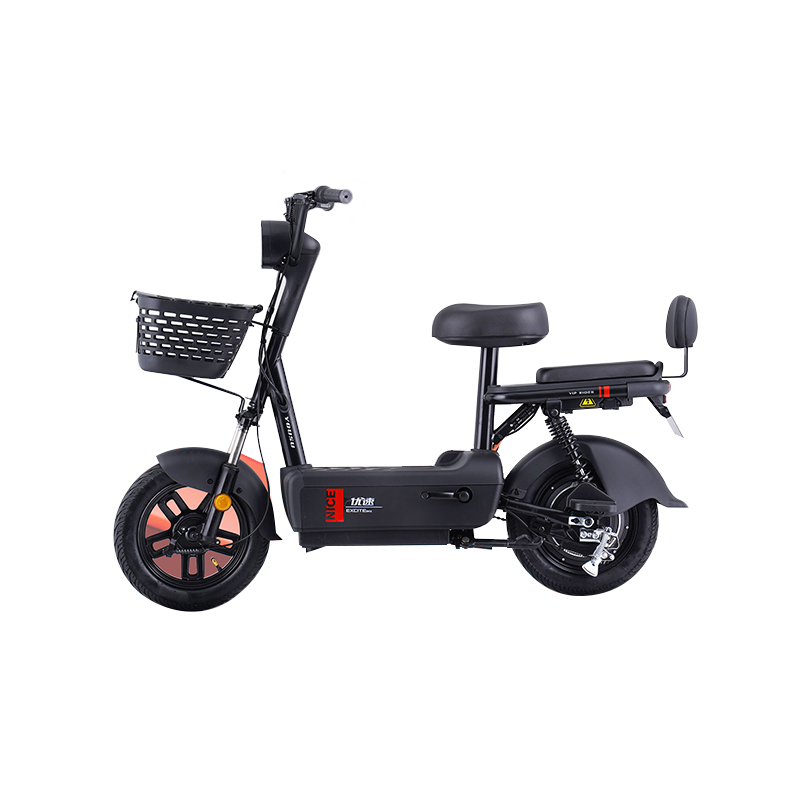
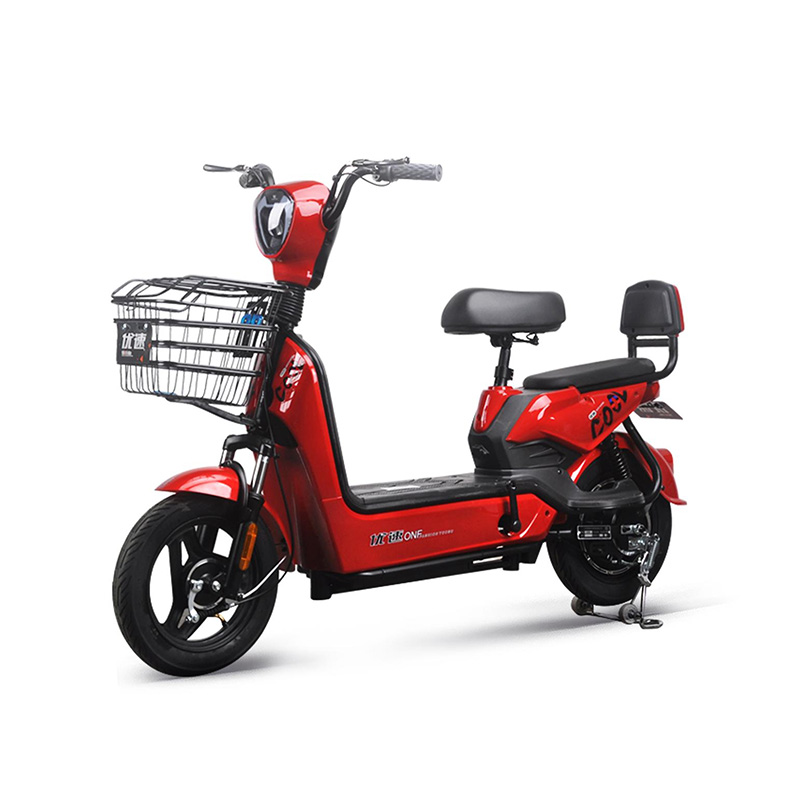
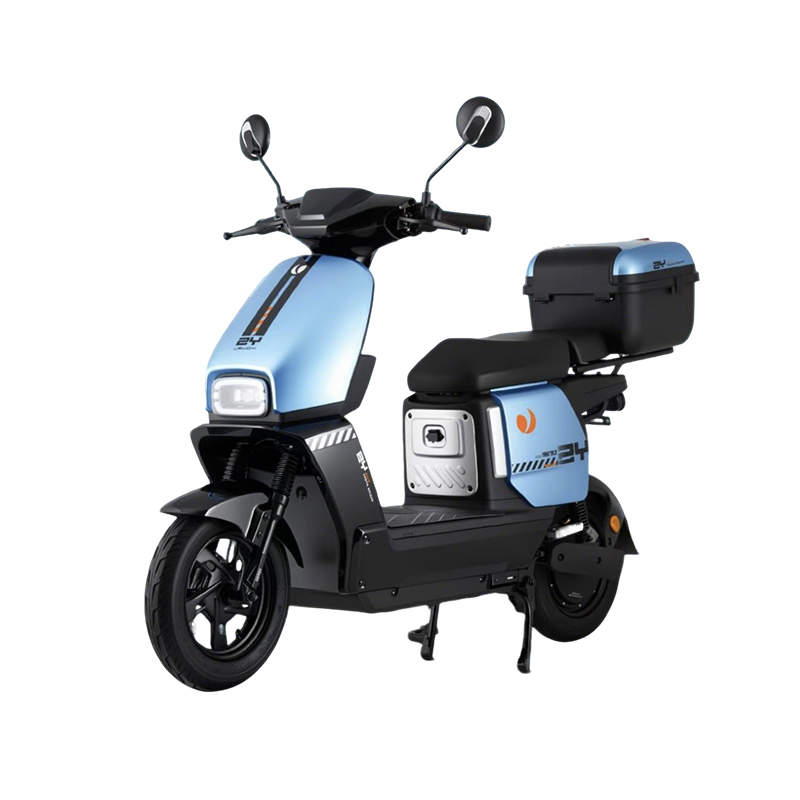
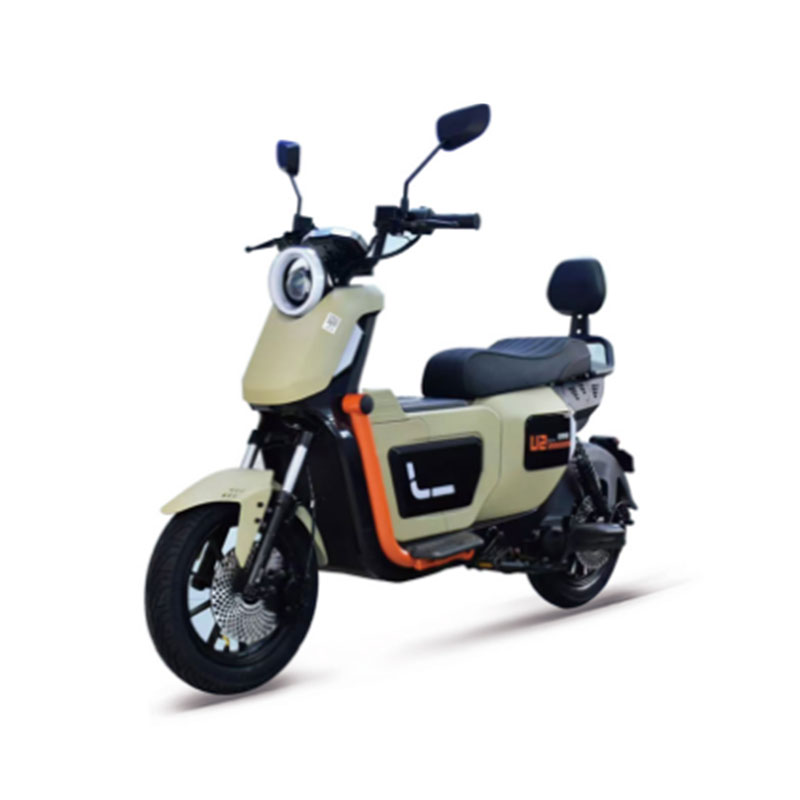
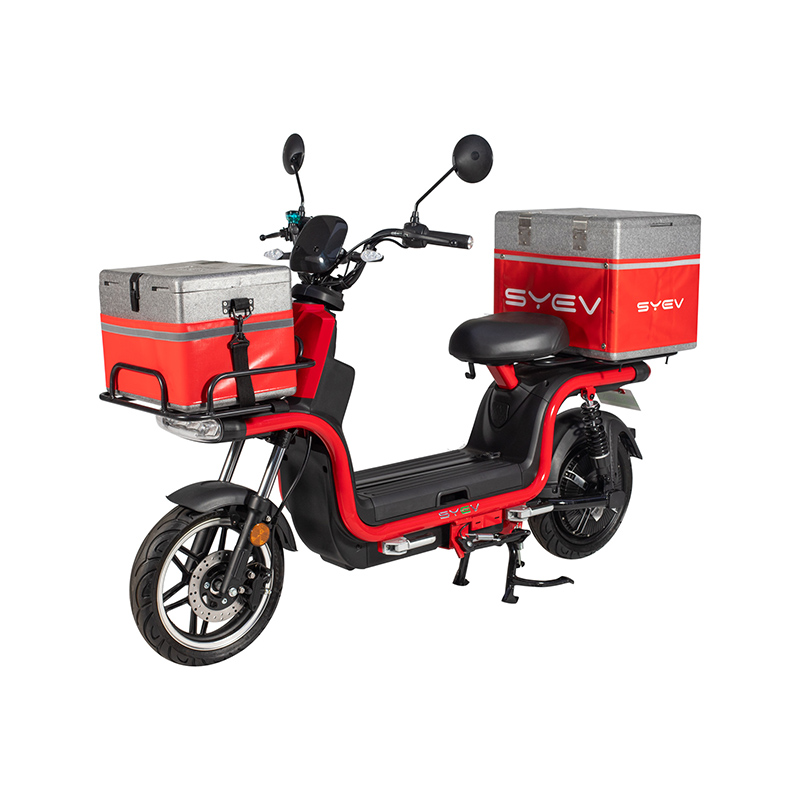
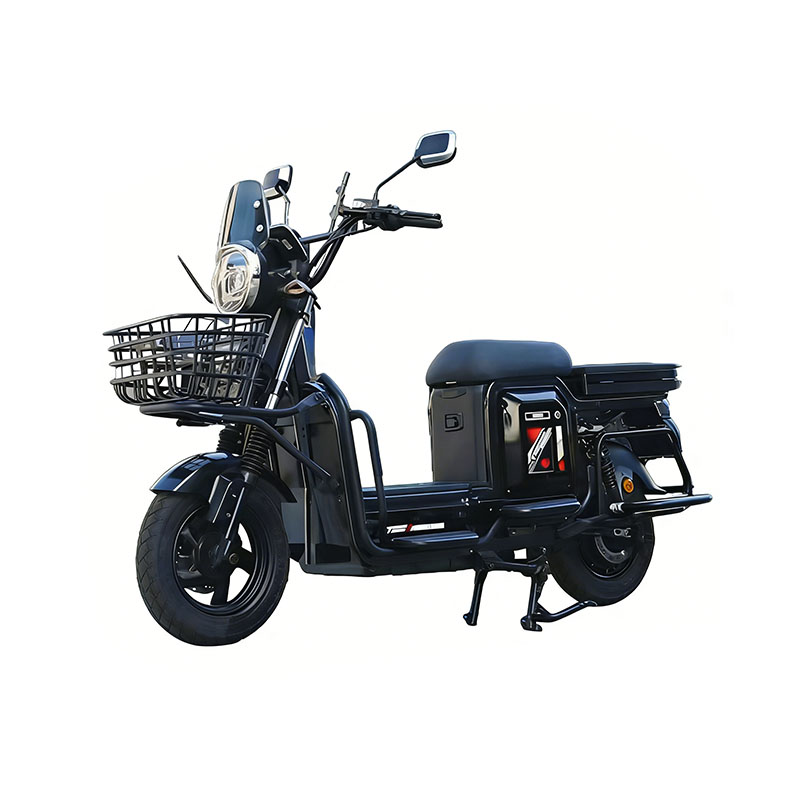
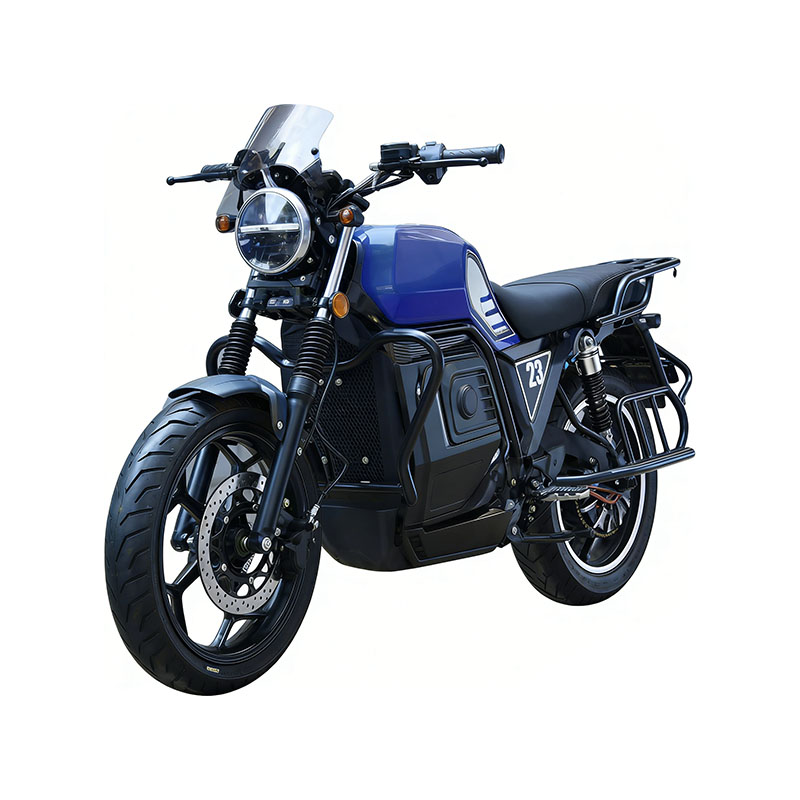
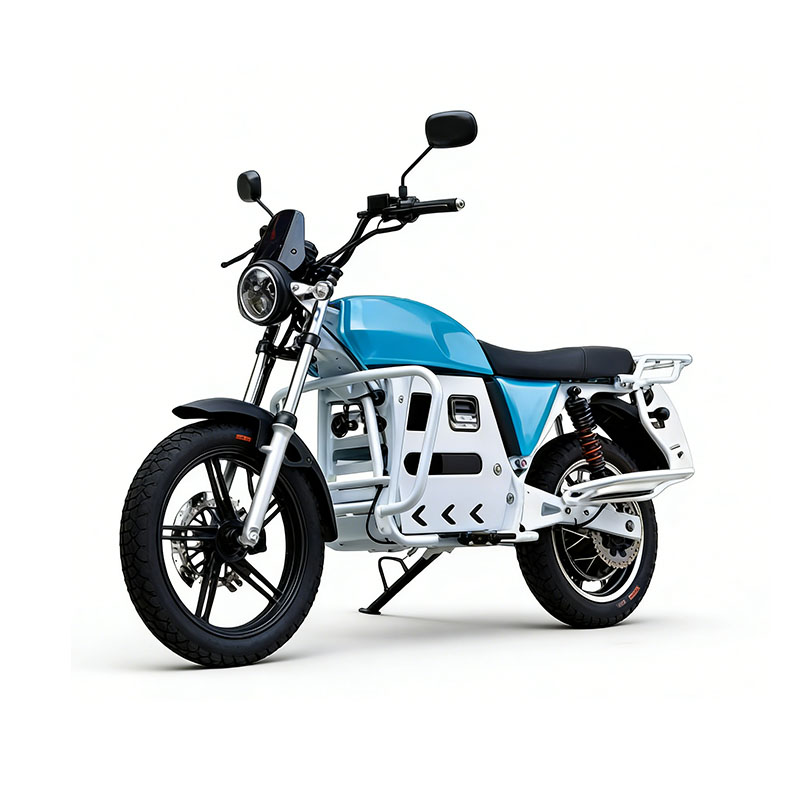
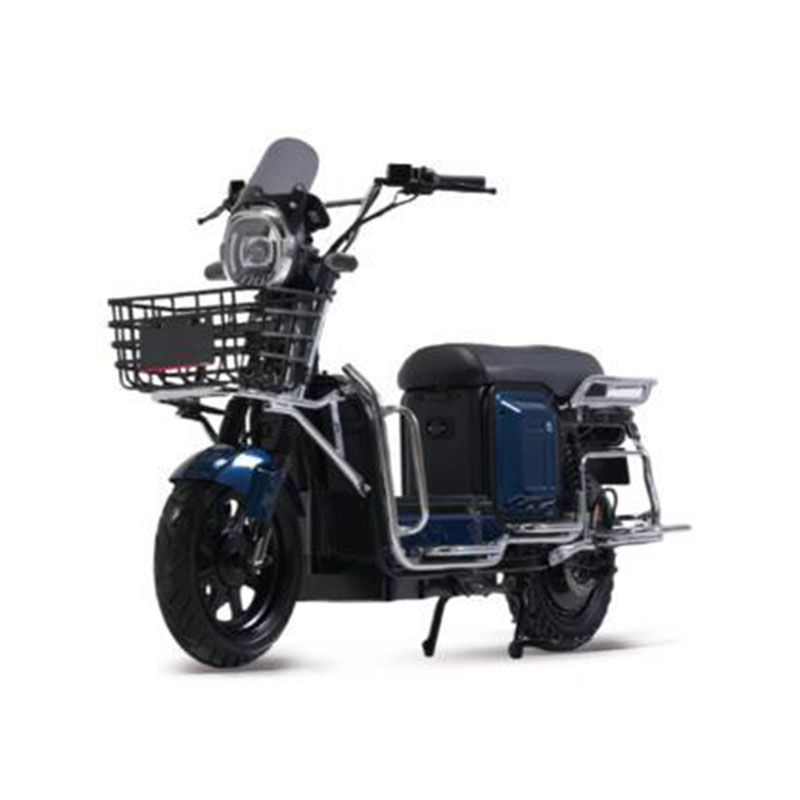
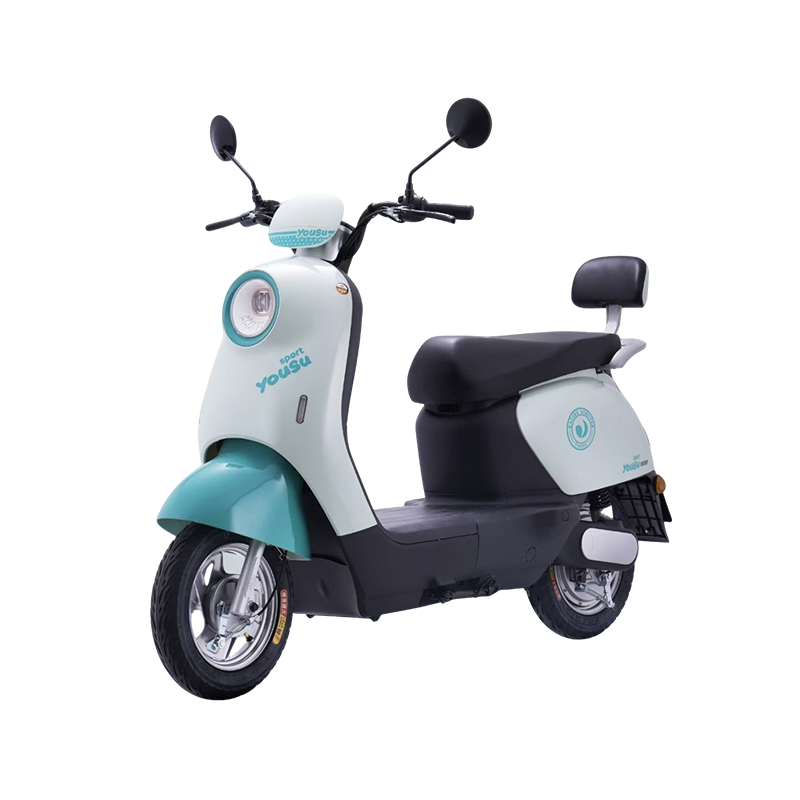
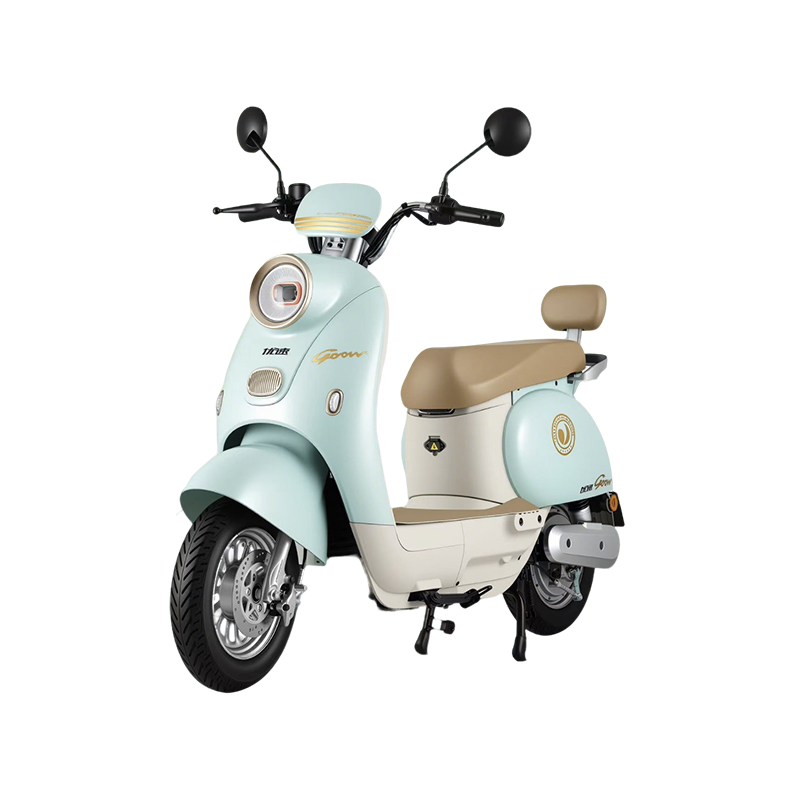
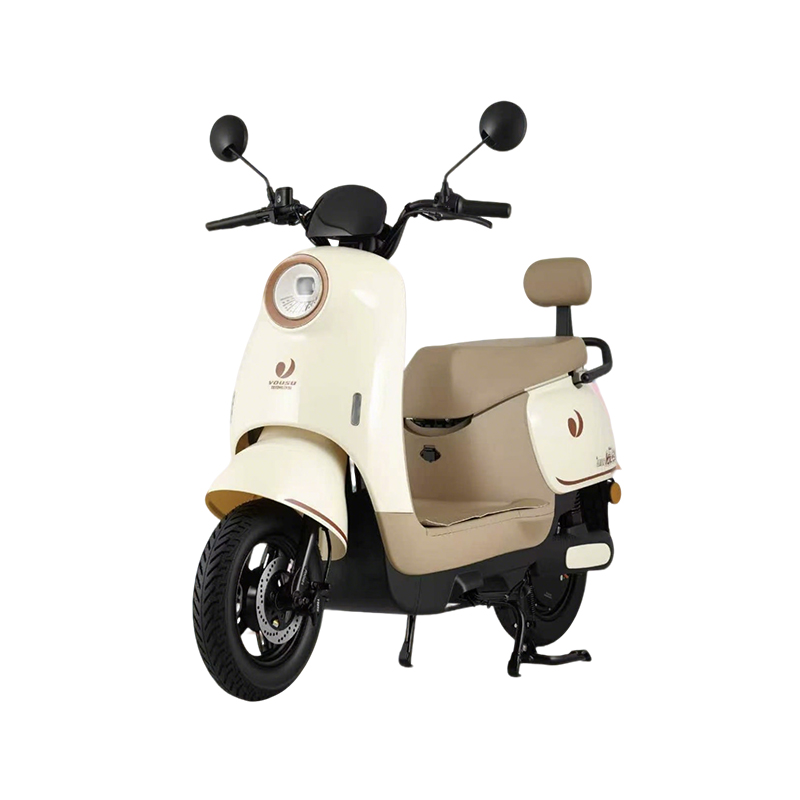
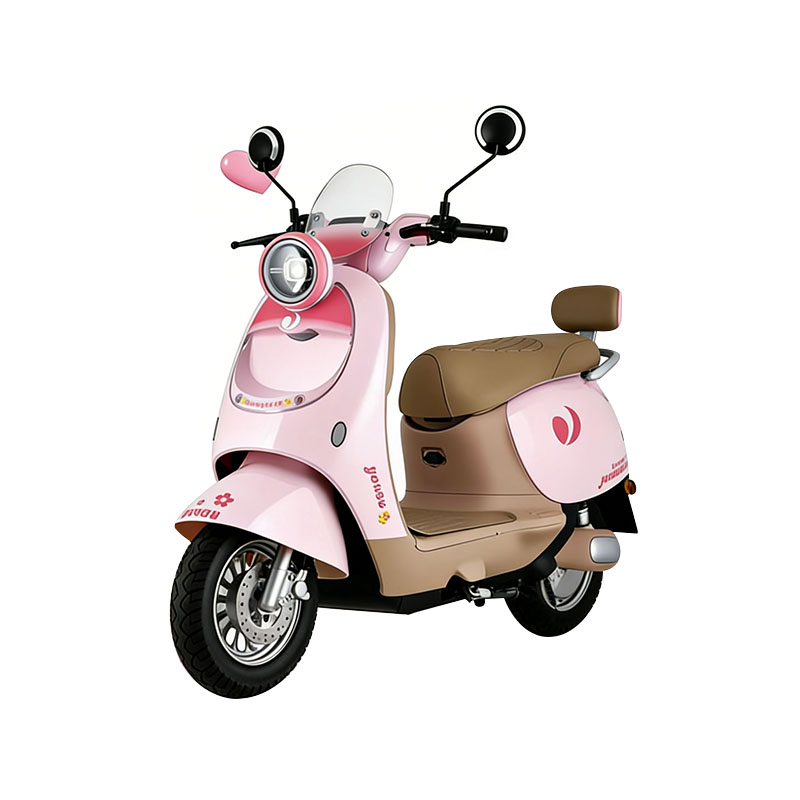
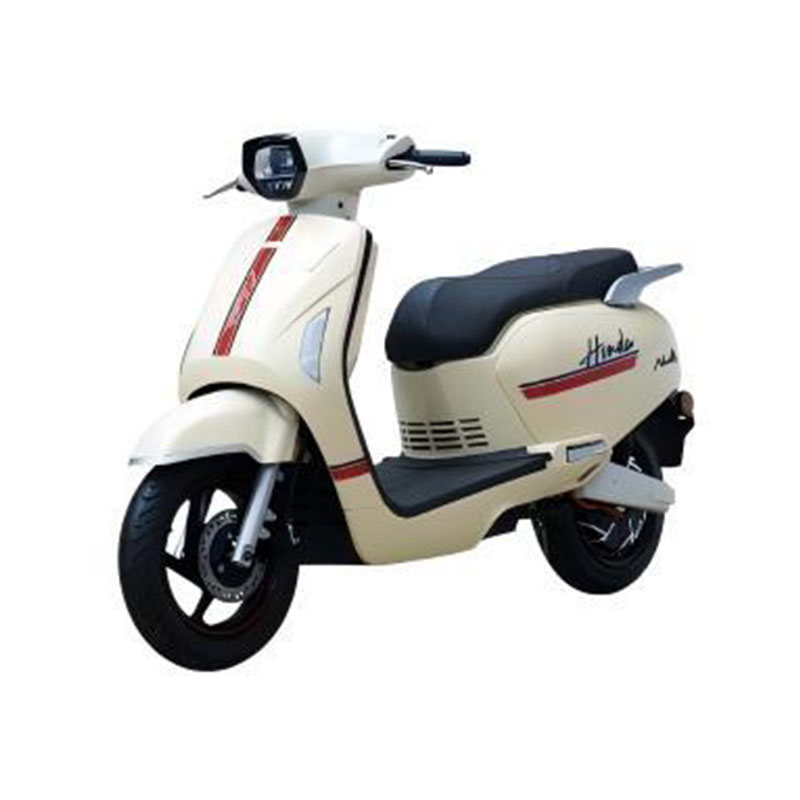
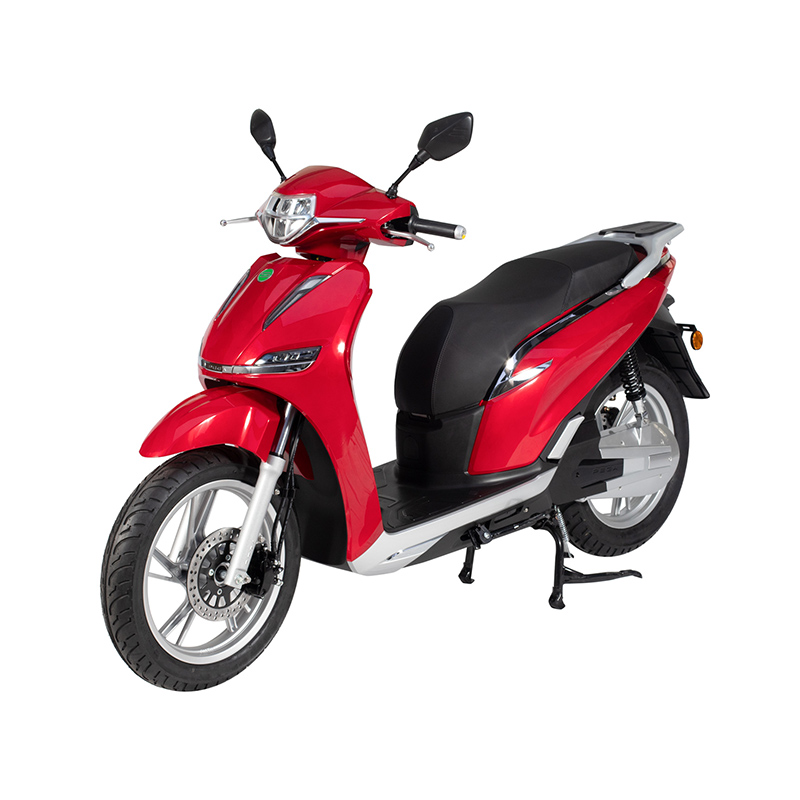
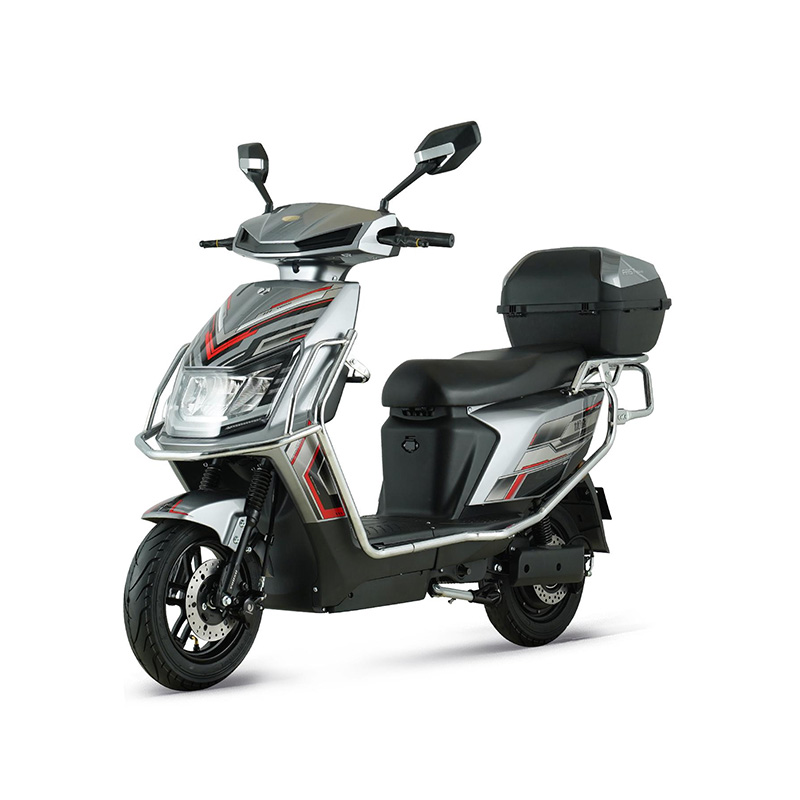
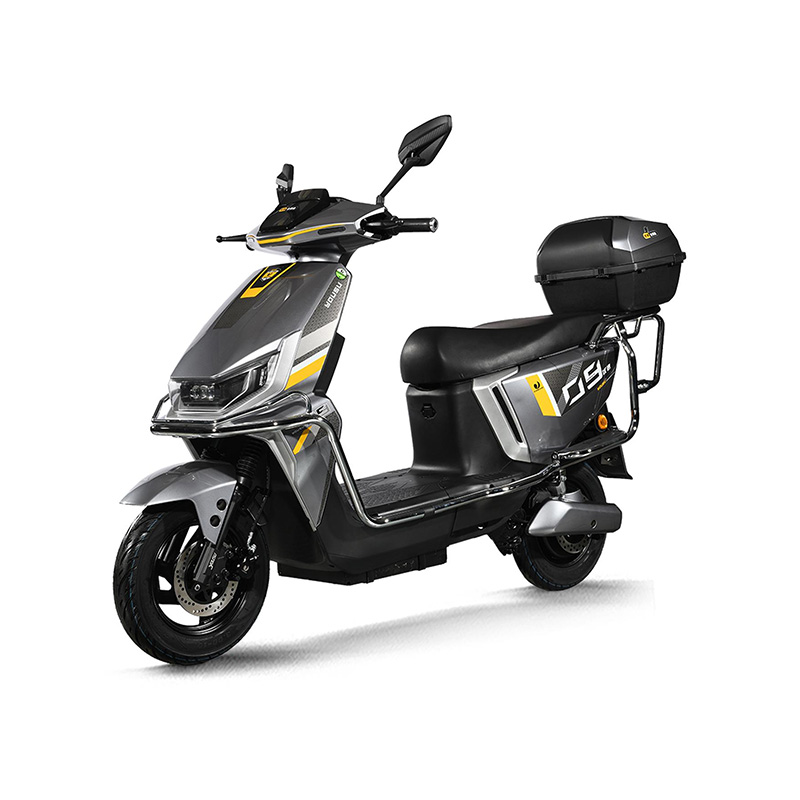
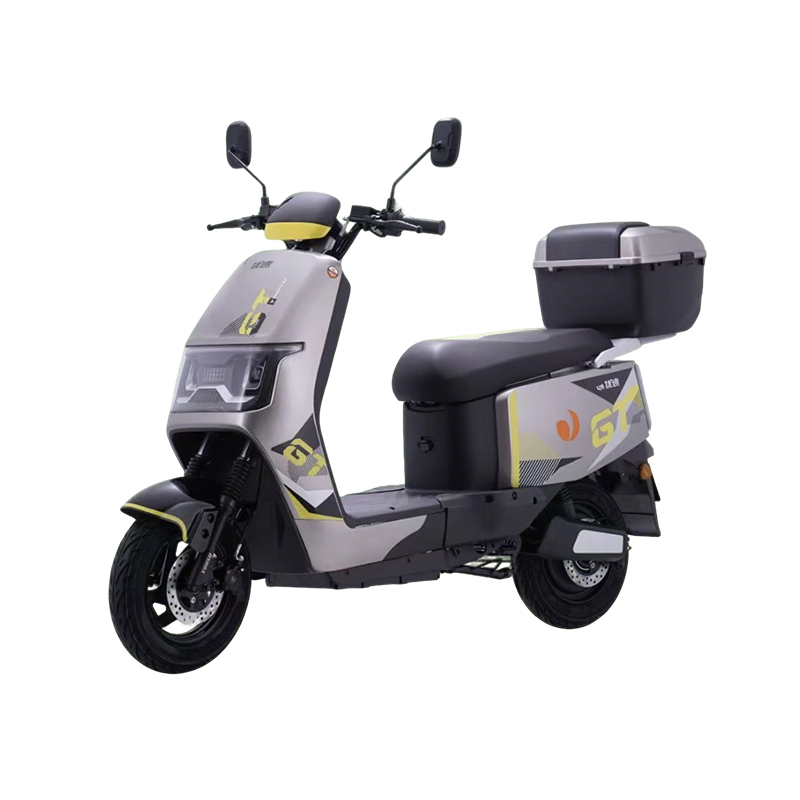

Electric motorcycles are dramatically quieter and virtually vibration-free compared to combustion alternatives. A typical ICE motorcycle produces 80–105 dB(A) at full throttle, while an electric motorcycle under the same conditions generates 60–75 dB(A) — a difference that is not merely noticeable but transformative in daily riding experience. Vibration, which is an inherent byproduct of reciprocating piston motion in combustion engines, is essentially absent on electric platforms where the motor spins smoothly without the cyclic impulses that travel through the frame, handlebars, and footpegs of ICE machines.
This difference redefines the sensory experience of motorcycling in ways that go beyond simple comfort. Reduced noise changes how riders communicate with passengers, interact with their environment, and experience fatigue over long distances. The absence of vibration eliminates a specific category of physical wear on the rider's body that combustion motorcycle users often accept as unavoidable. However, the shift is not universally welcomed — many riders derive emotional connection and riding feedback from the sound and feel of a combustion engine, and this dimension of the comparison deserves honest examination.
Why Electric Motorcycles Are So Much Quieter: The Physics
Combustion engine noise originates from multiple simultaneous sources: intake air rush, fuel ignition pressure waves, mechanical valve and piston movement, and exhaust gas expansion. These sources combine to produce broadband noise across a wide frequency spectrum, with the characteristic exhaust note dominating the audible signature. Even with modern catalytic converters and sound-dampening exhaust systems, the thermodynamic process itself is inherently loud.
Electric motors produce noise through an entirely different mechanism: electromagnetic interaction between the stator and rotor generates a high-frequency whine, typically in the 1,000–4,000 Hz range, that rises in pitch with motor speed. This tone is significantly quieter than combustion exhaust noise and sits in a frequency range that human hearing perceives as less intrusive than the low-frequency rumble of a V-twin or the mid-range bark of a four-cylinder. Additionally, belt or direct drives used on most electric motorcycles eliminate the mechanical clatter of gear-driven primary drives and chain noise at speed.
The practical consequence is that at urban speeds — below 50 km/h — an electric motorcycle is often indistinguishable from ambient traffic noise. At highway speeds, wind and tire noise become the dominant sound sources, making the acoustic signature of the powertrain almost irrelevant to the overall noise environment inside a helmet.
Measured Noise Levels: Electric vs ICE Across Riding Scenarios
Decibel measurements provide the clearest objective basis for comparison. The following data represents typical sound pressure levels measured at the rider's ear position under standardized conditions:
|
Table 1: Approximate noise levels at rider ear position for electric and ICE motorcycles across common riding conditions |
|||
|
Riding Scenario |
Electric Motorcycle (dB A) |
ICE Single/Twin (dB A) |
ICE Four-Cylinder (dB A) |
|
Idle / Stationary |
~45–52 |
~72–85 |
~68–78 |
|
Urban Riding (50 km/h) |
~62–68 |
~80–90 |
~78–86 |
|
Highway Cruising (110 km/h) |
~82–88 |
~88–98 |
~86–94 |
|
Full Throttle Acceleration |
~70–76 |
~95–105 |
~92–102 |
A critical observation in this data: at highway speeds, the gap between electric and ICE narrows substantially because wind and tire noise — which affect both equally — dominate the acoustic environment. The largest difference occurs at low speeds and during acceleration, precisely the conditions where combustion noise is most disruptive to urban environments and most fatiguing in stop-and-go riding.
Note that on the decibel scale, a 10 dB difference represents a perceived doubling of loudness. The 20–30 dB gap between electric and ICE motorcycles at urban speeds therefore means the combustion machine sounds four to eight times louder to nearby pedestrians and the rider alike — a difference far more dramatic than the numbers alone suggest.
Vibration: Why Its Absence Changes the Riding Experience
Combustion engine vibration results from the reciprocating motion of pistons and the uneven torque pulses produced during the power stroke of each cylinder. Even well-balanced engines — like parallel twins with 270-degree firing intervals or inline fours with counter-rotating balancer shafts — transmit residual vibration into the chassis that riders feel through the handlebars, seat, and footpegs. This vibration is not random; it occurs at specific frequencies tied to engine RPM and cylinder count.
Physical Fatigue Reduction on Long Rides
Hand-arm vibration (HAV) is a recognized occupational health concern for motorcyclists on long journeys. Research published in ergonomics journals has found that sustained exposure to vibration at frequencies of 8–16 Hz — common in single and twin-cylinder engines at cruising RPM — accelerates grip fatigue, reduces fine motor control, and contributes to numbness in the fingers and forearms on rides exceeding two hours. Electric motorcycles, producing negligible vibration in this frequency range, essentially eliminate this fatigue vector entirely. Riders consistently report that long-distance journeys on electric motorcycles feel significantly less physically demanding than equivalent distances on comparable ICE machines.
Structural Longevity and Component Wear
Vibration accelerates mechanical wear on every component connected to the frame — mirror mounts loosen, instrument cluster bolts work free, and fairing panels develop stress cracks over time on high-vibration ICE motorcycles. Electric motorcycles effectively remove this entire category of wear. Mirrors, instrument mounts, and panel fasteners on electric platforms rarely require re-tightening due to vibration-induced loosening — a subtle but genuine long-term maintenance advantage.
Remaining Noise Sources on Electric Motorcycles
While electric motorcycles are far quieter overall, they are not silent, and understanding their specific noise sources helps riders set accurate expectations:
- Motor whine:The high-frequency electromagnetic tone from the motor is the most distinctive electric motorcycle sound — a rising, science-fiction-esque pitch that scales with speed. It is generally considered pleasant or neutral by most riders but can be intrusive to some at sustained high RPM.
- Inverter switching noise:The power electronics converting DC battery current to AC motor power can produce a faint high-pitched buzz at certain operating points, typically around 8–12 kHz. This is generally inaudible inside a helmet but occasionally noticeable when stationary.
- Regenerative braking tone:When strong regeneration is applied, the motor acts as a generator and may produce a descending whine that some riders find aurally satisfying and others find unfamiliar.
- Cooling system noise:Liquid-cooled battery and motor systems include a coolant pump and sometimes a radiator fan, both of which contribute a low-level mechanical hum — most noticeable when stationary and the fan cycles on.
- Wind and tire noise:Above 80 km/h, aerodynamic and tire noise become the primary acoustic inputs regardless of powertrain type. At these speeds, the electric motorcycle's noise environment is essentially identical to an ICE machine with a well-silenced exhaust.
Artificial Sound Systems: Bridging the Emotional Gap
Recognizing that many riders associate sound with performance feedback and emotional engagement, several manufacturers have introduced artificial sound generation systems for their electric motorcycles. These range from subtle acoustic enhancements to fully synthetic engine simulations:
- The Harley-Davidson LiveWireuses a carefully tuned motor and belt drive combination to produce a distinctive mechanical sound described as a "jet turbine spooling up" — an intentional acoustic identity rather than ICE simulation.
- Cake Kalkand several concept electric motorcycles have explored speaker-based sound synthesis, projecting amplified motor tone outward to increase pedestrian awareness and rider engagement.
- The European Union's AVAS (Acoustic Vehicle Alerting System) regulation, in force since 2021, requires all new electric vehicles including motorcycles to emit a minimum sound of 56 dB(A) at speeds below 20 km/h — specifically to protect pedestrians who rely on traffic sound for navigation.
The debate around artificial sound is genuinely divided within the riding community. Purists argue that synthesized noise undermines the authentic character of the electric platform, while others — particularly those transitioning from decades on combustion bikes — find that some acoustic feedback aids their sense of speed and throttle position. Neither position is objectively correct; it reflects the deeply personal nature of how riders relate to their machines.
Safety Implications of Reduced Noise in Traffic
The quietness of electric motorcycles raises a legitimate and frequently discussed safety question: do other road users hear them coming? Research on this topic has produced mixed findings, but the practical risk appears to be concentrated in specific, identifiable scenarios:
- Pedestrians stepping off curbs or cyclists pulling out from side streets in urban environments where they habitually listen for approaching vehicles
- Drivers in stationary or slow-moving traffic who use auditory cues to detect filtering motorcycles approaching from behind
- Children and visually impaired pedestrians who rely more heavily than average on sound for road safety decisions
The AVAS regulation directly addresses the low-speed pedestrian risk. At speeds above 20 km/h, most road users rely predominantly on visual information anyway, limiting the practical safety gap. Studies from the UK's Transport Research Laboratory found that electric vehicle detection distances were approximately 40% shorter than ICE equivalents at 10 km/h — significant in high-foot-traffic zones, but largely equalized by 30 km/h where aerodynamic and tire noise contribute meaningfully to audibility.
For electric motorcycle riders, the practical takeaway is that heightened visual awareness and conservative positioning in pedestrian-dense environments are more important than on a combustion machine — the acoustic warning that ICE riders provide passively must be replaced with deliberate riding behavior.
The Rider Experience Trade-Off: Serenity vs Sensory Engagement
Ultimately, the noise and vibration profile of an electric motorcycle represents a fundamental shift in what motorcycling feels like — not merely a technical specification. Riders who prioritize long-distance comfort, urban usability, communication with passengers, and physical wellbeing will find the electric experience a clear improvement. Riders for whom the exhaust note, the mechanical pulse at the handlebars, and the sensory drama of a high-revving engine are central to their enjoyment will face a genuine adjustment.
What most long-term electric motorcycle owners report is that the initial sense of something missing gradually gives way to appreciation of a different kind of engagement — one centered on the seamless torque delivery, the eerie acceleration clarity, and the quiet confidence of a machine that communicates through motion rather than noise. The electric motorcycle does not replicate the combustion experience; it offers an alternative one — and for a growing number of riders, that alternative is becoming the preferred one.
 Previous