


 English
 Español
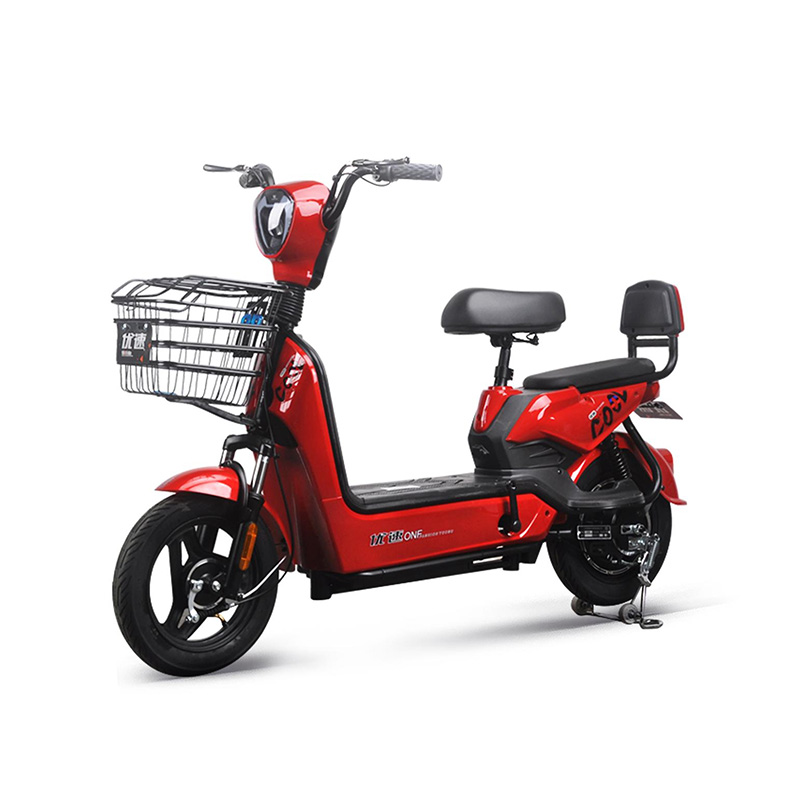
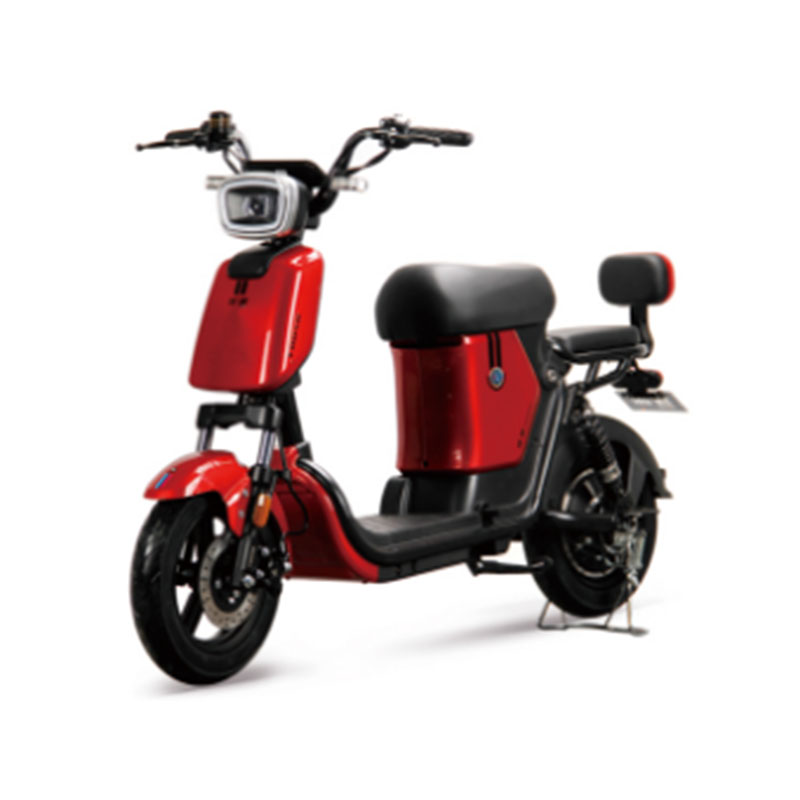
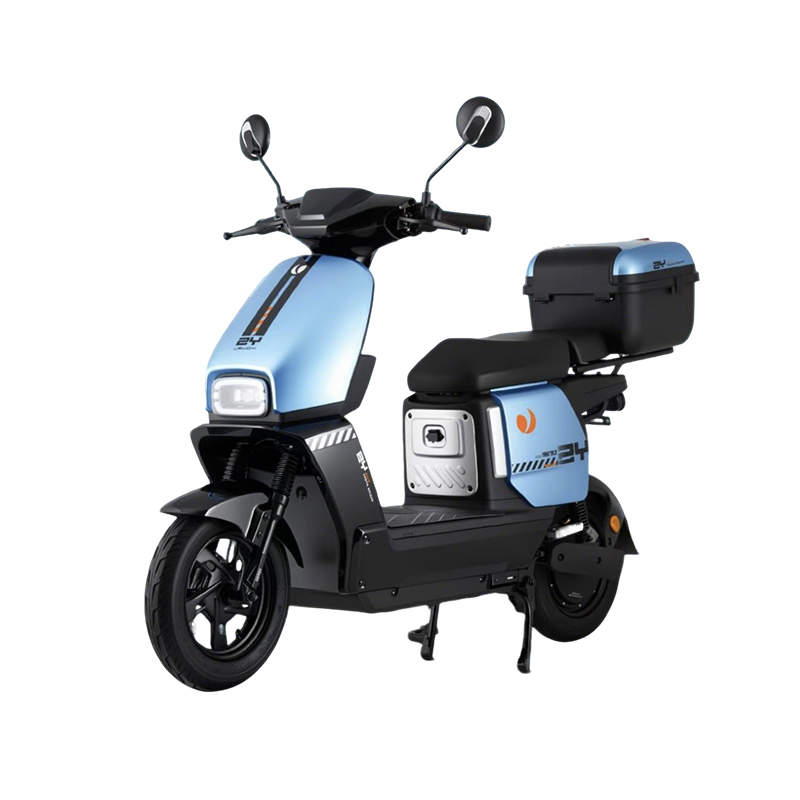
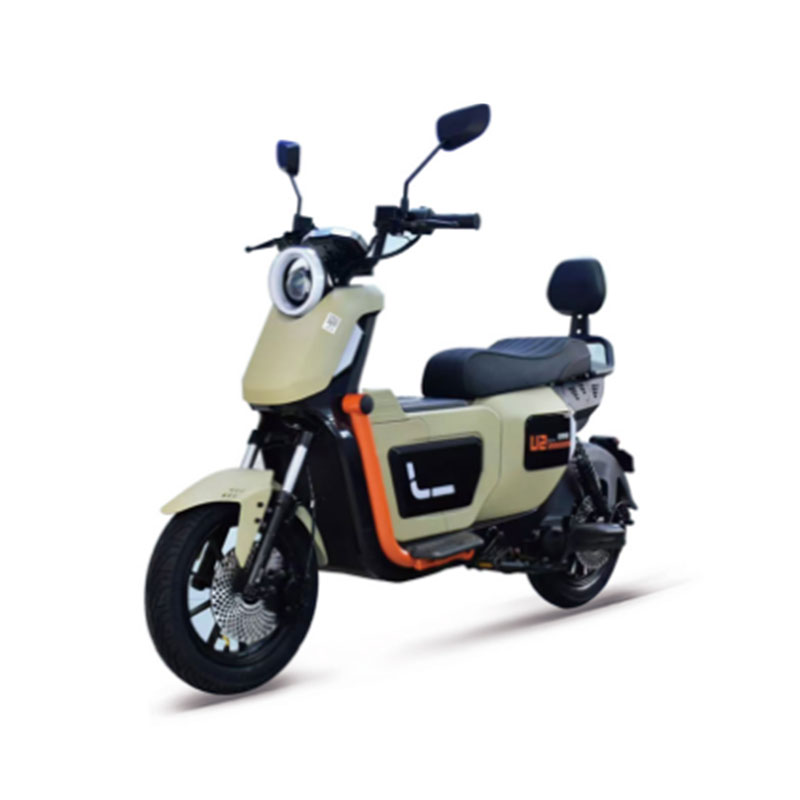
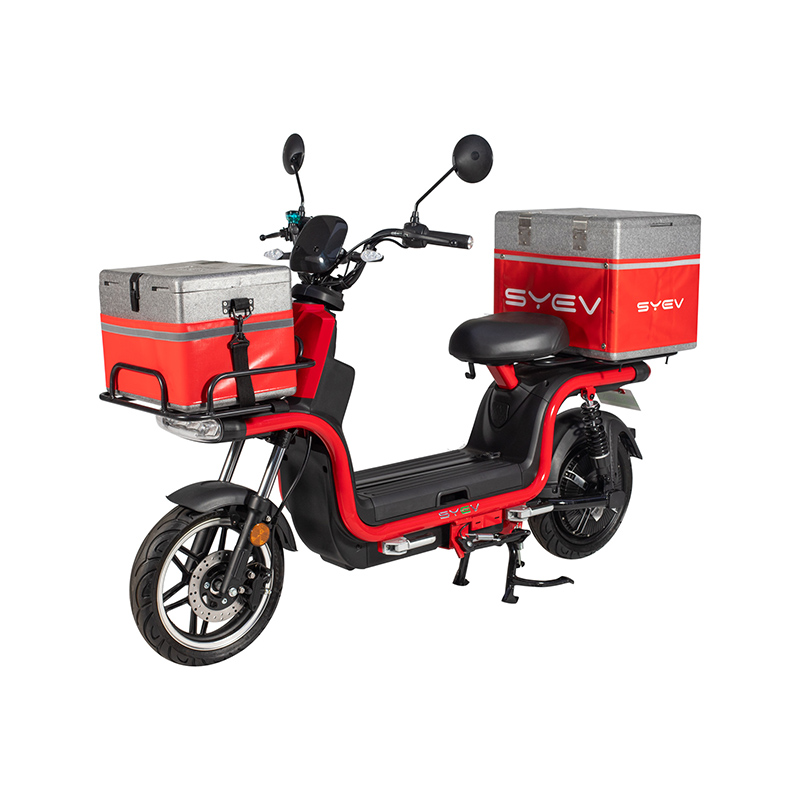
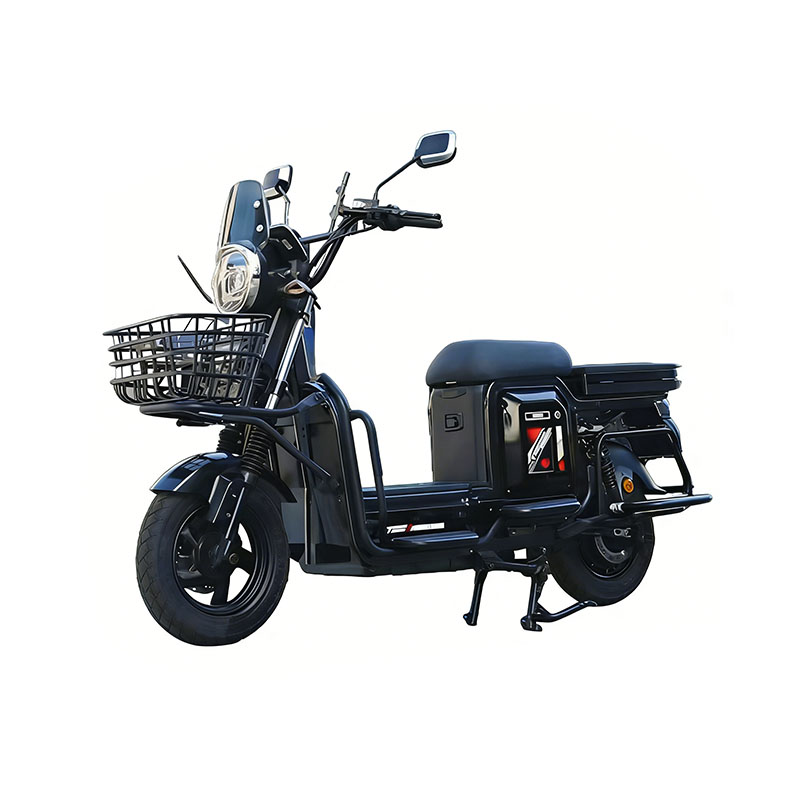
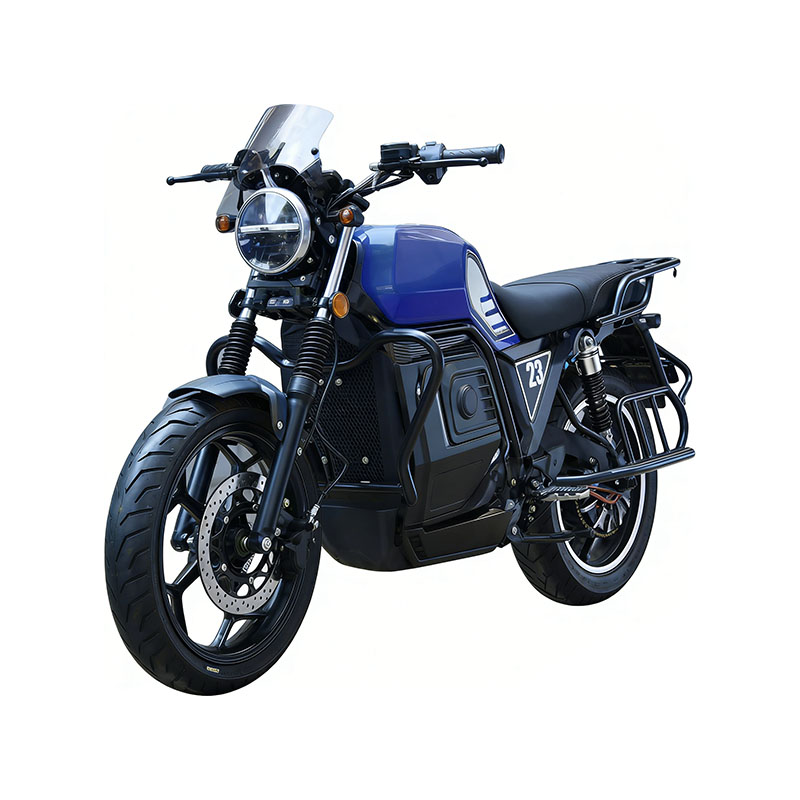
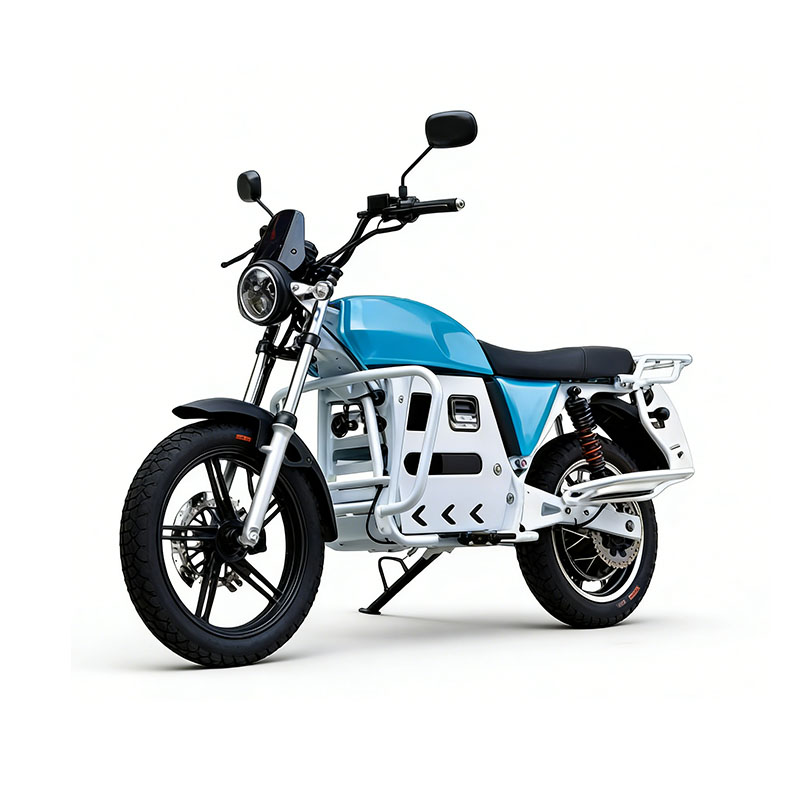
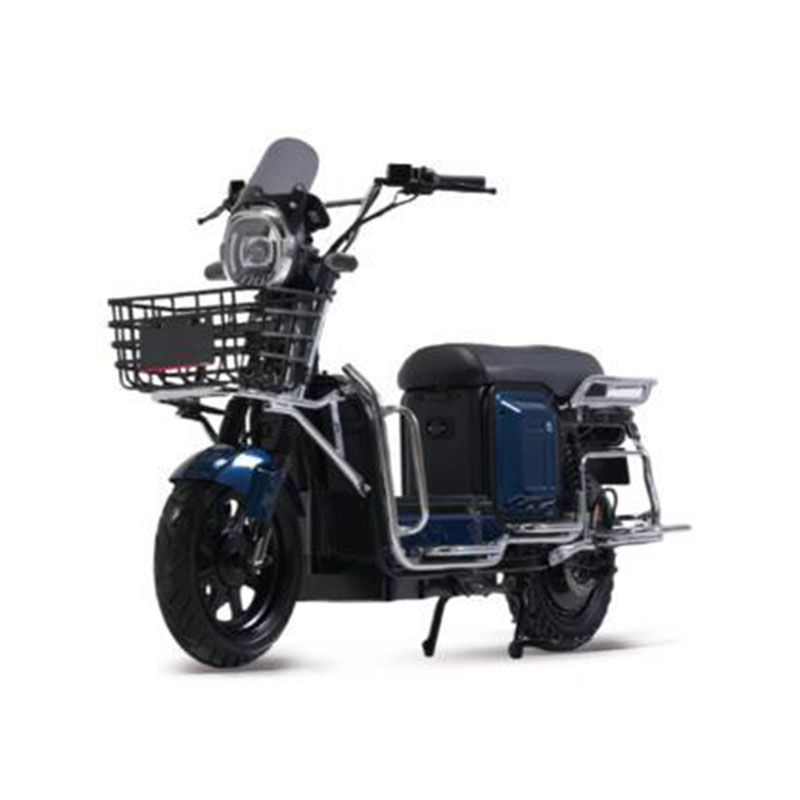
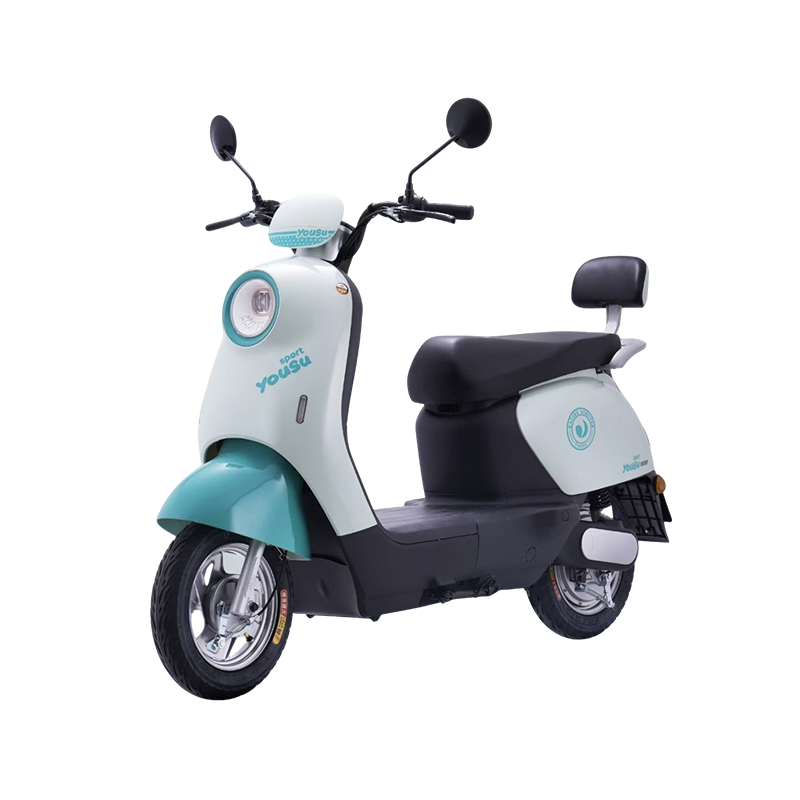
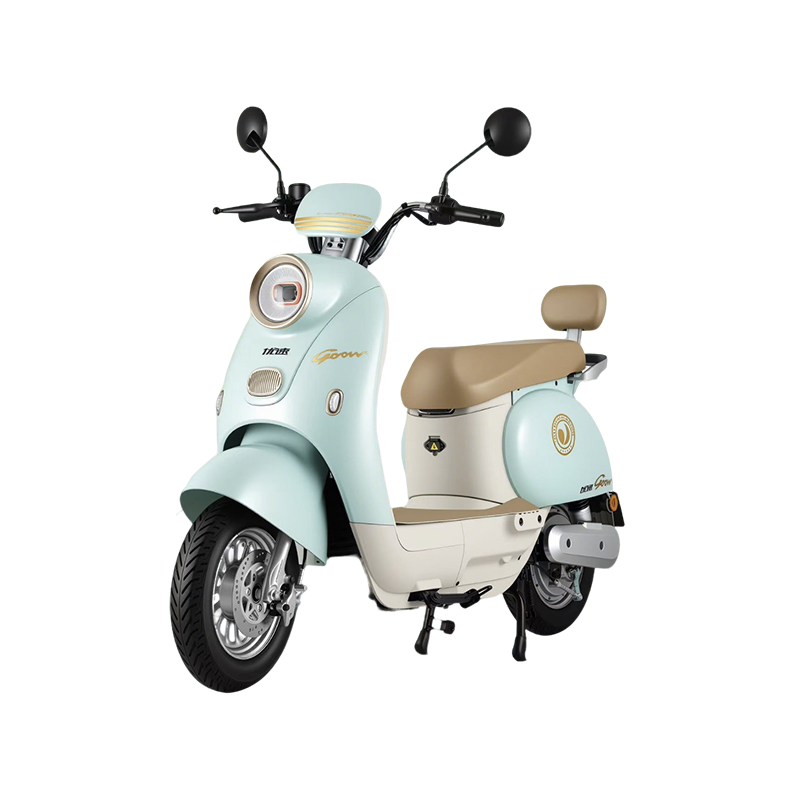
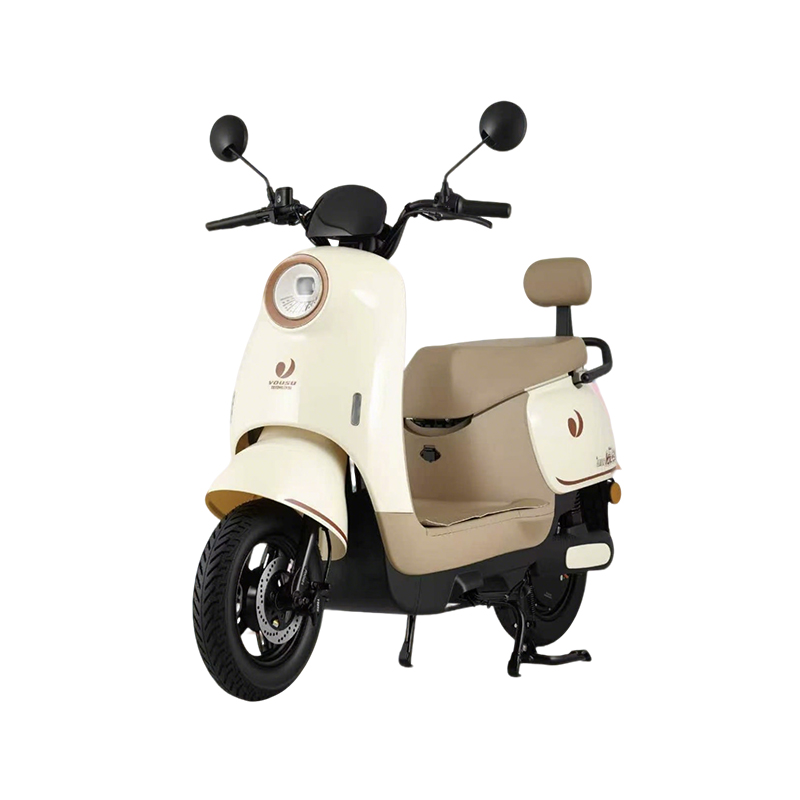
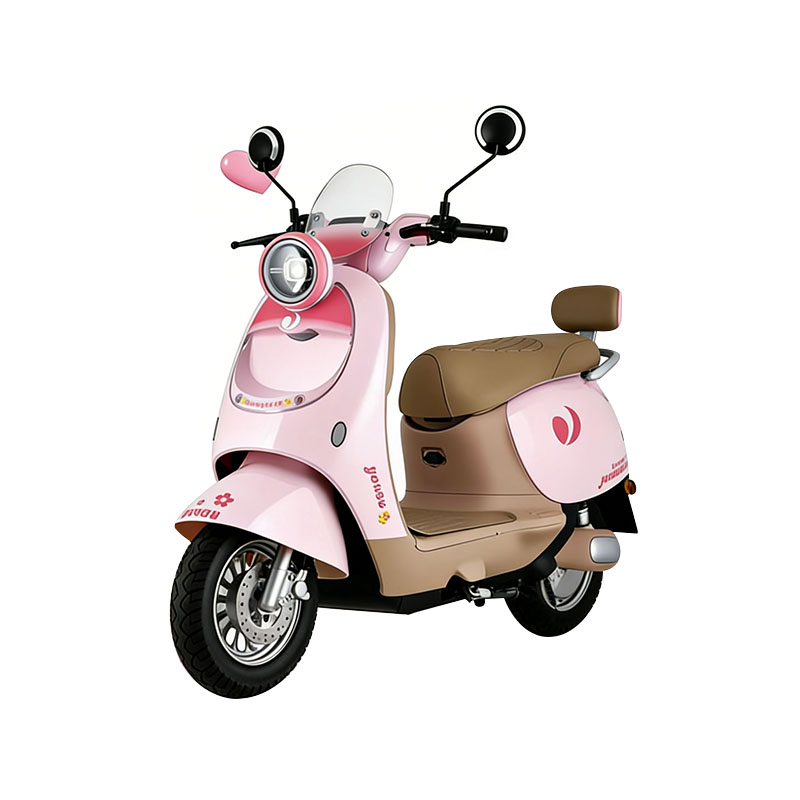
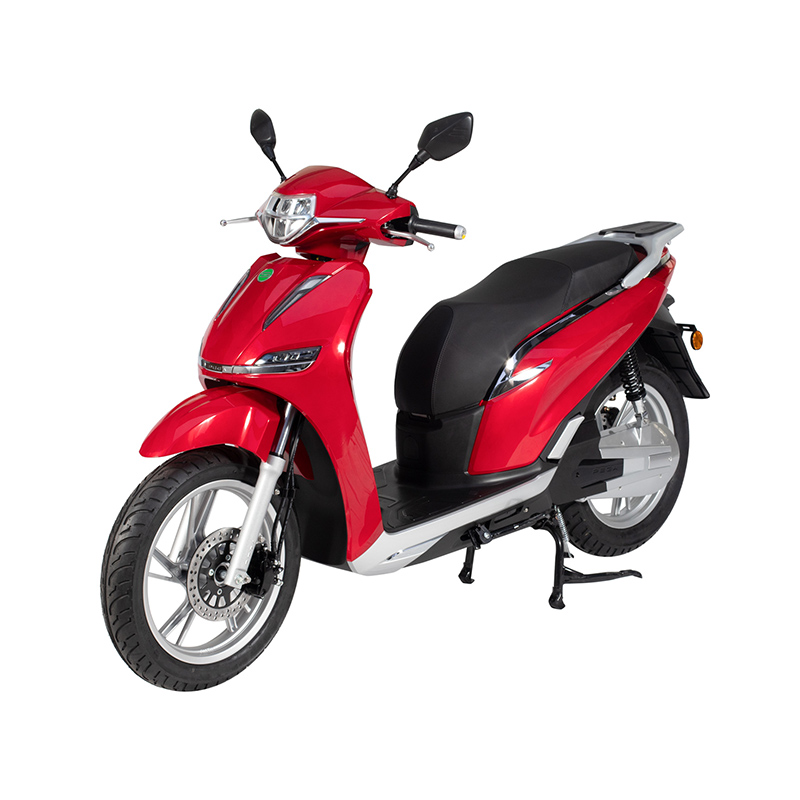
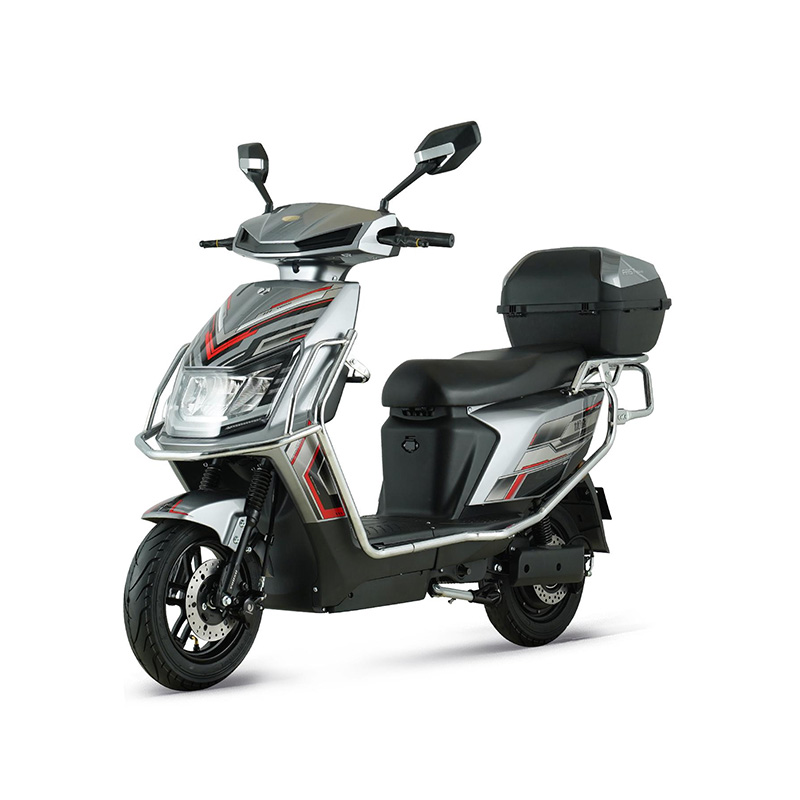
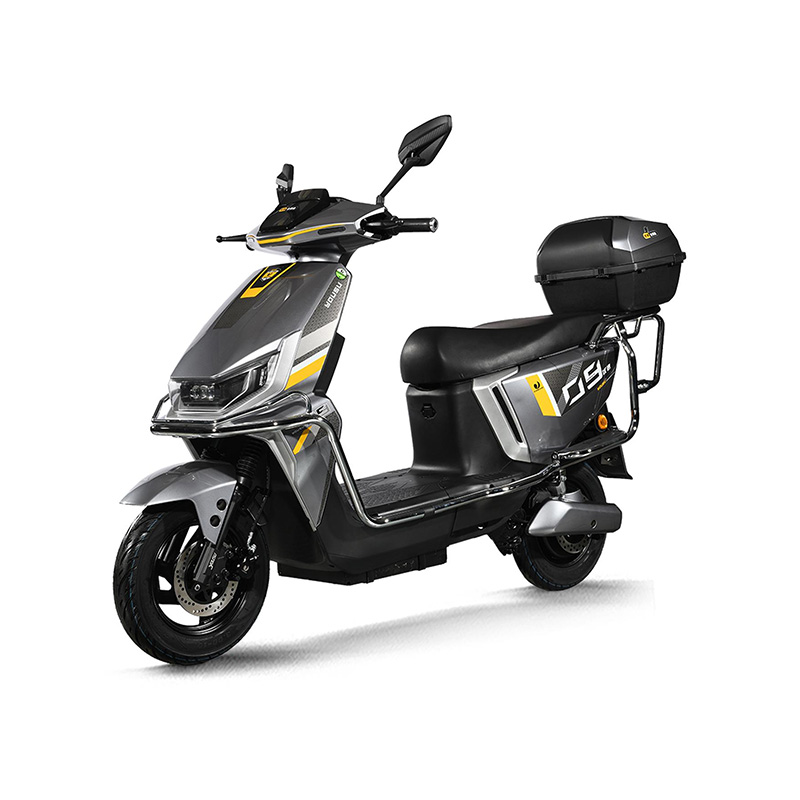
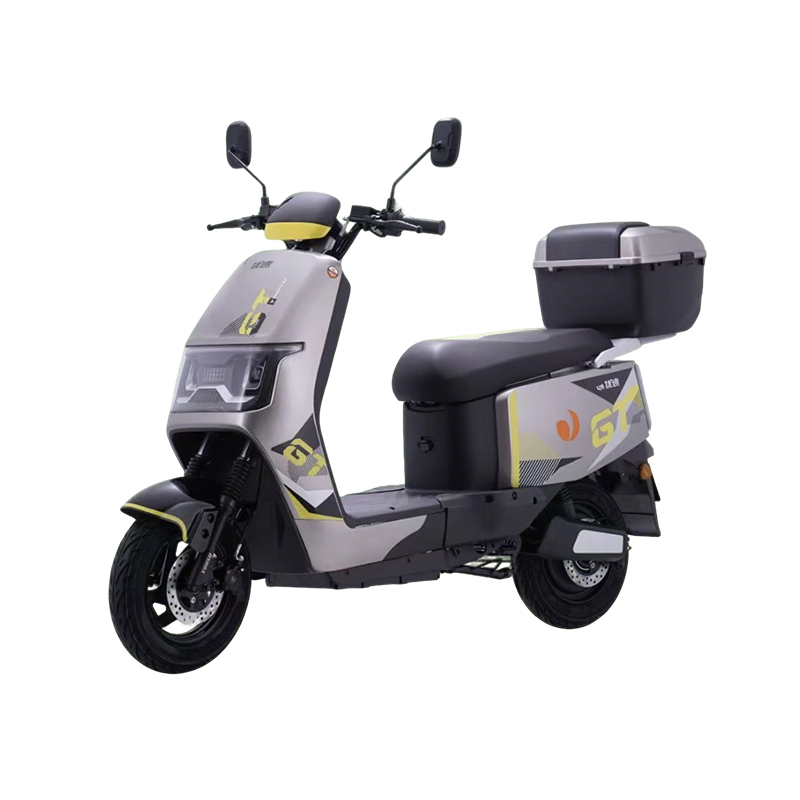

Electric motorcycles generally have a lower center of gravity (CoG) but higher overall weight compared to equivalent ICE motorcycles. The battery pack — the heaviest single component, often accounting for 30–40% of the motorcycle's total mass — is mounted low in the frame, close to the swingarm pivot. This repositions mass closer to the ground than a combustion engine's cylinders and fuel tank, which sit higher and further forward. The result is a measurably different handling character: more planted at low speeds and in slow maneuvers, but with unique trade-offs at the limit that riders transitioning from ICE machines need to understand.
This is not a marginal difference. On a mid-size ICE sport bike like the Yamaha MT-07 (193 kg wet), the engine sits at roughly mid-frame height and the fuel tank occupies the upper central spine. On the Zero SR/F (220 kg), the battery pack sits within a low-slung aluminum frame, dropping the CoG by an estimated 40–60 mm compared to a comparable ICE naked bike. That gap has tangible consequences in how the motorcycle feels, steers, and responds to rider input.
Why Battery Placement Determines Everything About CoG
In an ICE motorcycle, the heaviest components — engine block, transmission, and fuel — are distributed across a vertical range of roughly 400–700 mm above the ground. The engine sits centrally but elevated, the fuel tank is even higher, and the exhaust system runs along the lower sides. This creates a somewhat tall and forward-biased mass distribution that engineers manage through frame geometry and suspension tuning.
Electric motorcycles invert much of this architecture. The motor is compact and typically mounted low near the swingarm. The battery pack, which on a performance electric motorcycle like the Energica Ego+ weighs approximately 110 kg on its own, occupies the frame spine and lower sections — a position previously occupied by the far lighter fuel tank and narrower engine cases. Because battery density requirements push designers to maximize pack volume at the lowest structurally feasible point, CoG reduction is often an inherent byproduct of the layout, not a deliberate tuning choice.
Some manufacturers go further by orienting prismatic or pouch cells horizontally within the frame to push the CoG even lower. The Harley-Davidson LiveWire, for instance, uses a structural battery design where the pack itself forms part of the chassis — a layout that allows the heaviest mass to sit within 300–350 mm of ground level, significantly lower than any internal combustion powertrain configuration.
The Weight Penalty: How Much Heavier Are Electric Motorcycles?
Despite the CoG advantage, electric motorcycles carry a substantial weight premium over ICE equivalents in the same performance class. This is almost entirely attributable to battery mass — current lithium-ion technology delivers approximately 200–270 Wh/kg at the cell level, but pack-level energy density (including casing, BMS, cooling hardware, and wiring) typically drops to 130–160 Wh/kg. Achieving a 20 kWh pack — sufficient for roughly 150–200 km of mixed riding — therefore requires approximately 125–155 kg of battery hardware alone.
|
Table 1: Wet weight comparison between electric motorcycles and ICE equivalents in the same performance class |
||||
|
Electric Model |
Wet Weight |
ICE Equivalent |
ICE Wet Weight |
Weight Difference |
|
Zero SR/F |
220 kg |
Yamaha MT-09 |
193 kg |
+27 kg |
|
Energica Ego+ |
260 kg |
Ducati Panigale V4 |
198 kg |
+62 kg |
|
LiveWire One |
226 kg |
Harley-Davidson Sportster S |
228 kg |
−2 kg |
|
BMW CE 04 |
231 kg |
BMW C 400 X (scooter) |
182 kg |
+49 kg |
The LiveWire comparison is instructive: by replacing a large V-twin engine and fuel system with a structural battery pack, Harley-Davidson achieved near-weight parity with its own ICE cruiser — while dramatically lowering the CoG. This demonstrates that the weight penalty is not inevitable, but closing it requires deliberate engineering investment in lightweight frame materials and structural battery integration.
How Low CoG Affects Handling: The Real-World Difference
A lower center of gravity produces several measurable handling benefits that riders notice immediately:
- Improved low-speed stability:The motorcycle resists tipping more effectively in parking maneuvers, U-turns, and slow traffic — directly relevant given the higher total weight of most electric models.
- Reduced lean effort:Initiating lean requires overcoming the gyroscopic inertia of the total mass. A lower CoG reduces the lever arm through which this mass acts, making turn-in feel lighter than the total weight suggests.
- More predictable mid-corner balance:With mass concentrated near the swingarm pivot, the motorcycle's rotational inertia around its cornering axis is reduced, contributing to a more neutral, planted feel through sustained bends.
- Better recovery from slides:A low CoG gives a sliding or destabilized motorcycle a stronger self-righting tendency, reducing the energy required to regain balance after a traction disturbance.
Many experienced riders who test electric motorcycles for the first time report that the machine feels lighter than its specification sheet suggests — a perception directly explained by the low CoG rather than any reduction in actual mass. The Zero SR/F at 220 kg is frequently described as feeling comparable to an ICE naked at 190 kg in everyday riding conditions.
The Trade-Off: Where Extra Mass Creates Real Challenges
The low CoG benefit does not eliminate the consequences of higher total weight — it simply redistributes them. Certain riding scenarios expose the mass penalty clearly:
High-Speed Direction Changes
Rapid chicane transitions — a defining characteristic of track riding and some sport road riding — require the rider to overcome the motorcycle's rotational inertia to flick the bike from one lean angle to the other. Total mass, not CoG height alone, determines how much effort this takes. A 260 kg electric motorcycle will always demand more physical input during fast direction changes than a 193 kg ICE competitor, regardless of where the weight sits.
Braking Distances
Greater mass means greater kinetic energy at any given speed. From 100 km/h, a 260 kg motorcycle carries approximately 35% more kinetic energy than a 193 kg equivalent — all of which must be dissipated by the brakes and tires. Electric motorcycles partially offset this through regenerative braking, but the net braking distance is typically longer than a comparable ICE machine unless brake hardware is uprated accordingly.
Off-Road and Low-Traction Environments
On loose or unpaved surfaces, a lower CoG is less advantageous because the tires' ability to generate lateral force is already compromised. The additional mass then becomes the dominant factor — heavier electric motorcycles are harder to control on gravel, mud, or sand, and more difficult to recover if they do fall. This is why purpose-built electric off-road motorcycles such as the KTM Freeride E-XC prioritize aggressive mass reduction over battery capacity.
Front-to-Rear Weight Distribution: How Electric Bikes Compare
Beyond vertical CoG, the fore-aft weight distribution between front and rear axles shapes how a motorcycle steers and accelerates. ICE sport bikes typically target a 50/50 to 52/48 front-to-rear distribution — achieved by carefully positioning the engine and balancing it against the fuel tank mass. Touring bikes with heavy panniers shift toward rear-bias, sometimes reaching 45/55.
Electric motorcycles face a structural challenge here: the battery pack often extends rearward into space previously occupied by lighter components, pushing mass toward the rear axle. Several manufacturers address this by positioning the motor toward the front of the swingarm and routing heavy wiring harnesses forward. The Energica platform, for instance, is engineered to achieve a 48/52 front-to-rear split — slightly rear-biased but within the range where modern chassis geometry and traction control can fully compensate.
A notable consequence of rear-biased distribution is slightly reduced front-end feel and steering precision at low speeds — riders accustomed to front-heavy ICE sport bikes may initially find electric motorcycle steering to feel slightly vague or floaty at the front wheel. This perception diminishes as riders adapt to the different balance point and recalibrate their input timing accordingly.
Suspension Tuning Differences Required by Electric Platform Mass
The additional mass of electric motorcycles requires recalibrated suspension compared to ICE equivalents. Spring rates must be increased to prevent excessive sag under the heavier unsprung and sprung load, while damping curves need adjustment to prevent the greater inertia from overwhelming the fork and shock during compression and rebound transitions.
Several implications follow for riders evaluating or already owning an electric motorcycle:
- Factory suspension settings are calibrated for the electric platform's specific mass — do not assume ICE suspension upgrade parts are directly transferable.
- Riders at the lighter end of the weight spectrum (under 70 kg) may find factory spring rates too stiff, requiring a respring rather than simple preload adjustment.
- Adding luggage or a pillion passenger amplifies the rear weight bias significantly; adjustable rear preload is particularly important on electric motorcycles used for touring.
- Tire load ratings must be verified— some electric motorcycles approach or exceed the load rating of tires used on equivalent ICE models, requiring confirmation that the fitted tire specification is correct for the actual laden weight.
The Direction of Travel: Solid-State Batteries and the CoG Opportunity
The current weight and CoG profile of electric motorcycles is a product of today's battery technology constraints, not a permanent characteristic of the platform. Solid-state batteries, projected for motorcycle applications in the late 2020s to early 2030s, promise energy densities at pack level approaching 400–500 Wh/kg — roughly three times current lithium-ion performance. At that density, a 20 kWh pack would weigh approximately 40–50 kg instead of 125–155 kg.
This transformation would allow electric motorcycles to achieve genuine weight parity with ICE machines while retaining the low CoG benefit — since designers could still choose to position the smaller, lighter pack low in the frame. The handling advantages of electric architecture would then fully emerge without the current mass trade-offs, representing a fundamental shift in how electric and ICE motorcycles compare dynamically.
 Previous