


 English
 Español
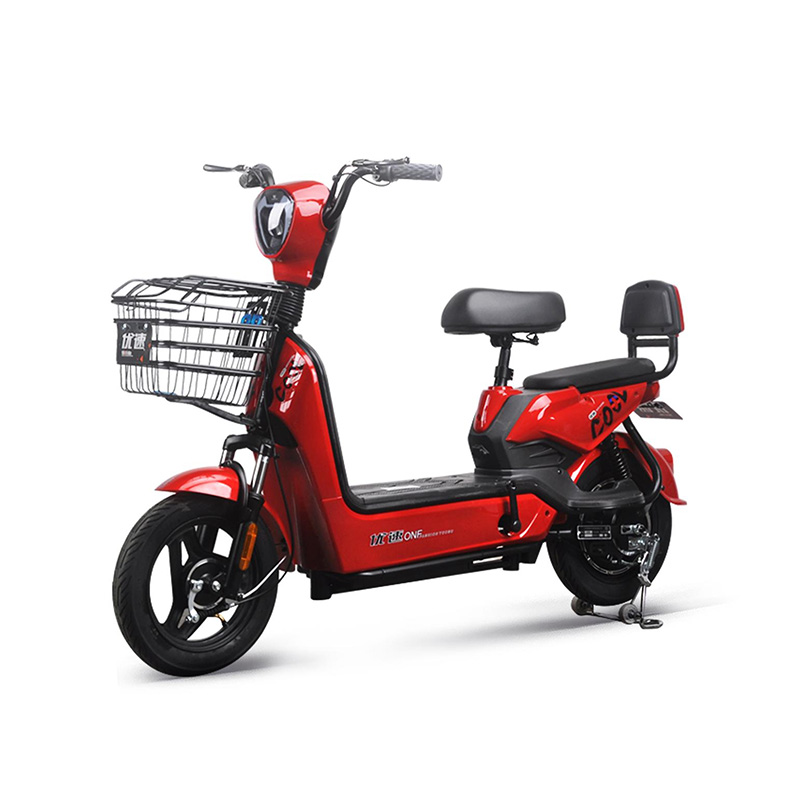
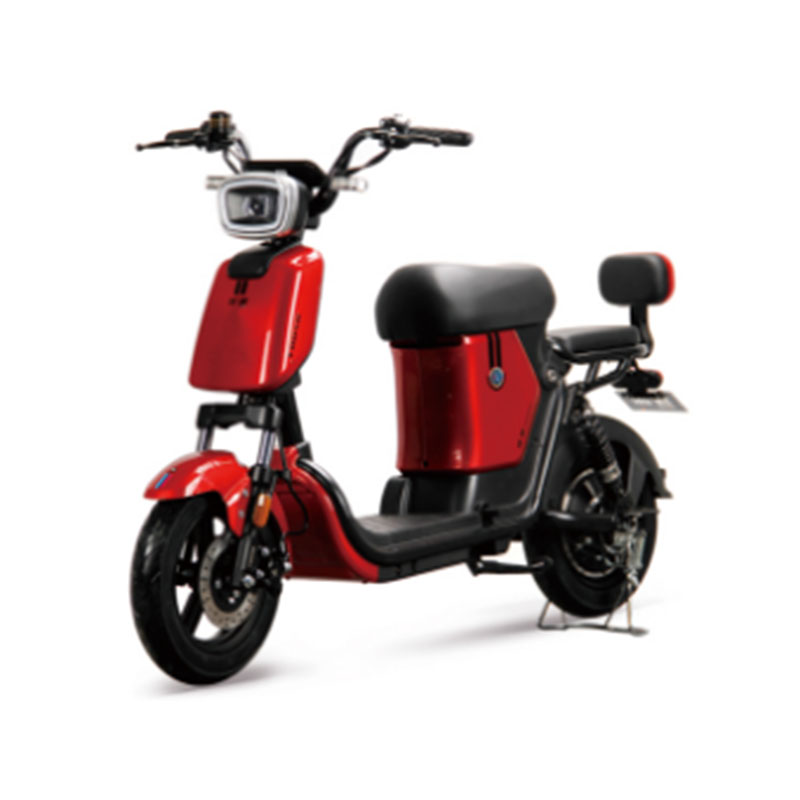
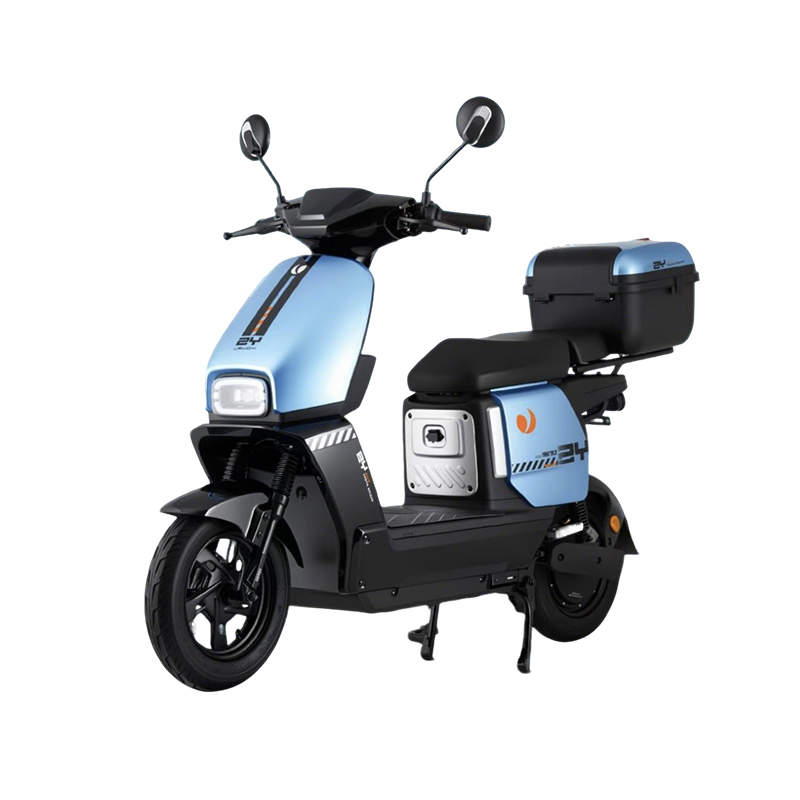
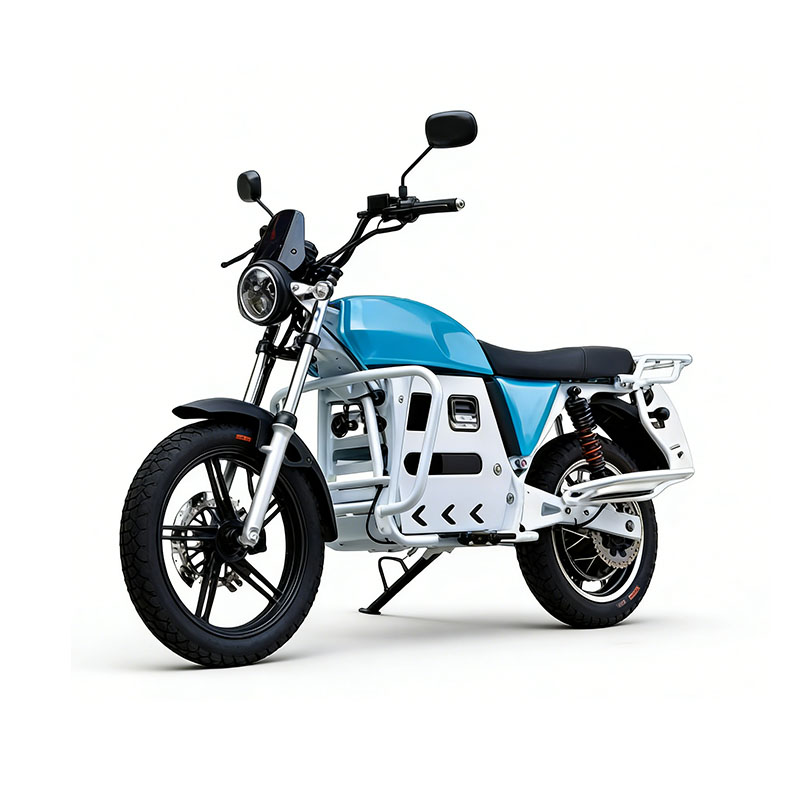
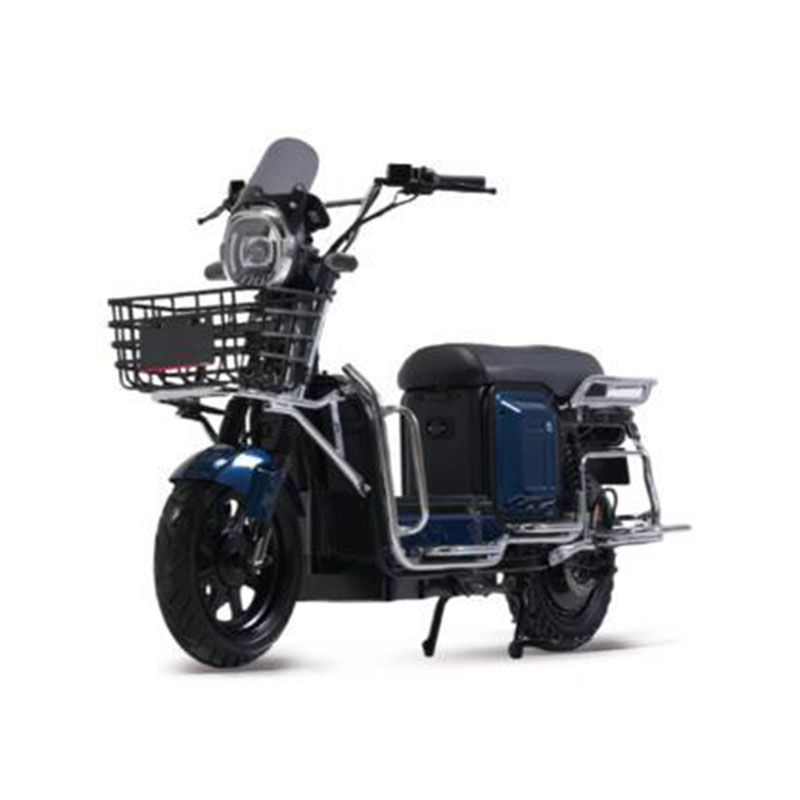
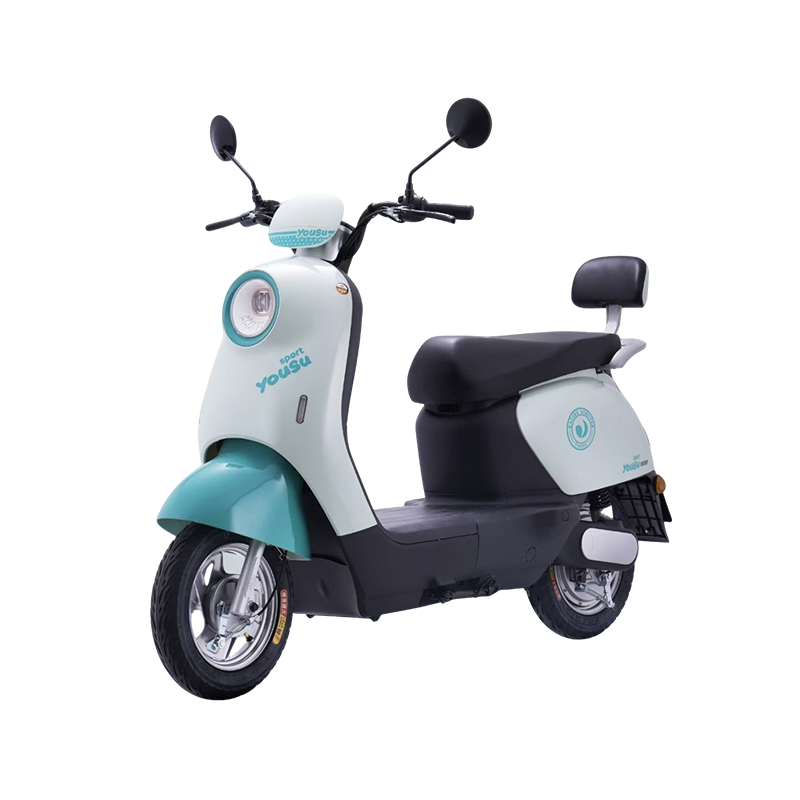
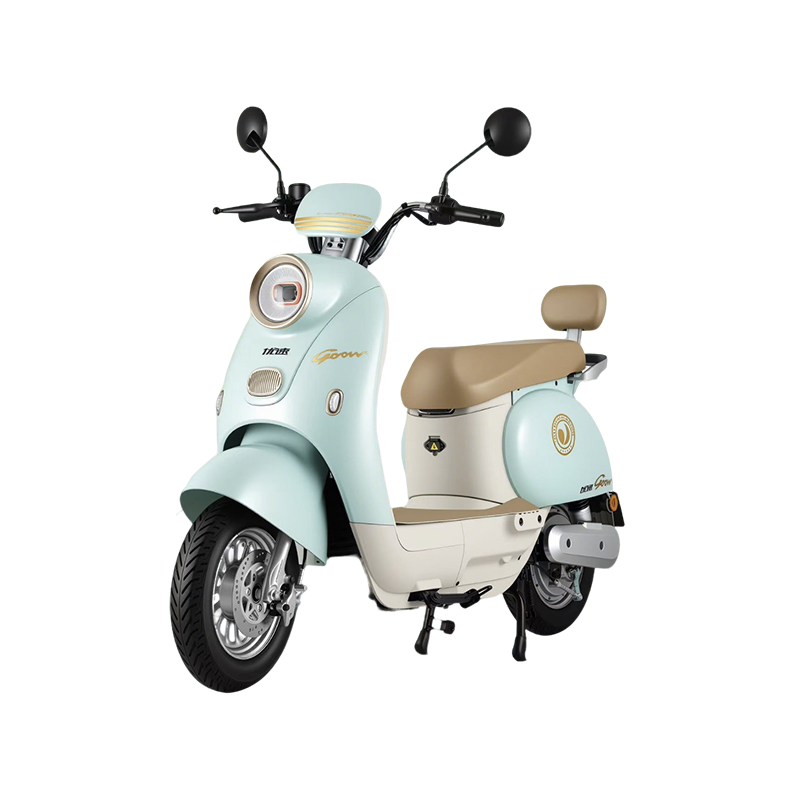
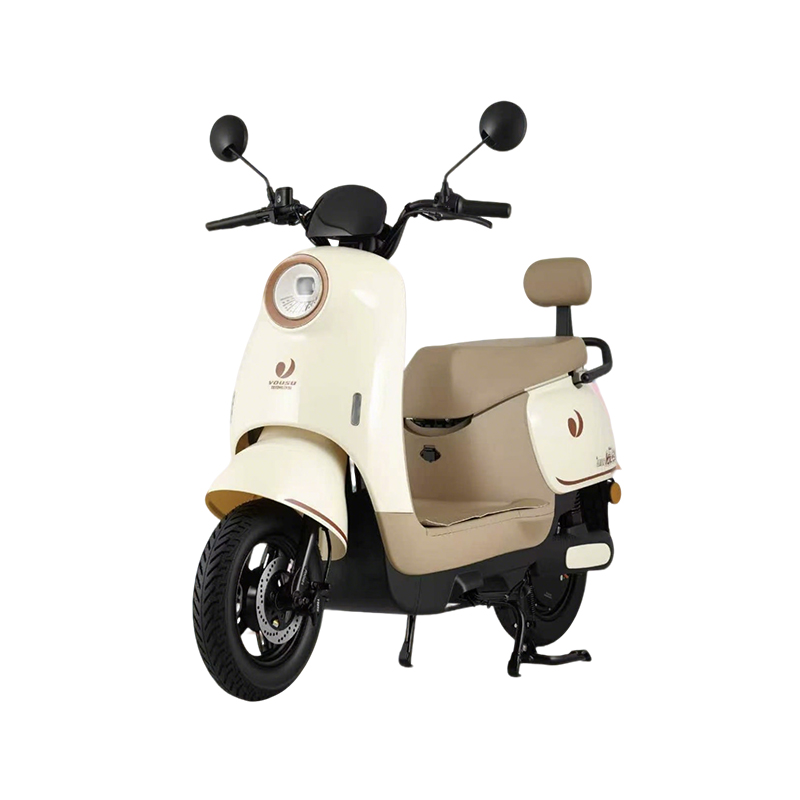
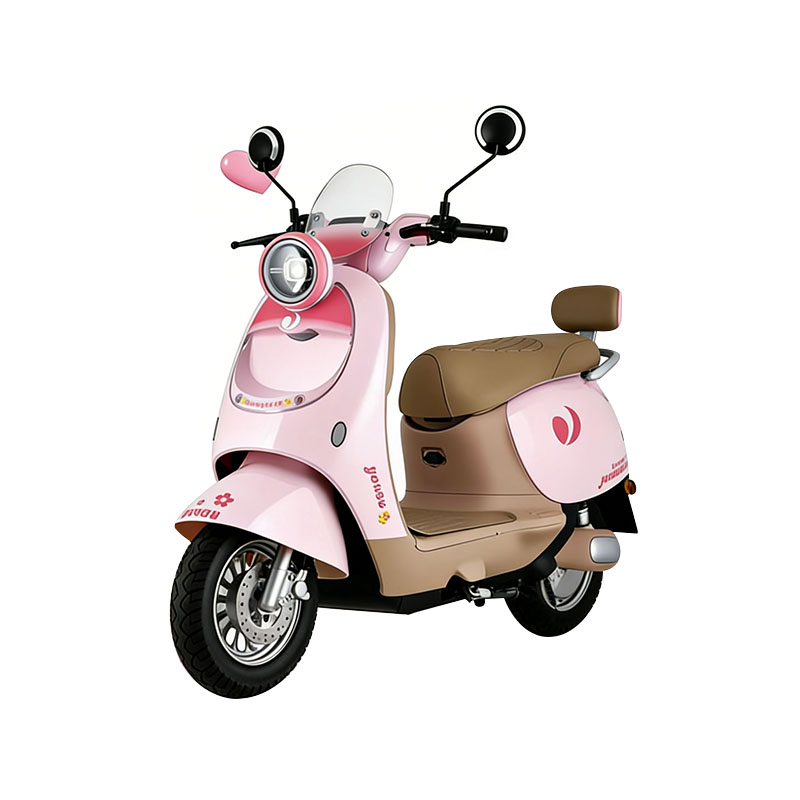
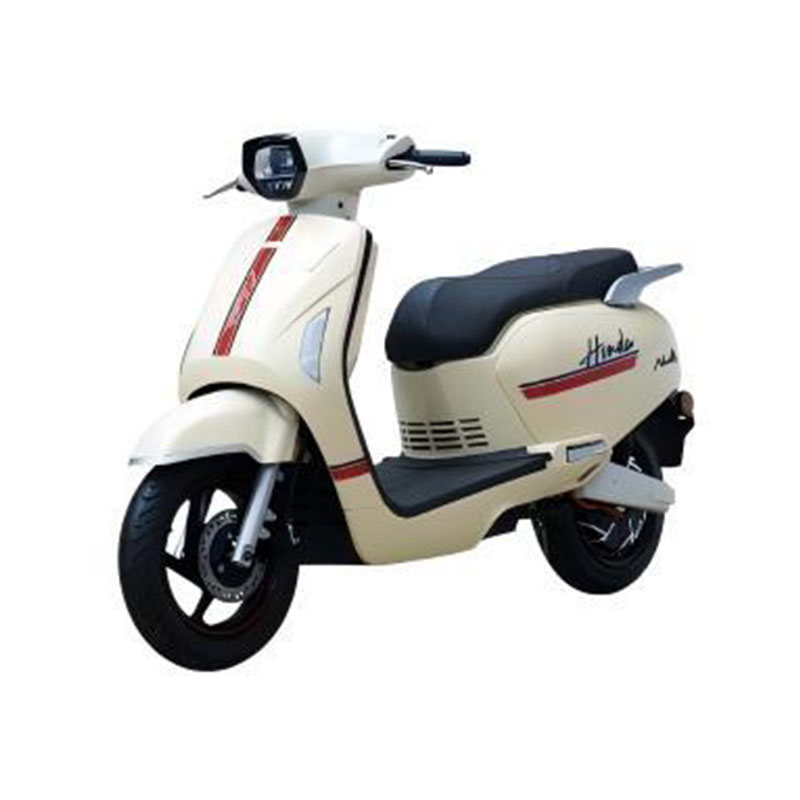
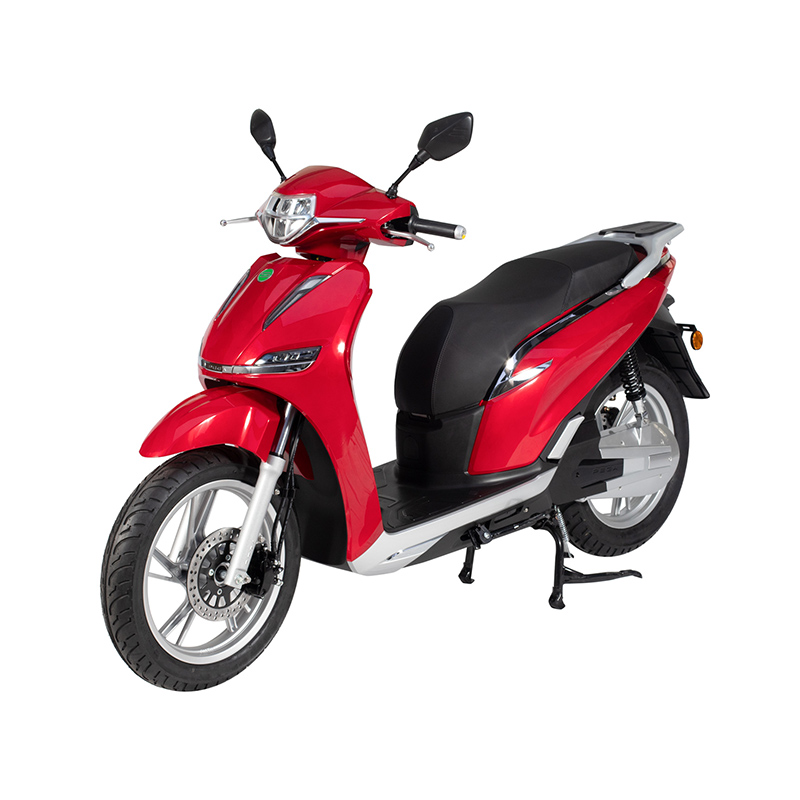
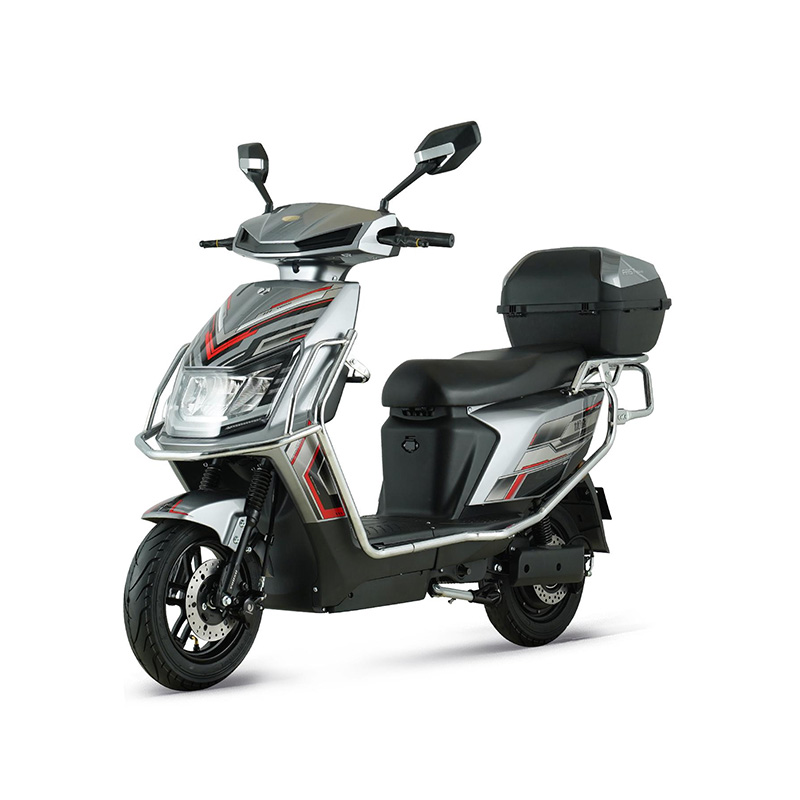
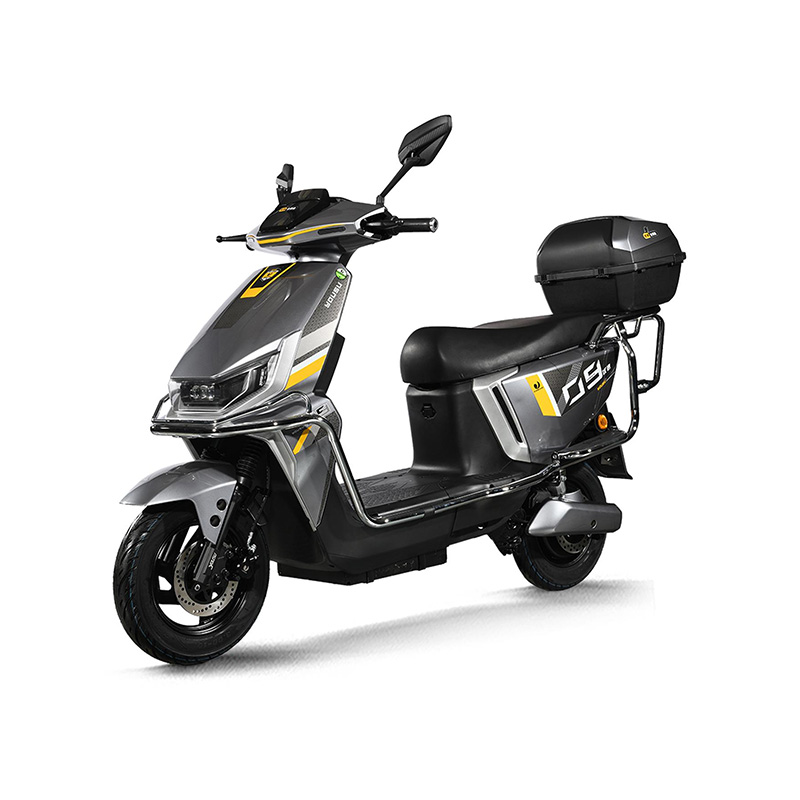
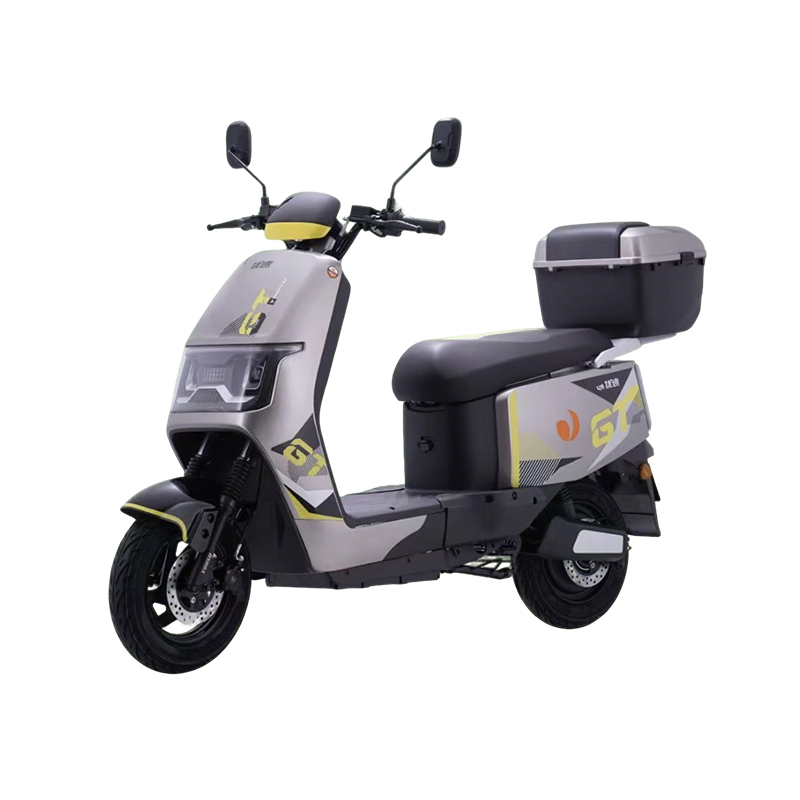

Modern electric motorcycles include a broad suite of advanced rider assistance systems (ARAS) that go well beyond what was standard even five years ago. At minimum, most current electric motorcycles offer ABS, traction control, and multiple riding modes; premium models add cornering ABS, lean-angle-sensitive traction control, wheelie control, hill-hold assist, drag-torque slip control, and bidirectional quickshifters. These systems work in concert to maximize both safety and performance, and their calibration on electric platforms benefits from the instant torque precision that electric motors uniquely provide.
Because electric motors can modulate torque output within milliseconds — far faster than a combustion engine can respond to throttle input — rider assistance systems on electric motorcycles are often more responsive and finely tuned than their ICE equivalents. This makes ARAS not just a safety layer, but a genuine performance advantage for riders of all skill levels.
ABS: The Non-Negotiable Safety Foundation
Anti-lock Braking System (ABS) is the most fundamental rider assistance feature, and it is now legally mandatory on all new motorcycles above 125cc in the European Union as of 2016. On electric motorcycles, ABS operates alongside regenerative braking, which adds a layer of complexity not present on ICE bikes. The ABS must account for the deceleration torque generated by the motor during regen braking, in addition to the mechanical braking force at the wheels.
High-end electric motorcycles such as the Energica Ego+ and Harley-Davidson LiveWire use Bosch Motorsport ABS units with inertial measurement unit (IMU) integration, allowing the system to modulate braking force based on lean angle in real time. This is known as cornering ABS, and it represents a significant safety upgrade over conventional single-axis ABS. In a panic stop mid-corner, conventional ABS can destabilize a leaned motorcycle; cornering ABS adjusts brake pressure per wheel while accounting for the current lean angle to maintain stability.
Some models also offer a supermoto ABS mode that disables rear ABS for riders who prefer to trail-brake or deliberately slide the rear wheel — a feature inherited from high-performance combustion sport bikes.
Traction Control: Standard and Lean-Angle Sensitive
Traction control systems (TCS) on electric motorcycles monitor rear wheel slip and intervene by reducing motor torque output when the rear tire loses grip. Because electric motors respond to torque reduction commands in under 10 milliseconds, electric motorcycle TCS can be significantly more precise than throttle-body-based TCS on combustion bikes, which typically respond in 50–100 milliseconds.
Basic traction control operates on a single axis — it simply measures speed differential between the front and rear wheels. Advanced IMU-based systems take this further by factoring in lean angle, pitch, and yaw to determine how much wheel slip is acceptable at a given cornering angle. For example, a motorcycle leaned at 40 degrees can safely tolerate less rear slip than one upright on a straight. Lean-angle-sensitive TCS adjusts this threshold dynamically, enabling more confident acceleration out of corners.
Most premium electric motorcycles offer multiple TCS sensitivity levels — typically three to eight — allowing experienced riders to permit more wheelspin for performance riding while retaining protection against sudden full loss of traction.
Riding Modes: Shaping the Entire Electronic Character
Riding modes on an electric motorcycle do more than adjust throttle response — they reconfigure the entire electronic profile of the bike simultaneously. A single mode selection typically adjusts:
- Maximum power output and torque delivery curve
- Regenerative braking intensity
- Traction control sensitivity level
- ABS intervention threshold
- Top speed limiter
The Zero SR/F, for instance, offers four standard modes — Eco, Street, Sport, and Custom — where Sport mode unlocks the full 110 hp and 190 Nm of torque, while Eco mode caps output to extend range by up to 20%. The Custom mode allows riders to individually tune each parameter, effectively creating a personalized riding profile stored on the motorcycle.
Some manufacturers go further with app-based mode creation. The Energica mobile app allows riders to define up to four fully custom riding profiles with granular control over each electronic parameter, downloadable directly to the motorcycle via Bluetooth. This level of customization was previously reserved for professional race teams with dedicated electronics engineers.
Wheelie Control and Drag-Torque Slip Control
Wheelie control (also called launch control on some platforms) uses the IMU's pitch sensor to detect when the front wheel is rising beyond a set angle. The system then reduces rear motor torque to bring the front wheel back down, allowing maximum acceleration without losing control. On electric motorcycles with instantaneous peak torque — the LiveWire delivers 116 Nm from 0 rpm — wheelie control is particularly important, as even experienced riders can be caught off guard by the immediate power delivery.
Drag-torque slip control (DTSC) addresses the opposite scenario: excessive engine braking on corner entry. On electric motorcycles with aggressive regenerative braking settings, high regen on a slippery surface while leaned over can lock the rear wheel just as dangerously as overcooking the brakes. DTSC monitors rear wheel deceleration rate and lean angle, reducing regen intensity automatically if slip is detected. This feature is especially relevant in wet conditions or when a rider transitions from dry to damp road mid-corner.
Hill-Hold Assist and Reverse Gear
Hill-hold assist briefly maintains braking pressure after the rider releases the brake lever on an incline, preventing rollback during the transition from brake to throttle. While straightforward in function, this system is highly practical for daily urban riding — particularly relevant on heavier electric motorcycles, where a 250+ kg machine rolling backward on a steep gradient presents a real control challenge.
Electric motorcycles also have a unique practical advantage here: most offer a dedicated reverse function, using the motor's ability to spin in either direction. Models like the BMW CE 04 and Energica range include a low-speed reverse mode, making tight parking maneuvers in urban environments significantly easier than on any combustion motorcycle.
Cornering Lights and Adaptive Headlights
An increasingly common ARAS feature on premium electric motorcycles is IMU-linked adaptive lighting. Using the same lean-angle data that feeds the cornering ABS and TCS systems, adaptive headlights pivot the beam in the direction of a corner to illuminate the road ahead rather than pointing straight when the bike is leaned over. Research by the Insurance Institute for Highway Safety (IIHS) found that cornering headlights reduced nighttime curve crashes by approximately 20% compared to fixed-beam systems.
This feature, long available on premium ICE motorcycles like the BMW R 1250 GS, is now appearing on electric platforms including the LiveWire S2 Del Mar and top-tier Energica models, integrated seamlessly into the same IMU network used by other safety systems.
ARAS Feature Comparison Across Key Electric Motorcycle Models
|
Table 1: Advanced rider assistance systems available across leading electric motorcycle models |
||||
|
Feature |
Energica Ego+ |
LiveWire One |
Zero SR/F |
BMW CE 04 |
|
Cornering ABS |
Yes |
Yes |
No |
Yes |
|
Lean-Angle TCS |
Yes |
Yes |
No |
Yes |
|
Wheelie Control |
Yes |
Yes |
No |
No |
|
Drag-Torque Slip Control |
Yes |
Yes |
No |
No |
|
Hill-Hold Assist |
Yes |
Yes |
Yes |
Yes |
|
Reverse Mode |
Yes |
No |
No |
Yes |
|
Custom Riding Modes |
Yes |
Yes |
Yes |
Yes |
Connectivity and Smart Safety Features
Beyond mechanical and electronic rider aids, modern electric motorcycles increasingly integrate smart connectivity features that extend safety and situational awareness:
- Automatic crash detection:IMU-based systems detect a sudden impact or fall and can trigger an emergency alert via a connected app, notifying predefined contacts with GPS coordinates.
- Geofencing and speed alerts:Owners can define geographic zones or speed thresholds via app, receiving notifications if the motorcycle is ridden outside these parameters — useful for fleet management or shared ownership scenarios.
- Real-time diagnostics:Battery health, motor temperature, and system fault codes are transmitted to the companion app, allowing riders to address issues before they become failures.
- OTA safety updates:Manufacturers can push firmware updates that refine ABS calibration, TCS sensitivity maps, or fix software vulnerabilities without requiring a dealer visit.
The LiveWire platform, for example, uses an always-connected LTE module that enables remote diagnostics and over-the-air updates deployable within minutes. Harley-Davidson has used this capability to push TCS refinements and new riding mode profiles post-launch, meaning the motorcycle's electronic capabilities can improve over its ownership lifetime — a paradigm shift from traditional motorcycle development.
What to Prioritize When Evaluating ARAS on an Electric Motorcycle
Not all rider assistance systems deliver equal value for every use case. When assessing the ARAS package on a specific electric motorcycle, consider the following criteria based on your riding profile:
- Urban commutersshould prioritize hill-hold assist, reverse mode, and multiple TCS sensitivity levels for variable surface conditions.
- Sport and performance ridersshould look for cornering ABS, lean-angle TCS, wheelie control, and DTSC — features that directly enable faster, safer riding at the limit.
- Touring ridersbenefit most from adaptive cruise control (emerging on some platforms), crash detection, GPS integration, and OTA update capability for long-term reliability.
- New or returning ridersshould ensure the motorcycle offers a beginner-friendly mode that meaningfully caps power output and increases TCS intervention — not just a cosmetic label change.
The gap between entry-level and premium ARAS packages on electric motorcycles is substantial. Spending an additional €2,000–€4,000 on a model with full IMU-based electronics versus basic ABS-only protection can represent one of the highest-value safety investments a rider makes — particularly given that corner-entry crashes are among the most common and severe accident types in motorcycle riding.
 Previous