


 English
 Español
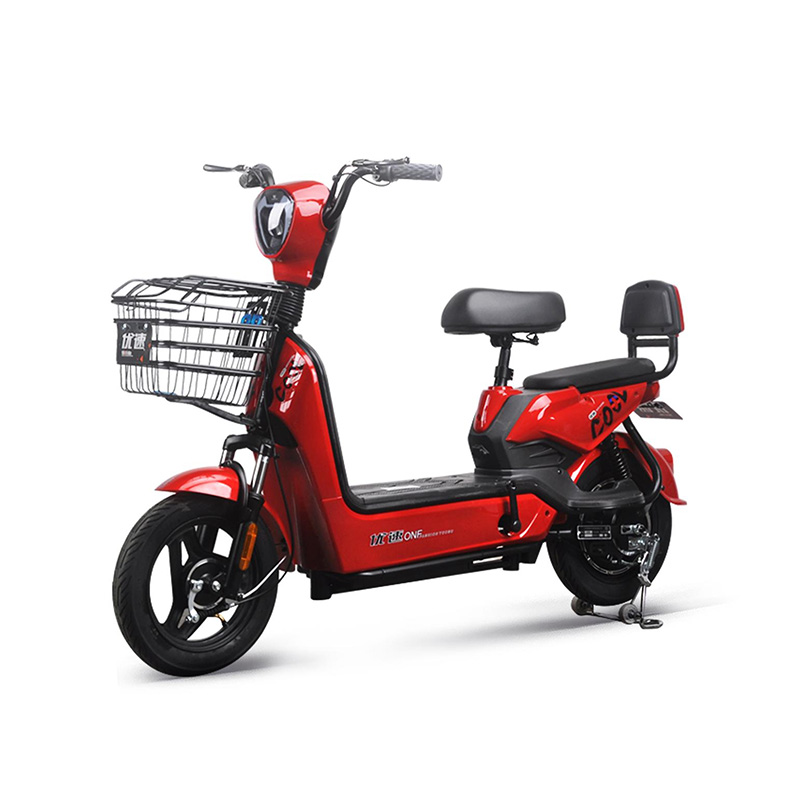
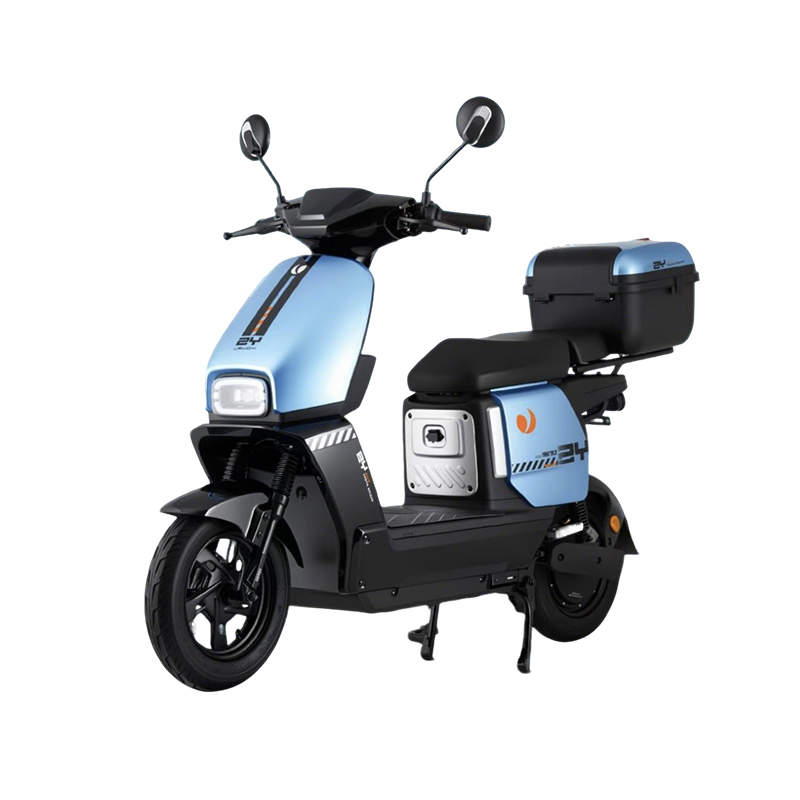
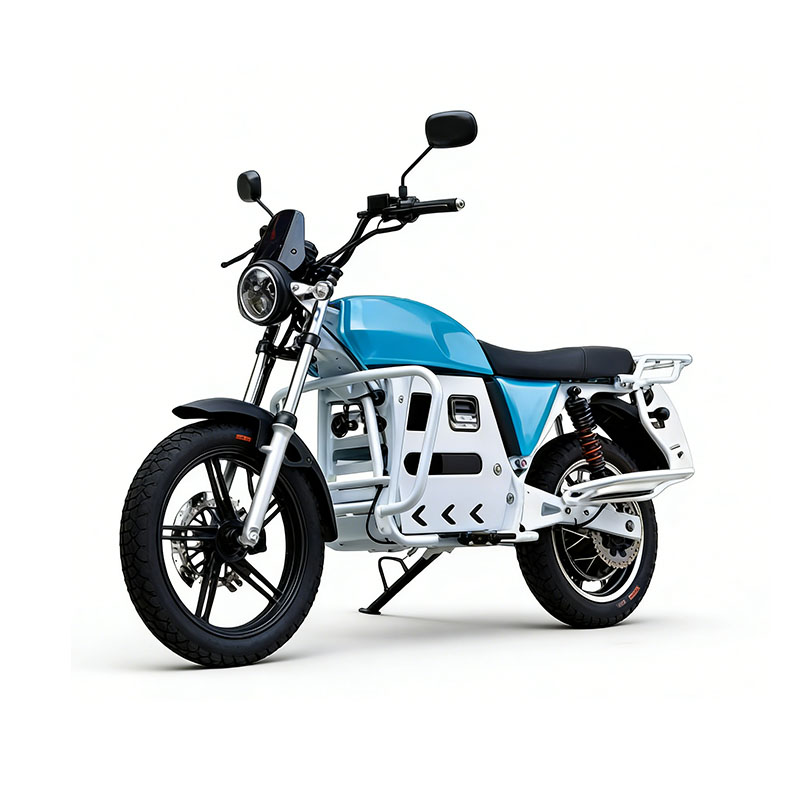
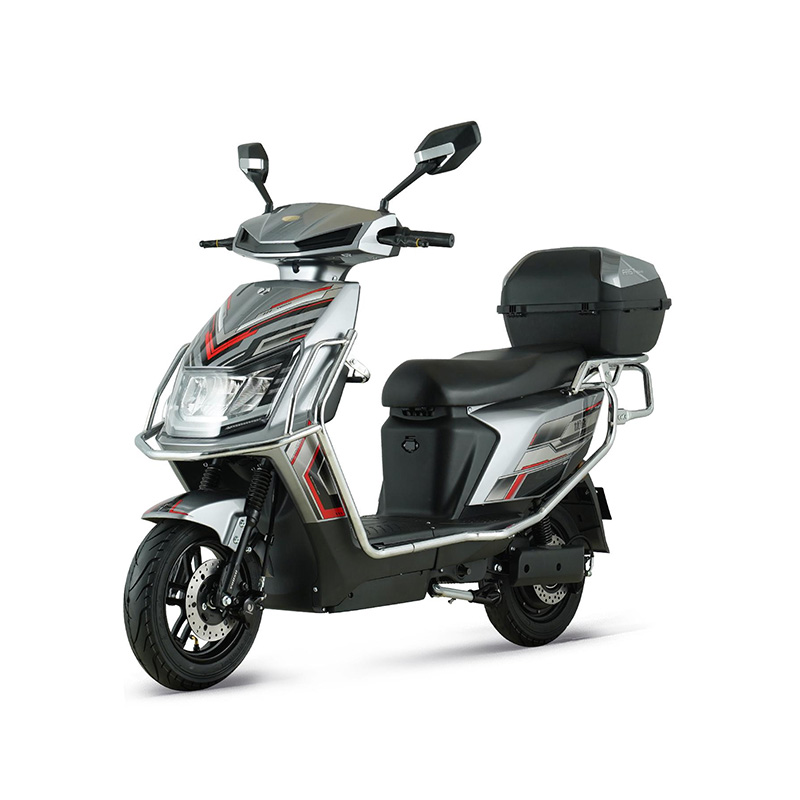
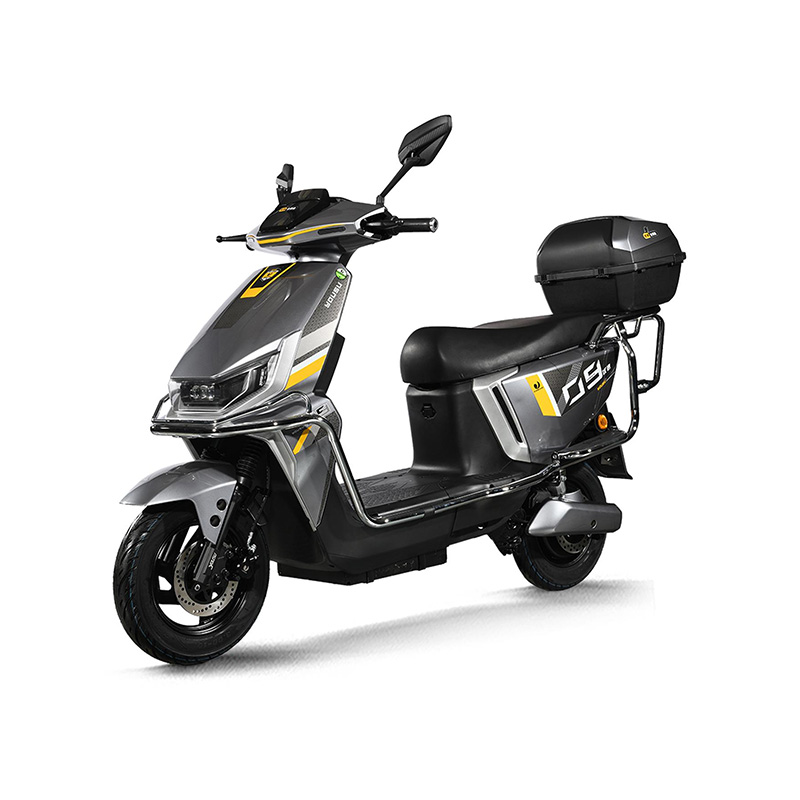
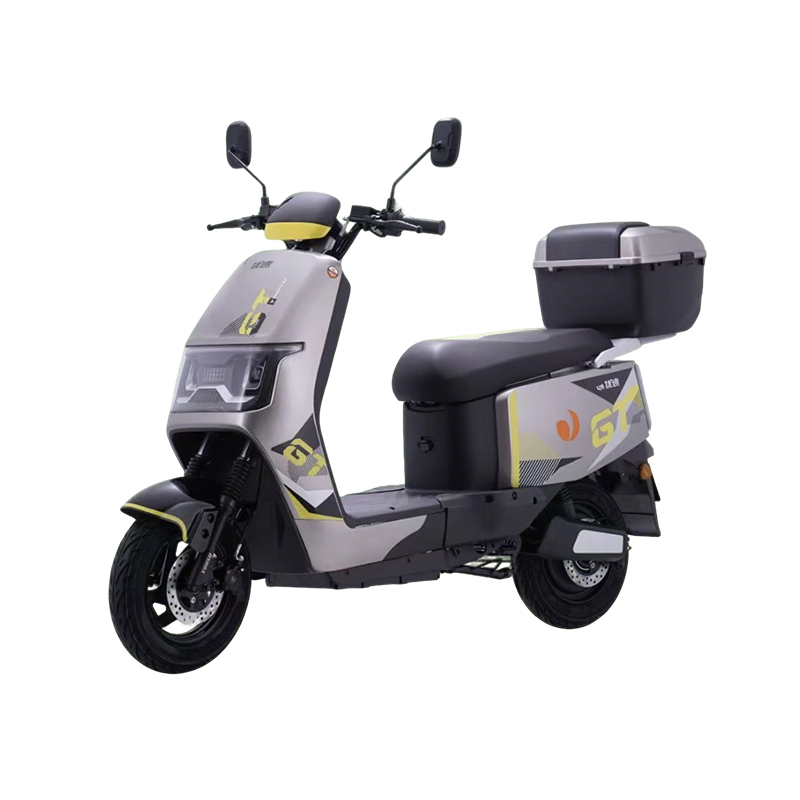

Electric motorcycles handle thermal management through a combination of active liquid cooling, passive heat dissipation, and intelligent battery management systems (BMS). Most modern electric motorcycles can sustain safe operating temperatures between -20°C and 45°C ambient, though performance degradation begins at the extremes. During sustained high-speed riding or fast charging, the thermal system works continuously to keep the battery cells below a critical threshold — typically 45°C for optimal longevity and under 60°C for safe operation.
Unlike combustion engines where heat is a byproduct of fuel ignition, electric powertrains generate heat primarily through electrical resistance in the motor windings, inverter switching losses, and internal resistance within battery cells. Without proper thermal management, these heat sources can cause irreversible capacity loss, reduced range, and in worst-case scenarios, thermal runaway.
Why Thermal Management Matters More Than Most Riders Think
Battery chemistry is highly temperature-sensitive. Lithium-ion cells — the dominant chemistry in electric motorcycles — operate most efficiently between 15°C and 35°C. Outside this window, both performance and longevity degrade measurably:
- At 0°C, usable battery capacity can drop by 20–30% due to increased internal resistance.
- At 50°C+, accelerated electrolyte decomposition permanently reduces cell capacity with each cycle.
- Thermal runaway — a dangerous chain reaction — can begin above 70–80°C in unmanaged cells.
The motor faces a parallel challenge. Permanent magnet motors, common in electric motorcycles, experience magnet demagnetization at sustained temperatures above 120°C, while stator windings can fail if insulation degrades beyond 155°C (Class F insulation rating). This is why thermal management isn't just a comfort feature — it is fundamental to reliability, safety, and long-term value.
Battery Thermal Management: Active vs Passive Systems
Electric motorcycles use two broad categories of battery thermal management, and the approach taken has a direct impact on real-world performance in hot or cold climates.
Passive Air Cooling
Entry-level and mid-range electric motorcycles often rely on passive air cooling, where heat dissipates through the battery casing into ambient air via fins or exposed surfaces. This approach is lightweight and low-cost but has significant limitations. At ambient temperatures above 35°C or during DC fast charging above 10 kW, passive systems frequently trigger thermal throttling — a protective BMS response that limits power input or output to prevent overheating. Riders may notice reduced acceleration or a charging speed cap during hot weather, which is the system working as designed.
Active Liquid Cooling
Premium electric motorcycles — such as the Zero SR/F, Energica Ego, and Harley-Davidson LiveWire — use liquid-cooled battery packs. A glycol-water coolant loop circulates through channels between cell modules, transferring heat to a radiator. Liquid cooling can maintain cell temperatures within a 5°C variance across the entire pack, even during sustained 150+ km/h riding or 50 kW DC fast charging sessions. This thermal uniformity also reduces cell degradation rates significantly — studies suggest up to 30% longer battery life in liquid-cooled systems versus passive equivalents under similar usage profiles.
Motor and Inverter Cooling During High-Speed Riding
Sustained high-speed riding — particularly above 120 km/h on a highway — places continuous load on the motor and inverter, generating substantial heat through copper and iron losses. How a motorcycle manages this heat directly determines whether it can maintain full power output over long distances.
Most performance-oriented electric motorcycles use water-jacketed motors, where coolant channels are integrated directly around the stator housing. The Energica Eva Ribelle, for example, uses a shared liquid cooling loop for both the motor and the battery, maintaining motor temperatures below 90°C even during track sessions. In contrast, air-cooled motors on motorcycles like the original Zero S rely on airflow from riding speed — meaning thermal performance degrades in stop-and-go traffic where natural airflow is minimal.
The inverter — which converts DC battery power to AC for the motor — is another critical heat source. Silicon carbide (SiC) inverters, increasingly common in newer models, switch more efficiently than traditional silicon IGBTs, generating up to 40% less heat at equivalent power levels. This technological shift has meaningfully reduced the thermal burden on the entire drivetrain.
Thermal Behavior During Fast Charging in Extreme Temperatures
Fast charging is the most thermally aggressive scenario an electric motorcycle battery faces. During a 50 kW DC session, a battery pack can generate as much heat in 30 minutes as it would during a full hour of aggressive riding. The BMS plays a critical role here, dynamically adjusting the charge rate based on real-time temperature feedback from sensors distributed across the cell modules.
| Ambient Temperature | BMS Response | Charge Speed Impact |
|---|---|---|
| Below -10°C | Battery pre-heating activated | Charging delayed or limited to ~10% |
| -10°C to 15°C | Reduced charge current | 20–40% slower than peak |
| 15°C to 35°C | Full charge rate allowed | Maximum rated speed |
| 35°C to 45°C | Active cooling intensified | Modest reduction (~10–15%) |
| Above 45°C | Thermal throttling or charge pause | Up to 50% reduction or halt |
Some manufacturers incorporate a battery pre-conditioning feature — accessible via the companion app — that brings the battery to optimal temperature before a scheduled fast charge session. This is particularly valuable in winter conditions where lithium plating (a form of irreversible cell damage) can occur if high current is pushed into a cold battery.
Real-World Thermal Throttling: What Riders Actually Experience
Thermal throttling is the most tangible way riders encounter thermal management limitations. It manifests as a gradual or sudden reduction in available power — sometimes as much as 30–50% of peak output — triggered automatically by the BMS when battery or motor temperatures exceed safe thresholds.
Common real-world scenarios where throttling occurs include:
- Extended highway cruising at above 130 km/h for 45+ minutes in 40°C ambient heat
- Multiple consecutive fast-charge sessions without cooling intervals
- Track-day use with sustained wide-open throttle acceleration cycles
- Slow urban traffic in summer where ram-air cooling is absent and stop-start riding generates repetitive motor heat spikes
Riders on air-cooled platforms report throttling more frequently than those on liquid-cooled systems. Zero Motorcycles riders, for instance, have documented power reduction events during summer track days, while Energica owners report significantly fewer incidents under equivalent conditions — a direct reflection of liquid cooling's superiority in sustained-load scenarios.
Practical Tips for Riders to Support Thermal Management
While the onboard systems handle thermal management autonomously, rider behavior can meaningfully influence how hard those systems have to work:
- Avoid back-to-back fast charges without a 15–20 minute rest period in hot weather to allow residual heat to dissipate.
- Use eco or city riding modes in slow traffic — these modes reduce peak current draw, lowering heat generation in both the battery and motor.
- Park in shade before charging in summer — a battery that enters a charge session at 38°C instead of 45°C reaches full speed much faster.
- Pre-condition the battery via the mobile app in winter, particularly before fast charging or demanding rides.
- Monitor temperature readouts on the dashboard or app — many modern electric motorcycles expose battery and motor temperature data in real time.
How Leading Models Compare on Thermal Architecture
| Model | Battery Cooling | Motor Cooling | Max DC Charge Rate |
|---|---|---|---|
| Energica Ego+ | Liquid (shared loop) | Liquid | 22 kW |
| Harley-Davidson LiveWire | Liquid | Liquid | 19.2 kW |
| Zero SR/F | Air (passive) | Air (passive) | 12.5 kW |
| BMW CE 04 | Air (passive) | Air (passive) | 6.9 kW |
| Kawasaki Ninja e-1 | Air (passive) | Air (passive) | 3.0 kW |
The correlation is clear: models supporting higher DC charge rates universally adopt liquid cooling, because passive systems simply cannot reject heat fast enough at elevated charge currents. As charge speeds continue to climb toward 100 kW targets in next-generation designs, liquid or even refrigerant-based thermal systems will become the industry standard rather than the premium exception.
 Previous