


 English
 Español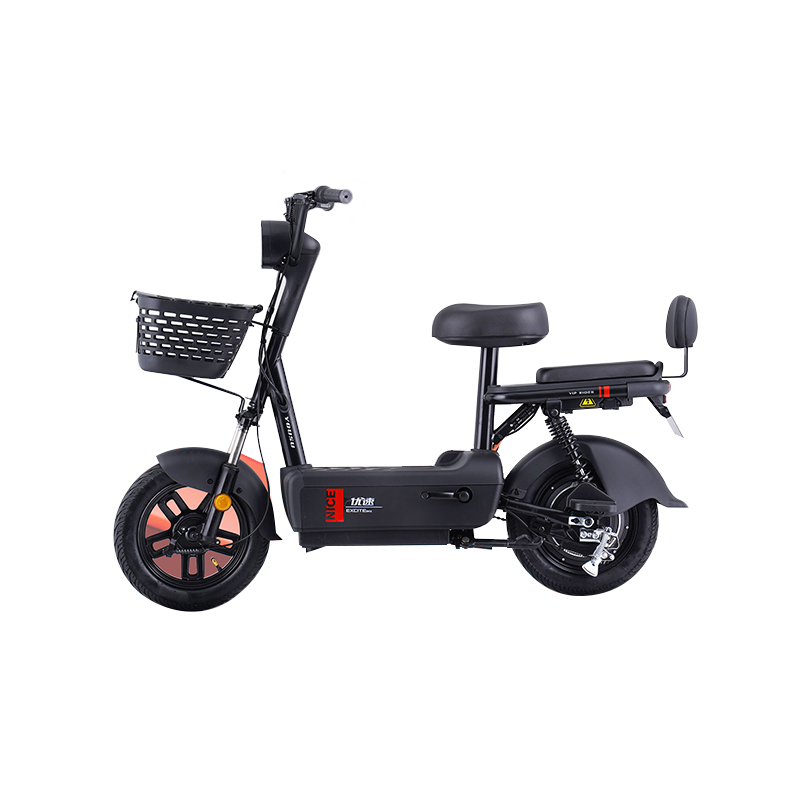
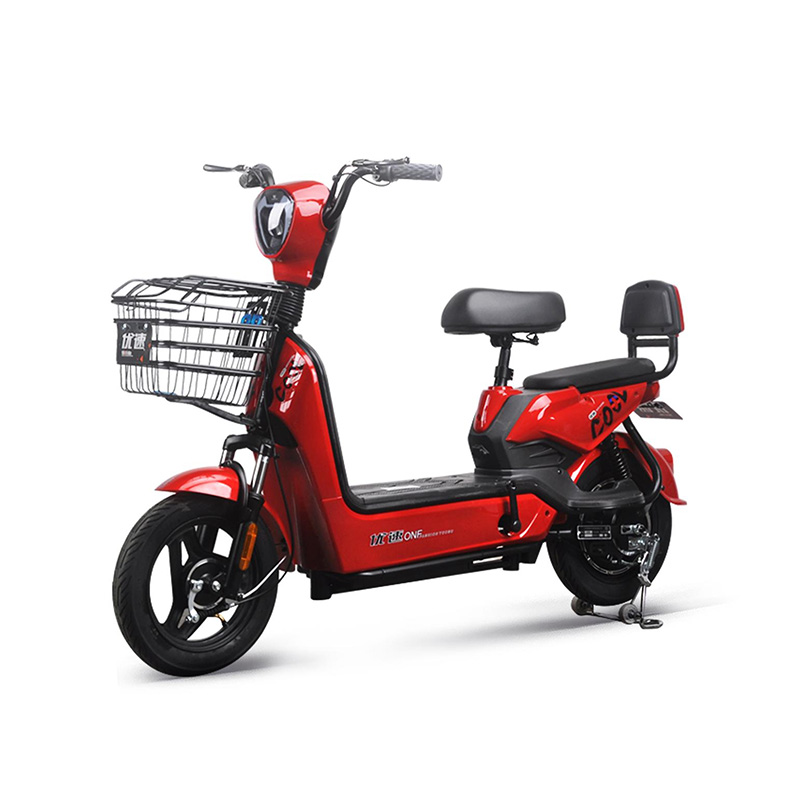
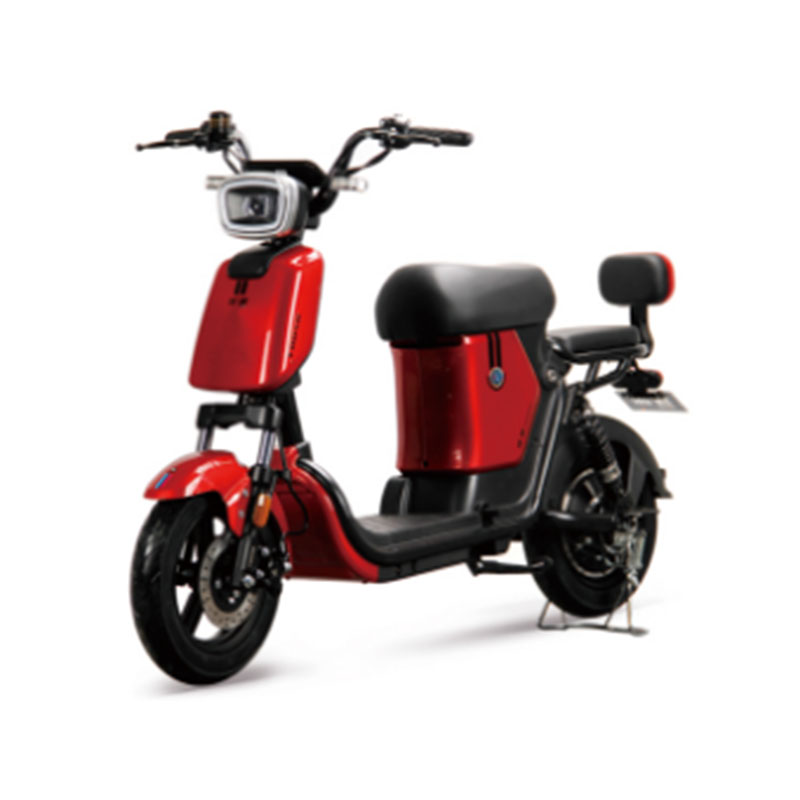
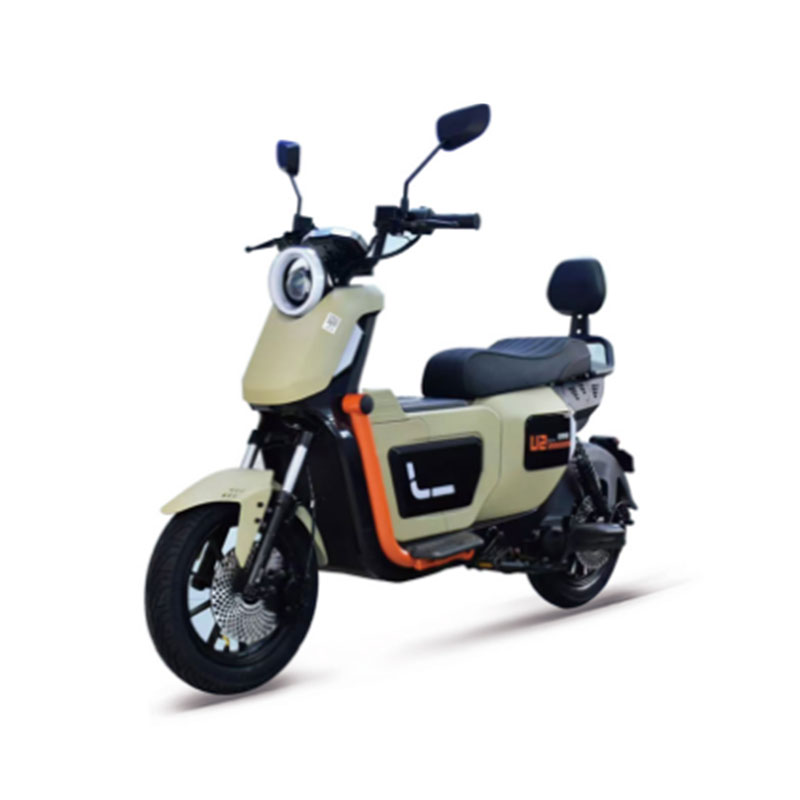
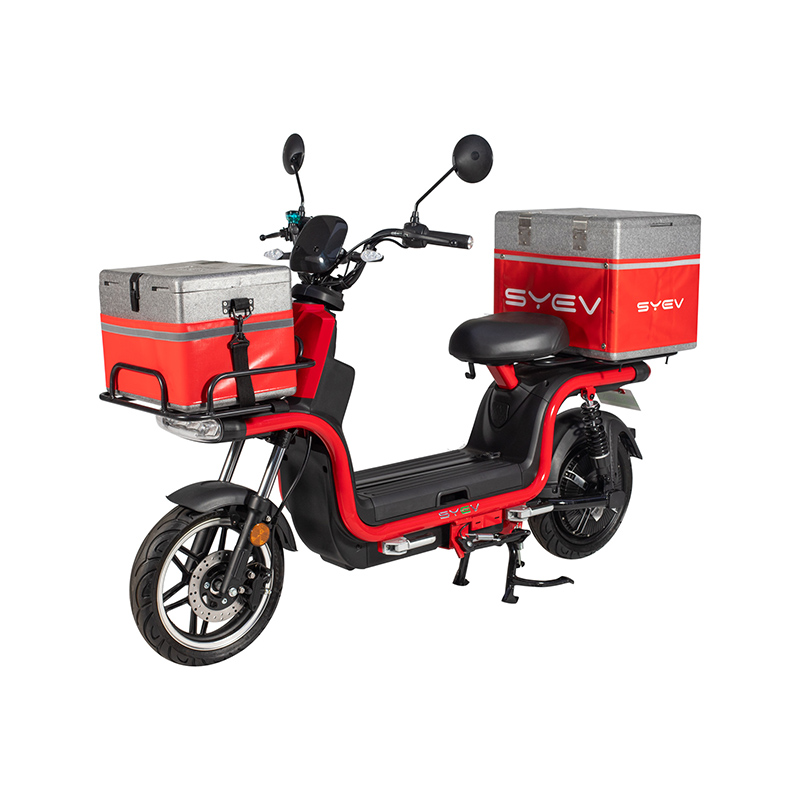
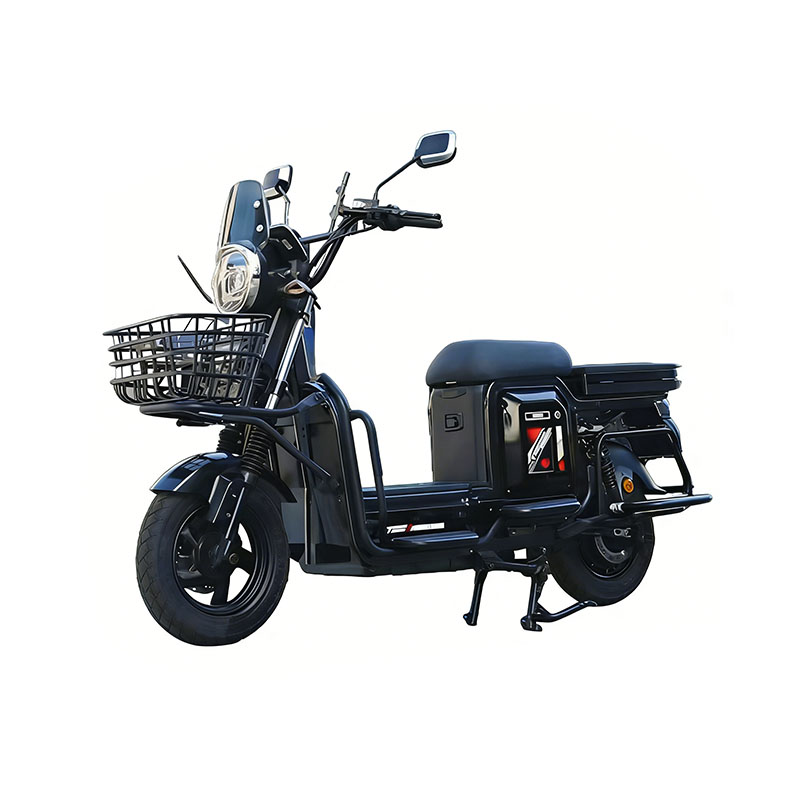
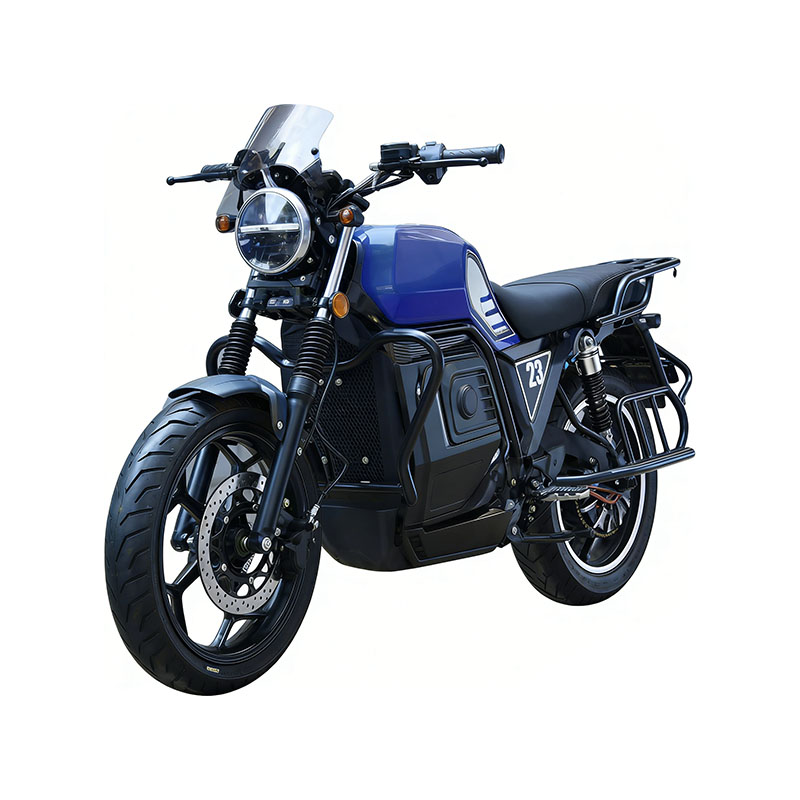
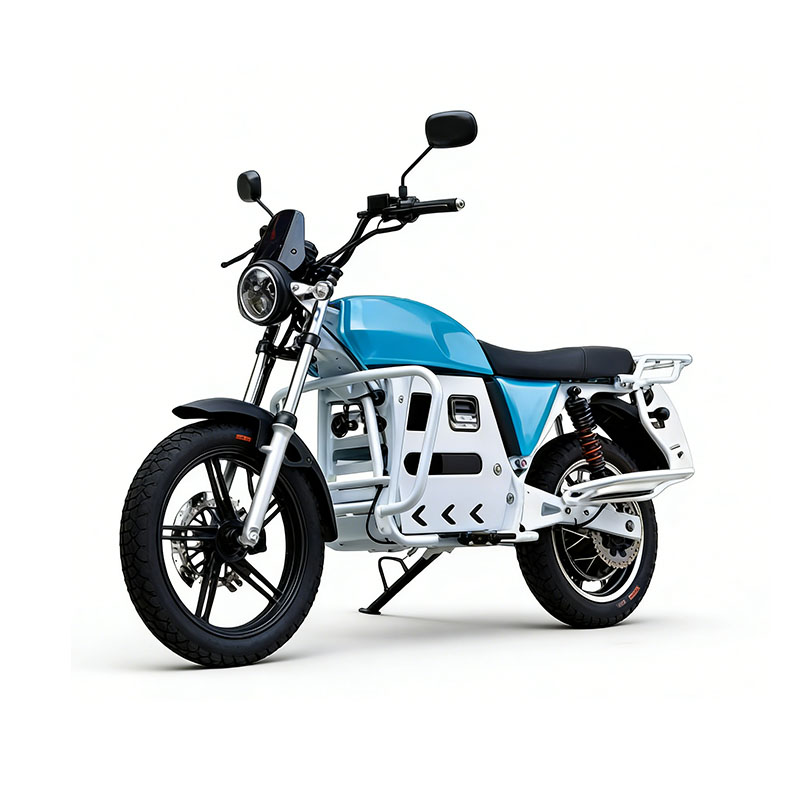
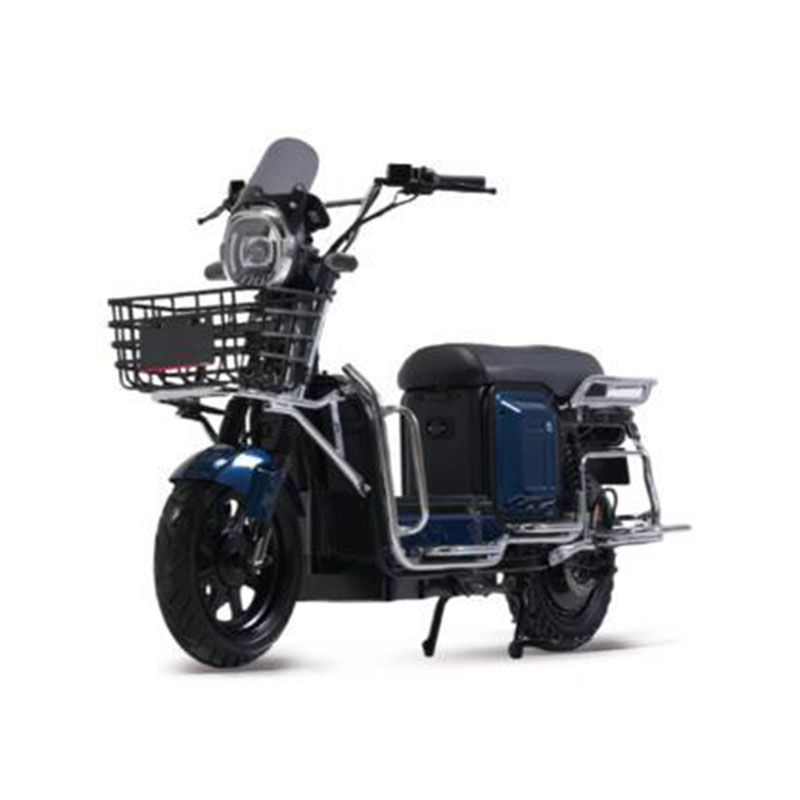
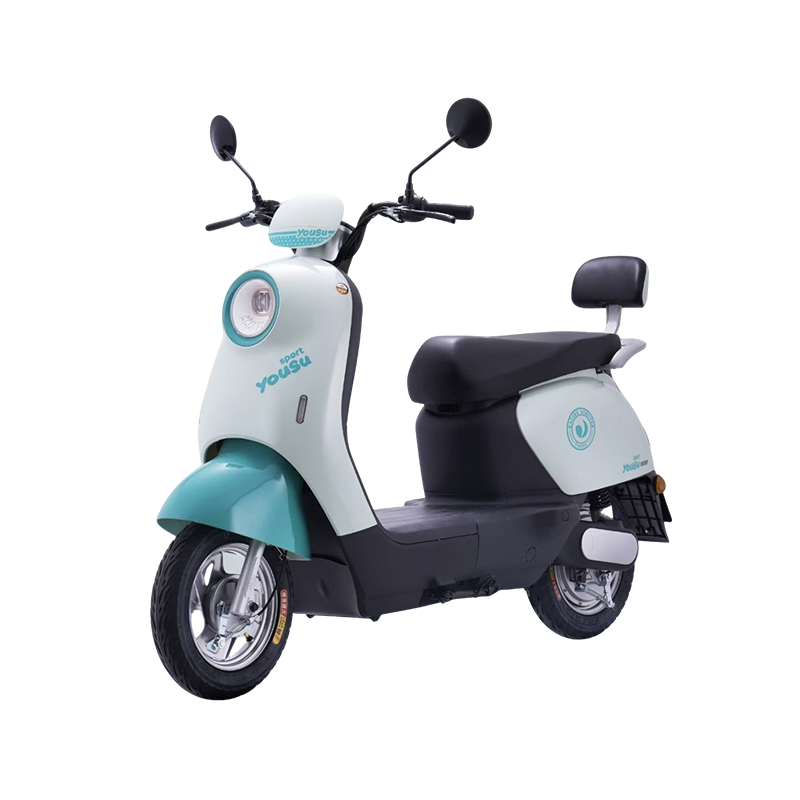
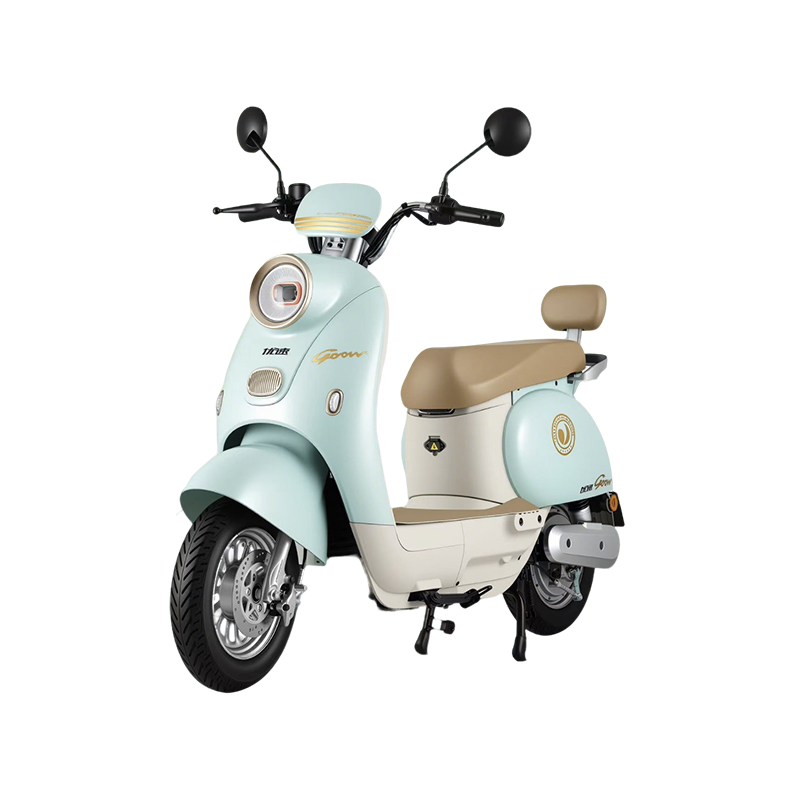
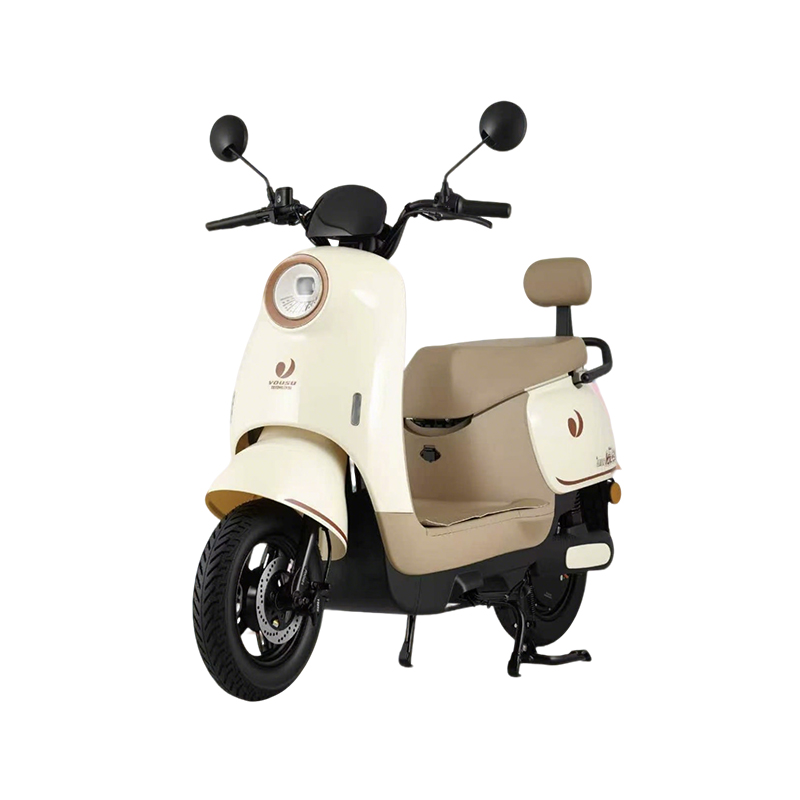
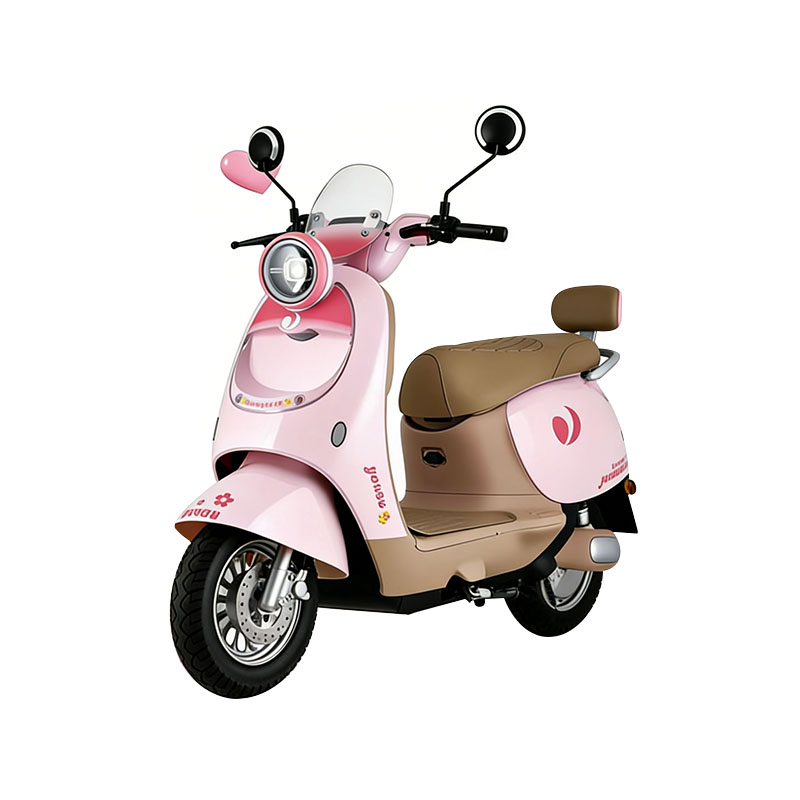
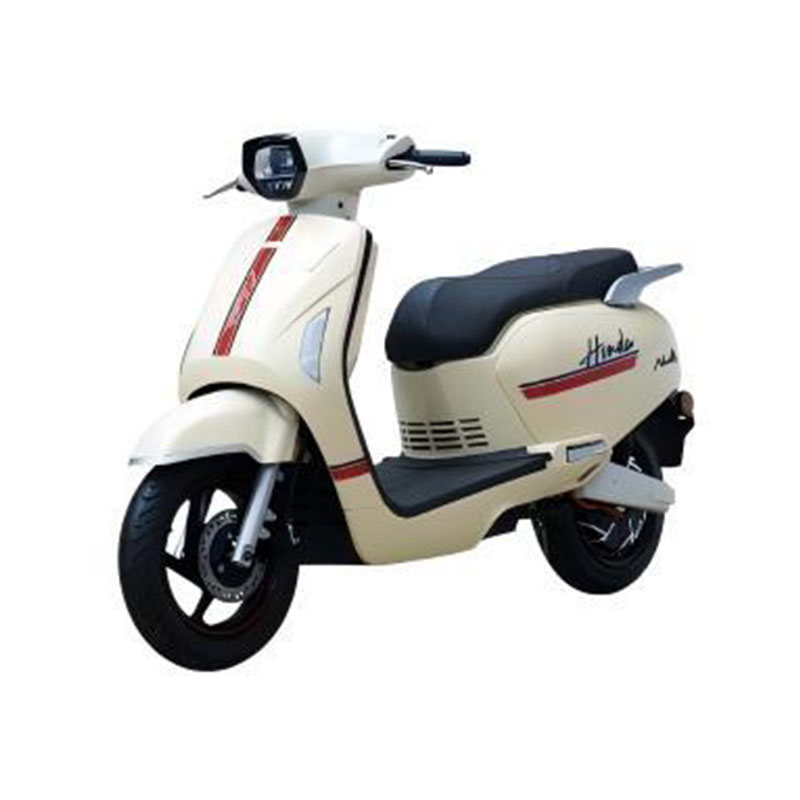
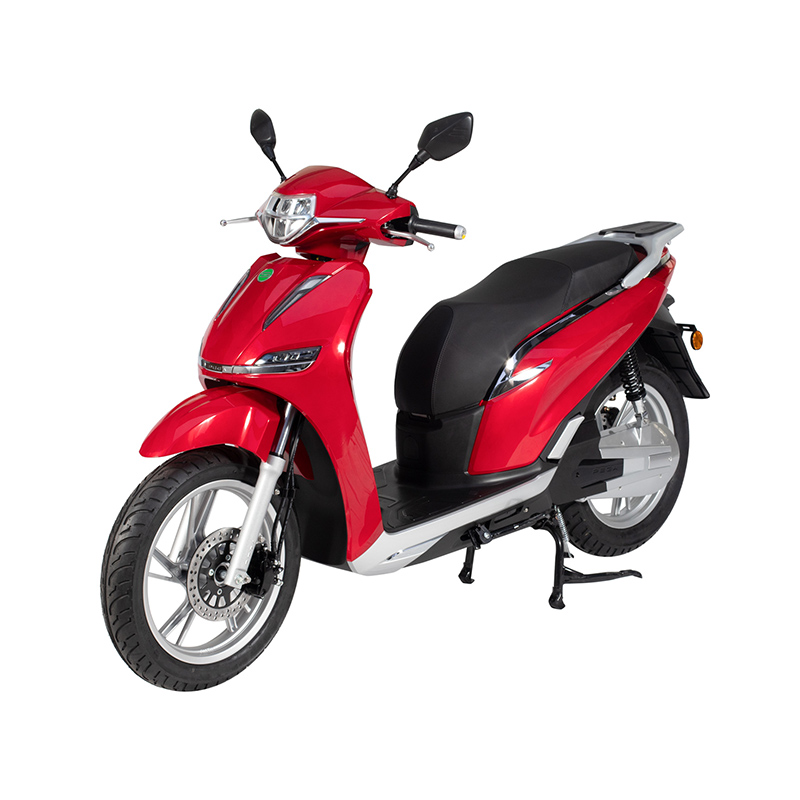
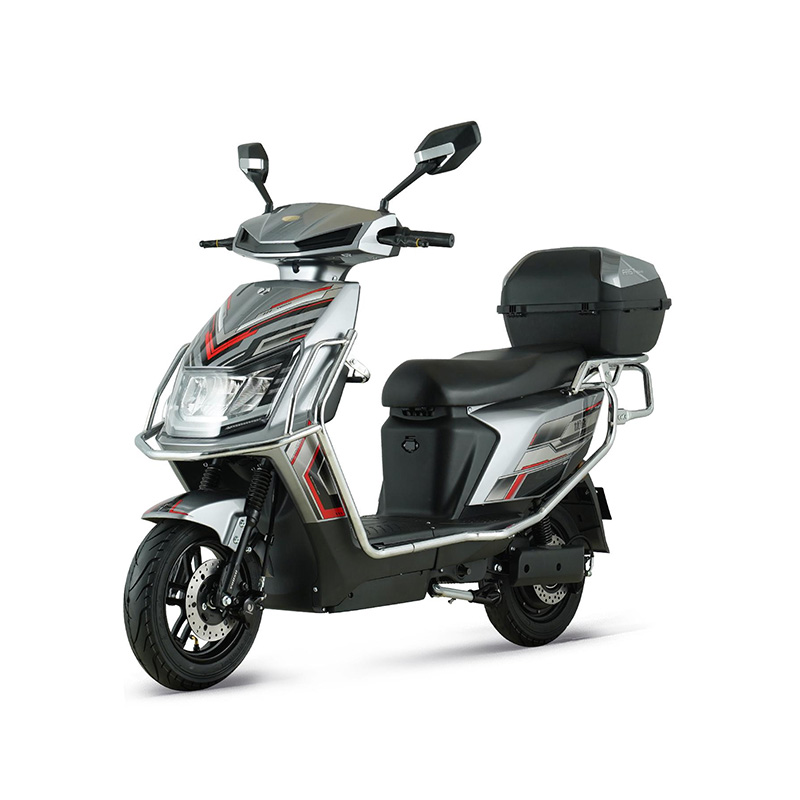
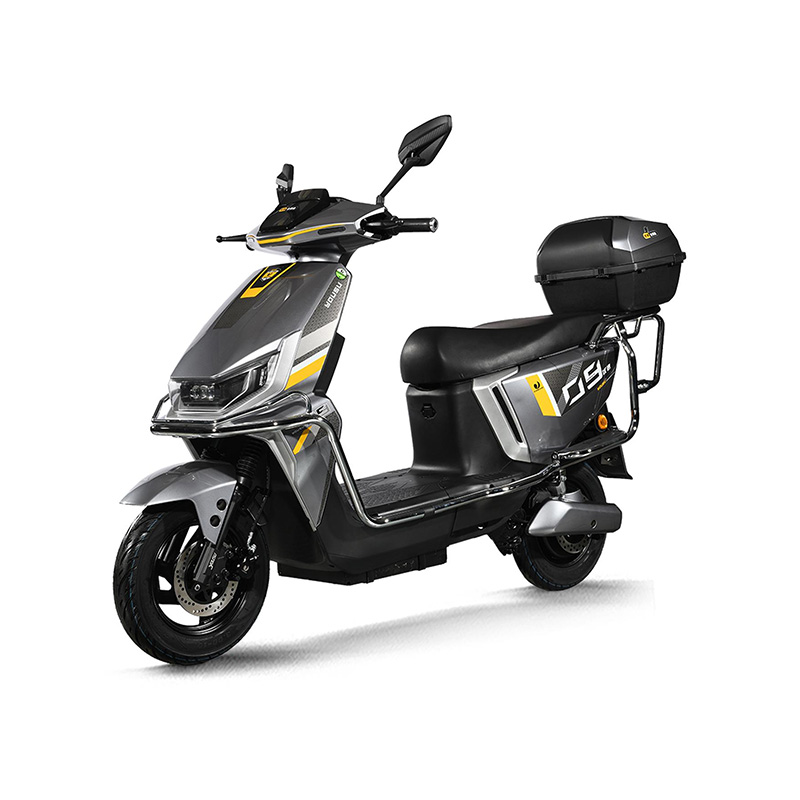
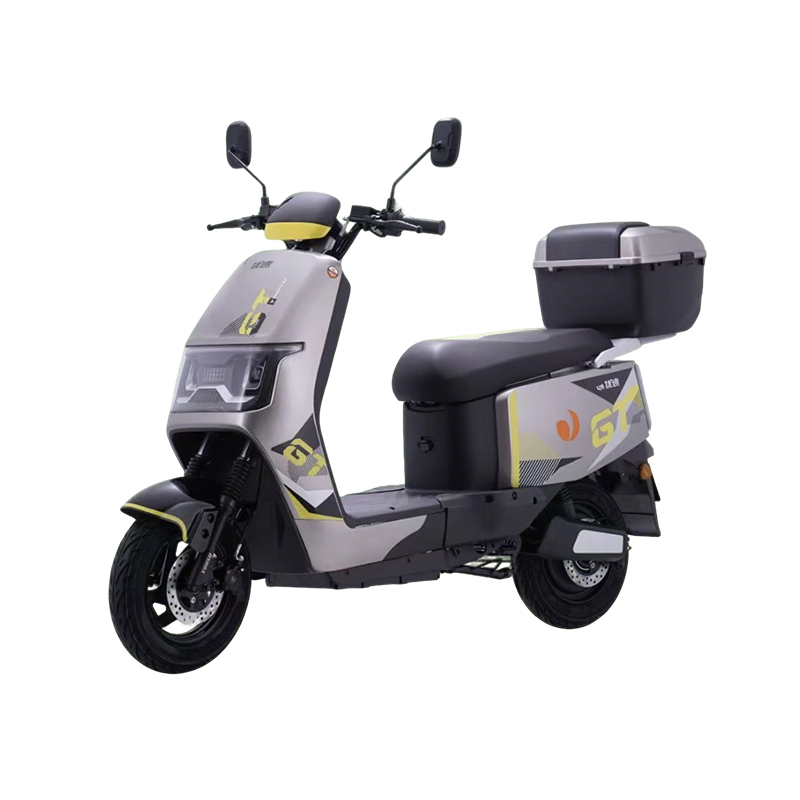

The modularity of a light electric bicycle varies significantly by brand and model, but the best designs on the market today allow riders to independently replace or upgrade the battery, motor, display unit, and drivetrain components without replacing the entire bike. In practical terms, a highly modular light electric bicycle can extend its useful lifespan to 7–10 years, compared to just 3–5 years for a non-modular counterpart. If you are evaluating a light electric bicycle for long-term use, modularity is one of the most important — and most overlooked — specifications to investigate.
What Modularity Actually Means in a Light Electric Bicycle
Modularity in a light electric bicycle refers to how independently each major component can be removed, replaced, or upgraded without affecting the rest of the system. A truly modular design treats the battery, motor, controller, display, and mechanical parts as discrete units with standardized interfaces.
This contrasts with integrated designs, where components are embedded into the frame or wired together in proprietary ways that make individual replacement difficult or impossible without specialized tools and manufacturer support.
Modular light electric bicycles typically feature:
- Externally removable batteries with standardized connectors
- Swappable hub or mid-drive motors compatible with common frame standards
- Universal display mounts using standard handlebar diameters (typically 22.2mm or 31.8mm)
- Open or semi-open firmware that allows controller tuning
- Standard mechanical interfaces such as standard bottom bracket threading and derailleur hanger designs
Battery Modularity: The Most Critical Upgrade Point
The battery is the single most expensive and time-sensitive component in any light electric bicycle. Lithium-ion cells degrade over time, typically retaining around 70–80% of original capacity after 500–800 full charge cycles. For a rider commuting 20 km daily, this means noticeable degradation within 3–4 years.
A modular light electric bicycle allows you to purchase a replacement battery — or a higher-capacity upgrade — without replacing the entire bike. For example, brands like Bosch, Shimano STEPS, and Fazua design their battery systems with tool-free removal, enabling riders to:
- Carry a second battery for extended range on long rides
- Charge indoors without moving the entire bike
- Upgrade from a 400Wh to a 625Wh battery as needs evolve
- Replace a degraded battery at a fraction of the cost of a new bike
In contrast, some budget-oriented light electric bicycles use internally fixed batteries that are soldered or bolted deep within the frame. Replacing these can cost as much as 60–80% of the original bike price in labor and parts — making modularity a genuine financial consideration.
Motor Upgradeability: Hub Drive vs. Mid-Drive Considerations
Motor modularity on a light electric bicycle depends heavily on the drive system architecture chosen by the manufacturer.
Hub-Drive Motors
Rear or front hub motors are generally more modular. They mount to standard dropout widths — typically 135mm or 142mm for the rear — meaning a compatible replacement motor can often be sourced from multiple manufacturers. This gives riders more flexibility in choosing a replacement or upgrading to a more powerful unit.
Mid-Drive Motors
Mid-drive motors are typically proprietary to the manufacturer's ecosystem. A Bosch Performance Line motor, for instance, requires a Bosch-compatible frame and cannot be swapped for a Shimano or Brose unit. While mid-drive motors offer superior weight distribution and climbing efficiency, their modularity is limited to same-brand upgrades within the same motor generation.
For riders prioritizing long-term flexibility, a light electric bicycle with a hub-drive motor and a modular battery system offers the widest range of future upgrade options.
Display and Connectivity Modules
Many modern light electric bicycle models feature detachable display units that connect via standardized data protocols such as CAN bus or UART. These displays can often be upgraded independently as software features improve or hardware becomes outdated.
Some manufacturers, such as Specialized with its Mission Control app ecosystem, allow the display to be replaced with a smartphone mount, effectively turning any paired phone into the bike's control interface. This level of modularity means the light electric bicycle's user interface can evolve without hardware investment.
Key display modularity features to look for include:
- Tool-free mounting and removal from the handlebar
- Bluetooth or ANT+ connectivity for third-party sensor integration
- Over-the-air (OTA) firmware updates to extend display functionality
- Compatibility with multiple motor generations within the same brand
Mechanical Component Modularity
Beyond the electrical system, a well-designed light electric bicycle should also support easy replacement of mechanical components. This includes the drivetrain, brakes, wheels, and handlebar setup.
The following table summarizes the modularity level of key mechanical components across typical light electric bicycle tiers:
| Component | Entry-Level eBike | Mid-Range eBike | Premium eBike |
|---|---|---|---|
| Battery | Fixed / Proprietary | Removable | Hot-Swappable |
| Motor | Non-swappable | Brand-ecosystem only | Brand-ecosystem only |
| Display | Integrated / Fixed | Detachable | Detachable + App |
| Brakes | Standard compatible | Standard compatible | Standard compatible |
| Drivetrain | Standard compatible | Standard compatible | Standard compatible |
| Tires | Standard compatible | Standard compatible | Standard compatible |
As the table shows, mechanical components such as brakes, tires, and drivetrains are almost universally modular across all price tiers because they follow industry-standard sizing conventions. The biggest modularity gap between entry-level and premium light electric bicycles lies in the electrical system — particularly the battery and display.
How Modularity Affects the Total Cost of Ownership
The financial impact of modularity becomes clear when calculating the total cost of ownership over five years. Consider a rider who purchases a light electric bicycle for €1,800 and rides it daily:
- Non-modular scenario: Battery degrades after year 3. Replacement is either impossible or costs €600–€900. Rider may purchase a new bike — total spend over 5 years: €3,200+
- Modular scenario: Battery is replaced for €300–€450 in year 3. Motor and display remain functional. Total spend over 5 years: €2,200–€2,350
The modular light electric bicycle saves the rider €850–€1,000 over a five-year period while also generating less electronic waste — an increasingly important factor for environmentally conscious consumers.
Questions to Ask Before Buying a Light Electric Bicycle for Modularity
Before committing to a purchase, use the following checklist to assess how modular a specific light electric bicycle truly is:
- Can the battery be removed without tools, and is a higher-capacity version available from the same brand?
- Is the motor compatible with replacement units from other manufacturers, or is it locked to the brand's ecosystem?
- Does the display support OTA firmware updates, and can it be replaced separately from the motor system?
- Are spare parts — including proprietary connectors and controllers — available for purchase independently?
- What is the manufacturer's stated parts availability commitment, and for how many years do they guarantee component supply?
- Does the warranty cover component-level repairs, or does it require full unit replacement?
A manufacturer that answers these questions transparently is far more likely to produce a genuinely modular light electric bicycle than one that bundles every specification into vague marketing language.
 Previous