


 English
 Español

E-MOBILITY FIELD GUIDE
What Is an Electric Bicycle? A Practical Guide for Riders and Buyers
An electric bicycle is a pedal-driven bicycle with a battery, motor and controller that adds assistance; the useful answer is technical, legal and commercial, not just a description of a battery pack.
The shortest definition is straightforward: an electric bicycle, or e-bike, is a bicycle that keeps the pedals as the primary human input while an electric motor supplies additional torque. The motor does not replace the bicycle; it changes how much effort a rider spends to cover a route.
That distinction matters because “electric two-wheeler” is broader. An electric scooter, a throttle-driven seated scooter and an electric motorcycle may all carry a battery, but they are not automatically electric bicycles. The difference sits in the frame, drivetrain, pedal interface, motor control and local vehicle class.
For a distributor, the question is not only “what is it?” but “what is it in the market where I will sell it?” A commuter model built around a 250W or 500W motor, a cadence sensor and a compact battery can sit in a different category from a 3000W performance platform. The label on the catalogue page is less important than the configuration behind it.
The Definition Comes Down to Three Working Parts
An e-bike’s identity is shaped by three systems: the motor, the battery and the controller. The motor creates assistance; the battery stores energy; the controller decides how much of that energy reaches the motor and under what conditions. A fourth element—the sensor—tells the controller whether the rider is pedaling and how hard.
Hub motors sit in or near the wheel and are common in simpler commuter designs. Mid-drive motors sit near the bottom bracket and drive the crank or rear wheel through the bicycle’s drivetrain. Mid-drive systems can feel more integrated on climbs, while hub systems often simplify packaging and service. Neither layout is automatically better; the frame, weight, gearing and intended duty cycle decide the result.
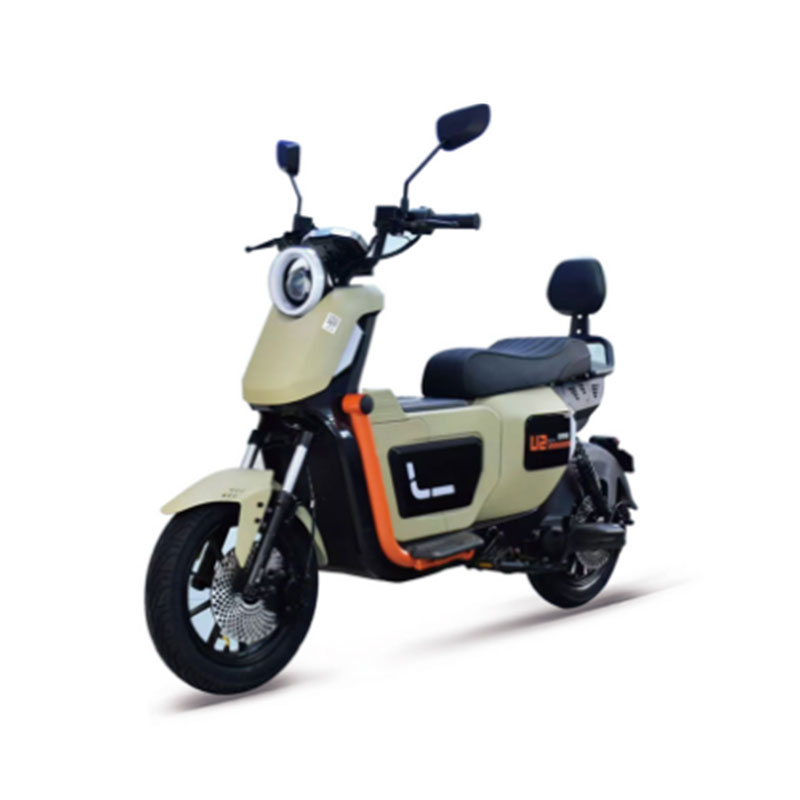
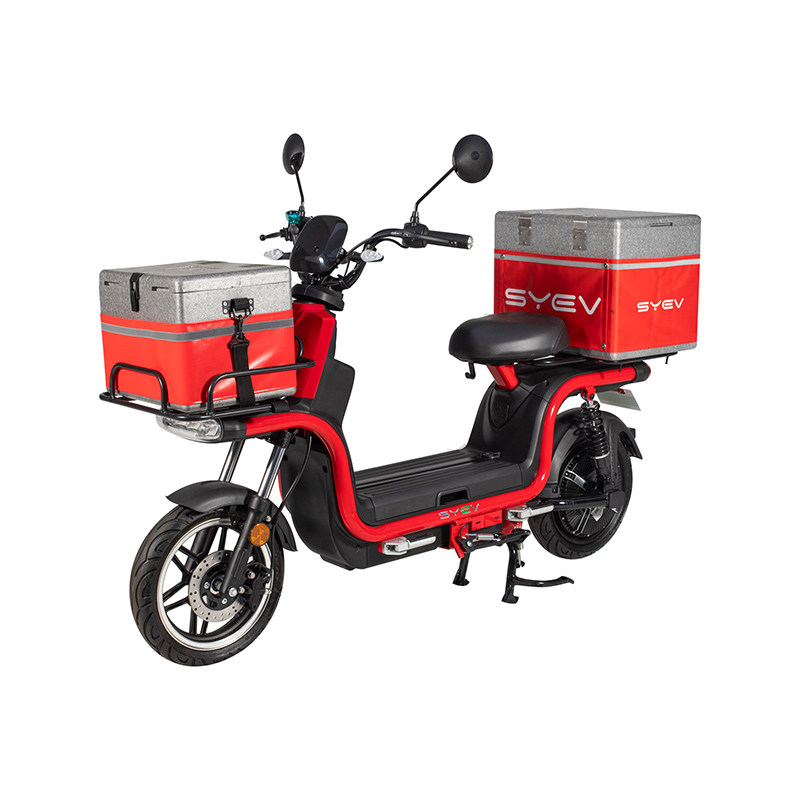
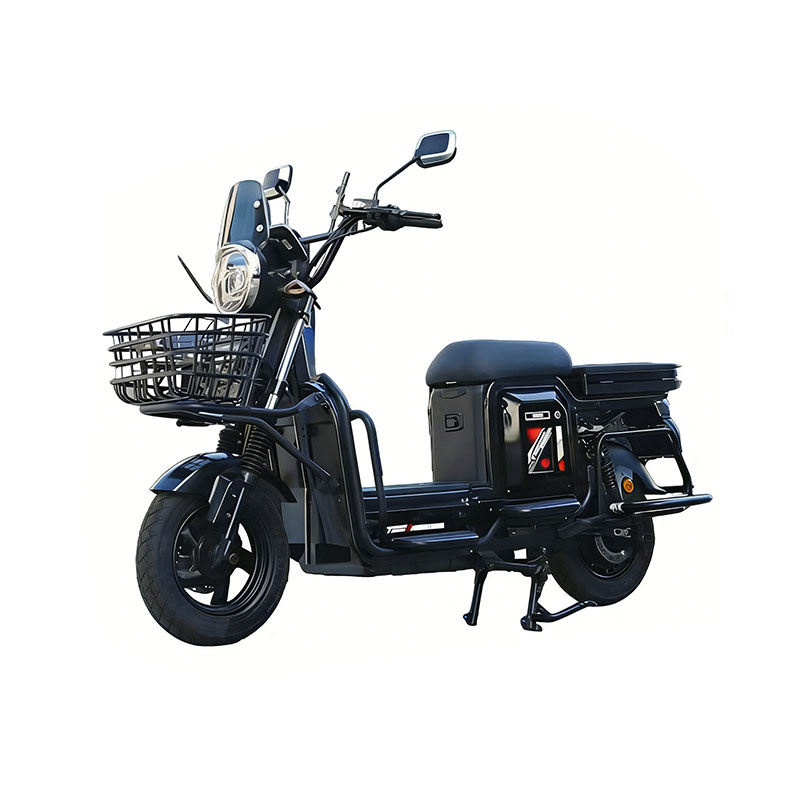
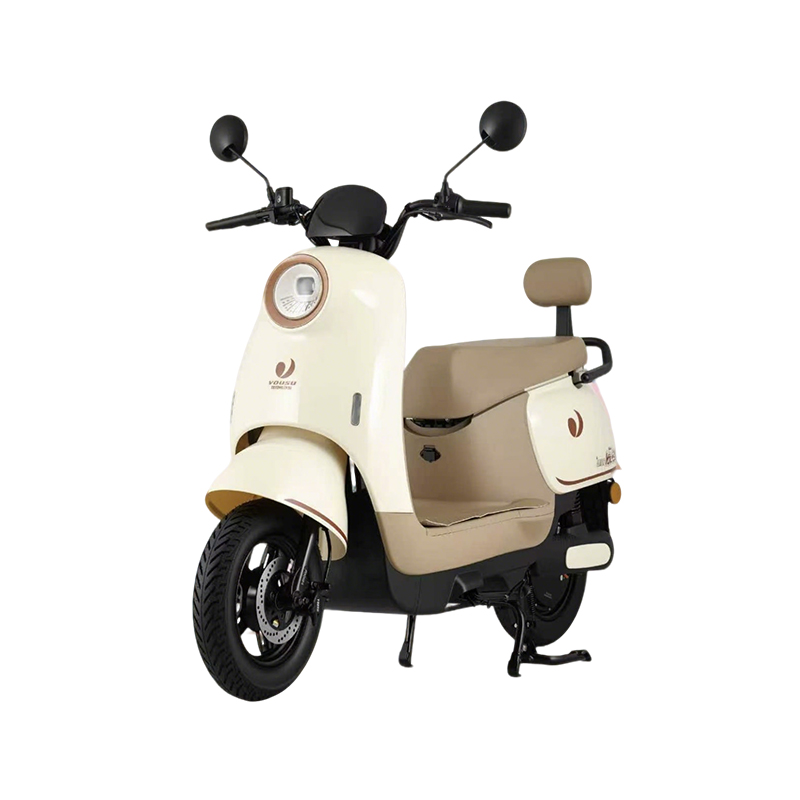
Yousu’s product range illustrates how widely these choices can be combined. A 350W entry commuter and a 3000W high-speed mid-drive model belong to the same broad electric two-wheeler world, but they are not interchangeable products. Buyers who compare only peak watts miss the controller, battery and brake package that determine whether the vehicle is balanced.
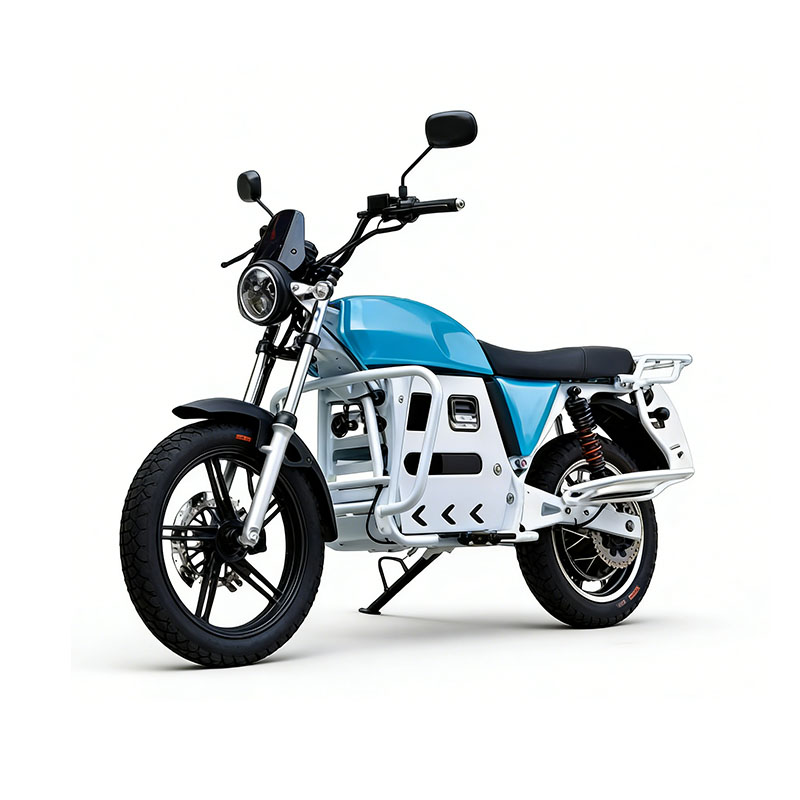
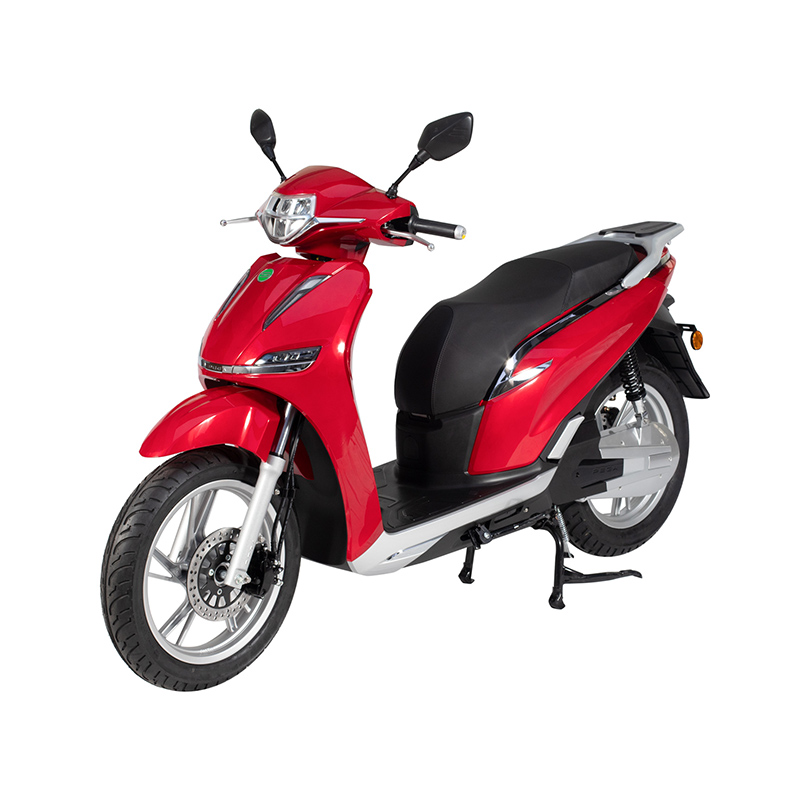 Yousu YS-500T 3000W Mid-Drive Electric ScooterHigh-performance Yousu model with 3000W mid-drive, 72V45Ah lithium battery, 80 km/h top speed and CBS dual disc brakes for comparison beyond peak watts.View Product →
Pedal-Assist, Throttle Assistance and the Legal Grey Zone
Most definitions of an electric bicycle centre on pedal assistance: the rider turns the pedals, and the motor adds torque. Many e-bikes also include a throttle or a power-on-demand mode, but that feature can move the vehicle into a different legal class. Rules vary by country, state and city, and enforcement may focus on motor power, assist speed, throttle presence, weight or battery type.
| Category | How it moves | Buyer check |
|---|---|---|
| Pedal-assist e-bike (pedelec) | Motor assists pedaling; rider remains the primary input | Assist cutoff speed, motor power and local bicycle classification |
| Speed pedelec | Higher assist speeds, often with a more powerful motor | Whether it is treated as a bicycle, moped or another class |
| Throttle or power-on-demand e-bike | Motor can drive the vehicle without continuous pedaling | Throttle rules, licensing, insurance and helmet requirements |
| Electric scooter or motorcycle | Purpose-built seated chassis with motorcycle-style controls | Vehicle type approval, rider licence and road-use restrictions |
Regulatory note. Do not approve a shipment from a catalogue description alone. Confirm the exact assist speed, rated motor power, battery chemistry and throttle behaviour against the destination market, then keep the test report and declaration with the commercial documents.
How Motor, Battery and Controller Work Together
The controller is the part buyers underestimate. A large motor paired with a small controller, a low-current battery or poor thermal design can feel weaker than its label suggests. For a closer look at how motor, battery and controller interact, the practical lesson is to read them as one system rather than three separate specifications.
“The motor sells the first ride. The battery, controller and service network decide the next thousand.”
Battery capacity is usually stated in voltage and amp-hours, but watt-hours matter more for range planning: voltage times amp-hours gives a rough energy figure. A 48V 20Ah pack carries about 960Wh before losses, while a 36V 10Ah pack carries about 360Wh. Chemistry, usable depth of discharge, temperature and cell quality can change real output considerably.
A simple range check
Published range figures are best treated as a baseline, not a promise. A loaded cargo route, cold weather, strong headwind and repeated hill climbing can raise consumption sharply. Before setting a range claim for a retail listing or a tender, test the actual route profile with the intended rider weight and assist level.
What Range Really Means in Daily Use
Range is an outcome, not a single component spec. It depends on battery watt-hours, rider weight, terrain, temperature, tire pressure, assist level and the efficiency of the motor-controller pairing. A bike with a larger battery but a poorly matched controller may not deliver the expected gain; a lighter bike with modest energy storage may outperform on stop-start city routes.
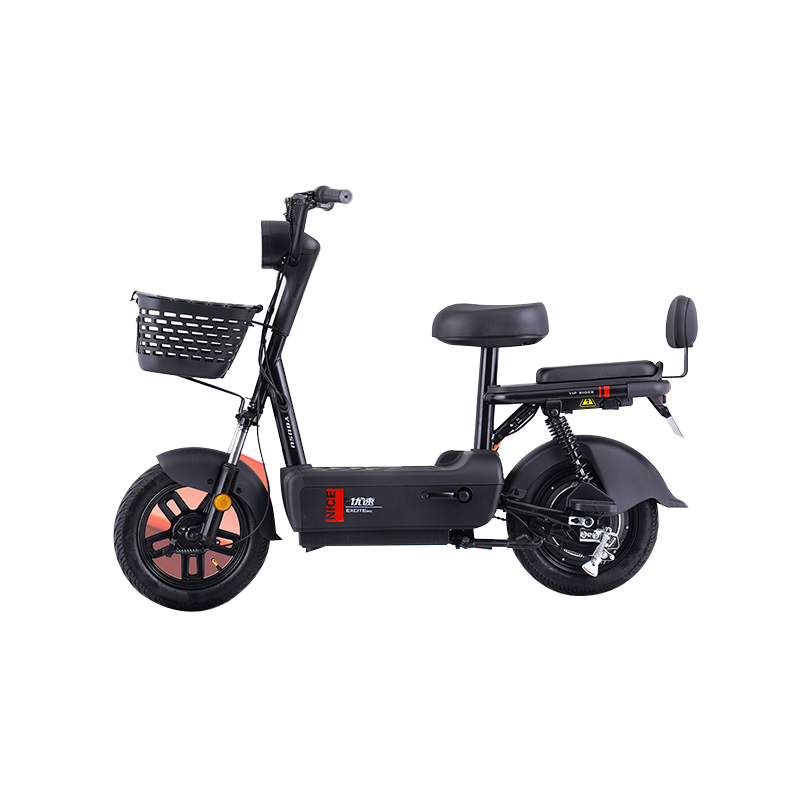
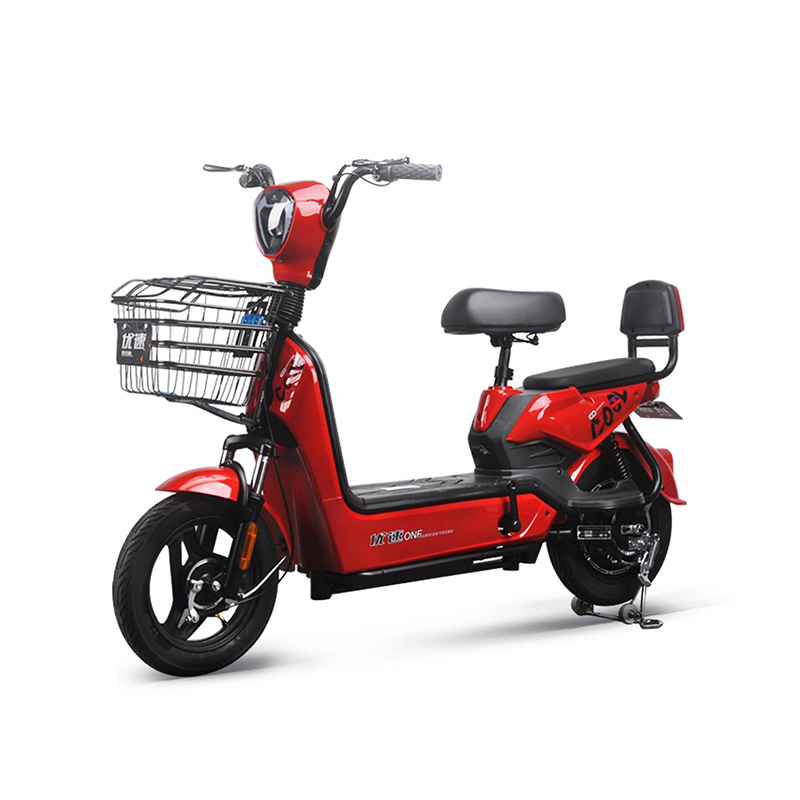
For a low-speed commuter, a 350W branded motor with a six-tube controller, drum brake and vacuum tire is a deliberately simple package. The Yousu Ding Dong is listed in that tier. It is useful for buyers who want predictable maintenance and lower component complexity rather than peak performance.
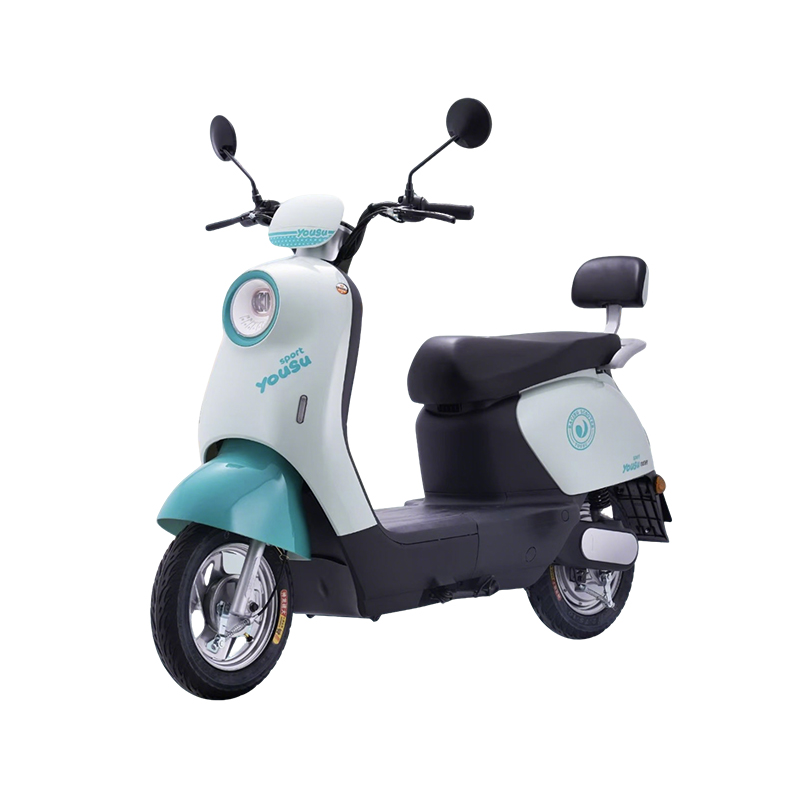
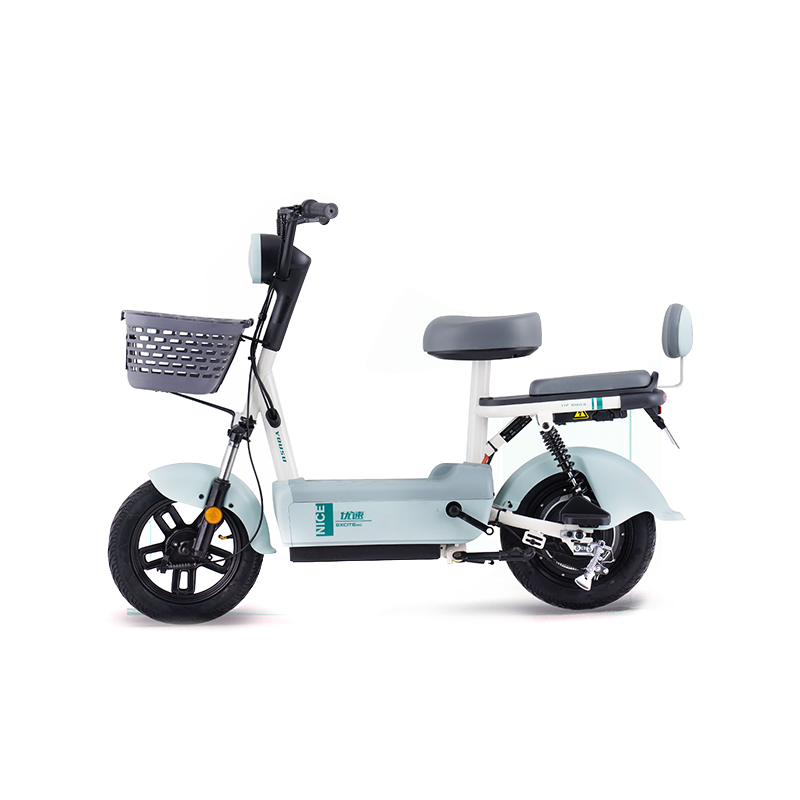 Yousu Ding Dong 350W Light Electric BicycleSimple low-speed commuter with 350W branded motor, six-tube controller, drum brake and 48V 12Ah/20Ah battery, aimed at predictable maintenance.View Product →
For a higher-use route, the calculation changes. Fast charging, brake heat, tire wear and controller cooling become part of the daily cost. A vehicle that charges quickly may spend less time idle, but the battery, charger and connector must be specified for that cycle—not simply added as a marketing feature.
Where Buying Decisions Change: Consumer Versus Trade
A retail rider usually asks whether the e-bike feels stable, charges overnight and fits a daily route. A trade buyer asks different questions: Can the motor and controller be serviced in the destination market? Are spare tires, displays and chargers available? Does the factory hold the required documentation? Can the model be adapted without breaking the frame or electrical architecture?
Yousu describes itself as an electric two-wheeler manufacturer with a stated monthly output of 8,000–10,000 units, rising to 12,000–15,000 in peak periods, plus more than 800 domestic stores and export activity across Europe, the Americas and Southeast Asia. For an importer, those figures are starting points for due diligence, not proof of fit. The next step is to examine factory and production capability alongside audit reports, sample testing and after-sales terms.
Procurement note. Ask for the bill of materials for the exact SKU, not a generic series sheet. Motor, controller, charger, battery cell, brake and tire specifications should match the sample you approve. A stable SKU is easier to support than a catalogue of near-identical variants.
A Buyer’s Checklist Before You Specify
- Define the duty cycle. Estimate daily distance, rider and cargo weight, hill profile, parking arrangement and charging window.
- Match the electrical architecture. Check motor, controller current limit, battery watt-hours and charger output as a package.
- Confirm the legal class. Verify assist speed, throttle behaviour, rated power and required labels for the destination market.
- Inspect the serviceable parts. Brake pads, tires, displays, chargers and connectors should have a realistic supply plan.
- Demand consistency. Compare the approved sample, production specification and packaging documents before scaling the order.
The checklist is deliberately ordinary. Most disappointments in electric bicycle sourcing come from small mismatches: a charger that is faster than the battery’s thermal limit, a controller that is labelled for a higher current than the harness supports, or a display that cannot be replaced in the field.
Fast Charging, High-Use Duty and the Limits of the Label
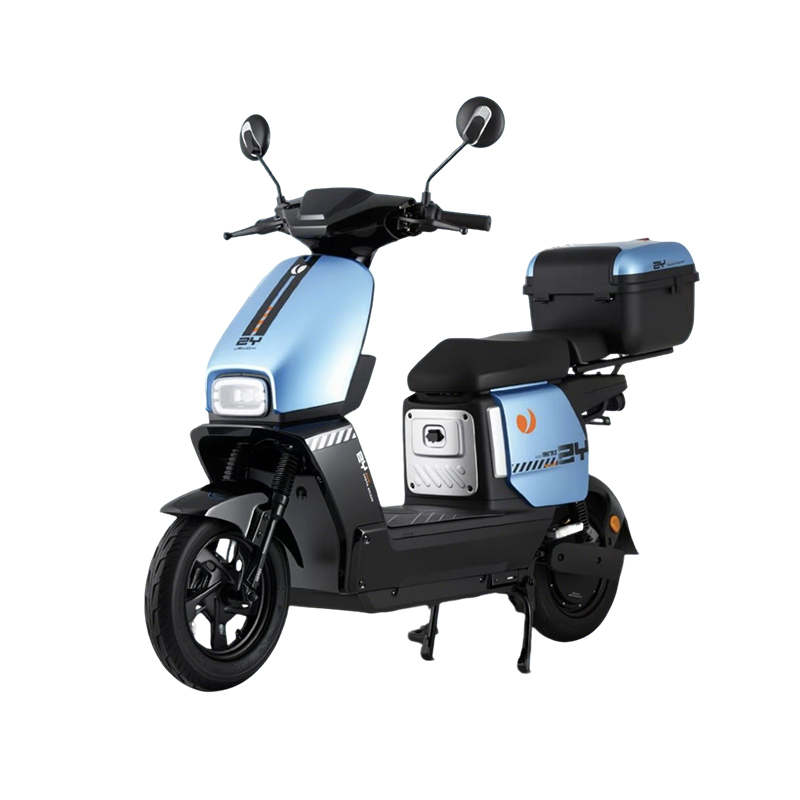
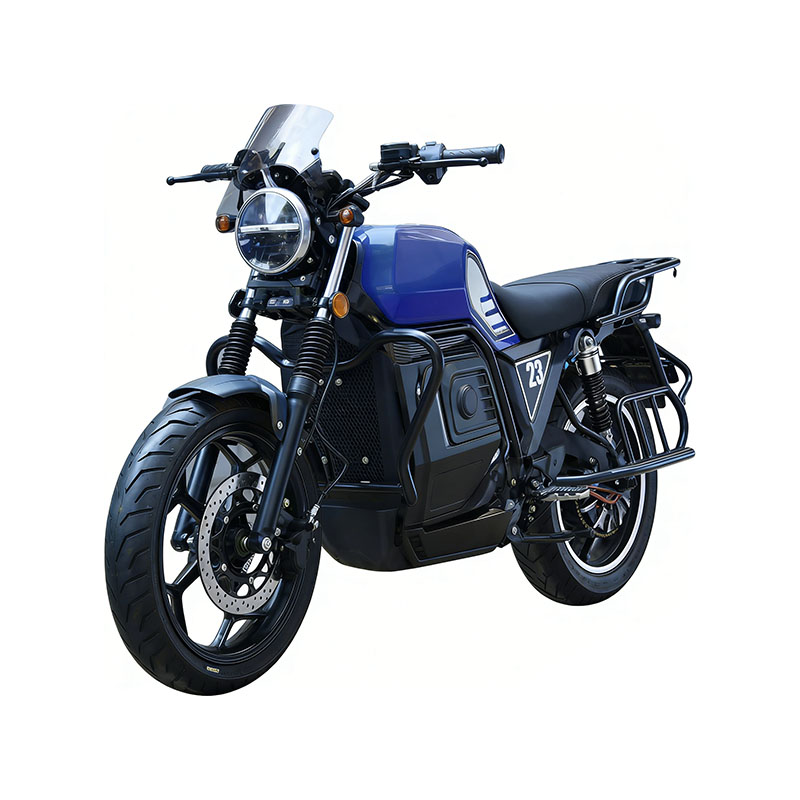
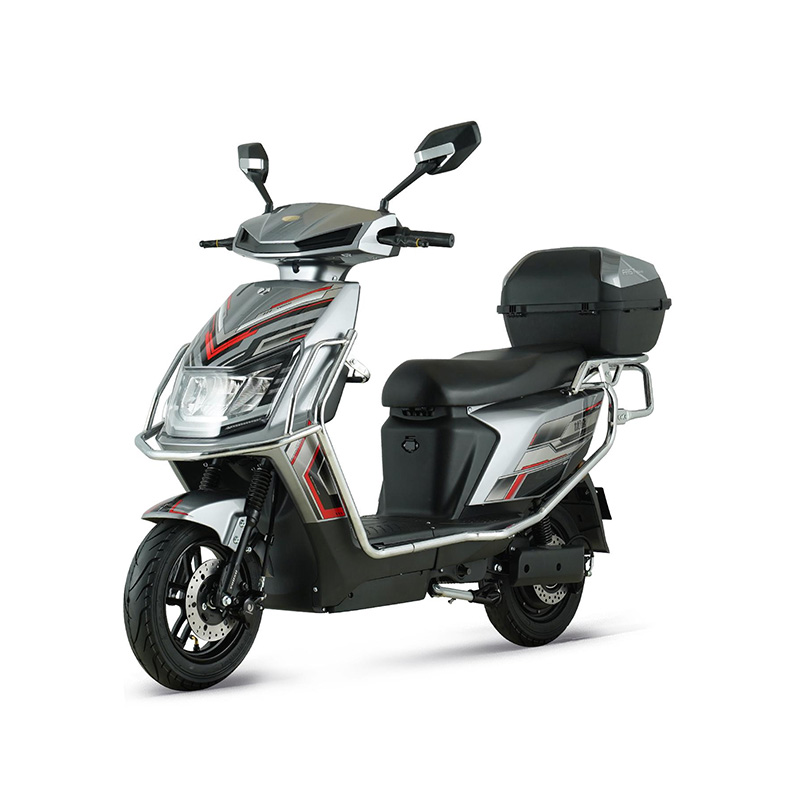
Fast charging is useful for delivery fleets, rental operators and long-shift commuters, but it is not a universal upgrade. A 10A charger draws more current, generates more heat and places different demands on the battery, connector and wiring. The benefit is reduced downtime; the risk is accelerated wear if the pack is not designed for it. The Yousu Cyclist A7Pro is listed with 10A fast charging and a charging rate described as two grid bars per minute, a specification that belongs in a high-use fleet discussion rather than a casual commuter comparison.
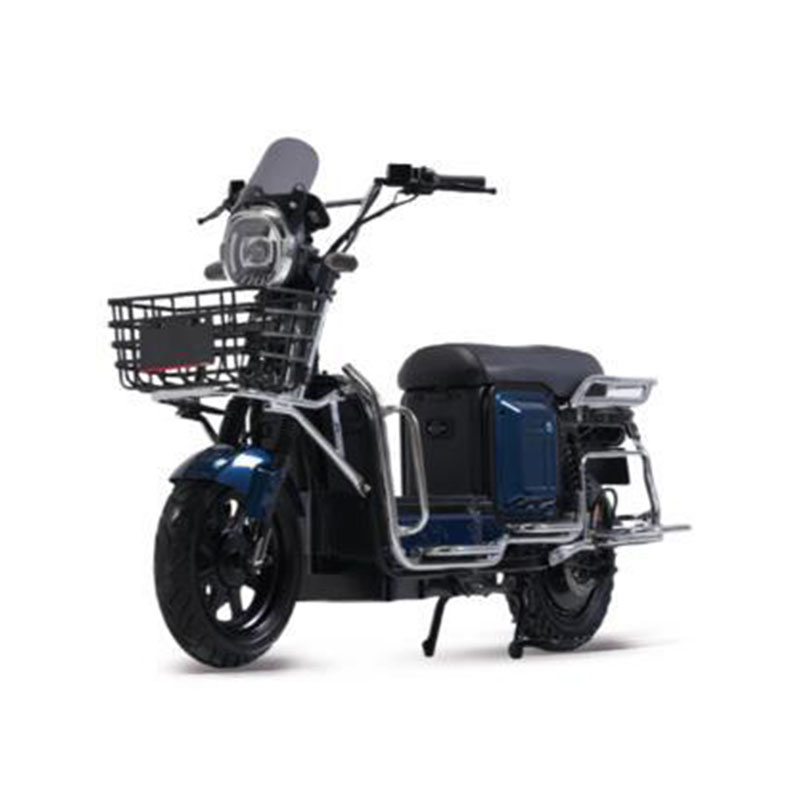
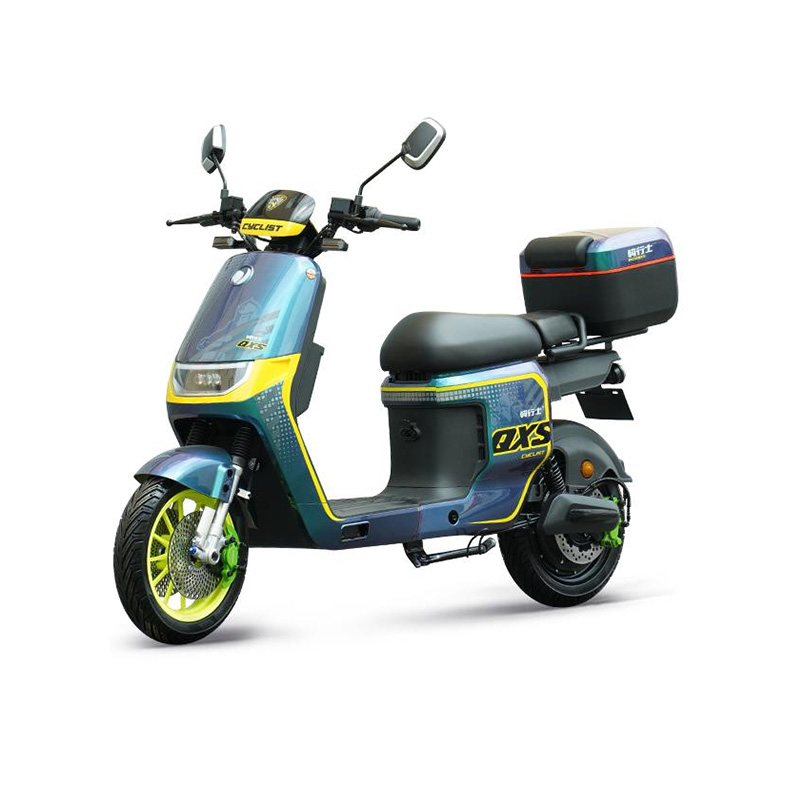 Yousu Cyclist A7Pro Fast-Charging E-MotorcycleHigh-use fleet option with 10A fast charging, 72V20Ah battery and listed 1800W/2000W power, relevant for downtime-focused evaluation.View Product →
For any high-use e-bike or light electric vehicle, total cost of ownership includes battery replacement, brake service, tire replacement, charger reliability and downtime. A lower purchase price can disappear quickly if the controller or display cannot be sourced locally. That is why a distributor should evaluate the service network and spare-parts plan with the same rigour as the motor wattage.
Summary: The Right Answer Is a Systems Answer
An electric bicycle is a pedal bicycle with an electric assist system: motor, battery, controller, sensor and display working as one. It is not defined by the presence of a battery alone, and it is not automatically the same product as an e-scooter or electric motorcycle. The practical definition for a rider or buyer sits at the intersection of configuration, intended route and legal class.
When the specification is treated as a system, the buying conversation becomes clearer. Start with the rider’s route and the destination market, then match the electrical architecture, service plan and compliance evidence. The result is a vehicle that performs as described—not merely one with an impressive number on the label.
 Previous