


 English
 Español
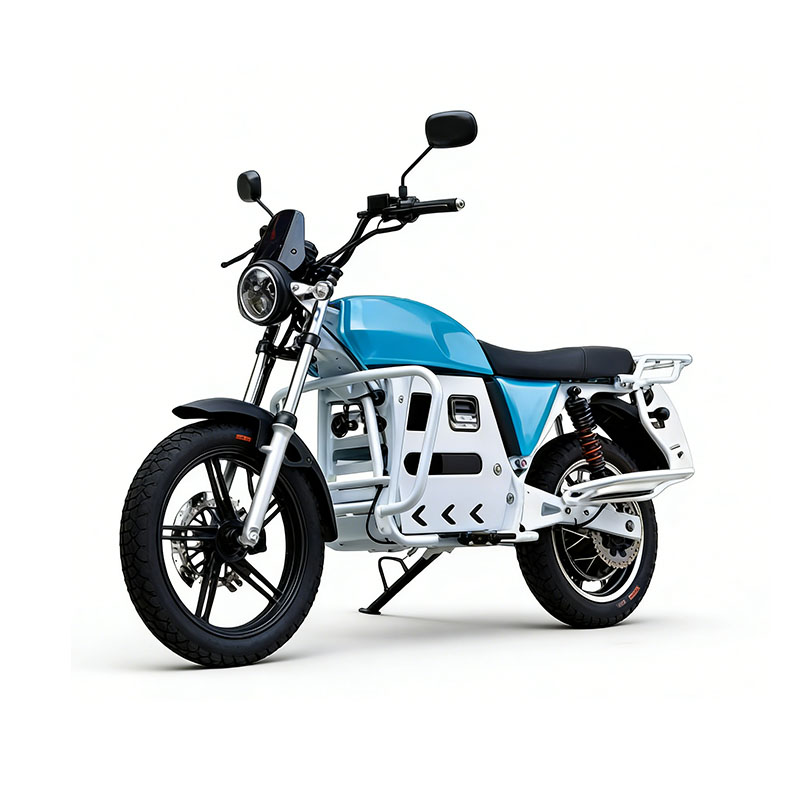
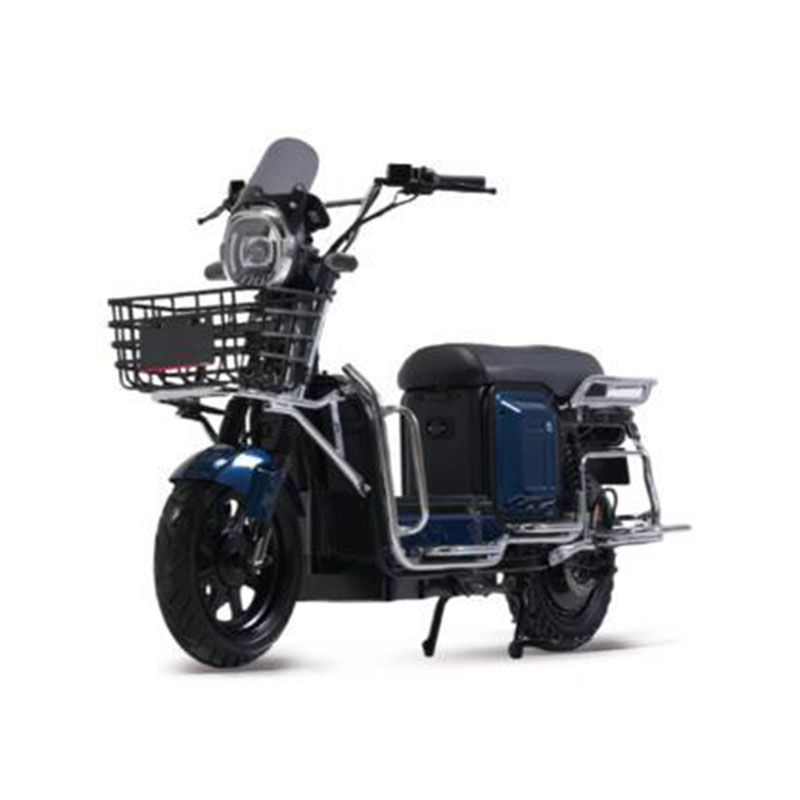
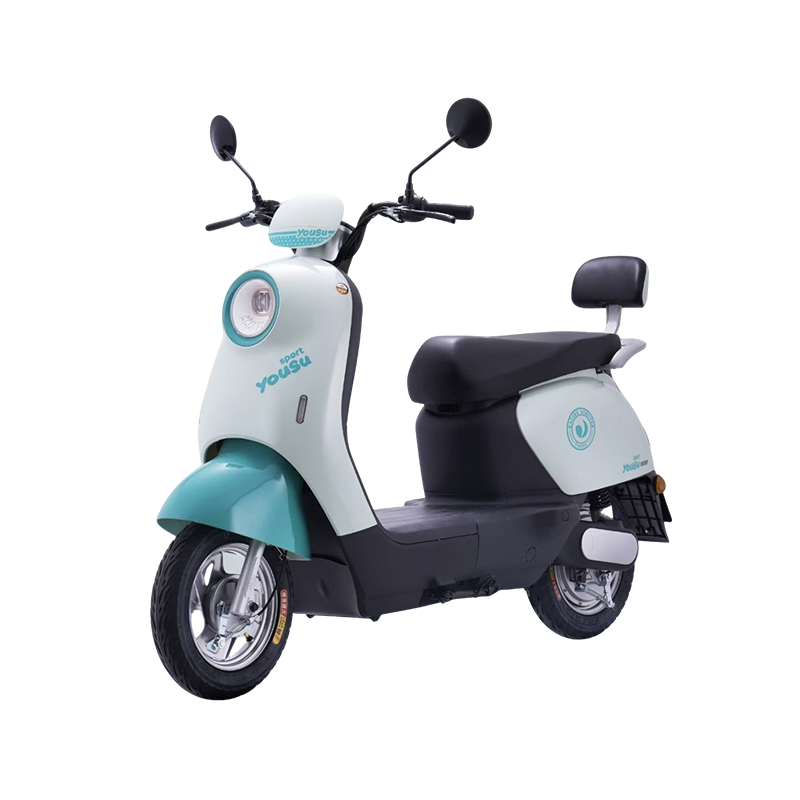
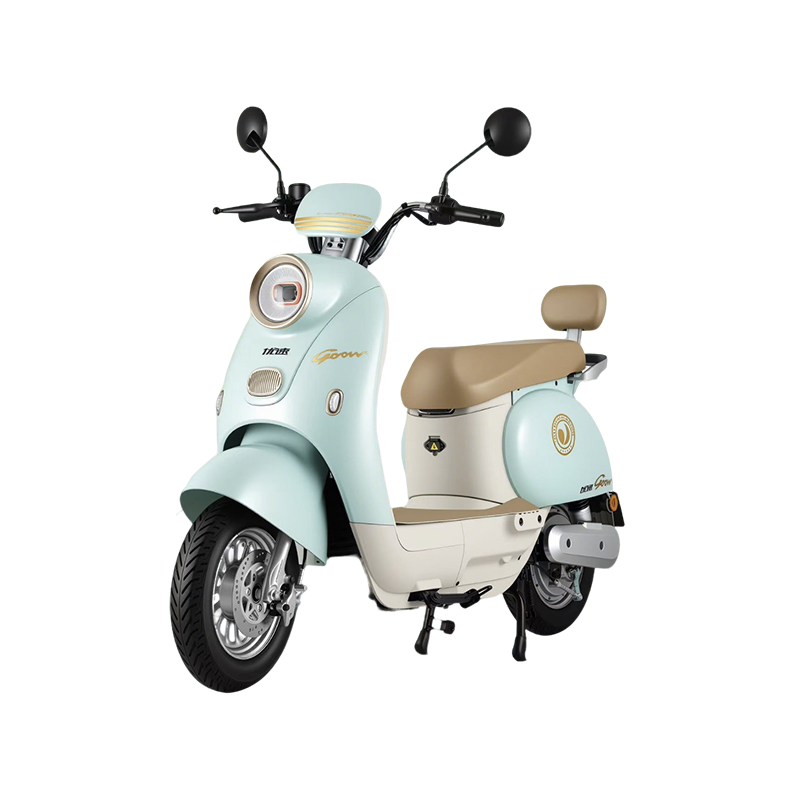
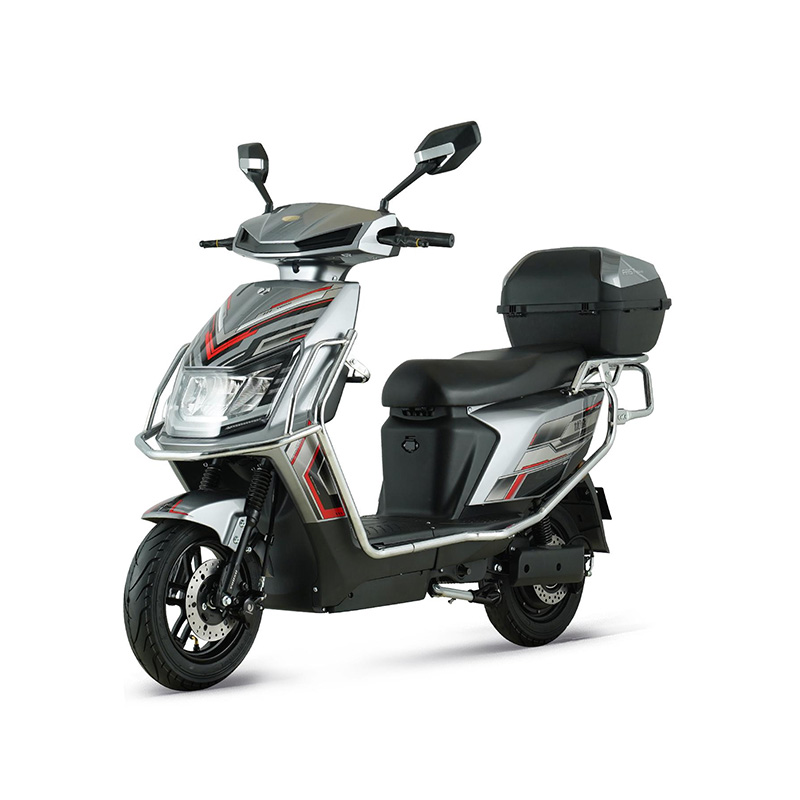
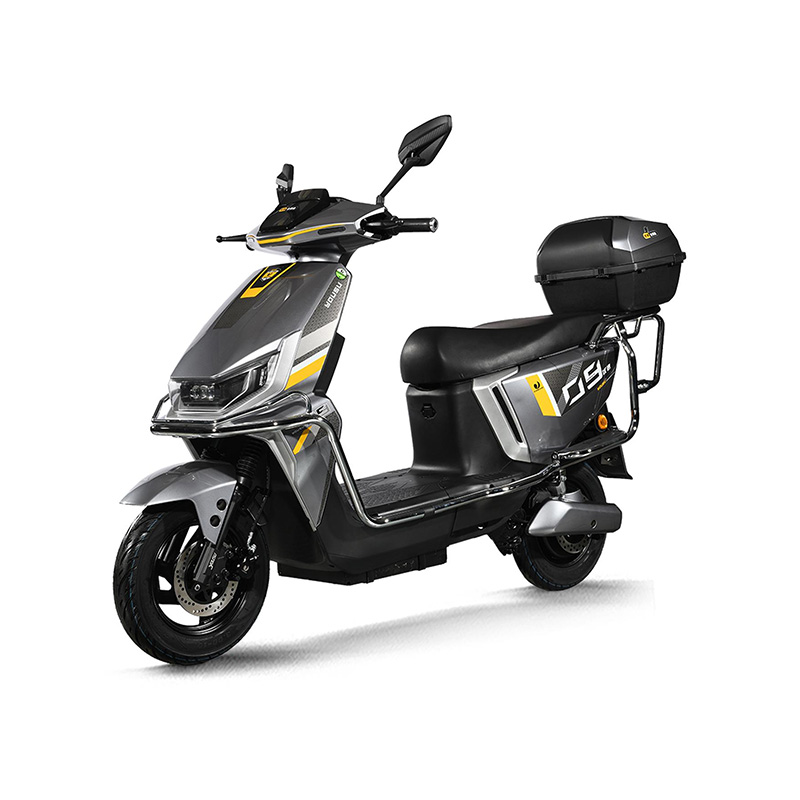
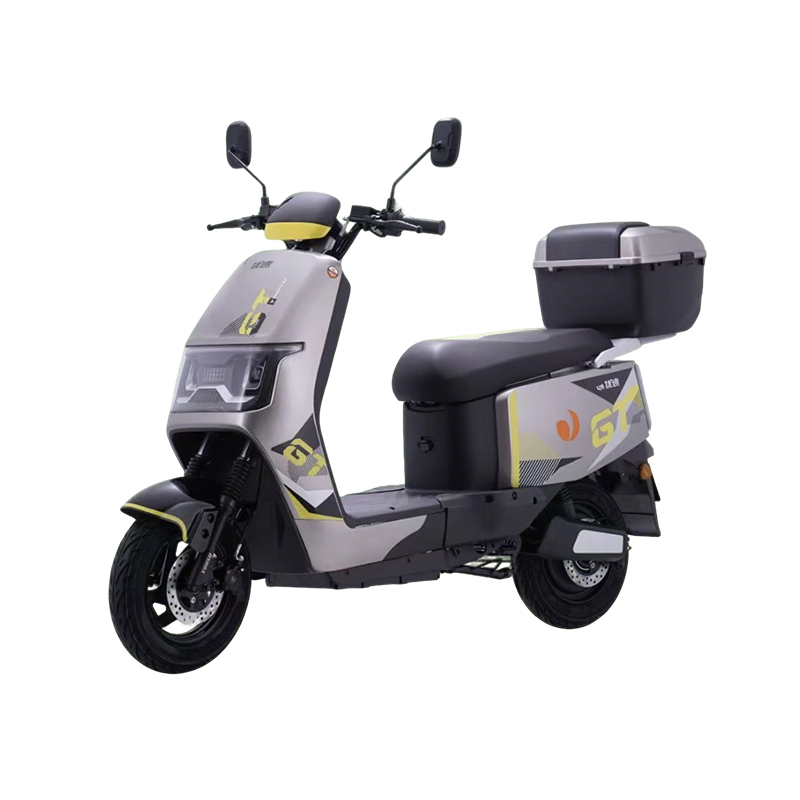

Integrated Dual Braking System Design
The CoolRun Model Electric Scooter employs an integrated dual braking system designed to deliver both immediate responsiveness and controlled deceleration during emergency stops and high-speed riding. This system typically combines electronic regenerative braking with a mechanical braking mechanism, allowing braking forces to be applied progressively rather than abruptly. Regenerative braking activates as soon as the rider initiates braking input, using the electric motor to generate resistance that slows the scooter while recovering energy and feeding it back into the battery. This initial braking phase reduces reliance on mechanical components, minimizes heat buildup, and helps stabilize the scooter before stronger braking forces are applied. When additional stopping power is required, the mechanical brake engages seamlessly, ensuring rapid deceleration without compromising control. This layered braking approach significantly enhances safety by balancing smoothness and power, particularly during sudden stops, and reduces wear on mechanical brake components, extending their service life while maintaining consistent braking performance over time.
Mechanical Braking Performance Under Emergency Conditions
During emergency stops or high-speed riding, the mechanical braking system of the CoolRun Model Electric Scooter plays a decisive role in achieving short stopping distances. Depending on the configuration, the scooter may be equipped with hydraulic disc brakes or cable-actuated disc brakes, both of which provide strong friction-based stopping power. Hydraulic systems offer superior braking force with minimal lever effort, enabling riders to apply significant braking pressure quickly and precisely. This is particularly important during panic braking situations where reaction time is critical. Disc brakes are also less susceptible to performance degradation from heat buildup, ensuring consistent braking response even during repeated stops. The brake calipers, rotors, and pads are designed to withstand high loads and friction, maintaining reliable performance at elevated speeds. This robust mechanical braking capability ensures that the scooter can safely handle sudden obstacles, traffic interactions, or unexpected riding conditions without compromising rider confidence or stability.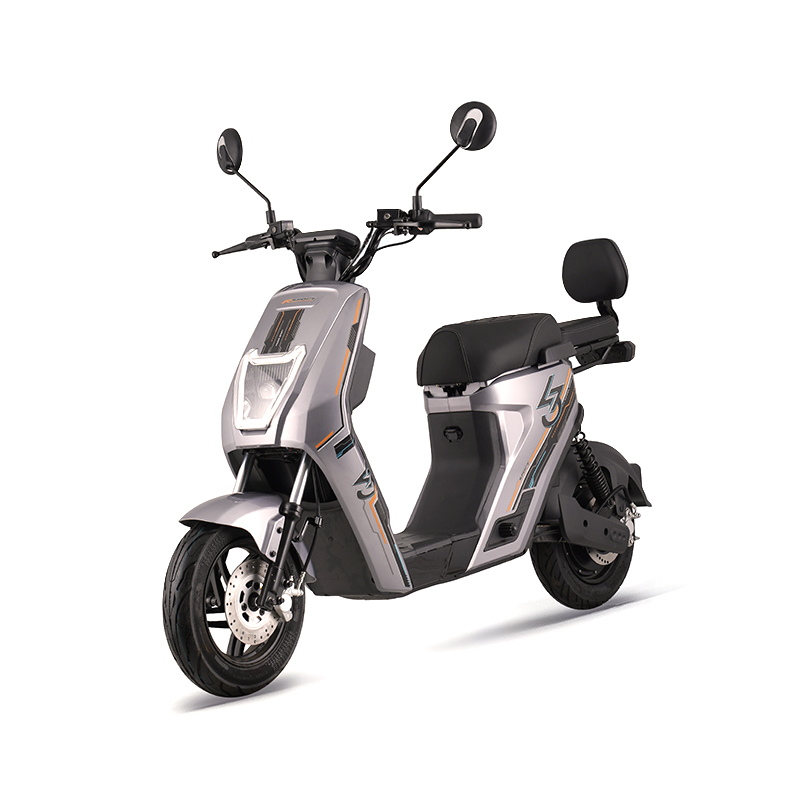
Braking Stability and Force Distribution
Braking stability is a critical safety factor during high-speed riding, and the CoolRun Model Electric Scooter is engineered to manage braking forces in a controlled and balanced manner. Sudden or uneven braking can cause wheel lock-up, skidding, or loss of balance, particularly on lightweight electric scooters. To address this, the braking system is designed to distribute braking forces progressively, reducing abrupt weight transfer to the front or rear wheel. This controlled force application helps maintain tire traction and steering control during rapid deceleration. The scooter’s frame geometry, wheelbase length, and center of gravity are carefully optimized to minimize forward pitching and improve rider stability under heavy braking. This design approach allows riders to maintain directional control even during emergency stops, significantly reducing the risk of falls or collisions. The result is a braking experience that feels predictable, controlled, and confidence-inspiring, even at higher speeds.
Tire Grip and Chassis Support During Braking
The braking effectiveness of the CoolRun Model Electric Scooter is closely supported by its tire design and overall chassis configuration. High-quality tires with optimized tread patterns provide strong road grip, allowing braking forces to be transmitted efficiently to the ground without excessive slipping. Adequate tire contact ensures that the braking system can operate near its maximum potential, especially during emergency stops. In addition, the scooter’s chassis rigidity and suspension system, where applicable, play an essential role in maintaining consistent wheel contact with the riding surface. Suspension components absorb surface irregularities during braking, preventing sudden loss of traction caused by bumps or uneven pavement. This is particularly important during high-speed braking on urban roads, where surface conditions can vary significantly. Together, tire grip and chassis support enhance braking reliability, reduce stopping distances, and help maintain rider balance during aggressive deceleration.
Control Ergonomics and Rider Response Time
The braking performance of the CoolRun Model Electric Scooter is further enhanced by its ergonomic control design, which directly influences rider reaction time during emergency situations. Brake levers or electronic brake controls are positioned for immediate access, allowing riders to engage braking instinctively without changing hand position or grip. The braking response is tuned to be predictable and progressive, enabling riders to modulate braking force accurately rather than experiencing sudden, jerky deceleration. This is especially important during high-speed riding, where overly aggressive braking input can lead to instability. Clear tactile feedback from the brake controls helps riders gauge braking intensity, improving confidence and reducing panic-induced errors. By combining responsive controls with intuitive ergonomics, the scooter ensures that braking performance is not only technically effective but also practically usable in real-world riding scenarios.
 Previous