


 English
 Español
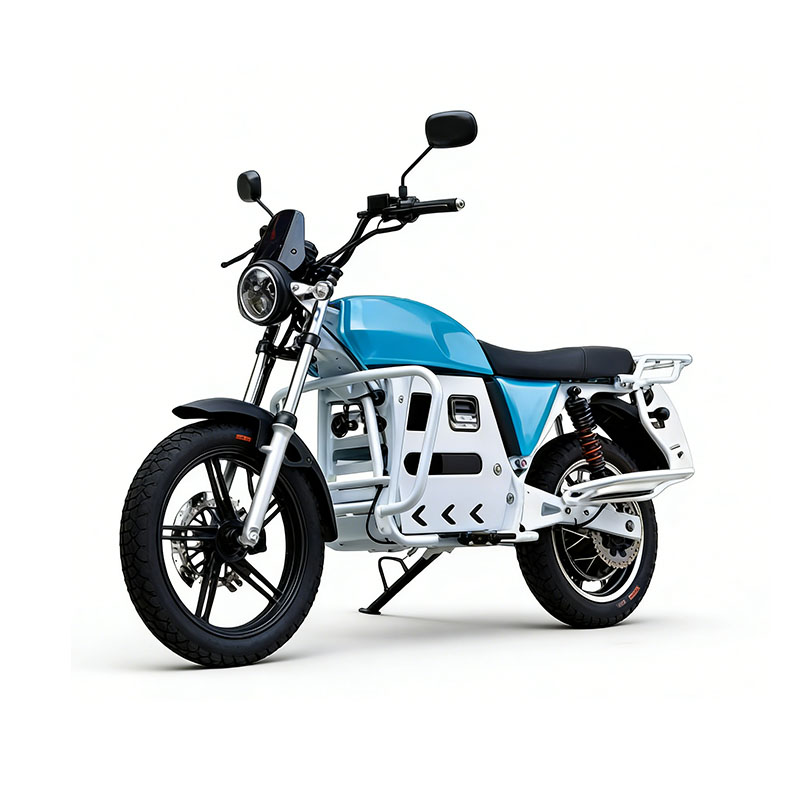
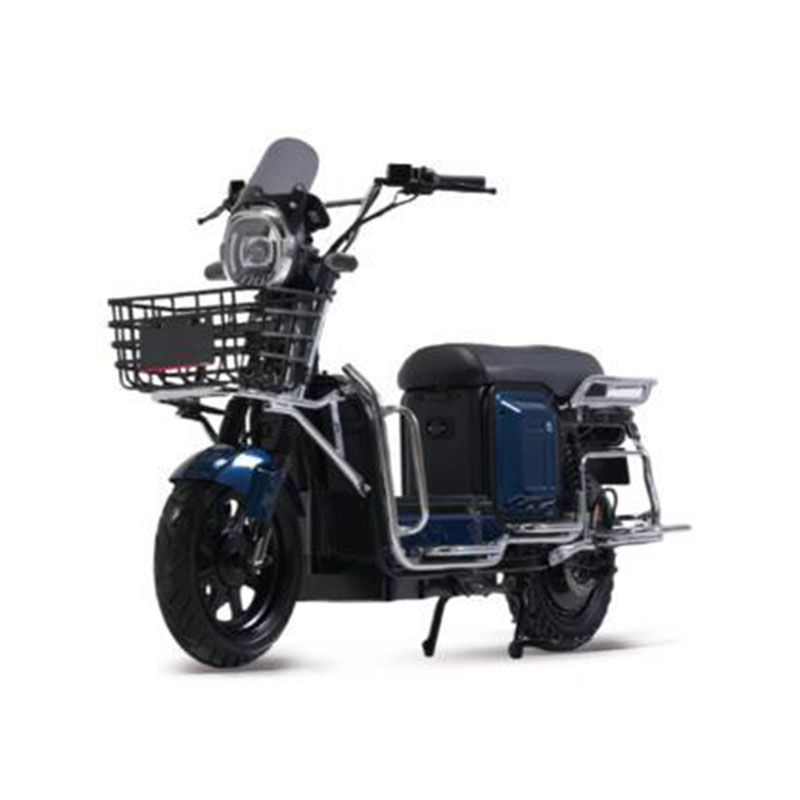
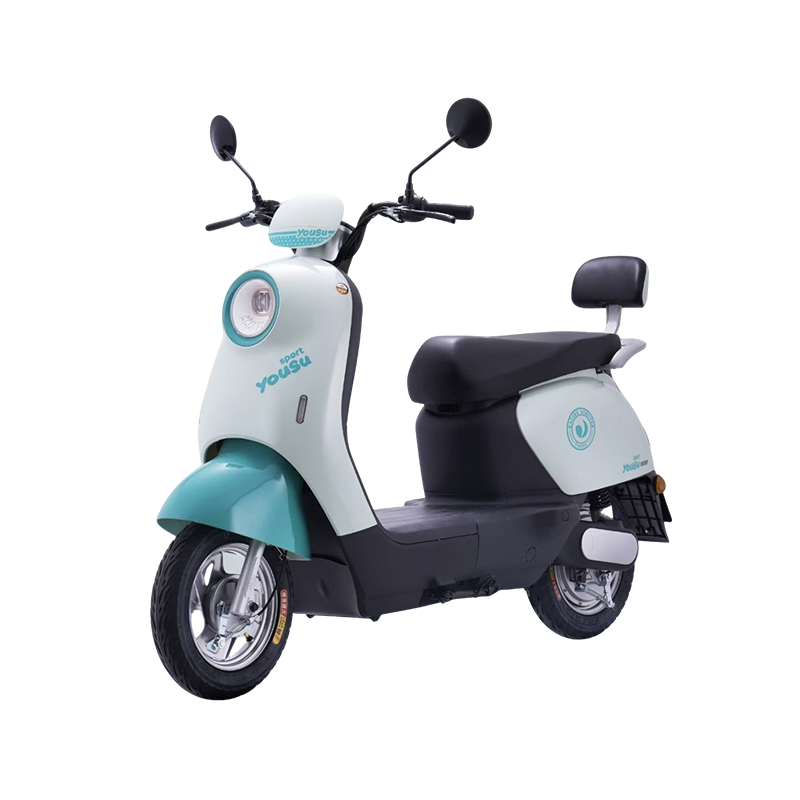
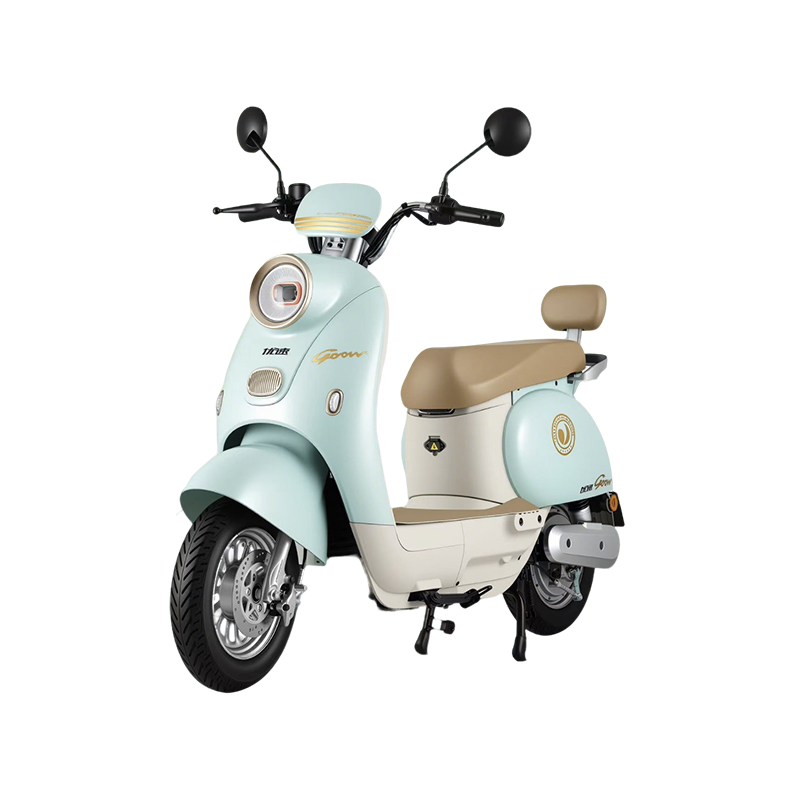
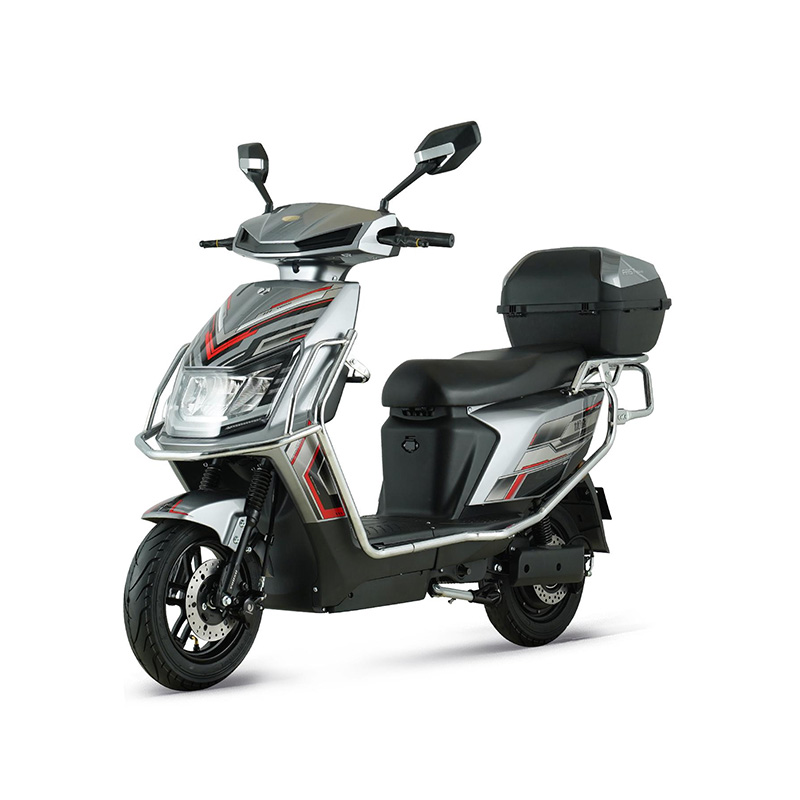
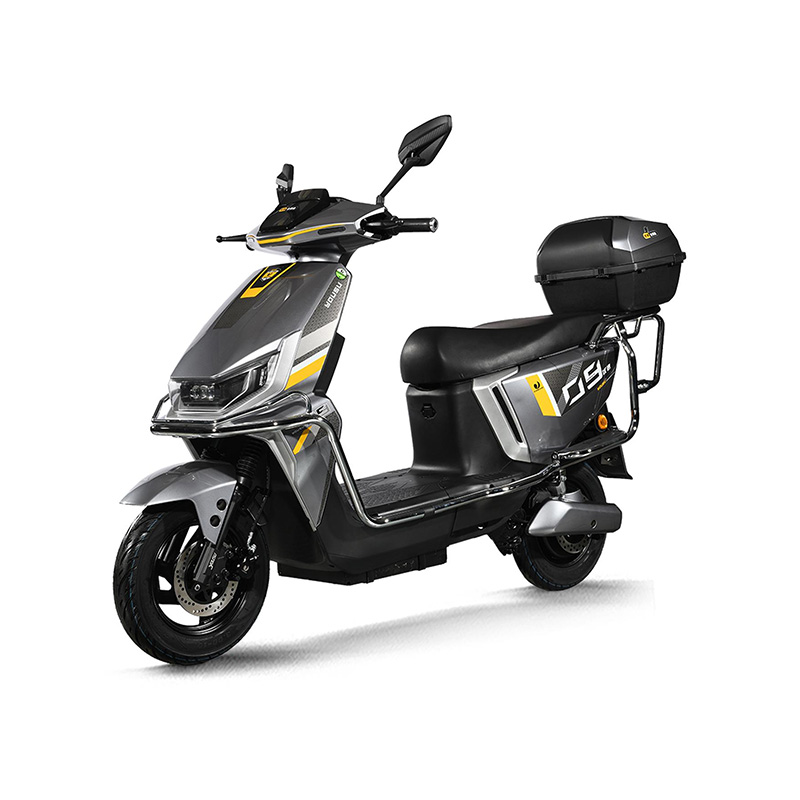
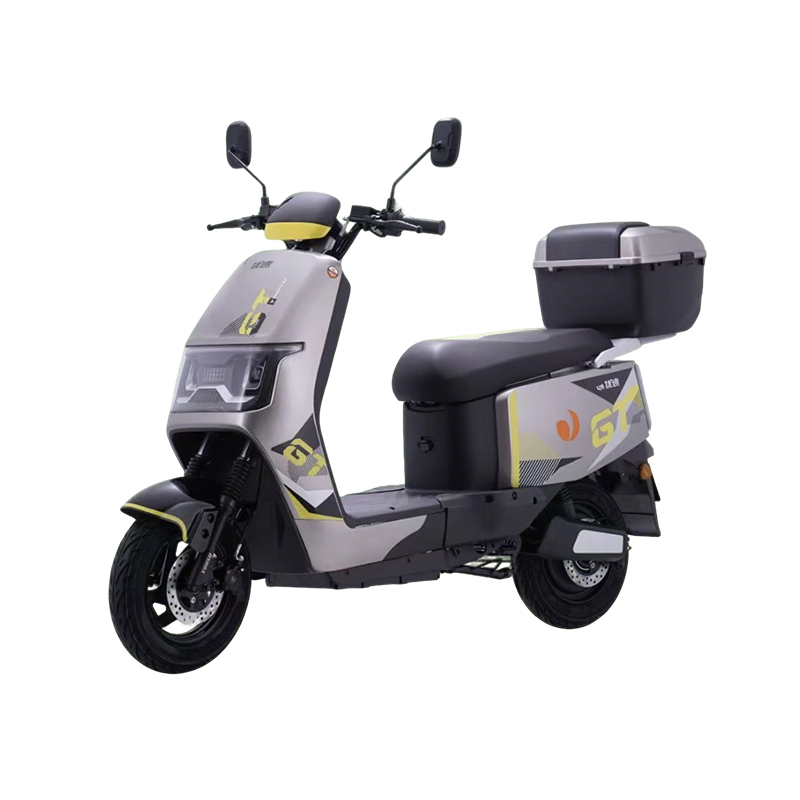

Intended Riding Purpose and Realistic Range Needs
When selecting the CoolRun Model Electric Scooter, the first critical factor to consider is the intended riding purpose and the associated range requirements. Commuters, for example, require a scooter capable of covering the distance to work and back on a single charge without frequent interruptions, while recreational riders may value the ability to explore longer routes on weekends. The scooter’s rated range can be influenced by multiple variables, including rider weight, terrain type, riding speed, and environmental conditions such as wind or temperature extremes. Evaluating the real-world range rather than just manufacturer specifications is essential for ensuring reliability during daily use. For mixed-use riders, the scooter must balance extended range for leisure excursions with sufficient energy efficiency for repeated short trips. Understanding the interaction between range, usage pattern, and charging convenience allows riders to make an informed choice that minimizes “range anxiety” and enhances overall user satisfaction.
Powertrain Performance and Riding Dynamics
The motor power, torque delivery, and top speed of the CoolRun Model Electric Scooter are essential considerations for both commuting and recreational applications. Urban commuting often requires rapid acceleration for merging with traffic, navigating stop-and-go environments, and ascending moderate inclines without strain. Recreational riding, in contrast, may prioritize top-end speed, smooth hill climbing, and the ability to handle uneven or off-road surfaces. Evaluating torque curves, speed modes, and motor responsiveness helps users select a model that aligns with their intended usage while maintaining safety. High-performance scooters often include multiple speed or power modes, allowing users to optimize energy consumption, prolong battery life, and adapt riding characteristics to different situations. For mixed-use scenarios, a balanced motor configuration ensures that the scooter performs adequately for both daily commutes and recreational outings without compromising reliability or stability.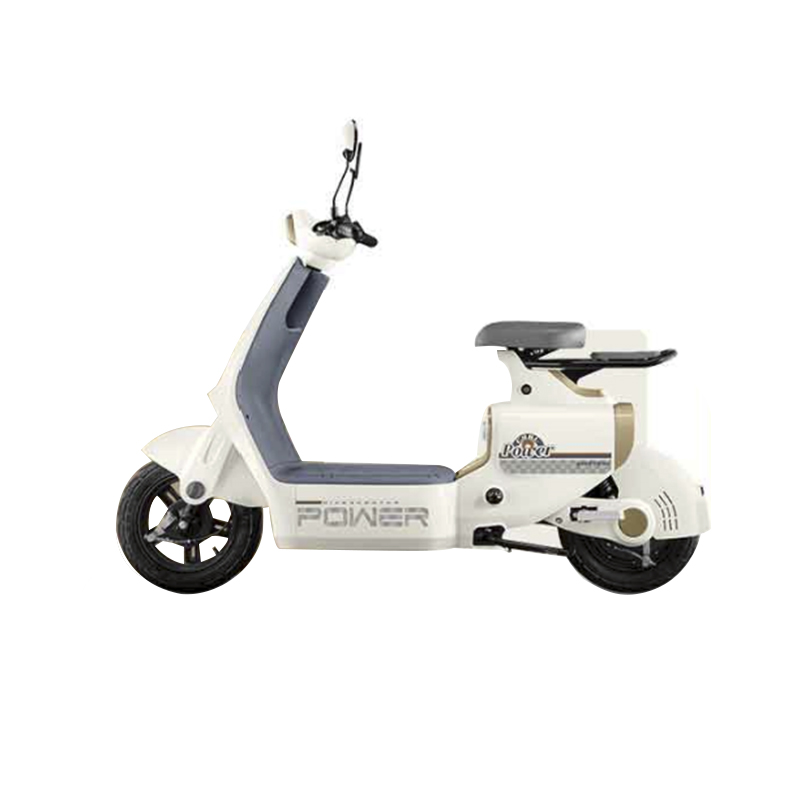
Battery Technology, Charging Flexibility, and Longevity
Battery performance is a central determinant of the CoolRun Model Electric Scooter’s usability, lifespan, and operating cost. Users must assess battery chemistry, capacity, and built-in management systems to ensure consistent performance and protection against overcharge, deep discharge, and thermal extremes. Lithium-ion cells are commonly used for their energy density, efficiency, and durability, but even within this category, cell quality and manufacturer specifications can vary significantly. Charging flexibility is another critical factor, including charge time, the availability of fast-charging options, and whether batteries are removable or swappable for extended use. Long-term battery longevity directly affects the total cost of ownership and reliability, particularly for commuters relying on daily use. Proper understanding of charge cycles, recommended storage practices, and environmental considerations ensures that users maximize battery performance over the scooter’s service life, reducing the risk of unexpected downtime or replacement costs.
Comfort, Ergonomics, and Ride Quality
A scooter’s ergonomic design and ride quality are essential for prolonged use and rider satisfaction. Key factors include deck space, handlebar height and adjustability, vibration damping, and, if available, suspension performance. A comfortable riding posture reduces fatigue during longer commutes or recreational rides. Deck size and surface traction also influence stability and rider confidence. Suspension systems, even basic shock absorbers, help maintain tire contact with uneven surfaces, enhancing braking efficiency and comfort. Commuters may prioritize a compact and lightweight scooter for portability, while recreational riders might favor wider decks, cushioned handlebars, or optional seats for extended journeys. Mixed-use riders require a balanced configuration that delivers both comfort and agility, ensuring that the scooter remains functional in diverse riding conditions without compromising performance or safety.
Safety Systems and Braking Performance
Safety is a paramount consideration when selecting the CoolRun Model Electric Scooter, encompassing both braking capability and auxiliary features. Users should evaluate the type of braking system—mechanical disc brakes, hydraulic systems, or regenerative braking—and ensure it delivers predictable stopping power, especially during emergency situations or high-speed riding. Additional safety features such as integrated lighting, reflectors, speed limit modes, anti-lock functionality, and electronic stability controls enhance visibility and reduce accident risk. Reliable braking and responsive controls are particularly critical for urban commuting, where sudden stops and unpredictable obstacles are common. For recreational use, effective braking on variable terrains ensures consistent safety under diverse conditions. A well-engineered safety system not only protects the rider but also instills confidence, making it easier to operate the scooter safely in both everyday and high-intensity scenarios.
 Previous