


 English
 Español
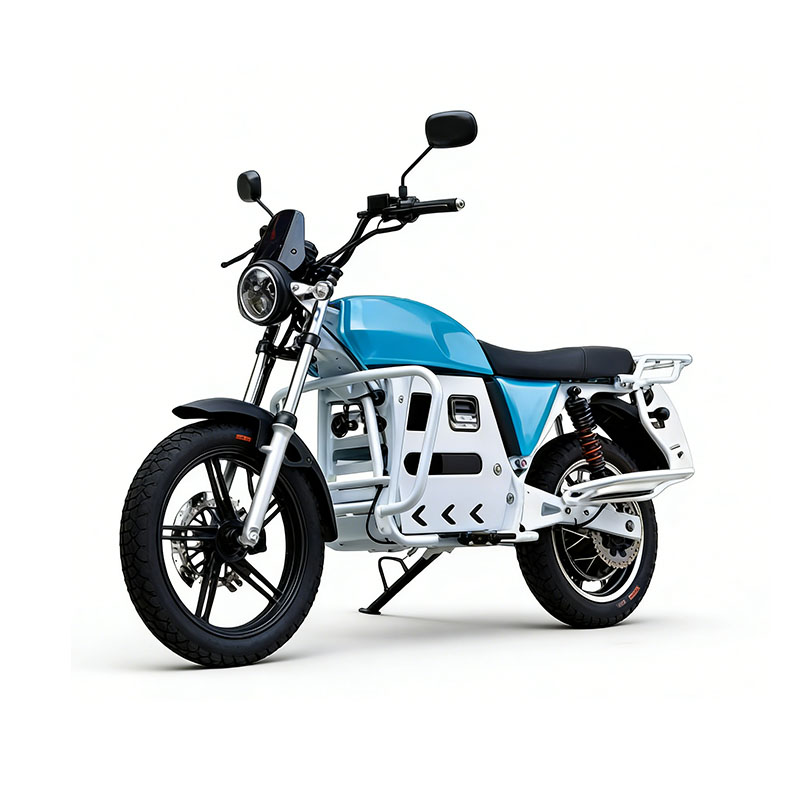
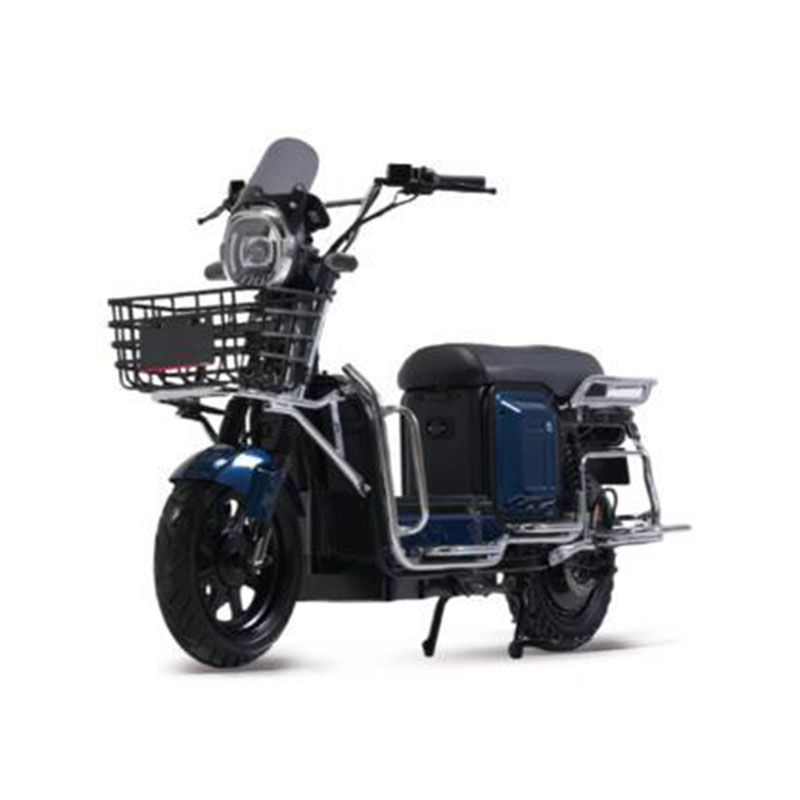
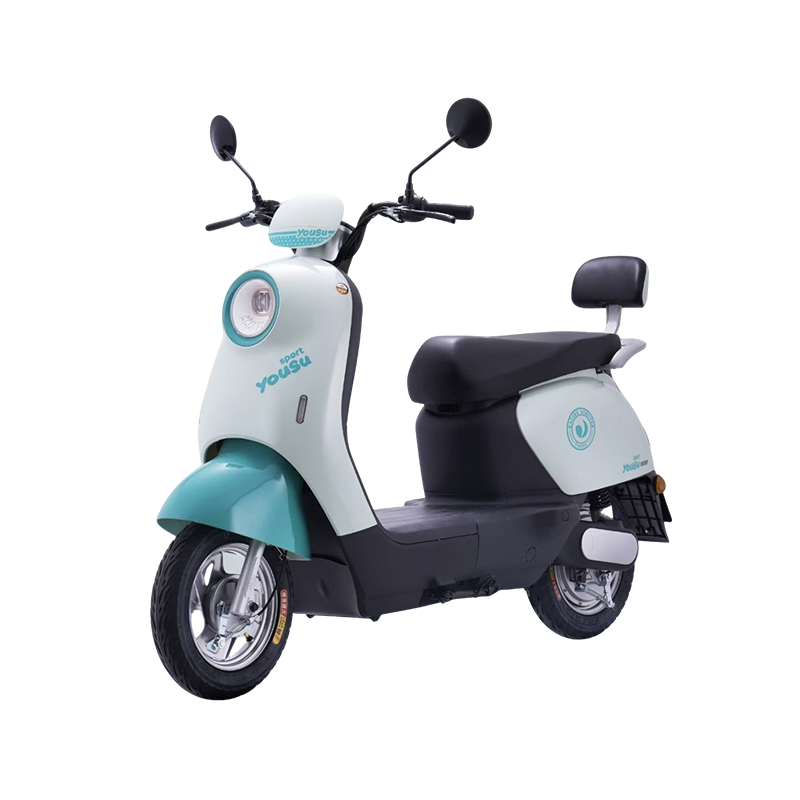
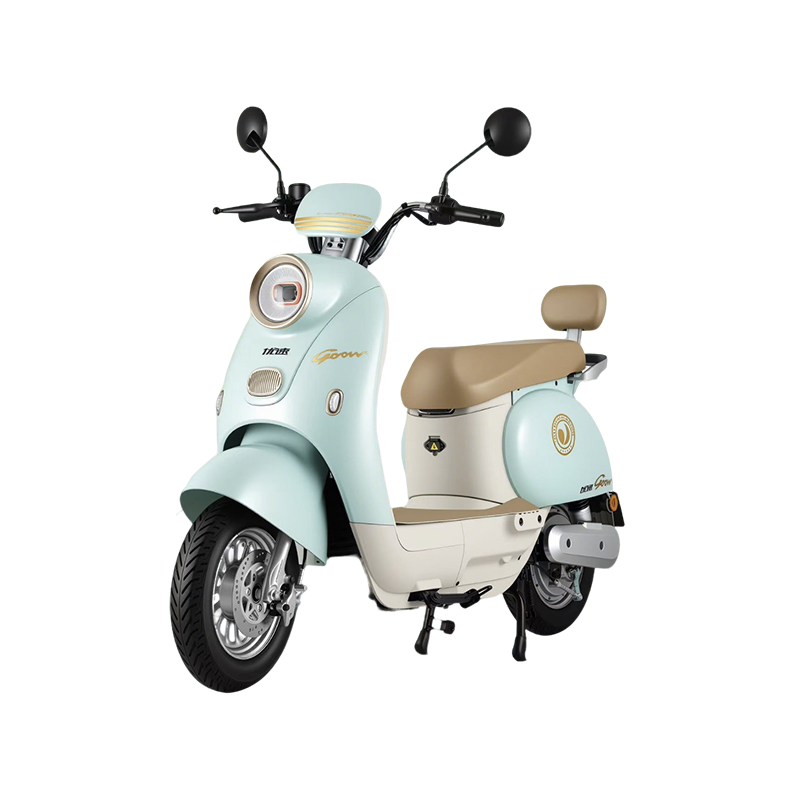

Intelligent Cooling System Management
The Heibao solid state liquid cooling controller electric motorcycle employs a sophisticated, real-time thermal management system that constantly monitors motor and battery temperatures using multiple high-precision sensors. These sensors feed continuous data to the controller, allowing the system to determine when and how much cooling is actually required. By doing so, the cooling system operates only when necessary, preventing unnecessary energy draw that could reduce riding range.
During low-load situations, such as short urban trips or steady cruising at moderate speeds, the system engages in intermittent or partial-flow cooling, which maintains component temperatures within safe limits while consuming minimal energy. Conversely, during high-load operations—like long-distance highway rides, steep inclines, or aggressive acceleration—the system dynamically increases coolant flow and pump speed to manage heat buildup efficiently. This adaptive approach ensures the cooling system delivers precise thermal control without excessive power consumption, directly contributing to optimal energy efficiency and extended range.
Energy-Efficient Pump Design
The liquid pump at the heart of the Heibao solid state liquid cooling controller electric motorcycle is designed for maximum efficiency. Unlike traditional pumps that operate at a fixed speed regardless of thermal load, this pump uses a variable-speed motor that adjusts coolant circulation based on real-time thermal demand. When heat generation is low, the pump operates at a fraction of its maximum speed, significantly reducing power draw.
The pump’s design also focuses on minimizing mechanical and electrical losses. High-efficiency motor windings, low-friction bearings, and precision-engineered impellers ensure that energy is converted into fluid movement with minimal waste. Advanced control algorithms prevent unnecessary rapid starts or stops, which can spike energy usage. By consuming only the energy necessary to maintain proper cooling, the pump minimizes its impact on the overall battery and ensures that the majority of available energy is directed toward propulsion, preserving riding range during both short and extended trips.
Integration with Vehicle Energy Management System
The cooling system in the Heibao solid state liquid cooling controller electric motorcycle is fully integrated with the vehicle’s energy management system (EMS). This integration allows the EMS to intelligently prioritize power distribution between propulsion, auxiliary systems, and cooling components. For instance, if the battery state-of-charge is low during a long ride, the EMS can adjust the cooling pump’s operational parameters, such as reducing flow rate or switching to intermittent cooling cycles, while ensuring that the motor and battery remain within safe temperature ranges.
This prioritization is crucial in balancing thermal safety with energy efficiency. The EMS continuously evaluates riding conditions, motor load, and battery capacity to prevent excessive power allocation to the cooling system. It ensures that the rider receives optimal performance and range without compromising component longevity. By dynamically managing energy allocation, the cooling system contributes to an overall strategy of maintaining maximum propulsion efficiency while protecting the motorcycle’s critical components.
Thermal Predictive Algorithms
A key feature of the Heibao solid state liquid cooling controller electric motorcycle is its use of predictive thermal algorithms. Rather than reacting solely to temperature thresholds, the system anticipates potential heat buildup by analyzing historical data, motor load patterns, and environmental conditions. This predictive approach allows the cooling system to engage gradually, preventing sudden, high-energy bursts that can rapidly drain the battery.
For example, if the system detects that the rider is about to enter sustained high-speed conditions or a steep incline, it can preemptively adjust coolant flow and pump speed to maintain optimal temperatures. By proactively managing thermal load, the system avoids abrupt spikes in energy consumption and maintains smooth, efficient operation. This strategy not only improves overall cooling performance but also ensures that the electric motorcycle achieves its full riding range without compromise.
Multi-Stage Cooling and Dynamic Flow Control
The Heibao solid state liquid cooling controller electric motorcycle employs a multi-stage cooling architecture that adjusts both flow rate and coolant distribution based on real-time thermal demands. The system can operate in low, medium, or high cooling modes depending on motor and battery temperatures. In low-demand situations, natural convection and minimal pump circulation are sufficient to maintain safe operating conditions, consuming very little energy. Medium-load scenarios trigger partial pump operation and selective circulation to critical components, while high-load conditions activate full pump speed and fan-assisted cooling to manage extreme heat.
Dynamic flow control allows the system to direct coolant precisely where it is most needed, minimizing energy wasted on unnecessary circulation. This staged approach prevents overuse of power-intensive components while maintaining precise temperature regulation. By tailoring cooling intensity to actual thermal requirements, the system maintains both performance and energy efficiency, ensuring that the electric motorcycle’s riding range is not adversely affected even during demanding conditions.
 Previous