


 English
 Español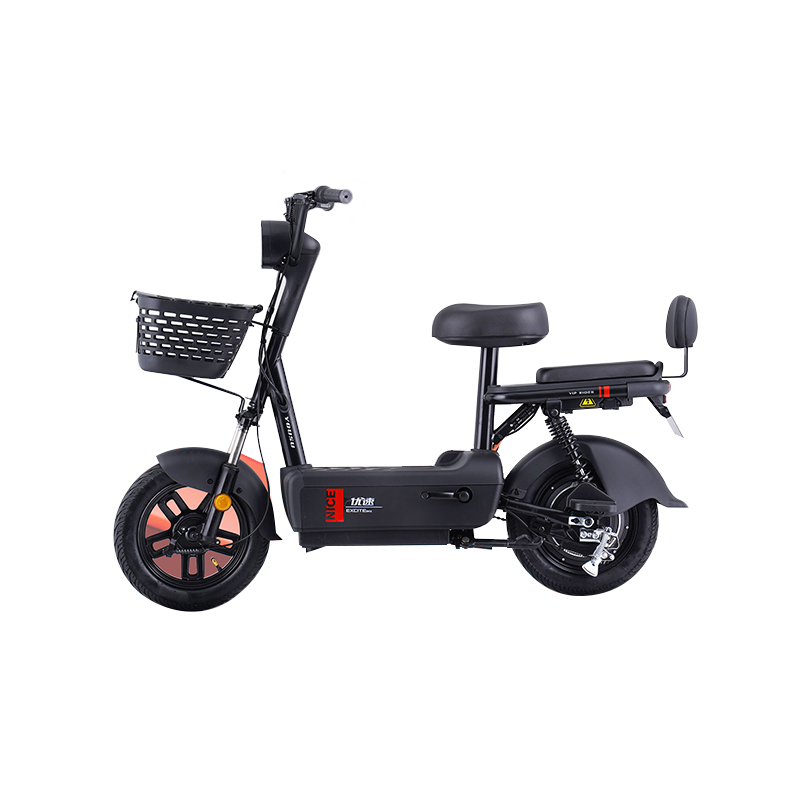

E-Bike Essentials
How to Ride an Electric Bicycle: A Confident First-Ride Guide
Most of what you need to ride an e-bike is already in your hands from regular cycling. What changes is the weight, the acceleration, and the motor's response. This guide covers the preparation, the techniques, and the daily habits that turn a wobbly first kilometer into a confident ride.
You've just unpacked an electric bicycle, or you're deciding whether to test-ride one. The bike is heavier than a regular bicycle, the display shows unfamiliar readouts, and the motor's push grows from gentle to firm as you raise the assist level. None of this is difficult once you know what matters.
What Feels Different on an Electric Bicycle?
An e-bike preserves the core cycling skills — steering, balance, scanning — and adds three variables you should meet before you ride:
- Motor torque arrives at zero speed; the strongest pull happens from a standstill.
- Total weight runs eight to twelve kilograms above a regular commuter bike.
- An electronic interface — display, assist buttons, sometimes a throttle — adds decisions, not difficulty.
Torque at a standstill is exactly where new riders are least ready for it. On low assist the pull is pleasant; on a high level it can lift the front wheel. Launch on level one and raise assist once you're rolling.
Weight changes braking math. The extra mass tracks beautifully straight at speed, but extends stopping distance. You brake earlier, build pressure progressively, and shift your hips slightly back as speed falls.
Controls add a new habit loop, but each is simple alone. A minute spent locating buttons by touch, before riding, is worth more than any dashboard feature.
Pre-Ride Preparation: Fifteen Minutes That Pay Off
The fastest way to make a first ride feel normal is to prepare the bike before moving. Riders who skip this wobble at the first stop sign and blame the machine.
- Saddle height: set it low enough for both feet to rest flat at stops, then raise it as confidence grows.
- Tire pressure: follow the sidewall range; soft tires feel sluggish, over-inflation reduces grip.
- Brakes: test the levers while walking the bike; they should engage smoothly.
- Controls: find the assist buttons, throttle, and any walk mode by touch before you need them in traffic.
| Check | Why it matters | Common beginner mistake |
|---|---|---|
| Saddle height | Both feet reach the ground at stops | Saddle too high, tipping at intersections |
| Tire pressure | Precise steering and efficient motor | Soft tires, heavy feel |
| Brakes | Heavier bikes need reliable stopping | Dragging brake discovered mid-ride |
| Battery level | Know your assist budget before leaving | Starting a climb with almost no charge |
| Controls | Assist and throttle become muscle memory | Fumbling with buttons at a green light |
| Helmet & visibility | E-bike speeds approach traffic pace | Dark clothing on mixed roads |
Starting, Accelerating, and Stopping
Three habits prevent more beginner accidents than any other advice: start on low assist, accelerate smoothly, and brake earlier than feels natural.
Pedal assist and throttle
Pedal assist rewards smooth pedaling with a proportional push. Level one feels like a tailwind; higher levels reach 25 to 32 km/h depending on local rules. A throttle, if fitted, is like a car's accelerator — gradual pressure, not a switch — and is most useful at intersections and in stop-and-go traffic.
Moving off smoothly
Keep one foot on the ground, the other on a pedal, assist at level one. Push off with a steady stroke, bring the second foot up, then increase assist once rolling. On a slope, use the throttle gently or walk mode.
Braking to a stop
Because of the extra weight, brake earlier. Apply both levers together, building pressure progressively, with your weight slightly back. The rear brake steadies; the front brake stops. A few emergency stops in an empty lot are worth more than any tutorial.
InfoOn most e-bikes, the brake levers carry a sensor that cuts motor power when squeezed. If early stops feel sharper than expected, that's the cutoff working — it becomes natural quickly.
Balance, Turning, and Slow-Speed Control
The drill that builds the most confidence is simple: ride as slowly as possible on a straight, empty stretch. An e-bike is most stable above 12 km/h and least stable below 6 km/h — that band is where the learning happens.
Look toward the point you want to reach; your hands follow your eyes. Brake before corners, because on a heavy bike braking mid-turn pushes you wide. For slow U-turns, lean the bike and keep your body upright so both wheels track beneath you.
Practice a figure-eight in an empty parking lot. Each lap, shrink the loop until the bike hints it wants to fall. That feeling is your slow-speed limit, and it expands faster than you expect.
The motor makes speed easy. Control is earned at low speed, where riding confidence is built.
Hills, Intersections, and Traffic
The hill is where an e-bike earns its keep. The intersection is where beginners hesitate. Both have straightforward solutions.
Climbing and descending
Increase assist before your cadence drops, not after you're grinding. Stay seated, keep a steady rhythm, and the motor smooths the gradient. Descending, brake in short pulses with both levers and pick your entry speed before each corner.
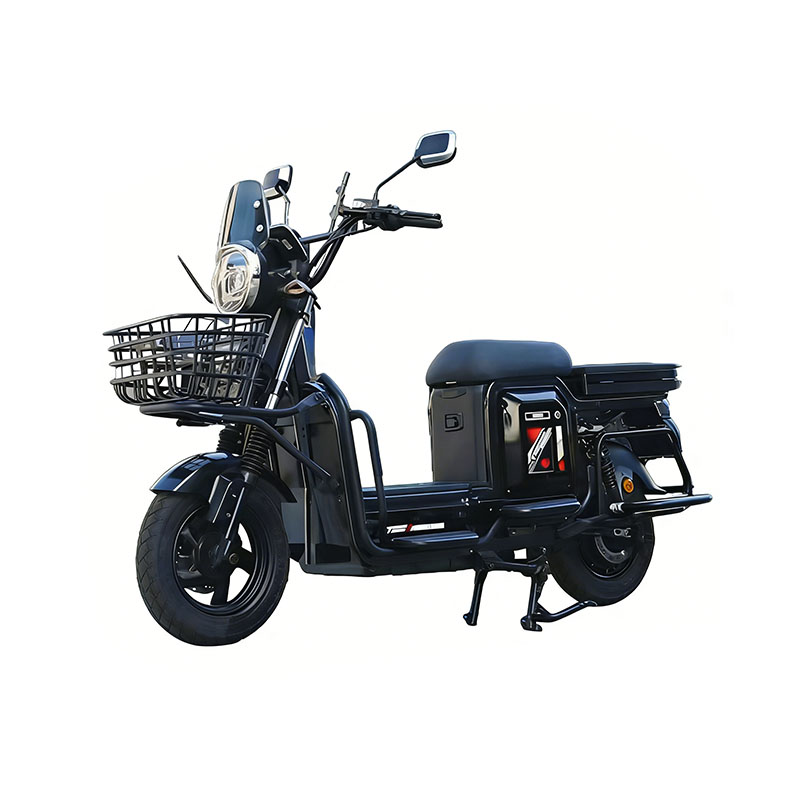
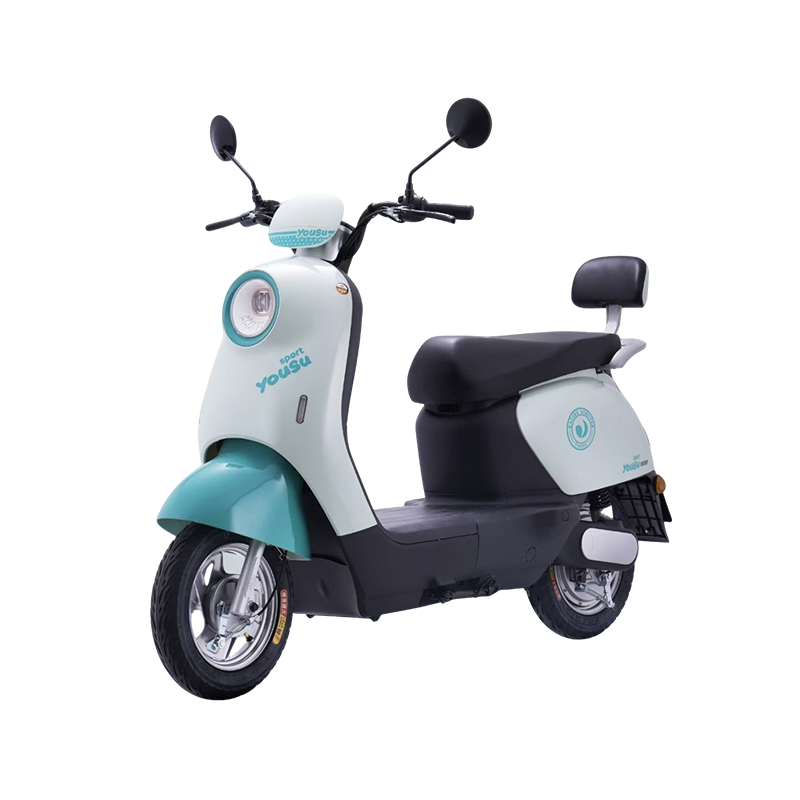
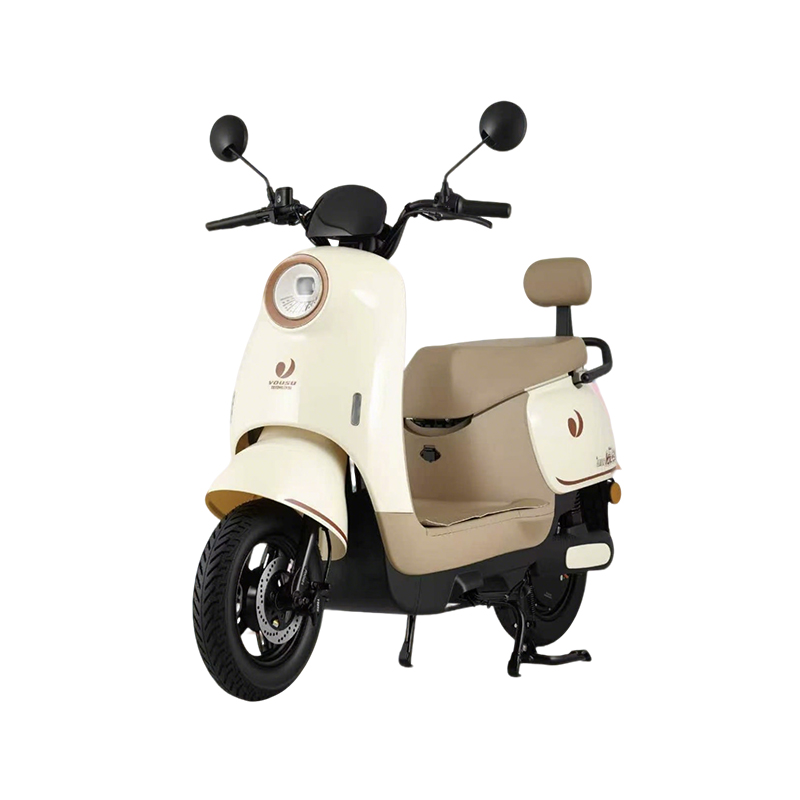
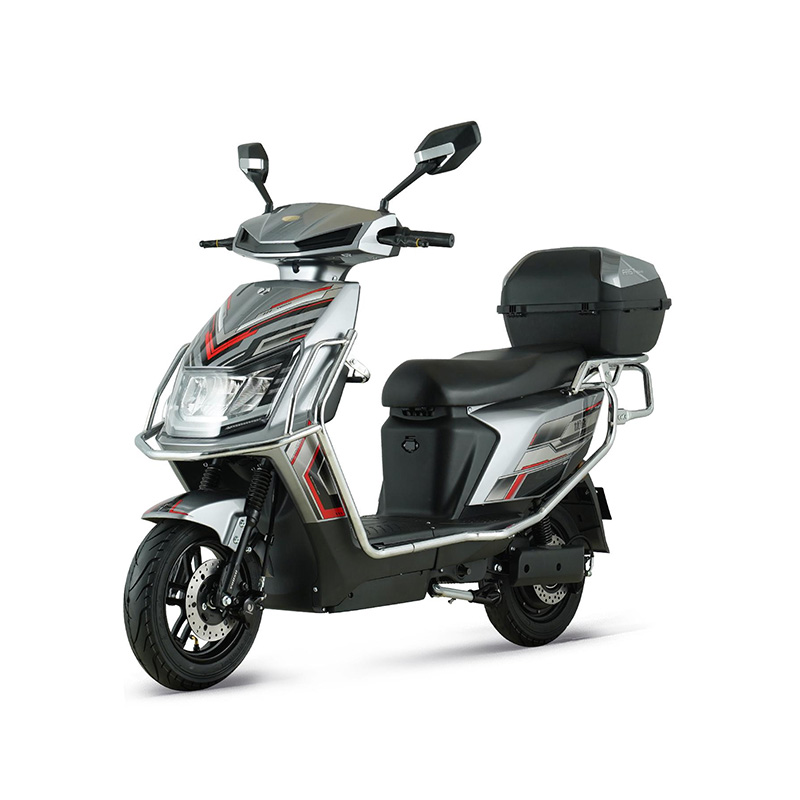
A 500W motor with a healthy battery covers most city climbs without the anxious pull of higher-power machines. The Yousu Beam, with its 500W motor and 48/60V 20Ah battery, is forgiving while you sharpen hill technique.
 Yousu Beam Electric Scooter with 500W Motor and 20Ah BatteryThis 500W commuter scooter offers forgiving hill-climbing performance for city streets, with a battery that covers most daily rides. Its balanced power makes it a sensible choice while you refine your riding technique.View Product →
Traffic habits
At typical assist speeds, you move at traffic velocity on city streets, but other road users still judge you by bicycle speed — a gap that explains most e-bike collisions. Signal early, make eye contact at junctions, and brake before crossings rather than at them.
WarningThe classic e-bike incident is a side-road crossing: a driver expects 15 km/h while you arrive at 26 km/h. Slow at every open junction, finger over the brake lever.
Battery Awareness and Return-Leg Planning
Running out of battery once teaches everything about range anxiety. Planning for range removes it forever.
Range depends on assist level, rider weight, tire pressure, wind, gradient, and temperature. Cold weather alone can cut capacity noticeably. The useful habit is a buffer: keep 20 percent battery when the route has a climb or a long return leg.
Charging habits matter as much as riding habits. Avoid deep discharges, unplug after charging, and store the bike somewhere moderate. The connection order matters — our guide to how to charge a battery car covers it, along with the storage mistakes that shorten battery life.
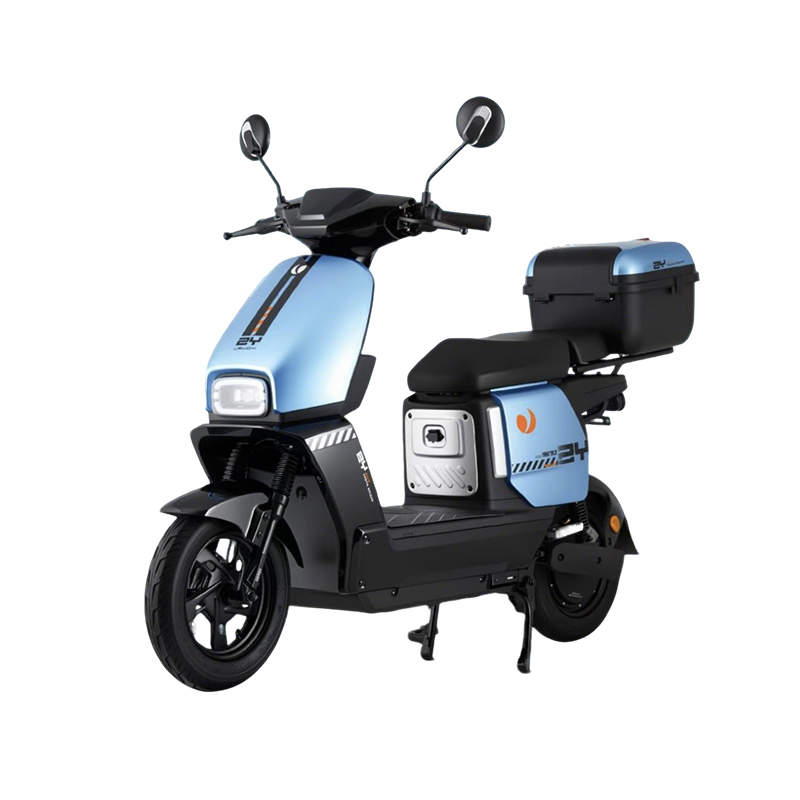
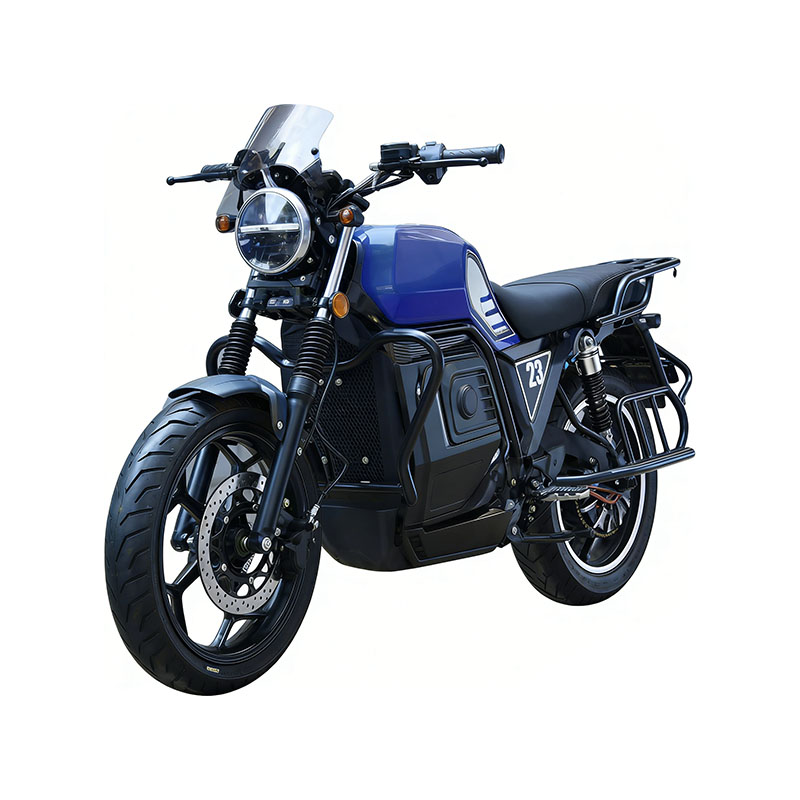
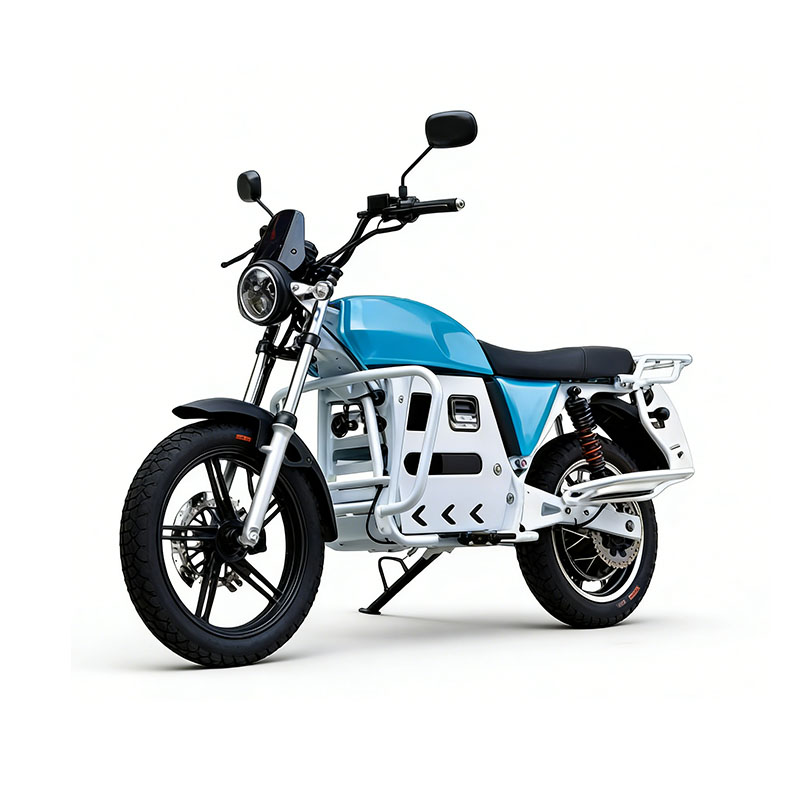
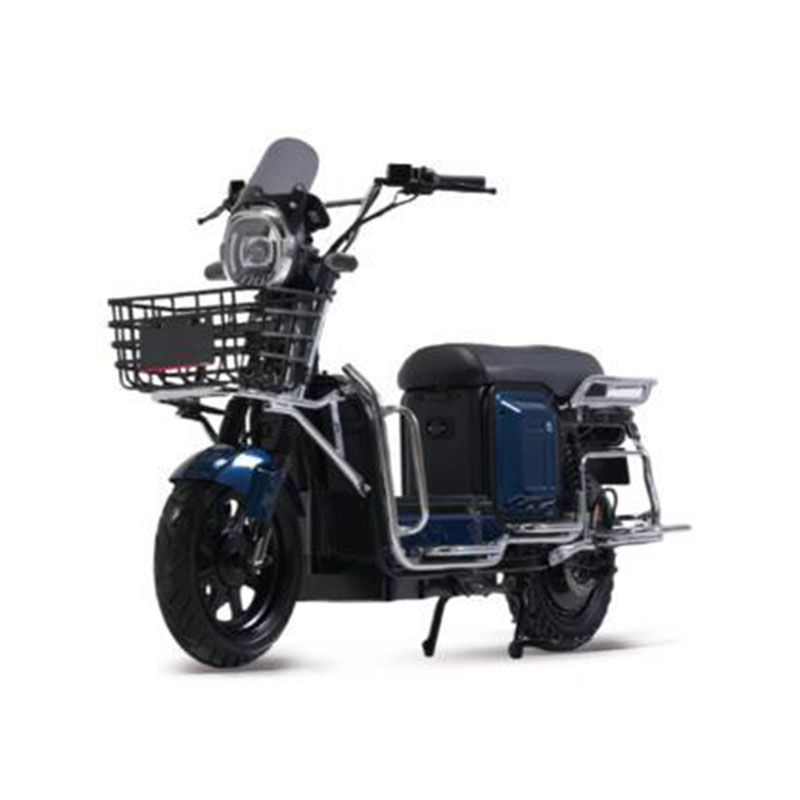
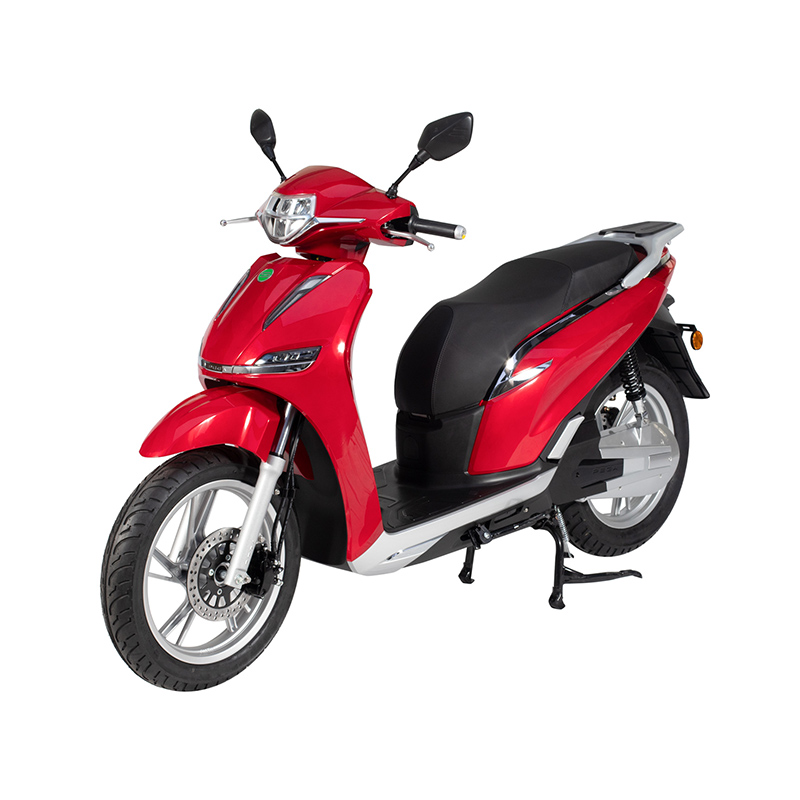
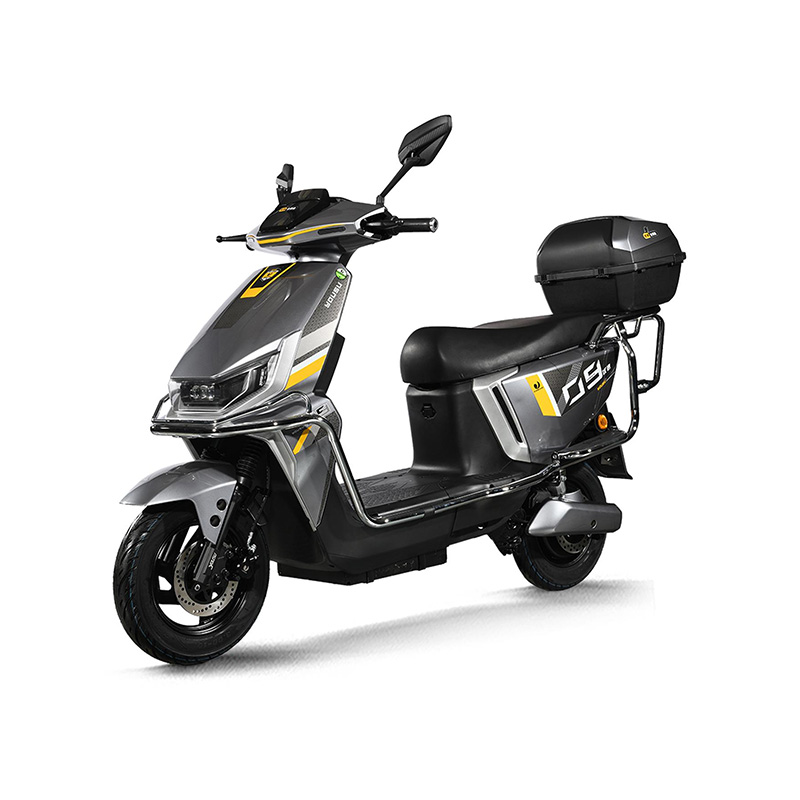
When range ambitions grow, the planning overhead changes. A long-range machine such as the Yousu Warhawk reduces the number of times you think about a charger between rides.
 Yousu Warhawk Long-Range High-Performance Electric ScooterA high-performance model built for extended journeys, the Warhawk reduces charger stops between rides. Its stronger battery and upgraded components suit riders planning longer commutes or distance trips.View Product →
Choosing the Right E-Bike for Your Learning Phase
The best first e-bike is not the most powerful one; it is the one you can predict in the first twenty minutes.
Predictable power means a motor that responds proportionally, without surges; a 350W to 500W commuter motor does this well. Comfortable posture means an upright position for looking around and signaling. Simple controls mean fewer distractions while muscle memory grows.
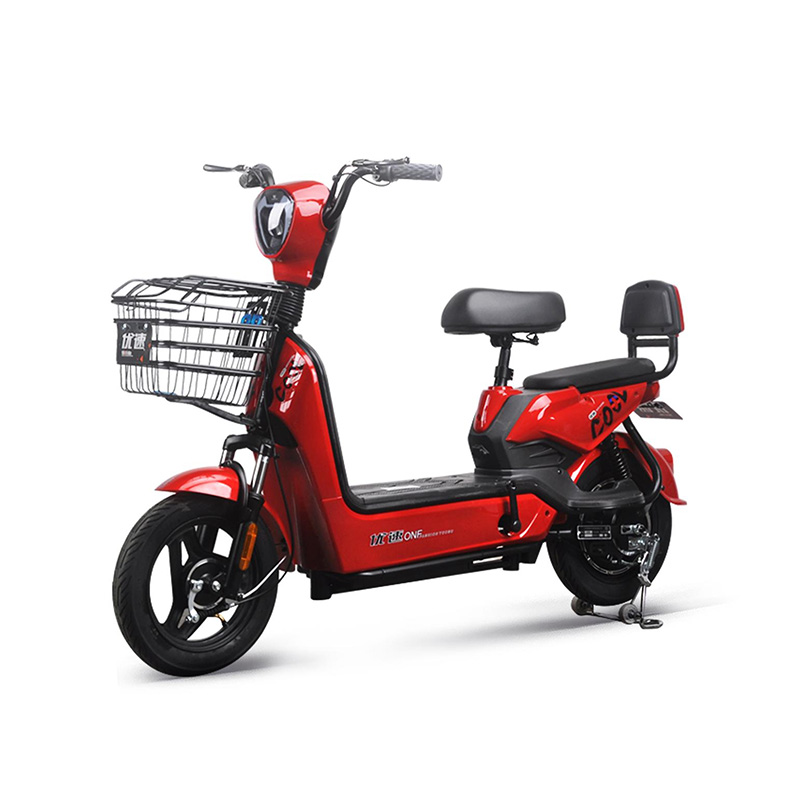
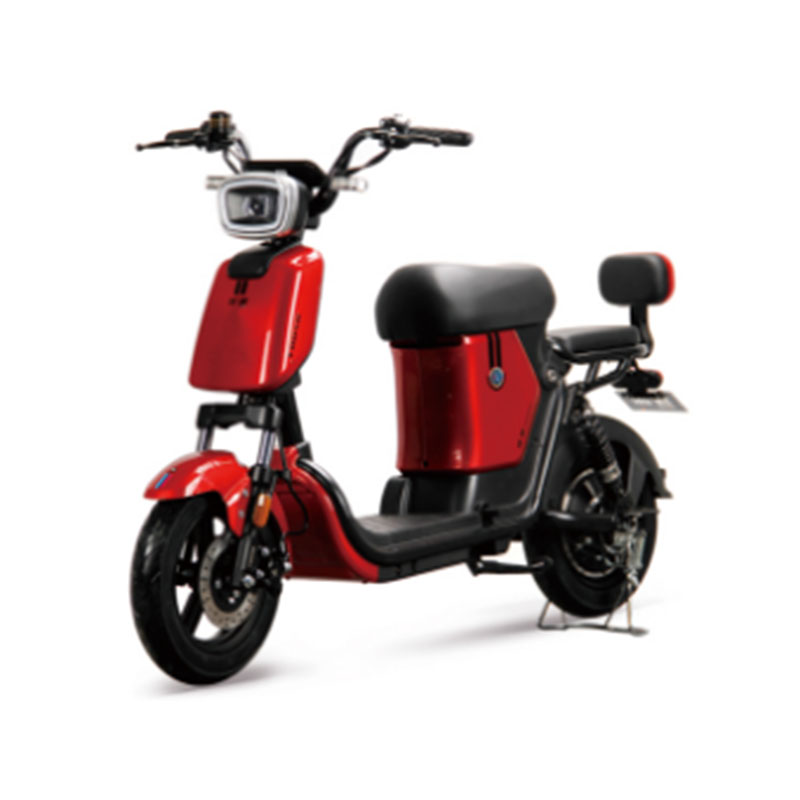
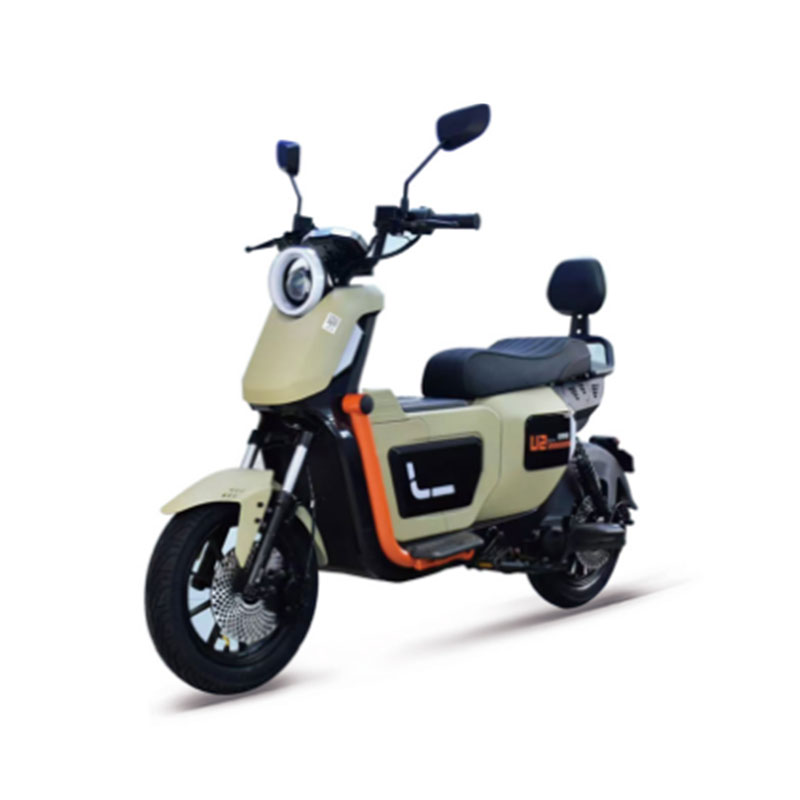
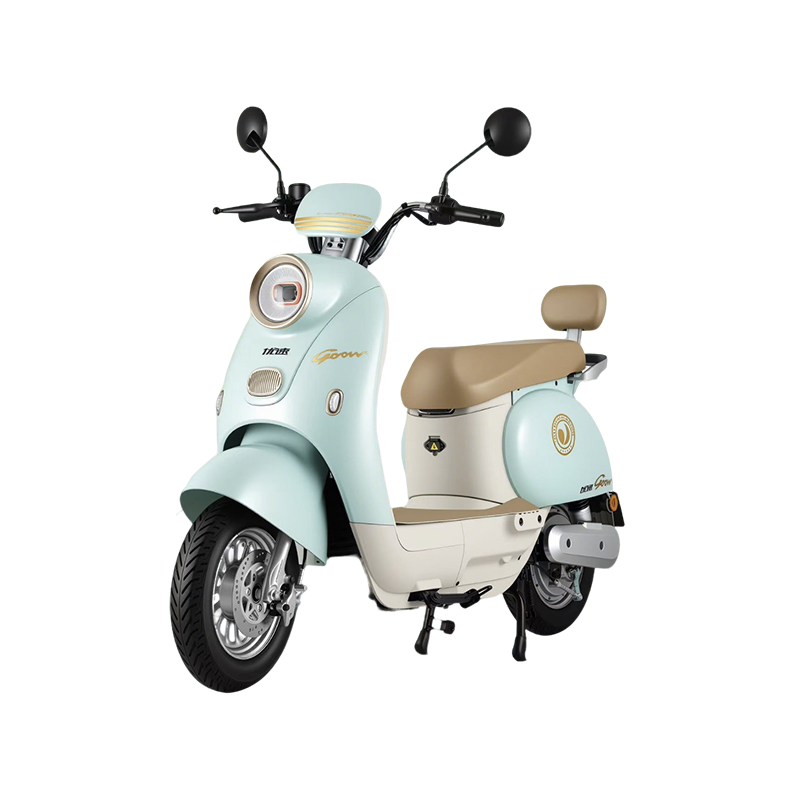
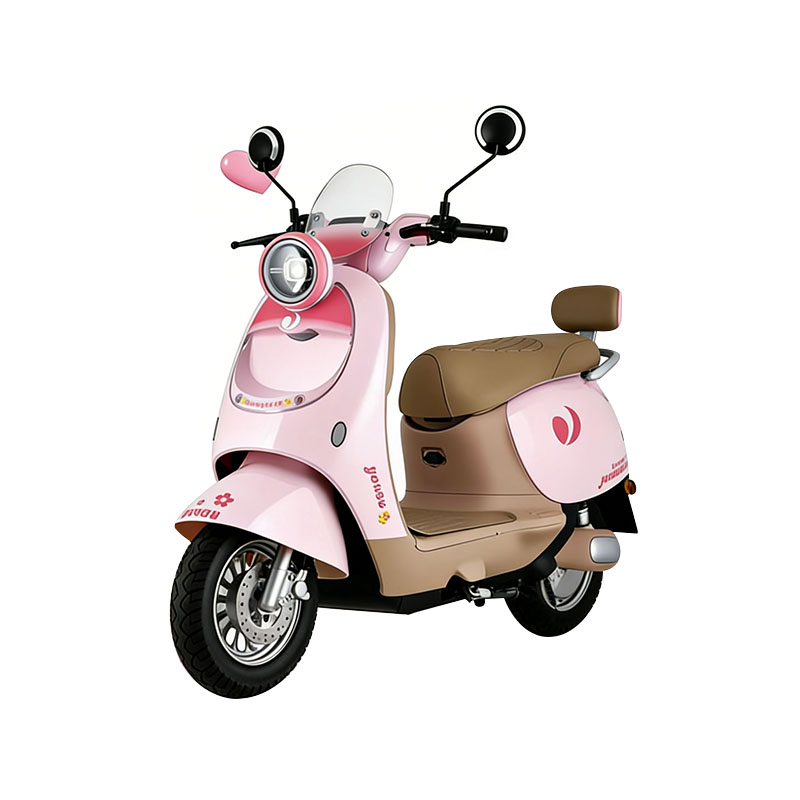
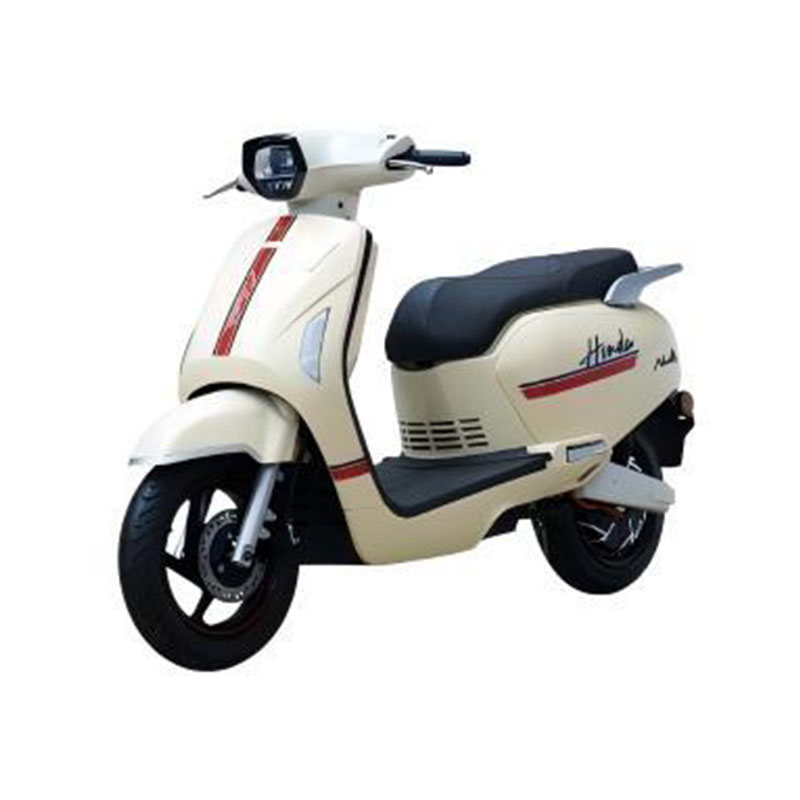
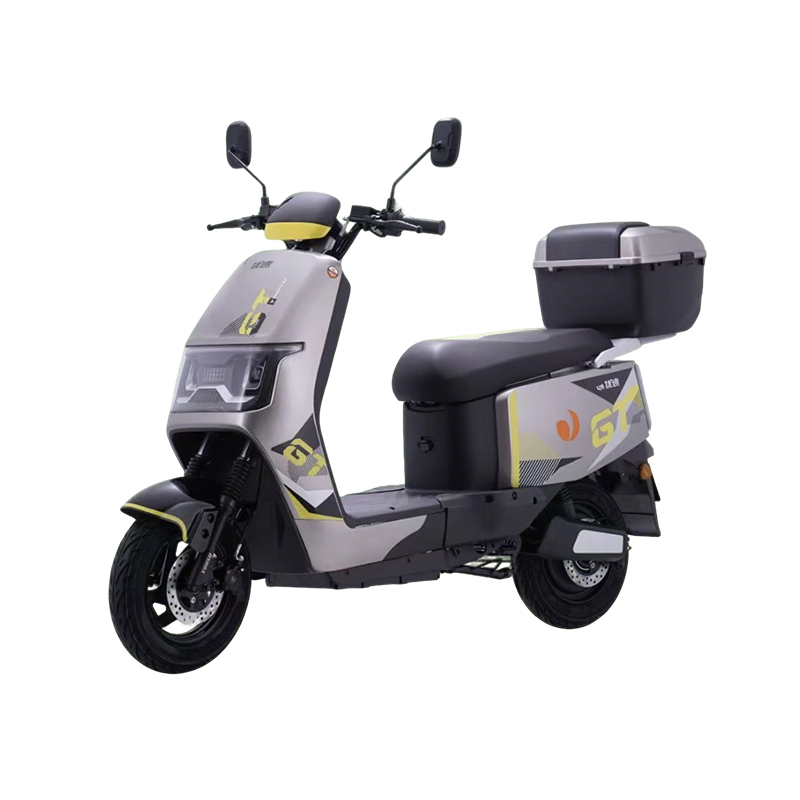
A simple commuter model such as the Yousu Potato embodies all three: gentle response, upright ergonomics, and a cockpit that does not demand attention. That combination is worth more than a long spec sheet when you are building foundational skills.
 Yousu Potato Simple Commuter Electric ScooterA straightforward commuter model with gentle response and upright ergonomics, ideal for building foundational riding skills. Its uncomplicated cockpit and affordable price make it a practical first e-bike.View Product →
Riders who graduate to faster machines say the techniques learned on a calm bike transferred directly, and they wish they had started simpler.
Learning to ride an electric bicycle follows a predictable curve: a simple start, a short re-calibration to weight and acceleration, then a long phase of more range, more hills, and less traffic stress.
SuccessAfter two or three rides, the fundamentals feel automatic — and the e-bike becomes simply a faster, quieter way to move.
Start on low assist. Brake earlier. Practice slow control before fast rides. Plan your battery with a daily margin. And if you are weighing your first purchase, look at the commuter and long-range bikes Yousu builds — one of them will match your learning phase exactly.
 Previous