


 English
 Español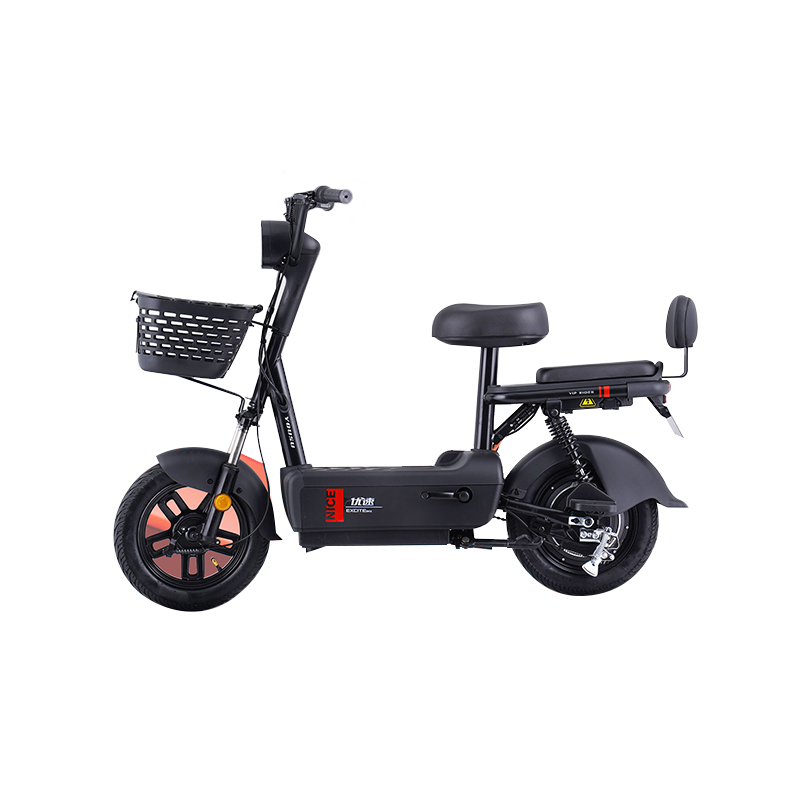

Plug In, Ride Out: The Right Way to Charge an Electric Bicycle
A calm, practical guide to chargers, batteries, and the habits that decide whether a pack lasts three years or five.
You unbox a new electric bicycle, the display reads 40 percent, and tomorrow's commute depends on a full battery. You hold the charger and ask the same questions every rider asks: battery first or wall first? Is overnight charging safe? Does a 100 percent charge damage anything?
Here is the short answer. Use the charger that matches the battery's voltage, connect the charger to the battery before plugging into the wall, charge in a dry and ventilated place, and unplug when the light turns green. For daily riding, keep the battery between about 20 and 90 percent, and charge to 100 percent only when you need the range. The sections below explain why.
Start with a Charger That Matches the Battery
A lithium battery is not a simple storage tank. It includes a battery management system that monitors voltage, current, and temperature, and the charger must stay inside the voltage window the system accepts. A 48V pack should be charged with a 48V charger; a 60V pack needs a 60V charger. A lower-voltage charger charges slowly or does not start; a higher-voltage charger can trigger over-voltage protection and, at worst, damage cells.
Check the label on the battery for nominal voltage, then look for the output rating on the charger. If the connector does not fit smoothly, inspect the pin arrangement rather than forcing it. Charging ports on many models sit behind a rubber cap; treat the cap as part of the weather sealing.
Good to know. Most e-bikes today use lithium-ion cells, while some light or older models use lead-acid. Each chemistry has its own charging curve, so the charger and battery should remain a factory pair.
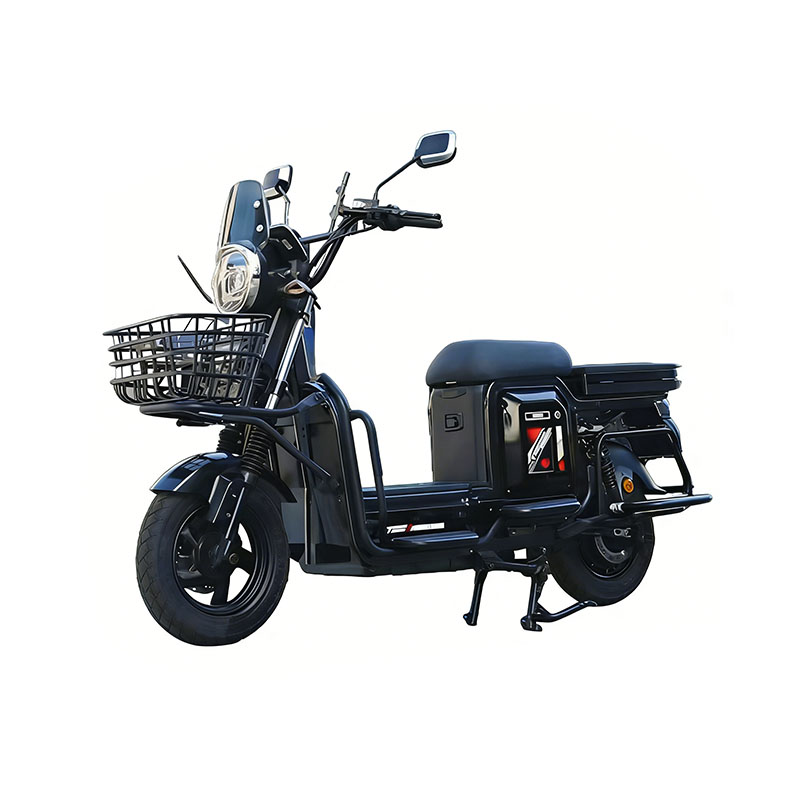
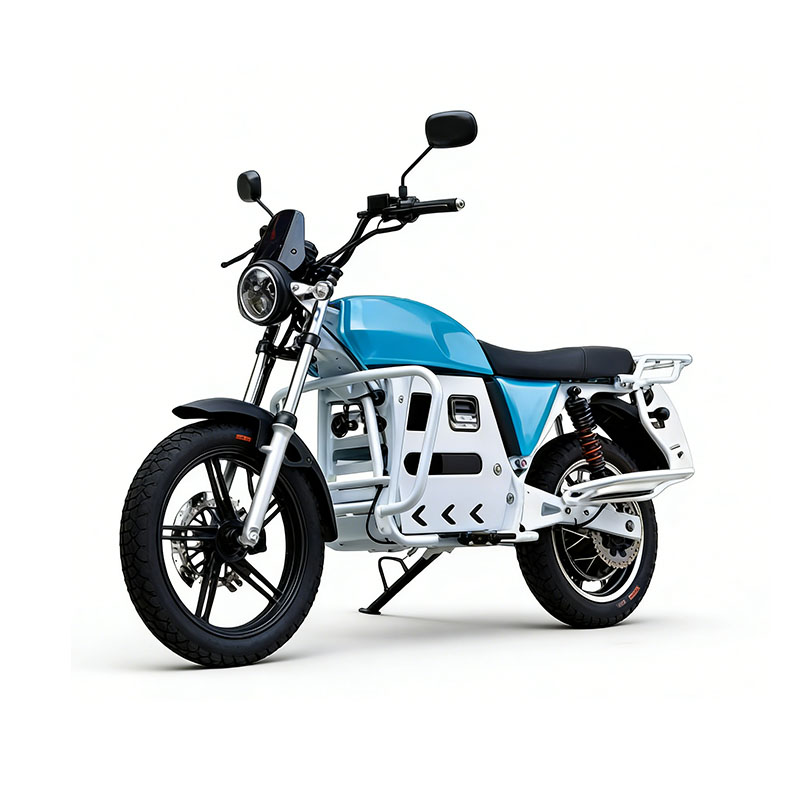
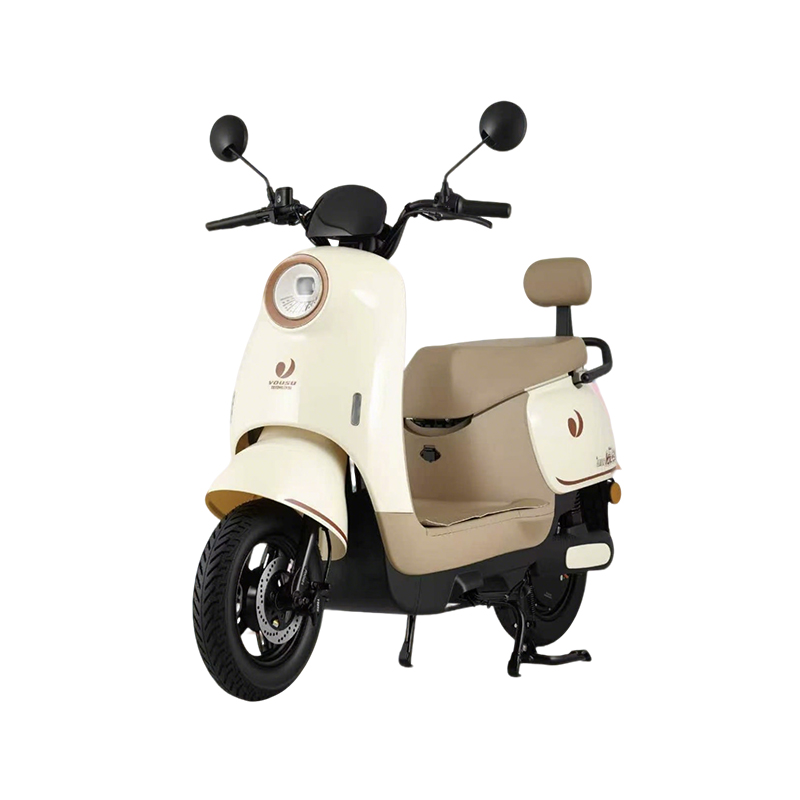
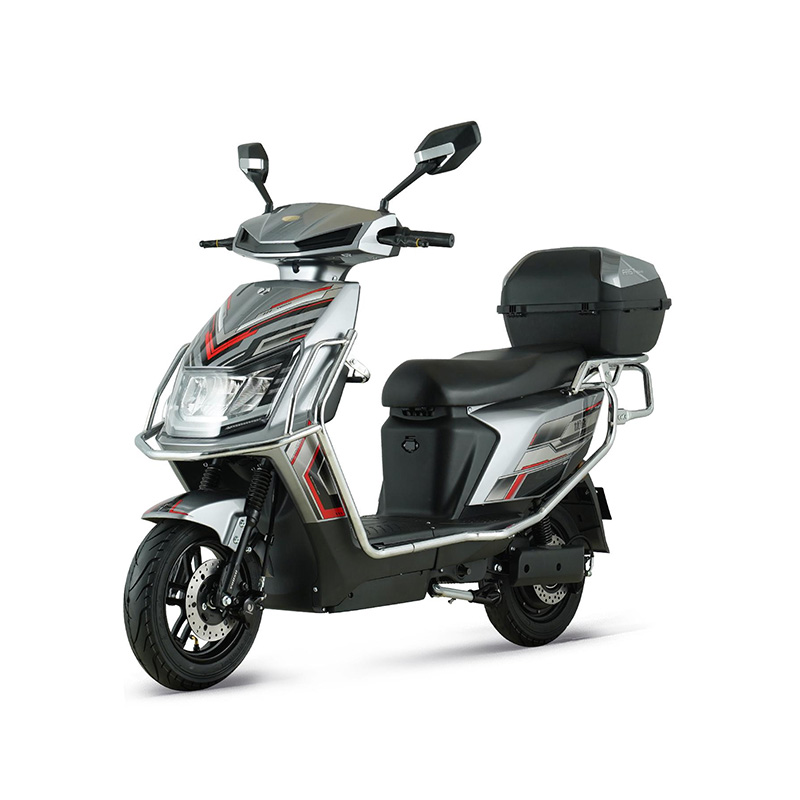
In the Yousu range, a commuter model like the Beam arrives with a 48/60V 20Ah battery and a matching charger, so the voltage question is settled at the factory. Keep that charger paired with that battery, and label both if the household owns more than one electric vehicle.
 Yousu Beam Commuter E-Motorcycle with 48/60V 20Ah Battery and ChargerThis commuter model comes with a matched battery and charger, so pairing them at home is straightforward. Useful for households with multiple e-vehicles, as keeping them together simplifies the charging routine.View Product →
How to Charge an Electric Bicycle, Step by Step
Once the charger and battery are confirmed as a pair, the routine takes about thirty seconds of active attention:
- Switch the bicycle off. If the battery is removable, take it out and place it in a dry, ventilated area away from direct sunlight.
- Connect the charger output cable to the battery port first, then plug the charger into the wall. This order avoids sparks at the connector and gives the charger a stable start.
- Watch the indicator light. Red or orange means charging; green means finished. If no light appears, check the socket and both connections first.
- Let the cycle finish. Most packs take four to eight hours. Short top-ups are safe, but a completed cycle lets the battery management system balance the cells.
- Unplug the charger from the wall, then from the battery. Reinstall the battery and confirm it clicks into place.
Stop if something looks wrong. A swollen battery, cracked casing, unusual smell, or a pack that becomes too hot to hold comfortably means: end the session, move the pack outside, and contact the seller or a qualified technician.
How Long Does Charging Take?
Charging time is roughly battery capacity divided by charger current, plus a little extra for the final balancing stage. A bigger battery takes longer with the same charger; a stronger charger finishes sooner but generates more heat.
| Battery pack | Charger output | Typical time |
|---|---|---|
| 36V, 10 Ah | 2 A | 4–5 hours |
| 48V, 12 Ah | 2 A | 5–6 hours |
| 48V, 20 Ah | 3 A | 6–8 hours |
| 60V, 20 Ah | 3 A | 7–9 hours |
| 60V, 20 Ah | 5 A | 4–5 hours |
These figures assume a partially discharged battery. Chargers slow down near the top, so the last 10 percent can take noticeably longer than the first 10 percent.
Charging Habits That Extend Battery Life
Battery life is not set by the number of charge cycles alone. The two factors that age lithium cells fastest are deep discharges and heat, so the charging routine exists to avoid both.
Two habits matter most. Do not regularly ride the battery below 20 percent. And for daily commuting, charge to about 90 percent instead of 100. The top of the charge is the most stressful part of the cycle, and a short commute does not need every reserve. Go to 100 percent before long rides, and let the pack run a full cycle now and then so the management system can recalibrate.
Storage is the third habit. If the bicycle sits unused for a month or more, store the battery at 50 to 60 percent charge in a cool place — not full, and never empty.
The simple formula: 20 percent minimum before charging, 90 percent target for daily rides, 100 percent before long journeys, 50 to 60 percent for storage.
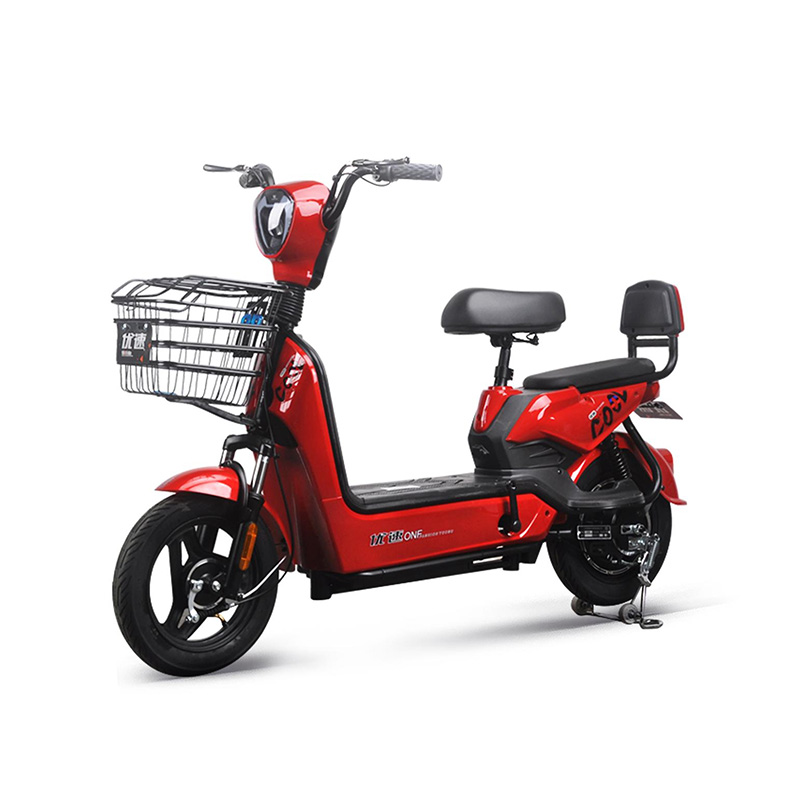
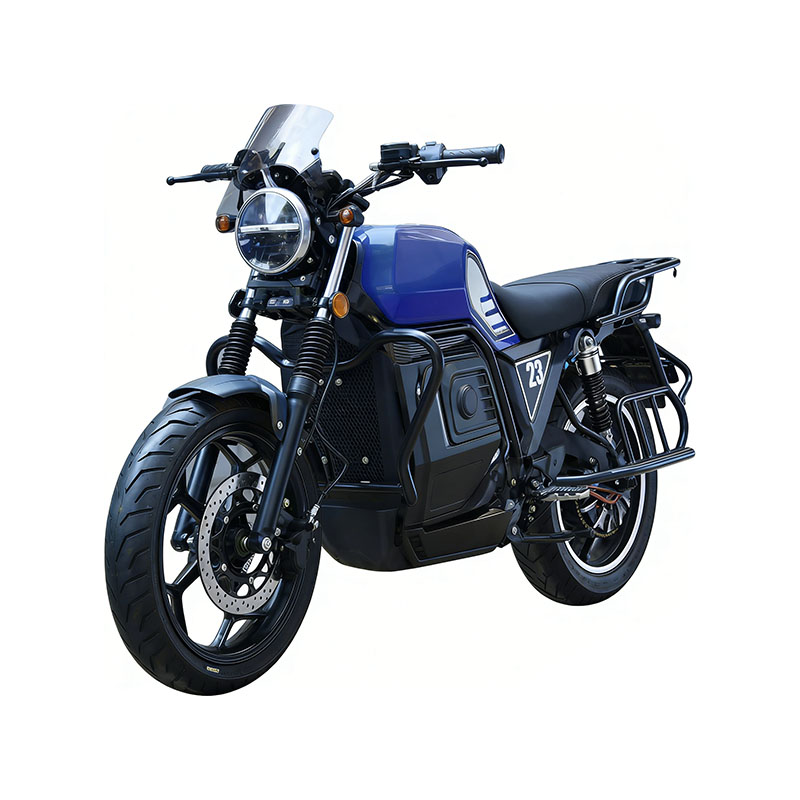
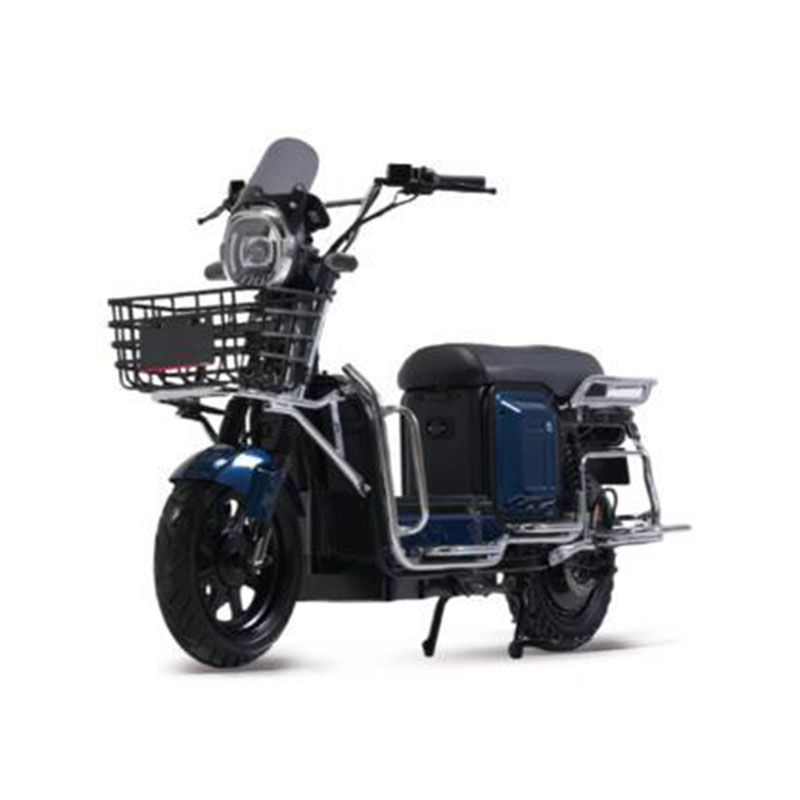
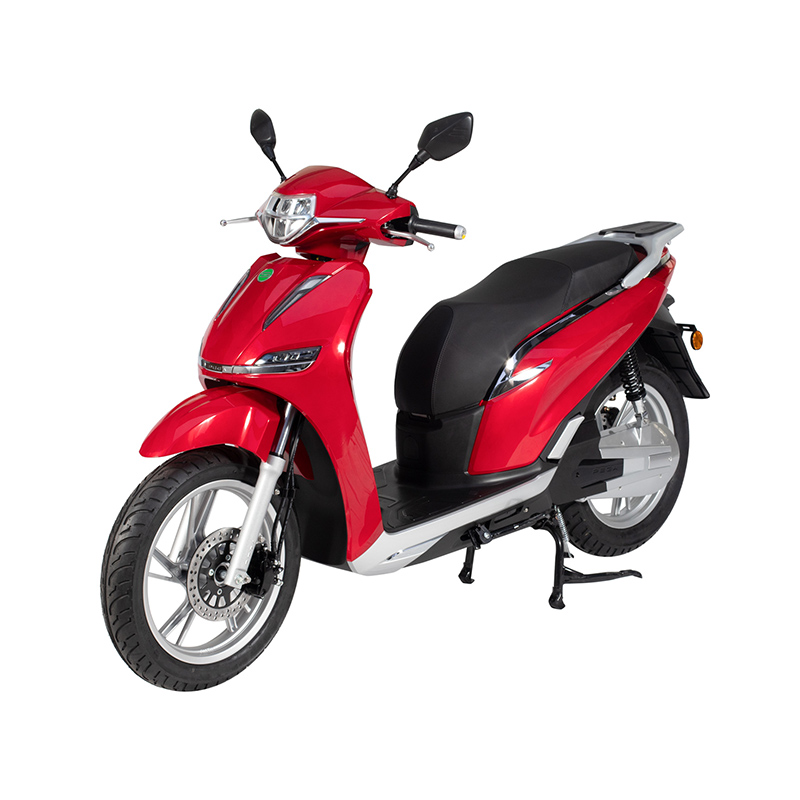
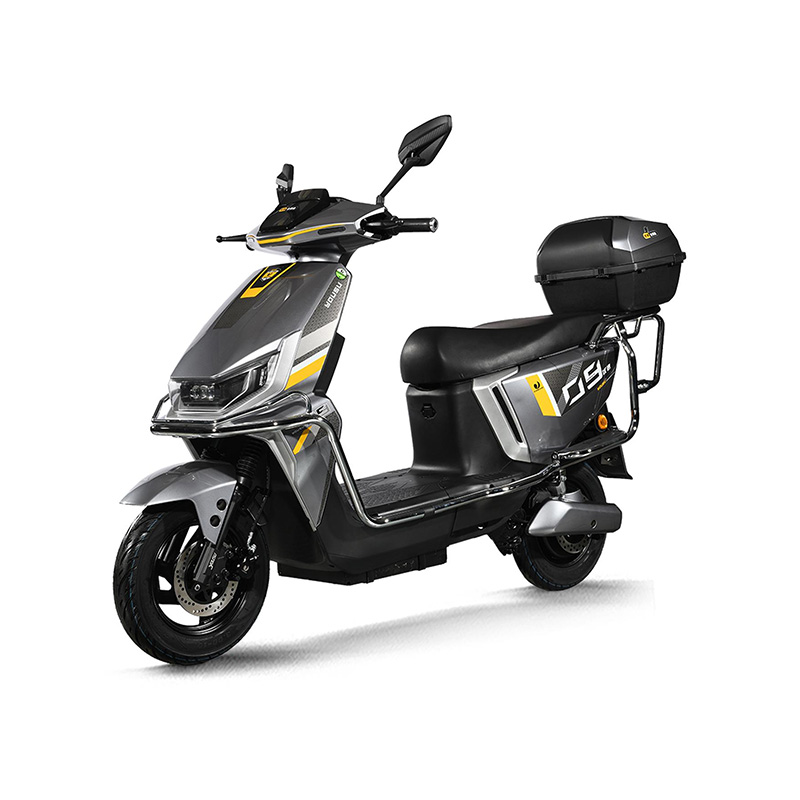
Riders with long daily distances can reduce charging stress by choosing a high-capacity model such as the Warhawk, which needs fewer charging cycles for the same weekly mileage and therefore less wear over time.
 Yousu Warhawk High-Capacity E-Motorcycle for Long Daily DistancesWith a larger battery, this model needs fewer charging cycles for the same weekly mileage, reducing wear over time. A suitable pick for riders covering long distances regularly who want less charging stress.View Product →
Fast Charging Is Useful — Just Not for Every Charge
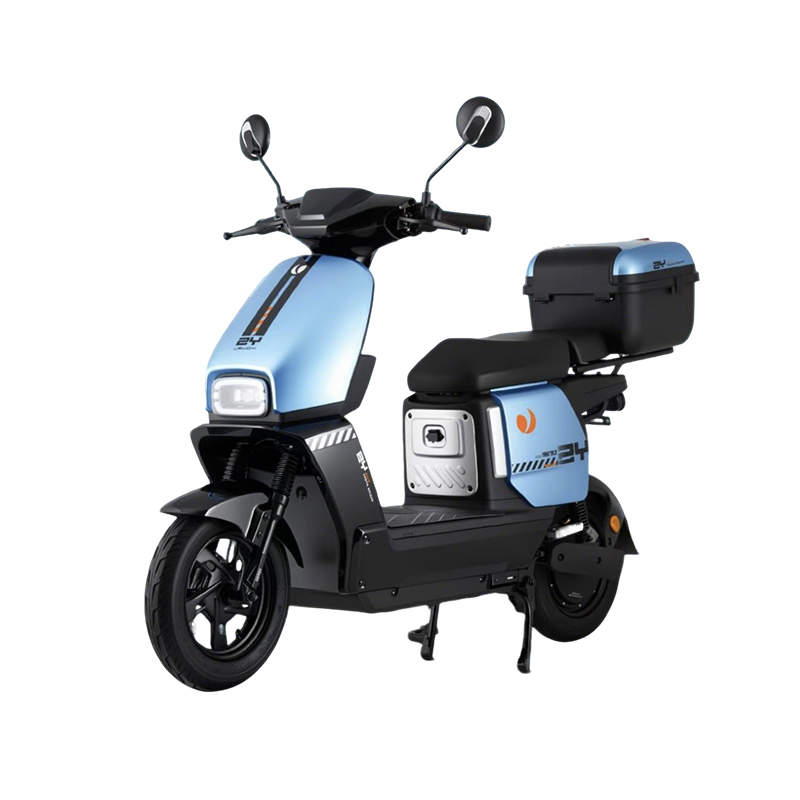
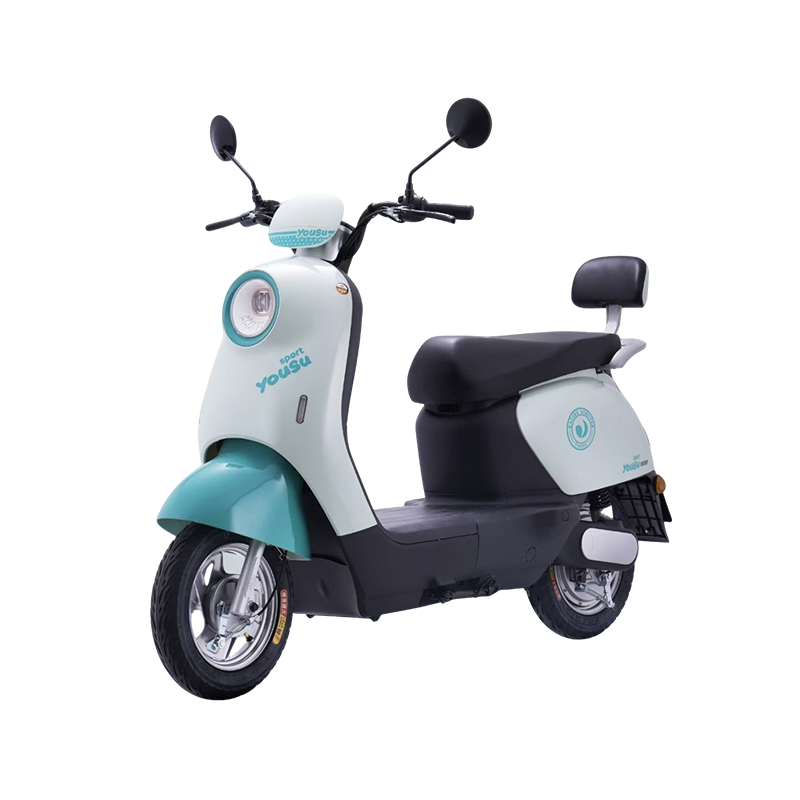
Chargers have become faster, and some models ship with high-current chargers as standard. The Yousu Cyclist A7Pro, for example, charges at 10 A and can add roughly two bars per minute — a genuine advantage for a rider between deliveries or after a long stop.
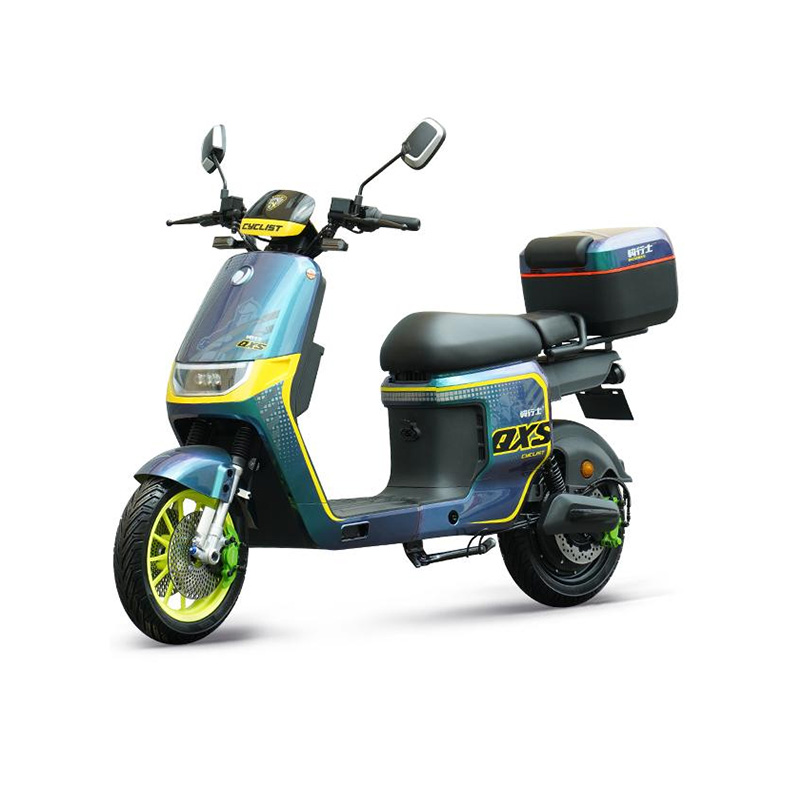 Yousu Cyclist A7Pro with 10A Fast Charging and 72V 20Ah BatteryThis high-end e-motorcycle charges at 10 A, adding about two bars per minute—an advantage for riders between deliveries. Features a 2000W system and a 72V 20Ah battery for extended range and performance.View Product →
The tradeoff is heat. The faster a battery charges, the warmer it becomes. Occasional fast charging on a pack designed for it is perfectly safe; daily fast charging can accelerate capacity loss. When time allows, use the regular charger and keep the fast charger for the moments when time is the real constraint.
Avoid hot charging. Never plug in a battery immediately after a hard ride. A warm pack combined with fast charging is the worst combination for cell longevity; let the battery return to room temperature first.
Charging Mistakes That Quietly Shorten Battery Life
- Using a visually identical charger with the wrong voltage or polarity, especially from another brand.
- Leaving the battery at 100 percent for weeks while the bicycle is parked.
- Charging in direct sunlight, inside a bag, or next to flammable material.
- Ignoring a charger or battery that feels abnormally hot.
- Storing an empty battery over winter; a fully discharged pack can drop below its protection cutoff and refuse to charge.
None of these mistakes destroys a battery overnight. They wear it down gradually, until one day the range drops and the owner assumes the battery was simply old.
Very few batteries die from a single dramatic event. Most are worn down by a thousand ordinary charging decisions.
What Fleet Managers and Retailers Should Standardize
For dealers, rental operators, and anyone managing multiple electric bicycles, charging becomes a process rather than a habit. Label every charger with the bike it belongs to, use a socket timer for overnight sessions, and keep a printed two-line routine near the outlet. In our work at Yousu, most battery warranty cases trace back to mismatched chargers or long storage at full charge — both preventable with a checklist.
If you also service battery-electric cars, the same rules transfer directly. Our guide on how to charge a battery car walks through voltage matching, connection order, and cooling for another vehicle class.
The discipline of charging an electric bicycle fits in one sentence: use the charger intended for the battery, connect it before the wall, keep the pack between 20 and 90 percent for daily riding, and charge in a cool, dry place.
That routine costs almost nothing and returns predictable range, fewer repairs, and a battery that still holds a decent charge after years of use. Plug in, ride out, and charge again tomorrow.
 Previous