


 English
 Español

Electric Bicycle Fundamentals
Do You Have to Pedal an Electric Bicycle?
The honest answer is: it depends on which "electric bicycle" you mean, and the law draws a clear line between a pedal-assisted e-bike and a throttle-only machine. Here is what that line means for you.
The Short Answer, Without the Fine Print
If you are riding a legally classified electric bicycle, the pedals are not decorative. In nearly every jurisdiction that recognizes e-bikes as bicycles — from the United States and Canada to the European Union and Australia — the term "electric bicycle" means a bicycle with fully operable pedals and a motor that assists while you pedal. If the machine cannot be pedaled, regulators stop calling it a bicycle and start treating it as a moped, motor scooter, or motorcycle.
That does not mean you are physically forced to pedal every second. It means the pedals must be present and functional, and on many models the motor will not deliver power unless you are pedaling. The distinction matters more than most first-time buyers expect, and it affects where you can ride, whether you need a license, and how much you pay to stay legal.
Why Working Pedals Define the E-Bike Category
The legal reasoning is straightforward. A bicycle, in the eyes of traffic law, is a human-powered vehicle that may be assisted by a small motor. The assistance is what makes short commutes bearable without turning the rider into a motorist. Take away the pedals, and the vehicle is no longer a bicycle — it is a powered vehicle that needs registration, insurance, and a driver's license in most places.
InfoRules vary by state, province, and country. Some regions cap e-bike motors at 250 watts; others allow up to 750 watts. Always confirm local statutes before relying on a model for road use.
The three-class system used across many regions makes the pedal requirement explicit:
| Class | Pedal requirement | Motor engagement | Assist limit |
|---|---|---|---|
| Class 1 | Pedals required | Only while pedaling | 20 mph (32 km/h) |
| Class 2 | Pedals required | Throttle or pedal assist | 20 mph (32 km/h) |
| Class 3 | Pedals required | Only while pedaling | 28 mph (45 km/h) |
Notice the common thread: every class requires pedals. A Class 2 bike can move on throttle alone, but it must still have functional pedals to keep its legal status as a bicycle. Remove the pedals, or buy a pedal-free scooter with a throttle, and the vehicle crosses into moped or motorcycle territory — where the regulatory burden grows considerably.
Pedal Assist vs. Throttle: How the Motor Decides
Once the pedals are settled, the next question is how the motor engages. Two control methods dominate, and riders often confuse them.
Pedal assist (pedelec)
In a pedal-assist system, the motor adds power only while you pedal. Sensors detect that the crank is turning, or that torque is being applied, then instruct the motor to deliver power. Stop pedaling, and the motor eases off. This is the "pedal to ride" experience most people picture when they ask about electric bicycles.
Cadence sensors vs. torque sensors
- Cadence sensors detect whether the pedals are rotating and switch the motor on at a preset power level. They are simple, affordable, and common on commuter e-bikes.
- Torque sensors measure how hard you push the pedals and match motor output to your effort. The ride feels smoother and more natural, closer to cycling with a steady tailwind.
Throttle control
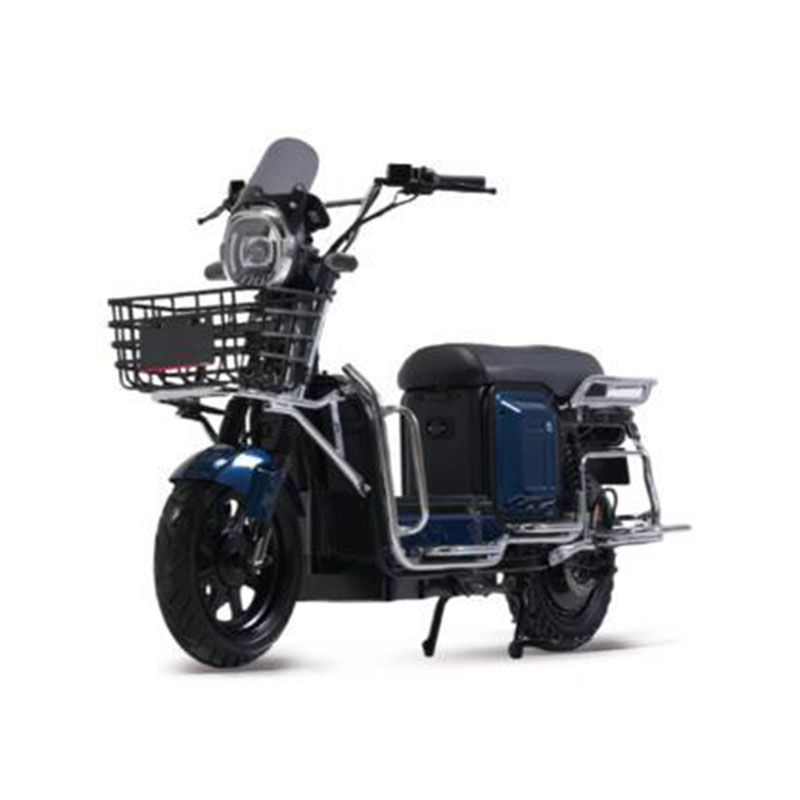
A throttle lets you move without pedaling at all. On a Class 2 e-bike, the throttle is a convenience: the pedals remain, but the motor can be engaged from a standstill. On a pedal-less electric scooter or an electric motorcycle, the throttle is the only control, and the vehicle is regulated as a powered vehicle rather than a bicycle.
Rider tipIn stop-and-go city traffic, a cadence-sensing pedal-assist model is often the most forgiving daily companion, while a torque sensor rewards riders who want a responsive, natural bicycle feel.
Can You Ride an E-Bike Like a Normal Bicycle?
Yes — and this is where the pedal requirement becomes an advantage rather than a burden. Most e-bikes can be ridden exactly like a conventional bicycle. You can drop the assist to its lowest level, or switch it off entirely, and rely on leg power alone. The motor is not forcing you to work; it waits until you ask for help.
The trade-off is weight. A typical electric bicycle carries a motor, a battery, and a reinforced frame, bringing the total to 20 to 35 kilograms — noticeably heavier than a standard bike. Riding with the assist off is possible on flat ground, but hills will remind you that you are hauling extra mass. Most riders leave a low assist level on for flats and raise it on climbs, which is exactly what the designers intended.
Think of an e-bike as a bicycle with a patient assistant. The pedals remain the heart of the machine; the motor multiplies your effort when the terrain, the headwind, or your energy level demands it.
Pedaling also extends range. Every watt you contribute is a watt the battery does not need to supply. Riders who pedal consistently can stretch a battery's range by a meaningful margin — often 20 to 40 percent compared with throttle-only riding.
What Happens When You Choose Not to Pedal
The real distinction is not whether you pedal at every moment, but whether the machine can be pedaled and how the law classifies it. A Class 2 e-bike with a throttle lets you ride an entire trip without pedaling — legally, as long as the pedals stay attached and the speed limit is respected. Many riders use the throttle for quick starts and pedal the rest of the way.
CautionRemoving the cranks and pedals from an e-bike to make it lighter or less conspicuous can reclassify it as a moped or motor vehicle. That can mean registration, insurance, a license, and a ban from bike lanes and multi-use trails.
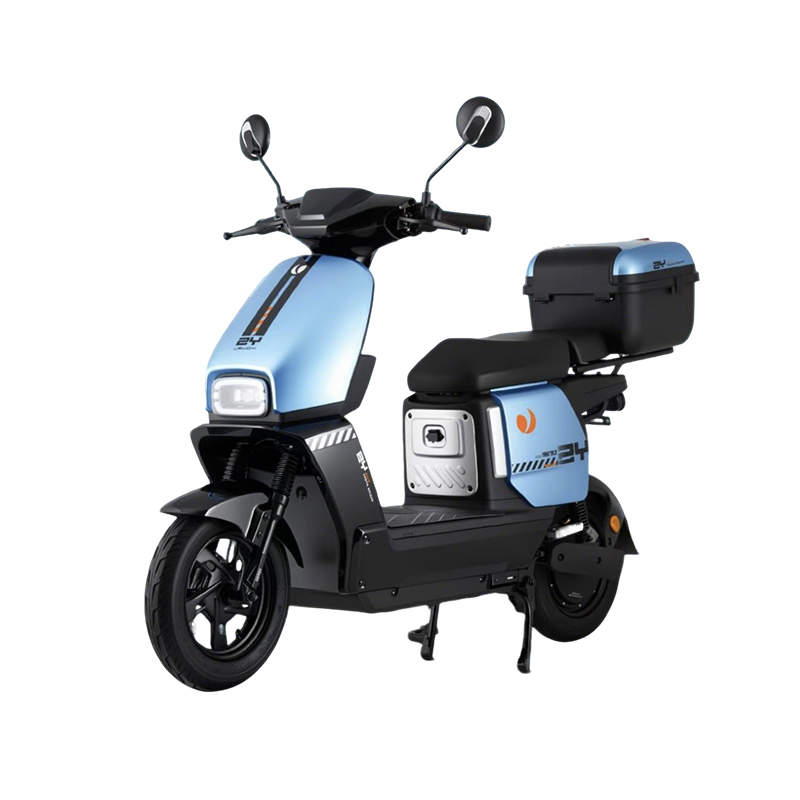
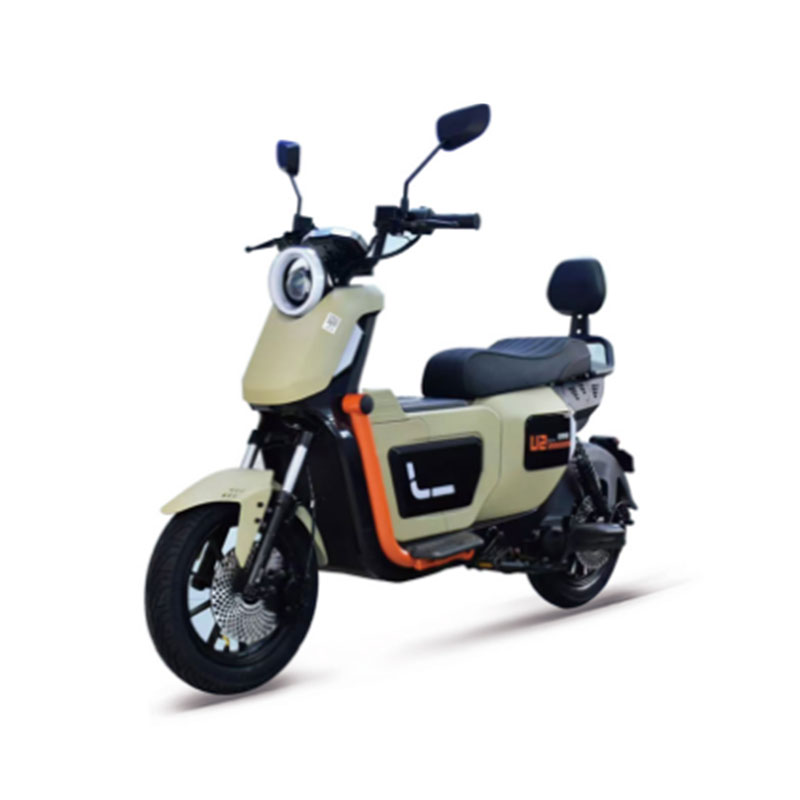
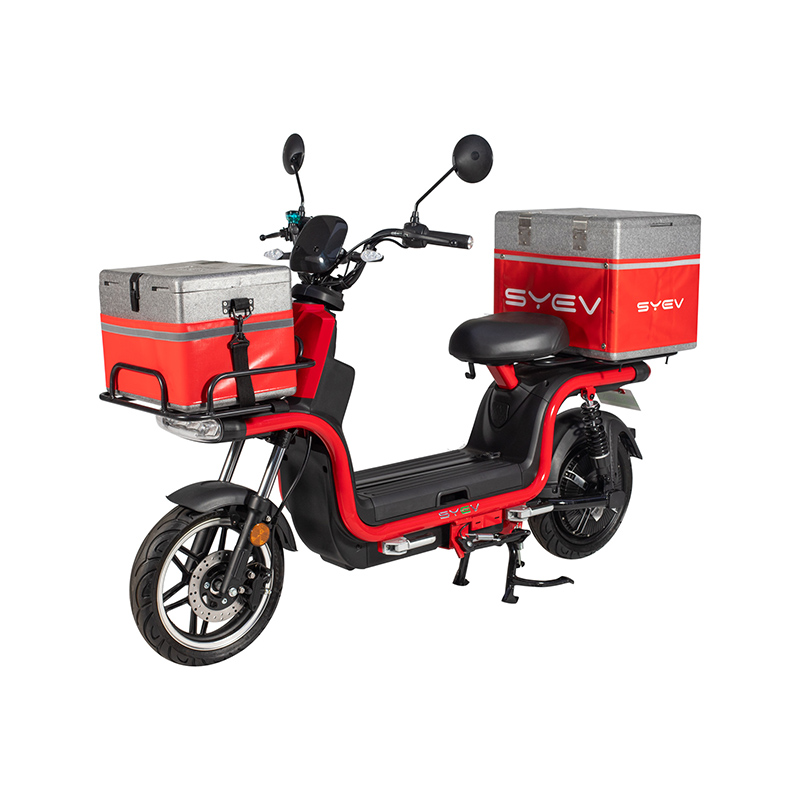
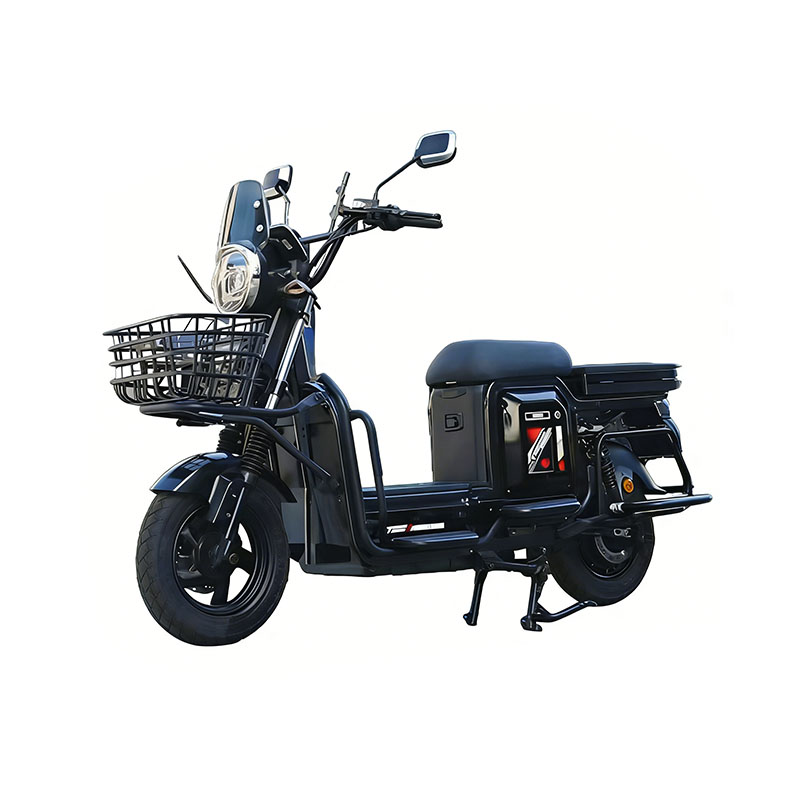
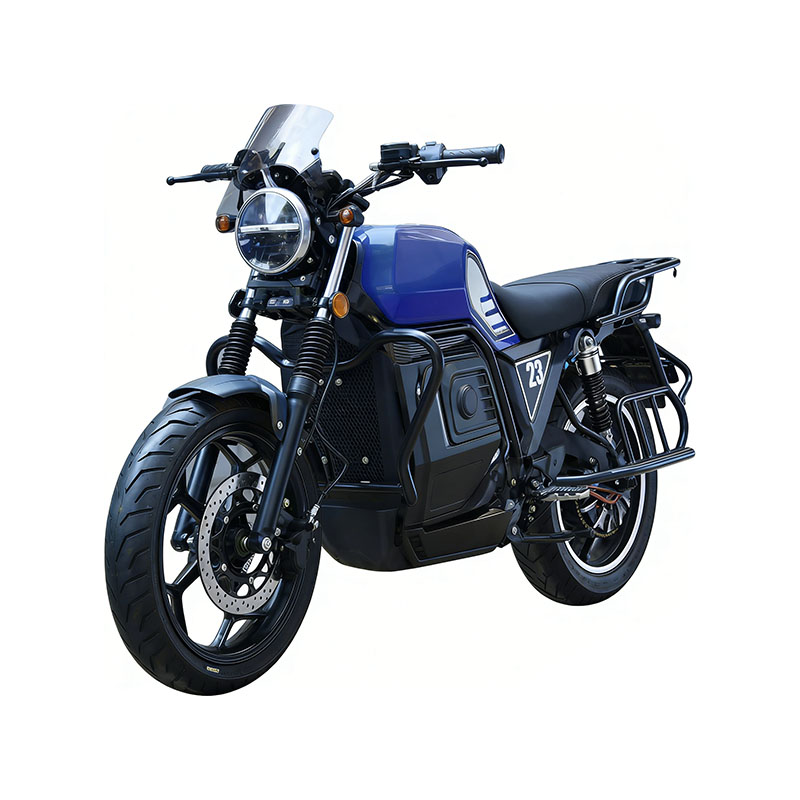
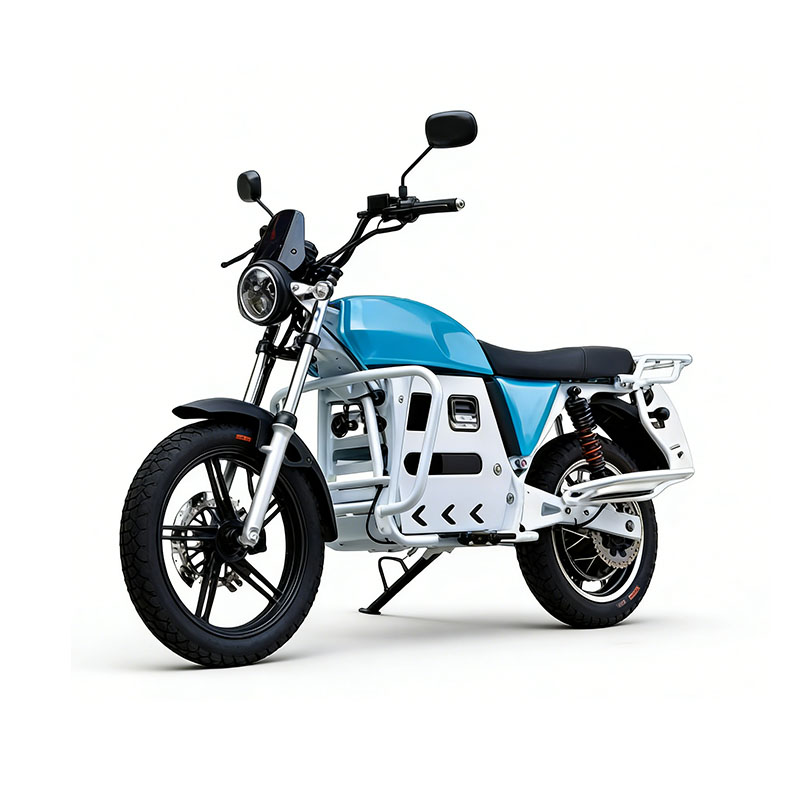
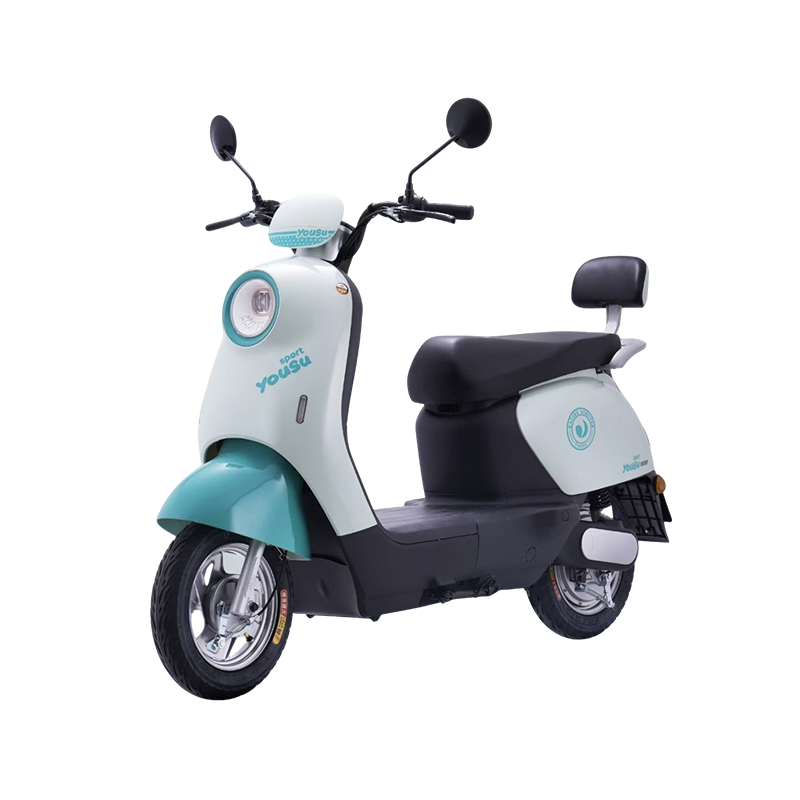
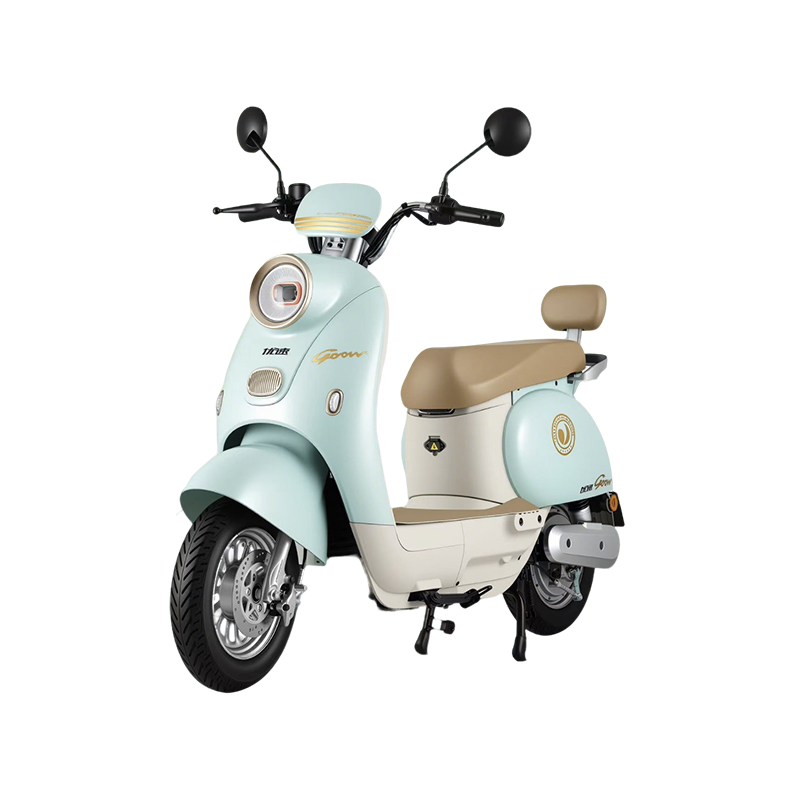
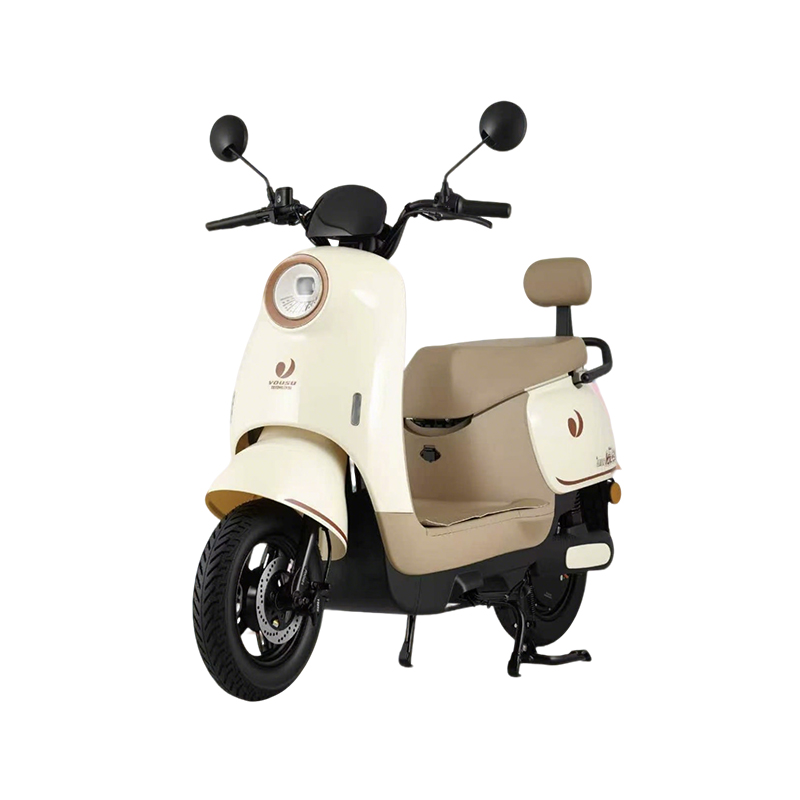
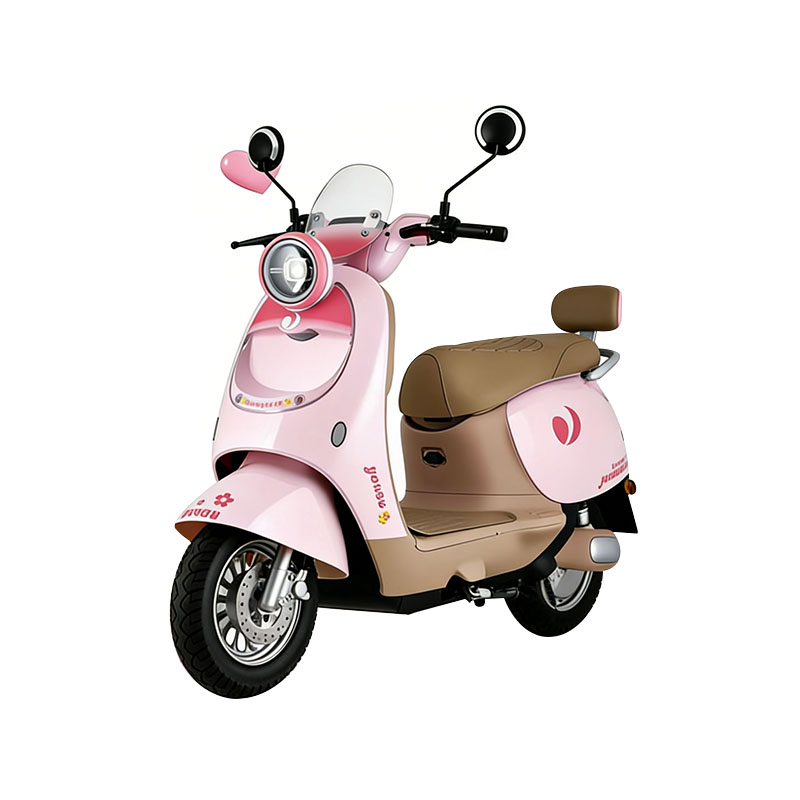
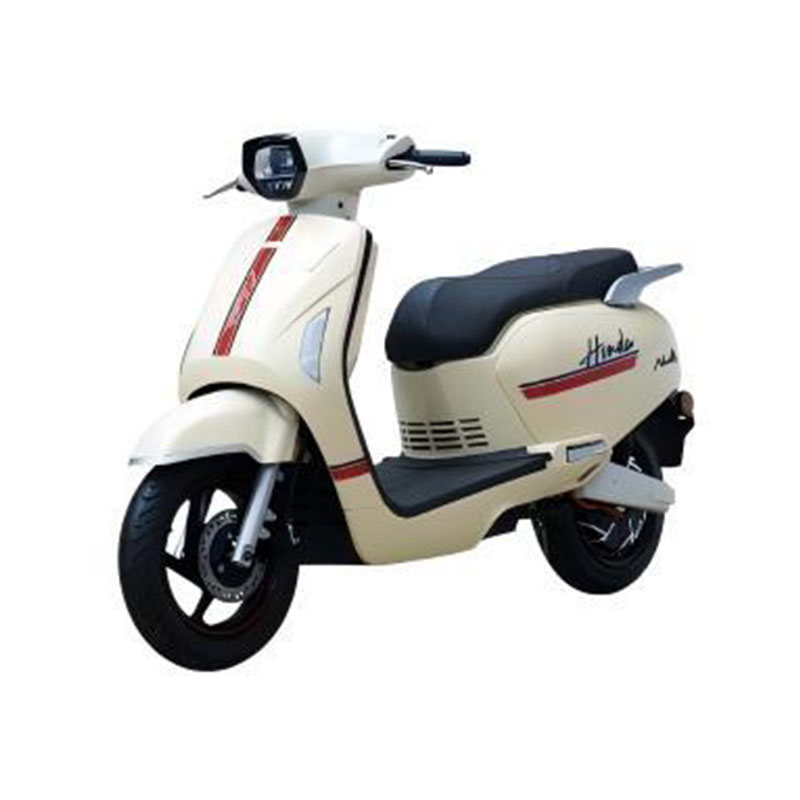
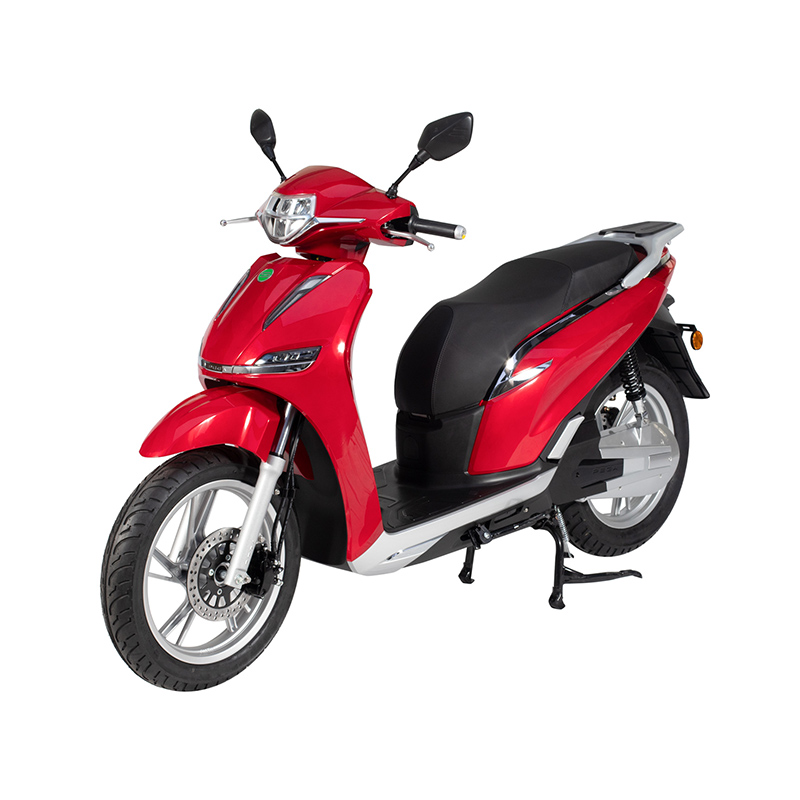
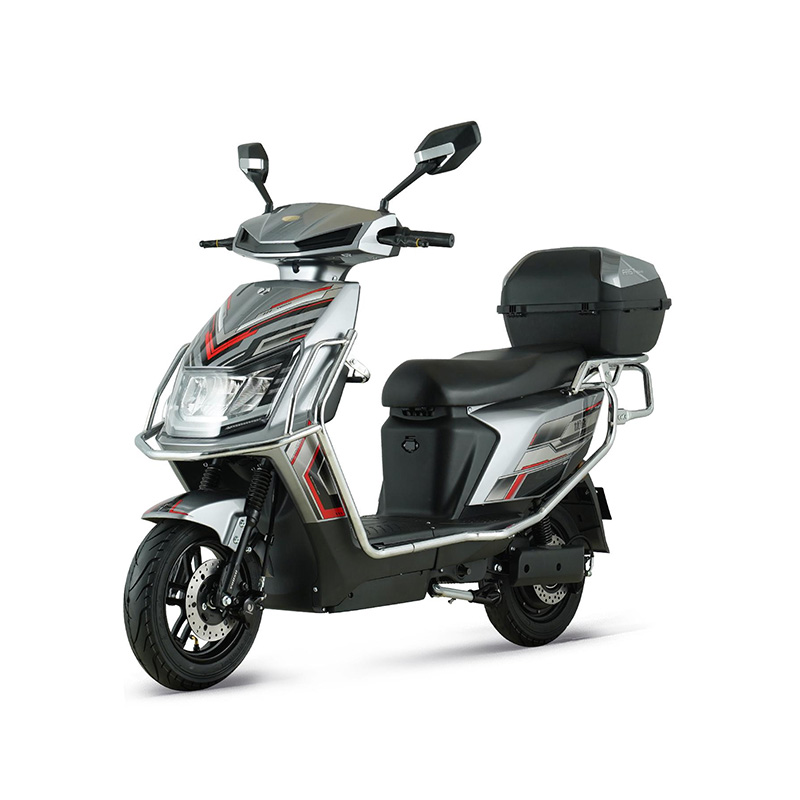
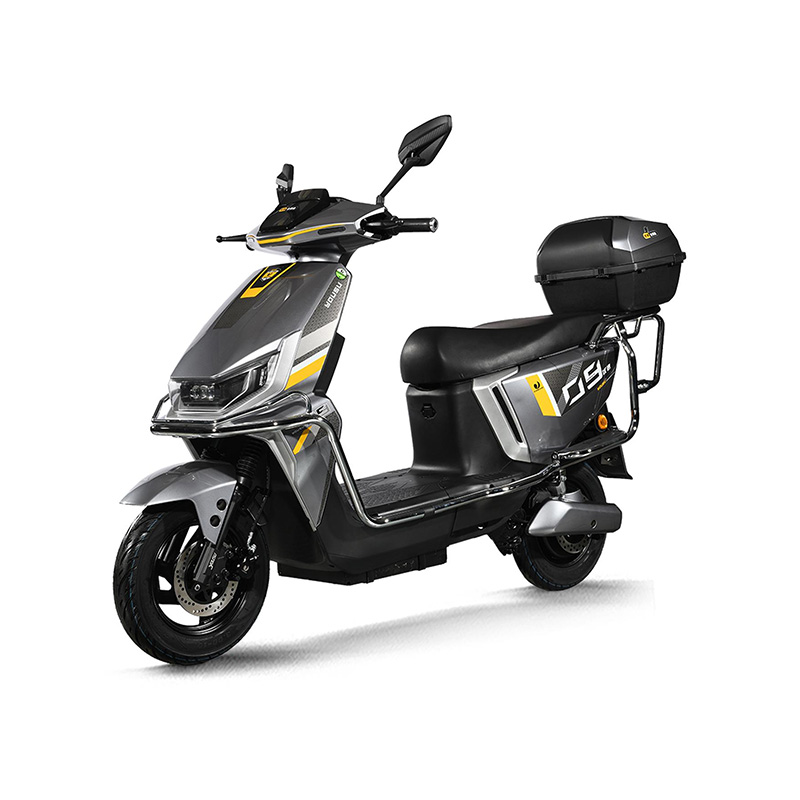
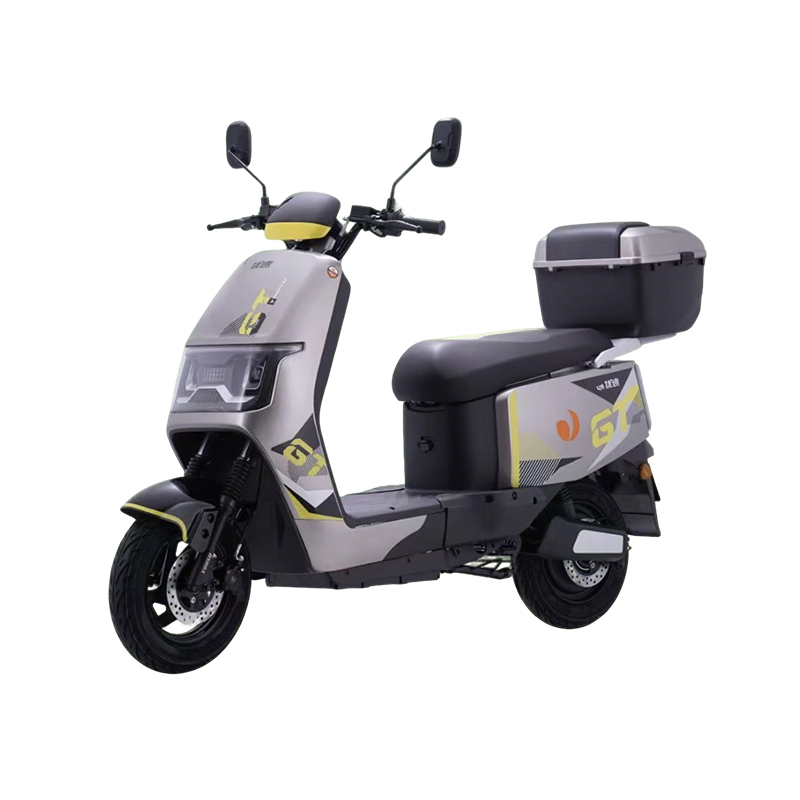
If you want a genuinely pedal-free ride, the more honest choice is a vehicle designed for that purpose. Moped-style electric scooters and electric motorcycles abandon the pretense of pedaling and are regulated as powered vehicles. They typically offer higher top speeds and stronger torque, which suits riders who treat the machine as a small motorcycle. Yousu's catalog spans both worlds: the 2000W Coolrun V5 delivers aggressive throttle-driven performance in a scooter format, while the flagship Cyclist Champion I is built on a motorcycle-style frame for riders who want full power without pedals.
Choosing the Right E-Bike for How You Actually Ride
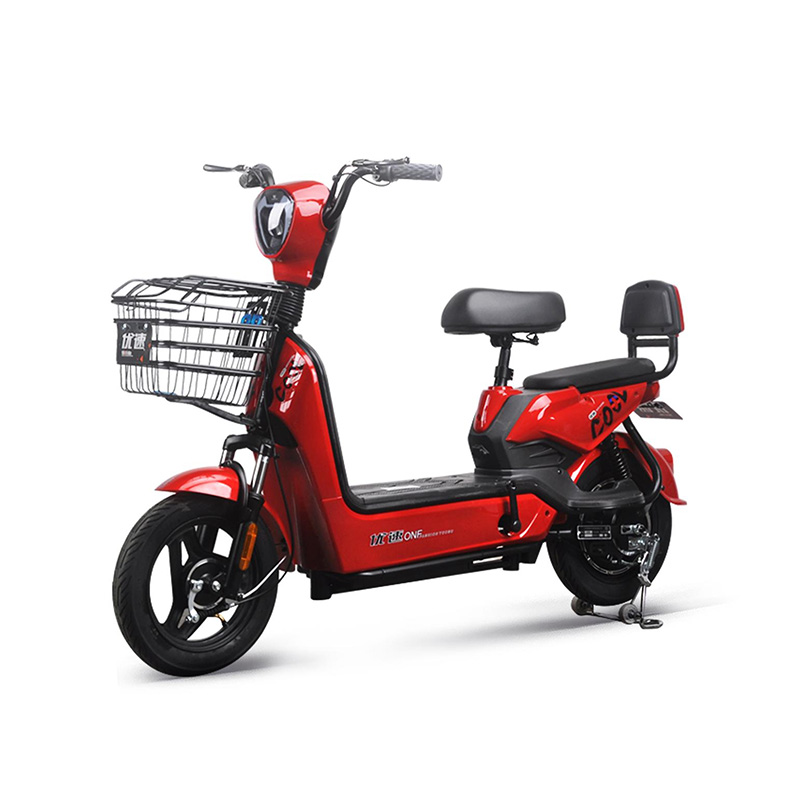
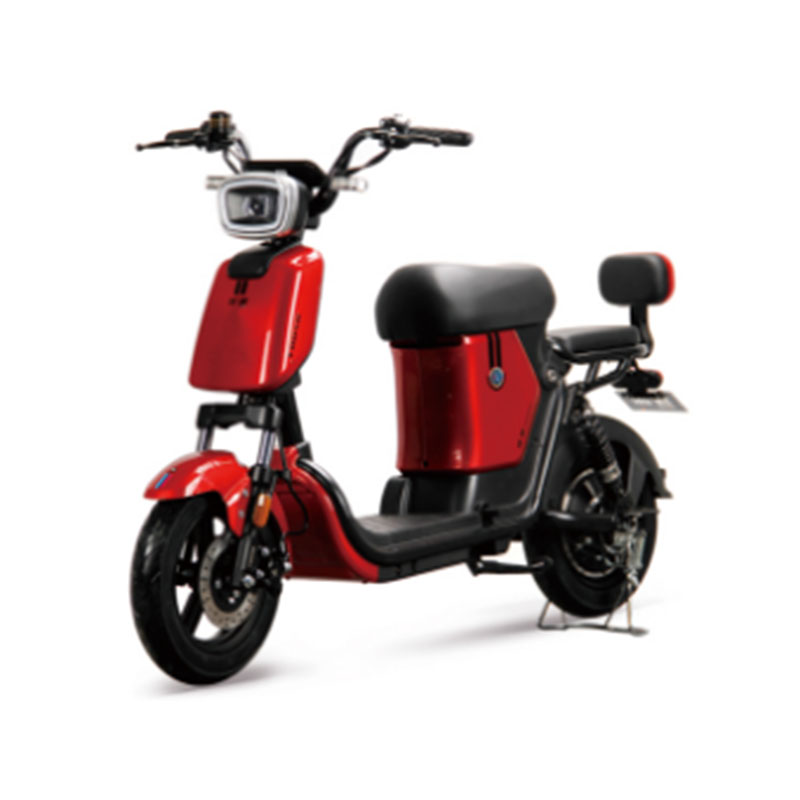
Before you buy, decide where the pedals fit in your daily routine. If you see pedaling as a welcome part of the ride — exercise on the way to work, a bit of effort on weekends — a pedal-assist e-bike is the natural fit. You keep the bicycle experience and gain an electric backup for hills and headwinds. For riders who want a dependable commuter without overcomplicating the choice, the Yousu Simple series, designed for household commuting with anti-theft alarms and wear-resistant tires, is a solid starting point.
If you would rather minimize effort entirely — arriving without breaking a sweat, letting the machine do the work on every slope — look for a Class 2 e-bike with a throttle, or accept that a pedal-less scooter will be classified as a moped and bring its own responsibilities.
A few practical checks before purchasing:
- Confirm the class and motor wattage under your local law, and check whether the model can be ridden without a license.
- Review the sensor type: cadence sensors suit casual commuters; torque sensors suit riders who want a natural bike feel.
- Compare battery capacity and real-world range, and factor in that pedal assist extends range by a meaningful margin.
- Test the bike's weight with the battery installed, and make sure you can manage it if the battery runs flat.
- Check that the pedals, chain, and drivetrain use standard bicycle components — replacements matter over years of ownership.
If you are still weighing options, our guide to choosing an electric vehicle covers range, charging, power, and legal considerations in more depth.
Heads upDo not buy a pedal-less electric scooter or e-motorcycle expecting to use it on bike paths and trails. Most jurisdictions prohibit mopeds and motorcycles from bicycle infrastructure; Class 1 and Class 2 e-bikes are the only motor-assisted vehicles welcome on most multi-use paths.
The Final Word: Pedal, Throttle, or Something Else
For a machine that the law calls a bicycle, yes — you have to have the pedals, they must work, and on Class 1 and Class 3 models the motor only assists while you are pedaling. On Class 2 models, you can legally ride with the throttle, but only because the pedals are still present. If you remove the pedals, or choose a pedal-less scooter, you have crossed into moped and motorcycle territory, with registration, licensing, and insurance close behind.
The decision is not about whether pedaling is good or bad. It is about aligning the machine with how you want to ride and where you plan to ride it. Pedal-assist e-bikes remain the broadest, most flexible option for commuters, fitness riders, and weekend cyclists. Throttle models offer convenience within a legal frame. Moped-style electric scooters serve riders who want speed and power without pedaling — and they carry the duties of motor vehicles. Choose the category first, then the model, and the bike will serve you well for years.
 Previous