


 English
 Español

How to Calculate the Speed of an Electric Bicycle
Three numbers set the real top speed of any e-bike or e-scooter: how fast the wheel turns, how far it travels per turn, and how much current the controller allows under load. Everything else on the spec sheet is context.
Bench-test an 800W commuter and the wheel will usually spin to a calculated 45 km/h or more. Ride the same machine on a flat road with a 90 kg rider and a phone mounted on the handlebar, and the reading settles closer to 39 km/h. Nobody mislabelled the motor. The bench measured a free-spinning wheel; the road measured a vehicle working against rolling resistance, wind and a battery that sags under load. Knowing where that gap comes from is what separates a usable speed figure from a marketing figure, and it matters whether you are buying one bike or planning a container of them.
The Formula: Wheel Revolutions Times Circumference
Speed is distance divided by time, so the calculation starts with the wheel, not with watts. Motor power decides how quickly a bike reaches its speed; the drivetrain and wheel size decide what that speed is.
v (km/h) = (motor RPM / reduction ratio) x wheel circumference (m) x 60 / 1000
The reduction ratio is the gearing between motor and road wheel: a direct-drive hub runs near 1:1, a geared hub steps down between 4:1 and 6:1, and a mid-drive unit adds the chainring-to-sprocket ratio on top. Multiply the resulting wheel RPM by the circumference and by 60 to turn revolutions per minute into metres per hour, then divide by 1000 for kilometres.
Circumference comes from the tyre, not the rim. A 3.00-10 tyre sits on a 254 mm rim, adds roughly 76 mm of sidewall on each side, and rolls on an outer diameter near 406 mm, which is about 1.28 m per revolution. A 26-inch bicycle tyre at 2.07 m travels 60 percent further for every turn, which is why two machines with the same motor can post very different top speeds.
There are two ways to get that number:
- Nominal calculation: circumference = 3.1416 x (rim diameter in metres + 2 x tyre section height). Quick, but usually 1 to 3 percent optimistic.
- Roll-out measurement: mark the tyre, sit a rider on the bike, roll exactly one revolution along a straight line and measure the distance. Use this figure whenever the result matters.
| Platform | Wheel circumference | Wheel RPM (no load) | Wheel RPM (loaded) | Speed (no load) | Speed (loaded) |
|---|---|---|---|---|---|
| 10-inch scooter tyre, 3.00-10 | 1.28 m | 600 | 520 | 46.1 km/h | 39.9 km/h |
| 16-inch commuter wheel | 1.60 m | 350 | 300 | 33.6 km/h | 28.8 km/h |
| 26-inch bicycle wheel | 2.07 m | 210 | 190 | 26.1 km/h | 23.6 km/h |
Short version: take the wheel RPM at the road wheel, multiply by the circumference in metres, multiply by 60, divide by 1000. If the answer looks too good, the wrong input is almost always the no-load RPM.
Why the Same Motor Produces Different Numbers
Two bikes can share a motor, a controller and a battery and still differ by 5 km/h on the road. The variables that move the number are mechanical and electrical, and all of them are measurable:
- Voltage sag. A nominal 48V pack sits near 54.6V when full and around 42V when nearly empty. Motor speed follows voltage, so the last 20 percent of a charge can cost 10 to 15 percent of top speed.
- Controller current limit. The MOSFET count (6-tube, 9-tube, 12-tube) and the amp rating set how much current the motor can draw under load. A generous controller holds speed on a hill; a tight one lets the bike fade.
- Total mass. Rider, luggage and battery weight change acceleration far more than top speed, but on a climb they change both.
- Tyre pressure and tread. A soft tyre flattens, shortens the effective circumference and adds rolling resistance, with both effects pulling in the same direction.
- Wind, gradient and temperature. Cold cells deliver less voltage under load, which is why a winter test rarely matches a summer one.
A speed claim is a hypothesis. The road, the load and the battery level are the test.
How to Measure Real Speed Without a Test Track
Three ways to verify a top speed
Use a GPS receiver or a phone app and hold a steady speed on a flat road for at least 10 seconds before reading. Instantaneous GPS values jump by several km/h; a 10-second average is repeatable. A timed roll-out over a measured 200 m course is cheaper still and, on a calm day, usually tighter. Roller and dyno testing is the most repeatable option and the right tool for comparing two models before an order, as long as you accept that a roller reads differently from asphalt.
| Method | What it measures | Typical spread | Best used for |
|---|---|---|---|
| Timed roll-out over 200 m | True average ground speed | +/- 0.5 km/h on a calm day | Calibrating wheel circumference and checking claims cheaply |
| GPS with a 10-second average | Ground speed at a steady point | +/- 1 to 2 km/h | Confirming top speed on a real road |
| Roller or dyno test | Wheel speed under controlled load | Repeatable, but 5 to 10 percent away from road figures | Comparing models before placing an order |
| Onboard speedometer | Wheel rotation converted by the controller | Often 5 to 10 percent optimistic | Daily riding, not verification |
What good looks like: a calculated figure within 2 km/h of a GPS average on flat ground, with tyre pressure set, a rider on board and the battery above 70 percent. Anything wider means one of the inputs is wrong.
Reading a Spec Sheet Before You Trust a Speed Claim
Spec sheets mix rated and peak values, and the difference changes the answer. Rated power is what the motor can hold continuously; peak power is a short burst. A machine advertised at 2000W may be rated at 800W, and the rated figure decides whether it holds 45 km/h for 20 minutes or for 20 seconds.
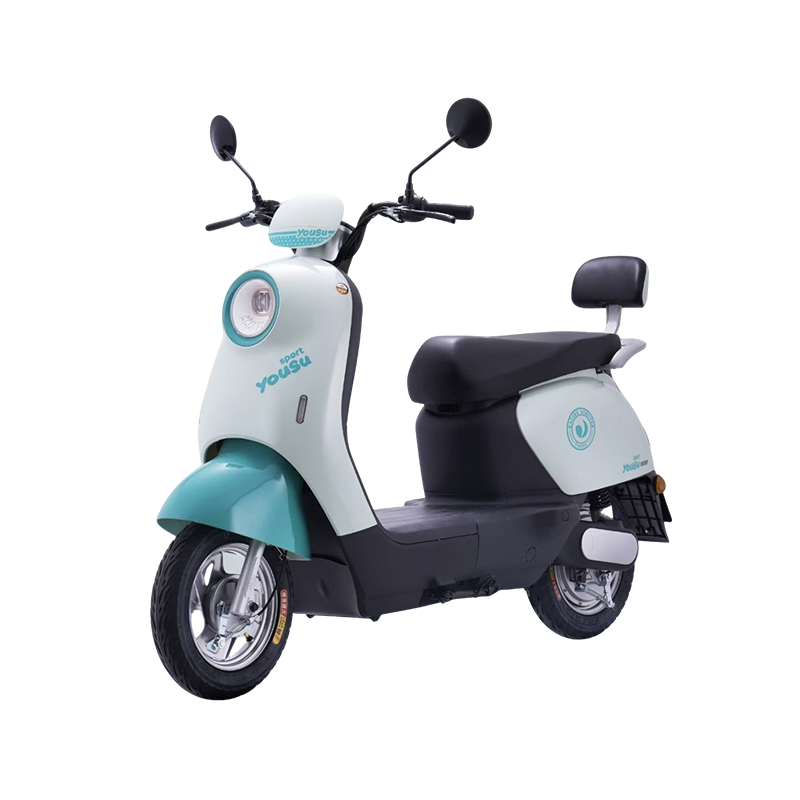
Look for a package where the numbers support each other: motor rating, controller tube count and amp rating, battery voltage and capacity, tyre size and brake specification. An 800W motor paired with a 12-tube 32A controller and a 48/60V pack is a coherent combination; the same motor behind a 6-tube controller is not, whatever the sticker says. Manufacturers such as Jiangsu Yousu Vehicle Technology publish these parameters side by side, which makes a claim checkable rather than decorative.
Questions worth asking a supplier
- What is the rated motor speed in RPM, not the peak figure?
- What is the measured wheel circumference on the tyre you actually ship?
- What controller current is programmed at the factory, and is it adjustable?
Common trap: comparing a peak-power, peak-speed claim from one supplier against a rated figure from another. Convert both to the same basis before comparing prices.
Turning Speed Maths into Fleet and Range Decisions
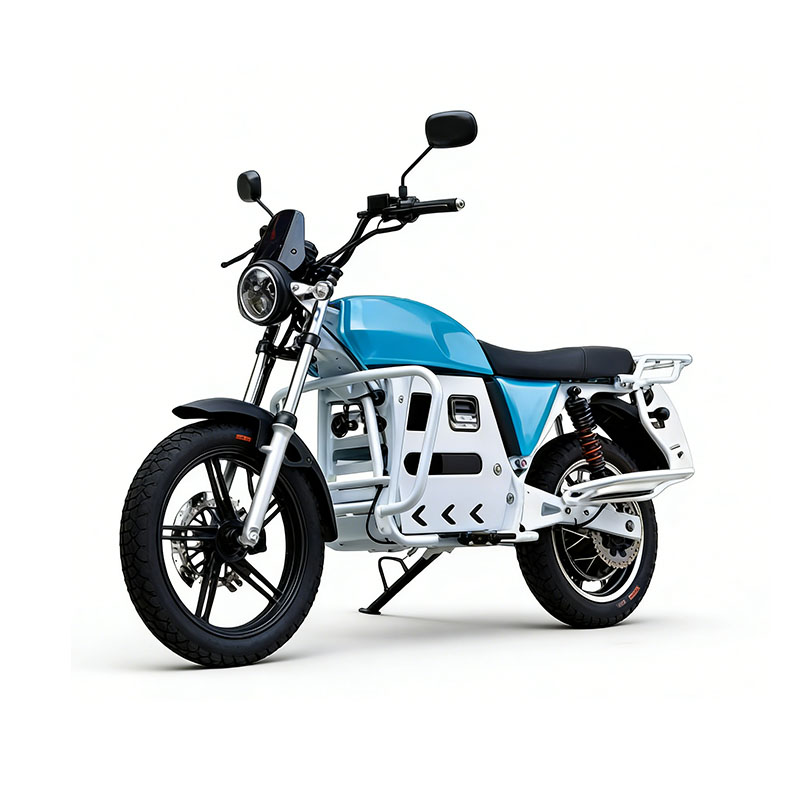
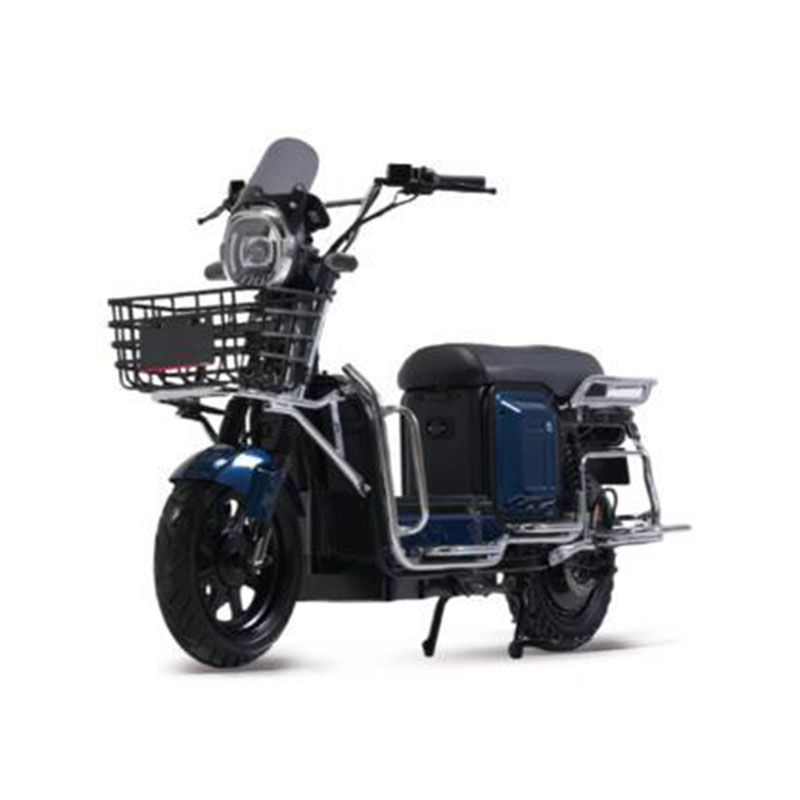
Top speed is a poor planning number. A delivery scooter that peaks at 45 km/h but stops thirty times a shift usually averages 18 to 22 km/h in city traffic. Plan with average speed instead: route length, stop count, payload and charging windows, then match the hardware. Long-range platforms such as the Warhawk are built around endurance rather than peak acceleration, which keeps usable speed steady late into a shift because the pack is not being drained at maximum current.
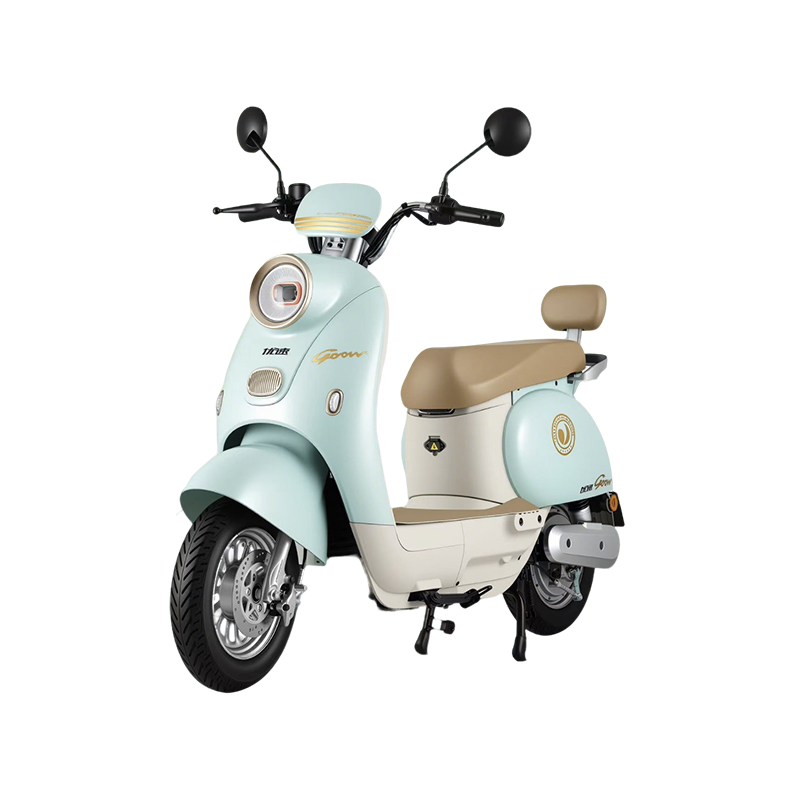
Commuter platforms make a different trade-off, and the balance between body style, controller and tyre choice in the Simple series shows how much that decision affects daily usability. Charging is the other half of the average-speed equation: a 10A charger that adds roughly two display bars per minute cuts the gap between shifts and lifts fleet average speed without changing any single bike's top speed.
For a buyer, the practical test stays simple. Calculate the speed the route requires, add a 10 percent margin, then verify the supplier's claim on a loaded bike rather than on a bench.
Where Legal Limits Override the Arithmetic
In the European Union, EN 15194 pedelecs must cut motor assistance at 25 km/h, so any calculation above that figure describes a different vehicle class. In the United States, Class 1 and Class 2 e-bikes stop assisting at 20 mph while Class 3 stops at 28 mph, and state rules vary. Beyond those thresholds the machine becomes a moped or motorcycle, with registration, insurance and licensing consequences.
Check before you ship: a model that calculates to 45 km/h may be legal in one market and unsellable in another. Confirm local power, speed and homologation limits for the destination country before the order is placed.
Speed calculation is not difficult arithmetic; it is discipline about inputs. Use the measured wheel circumference rather than the tyre catalogue, use loaded wheel RPM rather than the bench figure, and verify once with a GPS average. Keep tyre pressure and battery condition in the range where the calculation stays true, and it will keep matching the road.
Whether you are checking a single commuter or specifying a container of delivery scooters, only the number that survives a road test is worth quoting to a customer.
 Previous