


 English
 Español
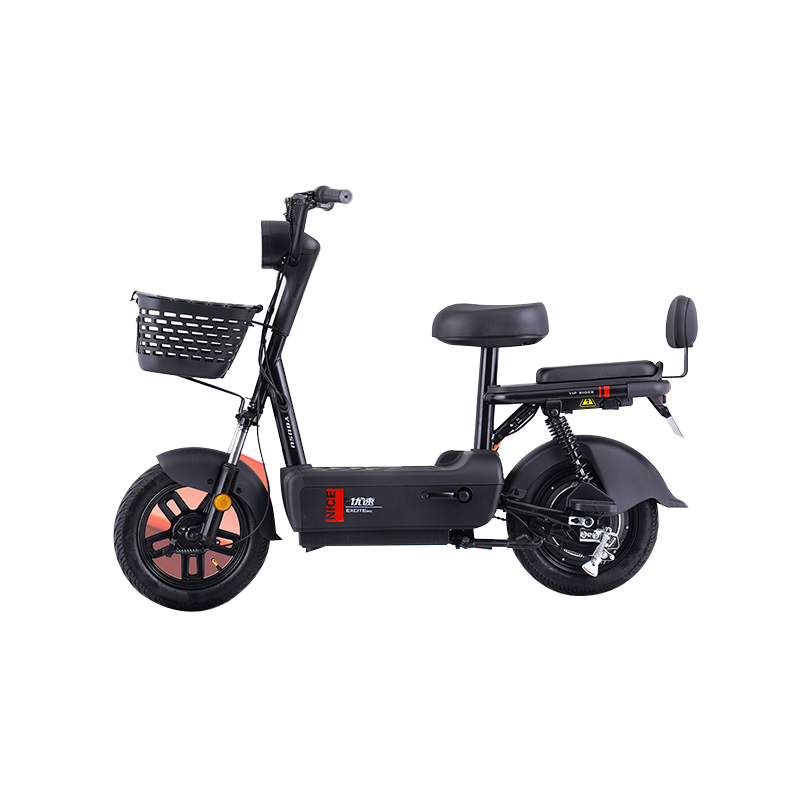
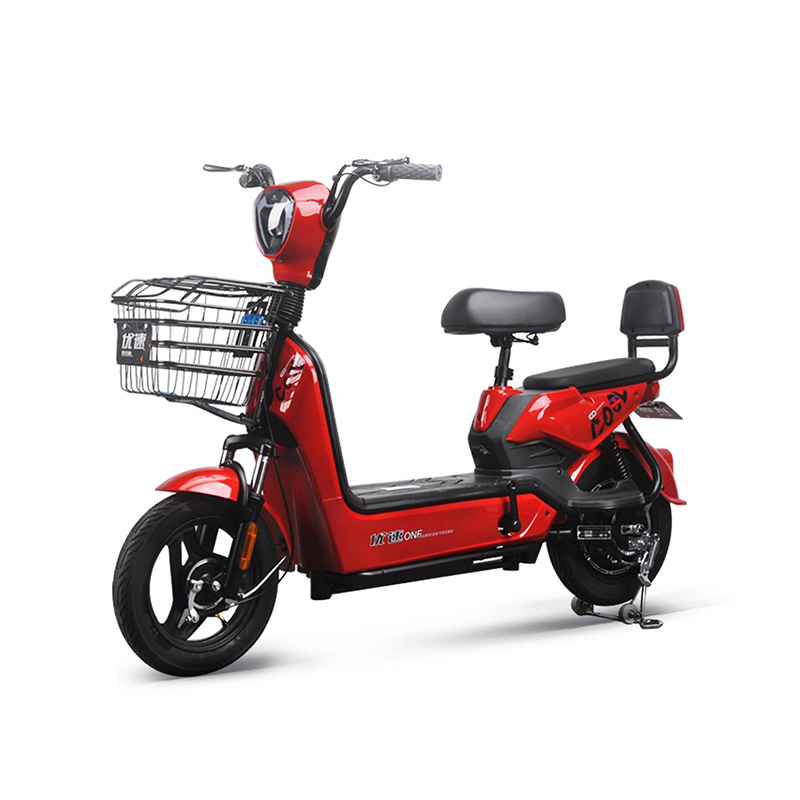
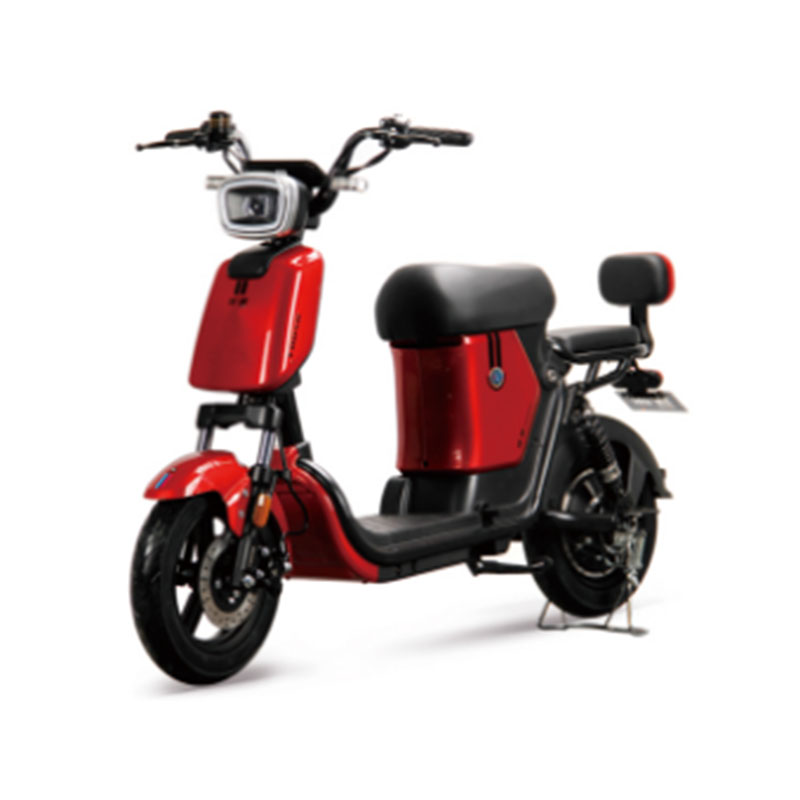
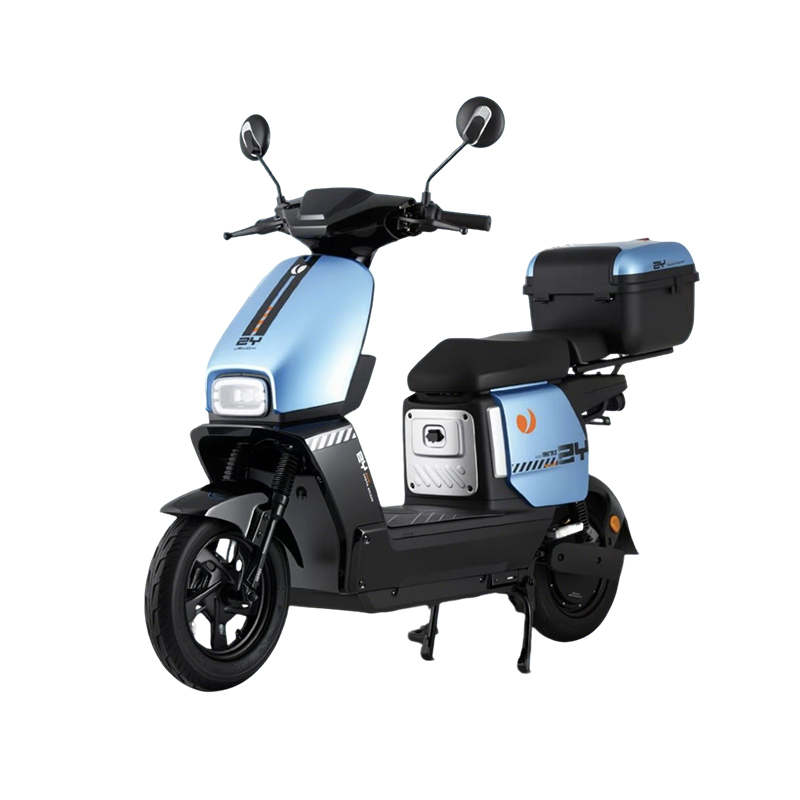
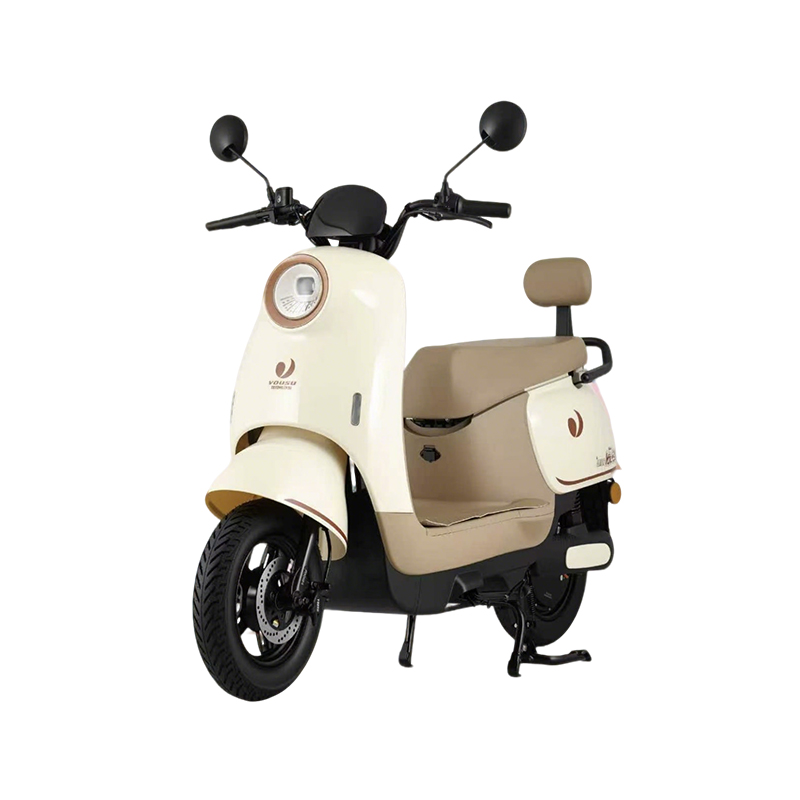
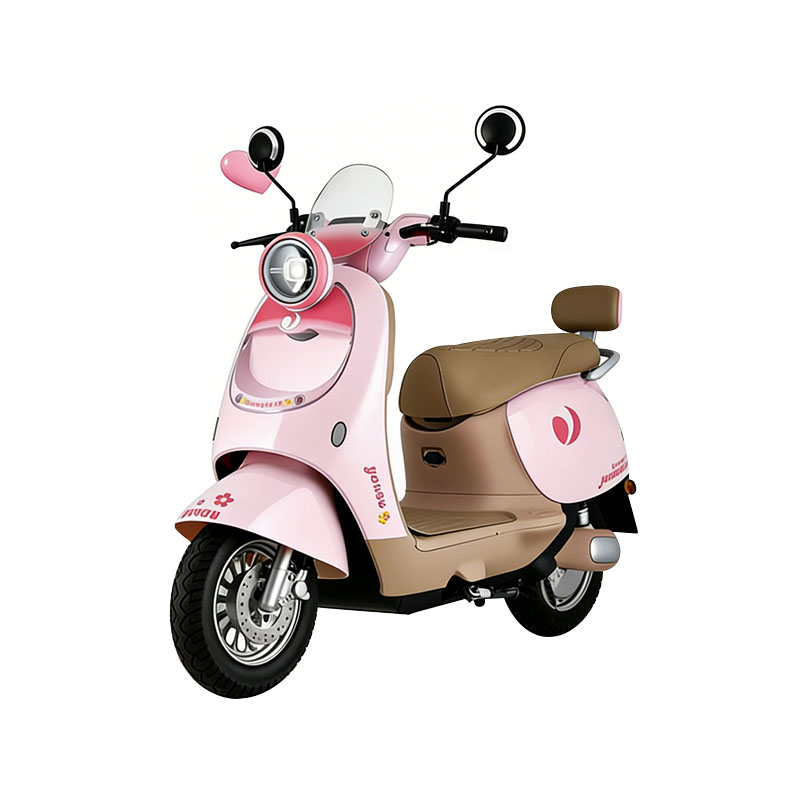
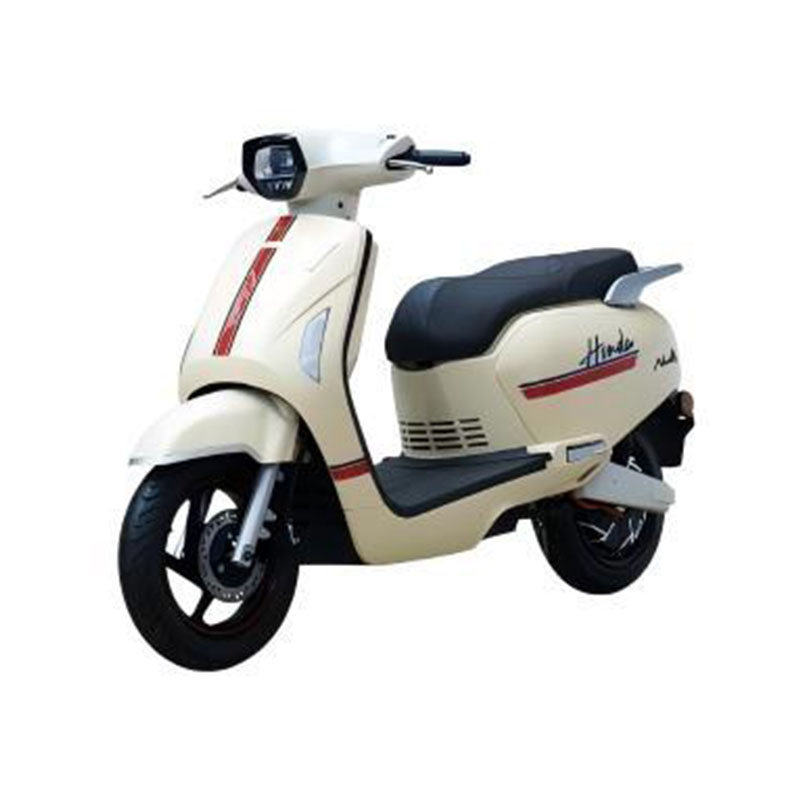
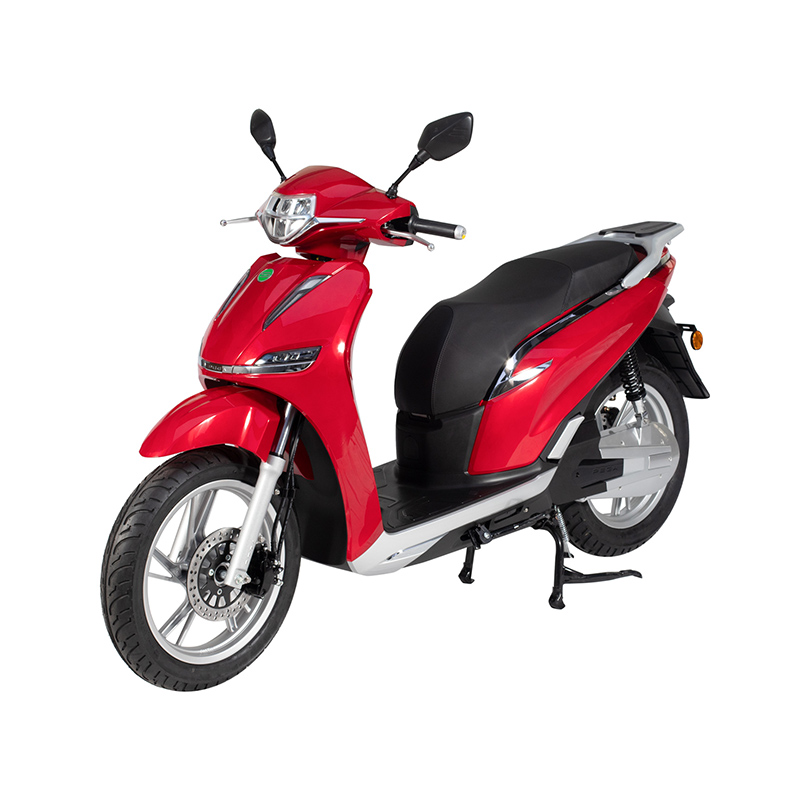
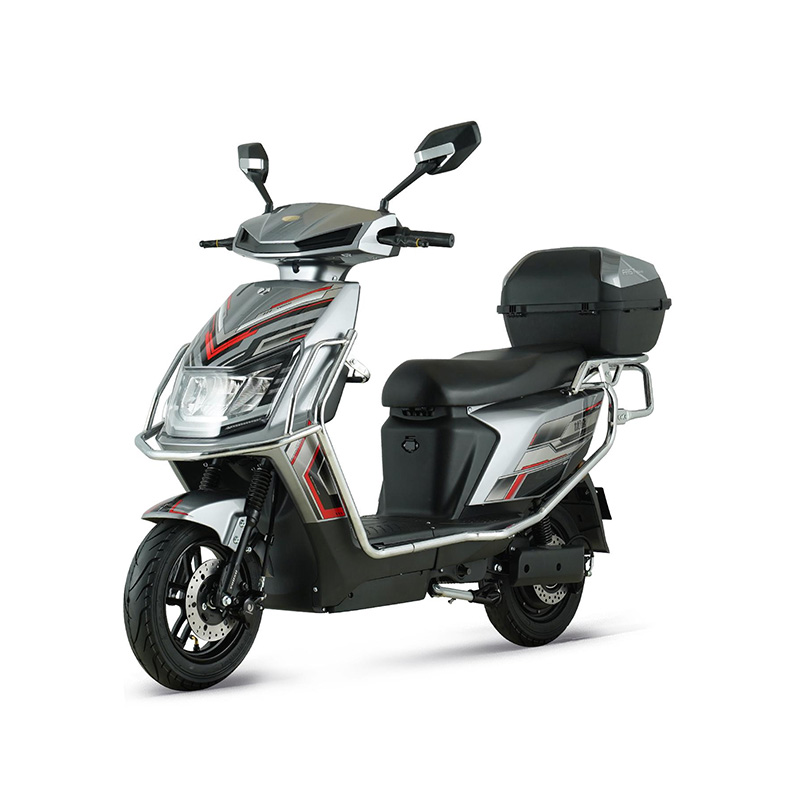
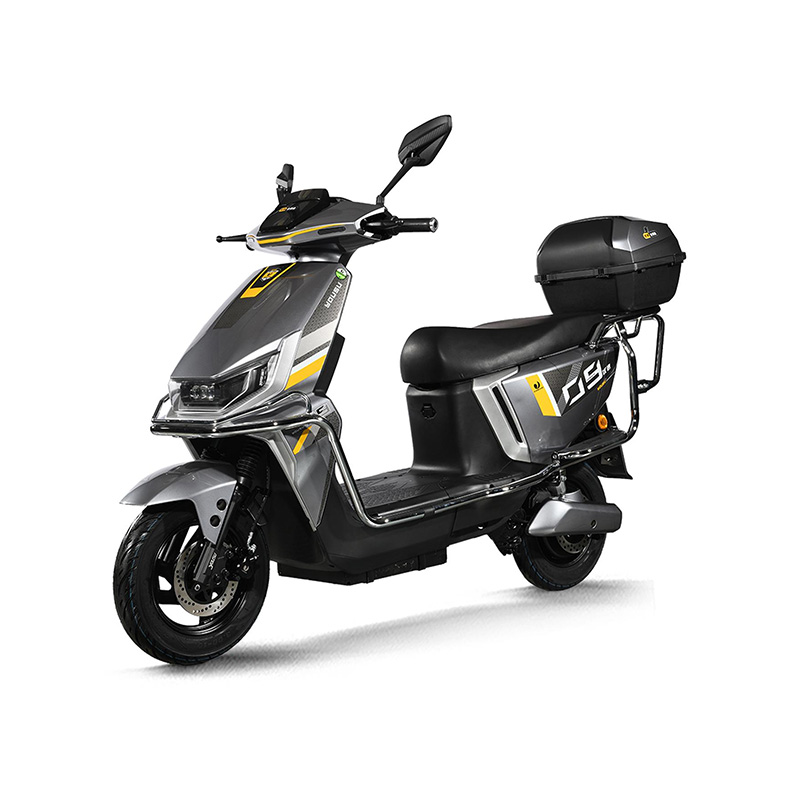
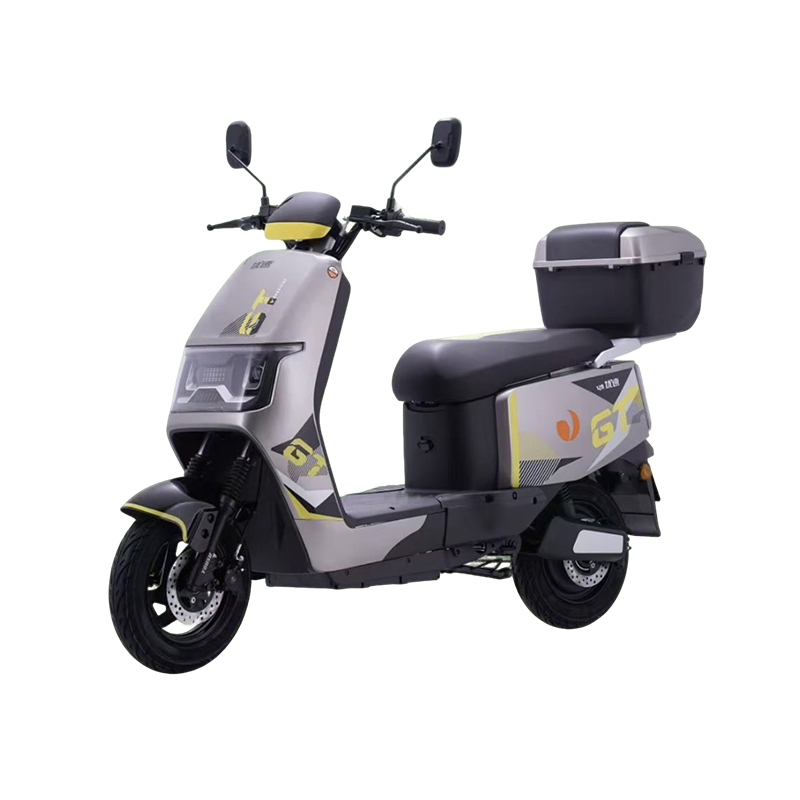

How Fast Does an Electric Bicycle Go?
Twenty miles per hour is the honest answer for most electric bicycles, and 28 mph is the legal ceiling in the US for a Class 3 machine. What you feel on the road is decided by watts, voltage, weight, wind and the controller under the deck.
Two riders can pass the same corner at exactly the same speed and be having completely different rides. The first is on a 250 W commuter bike that has run out of assist and is holding 20 mph on leg power alone. The second is on a 2,000 W machine running at a quarter of its available output, with another 20 mph still in reserve. Identical speedometers, completely different headroom.
The numbers first, then the reasons. Class 1 and Class 2 electric bicycles in the United States assist up to 20 mph (32 km/h). Class 3 raises the ceiling to 28 mph (45 km/h) and stays pedal-assist only in most states. In the EU, the UK, Australia and much of Asia, the motor must cut out at 25 km/h, roughly 15.5 mph, with a 250 W rating. Past that point the bike still rolls; it is simply no longer the motor doing the work.
Worth knowing: an assisted limit is a cut-off, not a wall. A heavier e-bike carries more momentum than a road bike, which is why descents on a Class 3 machine can comfortably touch 35 mph.
The Assist Ceiling: Where the Motor Stops Helping
Every electric bicycle has a speed above which the motor stops adding power. That number comes from legislation rather than engineering, which is why a 350 W city bike and a 2,000 W performance machine can share the same assisted ceiling on paper while feeling nothing alike on a hill.
| Class | Assisted top speed | Throttle | Typical use |
|---|---|---|---|
| Class 1 | 20 mph / 32 km/h | No, pedal assist only | Commuting, paths and bike lanes |
| Class 2 | 20 mph / 32 km/h | Yes | Commuting, riders who want help from a standstill |
| Class 3 | 28 mph / 45 km/h | Usually no; where allowed, capped near 20 mph | Longer commutes, faster road riding |
The practical consequence is straightforward: watts buy acceleration, climbing ability and headwind resistance, not a higher legal top speed. If you want to travel faster than 20 mph under power in the US, the machine you are shopping for is Class 3, or it is no longer an electric bicycle at all but a light electric motorcycle with registration, insurance and helmet rules attached.
Check before you buy: Class 3 bikes are barred from some paths, minimum ages and helmet rules vary by state, and machines sold as 2,000 W or 3,000 W scooters are normally classified as mopeds or motorcycles in Europe.
What Actually Decides How Fast an Electric Bicycle Goes
Four variables separate a bike that cruises at 15 mph from one that holds 25 mph without drama.
Watts, and what they really buy you
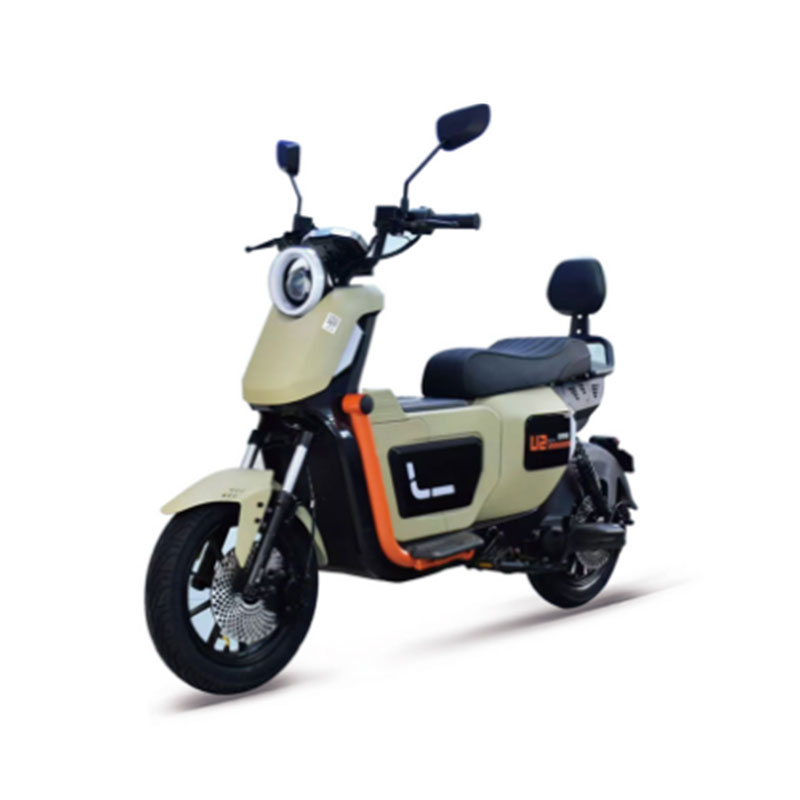
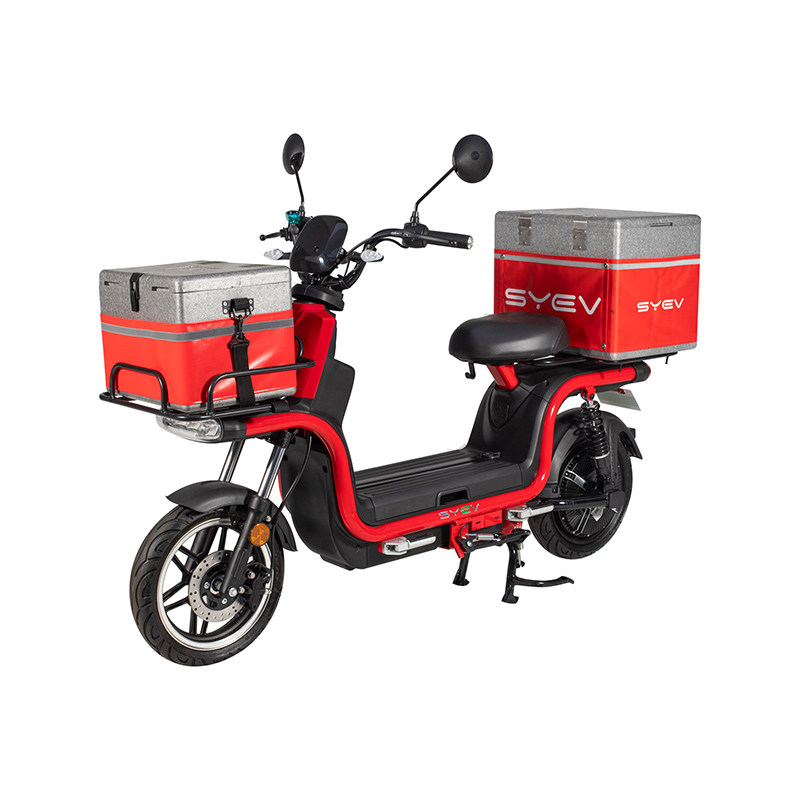
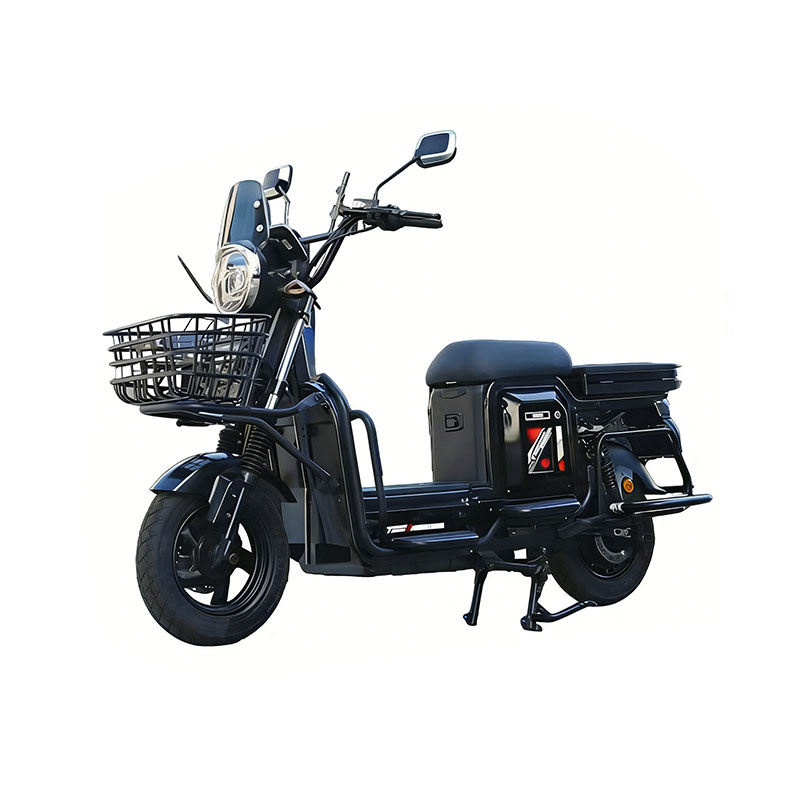
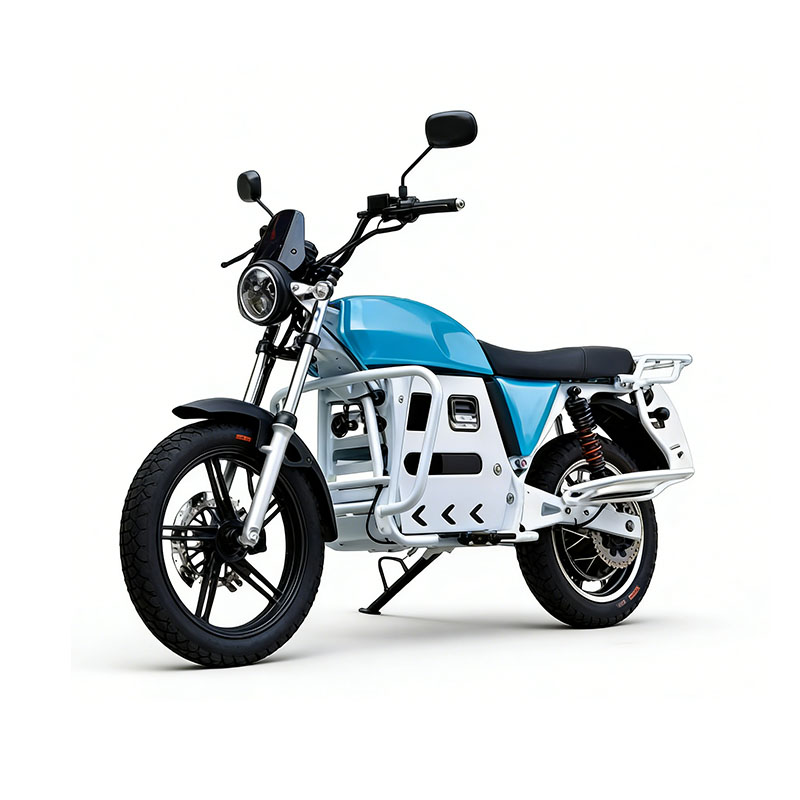
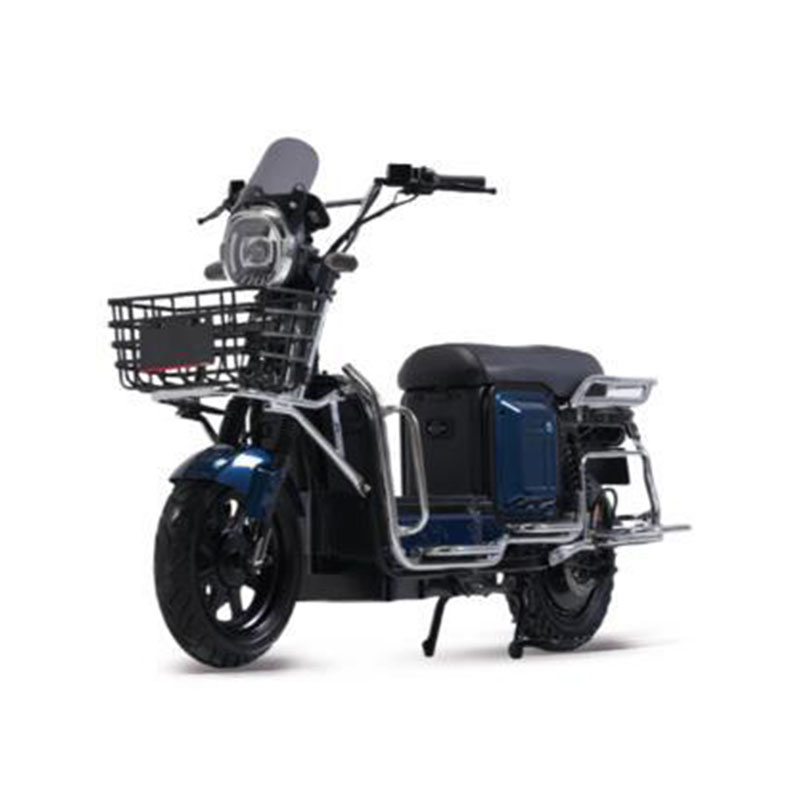
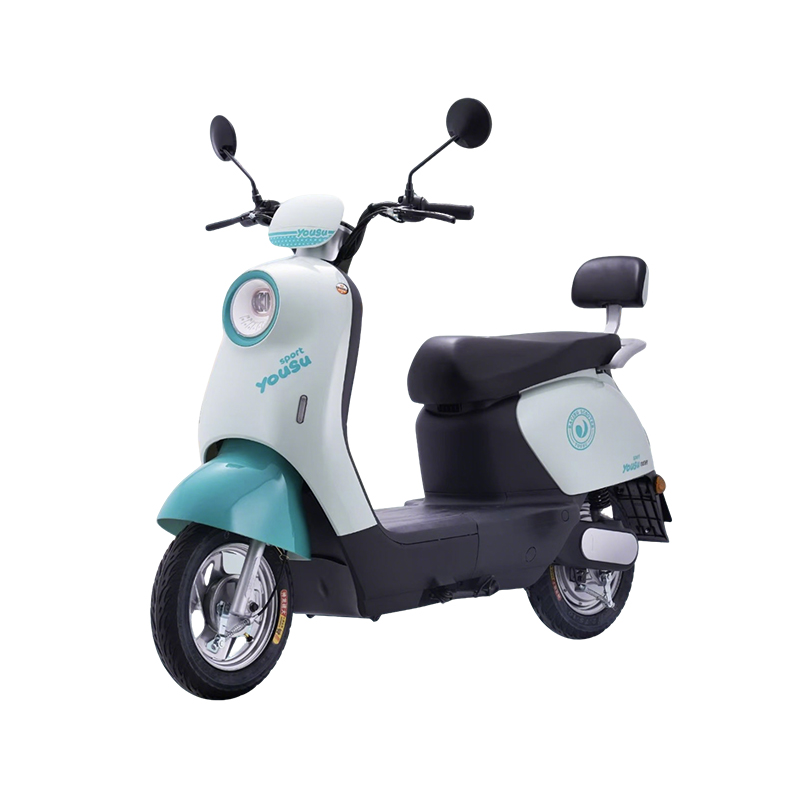
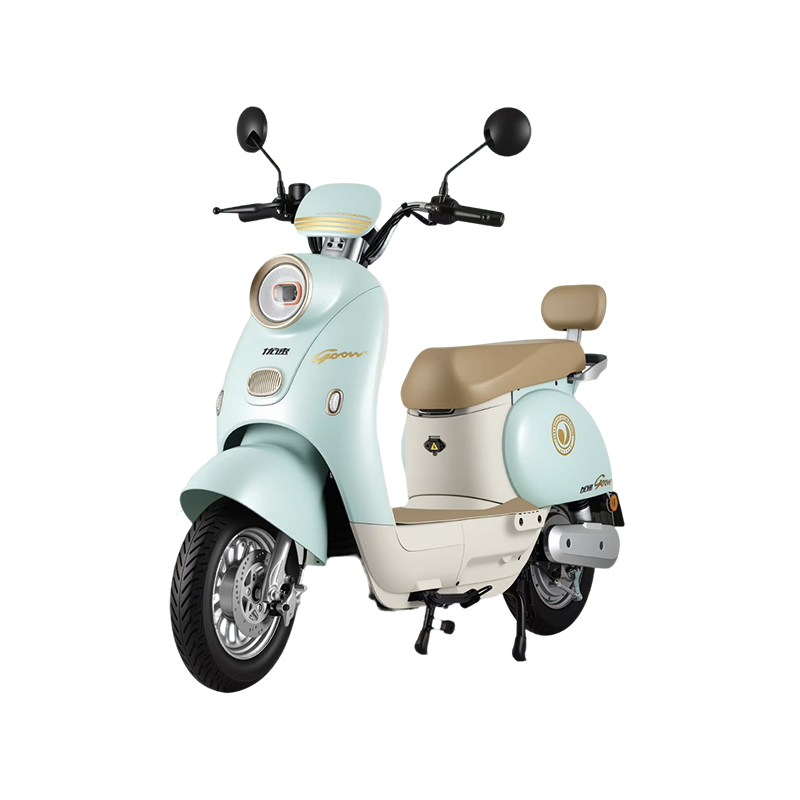
Motor ratings describe available power, not top speed. A 250 W system will pull a light rider to 20 mph on the flat; an 800 W system reaches the same number with far less effort from the rider and keeps it there on a steady climb. That is why one category spans 350 W commuters, 800 W city models, 1,200 W delivery machines and 3,000 W mid-drive performance builds, each aimed at a different road and a different rider.
Voltage sets the ceiling, amps set the punch
A 48 V pack and a 60 V pack can both drive a 500 W motor, but the higher-voltage system usually has more top-end headroom. The controller decides how much current the motor may draw: a 9-tube unit is mild and efficient, while a 12-tube, 32 A unit feeds noticeably harder. Two scooters with identical motors and different controllers can end up several mph apart on the same hill.
Weight, terrain and wind
Drag rises with the square of speed, and the power needed to overcome it rises roughly with the cube. Add rider and cargo weight, a steady gradient, cold weather or a soft tire, and a 20 mph cruise can fall to 14 mph without anything being wrong with the bike.
Doubling your speed takes roughly eight times the power. That single relationship explains why the second 20 mph costs so much more than the first.
- Motor rating and controller current, measured in watts and amps
- System voltage: 36 V, 48 V, 60 V or 72 V
- Rider weight plus luggage or delivery cargo
- Gradient, which can cost several mph on a long climb
- Tire type, tread pattern and inflation pressure
- Battery charge level and ambient temperature
Real-World Speeds on the Road
Spec sheets rarely survive contact with a real commute. These are the bands riders actually report:
- 250 W European commuter: 25 km/h assist cut-off, with real cruising speeds around 12 to 15 mph
- 250 W to 500 W US Class 1 or 2: 18 to 20 mph on the flat, 14 to 16 mph into a headwind
- 500 W to 750 W Class 3 speed pedelec: 22 to 28 mph, with the top figure requiring genuine pedalling
- 800 W to 1,200 W performance scooter or moped: 28 to 35 mph where the class allows it
- 2,000 W and above: 40 mph and beyond, which is motorcycle territory in most markets
Speed and range are the same conversation. Riding at 25 mph instead of 15 mph can cost a third or more of your usable range, and long-range models such as the Warhawk exist precisely because those two numbers pull against each other. On a route that runs 15 miles each way, range deserves more of your attention than the last 3 mph of top speed.
Matching the machine to the route matters more than the headline number, and a guide to choosing a model that fits your daily ride covers the same trade-offs in more detail.
Pedal Assist, Throttle and How the Power Arrives
How the motor delivers its power changes how fast a bike feels. A cadence sensor switches on full assist the moment the cranks turn, which makes a bike feel quick from a standstill. A torque sensor scales assist to how hard you push, which feels more natural and usually stretches the battery further.
Throttles follow a different rulebook. On Class 3 bikes they are frequently capped at 20 mph or left off altogether, and riding on throttle alone drains a pack faster than pedalling at the same speed. If your route is hilly and you plan to lean on the motor continuously, pedal assist is generally the faster and more efficient way to travel.
What a Few Extra mph Are Worth on a Commute
Run the arithmetic before paying for speed. A 10-mile commute takes roughly 40 minutes at 15 mph and about 24 minutes at 25 mph, a saving of around half an hour a day once both directions are counted. On a 5-mile trip the same jump saves about eight minutes.
Charging time then becomes the limiting factor. A bike that refills overnight is fine for a 20 mph commute; a delivery rider covering 60 miles a day needs something closer to the A7Pro, which uses 10 A fast charging to add roughly two display bars a minute. Treat recharge time and battery capacity as part of the speed decision, not as an afterthought.
Rule of thumb: if your round trip is under 20 miles, a 20 mph bike with an overnight charge is the cheapest genuinely fast commute you can put together.
When 20 mph Is Not the Right Tool
Above the Class 3 line the purchase changes character. Heavier frames, larger brakes, wider tires and higher current draw all come with the territory, and in most countries the paperwork does too: registration, insurance, a motorcycle licence and a proper helmet.
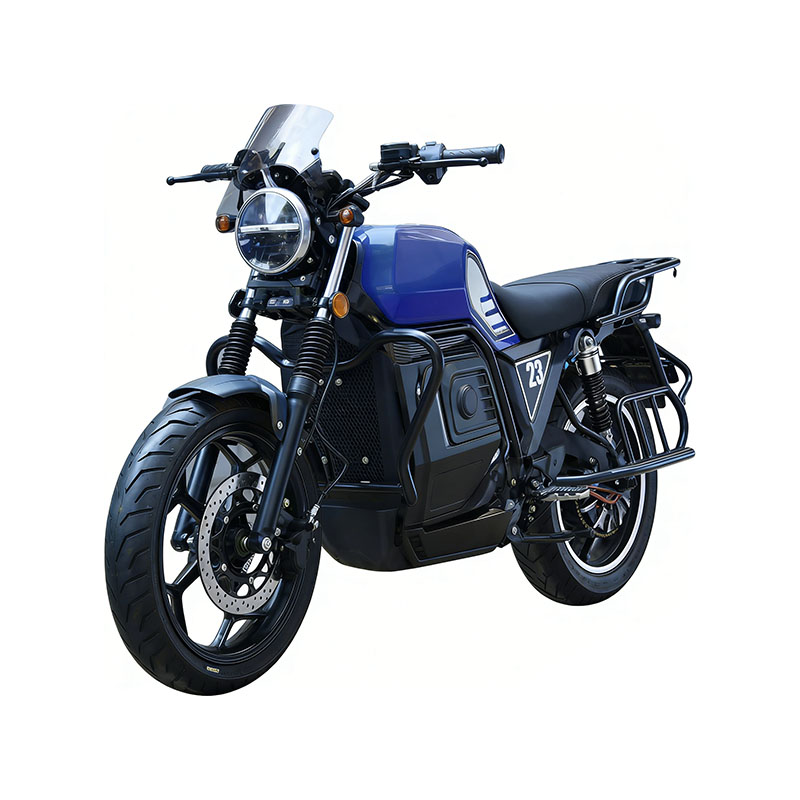
That is where a 2,000 W model such as the V5 sits. It is not a faster bicycle but a small motorcycle with a different legal status, and it makes sense only where your route, your licence and your local rules all allow it. Where they do, the reward is a machine that holds 40 mph with the motor barely working.
The short version: most electric bicycles assist to 20 mph, Class 3 machines to 28 mph, and European or UK bikes to 25 km/h. Anything beyond that is your legs, a hill, or a different vehicle class altogether. Choose the band that matches your actual route, confirm the rules that apply to it, and judge a bike on its components such as motor, controller, voltage, brakes and tires rather than on one number printed on a box.
If you are still weighing up which band fits, the full line-up runs from 350 W commuters to 3,000 W performance models, and it is a straightforward way to see how specification figures turn into real machines.
 Previous