
Class 3 Electric Bicycle Guide: 28 mph Speed Limit, Legal Rules, and Buying Tips
Home / News / Industry News / Class 3 Electric Bicycle Guide: 28 mph Speed Limit, Legal Rules, and Buying Tips

Class 3 Electric Bicycle Guide: 28 mph Speed Limit, Legal Rules, and Buying Tips

Class 3 Electric Bicycles: The 28 mph Pedal-Assist Category, Explained

On a warm Tuesday morning, a rider passes you on a wide suburban road at nearly 25 mph. They pedal in short pulses, straighten through a gentle bend, and simply pull away. The small badge on the seat tube reads "Class 3" — and that badge explains the gap.

A Class 3 electric bicycle is a pedal-assist e-bike with a maximum assisted speed of 28 mph (45 km/h), a motor capped at 750 watts of continuous output, working pedals, and — where a throttle is fitted — a throttle that stops helping at 20 mph in most states. It is the fastest category of electric bicycle under the three-class system used across most of the United States.

The 28 mph ceiling brings real advantages and real duties. This guide covers the exact definition, the legal responsibilities that travel with the speed, and the practical questions to answer before you buy.

What Exactly Defines a Class 3 Electric Bicycle?

Four connected requirements make up the definition, and each one matters on the road.

  1. Pedals as the trigger. The motor may assist only while you are pedaling; it cannot push the bike on its own.
  2. A 28 mph ceiling. Assisted speed stops at 28 mph, and the motor phases out completely when you reach that pace.
  3. A 750W motor cap. Continuous power is limited to 750 watts in the US framework — roughly one horsepower.
  4. A fitted speedometer. You must be able to see your speed, because 28 mph demands the same judgment scooter riders use.

The three-class model that created this category came out of California's electric bicycle legislation and was adopted, with variations, by most US states and by federal consumer product safety guidance. A bike sold with a "Class 3" label in one state can therefore be treated differently in the next — so the table below is a starting point, not legal advice.

Class 1, 2, and 3 electric bicycles compared under the common US model.
Attribute Class 1 Class 2 Class 3
Pedal-assist top speed 20 mph 20 mph 28 mph
Throttle assist Not allowed Yes, up to 20 mph Varies; usually up to 20 mph
Speedometer required No No Yes
Typical trail access Usually allowed Usually allowed Frequently restricted

The Pedal Requirement and Why It Matters

The defining feature of a Class 3 bike is not only its top speed; it is the word "pedal" in "pedal-assist." In every compliant Class 3 design, the motor stops driving the rear wheel the moment you stop pedaling. The bike remains a bicycle in law — not a motor vehicle — because human power is still a functioning part of the ride.

This raises a natural question: if a bike has a throttle, why must you still pedal? On a Class 3 bike, a throttle may exist, but it is capped at 20 mph in the states that allow it. Above that speed, assist comes only from your pedaling, which keeps the bike inside the "electric bicycle" definition rather than turning it into an unregistered moped. If you are new to the distinction, the general question of whether an electric bicycle must be pedaled at all is covered in more detail in our guide to e-bike assist modes.

Legal Rules That Come With 28 mph

Moving from 20 mph to 28 mph puts the bike in a more demanding legal zone. The most common requirements across US states include a minimum rider age of 16, mandatory helmets in several states, and restrictions on bike paths, which often cap e-bikes at 20 mph. A driving license, registration, and insurance are only rarely required.

If you buy outside the US, the speed ladder looks different. European pedelecs assist to 25 km/h (15.5 mph), while speed pedelecs assist to 45 km/h (28 mph) but are registered, insured, and require a helmet and license. A US Class 3 bike performs like a speed pedelec yet carries far fewer legal duties — which is precisely why local verification matters.

Every city interprets "bike path" differently. Confirm whether Class 3 bikes are allowed on the trails near your commute before purchase.
At 28 mph, a fall is more serious and drivers judge you faster. Even where it is not mandatory, wear a helmet made for fast road cycling.
Some shared-use paths ban e-bikes above 20 mph entirely. Riding a Class 3 there can bring fines and, more importantly, unsafe friction with pedestrians and slower riders.
A bike with a clear Class 3 label, a working speedometer, and a factory-set 28 mph limiter can be ridden on most public roads as a bicycle under current US federal low-speed electric bicycle guidance.

What Changes When You Actually Ride One

The 28 mph ceiling changes the ride in five practical ways. Braking distance grows noticeably, so a bike that stops fine from 20 mph may need much more room from 28 mph. Frame stiffness matters more because higher speeds amplify flex and vibration. Tire grip becomes a safety limit, not a comfort preference. Battery range shrinks at speed, with energy consumed roughly 30 to 40 percent faster at 28 mph than at 15 mph. And the controller decides whether the assist feels like a smooth surge or an abrupt push.

A well-designed 28 mph e-bike feels composed below 20 mph and becomes firmer near the top. A poorly designed one simply gets fast — exactly when frame geometry, damping, and controller tuning matter most.

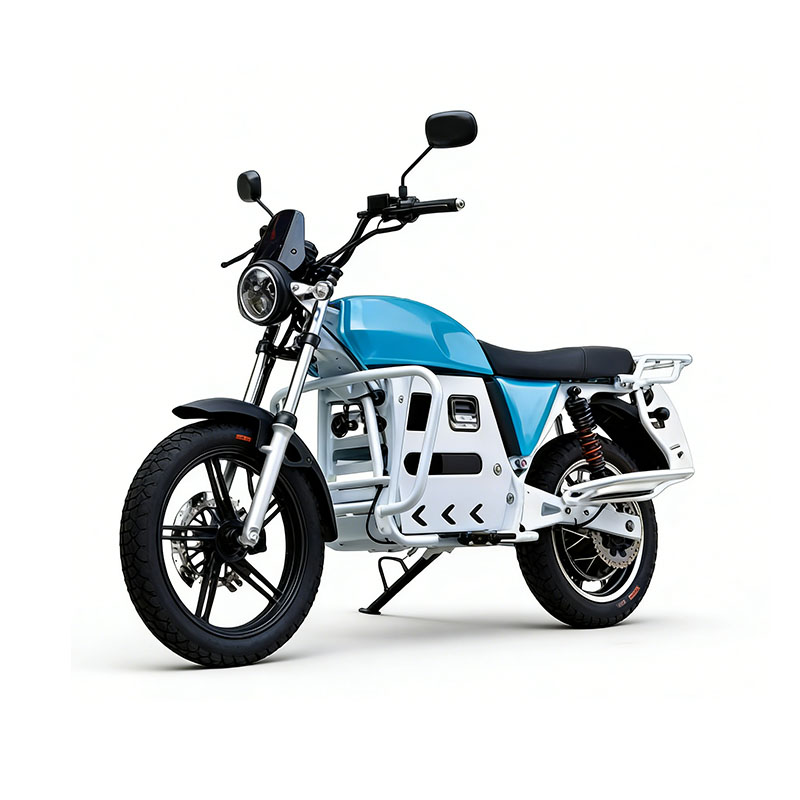
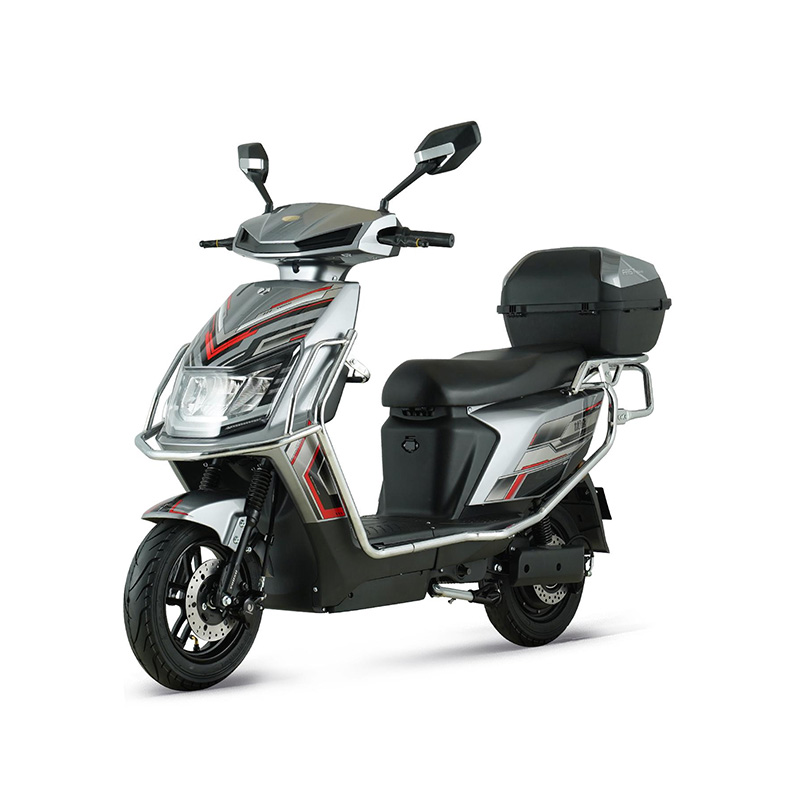
This is where component choices matter more than peak speed numbers. The same engineering logic that keeps a high-performance two-wheeler stable at speed appears in Yousu's strongest models; the Champion I flagship, for example, pairs a 10-inch semi-hot-melt tire with toughened frame geometry for confident cornering.

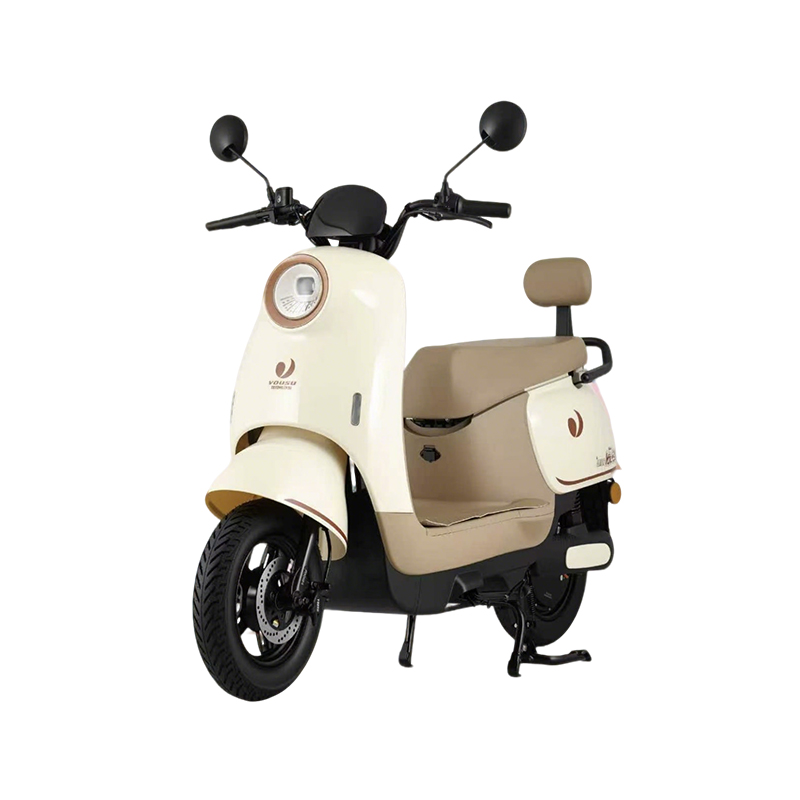
Yousu Champion I: A 10-Inch Electric Motorcycle Built for Urban CommutingYousu Champion I: A 10-Inch Electric Motorcycle Built for Urban CommutingWith a 72V battery and 1800W motor, this flagship model offers the stability and speed needed for longer daily rides, keeping you safe in traffic.View Product →

Who Should Buy a Class 3 — and Who Should Skip It

Consider a Class 3 if…

Your commute is longer than 10–15 miles each way, your route is hilly, you ride in traffic lanes rather than on paths, or you simply value arriving on time. The extra 8 mph turns a 45-minute ride into a 35-minute one and keeps you closer to the flow of urban traffic.

Skip it if…

You are below the legal minimum age, most of your riding happens on multi-use trails, your daily distance stays under five miles, or you prefer a low-effort cruise. A Class 1 or Class 2 bike will feel lighter, cheaper, and less restricted in those settings.

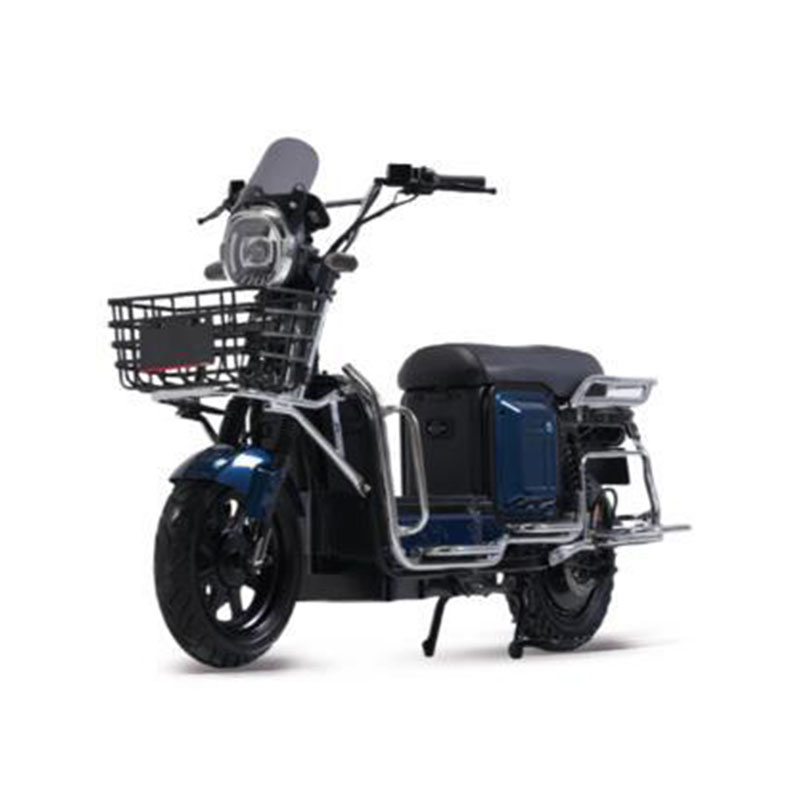
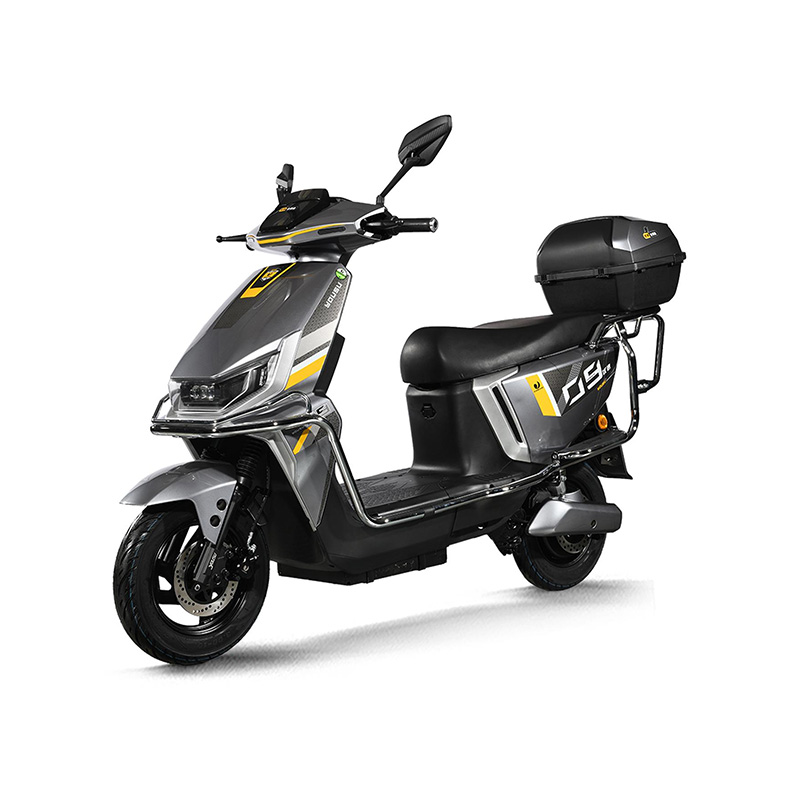
Speed also changes how often you recharge. Because a 28 mph ride drains the battery faster, charging time becomes a commuting variable rather than an afterthought. Yousu addresses that directly in the A7Pro, whose 10A fast-charging system restores usable range in the minutes between two stops.

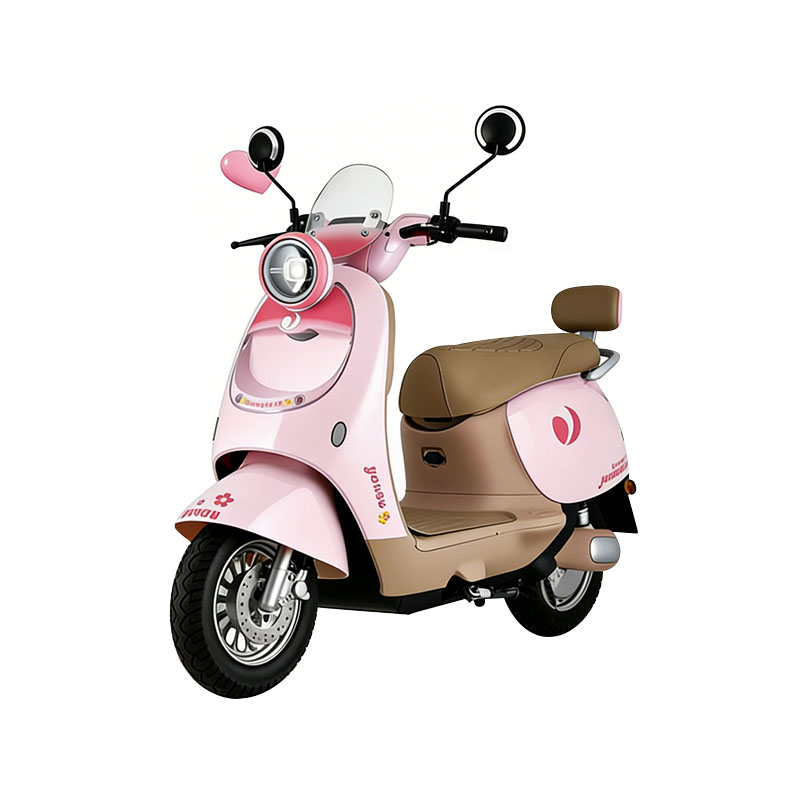
Yousu A7 Pro: Fast Charging and High Performance for Busy RidersYousu A7 Pro: Fast Charging and High Performance for Busy RidersIts 10A fast-charging system and robust 72V/20Ah battery cut downtime, while the powerful motor and disc brakes suit demanding commutes and hills.View Product →

What to Verify Before You Buy

A "Class 3" label alone does not make a bike safe or legal. Read the spec sheet with these checks in mind:

  • Motor power. Look for a continuous rating at or below 750W; higher output pushes the bike into another legal class.
  • Speedometer. It must be factory-fitted and clearly readable in daylight.
  • Brakes. Large disc brakes, ideally hydraulic, stop a 28 mph bike with far more confidence than rim brakes.
  • Tires. Confirm that the tire's speed and load rating match the bike's assisted top speed.
  • Controller quality. The controller shapes acceleration, heat build-up, and long-term reliability more than any printed peak-power figure.
  • Charging and battery. Check charging time, battery management, and realistic range at your own riding speed.

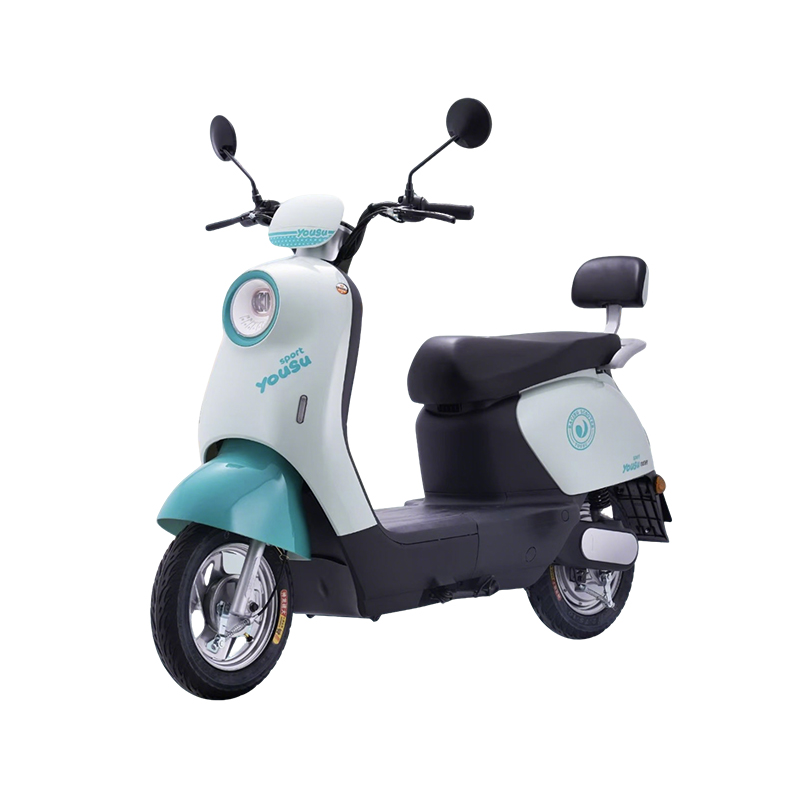
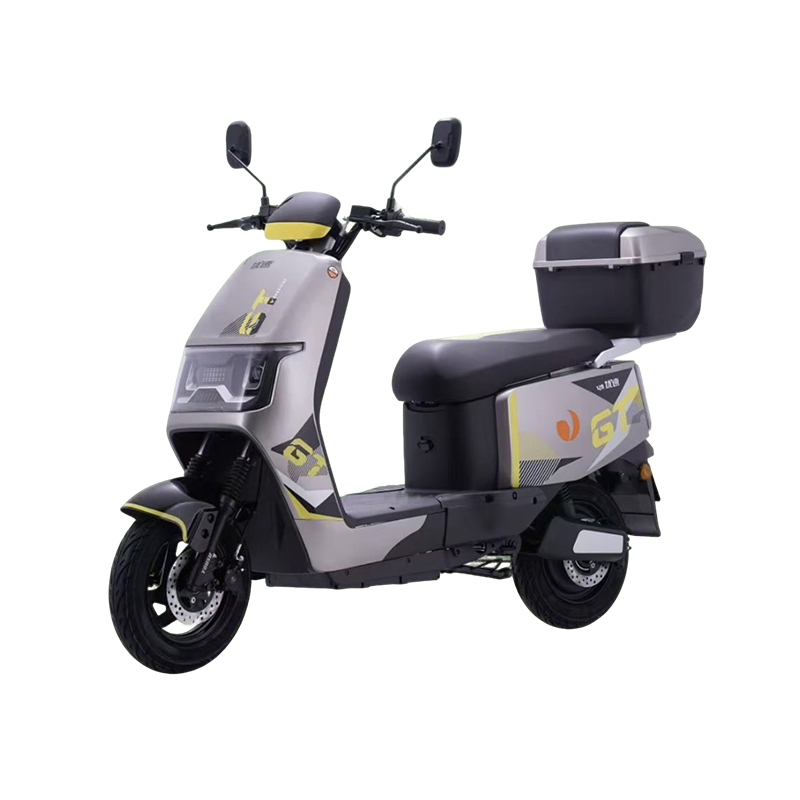
The controller deserves special attention. It decides how quickly power arrives, how hot the system runs, and how the bike behaves after months of use. Yousu's H8 high-performance e-motorbike, fitted with a large 12-tube wireless controller, is a clear example of how controller architecture affects throttle response and thermal stability — the same principles that separate a refined 28 mph e-bike from a crude one.

Yousu H8 High-Performance E-Motorbike with Advanced ControllerYousu H8 High-Performance E-Motorbike with Advanced ControllerA large 12-tube wireless controller improves throttle response and thermal stability, backed by a reliable manufacturing process for consistent quality.View Product →

What a Manufacturer's Engineering Choices Tell You

Behind every reliable Class 3 bike is a production process that respects tolerances. Jiangsu Yousu Vehicle Technology Co., Ltd. is one manufacturer that approaches electric two-wheelers this way. The company produces electric scooters, light electric bicycles, and electric motorcycles at a monthly volume of 8,000–10,000 units, exports to Europe, the Americas, and Southeast Asia, and supports its products through more than 800 domestic sales outlets. For a buyer, those numbers translate into repeatable welding, tested controllers, and consistent battery sourcing.

For trade buyers, importers, and brands planning a customized model, the engineering conversation starts with factory capabilities. Yousu's team develops and manufactures according to customer requirements; you can start that conversation on the contact page.

The Bottom Line

A Class 3 electric bicycle is the fast end of e-bike legality: 28 mph of pedal-assist output, a 750W motor ceiling, a speedometer on the handlebar, and stricter riding rules than slower classes. Choose it when genuine distance or schedule pressure makes the extra speed useful; skip it when trail access and simplicity matter more. Check local law, inspect the motor and brakes, and verify the controller quality before you pay.

Done properly, the 28 mph ceiling is not a marketing number — it becomes a dependable part of your commute.

Product Consultation