


 English
 Español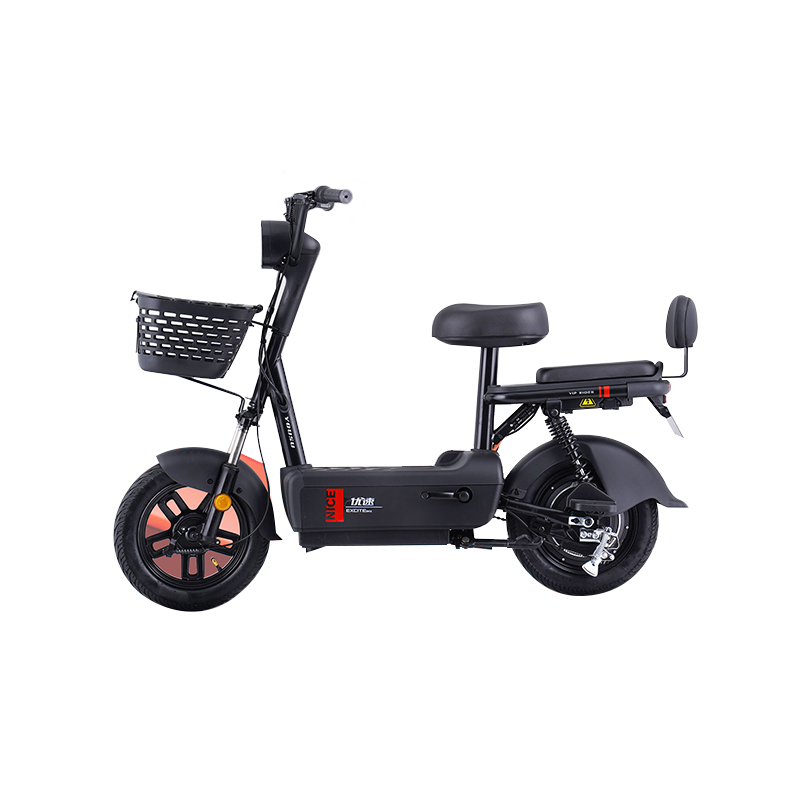
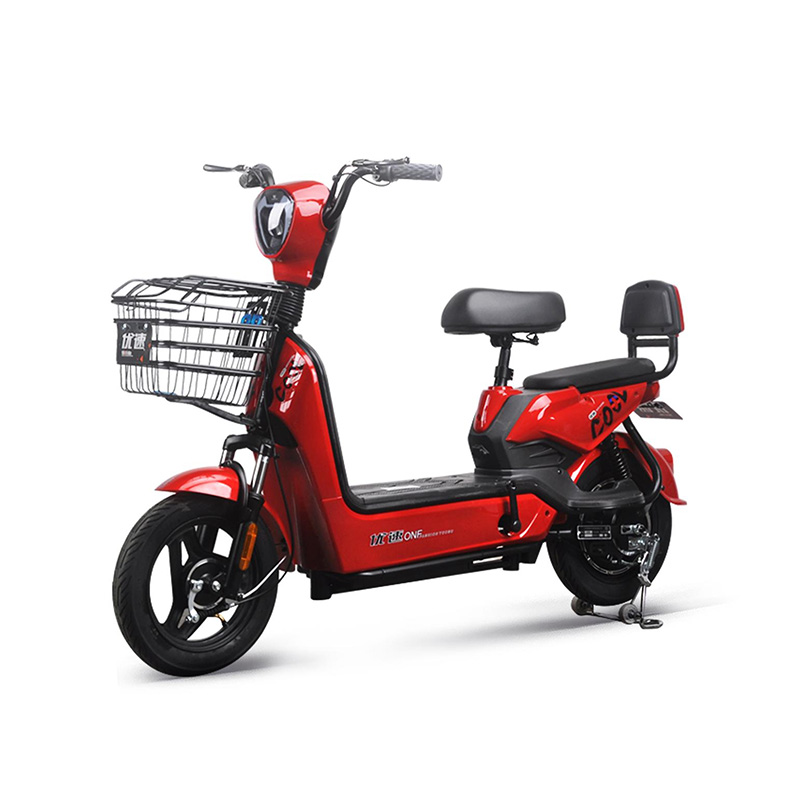
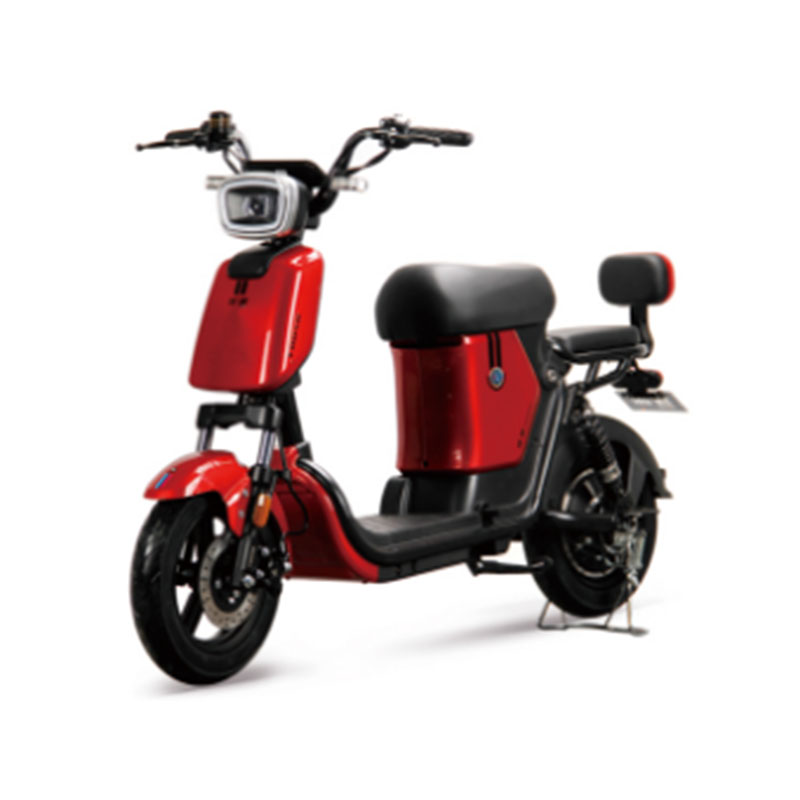
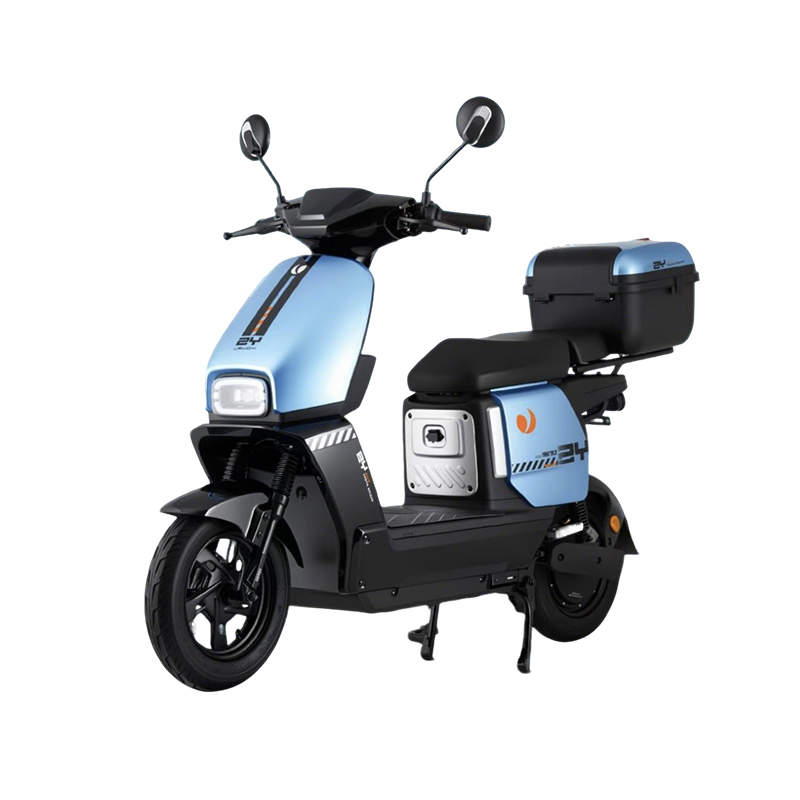
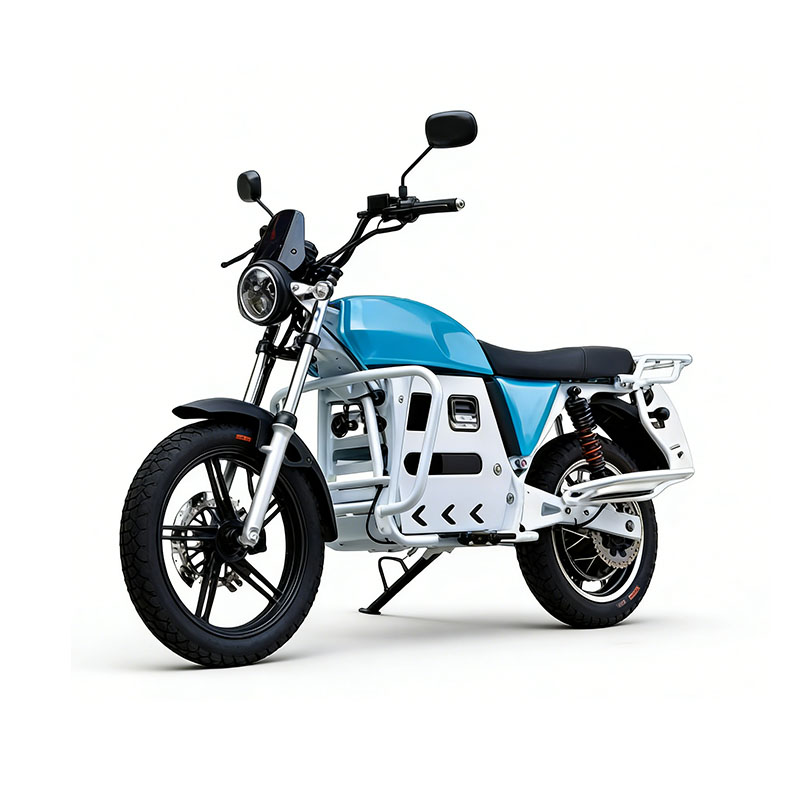
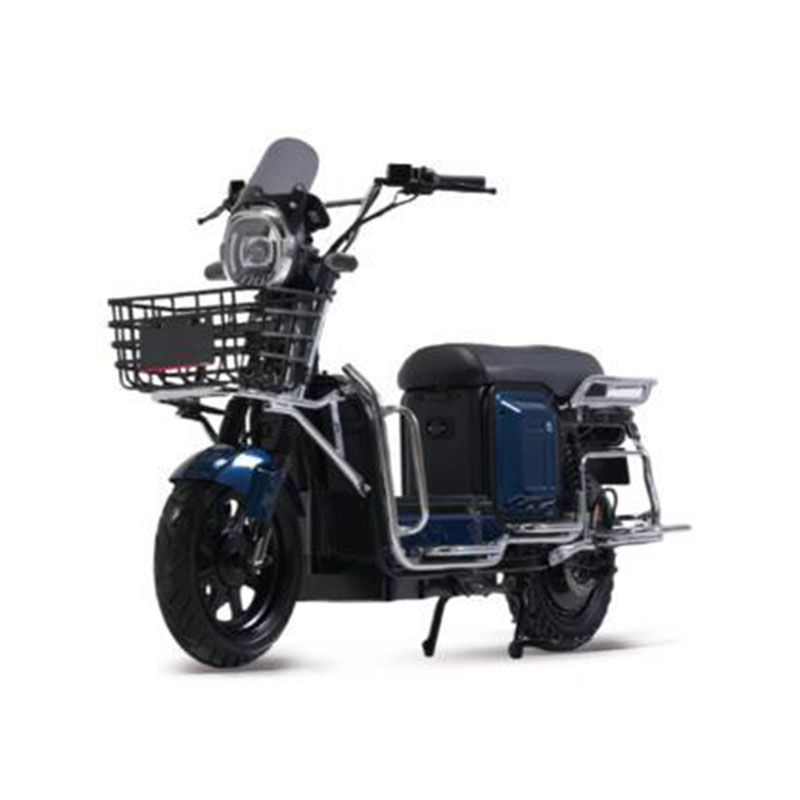
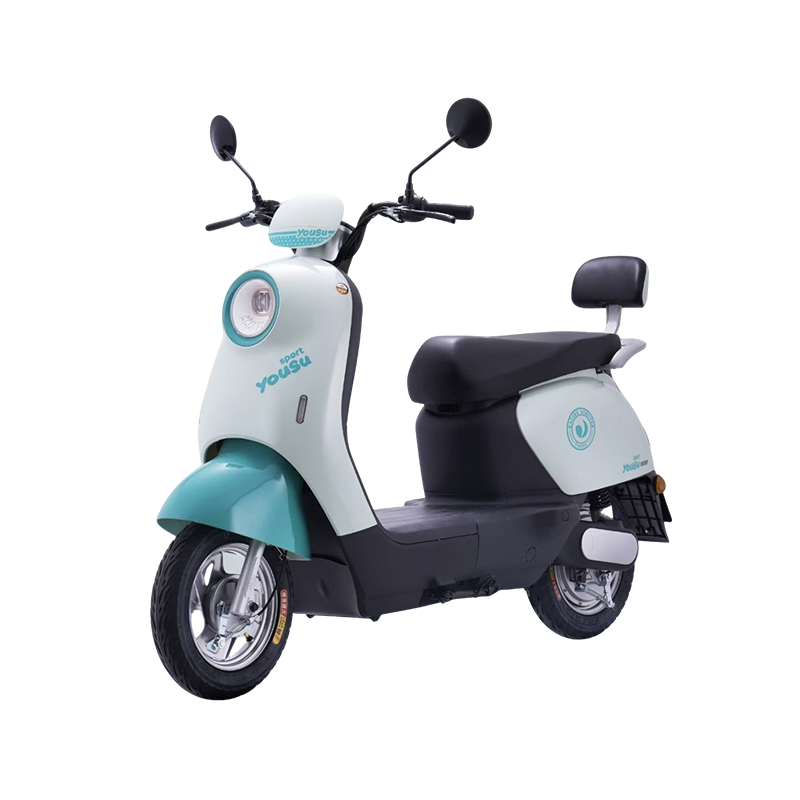
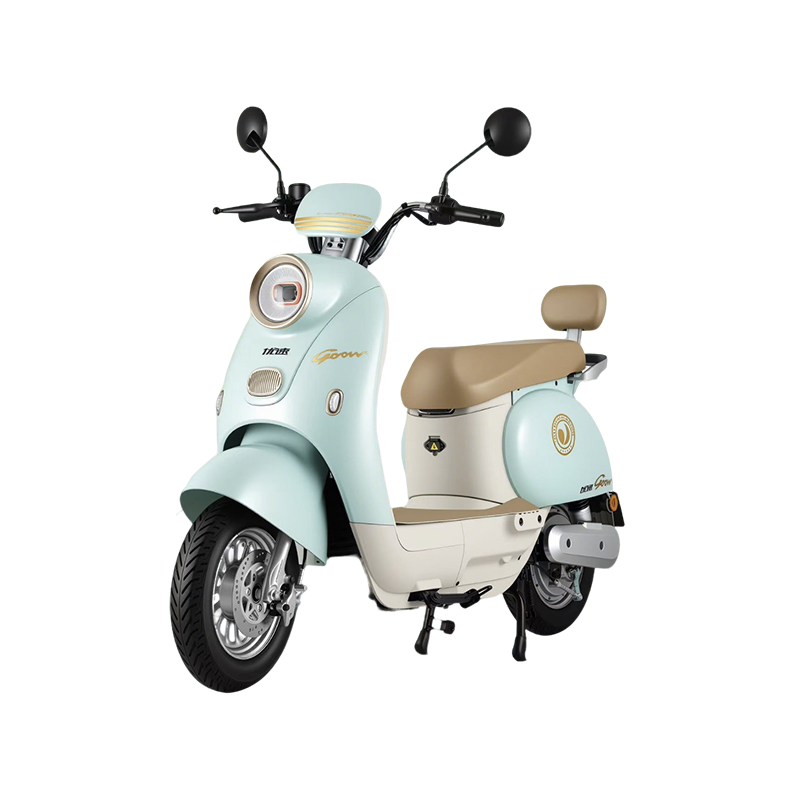
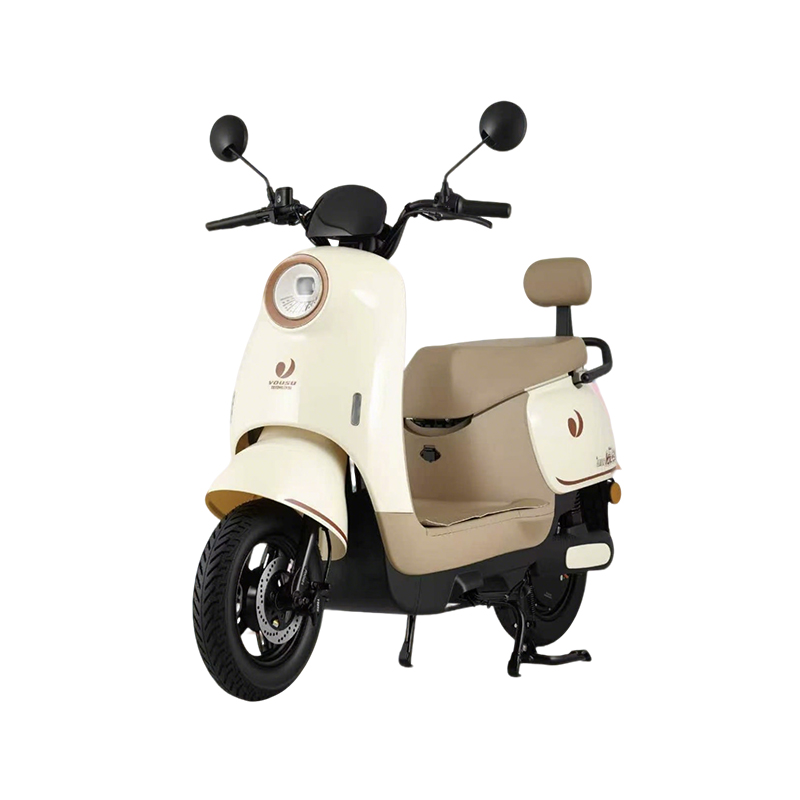
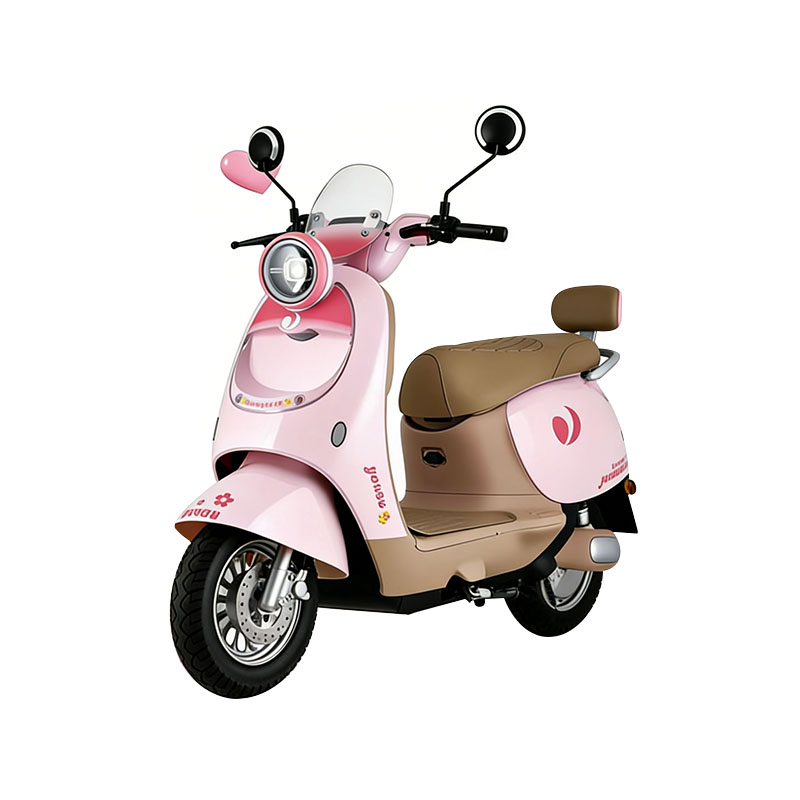
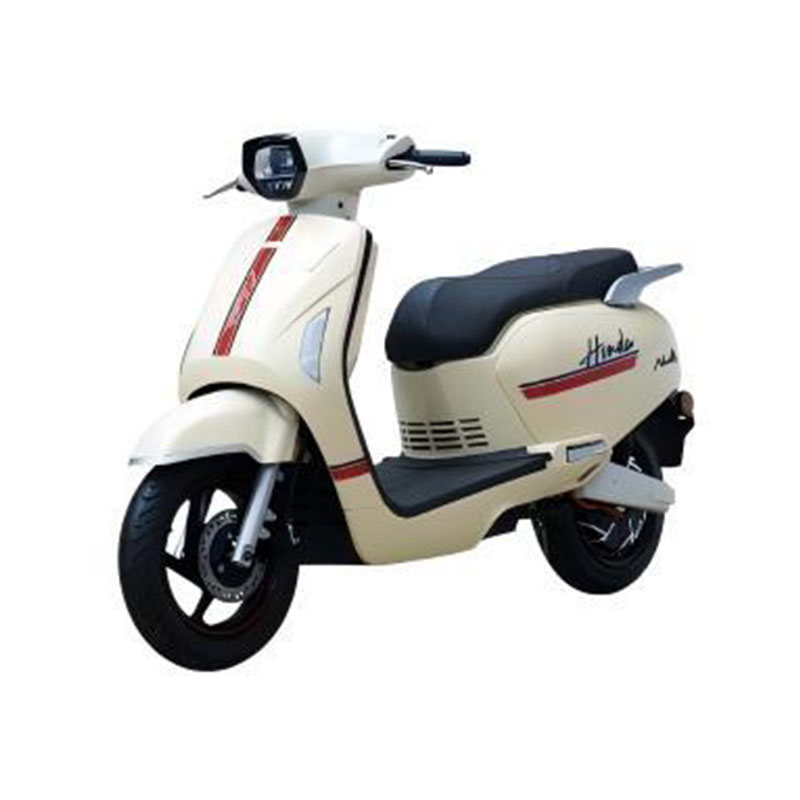
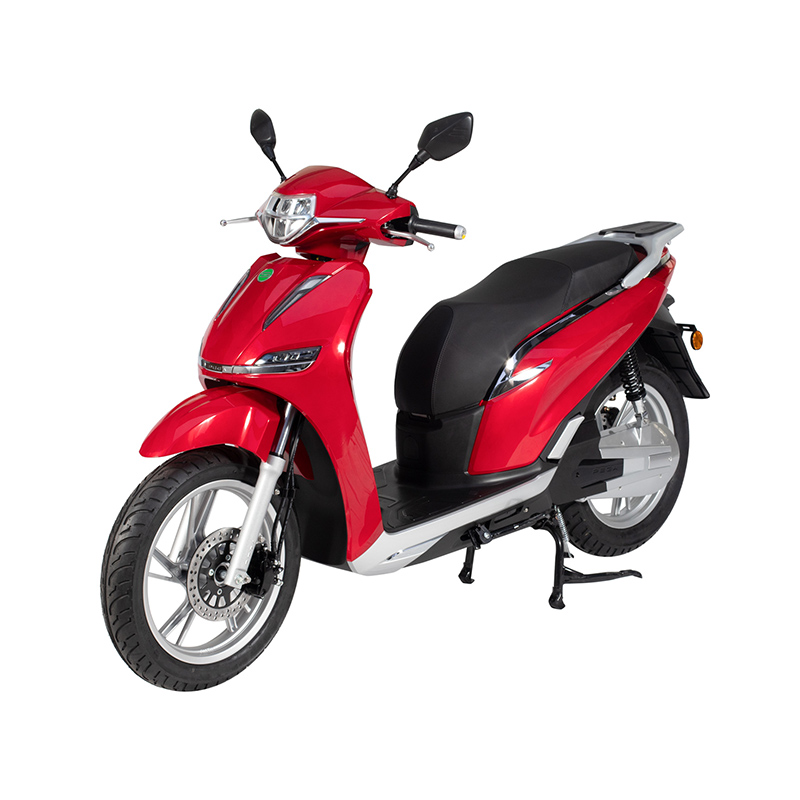
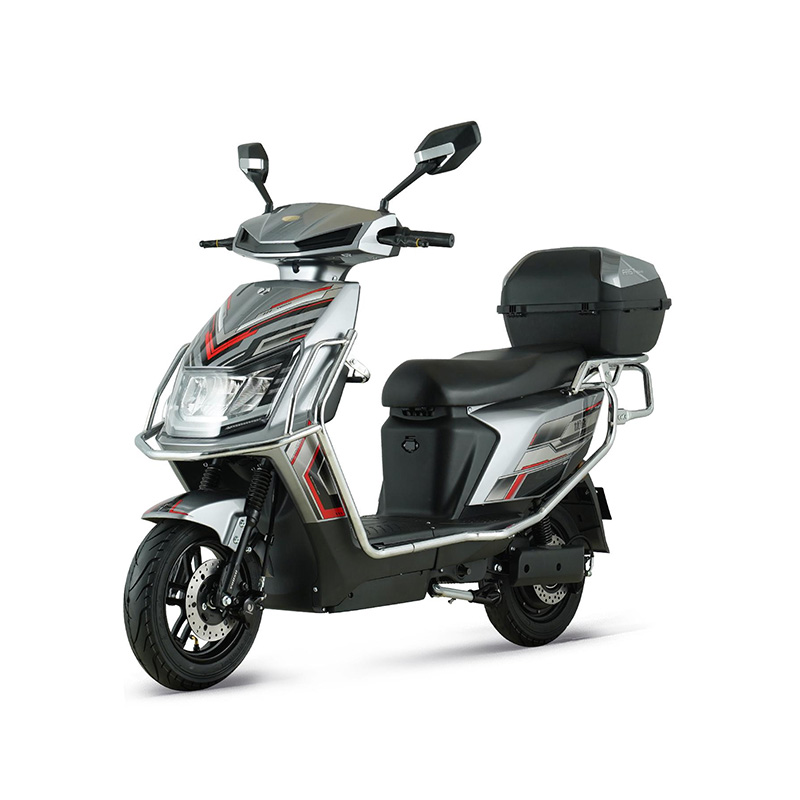
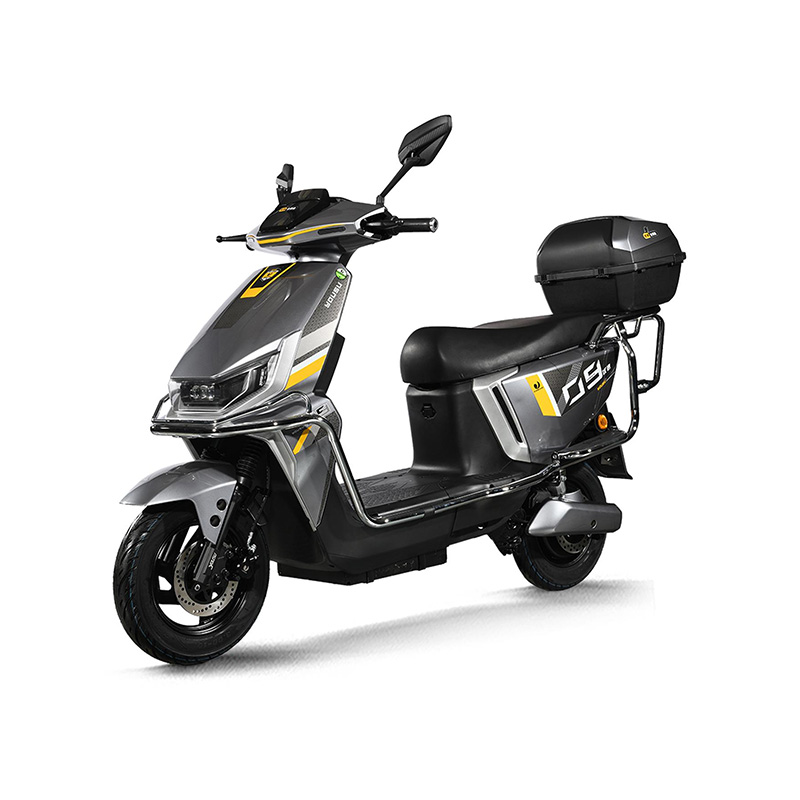
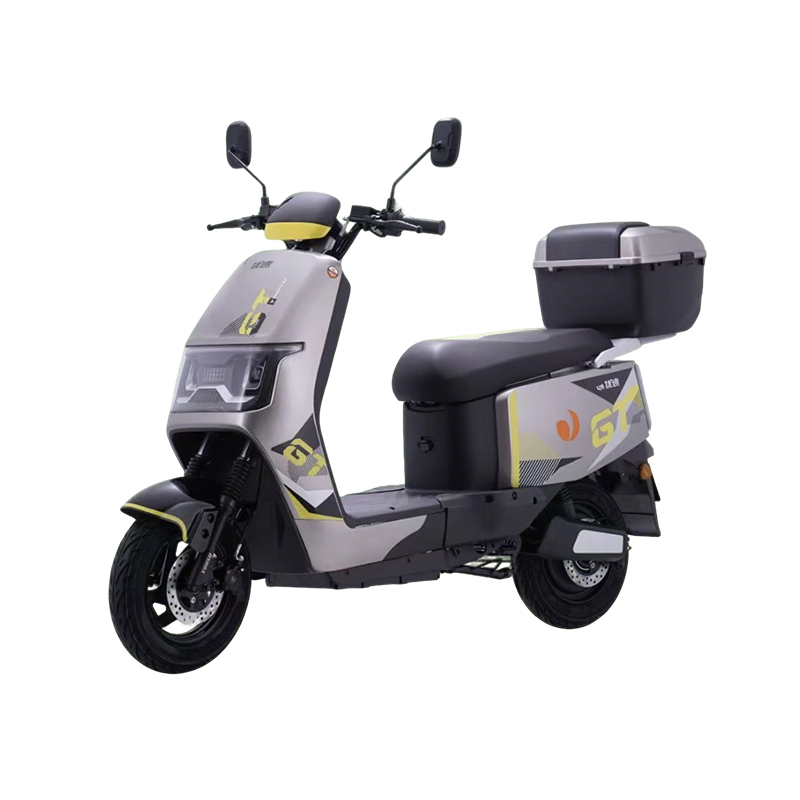

most electric scooter batteries lose roughly 15–25% of their original capacity within 500–800 full charge cycles, which typically translates to 2–4 years of regular commuter use. Battery degradation is inevitable, but the rate at which it happens varies significantly depending on battery chemistry, usage habits, charging behavior, and environmental conditions. If you own or are considering a 2 person electric scooter, understanding battery longevity is especially important since dual-rider loads accelerate discharge cycles and increase overall battery stress.
What Causes Electric Scooter Battery Degradation?
Nearly all modern electric scooters use lithium-ion (Li-ion) or lithium iron phosphate (LiFePO4) battery packs. Both degrade over time, but for different reasons and at different rates. The core degradation mechanisms include:
- Cycle aging:Each charge-discharge cycle slightly reduces the battery's ability to hold charge. After 500 cycles, a typical Li-ion pack retains about 80% of its original capacity.
- Calendar aging:Even when not in use, lithium cells degrade due to internal chemical reactions — losing roughly 2–4% capacity per year in storage.
- Heat exposure:Operating or charging at high temperatures (above 40°C / 104°F) is one of the fastest ways to accelerate capacity loss.
- Deep discharge:Consistently draining the battery below 10–15% stresses the cells and shortens their overall lifespan.
- Overcharging:Frequently charging to 100% and leaving the scooter plugged in adds stress to cells over the long term.
Li-ion vs. LiFePO4: How Do They Compare Over Time?
The two dominant battery types used in electric scooters have notably different degradation profiles. Here is a direct comparison:
|
Table 1: Battery chemistry comparison for electric scooter longevity |
||
|
Feature |
Li-ion (NMC/NCA) |
LiFePO4 |
|
Typical cycle life |
500–800 cycles |
1,500–3,000 cycles |
|
Capacity at 500 cycles |
~78–82% |
~92–95% |
|
Energy density |
Higher (lighter pack) |
Lower (heavier pack) |
|
Heat sensitivity |
High |
Low |
|
Cost |
Lower upfront |
Higher upfront |
|
Common use |
Budget–mid-range scooters |
Premium / 2 person electric scooter models
|
For users who need a 2 person electric scooter capable of handling heavier combined loads day after day, LiFePO4 chemistry is a significantly better long-term investment despite its higher initial cost, since the battery will maintain usable capacity far longer under repeated stress.
Degradation Timeline: What to Expect Year by Year
To give you a realistic picture of how an electric scooter battery loses performance over time, here is a typical degradation timeline based on daily commuter use (one full charge cycle per day, moderate climate):
Year 1 — Minimal Loss
Most electric scooters experience very little degradation in the first 100–150 cycles. Capacity typically stays above 95%, and range reduction is barely noticeable. Ride quality, acceleration, and top speed remain consistent with manufacturer claims.
Year 2 — Gradual Decline Begins
Between 200–400 cycles, Li-ion packs begin showing a more consistent drop. Range may decrease by 8–12% from the original spec. For a scooter rated at 40 km per charge, this means real-world range drops to around 35–37 km. Users of a 2 person electric scooter may notice this more acutely because the higher load already draws more energy per trip.
Year 3 — Noticeable Degradation
At 500–700 cycles, most Li-ion batteries retain 75–85% of original capacity. Hill climbing performance weakens, top speed may drop slightly under load, and charge times can become less predictable. This is the stage where many users start planning for battery replacement or a scooter upgrade.
Year 4 and Beyond — Significant Capacity Loss
Beyond 800 cycles, many standard Li-ion packs fall below 70% capacity — at this point the scooter may no longer reliably complete the user's intended route on a single charge. LiFePO4 batteries in this same timeframe often still retain 88–92% capacity, illustrating their superior long-term durability.
How Rider Load Affects Battery Degradation
Rider weight is one of the most underappreciated factors in battery aging. Heavier loads require the motor to draw more current from the battery, which increases heat generation inside the cells and accelerates chemical wear. This is particularly relevant for anyone using a 2 person electric scooter regularly.
Studies on Li-ion cell wear under high discharge rates show that operating consistently at above 80% of peak discharge current can reduce cycle life by up to 30% compared to moderate discharge. For a 2 person electric scooter carrying a combined weight of 150–160 kg versus a solo rider at 75 kg, the motor and battery are under significantly higher sustained stress — especially on inclines.
If you frequently ride a 2 person electric scooter, consider choosing a model with a battery capacity of at least 20 Ah or 800 Wh to ensure the battery is not constantly operating near its current limits, which directly extends its usable life.
How to Slow Down Electric Scooter Battery Degradation
While some degradation is unavoidable, following best practices can meaningfully extend your electric scooter's battery life:
- Charge between 20% and 80%:Avoiding the extremes of 0% and 100% is the single most effective way to reduce cycle wear. Many premium electric scooters allow you to set charge limits via a companion app.
- Avoid charging in extreme heat:Charging above 35°C significantly degrades cell health. Always charge in a cool, ventilated space.
- Use the stock charger:Third-party fast chargers that exceed the battery's rated input current increase internal heat and shorten lifespan.
- Store at 50% charge if unused:If you won't use your electric scooter for more than two weeks, store the battery at around half capacity to minimize calendar aging.
- Use eco mode for routine trips:Lower power modes reduce peak current draw, which lowers internal heat and slows cell degradation.
- Keep the scooter out of direct sunlight:Parking a scooter in full sun on a hot day can raise battery temperature by 10–20°C even without riding or charging.
When Should You Replace an Electric Scooter Battery?
The general industry threshold for battery replacement is when capacity drops below 70–75% of original. At this point, the practical range is significantly reduced and the battery may show inconsistent behavior such as sudden power cuts during hill climbs or inaccurate charge level readings.
Replacement battery packs for electric scooters typically cost between $150 and $500 USD depending on the brand, capacity, and chemistry. It is worth checking whether your electric scooter model supports user-replaceable battery packs before purchase — proprietary locked packs can make replacement significantly more expensive or impossible without going through the manufacturer directly.
For owners of a 2 person electric scooter, replacement may be needed slightly sooner due to the accelerated cycle wear from heavier usage. Factoring battery replacement cost into the total cost of ownership over a 3–5 year period gives a much more accurate picture of the true expense of scooter ownership versus the sticker price alone.
Final Verdict: Does Battery Degradation Matter Enough to Influence Your Purchase?
Absolutely — and it should be weighted heavily in your buying decision. A lower-priced electric scooter with a standard Li-ion pack may look attractive upfront, but if you plan to ride daily or use it as a 2 person electric scooter, the battery may need replacement within 2–3 years, adding hundreds of dollars to your real cost. A model with a LiFePO4 battery, though more expensive initially, can deliver three to five times the cycle life with far less capacity loss, making it a far better long-term investment for frequent riders.
Always ask about the battery chemistry, cycle rating, and warranty coverage before purchasing. The best electric scooter is not just the one with the longest advertised range — it is the one that maintains that range reliably over the years you actually own it.
 Previous