


 English
 Español
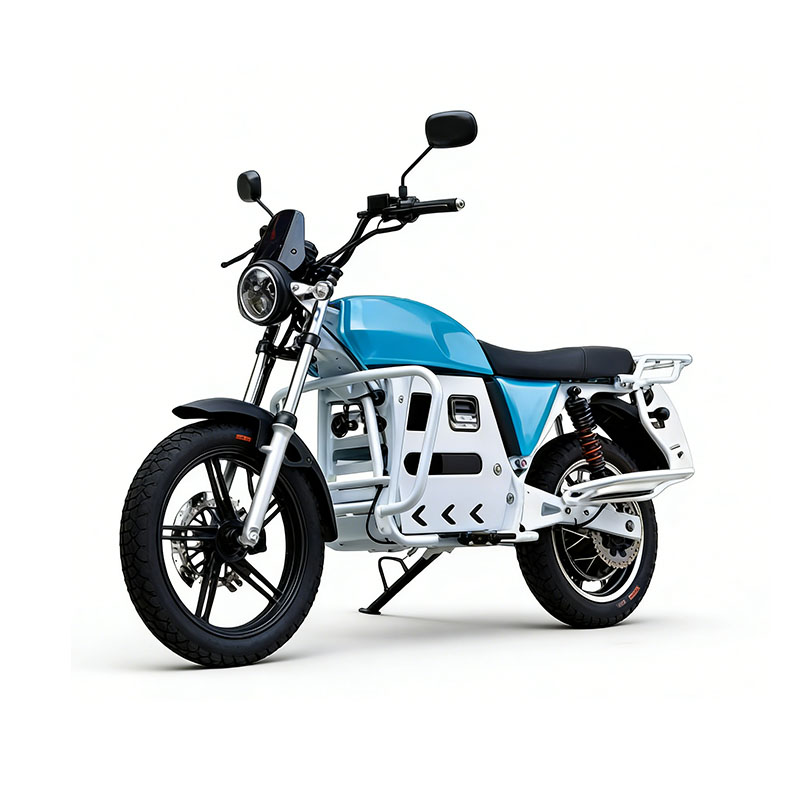
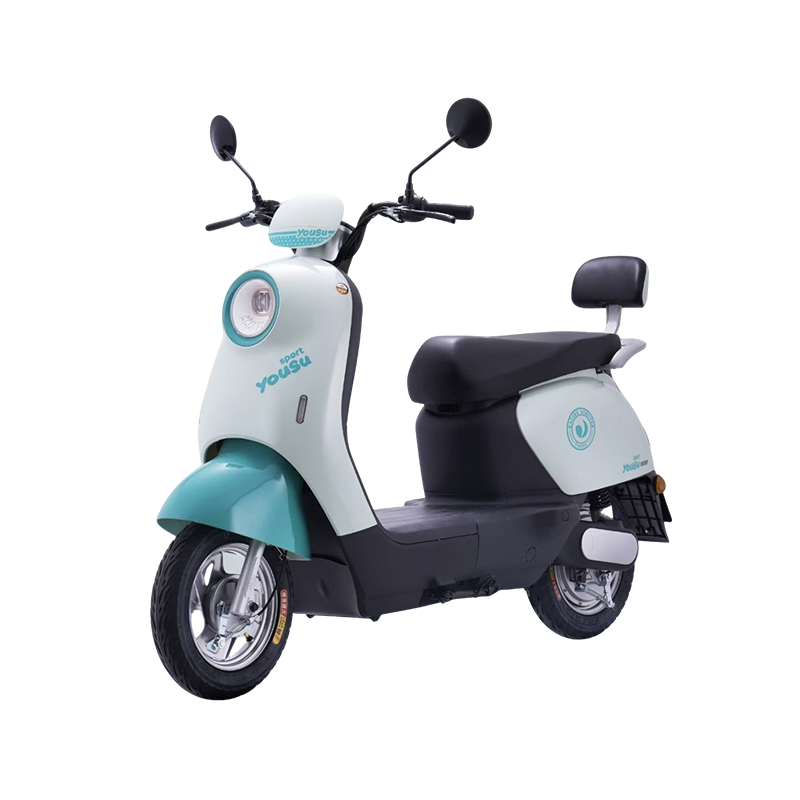
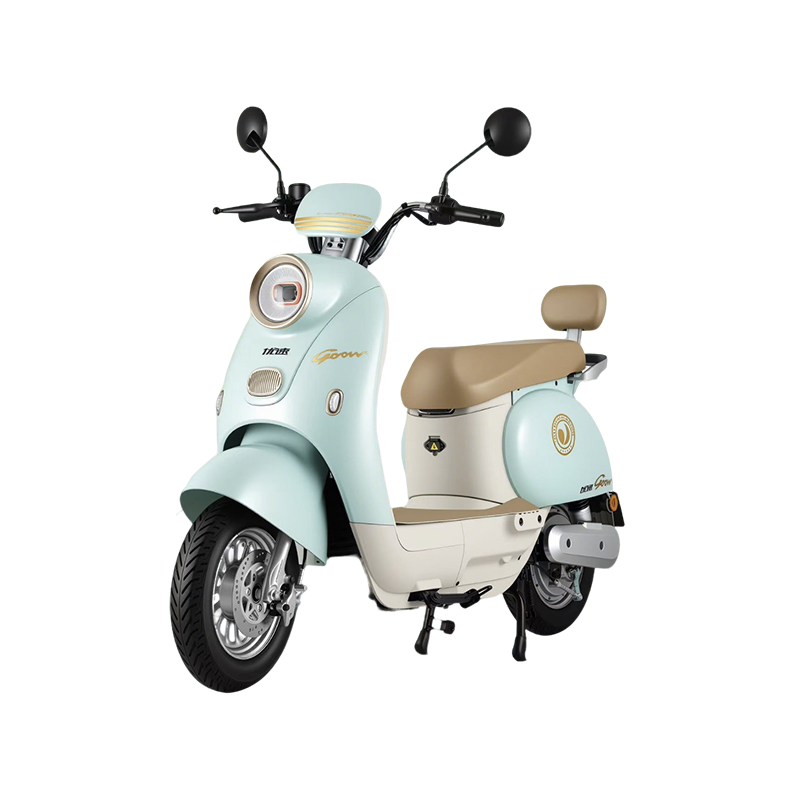
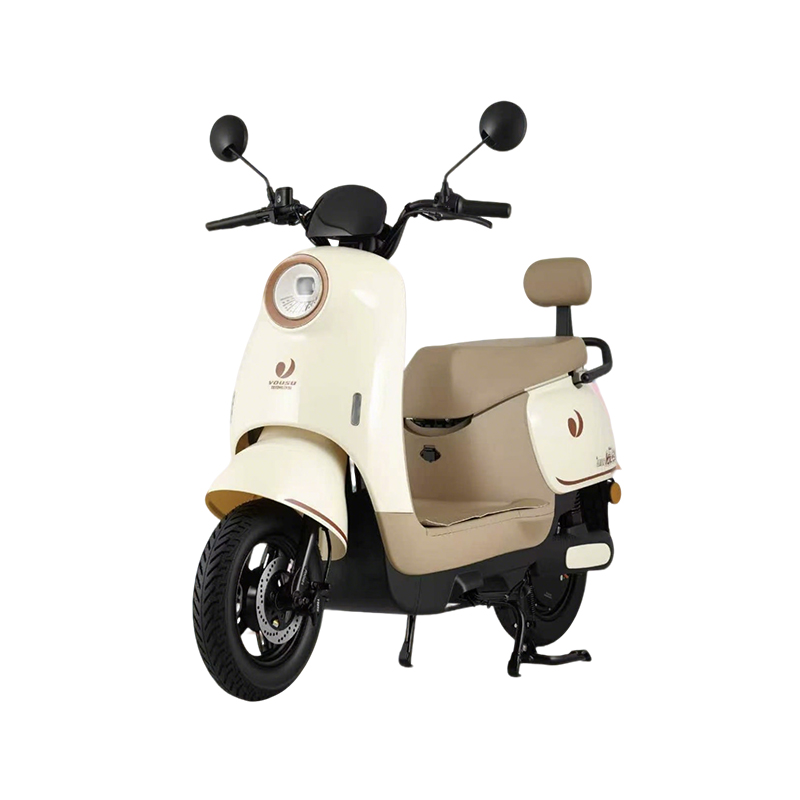
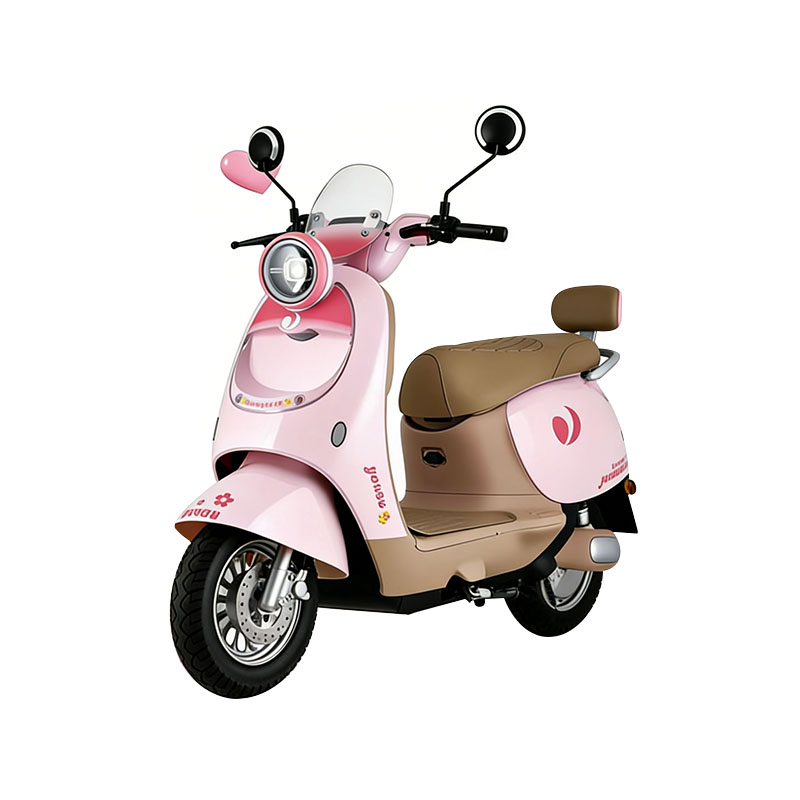
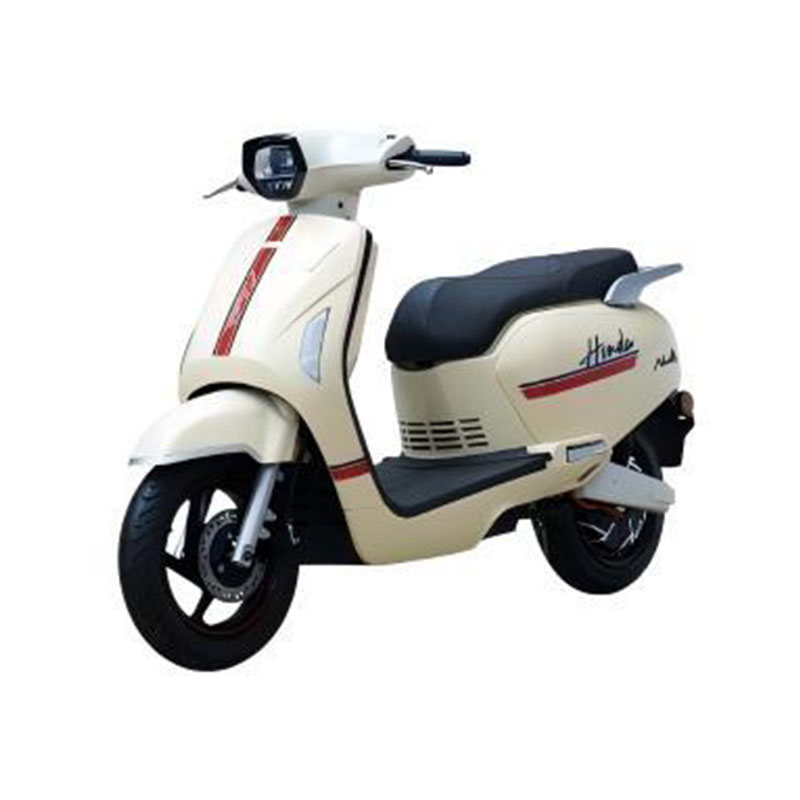
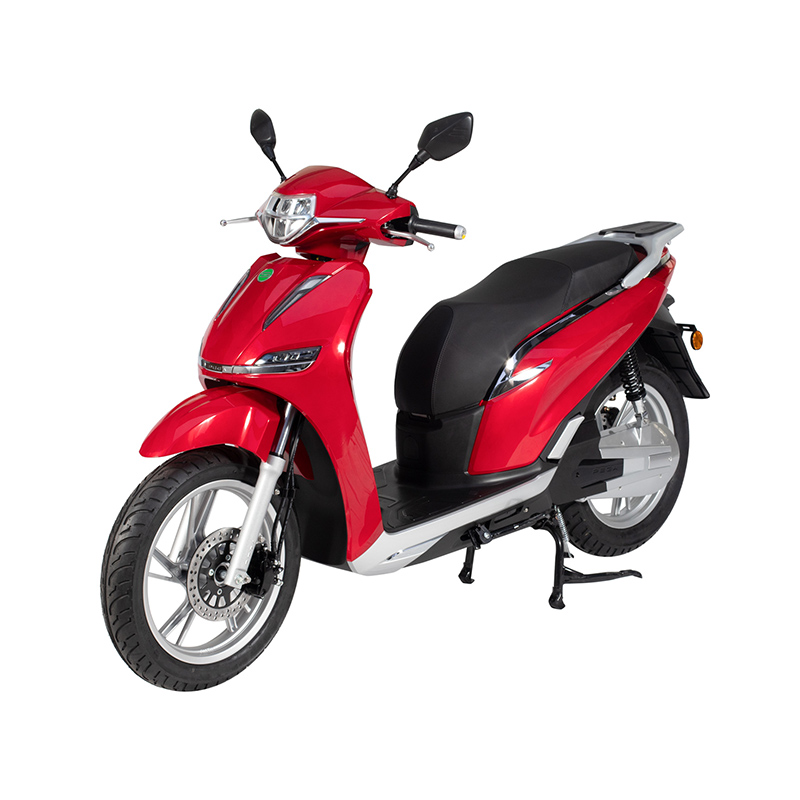
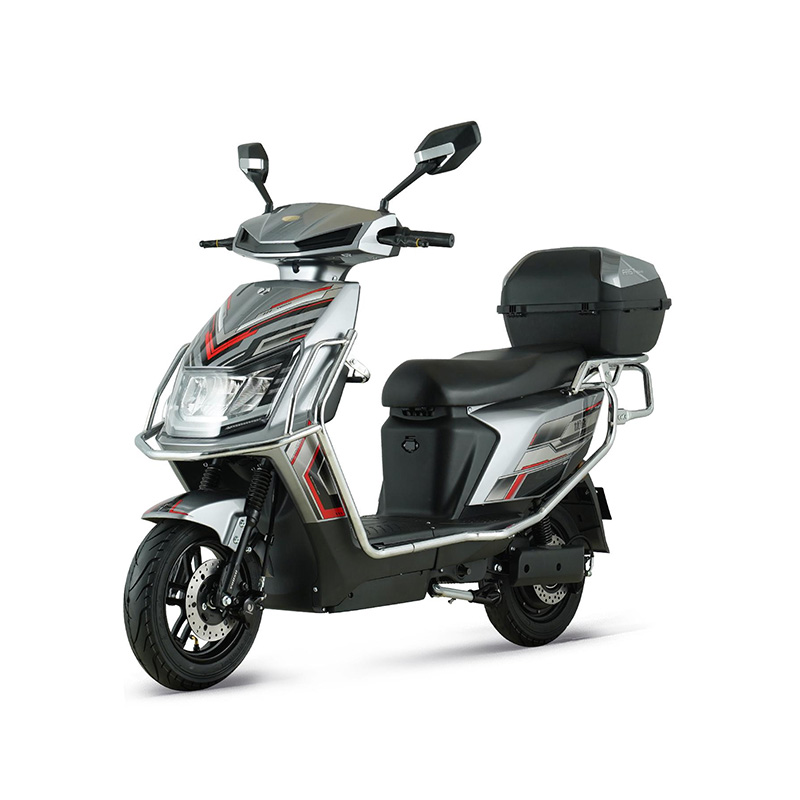
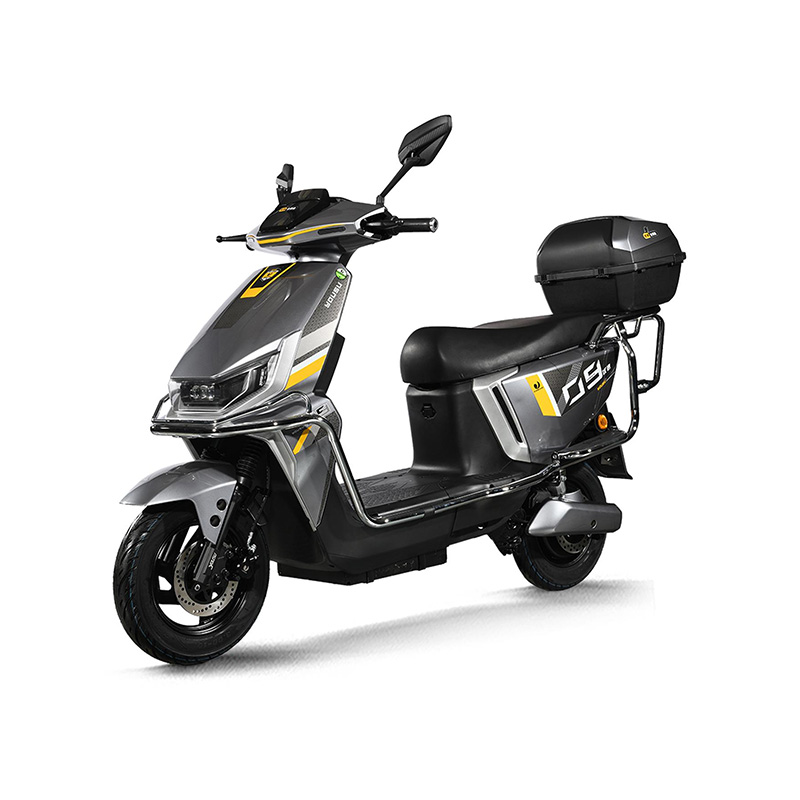
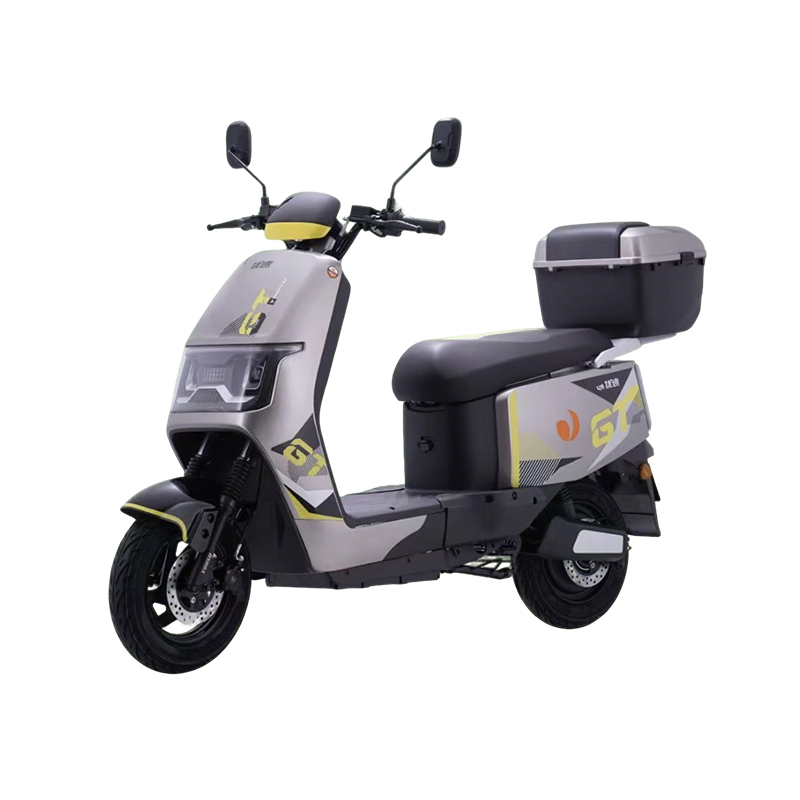

pneumatic (air-filled) tires offer significantly better ride comfort and traction, while solid (airless) tires eliminate puncture risk entirely and require almost zero maintenance. Neither type is universally superior — the right choice depends on your riding surface, load, and how much maintenance you are willing to handle. For riders using a 2 person electric scooter that carries heavier combined weight on varied urban terrain, the tire type decision has a direct impact on safety, comfort, and long-term running costs.
Understanding the Two Tire Types
Before comparing performance, it helps to understand what each tire type actually is and how it works on an electric scooter.
Pneumatic Tires
Pneumatic tires are air-filled, just like bicycle or car tires. They come in two variants: inner tube (clincher) and tubeless. The air pocket acts as a natural shock absorber, cushioning the rider against road imperfections. Most mid-range and premium electric scooters use pneumatic tires, typically in sizes ranging from 8 to 11 inches in diameter with widths between 2 and 3 inches.
Solid Tires
Solid tires — also called airless or foam-filled tires — are made from dense rubber or filled with a solid polymer foam. They cannot go flat under any circumstances. They are common on budget electric scooters and entry-level urban commuter models where simplicity and zero puncture risk are prioritized over ride quality.
Ride Comfort: Pneumatic Tires Win by a Clear Margin
Ride comfort is where the gap between the two tire types is most noticeable. Pneumatic tires deform slightly on impact with road irregularities — cracks, potholes, cobblestones, speed bumps — absorbing vibration before it reaches the deck and handlebars. Riders on pneumatic-tired scooters report 30–50% less vibration compared to equivalent solid-tire models in controlled ride tests.
Solid tires transmit road vibration directly into the frame with very little dampening. On smooth asphalt this difference is minor, but on typical city streets with expansion joints, gravel patches, or uneven paving, solid tires make for a noticeably harsher, more fatiguing ride — particularly over trips longer than 15–20 minutes.
For a 2 person electric scooter where two riders share the deck, the combined body weight is higher and less forgiving of road surface imperfections. In this context, pneumatic tires provide a meaningfully better riding experience and reduce rider fatigue on longer commutes. Some high-capacity 2 person electric scooter models pair wider 10-inch pneumatic tires with a rear suspension system precisely for this reason.
Puncture Risk: The Biggest Practical Trade-Off
This is where solid tires hold an undeniable advantage. By definition, a solid tire cannot be punctured. There is no air to escape, no inner tube to patch, and no risk of a sudden flat mid-commute — a scenario that is not only inconvenient but potentially dangerous at speed.
Pneumatic tires, by contrast, are vulnerable to punctures from nails, glass, sharp stones, and road debris. Industry data suggests that pneumatic scooter tires average one puncture per 1,500–3,000 km of urban riding, depending on road conditions and tire quality. Tubeless pneumatic tires are more puncture-resistant than inner tube variants and can self-seal minor holes with sealant, but they are not immune to damage.
The practical implication: if you ride a pneumatic-tired electric scooter daily as your primary transport, a puncture will happen eventually. For a 2 person electric scooter used for shared commuting, an unexpected flat is doubly disruptive. Riders in urban environments with particularly debris-heavy roads may find solid tires a more reliable daily option despite the comfort compromise.
Traction and Handling: Road Surface Matters
Pneumatic tires maintain a larger and more flexible contact patch with the road surface, which translates to better grip during cornering and more effective braking — especially in wet conditions. The air pressure allows the tire to conform to surface texture rather than riding over it.
Solid tires have a fixed, rigid contact patch. On dry, flat pavement they perform adequately, but on wet or slippery surfaces the reduced grip increases stopping distances. Braking distance tests show pneumatic tires stop 15–25% shorter than solid tires in wet conditions on comparable scooter platforms. For a 2 person electric scooter carrying additional weight, this difference in wet-weather braking performance is a genuine safety consideration.
Overall Maintenance Cost: A Multi-Year Comparison
Maintenance cost is one of the most practically important factors for regular riders. Here is how the two tire types compare across a typical 2–3 year ownership period:
|
Table 1: Estimated maintenance costs and intervals for pneumatic vs. solid electric scooter tires |
||
|
Maintenance Factor |
Pneumatic Tires |
Solid Tires |
|
Puncture repair cost (per incident) |
$5–$20 (DIY) / $20–$50 (shop) |
$0 |
|
Tire replacement cost (per tire) |
$15–$40 |
$20–$50 |
|
Average replacement interval |
2,000–4,000 km |
3,000–5,000 km |
|
Inflation checks required |
Every 2–4 weeks |
Never |
|
Estimated 3-year total maintenance |
$60–$150 |
$40–$100 |
|
DIY-friendly |
Moderate (tube type) / Hard (tubeless) |
Hard (press-fit removal)
|
Solid tires have a lower overall maintenance cost over 3 years, primarily because puncture repairs are eliminated. However, the cost gap is smaller than many riders expect — and solid tires are paradoxically harder to replace when they do wear out, since press-fit solid tires often require professional tools to remove from the rim.
Key Factors to Consider Before Choosing
There is no single correct answer — but the following checklist helps narrow down which tire type suits your specific riding situation:
- Road surface quality:Smooth, well-maintained asphalt favors solid tires. Rough, potholed, or mixed-surface urban roads strongly favor pneumatic tires.
- Rider weight and load:A 2 person electric scooter with combined rider weight above 120 kg benefits significantly from pneumatic tires' superior load absorption and traction.
- Commute reliability:If a flat tire would strand you or cause significant disruption, solid tires or tubeless pneumatic with sealant are more dependable daily choices.
- Ride duration:Trips longer than 20–30 minutes make ride comfort a more important factor, tipping the balance toward pneumatic tires.
- Wet weather riding:Riders in rainy climates should prioritize pneumatic tires for their superior wet-road grip and shorter braking distances.
- Maintenance willingness:If you prefer zero tire maintenance, solid tires are the clear winner — no pressure checks, no puncture kits, no roadside repairs.
Which Tire Type Is Right for a 2 Person Electric Scooter?
If you are specifically evaluating a 2 person electric scooter, the tire type decision carries more weight than it does for a solo rider model. Here is why: a 2 person electric scooter is inherently heavier, typically weighing between 25–40 kg before riders, and the combined load of two adults places greater demand on the tires for shock absorption, grip, and structural integrity.
Pneumatic tires are the recommended choice for most 2 person electric scooter applications — particularly those used on anything other than perfectly smooth pavement. The improved comfort for both riders, better wet-weather handling, and superior traction under high load all make a meaningful practical difference. Look for models with wider tires (10 inches or above) rated for a combined payload of at least 150 kg to ensure the tires are not operating beyond their design limits.
If puncture convenience is non-negotiable for your 2 person electric scooter use case, opt for a model with tubeless pneumatic tires pre-filled with sealant. This hybrid approach provides 85–90% of the puncture resistance of solid tires while retaining the comfort and grip benefits of air-filled rubber.
Final Recommendation
For most riders, pneumatic tires deliver a better overall experience — more comfort, better safety in wet conditions, and superior handling under load. Solid tires make sense for short urban hops on smooth roads where maintenance simplicity is the priority. The maintenance cost difference over 3 years is relatively modest ($40–$60), so it should not be the deciding factor on its own.
When evaluating any electric scooter — and especially a 2 person electric scooter — always check the tire specification sheet: look at tire diameter, width, load rating, and whether the pneumatic option is tubed or tubeless. These details matter far more than the tire type label alone and will give you a clearer picture of the real-world performance you can expect across the full lifespan of your scooter.
 Previous