


 English
 Español
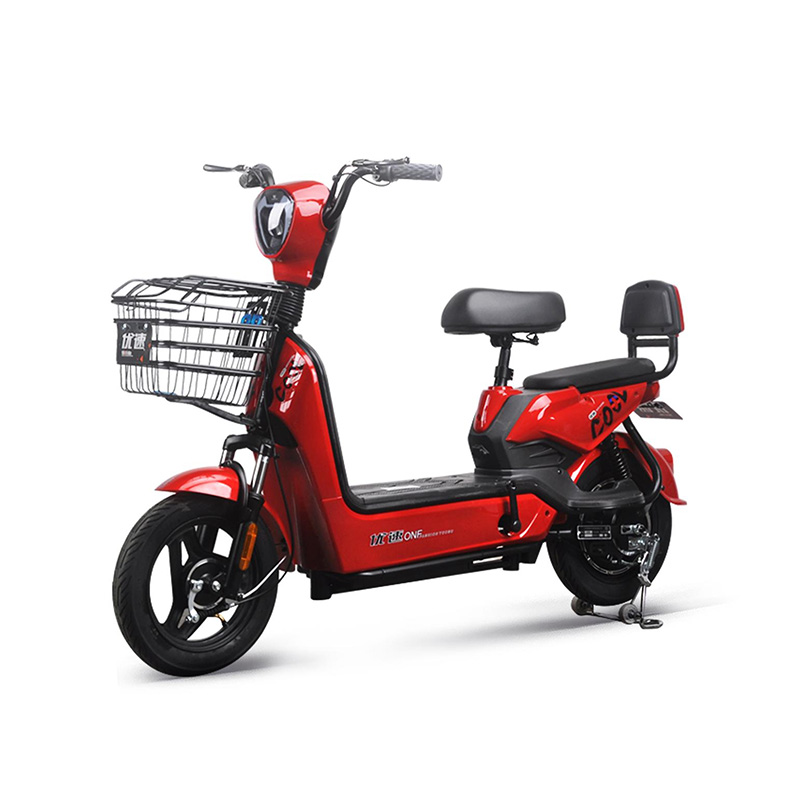
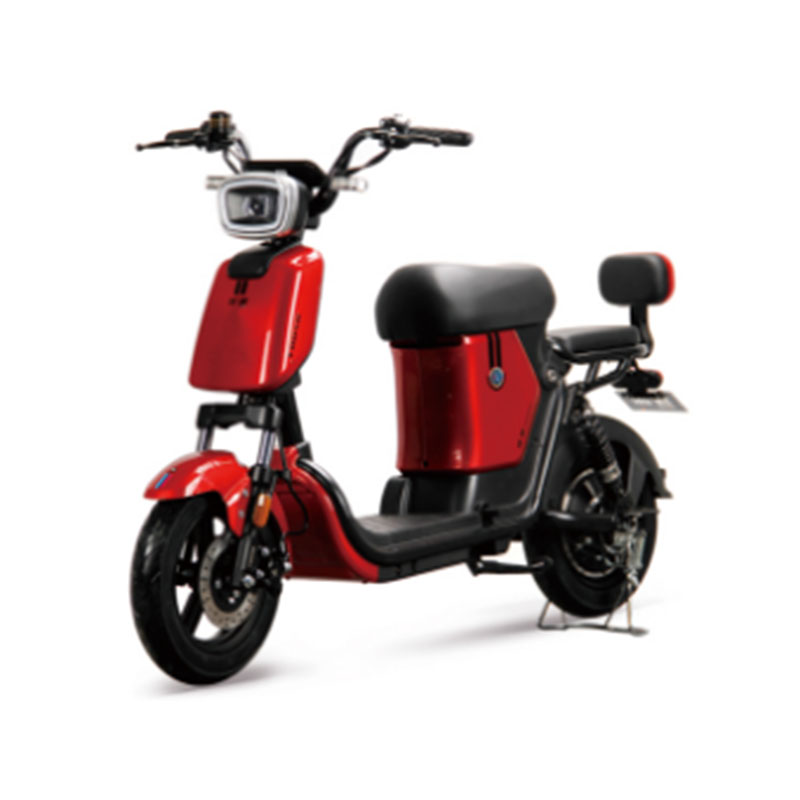
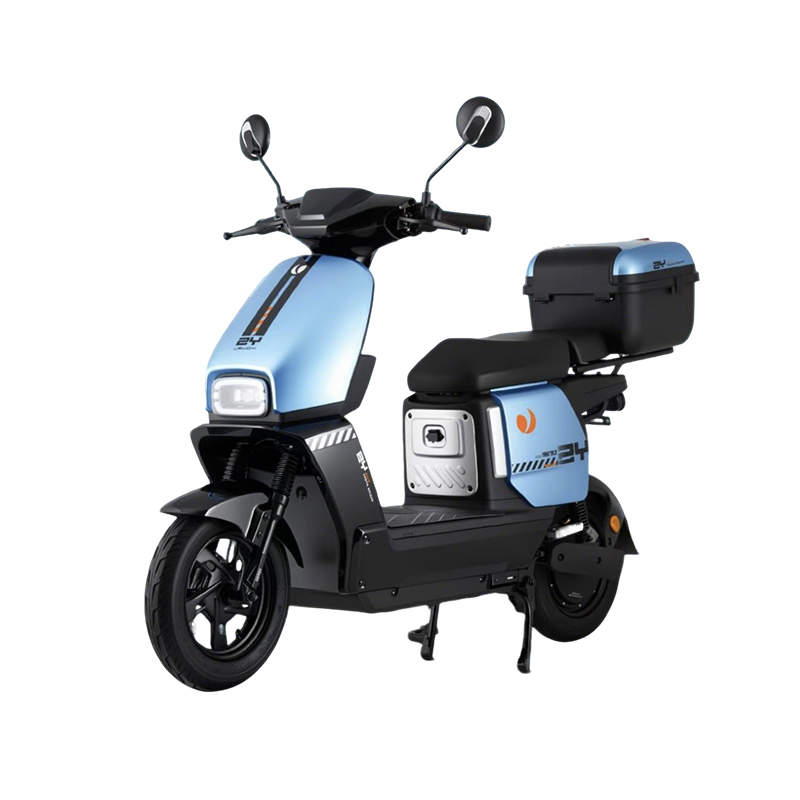
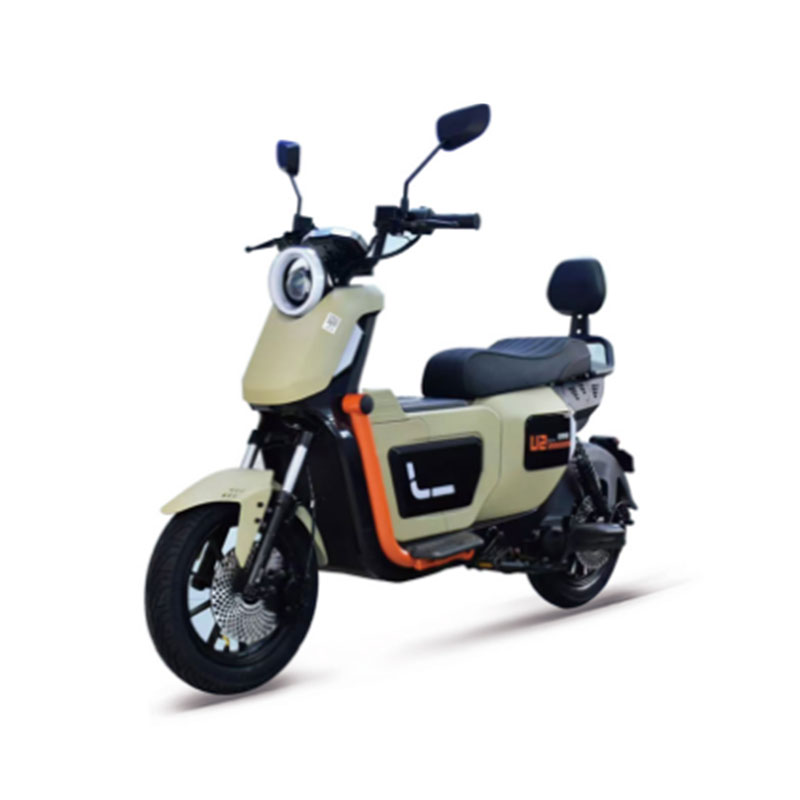
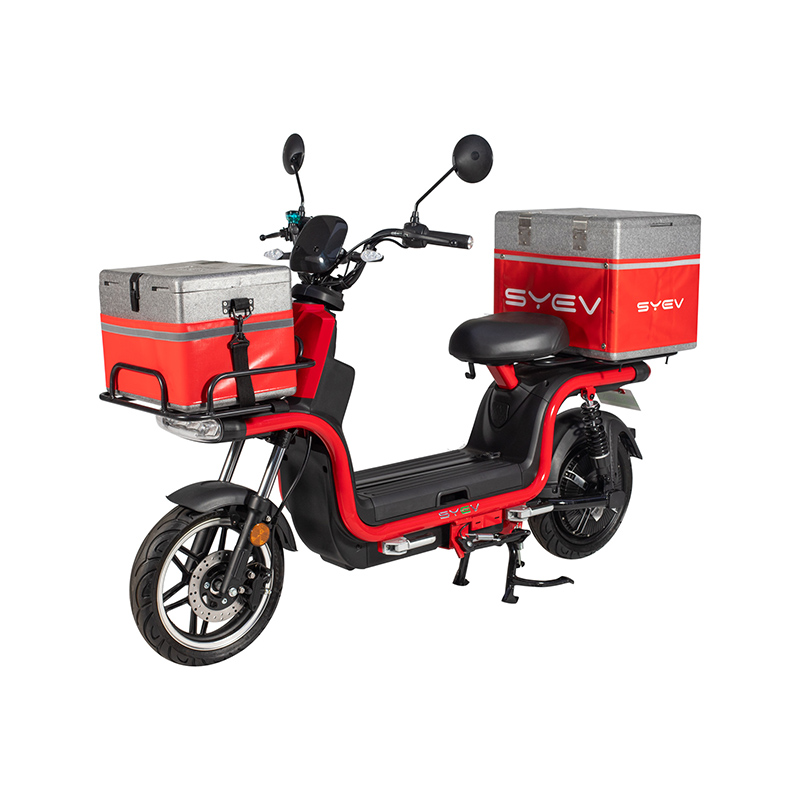
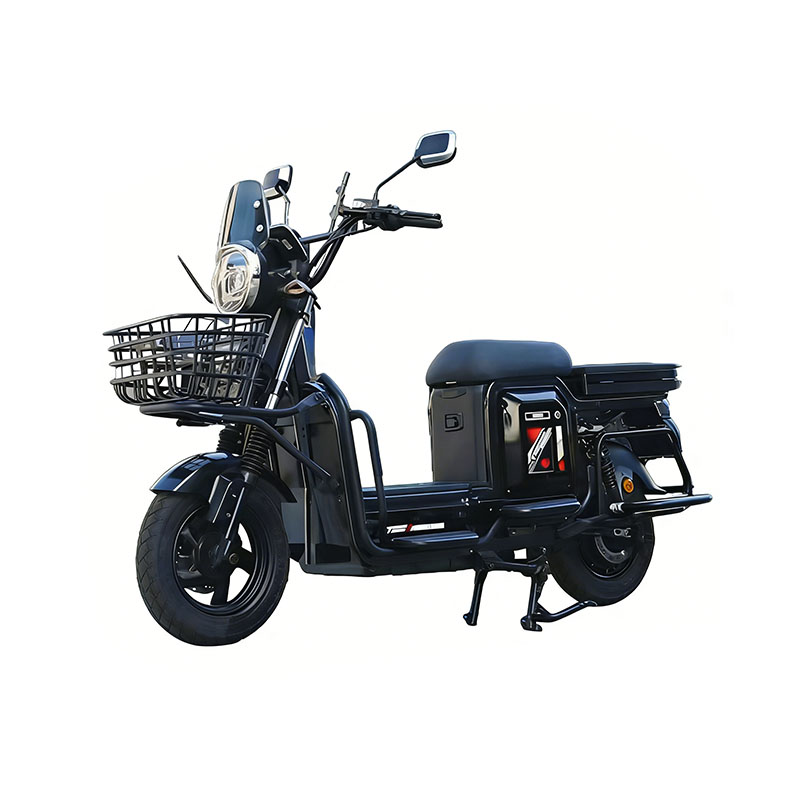
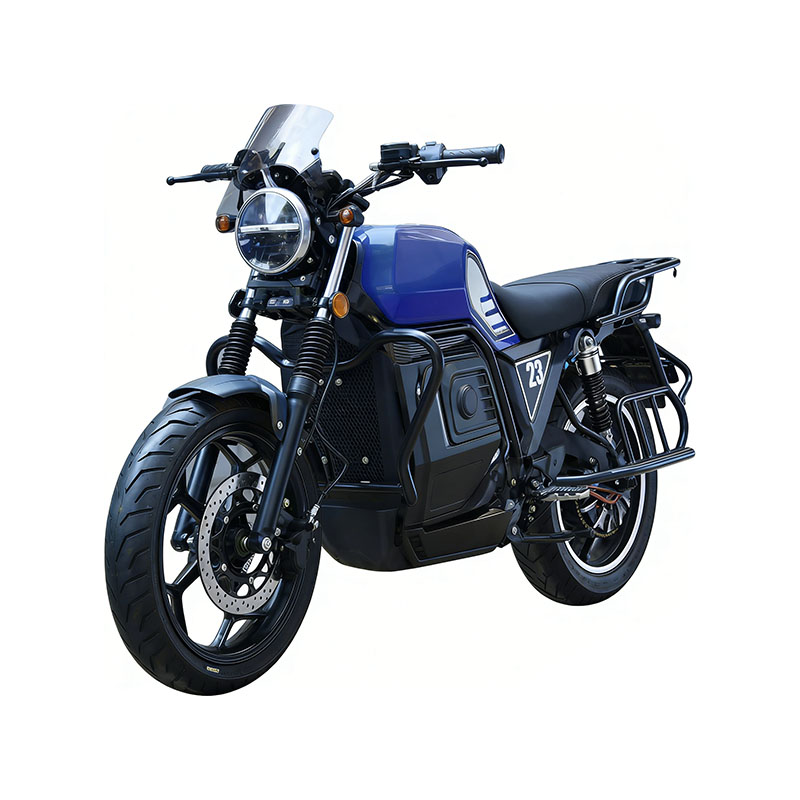
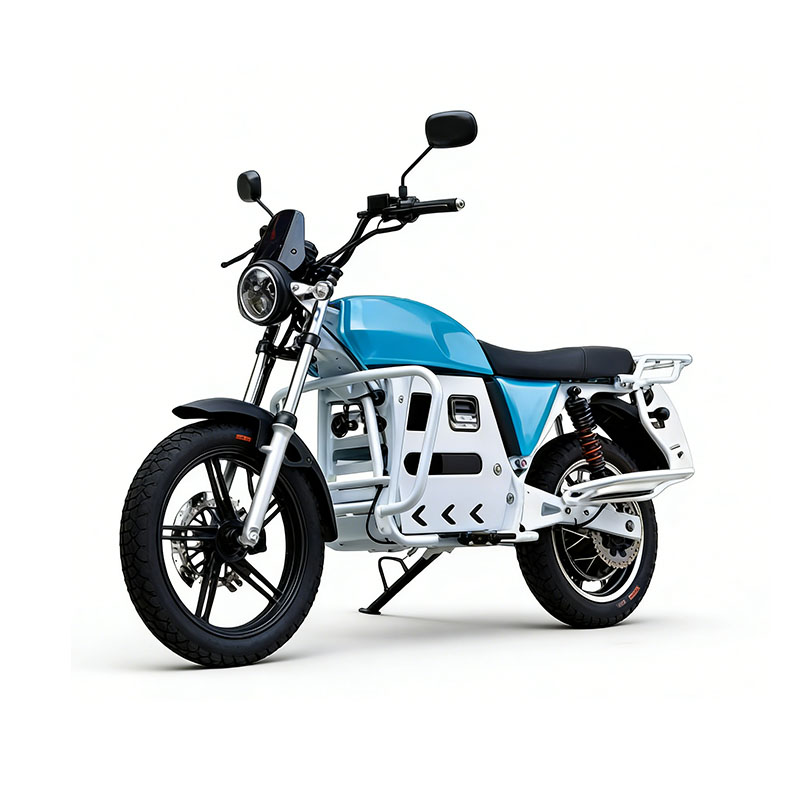
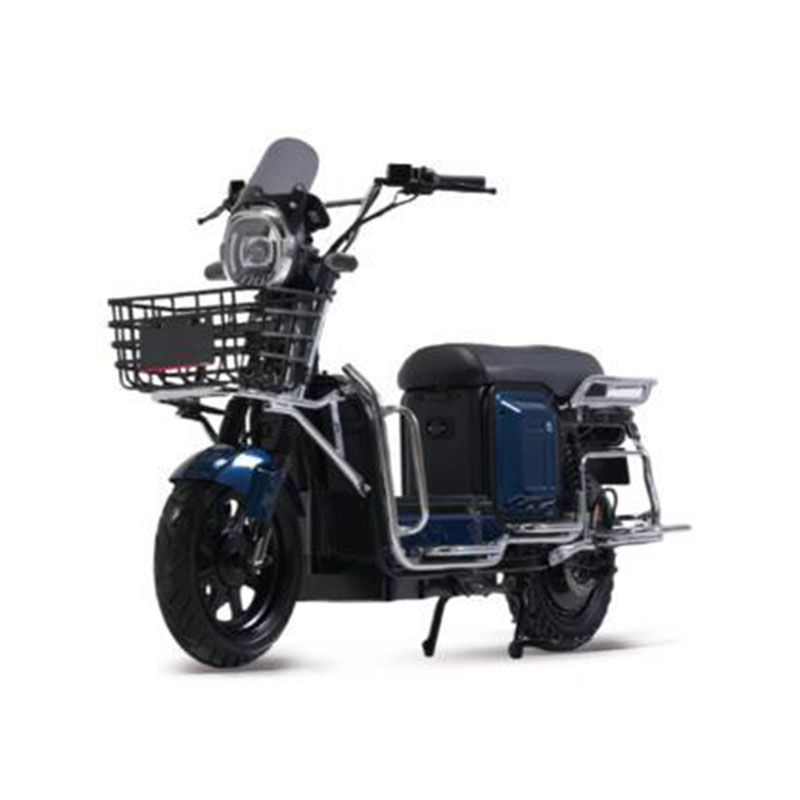
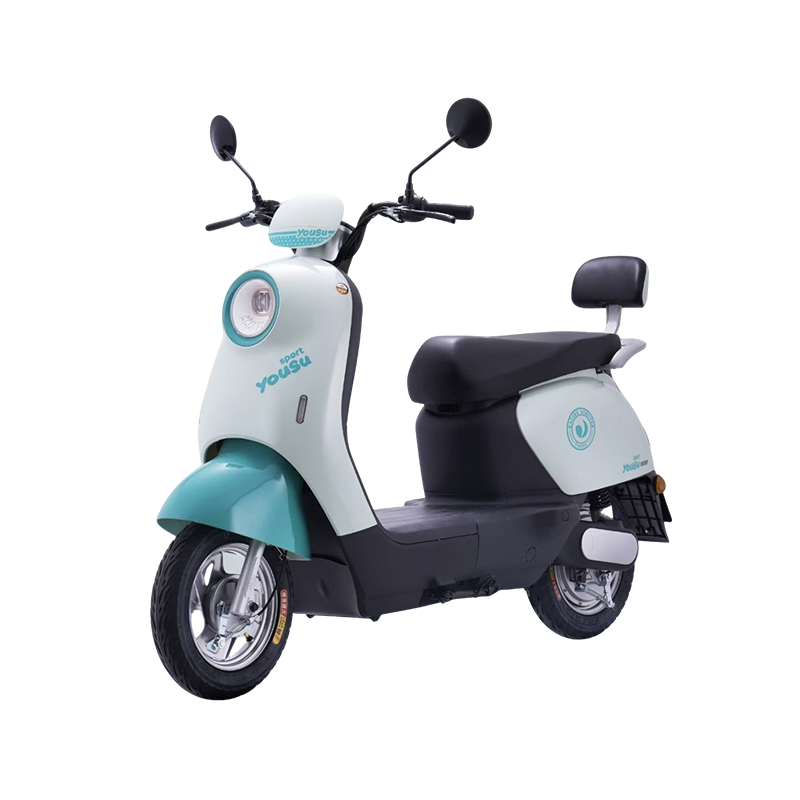
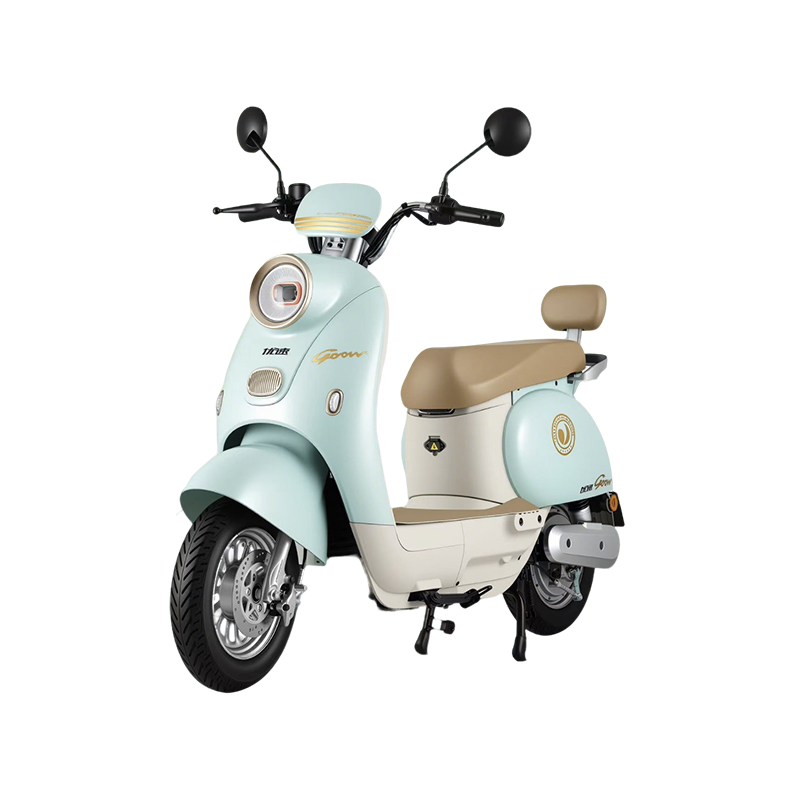
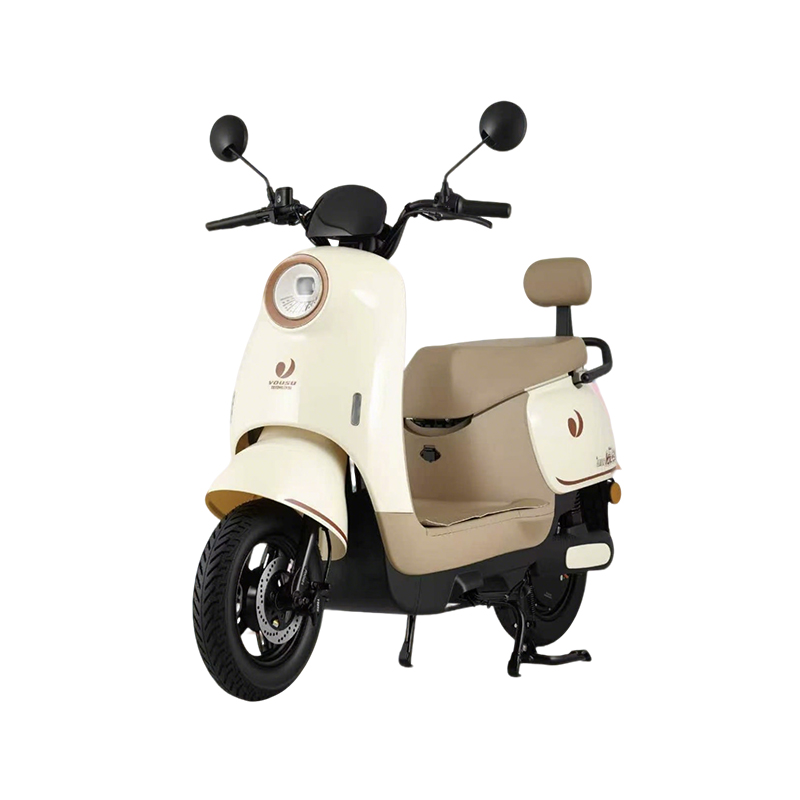
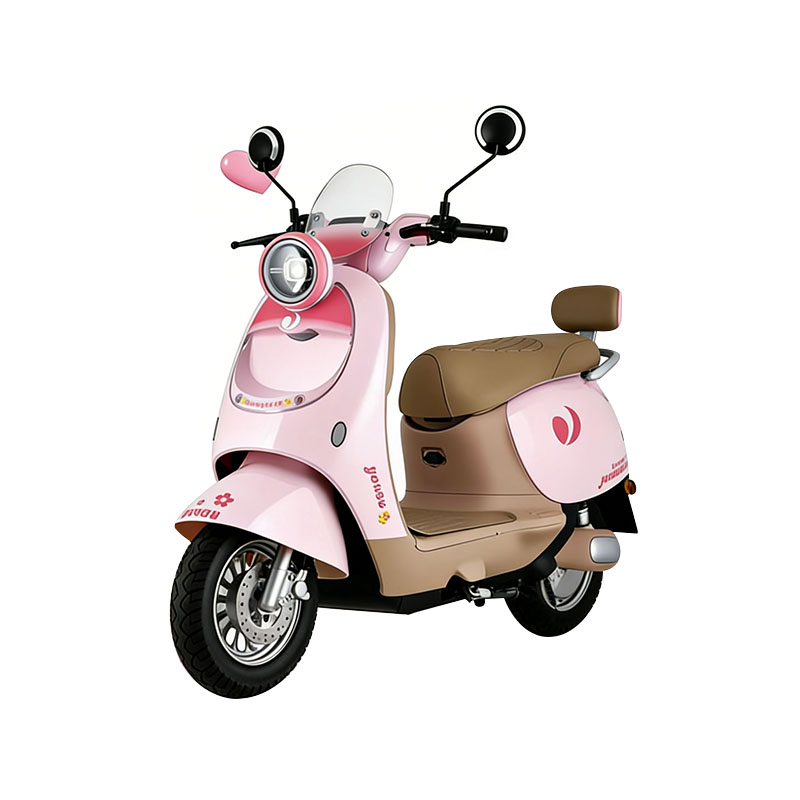
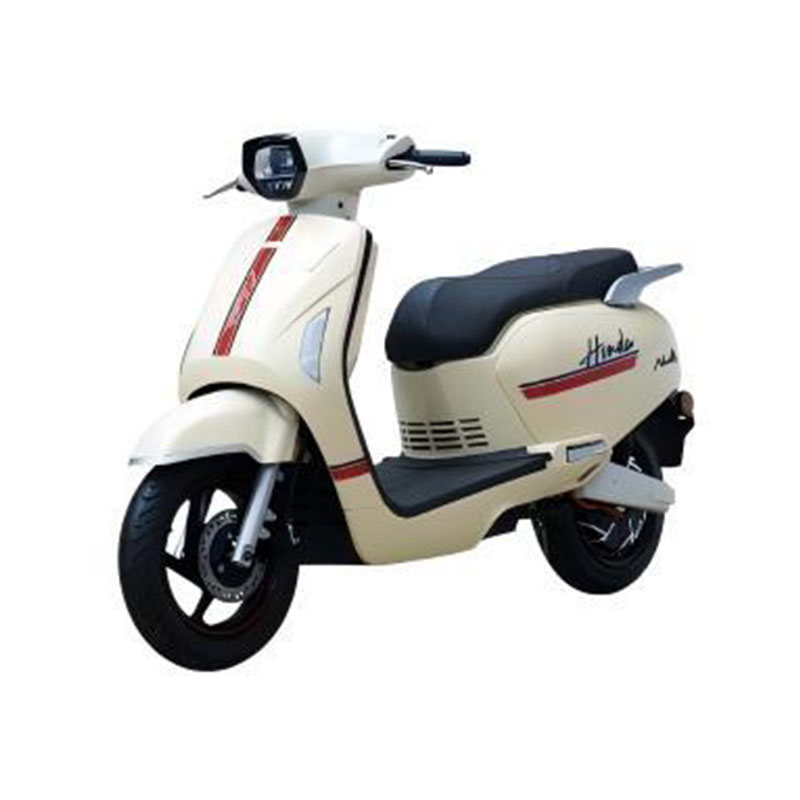
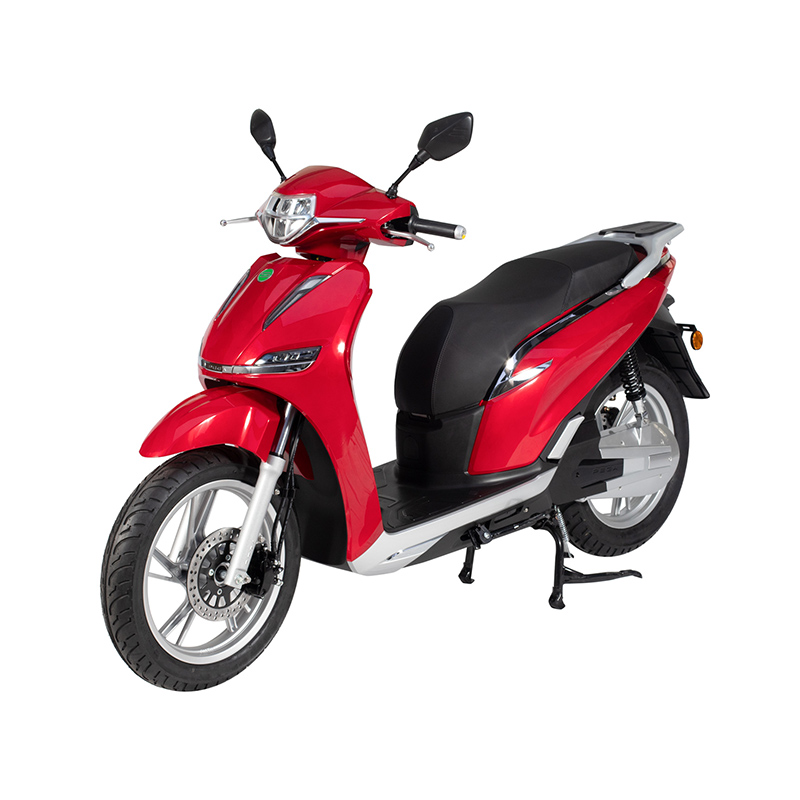
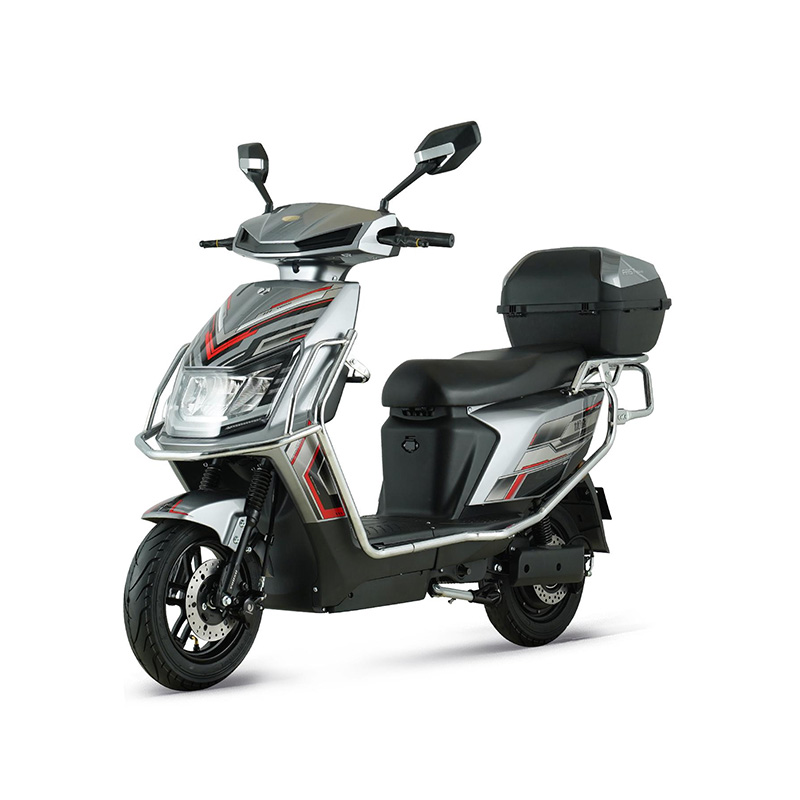
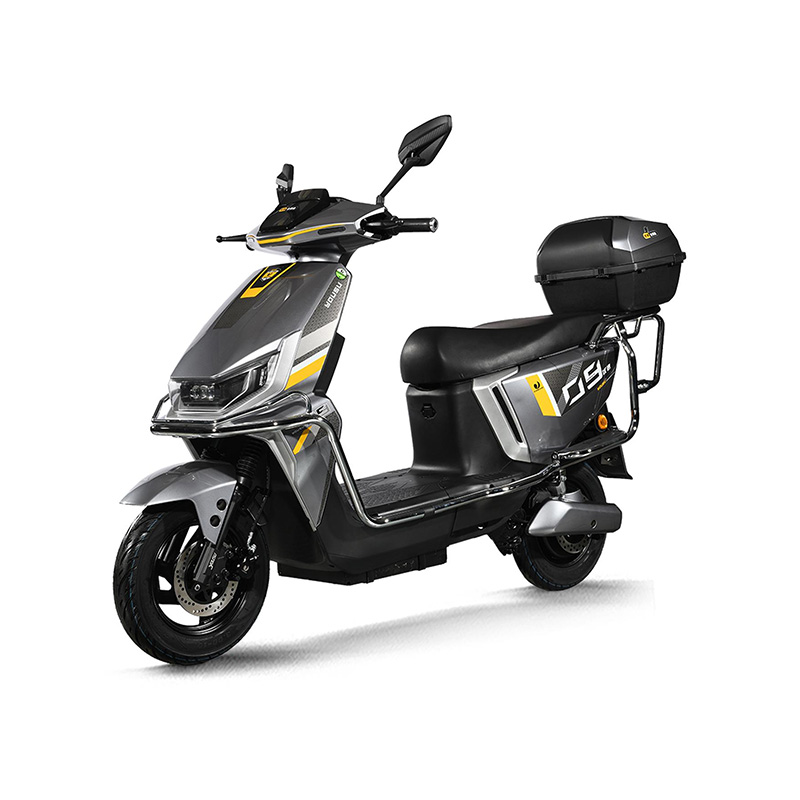
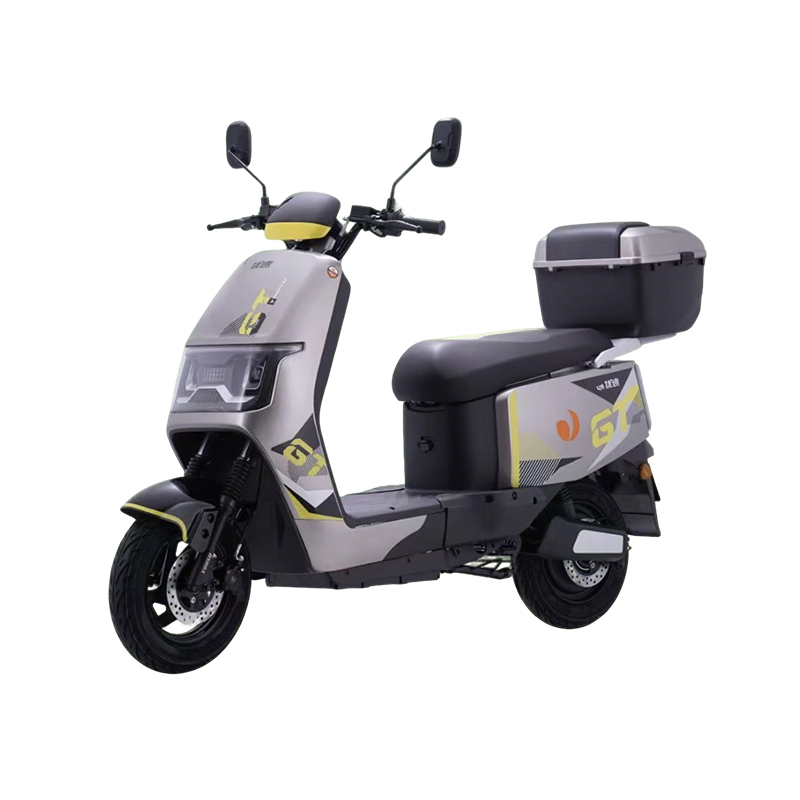

The Light Electric Bicycle generally accelerates faster in low-speed urban conditions due to its reduced weight and lower rotational inertia, but it typically cannot sustain the same high-speed acceleration or aggressive torque delivery as performance-oriented electric bicycle models. In practical terms, a light electric bicycle feels more responsive during initial pedal assist or throttle engagement, while performance-focused models dominate in sustained acceleration, steep climbs, and high-speed riding scenarios.
The key reason is balance between motor power, battery output, and total system weight. A performance electric bicycle prioritizes torque and sustained output, while a light electric bicycle prioritizes efficiency, agility, and portability. This creates a clear trade-off between quick responsiveness and long-duration power delivery.
Acceleration Dynamics: Weight vs Power Output
Acceleration in electric bicycles depends heavily on the power-to-weight ratio. A typical Light Electric Bicycle weighs between 15–20 kg, while performance-oriented models often range from 22–30 kg or more due to reinforced frames, larger batteries, and higher-torque motors.
Because of this difference, a light electric bicycle often achieves quicker initial acceleration from 0–20 km/h, typically in 3–5 seconds under moderate assist levels. In comparison, performance models may take slightly longer in low assist modes but surpass light models beyond 25 km/h due to stronger continuous torque output.
The concept is similar when comparing a standard commuter bicycle to a light weight electric mountain bike, where reduced mass improves agility but may limit high-load climbing endurance.
Motor Torque and Acceleration Response
Torque output is the second major factor affecting acceleration. A typical light electric bicycle motor delivers around 35–50 Nm of torque, optimized for urban flat-road riding. In contrast, performance-oriented electric bicycle models often deliver 60–90 Nm or more, enabling stronger acceleration under load.
This means that while a light electric bicycle responds instantly when starting from a stop, it may lose acceleration advantage when climbing hills or accelerating with cargo or rider weight above average.
- Light Electric Bicycle: Quick start, lower sustained torque
- Performance Electric Bicycle: Strong mid-to-high speed acceleration
- Hybrid feeling: Balanced models exist between both extremes
Real-World Riding Scenarios and Use Cases
In city commuting environments, a light electric bicycle excels because frequent stops require repeated acceleration. The lower weight reduces energy loss during repeated starts, making it feel more agile in traffic conditions.
For example, in stop-and-go traffic, a rider on a light electric bicycle may reach 25 km/h faster from each stop compared to heavier performance models that require more energy to initiate movement.
However, in highway-adjacent cycling paths or uphill terrain, performance models maintain stronger acceleration consistency. This is especially noticeable when riding a light weight electric mountain bike, where terrain variability demands higher torque stability rather than just initial speed.
Speed Curve Comparison Over Distance
Acceleration is not only about starting speed but also how quickly a bicycle maintains and increases velocity over distance. Below is a simplified comparison of typical performance behavior:
| Category | 0–20 km/h | 20–35 km/h | Climbing Performance |
|---|---|---|---|
| Light Electric Bicycle | Very fast | Moderate | Limited on steep slopes |
| Performance Electric Bicycle | Fast | Very strong | Excellent sustained climb |
Battery Output and Acceleration Consistency
Battery design also affects acceleration consistency. A light electric bicycle typically uses smaller capacity batteries, often in the range of 250Wh to 400Wh. This supports lighter weight but may reduce sustained high-power output over long rides.
Performance electric bicycles, on the other hand, commonly use 500Wh to 750Wh or larger systems, allowing them to maintain stronger acceleration over longer distances without voltage drop.
The choice depends on riding purpose. A Light Electric Bicycle delivers superior initial acceleration, agility, and urban responsiveness, making it ideal for daily commuting and short-distance travel. Meanwhile, performance-oriented electric bicycles provide stronger sustained acceleration, better hill performance, and higher speed stability.
If the goal is quick responsiveness and lightweight handling, the light electric bicycle is advantageous. If the goal is power consistency and performance under demanding conditions, performance models are the better choice.
 Previous