


 English
 Español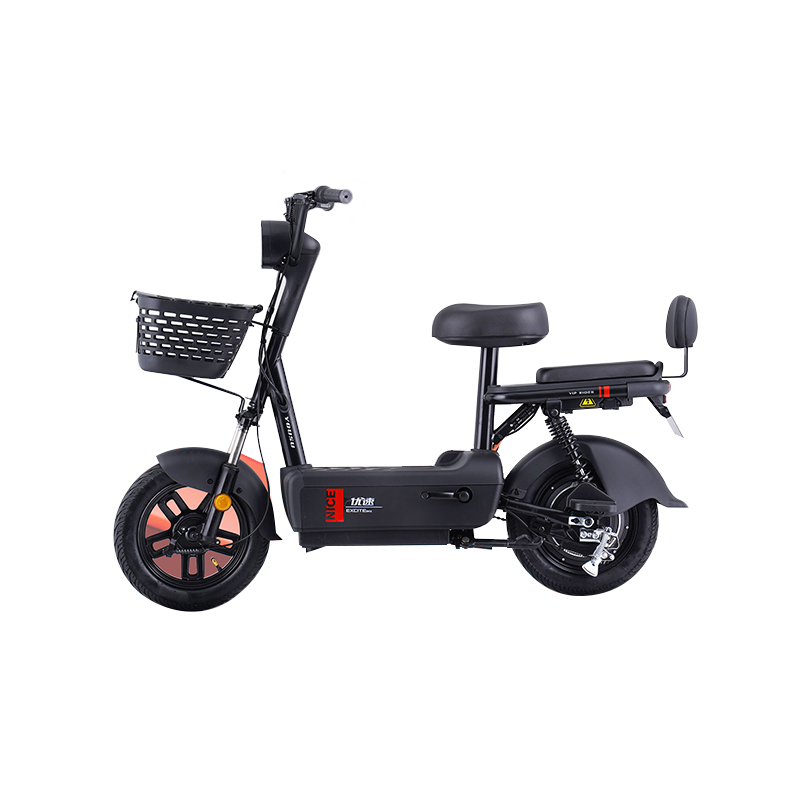
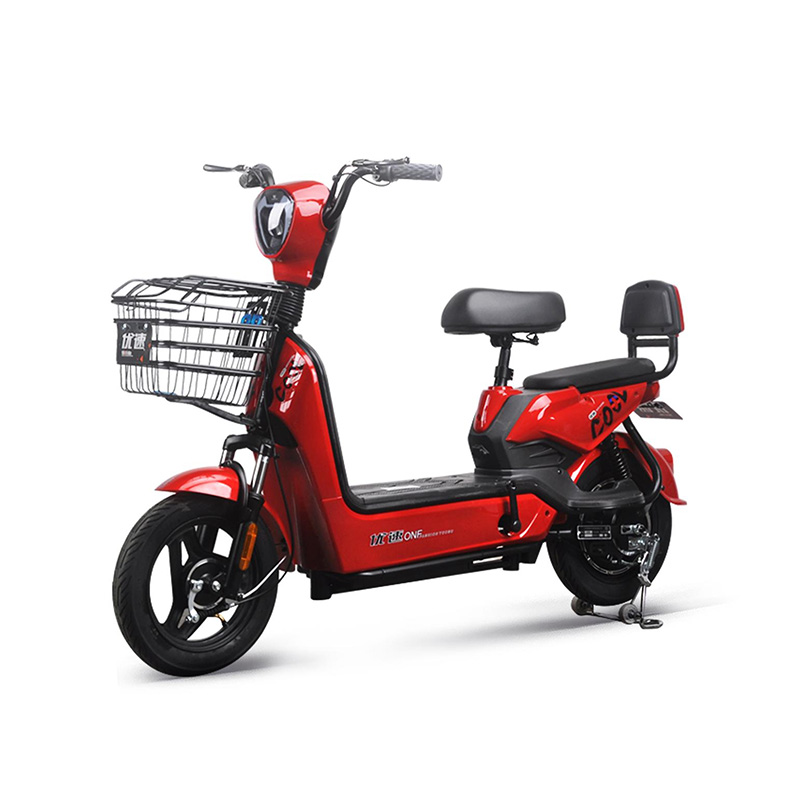
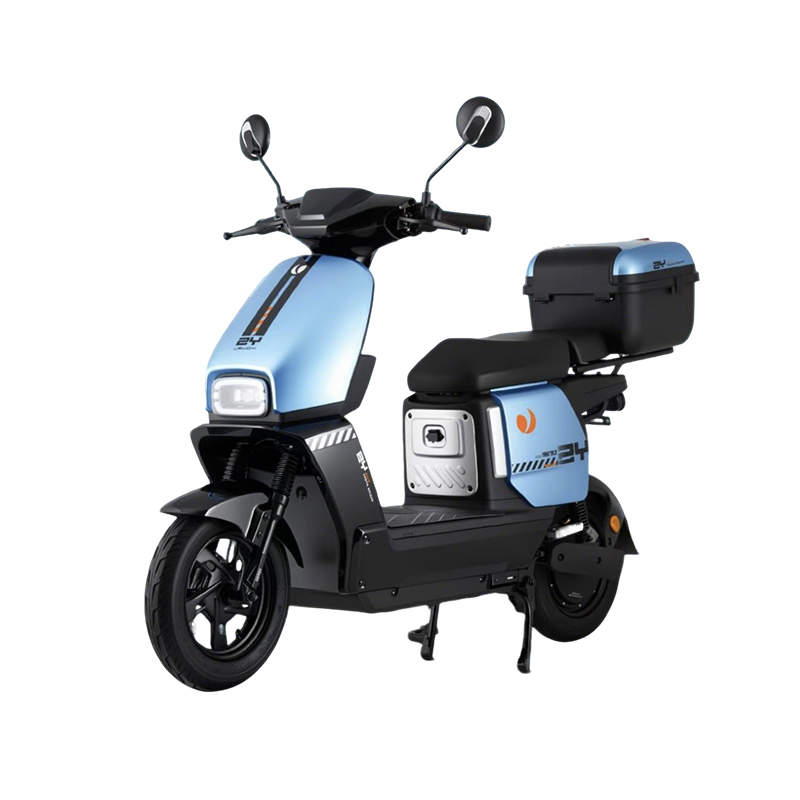
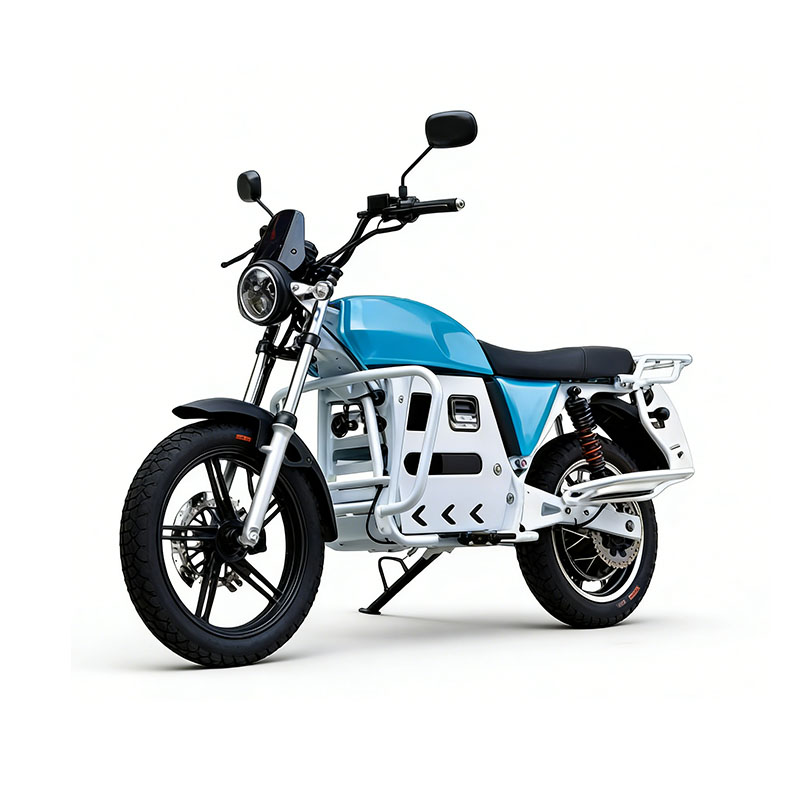
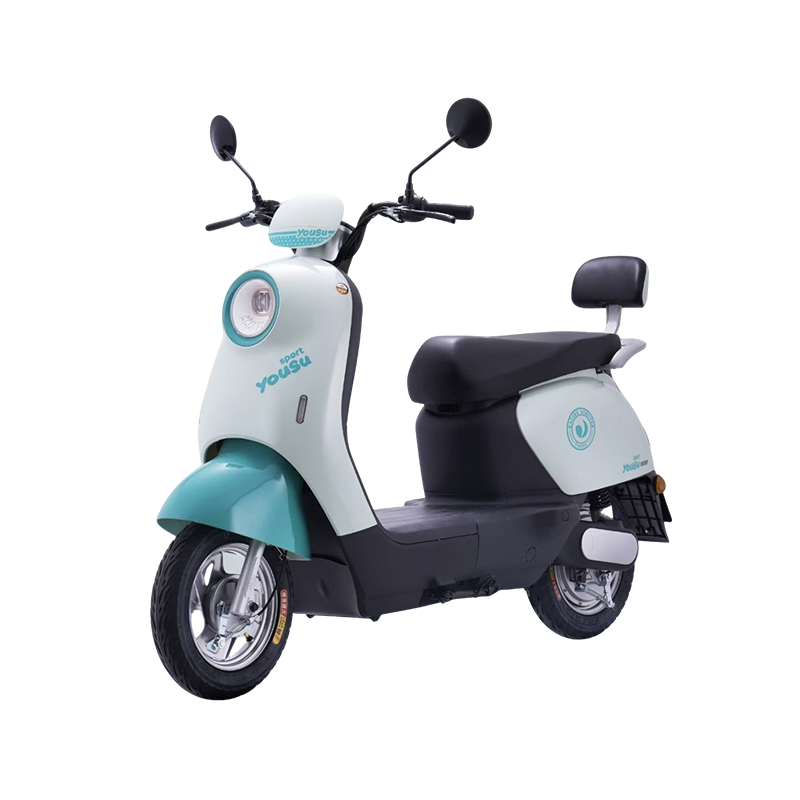
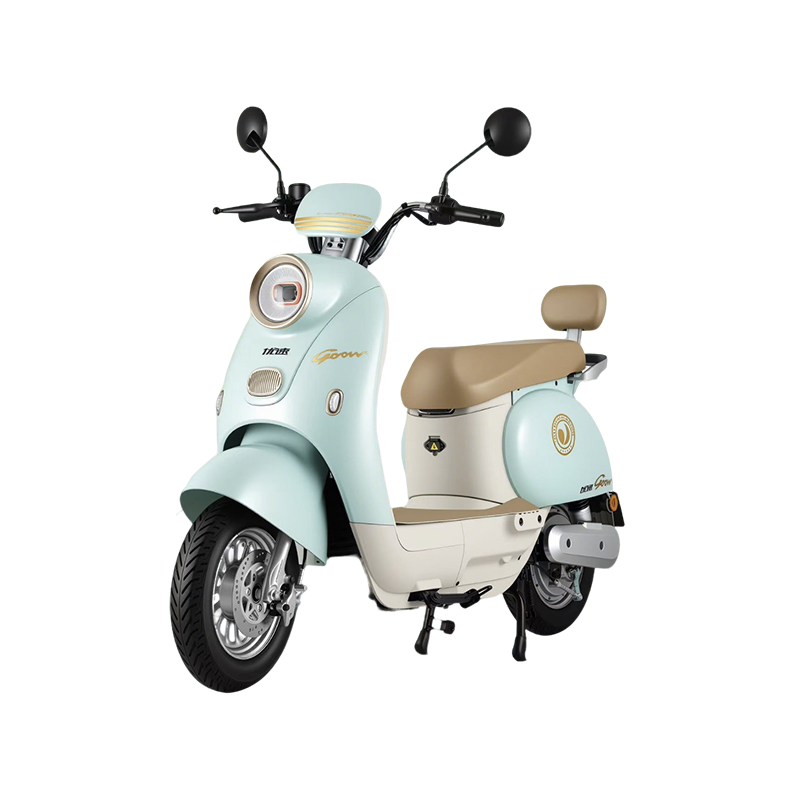
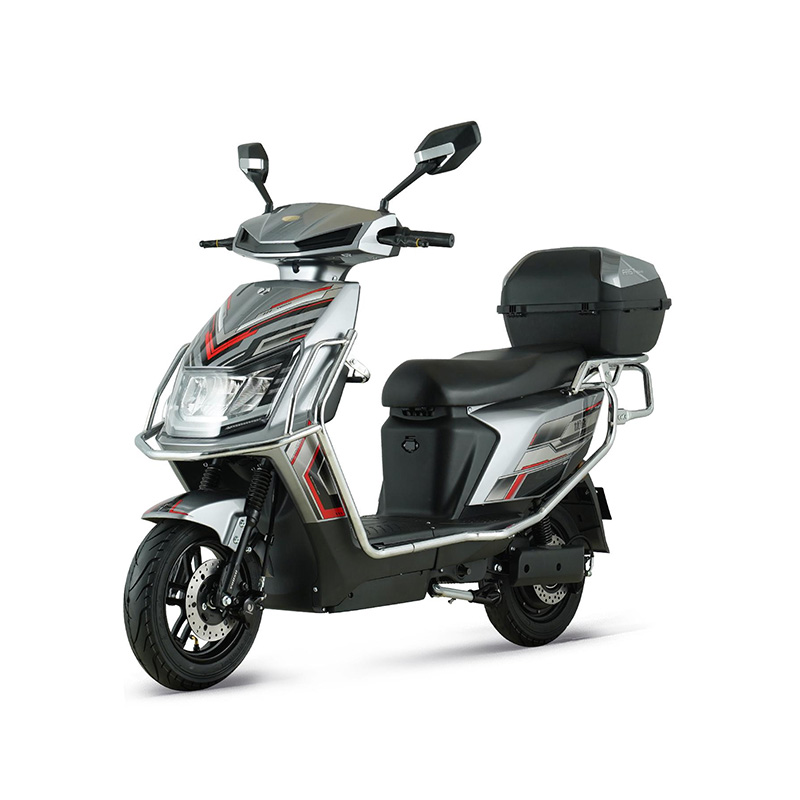
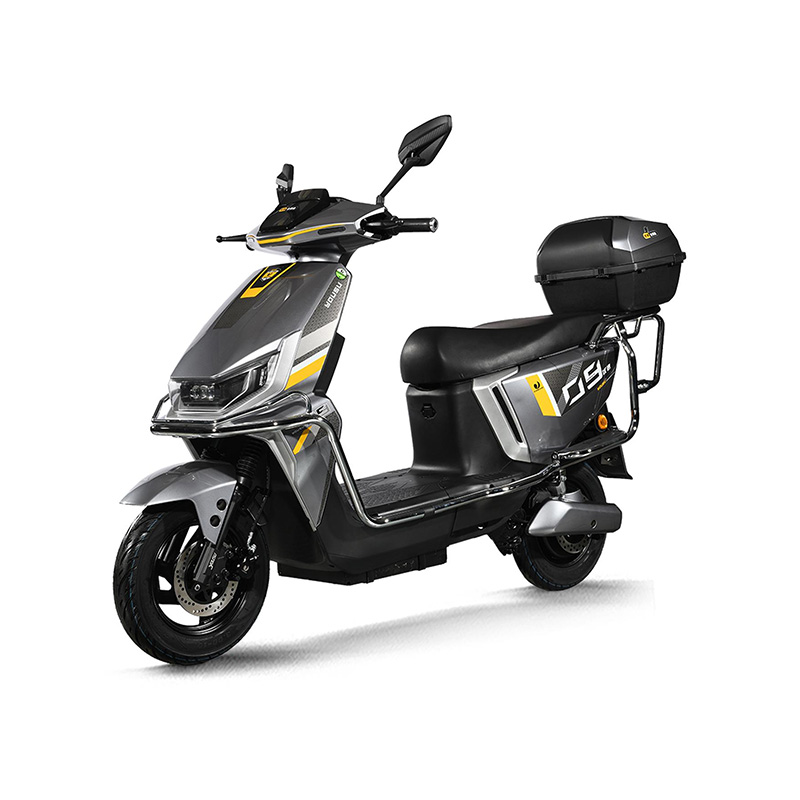
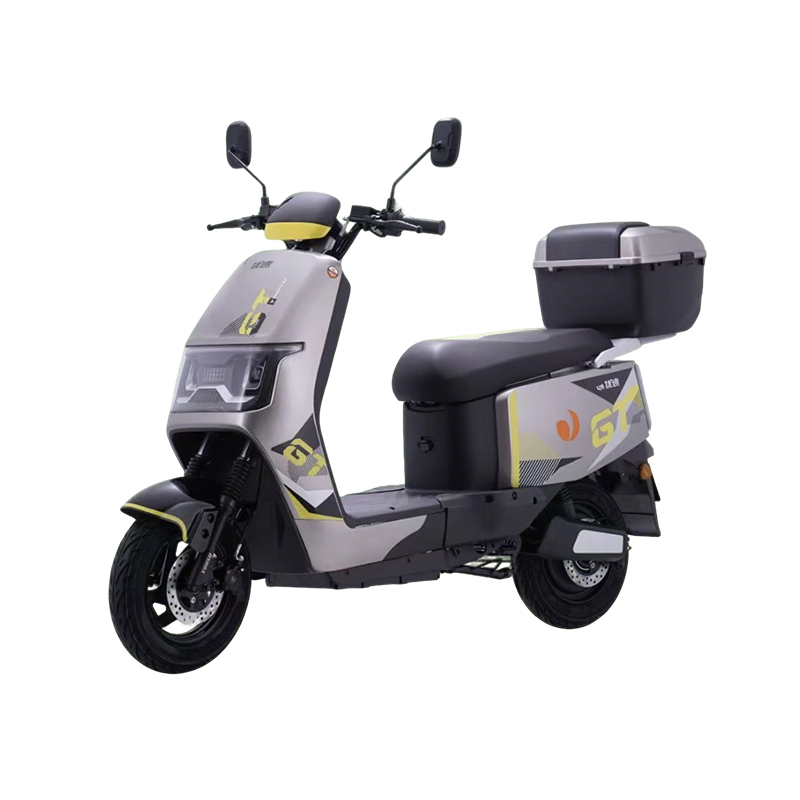

If you frequently ride on cracked pavements, cobblestones, or uneven urban roads, a dual-suspension electric scooter delivers noticeably better comfort than a single-suspension model. Whether you are commuting on a compact electric e scooter or a heavier electric scooter bike, the difference is not marginal — riders consistently report reduced fatigue, better control, and a smoother experience on rough terrain. However, dual-suspension scooters come with trade-offs in weight, cost, and maintenance. Understanding these differences will help you choose the right electric scooter for your specific riding conditions.
What Single and Dual Suspension Actually Mean
On an electric scooter, suspension refers to the shock-absorbing system that cushions the rider from road vibrations and impacts. A single-suspension system typically features a spring or hydraulic fork at the front wheel only. A dual-suspension system adds a second shock absorber at the rear, providing absorption at both ends of the scooter.
Some entry-level electric scooters — such as the Xiaomi Mi Scooter Essential — have no suspension at all, relying entirely on pneumatic tires to absorb shocks. Mid-range models like the Segway Ninebot E45 use front-only suspension. Premium models such as the Kaabo Mantis Pro and Dualtron Thunder include dual suspension as standard. It is also worth noting that riders transitioning from a Light Electric Bicycle to a standing electric scooter often find the lack of rear suspension a significant adjustment, as bicycles inherently distribute road impact differently through their frame geometry.
Comfort on Uneven Terrain: A Direct Comparison
Comfort on rough surfaces is where the gap between single and dual suspension becomes most apparent. A front-only suspension reduces handlebar vibration and protects your wrists and arms, but the rear wheel transmits shocks directly through the deck and into your feet and lower back. On a pothole or speed bump, this creates a jarring impact that riders feel through their entire body.
With dual suspension, both the front fork and rear shock absorber work together to isolate the rider. Independent tests on models like the Apollo Pro (dual suspension, ~120mm travel) show vibration levels reduced by approximately 40–60% compared to front-only suspension scooters at equivalent speeds over the same rough surface.
Key Comfort Differences at a Glance
- Front suspension only absorbs impact from the front wheel — rear impacts are fully transmitted to the rider.
- Dual suspension reduces full-body fatigue on longer rides over uneven roads.
- At speeds above 25 km/h, rear suspension becomes significantly more important for stability and comfort.
- Riders over 80 kg report a more pronounced comfort benefit from dual suspension due to higher impact forces.
Model-by-Model Comparison: Popular Electric Scooters
The table below compares how leading electric scooter models stack up across suspension type, terrain suitability, and rider comfort rating on uneven surfaces.
|
Suspension system comparison across popular electric scooter models — comfort ratings based on aggregated rider reviews and independent tests. |
||||
|
Model |
Suspension Type |
Suspension Travel |
Terrain Suitability |
Rough Terrain Comfort |
|
Xiaomi Mi Scooter 4 Pro |
Front only |
~50mm |
Smooth urban roads |
Moderate |
|
Segway Ninebot Max G2 |
Front only |
~70mm |
Mixed urban surfaces |
Moderate–Good |
|
Apollo Pro |
Dual (spring + hydraulic) |
~120mm |
Uneven roads, light off-road |
Very Good |
|
Kaabo Mantis Pro SE |
Dual (hydraulic) |
~150mm |
Rough roads, off-road |
Excellent |
|
Dualtron Thunder 2 |
Dual (hydraulic) |
~180mm |
All terrain including trails |
Excellent
|
The Role of Suspension Travel in Real-World Performance
Suspension travel — the distance the suspension compresses under load — is a critical but often overlooked specification. More travel means the scooter can absorb deeper impacts without bottoming out.
A scooter with only 50mm of front suspension travel will handle small cracks and mild bumps adequately but will struggle with potholes deeper than 3–4 cm. In contrast, a dual-suspension electric scooter bike with 150mm of travel on both ends can absorb potholes, curb drops, and gravel paths with minimal rider impact. For daily commuters in cities with aging infrastructure — such as many roads across European capitals — this difference is practically significant.
Spring-type suspension (common in mid-range scooters) is less tunable but low-maintenance. Hydraulic or air suspension, found on premium models, allows damping adjustment and provides more consistent performance across a wider range of road conditions and rider weights.
Trade-Offs: Weight, Cost, and Maintenance
Dual suspension does not come without costs. Understanding these trade-offs is essential before making a purchase decision.
Weight
Adding a rear suspension unit typically increases the scooter's weight by 2–5 kg. The Segway Ninebot Max G2 weighs around 23 kg (front suspension only), while the Apollo Pro with dual suspension weighs approximately 29 kg. For commuters who carry their scooter up stairs or onto public transport, this is a meaningful difference. By comparison, a Light Electric Bicycle typically weighs between 15–22 kg but benefits from a full frame and larger wheels that naturally absorb more road vibration, making the weight more justifiable for longer or rougher commutes.
Price
Dual-suspension electric scooters generally start at around €700–€900 for entry-level models and extend beyond €2,500 for high-end hydraulic systems. In comparison, reliable single-suspension commuter scooters are available from €400–€600. The comfort premium is real, but it carries a significant price increase.
Maintenance
Hydraulic suspension requires periodic oil checks and seal inspections — typically every 6–12 months depending on usage intensity. Spring suspension is essentially maintenance-free but may soften or lose preload over time. Riders who are not mechanically inclined should factor in potential servicing costs, which can range from €30 to €100 per service visit for hydraulic units.
When Single Suspension Is Sufficient
Not every rider needs dual suspension. A single-suspension electric scooter is a practical and cost-effective choice in the following scenarios:
- You ride primarily on well-maintained bike lanes or smooth urban roads.
- Your daily commute is under 15 kmwith minimal rough patches.
- You prioritize a lighter, more portable scooterfor multimodal commuting.
- Your budget is under €600and the scooter uses large pneumatic tires (10 inches or more) which compensate partially for the lack of rear suspension.
Pairing a front-suspension electric e scooter with 10-inch pneumatic tires — as seen on the Segway Ninebot Max G2 — delivers a riding experience close to budget dual-suspension models on moderately uneven surfaces, making it a strong value proposition for urban commuters who do not need the full capability of a premium dual-suspension setup.
Who Should Choose Dual Suspension
Dual suspension is the better investment in these situations:
- You ride on cobblestones, gravel paths, or roads with frequent potholes.
- You commute more than 20 km per dayand rider fatigue is a concern.
- You weigh over 85 kg, as heavier riders experience harder impacts from the same road imperfections.
- You occasionally ride on light off-road terrainsuch as packed dirt or forest paths.
- You prioritize long-term joint health, especially for your knees and lower back on extended rides.
For uneven terrain, dual-suspension electric scooters are objectively more comfortable and better suited than single-suspension models. The improvement in shock absorption, rider stability, and long-ride comfort is well-documented and consistently reported across real-world user reviews and independent tests. However, this advantage comes at the cost of additional weight, higher pricing, and more demanding maintenance.
If your roads are rough and your rides are long, investing in a dual-suspension scooter such as the Apollo Pro or Kaabo Mantis Pro SE is a decision you are unlikely to regret. If your commute is mostly smooth and portability matters, a high-quality single-suspension scooter with large pneumatic tires remains a smart, practical choice.
 Previous