


 English
 Español
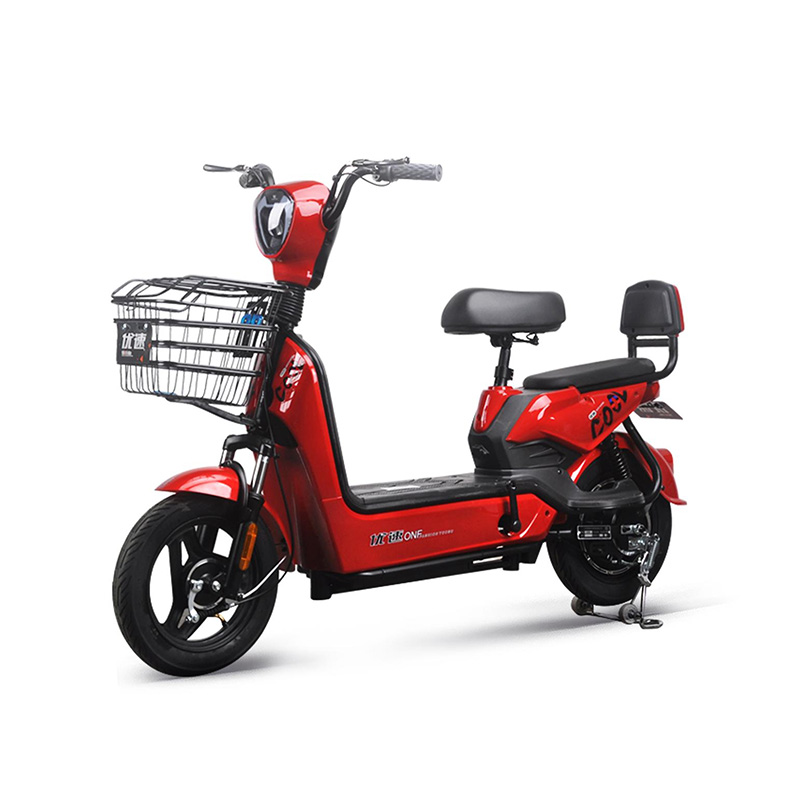
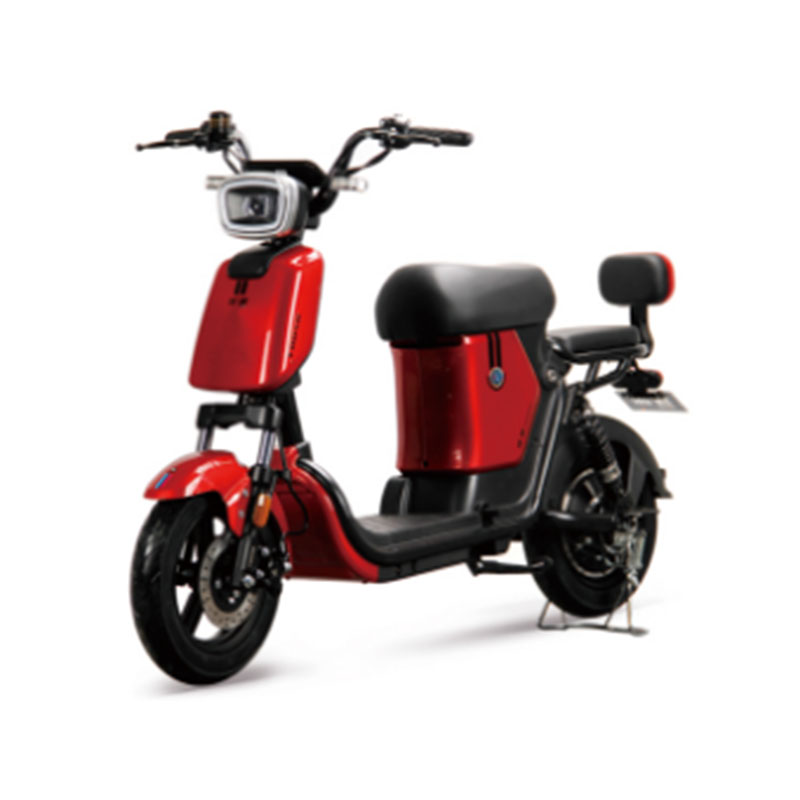
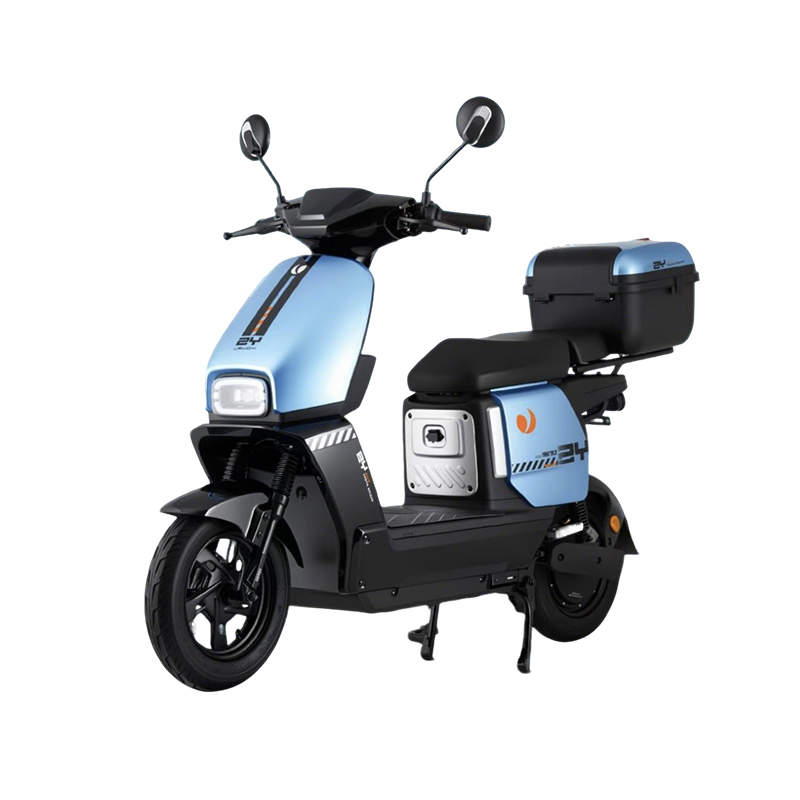

If you're deciding between a pedal-assist electric bicycle and a throttle-only e-bike, here's the short answer: a pedal-assist (pedelec) e-bike offers a more natural, responsive, and efficient ride, while a throttle-only e-bike feels closer to a scooter — easier to operate but less engaging and less efficient per charge. The right choice depends on your riding goals, fitness level, and local regulations.
This article breaks down exactly how these two systems differ in real-world handling, so you can make an informed decision before purchasing.
What "Handling" Actually Means on an E-Bike
Handling encompasses more than just steering. It includes how the bike accelerates, how it responds to rider input, how it behaves at low and high speeds, how stable it feels under load, and how intuitive it is to control. For e-bikes, the motor system is at the core of all of this.
There are two primary drive systems you'll encounter:
- Pedal-assist (PAS / pedelec):The motor only engages when you pedal. Sensors detect cadence, torque, or both, and add power proportionally.
- Throttle-only:You twist or press a throttle to activate the motor — no pedaling required. Some throttle bikes also offer a pedal-assist mode.
Understanding how each system delivers power is key to understanding how they feel on the road.
Pedal-Assist Handling: Natural and Responsive
A quality pedal-assist system — especially one using a torque sensor rather than a basic cadence sensor — responds almost instantly to how hard you're pushing. When you apply more force to the pedals, the motor amplifies that effort fluidly. The result is a ride that feels almost indistinguishable from a high-performance conventional bicycle, just with less strain. This is particularly true on a light electric bicycle, where the low overall weight (typically under 20 kg) allows the motor assistance to feel even more fluid and natural.
Acceleration and Power Delivery
On a torque-sensing pedelec, power scales smoothly with pedal effort. Most mid-drive systems like the Bosch Performance Line or Shimano STEPS deliver assistance within 15–25 milliseconds of detecting pedal force. This near-instantaneous response means you don't feel a lag or a jolt — the bike simply surges forward in proportion to your effort.
Cadence-only sensors, found on cheaper pedelecs, merely detect whether you're pedaling and apply a fixed level of power. This creates a more abrupt, on/off feel that can be unsettling, particularly when navigating traffic or climbing technical terrain.
Cornering and Balance
Because you're always pedaling on a pedelec, weight distribution and body positioning stay active and dynamic — just like on a regular bike. This keeps the rider engaged and the bike stable through corners. At speeds above 20 km/h (12 mph), the momentum and frame geometry take over naturally.
Low-Speed Maneuverability
At very low speeds — for example, navigating through pedestrian areas or pulling out of a parking space — pedal-assist bikes require active pedaling to get motor support. This can feel slightly awkward for new riders but becomes second nature quickly. Many modern models include a walk-assist mode (typically activating the motor at 6 km/h) for these situations.
Throttle-Only Handling: Effortless but Less Precise
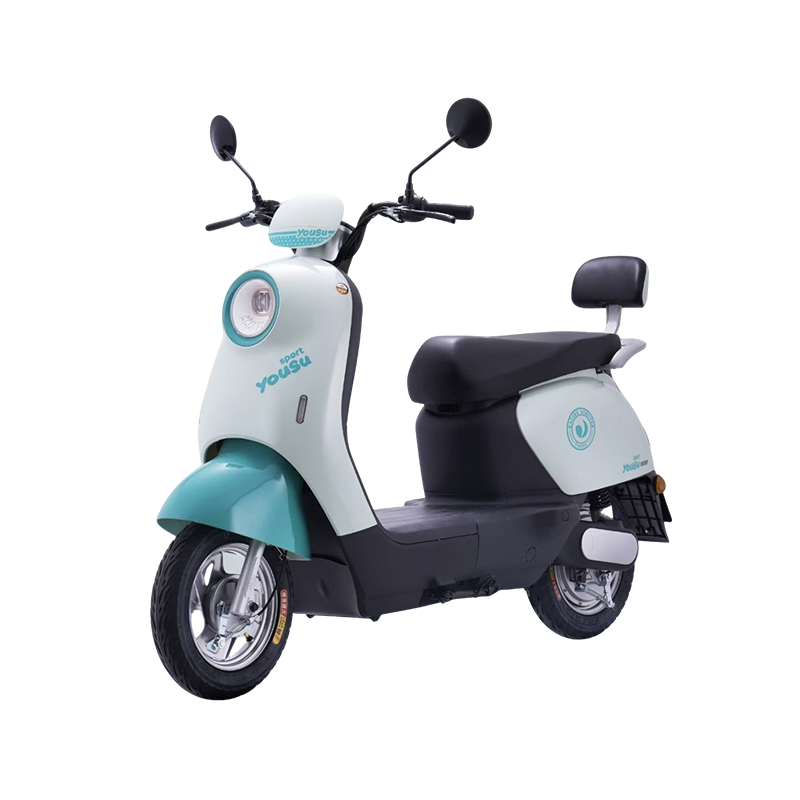
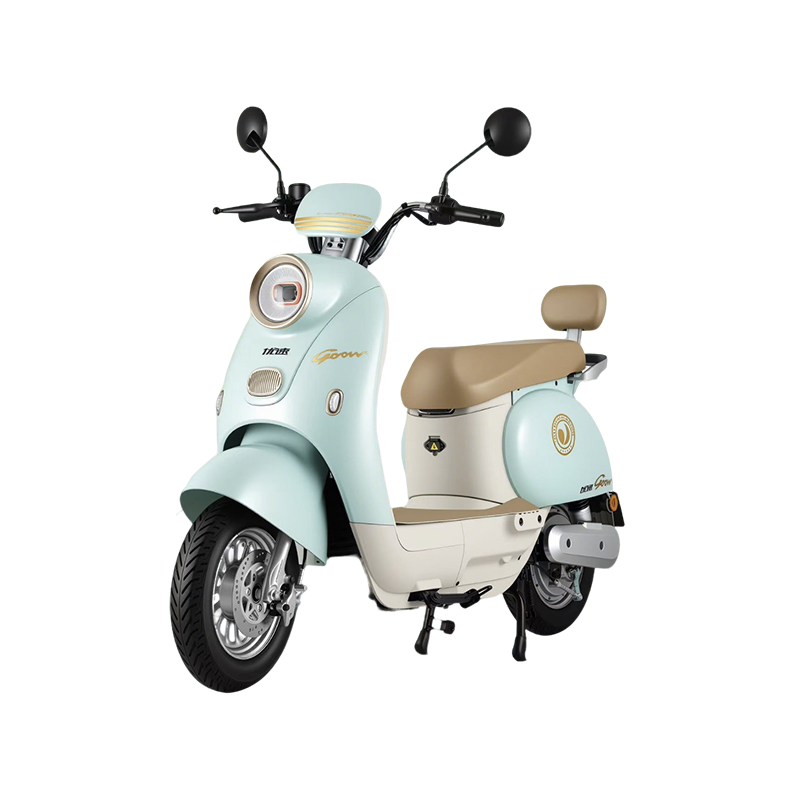
A throttle e-bike operates more like a small electric moped. You control speed with your thumb or wrist — no pedaling necessary. While this makes it accessible to virtually anyone regardless of fitness, it changes the handling dynamics significantly. Riders familiar with home & away e-scooters — which use the same throttle-and-coast principle — will find the transition to a throttle e-bike intuitive, though the added weight and longer wheelbase of a bicycle frame do require some adjustment.
Acceleration Feel
Throttle systems — particularly hub motors — often produce a lurching sensation when first engaged. Unlike torque-sensing pedelecs, the power delivery is not tied to physical effort, so there's less nuance. Budget hub-motor throttle bikes with 250W–500W motors can accelerate from 0 to 25 km/h in 5–8 seconds, but the surge can catch riders off guard if they're not used to it.
Higher-end throttle systems use ramp-up controllers that soften initial acceleration, improving comfort and control. However, even these rarely match the seamless feel of a well-tuned torque-sensing pedelec.
Stability and Rider Engagement
Because you can coast with the motor engaged, a throttle bike encourages a more passive riding position. At speed, this is fine — stability is mostly a function of geometry. But in technical riding situations (tight turns, uneven pavement, sudden stops), the lack of pedaling engagement means your body isn't as dynamically balanced. Riders switching from conventional bikes often describe throttle-only e-bikes as feeling "floaty" or disconnected.
Low-Speed Control
Paradoxically, throttle bikes have an advantage in one low-speed scenario: inching forward in slow traffic. Because you don't need to be pedaling, you can maintain very slow, controlled movement with a light touch on the throttle — something that requires more coordination on a pedelec.
Side-by-Side Comparison
|
Key handling and feature differences between pedal-assist and throttle-only e-bikes |
||
|
Feature |
Pedal-Assist E-Bike |
Throttle-Only E-Bike |
|
Power delivery feel |
Smooth, proportional (torque sensor) |
Can be abrupt, especially at low speed |
|
Rider engagement |
High — active pedaling required |
Low — fully passive riding possible |
|
Range per charge |
40–100+ km (rider contributes energy) |
20–60 km (battery-only at full throttle) |
|
Ease of use for beginners |
Moderate — requires pedaling technique |
Very easy — intuitive throttle control |
|
Legal classification (EU) |
Class as bicycle (≤250W, ≤25 km/h) |
Often classified as moped/requires registration |
|
Fitness benefit |
Significant cardiovascular benefit |
Minimal to none in throttle-only mode |
|
Bike path access |
Generally permitted |
Restricted in many regions
|
Battery Range and Efficiency Under Real Conditions
One of the most consequential handling differences is how each system affects range. A rider on a pedal-assist system contributes meaningful energy — in ECO mode, a rider might contribute 70–80% of total propulsion, with the motor providing only 20–30%. This is why real-world ranges of 80–120 km are achievable on mid-range pedelecs with 500Wh batteries.
A throttle-only rider drawing full motor power continuously on the same battery might cover just 30–45 km before depletion. This isn't just about economy — it also affects how the bike handles as charge drops. Hub motors on throttle bikes often lose torque noticeably below 20% battery, which can produce inconsistent acceleration and handling unpredictability.
Climbing Hills: Where the Difference Is Most Obvious
On inclines, the differences between systems become stark. A mid-drive pedal-assist system (like the Bosch CX or Shimano EP8) uses the bike's gearing to maintain motor efficiency on climbs. Because the motor works through the drivetrain, it can sustain high torque — often 85–90 Nm — across a range of grades without overheating.
Throttle-driven hub motors, by contrast, are not geared. On steep grades above 10–12%, rear-hub throttle motors can struggle to maintain speed, often generating heat and reducing performance. Riders frequently find themselves "helping" by pedaling anyway — which raises the question of why they chose a throttle-only system in the first place.
That said, front-hub and mid-drive throttle systems (used on higher-end models) do perform better on climbs than basic rear-hub setups.
Legal Considerations That Affect Where You Can Ride
In the European Union and the UK, a bicycle legally qualifies as a pedelec (and therefore does not require registration, insurance, or a license) only if it meets these criteria:
- Motor output does not exceed 250W continuous
- Motor assistance cuts off at 25 km/h
- The motor only assists while pedaling (no throttle driving the bike independently)
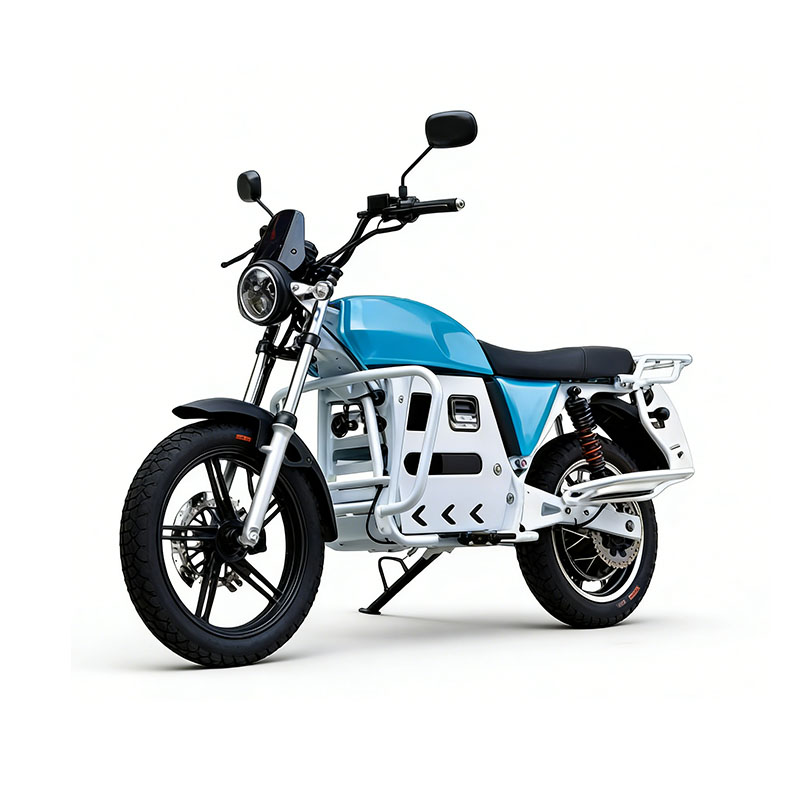
Throttle-only e-bikes — even with identical 250W motors — are classified differently because they can propel the rider without pedaling. In most EU countries, this means they are treated as mopeds, requiring registration, insurance, a minimum age of 14–16, and in some cases a license. They are also excluded from bike lanes and cycling infrastructure. If you need unrestricted road access and higher performance, versatile e-motorcycles — which are purpose-built for this regulatory category and offer speeds above 45 km/h — may be a more logical step up than trying to use a throttle e-bike as a road vehicle.
In the United States, regulations vary by state. Under federal guidelines, e-bikes with throttles are permissible up to 20 mph (Class 2), but state and local trail access rules differ considerably.
Who Should Choose Which System?
Based on the differences outlined above, here's a practical breakdown:
Choose a Pedal-Assist E-Bike If You:
- Want a natural cycling experience with reduced effort, not eliminated effort
- Need access to bike lanes and cycling infrastructure in Europe
- Value longer range and better energy efficiency
- Want some physical activity as part of your commute or recreation
- Plan to tackle varied terrain including hills
Choose a Throttle-Only E-Bike If You:
- Have a mobility limitation or injury that makes consistent pedaling difficult
- Operate in a jurisdiction where throttle e-bikes are permitted on roads or paths
- Primarily need short-range urban transport (under 20–25 km per trip)
- Want minimal learning curve and maximum ease of use
The Verdict on Handling
For most riders — especially those coming from conventional cycling backgrounds — a pedal-assist electric bicycle handles better in nearly every meaningful way. It responds more intuitively to rider input, maintains better balance dynamics through varied terrain, conserves battery for longer journeys, and integrates into existing cycling infrastructure without legal complications.
A throttle-only e-bike is a fundamentally different vehicle — simpler, more accessible, and suitable for specific use cases. But if your goal is to ride a bicycle that happens to be electric, rather than an electric vehicle that happens to have pedals, the pedal-assist system wins on handling, efficiency, and overall riding experience.
 Previous