


 English
 Español
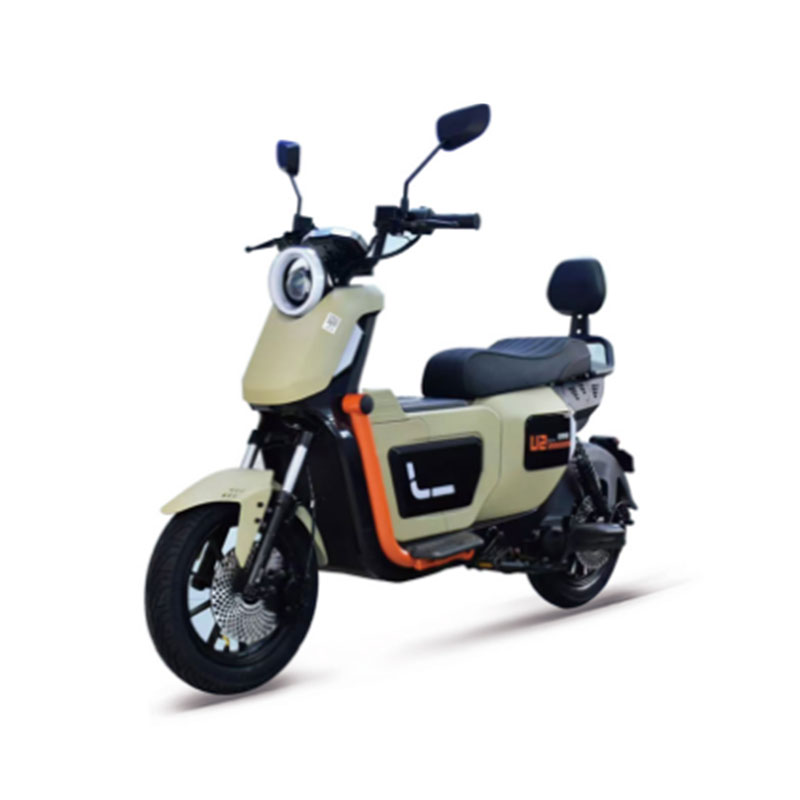
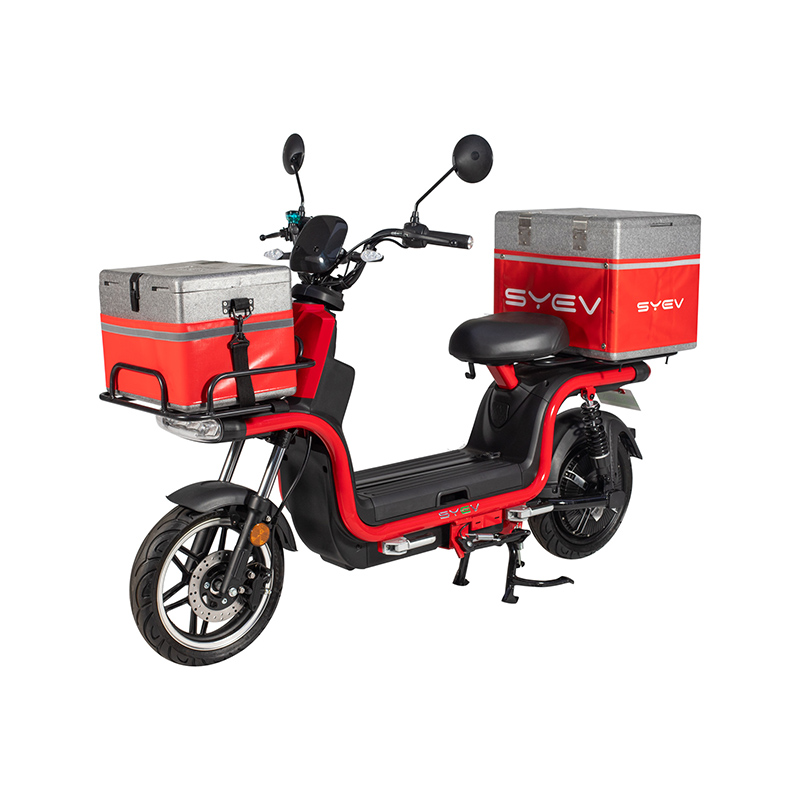
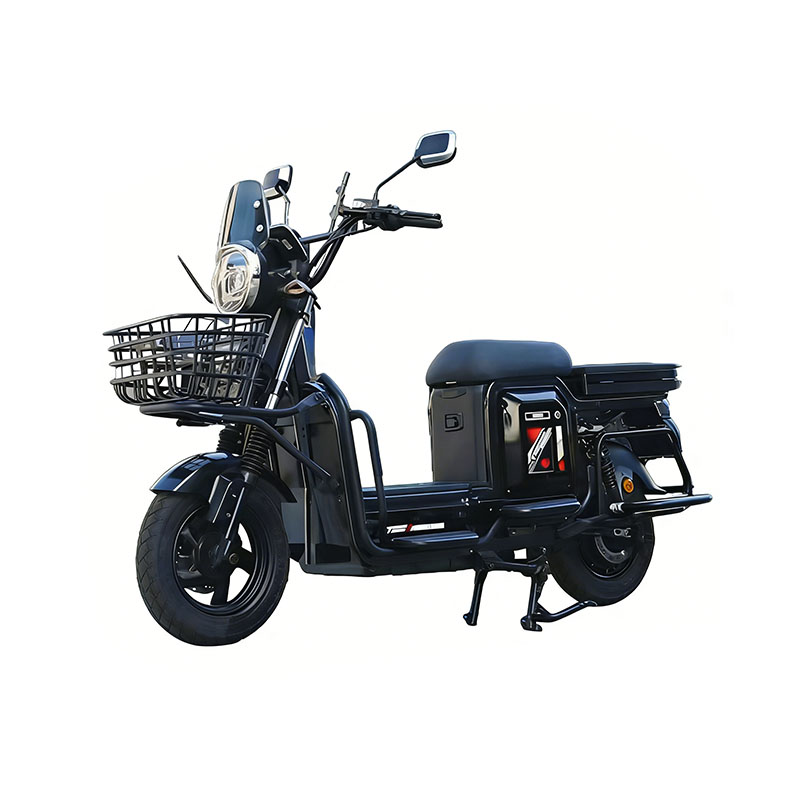
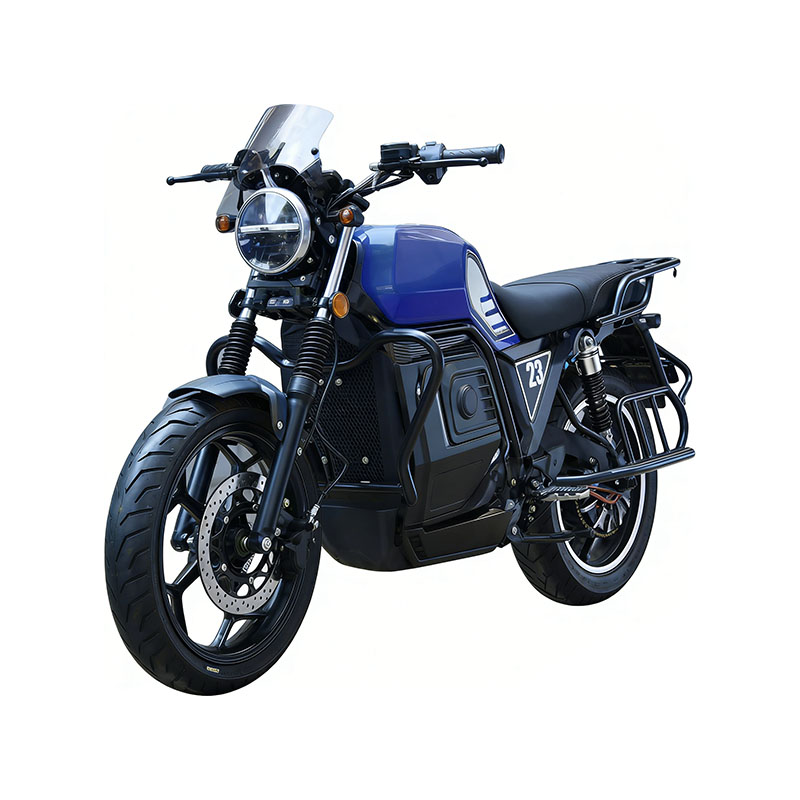
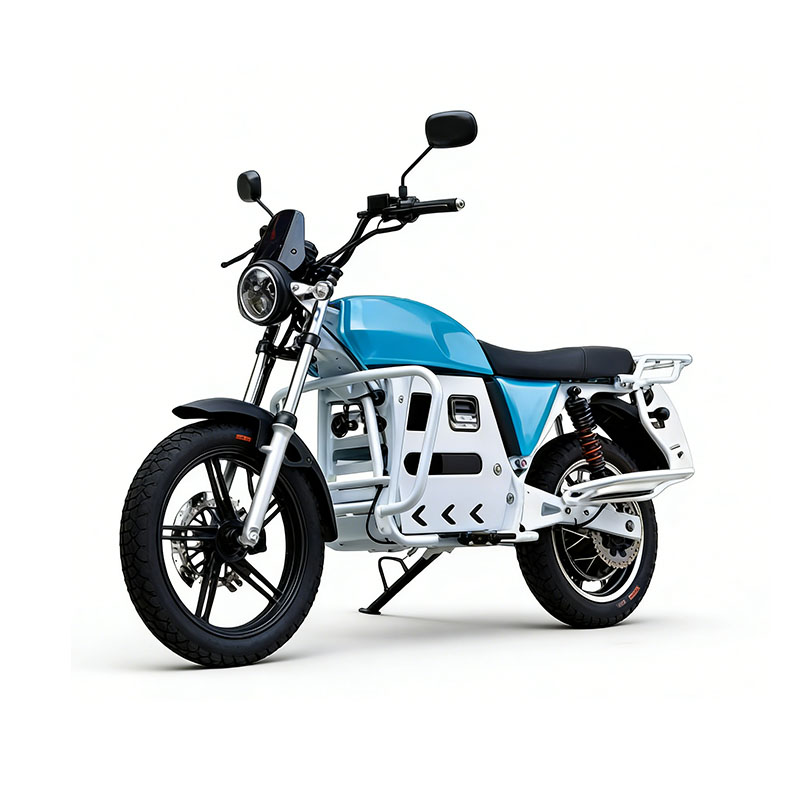
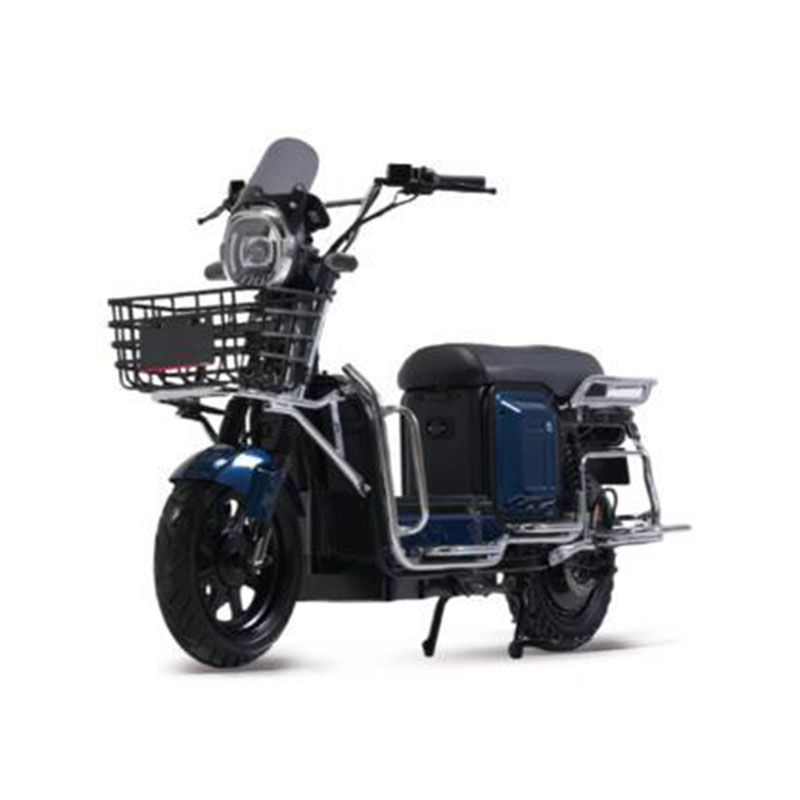
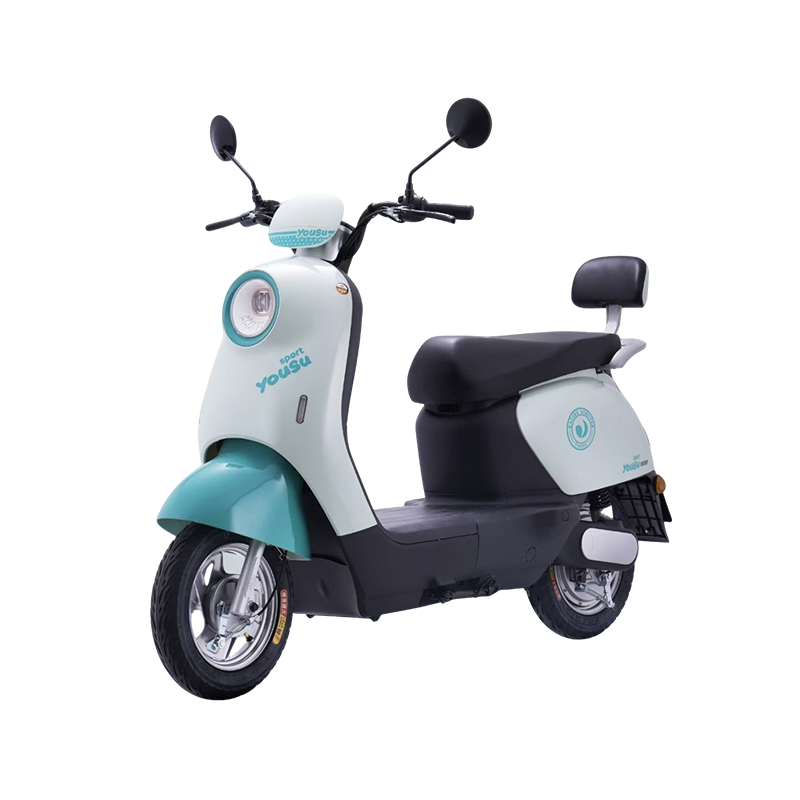
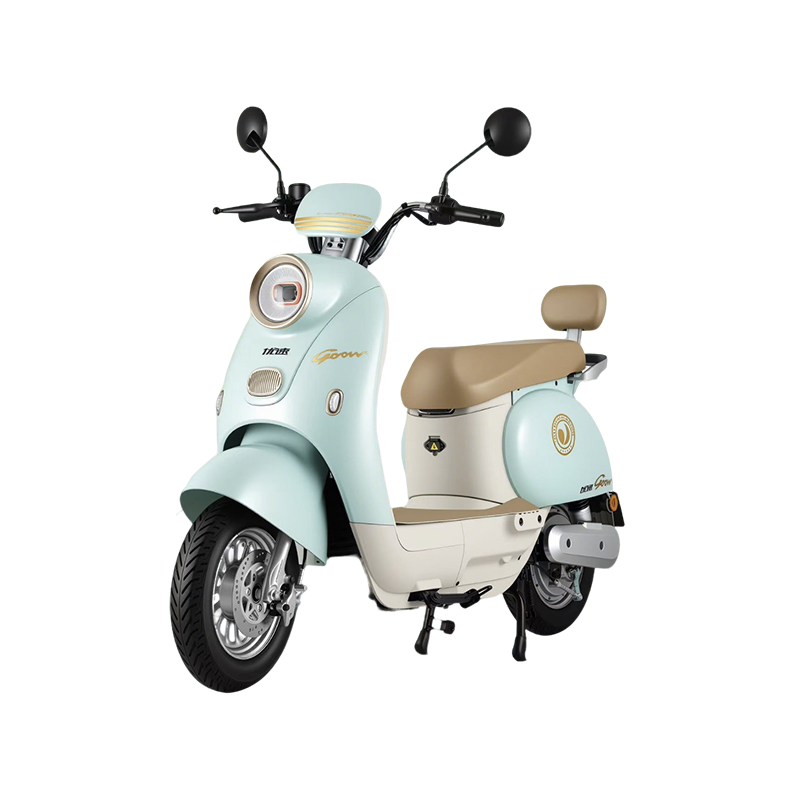
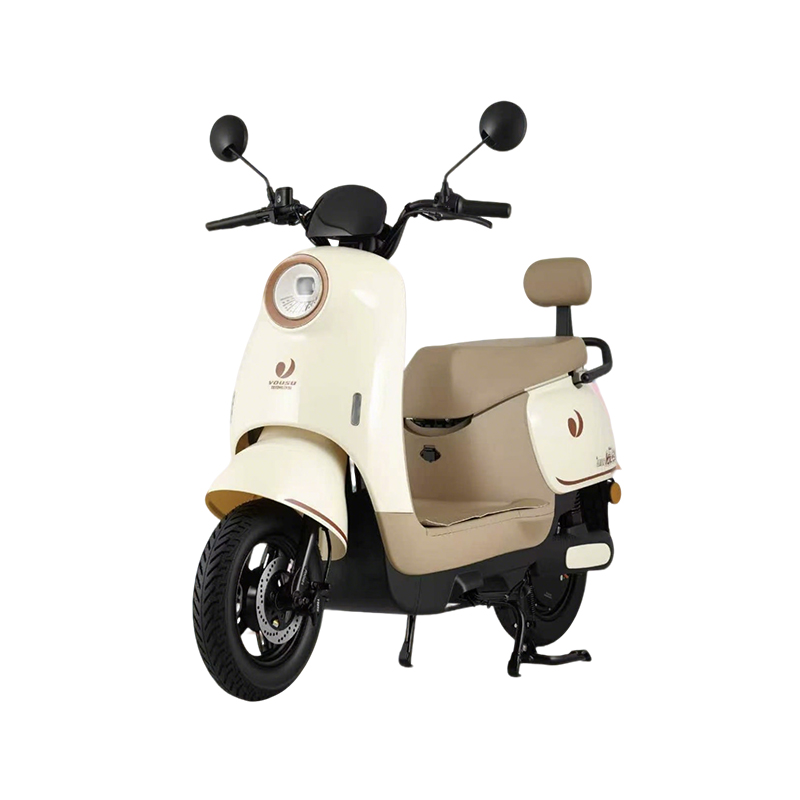
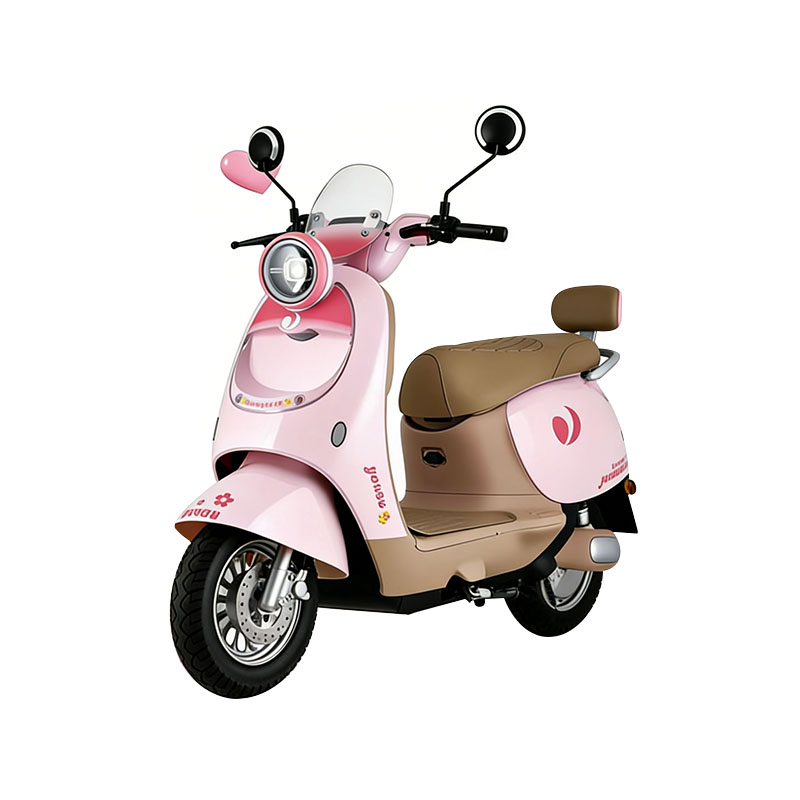
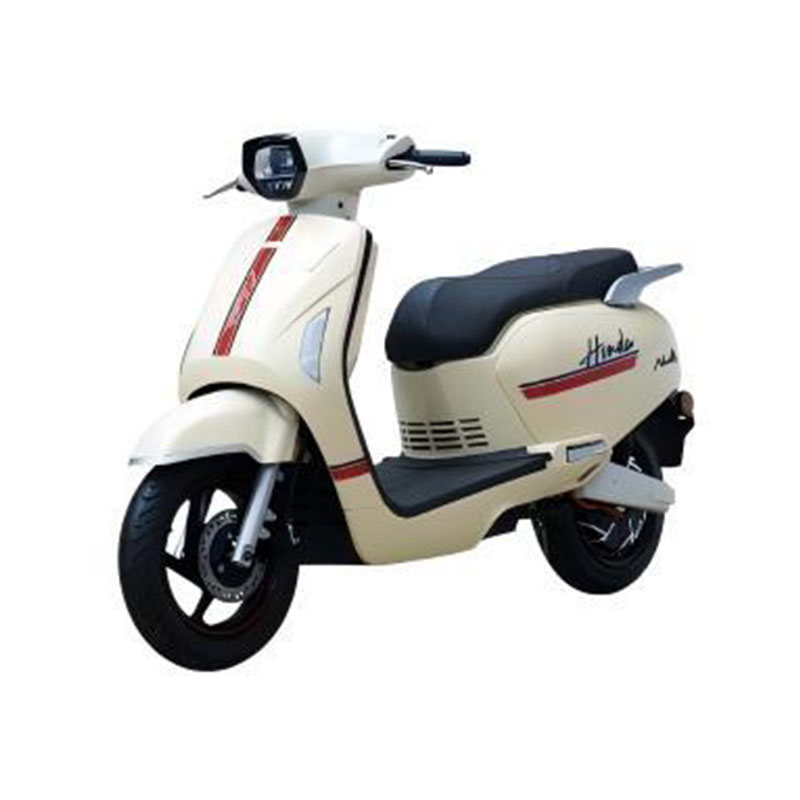
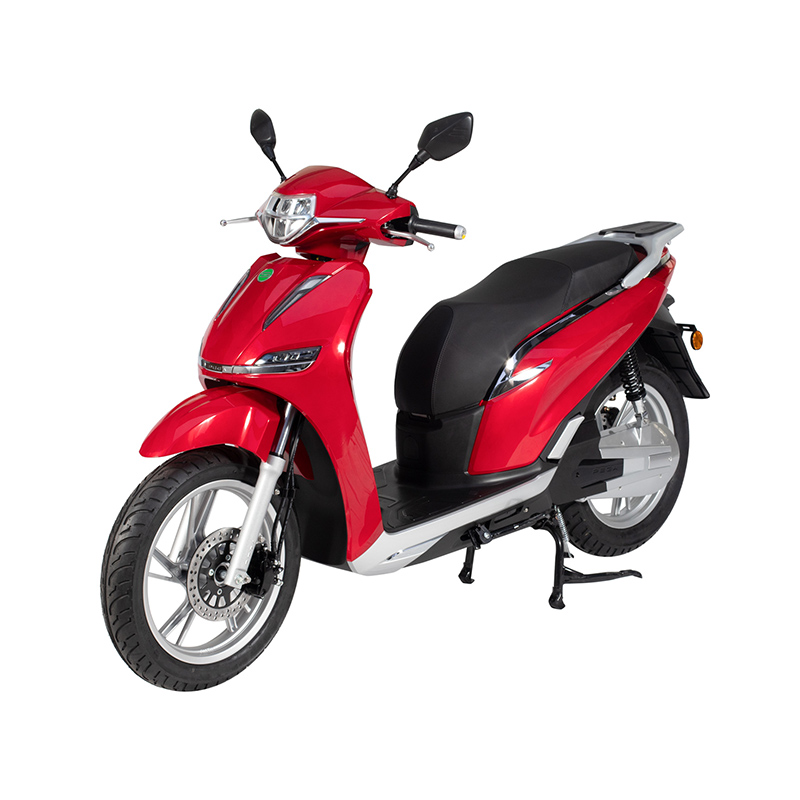
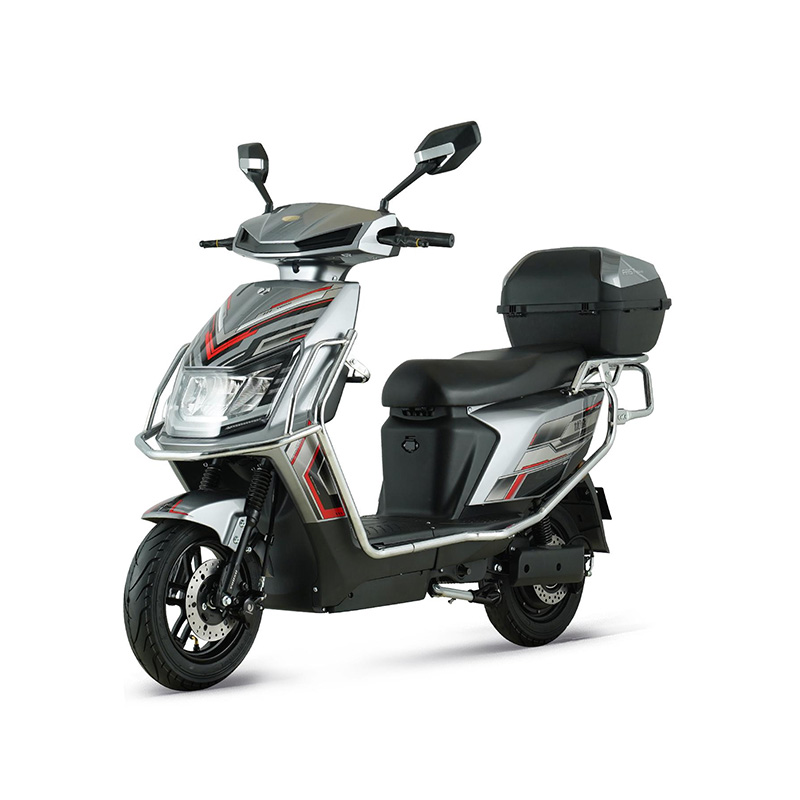
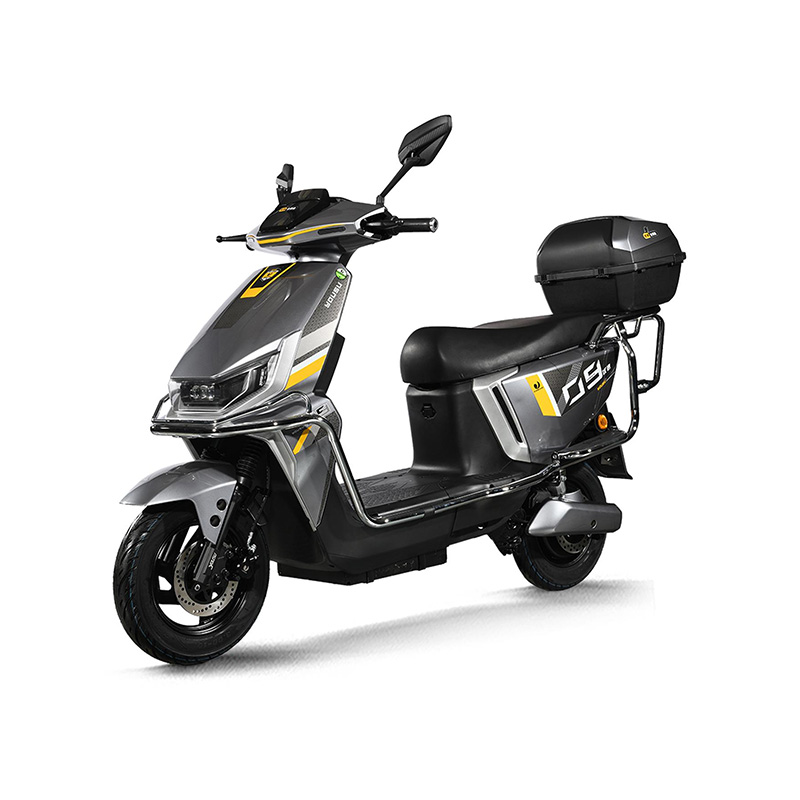
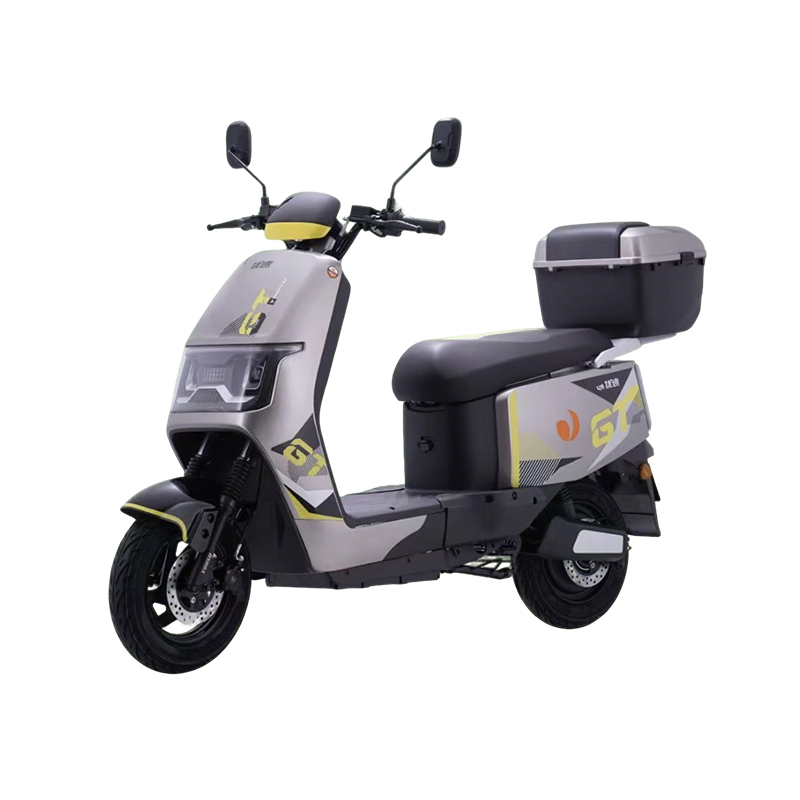

Increased Mass and Its Effect on Braking Distance
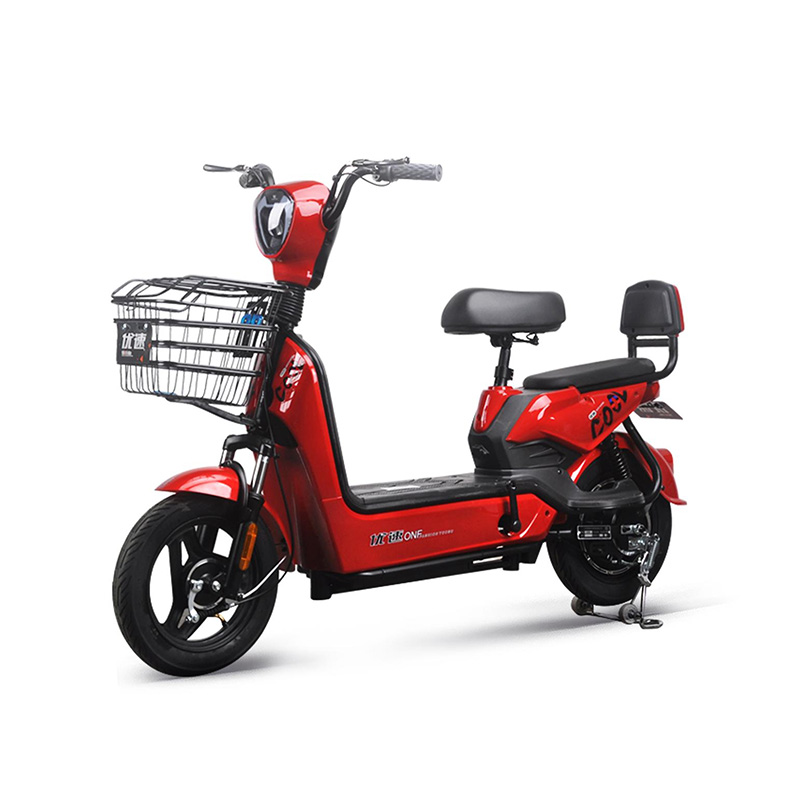
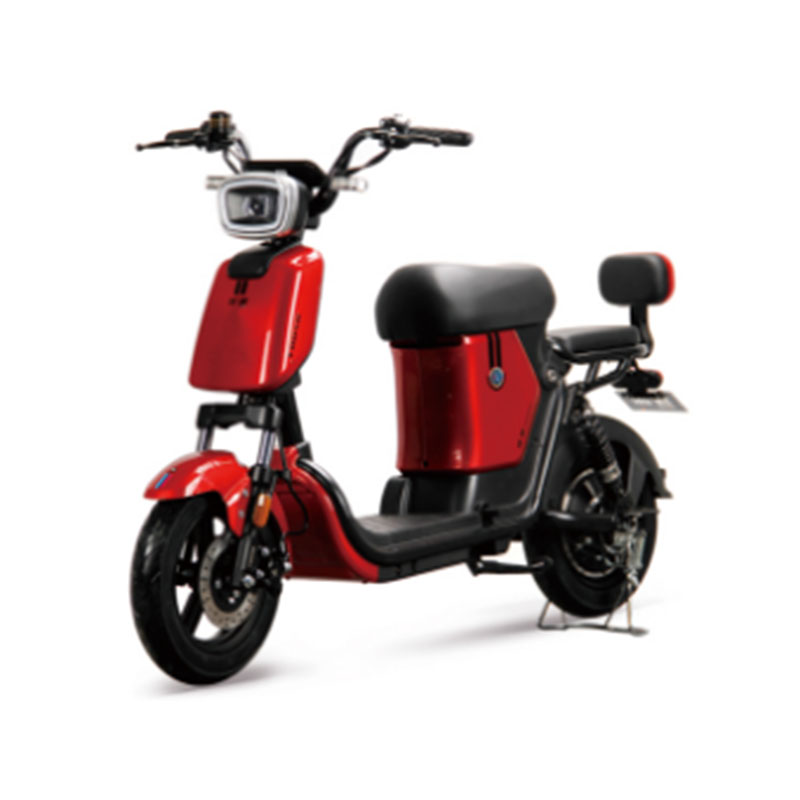
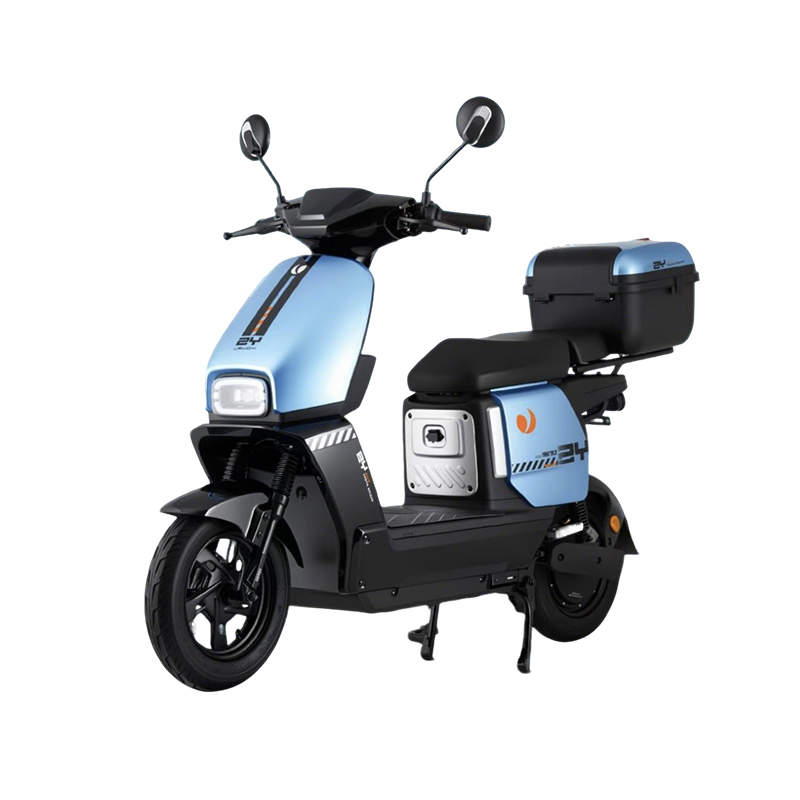
The electric motorcycle with thicken and weight frames has a significantly higher mass due to its reinforced chassis and thicker structural components. This additional weight directly impacts braking distance because, according to Newton’s second law, deceleration requires a force proportional to mass. During hard braking, the kinetic energy of a heavier motorcycle is greater, meaning more braking force is necessary to stop the vehicle over the same distance as a lighter model. Without compensatory design measures, the increased mass can slightly extend stopping distances, particularly in emergency scenarios. Manufacturers address this by upgrading the braking system with larger discs, multi-piston calipers, or high-friction brake pads capable of absorbing and dissipating the extra kinetic energy. By doing so, the electric motorcycle with thicken and weight frames maintains safe stopping distances while benefiting from increased structural rigidity, making it more suitable for urban and high-speed applications.
Impact on Braking Stability and Rider Confidence
Heavier frames influence weight distribution and the motorcycle’s dynamic behavior under braking. A thicker, reinforced frame alters the front-to-rear weight balance, which affects how the vehicle leans or “dives” during deceleration. A well-designed electric motorcycle with thicken and weight frames integrates suspension adjustments and braking force modulation to counteract potential instability. Reinforced frames resist torsion and flex under high braking loads, providing more predictable feedback to the rider and improving overall confidence during emergency stops or rapid deceleration on uneven surfaces. In addition, the structural rigidity helps the motorcycle maintain a straighter trajectory, reducing unwanted oscillations or shifts that could compromise rider safety. Properly tuned, the heavier frame can actually enhance braking stability by creating a more controlled deceleration environment.
Integration of Advanced Braking Technologies
To maintain safe braking performance with a heavier frame, modern electric motorcycles with thicken and weight frames often employ advanced braking technologies such as anti-lock braking systems (ABS), electronic brake-force distribution (EBD), and traction control. ABS prevents wheel lockup during abrupt stops, while EBD dynamically adjusts the force between the front and rear brakes based on weight distribution and road conditions. These systems are particularly critical for heavier motorcycles, as the increased mass can make manual brake modulation more difficult for riders. By integrating electronic assistance, the motorcycle ensures consistent deceleration while maintaining wheel traction and balance, even under high-load or high-speed conditions.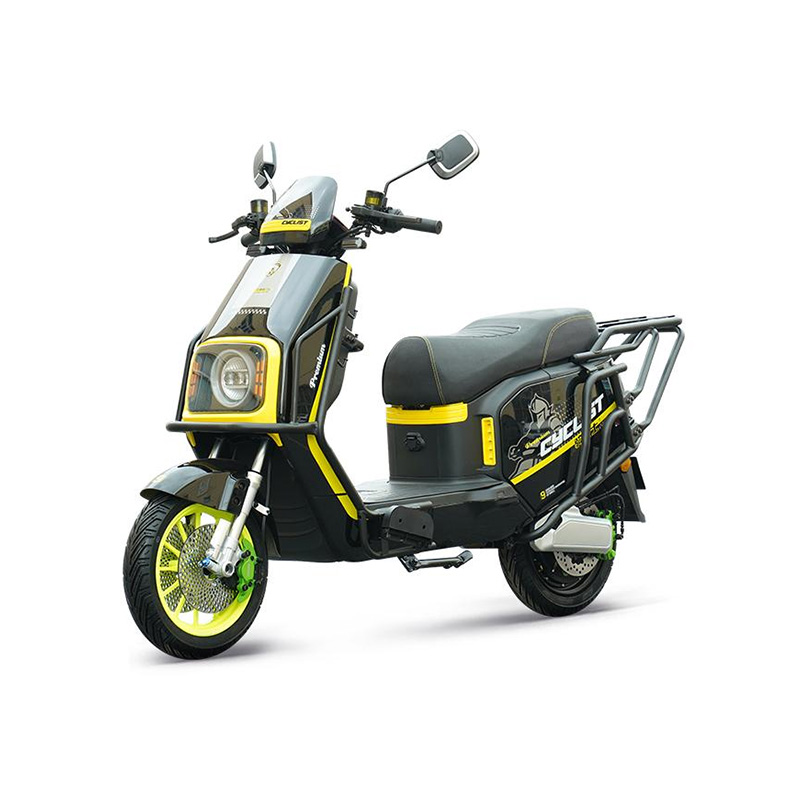
Suspension and Tire Interaction During Braking
The heavier frame of the electric motorcycle with thicken and weight frames also impacts suspension and tire performance during braking. Increased forward weight during deceleration can lead to greater compression of the front forks, requiring precise tuning to prevent excessive “dive” that could destabilize the rider. Similarly, tire grip and contact patch behavior are influenced by the higher static and dynamic loads imposed by the reinforced frame. Manufacturers optimize suspension preload, damping, and tire selection to ensure that the motorcycle maintains traction and stability during aggressive stops or cornering under heavy braking. The result is a well-balanced system where the additional mass is effectively managed, enhancing braking confidence and vehicle predictability.
Comparative Performance and Operational Trade-Offs
Compared to lighter standard-frame electric motorcycles, the electric motorcycle with thicken and weight frames may experience slightly longer braking distances if systems are not upgraded. However, the benefits of reinforced structure—such as improved crash protection, torsional rigidity, and rider confidence—often outweigh the minor increase in stopping distance. When paired with enhanced brakes, suspension tuning, and electronic braking systems, the heavier motorcycle can achieve safe, stable, and predictable deceleration across urban and highway scenarios. Riders benefit from a motorcycle that resists flex, maintains alignment, and delivers consistent braking performance even under full load or during emergency maneuvers. The trade-off between slightly increased weight and enhanced structural and braking stability represents an intentional engineering choice to optimize overall safety, durability, and ride confidence.
 Previous