


 English
 Español
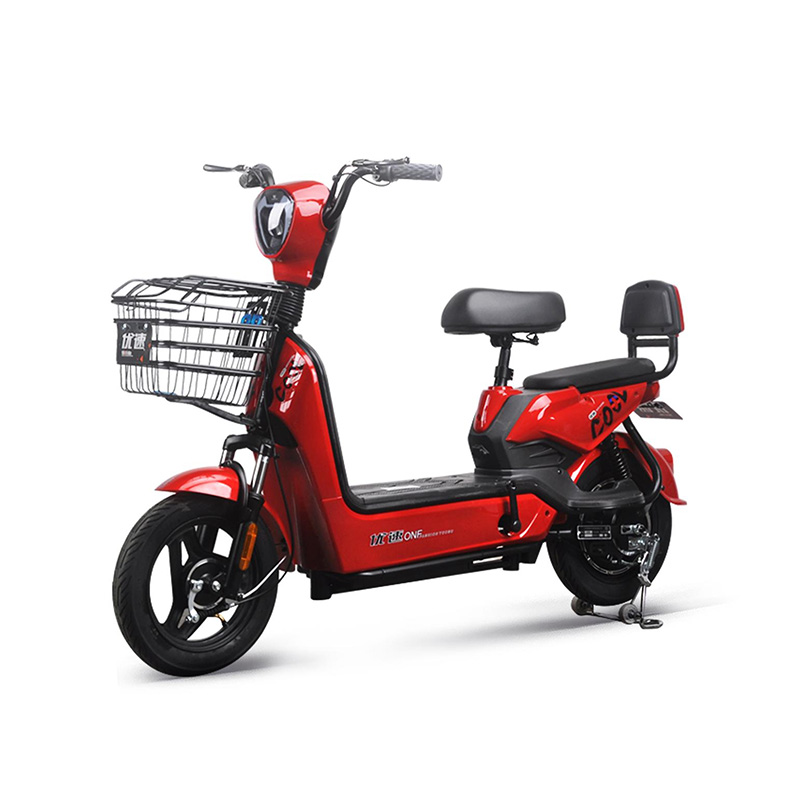
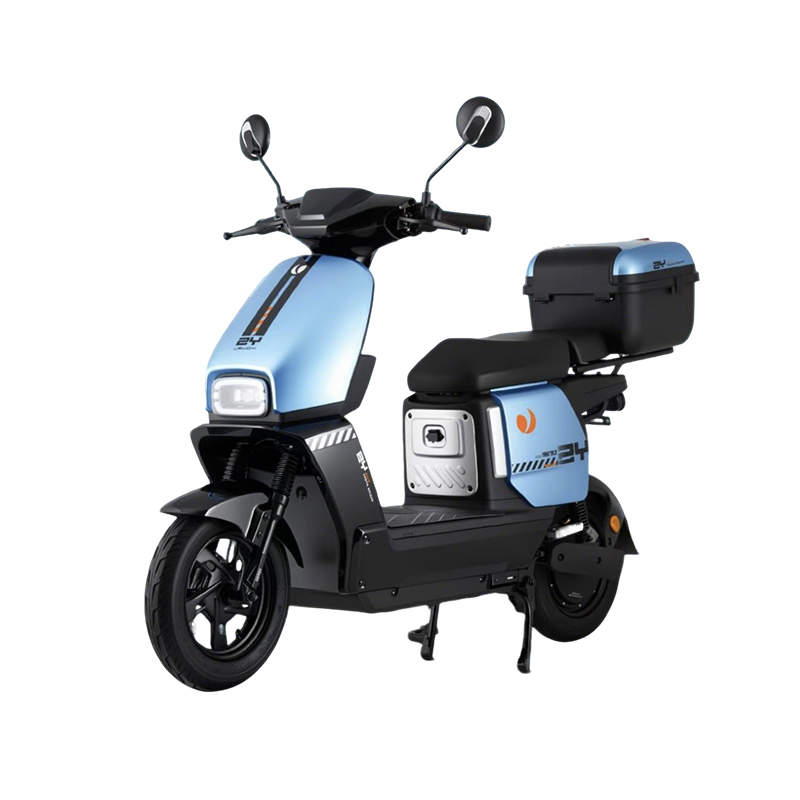
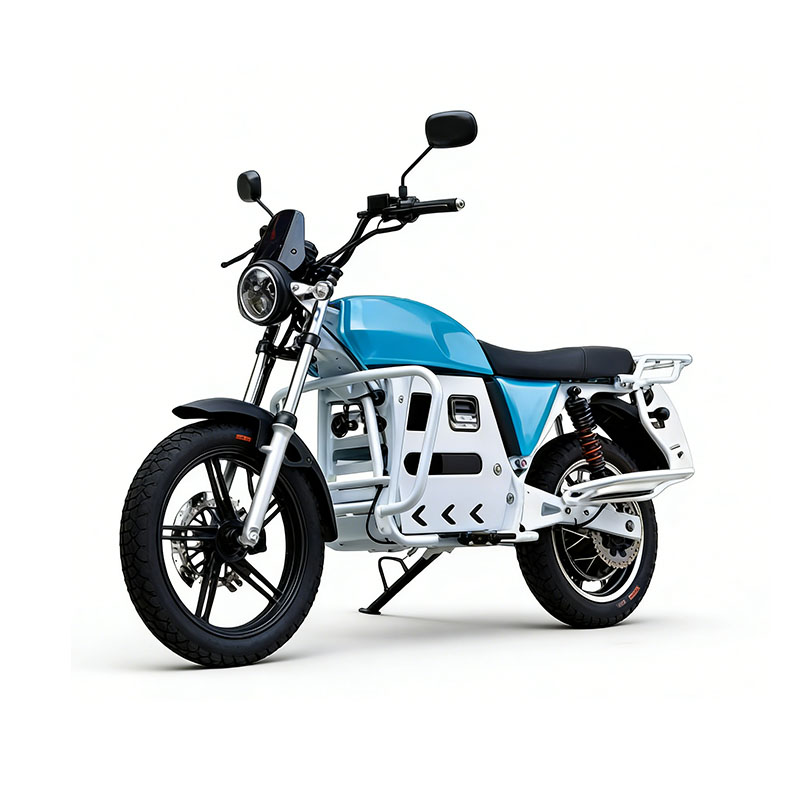
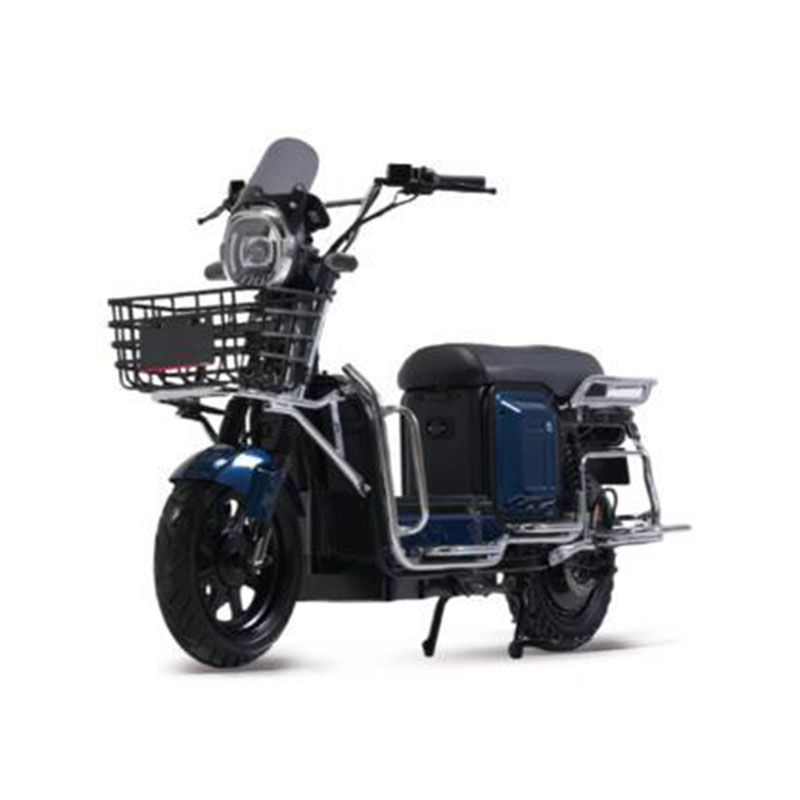
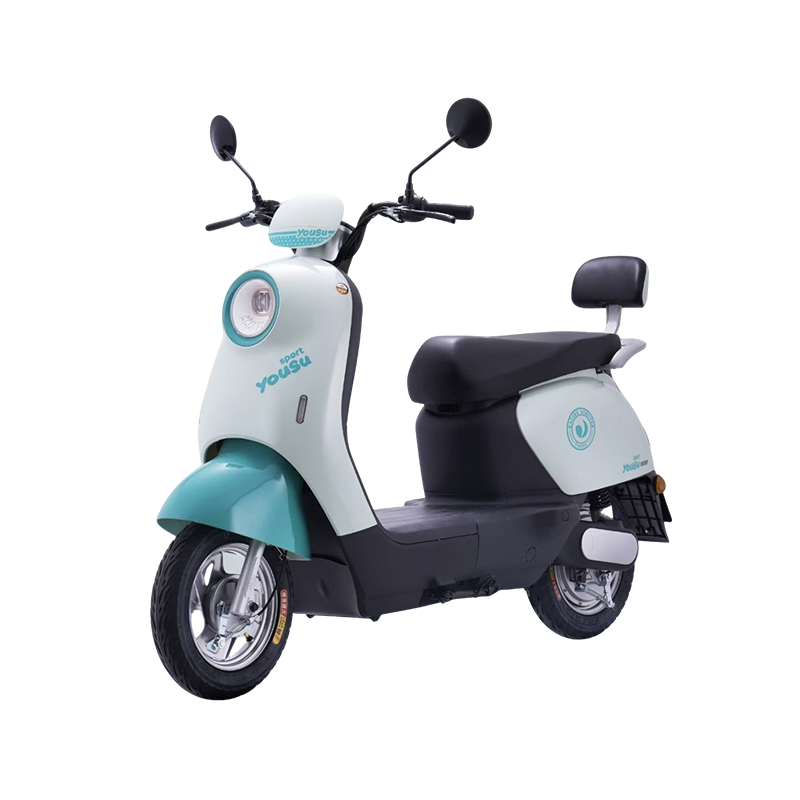
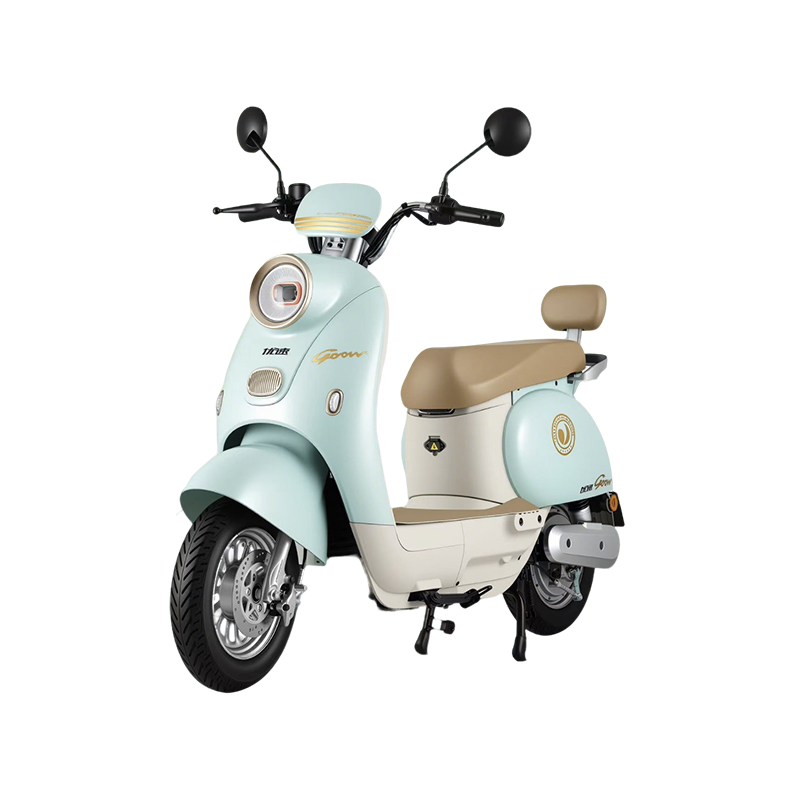

Relationship Between Controller Settings and Regenerative Braking Intensity
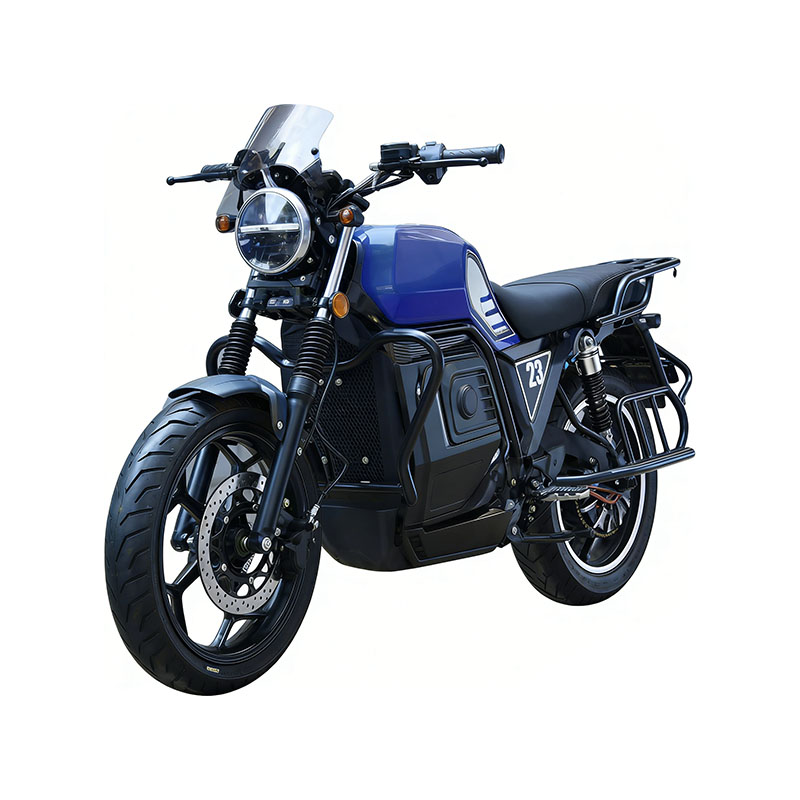
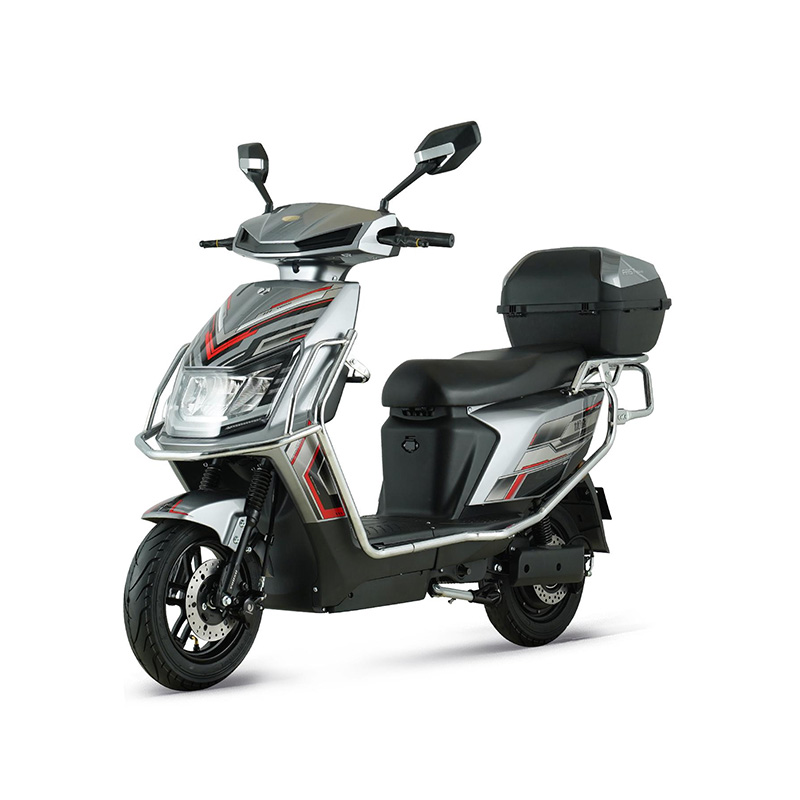
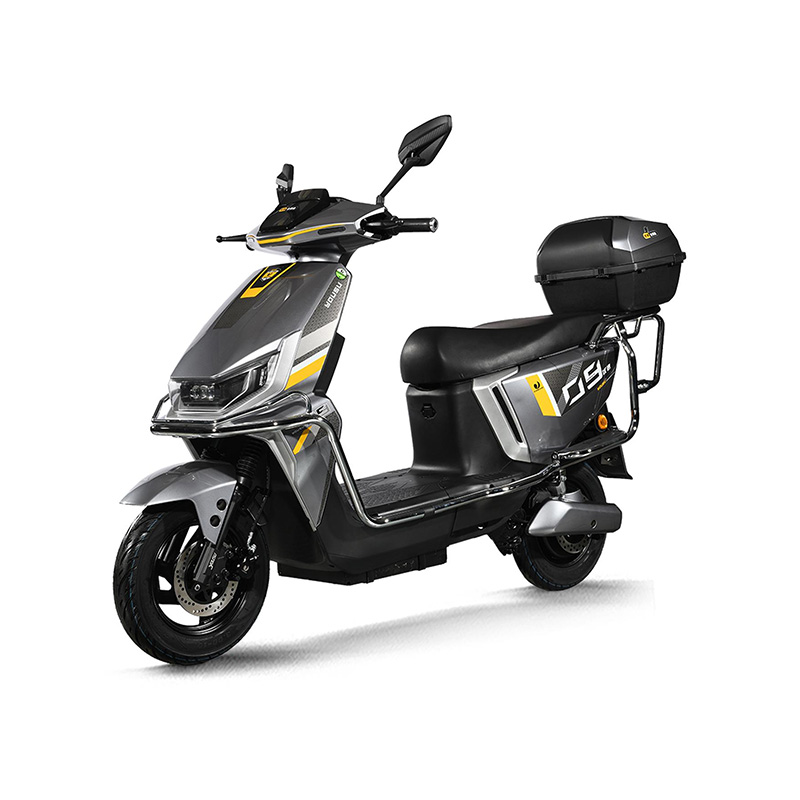
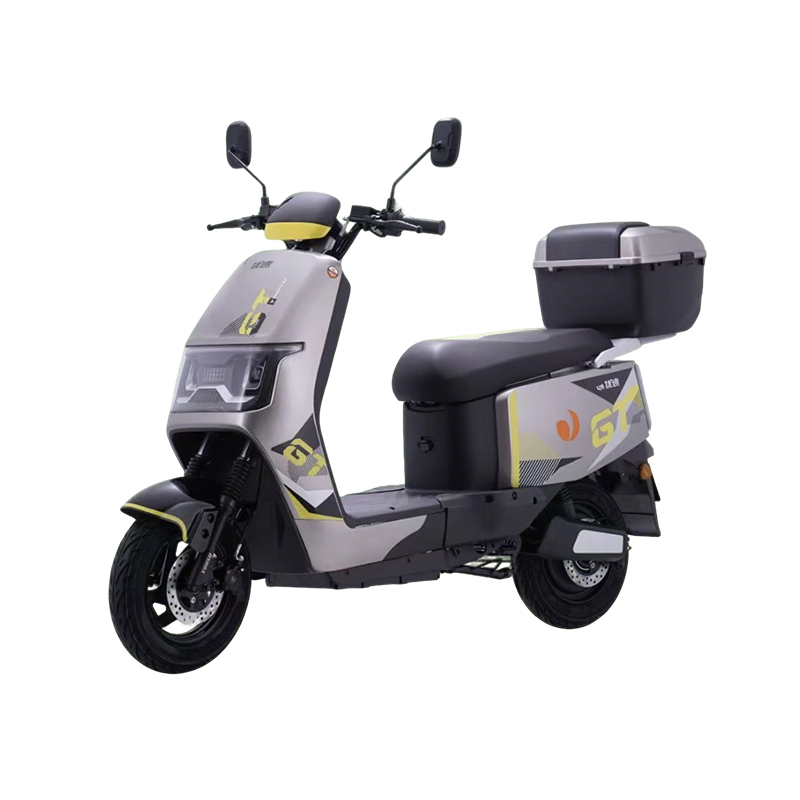
On an adjustable controller electric motorcycle, the controller governs how electrical energy is delivered to the motor and, inversely, how kinetic energy is recovered during deceleration through regenerative braking. Adjustments to the controller’s torque curves, current limits, and acceleration responsiveness directly influence the strength and smoothness of regenerative braking. For instance, a high-torque or performance-oriented setting increases the motor’s counter-torque when the rider releases the throttle, generating a stronger deceleration effect and higher energy recovery. Conversely, settings focused on efficiency or comfort reduce counter-torque, producing a gentler braking feel. This dynamic control allows riders to adapt the motorcycle to their specific riding scenario—aggressive urban commuting may benefit from strong regenerative braking to optimize energy recovery, while a smoother, eco-friendly ride may prioritize coasting comfort over maximum recuperation. The integration of adjustable controller parameters ensures that regenerative braking behavior is proportional to user-selected performance goals, providing both flexibility and functional control.
Influence on Rider Perception and Handling
The intensity of regenerative braking, controlled through adjustable settings, directly affects the tactile experience of riding the motorcycle. Strong regenerative braking introduces a noticeable “drag” effect on the rear wheel, which can make the motorcycle feel as though it is decelerating autonomously when the throttle is released. This can be beneficial in performance riding, where rapid deceleration without mechanical braking is desirable, but it can also require riders to adapt their braking style, particularly in tight urban conditions or low-traction environments such as wet or uneven surfaces. Lighter regenerative braking results in a smoother, more natural coasting experience, maintaining stability and control during low-speed maneuvers. Advanced electric motorcycles balance these effects by integrating the regenerative braking system with traction and stability controls, ensuring that changes in rider-selected controller settings do not compromise handling safety. Rider perception and confidence are therefore closely linked to how the controller manages energy recovery dynamics.
Battery Efficiency and Energy Recovery Implications
Modifying controller settings on an adjustable electric motorcycle significantly impacts battery efficiency and energy regeneration. Aggressive regenerative braking maximizes energy recovery by converting more kinetic energy into stored electrical energy during deceleration, extending the effective range, especially in stop-and-go traffic or hilly urban routes. However, higher regeneration currents increase thermal load on the motor and controller, which must be actively managed to avoid overheating and potential component stress. In contrast, reduced regenerative braking produces lower recovered energy but imposes less strain on electrical components, potentially improving longevity. Intelligent controller design dynamically adjusts regenerative power based on battery state-of-charge, motor temperature, and rider input, ensuring that energy recovery is optimized without risking overheating or battery degradation. The controller settings therefore serve as both a performance and efficiency management tool, balancing rider preferences with mechanical and electrical system protection.
Interaction with Mechanical Braking Systems
Regenerative braking behavior is closely integrated with mechanical braking, and the adjustable controller plays a key role in maintaining coordinated braking performance. In aggressive regenerative modes, the motor provides significant deceleration, reducing reliance on hydraulic or disc brakes. The controller modulates this interaction to ensure smooth transitions between electrical and mechanical braking forces, maintaining safe stopping distances. In lighter regenerative modes, mechanical brakes provide the majority of stopping power, while regenerative braking contributes only minimally to deceleration. The controller continuously monitors wheel speed, load, and terrain conditions to adjust regenerative torque in real-time, preventing wheel lockup and maintaining stability. This integration ensures predictable braking behavior regardless of the selected controller mode, combining energy recovery with consistent rider feedback and operational safety.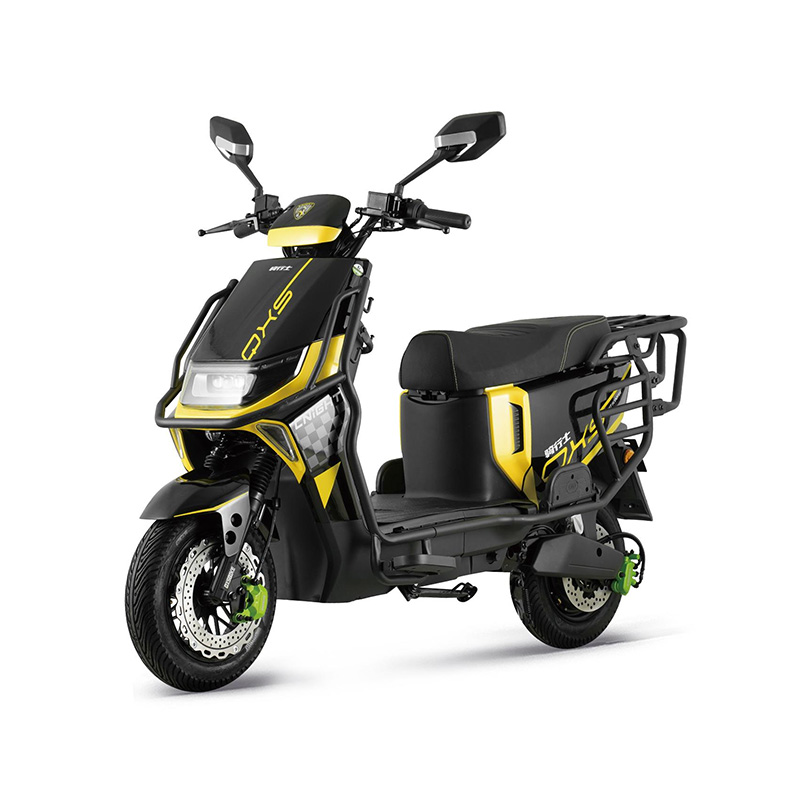
Adaptive Performance Across Riding Conditions
The adjustable controller enables the motorcycle to adapt regenerative braking to different terrains and riding scenarios. For example, in urban commuting with frequent stop-and-go traffic, stronger regenerative braking can improve range by recapturing energy at every deceleration. On highways or long-range cruising, lighter regenerative braking provides smoother handling and reduces motor load, enhancing comfort and efficiency. Off-road or uneven surface riding benefits from moderated regenerative braking, minimizing wheel drag that could destabilize the vehicle. The controller also accounts for load variations, such as a rider with cargo, adjusting regenerative torque to maintain predictable deceleration.
Customization and Rider-Controlled Profiles
Many modern adjustable controller electric motorcycles allow the rider to select predefined or custom riding profiles that directly control regenerative braking behavior. Standard modes such as Eco, Normal, and Sport each prioritize different performance and energy recovery goals. Eco mode emphasizes energy efficiency, producing lighter regenerative braking for smoother coasting and reduced thermal load. Sport mode maximizes responsiveness and energy recovery, producing stronger regenerative drag and more rapid deceleration. Custom modes often allow independent adjustment of acceleration curves and regenerative strength, enabling advanced riders to fine-tune both ride feel and battery recuperation. By providing these options, the motorcycle ensures that regenerative braking is not a fixed characteristic but a user-configurable aspect of ride dynamics, enhancing versatility, comfort, and energy management for diverse riding scenarios.
 Previous