


 English
 Español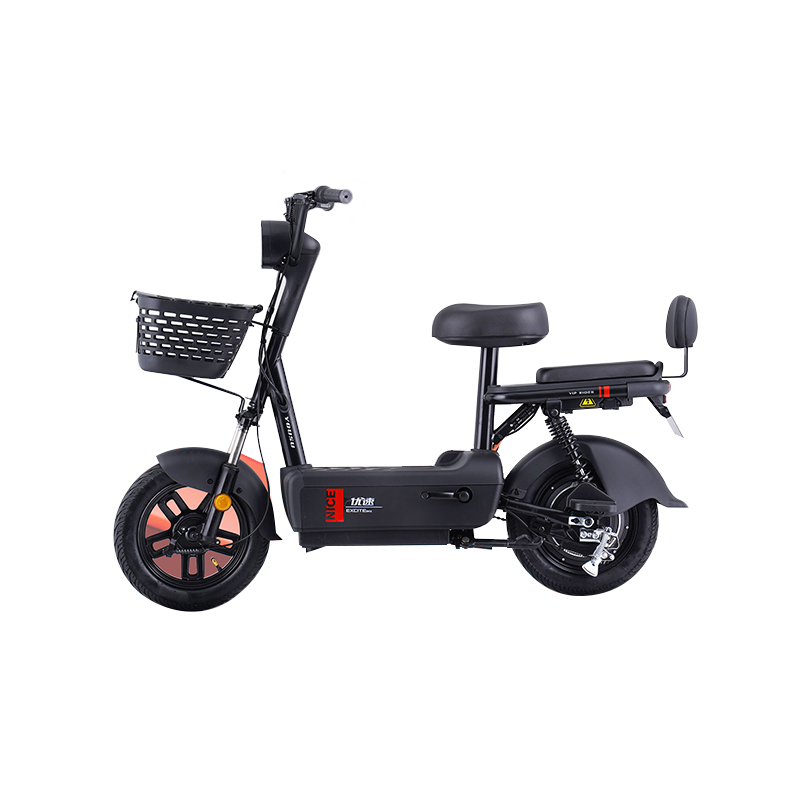
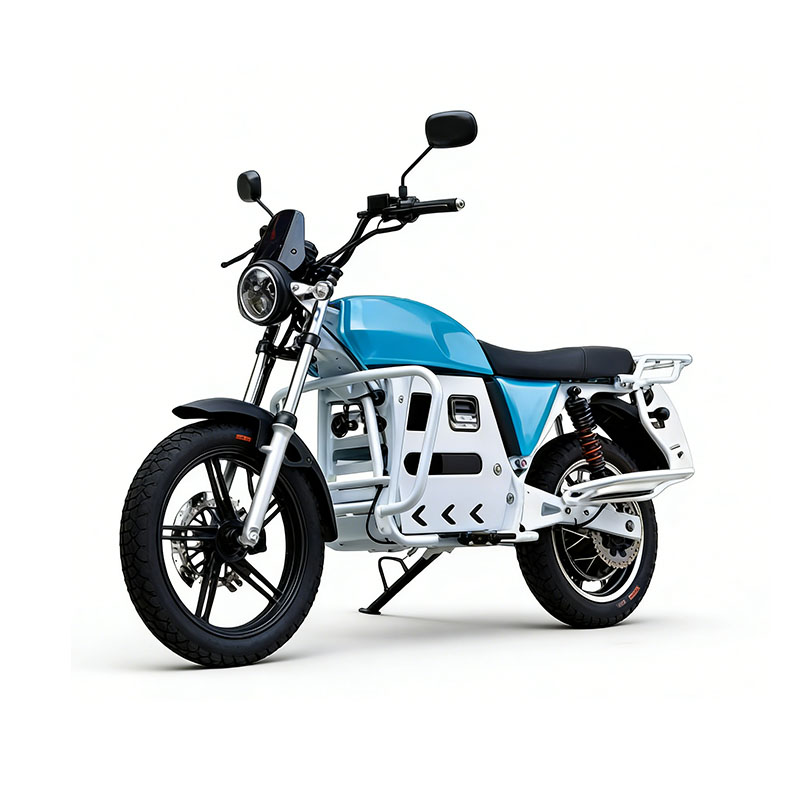

Physical Dimensions and Urban Spatial Awareness
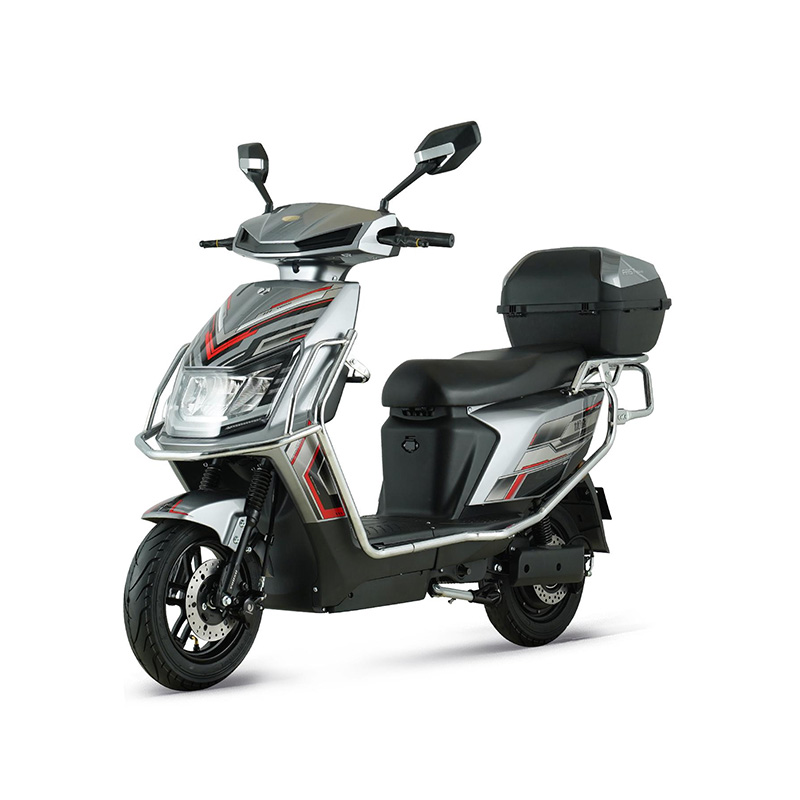
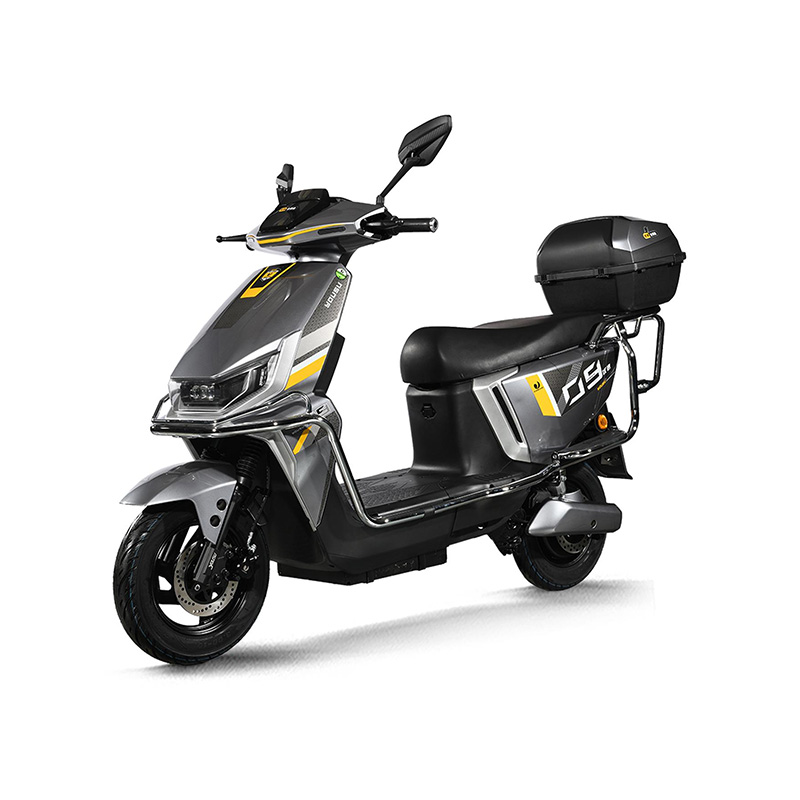
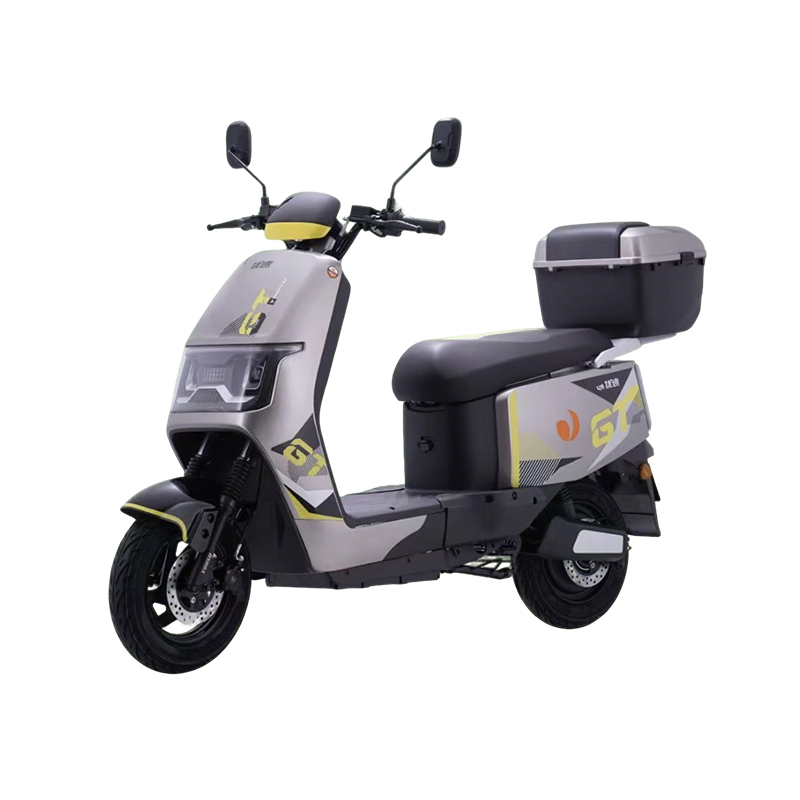
The presence of a front bumper on an electric motorcycle inherently increases the vehicle’s frontal width and sometimes slightly extends the front overhang. In tight urban spaces—such as narrow streets, densely packed traffic lanes, parking areas, and alleyways—this increased footprint requires riders to develop greater spatial awareness to avoid collisions with pedestrians, vehicles, curbs, or roadside infrastructure. Modern bumper designs, however, often use compact, streamlined shapes made of lightweight yet impact-resistant materials such as reinforced plastics, aluminum alloys, or carbon fiber composites. These designs are carefully engineered to maximize safety without significantly affecting the overall width or low-speed handling. From a user perspective, while the motorcycle may feel slightly wider in confined spaces, the marginal difference is typically negligible when the rider adapts to the altered vehicle profile. Proper design ensures that maneuverability remains practical for urban commuting while providing enhanced protection against minor impacts or scrapes that are common in city riding scenarios.
Weight Distribution and Steering Dynamics
Adding a front bumper changes the weight distribution of the electric motorcycle, shifting a portion of mass forward. This alteration impacts the dynamic behavior of the vehicle, particularly at low speeds, where steering input is more sensitive. Riders may notice increased steering effort or slightly reduced responsiveness when executing tight turns, U-turns, or weaving through congested traffic. To counteract these effects, manufacturers often incorporate design solutions such as adjustable front suspension, hydraulic steering dampers, or optimized chassis geometry. These engineering interventions help maintain predictable handling characteristics despite the forward mass. Lightweight bumper materials minimize the added load, preventing any significant impact on overall maneuverability. The balance between additional weight and protective function is critical: an optimally designed front bumper enhances safety while preserving the rider’s ability to maneuver the motorcycle precisely in dense urban conditions.
Suspension Tuning and Ride Stability
The integration of a front bumper necessitates careful attention to suspension tuning to maintain both comfort and agility. The additional forward weight can alter the front-end load distribution, affecting how the motorcycle responds to braking, acceleration, and cornering forces. Engineers typically adjust fork stiffness, damping rates, and spring preload to compensate for the bumper’s presence, ensuring that the motorcycle maintains proper lean angles and stable handling. These adjustments are crucial for urban maneuverability, where frequent stops, starts, and quick directional changes are required. Optimized suspension ensures that the rider experiences consistent feedback and control, even when navigating potholes, uneven pavement, or narrow traffic gaps. By harmonizing bumper weight with suspension dynamics, the motorcycle delivers predictable handling without compromising rider confidence or safety.
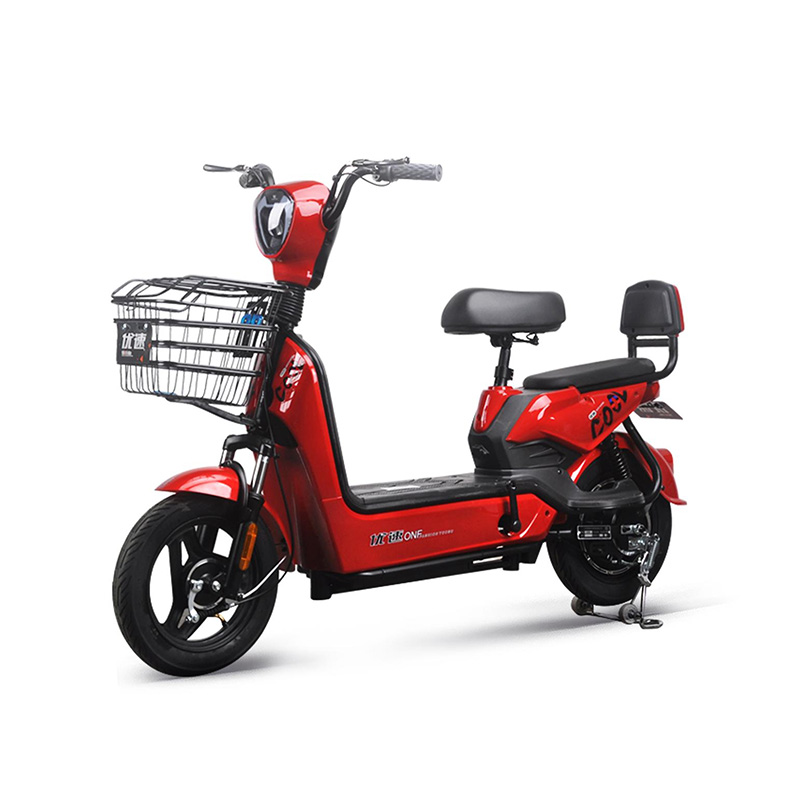
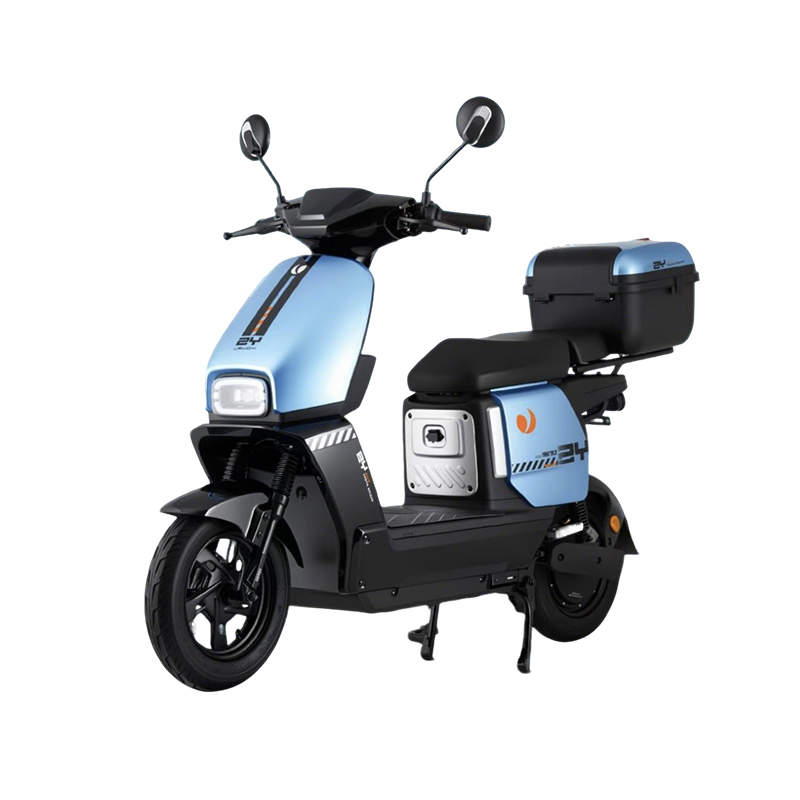
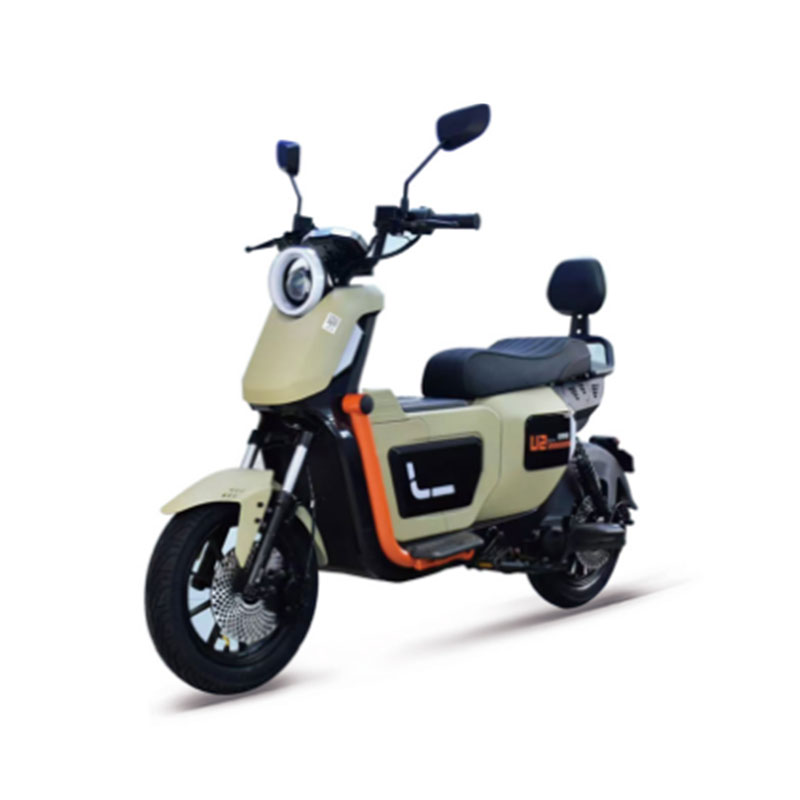
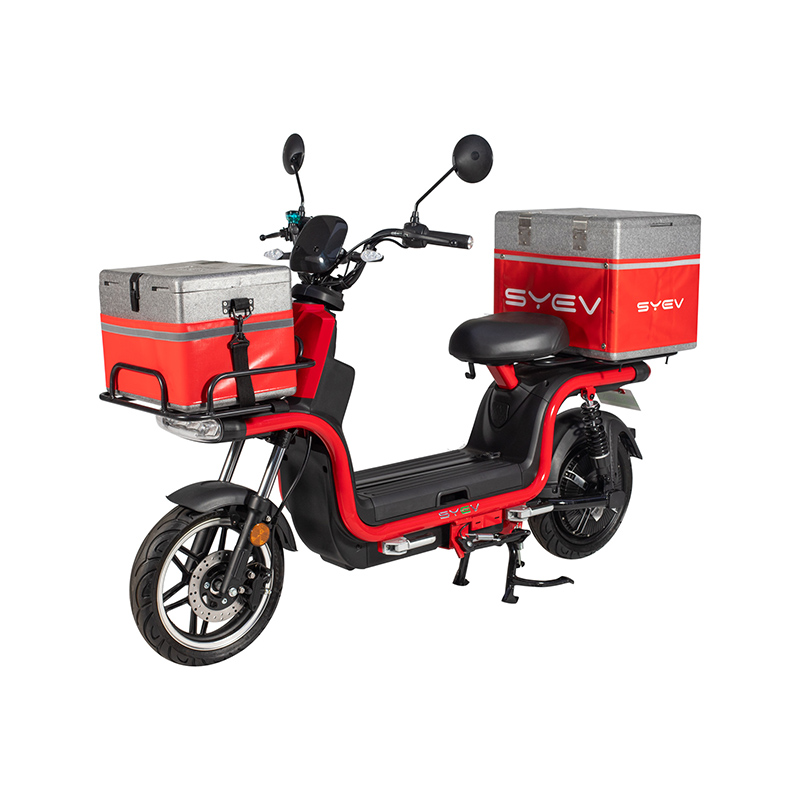
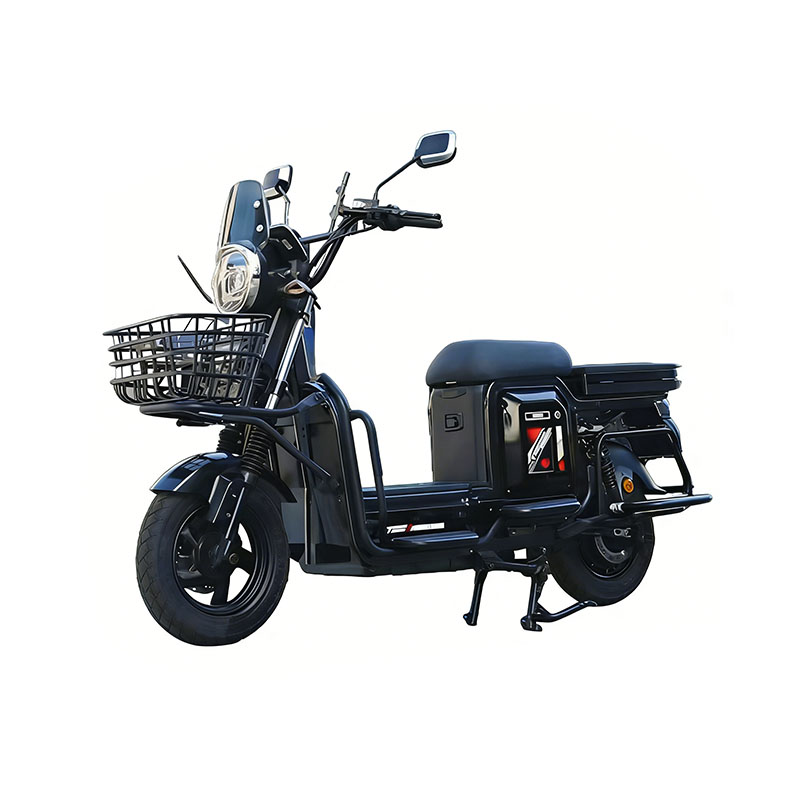
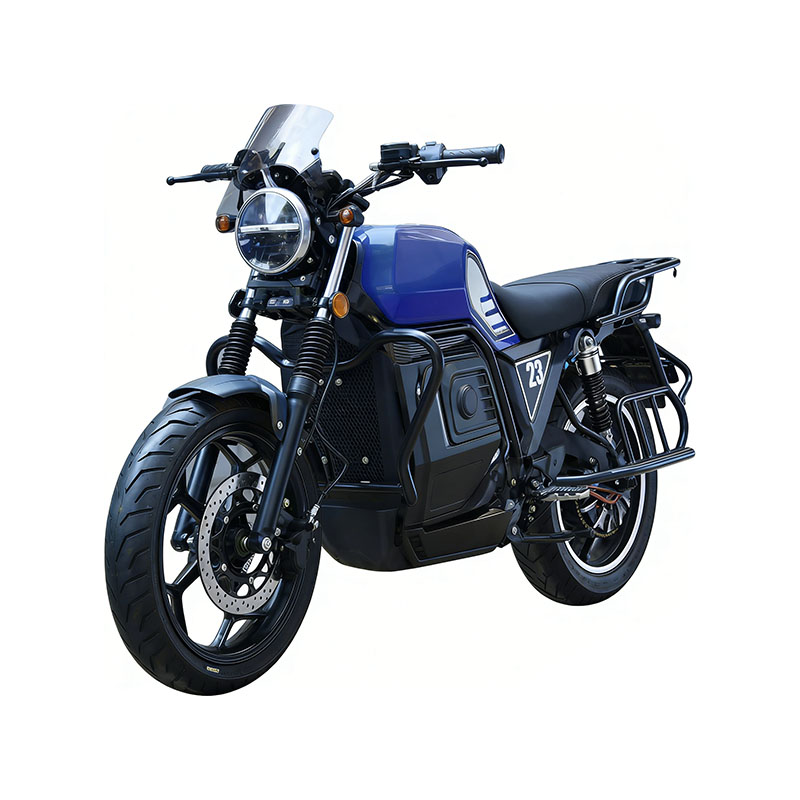
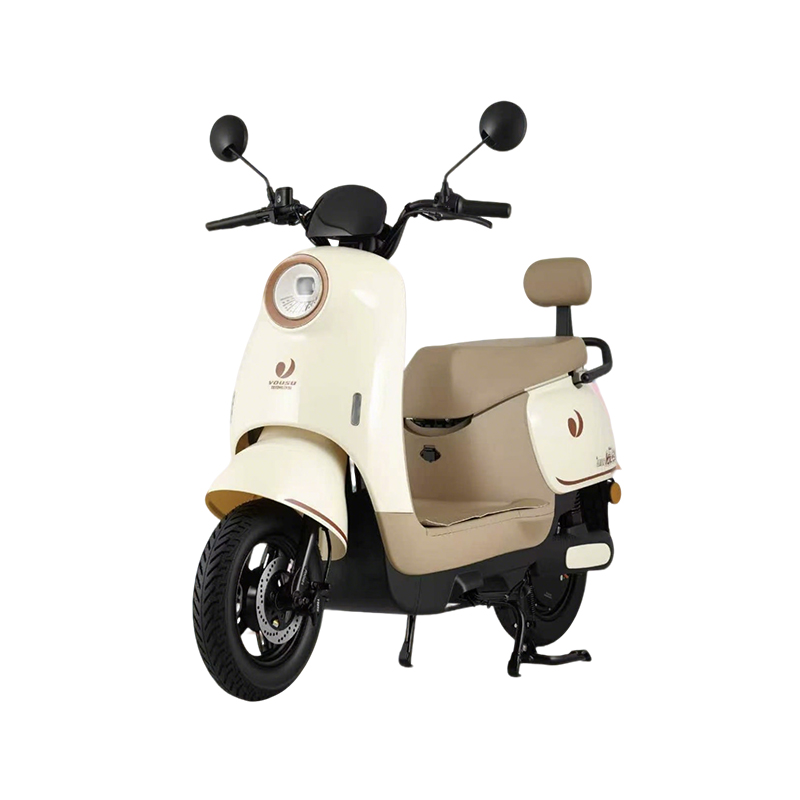
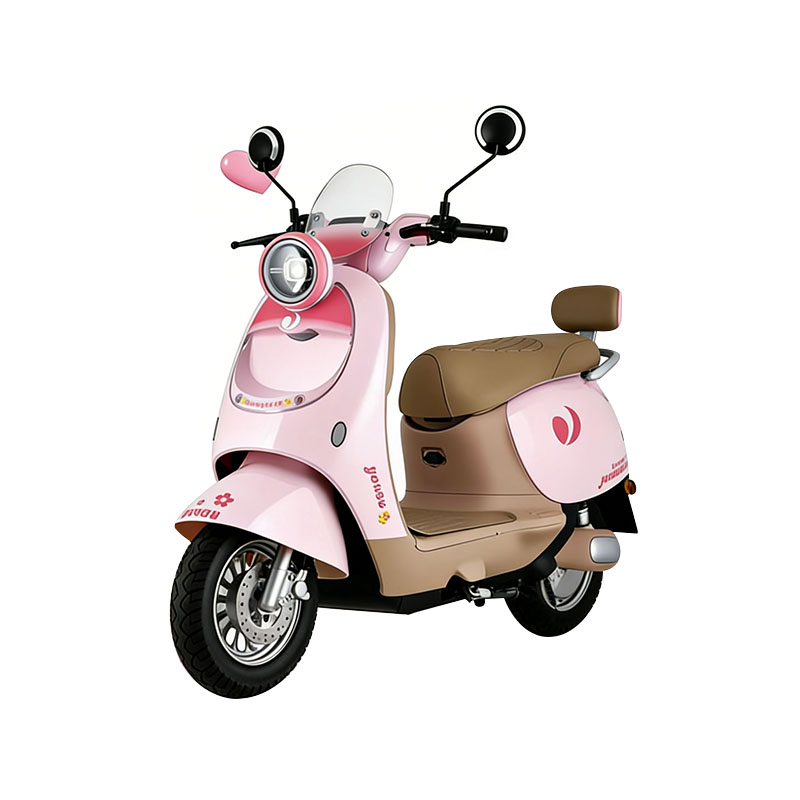
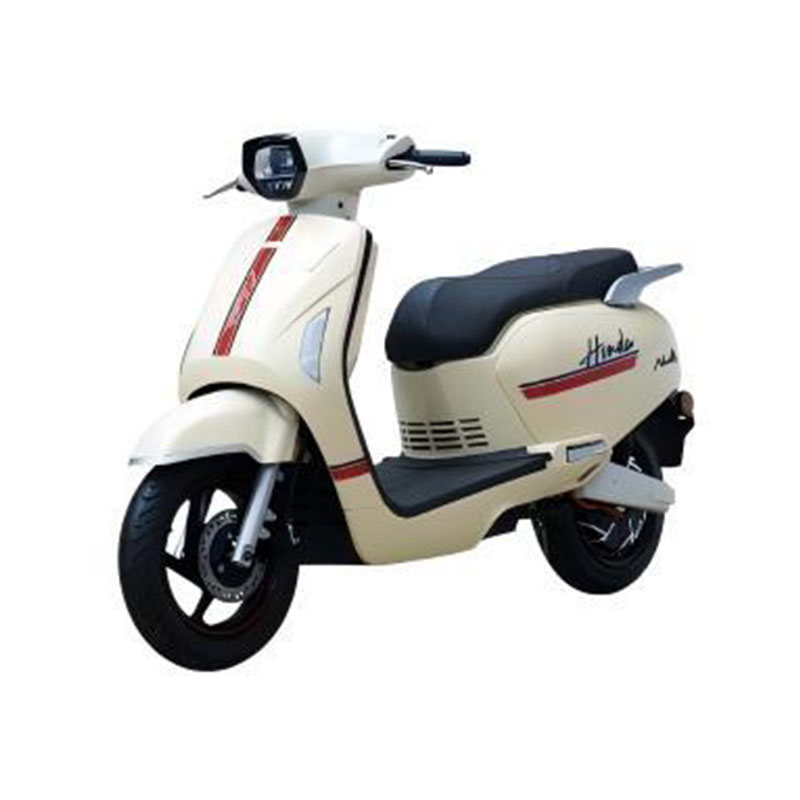
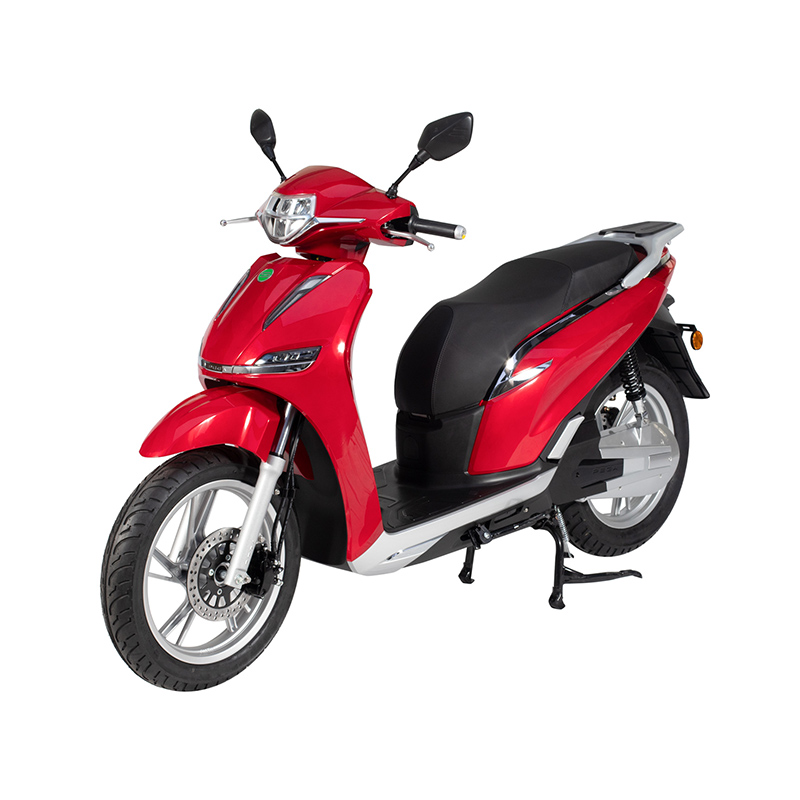
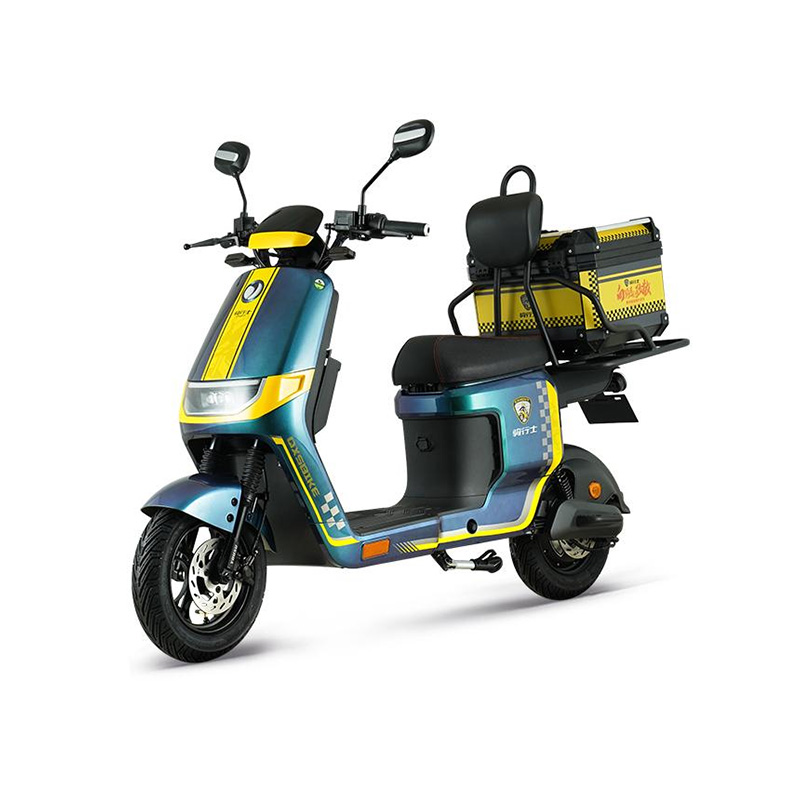
electric motorcycle with front bumper
Rider Confidence and Safety Trade-Off
The addition of a front bumper provides a tangible safety benefit, particularly in congested urban environments where low-speed collisions with obstacles or vehicles are common. This protective advantage allows the rider to navigate tight spaces with increased confidence, knowing that minor impacts are less likely to damage critical structural or mechanical components. While there is a minor trade-off in terms of slightly reduced agility compared to motorcycles without a bumper, most modern designs mitigate this through careful material selection, geometry optimization, and suspension tuning. From a user perspective, the small reduction in maneuverability is often offset by enhanced safety and reduced risk of repair costs, making the motorcycle more practical and secure for city commuting. The bumper may serve as a mounting point for accessories such as lights, sensors, or indicators, further improving situational awareness and urban safety.
Aerodynamic Considerations and Energy Efficiency
Although primarily focused on protection, the front bumper can also influence the motorcycle’s aerodynamics. Poorly designed bumpers may increase air resistance, particularly at higher speeds, which can slightly affect handling and energy efficiency. However, for motorcycles intended primarily for urban environments, speeds are generally moderate, and aerodynamic effects are minimized. Engineers typically design bumpers with smooth, streamlined profiles that integrate seamlessly with the motorcycle’s fairing or front end. This design minimizes drag and prevents adverse effects on steering responsiveness, stability, and battery consumption for electric motorcycles. The result is a vehicle that retains nimble low-speed maneuverability while benefiting from the additional protective structure, ensuring that urban handling, rider comfort, and operational efficiency remain uncompromised.
Practical Urban Riding Implications
In everyday urban use, riders of an electric motorcycle with front bumper may experience a slightly more deliberate approach when navigating through extremely tight spaces, such as narrow alleyways, parked car rows, or construction zones. The motorcycle’s turning radius, though minimally affected, may require riders to make wider arcs in constrained maneuvers. However, this is largely offset by the increased confidence the bumper provides in preventing scratches, dents, or minor collision damage. Overall, careful engineering ensures that the vehicle remains agile and user-friendly for city commuting while delivering enhanced front-end protection, balancing safety, practicality, and performance for the urban rider.
 Previous