


 English
 Español

1. Impact of Rider Weight on Speed Performance
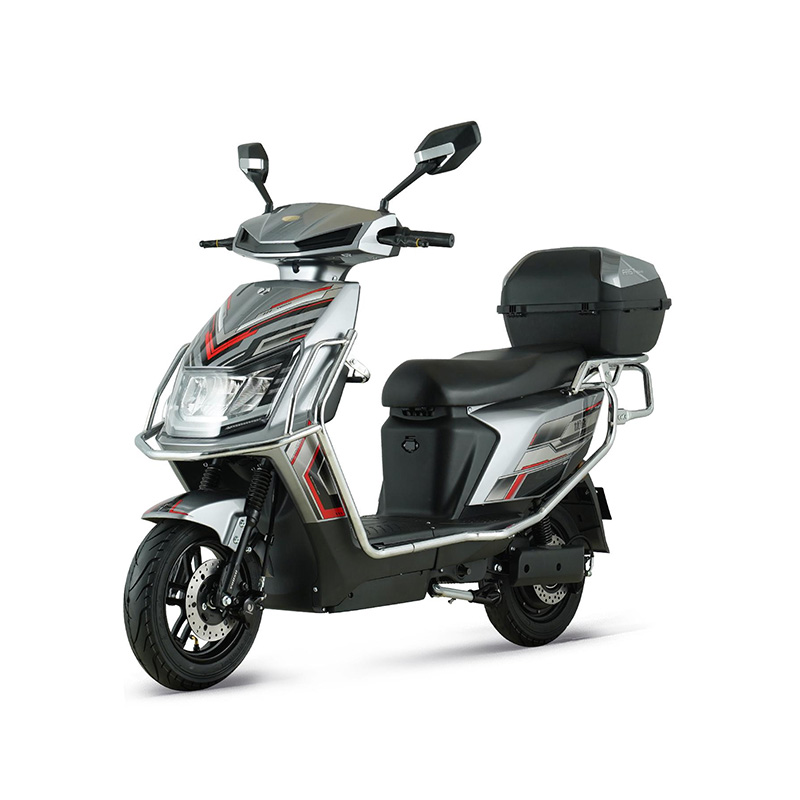
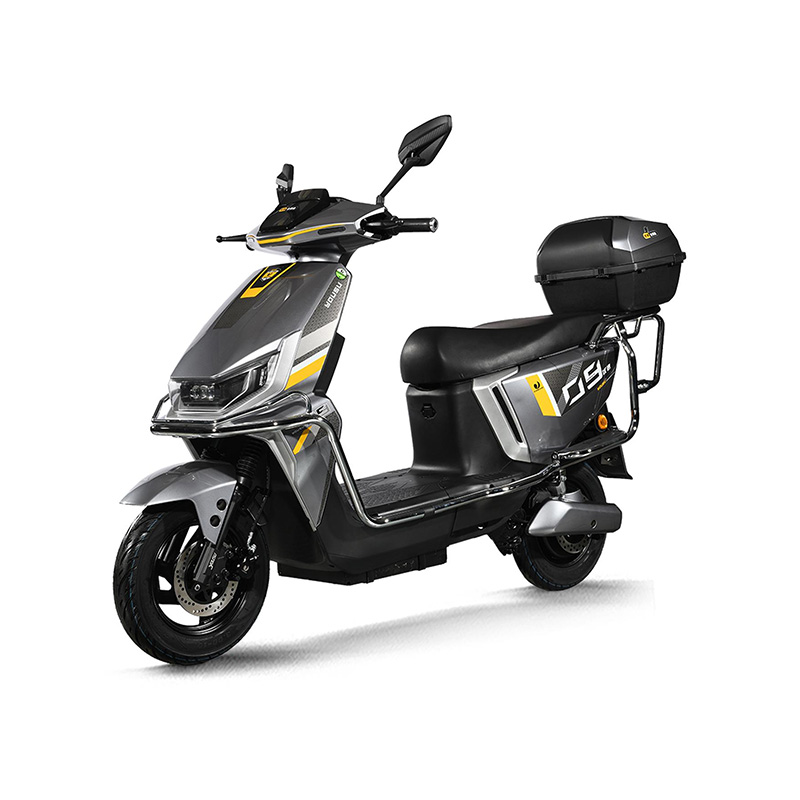
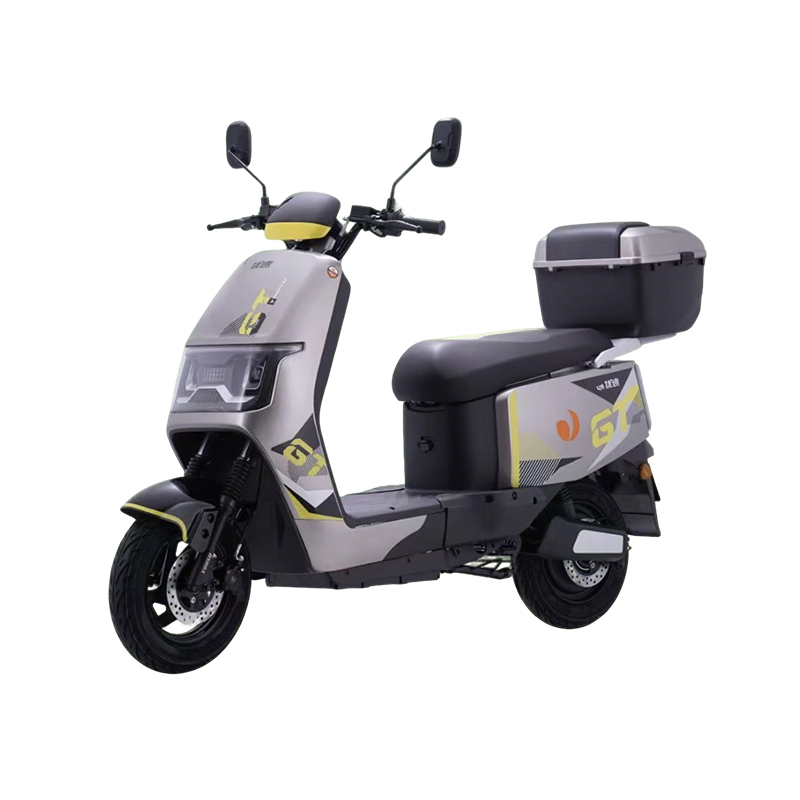
The 500W Power Electric Scooter generates a maximum power output of 500 watts, which allows it to achieve designed top speeds and acceleration profiles. Rider weight directly influences this performance because heavier loads require more energy for the motor to overcome inertia and maintain speed. For example, a lightweight rider may allow the scooter to reach its maximum rated speed more easily, while a heavier rider may experience slightly reduced acceleration and top speed, especially on inclines or rough surfaces. The motor’s torque capacity is designed to handle a range of rider weights, but extreme weights beyond the manufacturer’s recommended limits may result in slower acceleration and diminished overall performance.
2. Effect on Range and Battery Consumption
Rider weight also significantly impacts the range of the 500W Power Electric Scooter. Heavier riders increase the energy demand on the motor, leading to faster battery depletion per kilometer traveled. Conversely, lighter riders allow the scooter to travel closer to its maximum rated distance per charge. Environmental factors such as road gradient, surface type, and riding style can amplify this effect. In practical terms, a rider at the upper weight limit may experience a noticeable reduction in range compared to a lighter rider, even under identical battery and terrain conditions. Efficient riding habits, such as smooth acceleration and moderate speeds, can help mitigate the effect of increased rider weight on battery life.
3. Performance on Inclines and Variable Terrain
The 500W Power Electric Scooter performs differently under variable terrain depending on rider weight. On flat surfaces, the motor can generally maintain consistent speed and range for most riders within the recommended weight capacity. However, when climbing inclines or navigating uneven surfaces, a heavier rider places additional load on the motor. This may require higher current draw, causing the scooter to slow down temporarily or reduce effective range. Manufacturers often provide graded motor and torque specifications to indicate expected performance with different rider weights under typical environmental conditions, ensuring users understand how their weight affects real-world performance.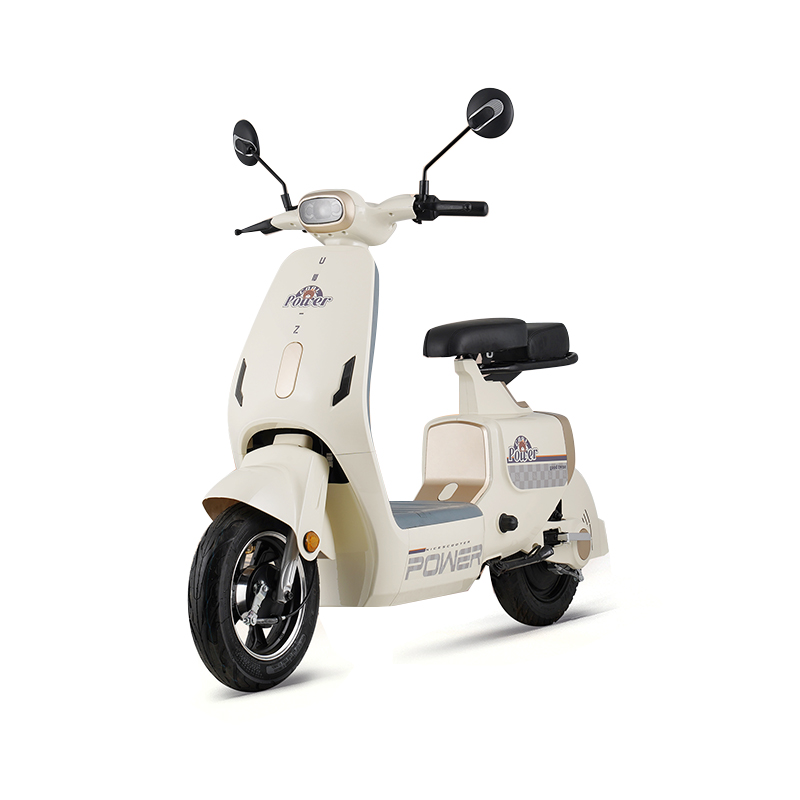
4. Design Considerations for Load Distribution
Modern 500W Power Electric Scooters are engineered with a robust frame, reinforced deck, and suspension components to support a wide range of rider weights. Load distribution is critical for safety, stability, and performance. Even weight distribution across the scooter helps maintain traction, prevents deck flexing, and ensures that the motor and battery are not subjected to localized stress. A well-designed scooter accommodates heavier riders without compromising stability, while also ensuring that lighter riders do not experience unnecessary bouncing or instability due to overly stiff suspension.
5. Recommendations for Users
To maximize performance, riders should adhere to the weight limits specified by the manufacturer of the 500W Power Electric Scooter. Heavier riders can maintain better speed and range by reducing abrupt acceleration, avoiding prolonged high-speed riding, and minimizing incline traversal when possible. Conversely, lighter riders can take full advantage of the scooter’s top speed and maximum range. Understanding how weight influences motor load, battery consumption, and stability allows users to optimize riding efficiency, safety, and overall longevity of the scooter’s components. Regular maintenance of tires, brakes, and the battery also ensures consistent performance across different rider weights.
 Previous