


 English
 Español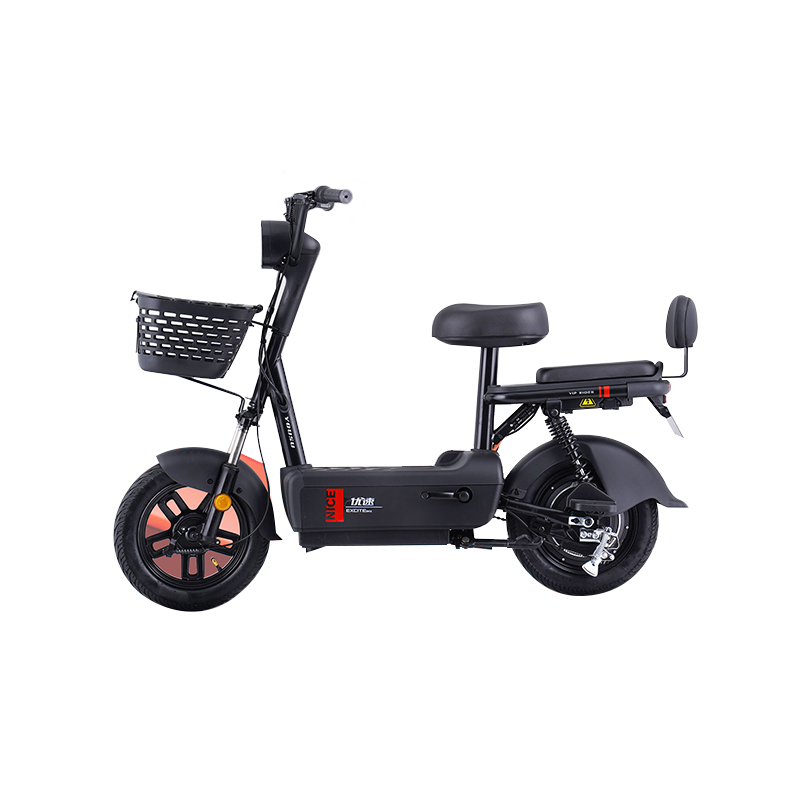
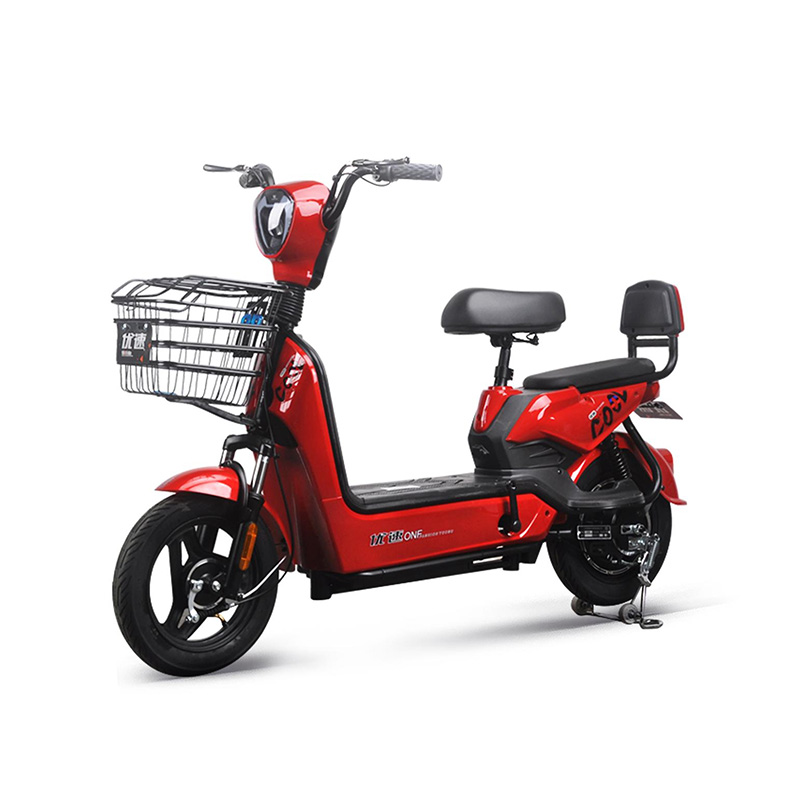
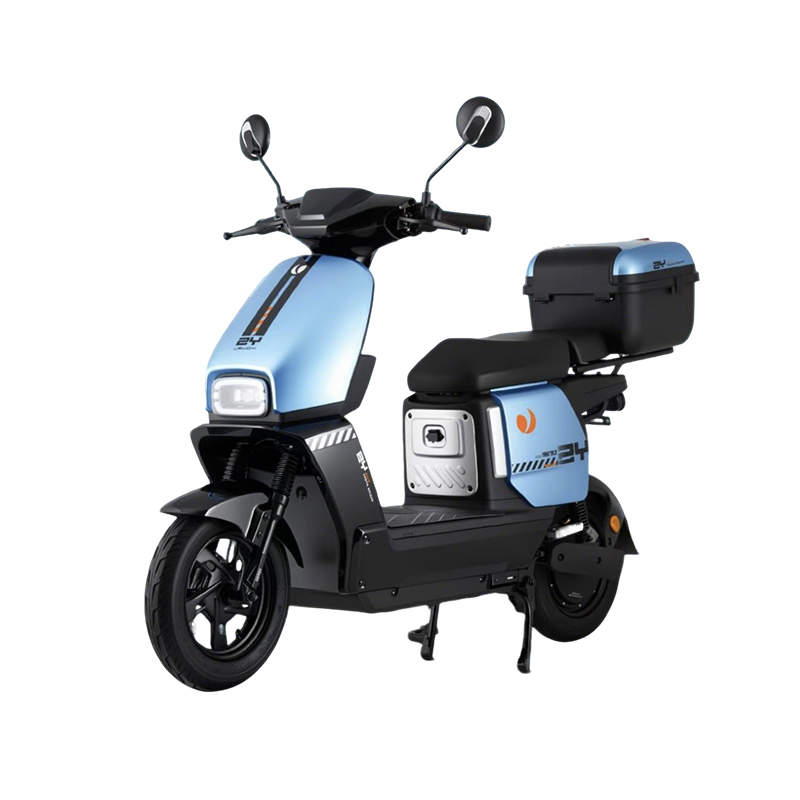
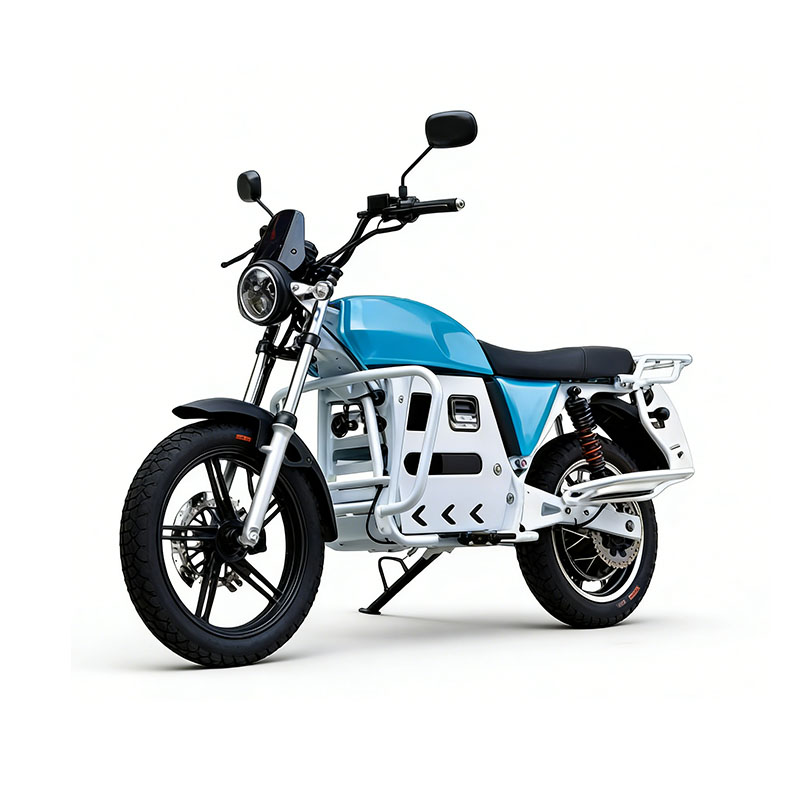
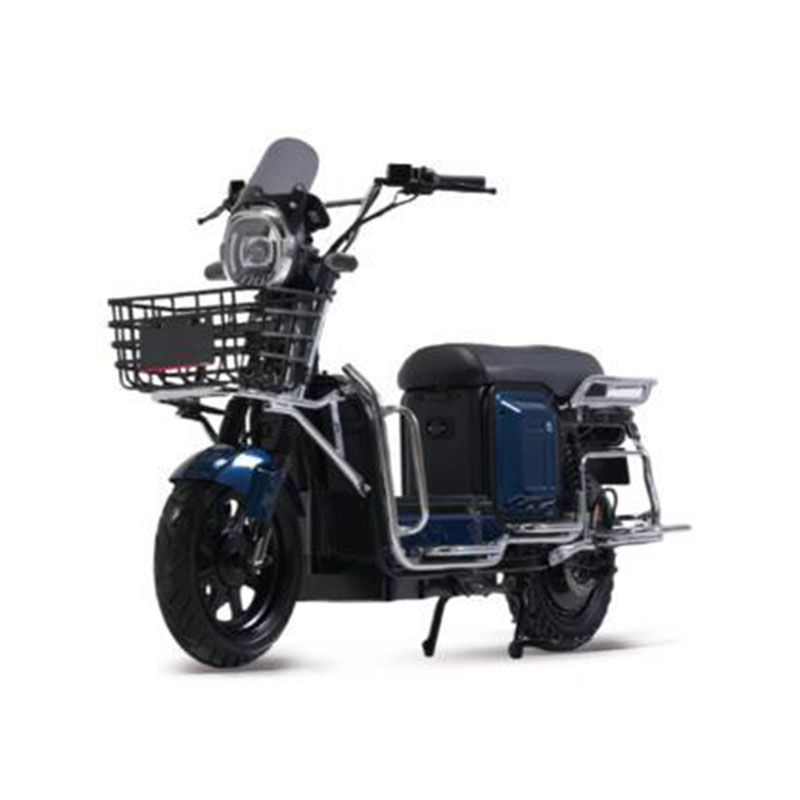
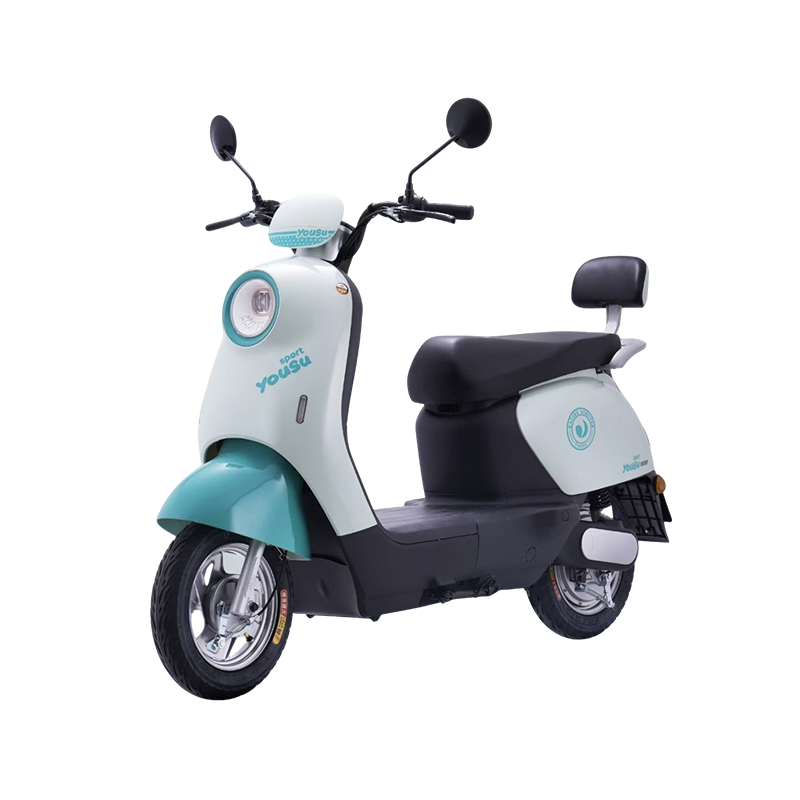
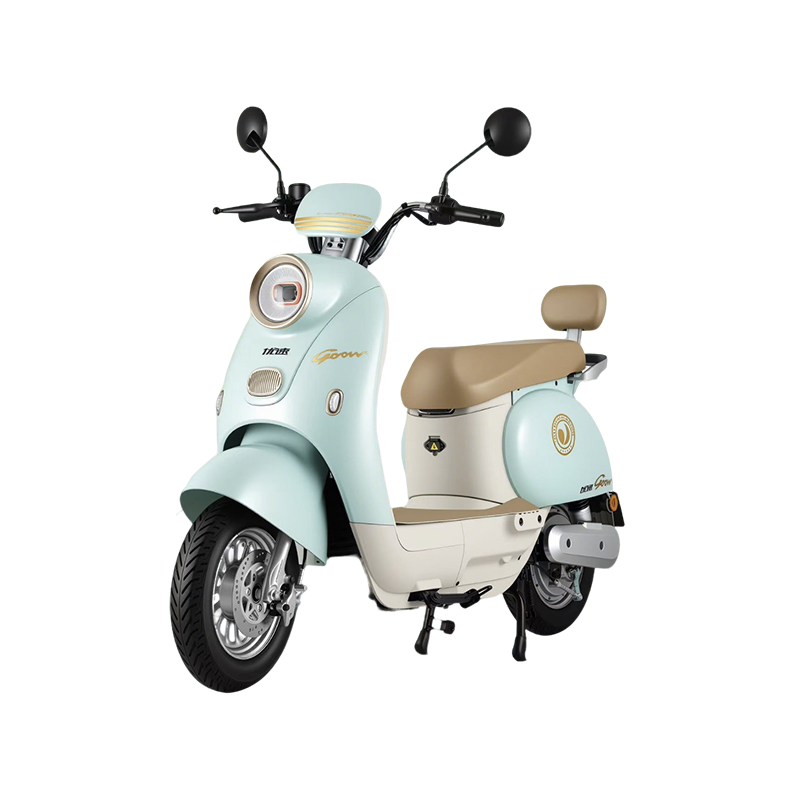
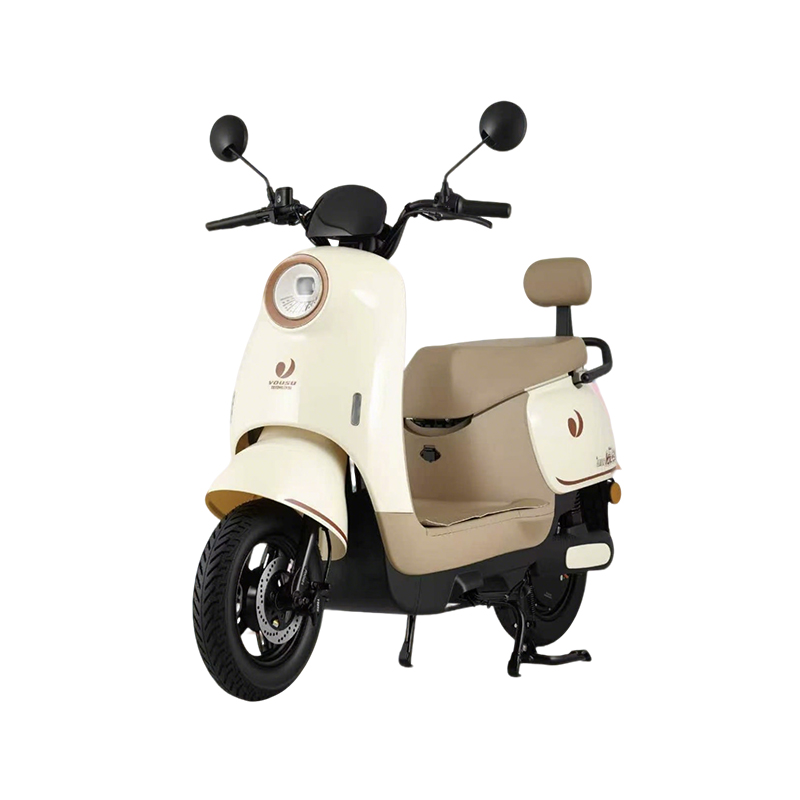
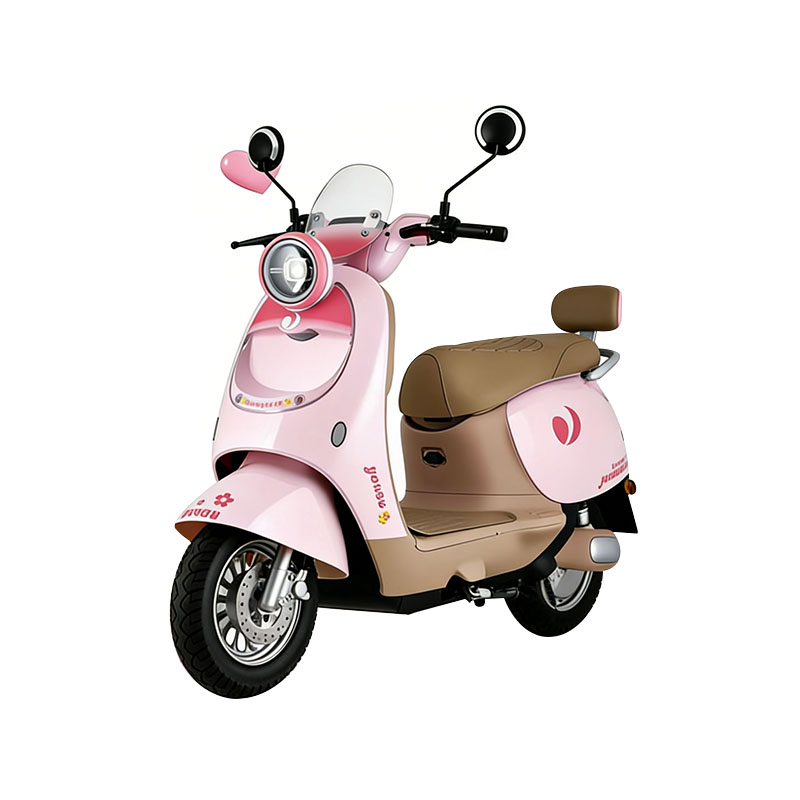
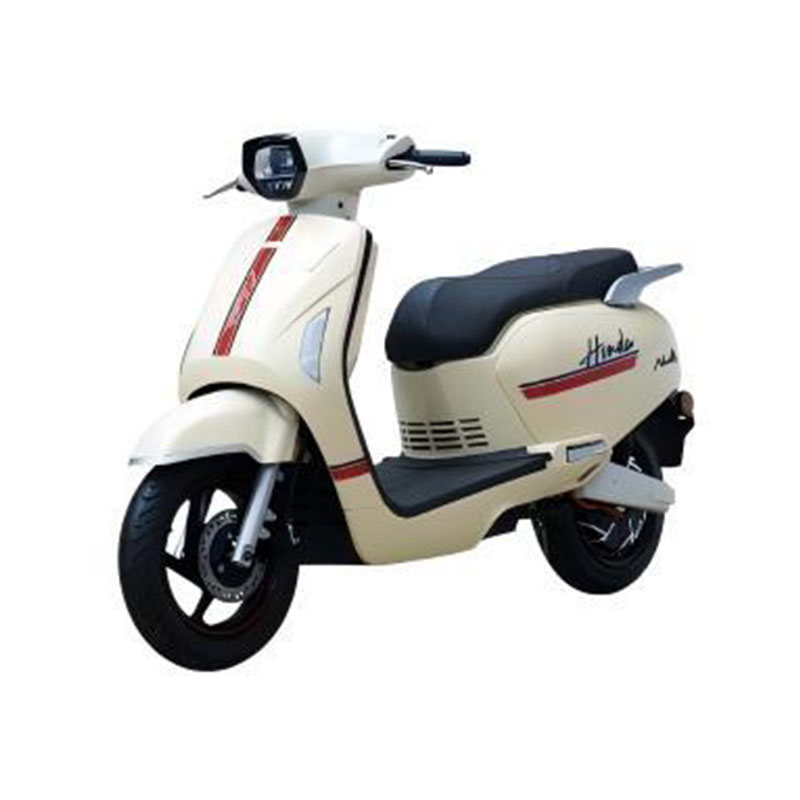
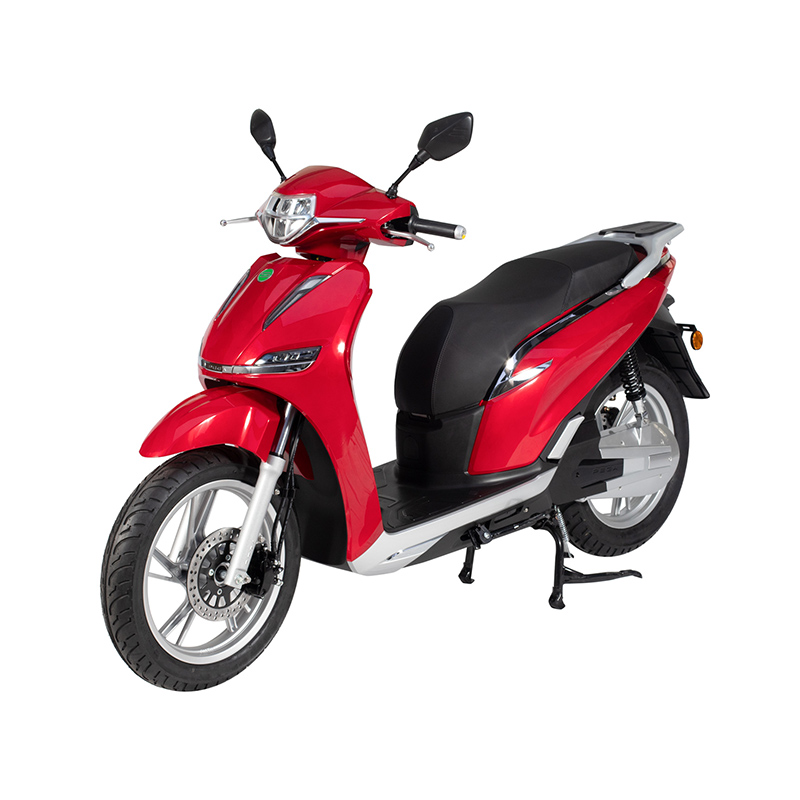
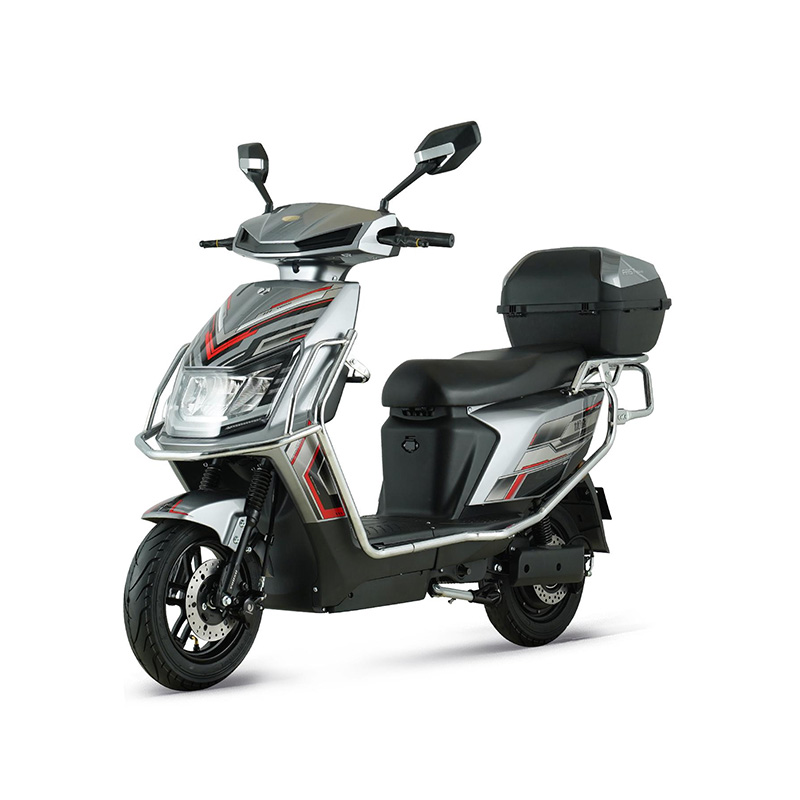
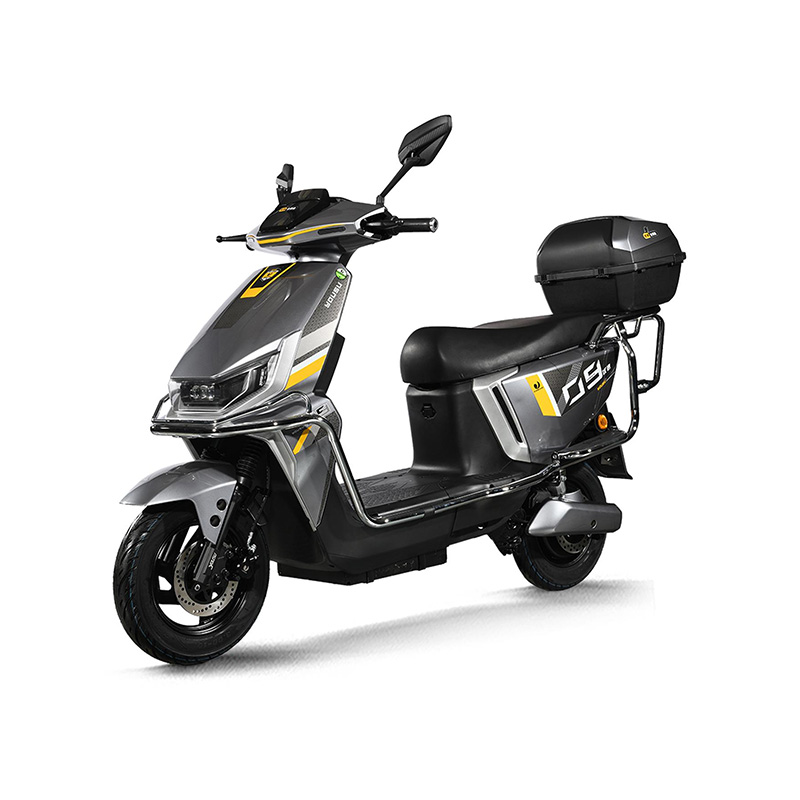
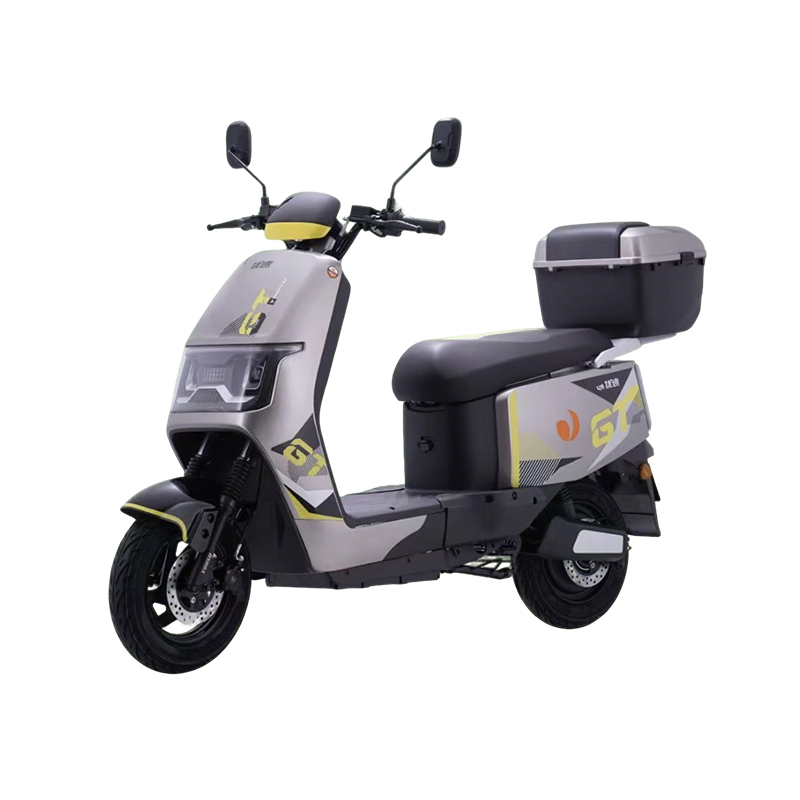

Frame Construction and Structural Integrity
The foundation of the CoolRun Model Electric Scooter’s stability lies in its frame engineering, which directly determines how well the scooter handles mechanical stress during high-speed rides or sharp directional changes. The frame must be manufactured from high-strength materials such as aircraft-grade aluminum alloy or reinforced steel to achieve the necessary balance between lightweight design and durability. The geometry of the chassis, including the alignment of the steering column, deck width, and wheelbase length, significantly impacts balance and handling. A longer wheelbase provides improved directional stability and smoother weight distribution, reducing the likelihood of wobbling when traveling at higher speeds. The rigidity of the frame helps in minimizing torsional flex — when the structure twists slightly under load — which can cause instability during rapid turns. A well-engineered frame design also accounts for fatigue resistance, ensuring that long-term use or repeated stress does not degrade the scooter’s ability to maintain a consistent, predictable response during sharp maneuvers.
Suspension and Shock Absorption System
The suspension system of the CoolRun Model Electric Scooter is another critical factor influencing high-speed stability and steering precision. Advanced suspension designs, such as dual hydraulic shock absorbers or spring-damper systems, absorb the energy from surface irregularities like potholes, speed bumps, or gravel, thereby minimizing the transfer of vibrations to the rider and handlebar. This consistent ground contact enhances traction and prevents wheel lift during tight turns. The damping coefficient — the rate at which the suspension system dissipates energy — must be carefully calibrated to prevent rebound oscillations, which can occur when the scooter “bounces” after hitting a bump. In high-performance models, adjustable suspension allows riders to fine-tune compression and rebound rates based on road conditions or personal comfort preferences. A well-optimized suspension maintains constant tire contact with the road surface, ensuring that steering inputs are translated into precise movement without the interference of unwanted oscillations or instability.
Wheel Design, Tire Composition, and Traction
The design of the wheels and the composition of the tires are central to how the CoolRun Model Electric Scooter maintains grip and directional control at speed. Larger wheels, typically in the range of 10 to 12 inches, improve gyroscopic stability — the inherent resistance to changes in direction — while smaller wheels enhance agility but can compromise high-speed balance. The tires should be made from high-traction rubber compounds with well-defined tread patterns that efficiently disperse water and debris, preventing hydroplaning or slippage. Air-filled (pneumatic) tires provide superior cushioning and shock absorption compared to solid ones, which enhances comfort and control on uneven surfaces. Proper tire inflation is equally crucial; under-inflation increases rolling resistance and steering sluggishness, while over-inflation reduces contact area, compromising grip. By balancing tire composition, tread geometry, and inflation pressure, the CoolRun scooter achieves optimal traction, ensuring stable, responsive handling during cornering or fast directional transitions.
Center of Gravity and Weight Distribution
The scooter’s center of gravity plays a decisive role in determining its dynamic balance and cornering behavior. The CoolRun Model Electric Scooter is designed to have a low and centrally aligned center of gravity, which reduces the moment arm of lateral forces that occur during turns. This configuration allows the scooter to lean naturally into corners without tipping or skidding. Battery placement is critical — positioning it under the deck lowers the center of mass, improving straight-line stability and minimizing pitch movement during acceleration and braking. Even small changes in load distribution, such as a rider shifting their stance or carrying additional items, can influence stability, which is why the scooter’s deck and handlebar ergonomics must promote a balanced posture. The interplay between weight distribution and traction ensures that both wheels maintain consistent contact pressure with the ground, allowing for smooth, predictable handling and reducing the risk of oversteering or understeering during sharp directional changes.
Steering Geometry and Handlebar Responsiveness
The steering system’s geometry defines how the CoolRun Model Electric Scooter responds to rider input. Factors such as the rake angle (the tilt of the steering column relative to vertical), trail distance (the horizontal offset between the steering axis and tire contact point), and handlebar width influence steering effort and stability. The moderate rake angle promotes a natural self-centering effect, which stabilizes steering at higher speeds by counteracting excessive turns. The handlebar should offer an ergonomic width that provides sufficient leverage for precise control without demanding excessive rider effort. Advanced steering systems may incorporate bearings or damping components that eliminate wobble, allowing for smoother, more predictable steering transitions. The tight tolerances in the handlebar joints and folding mechanisms are also crucial; any play or looseness can amplify vibrations and reduce steering accuracy. As a result, the CoolRun scooter’s precision handling depends on both mechanical accuracy and the tactile feedback transmitted to the rider through the steering assembly.
 Previous