


 English
 Español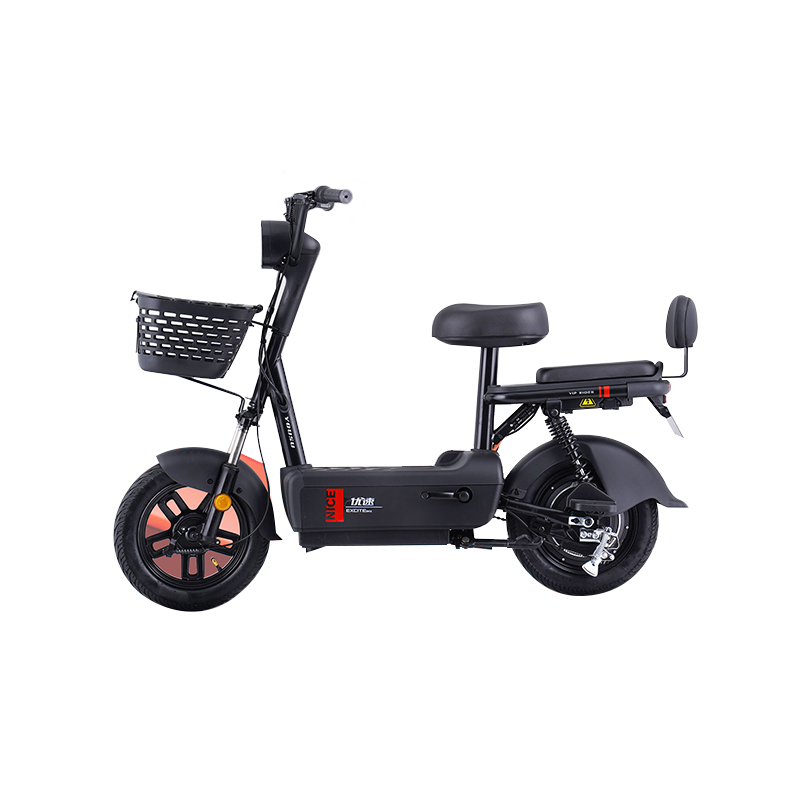
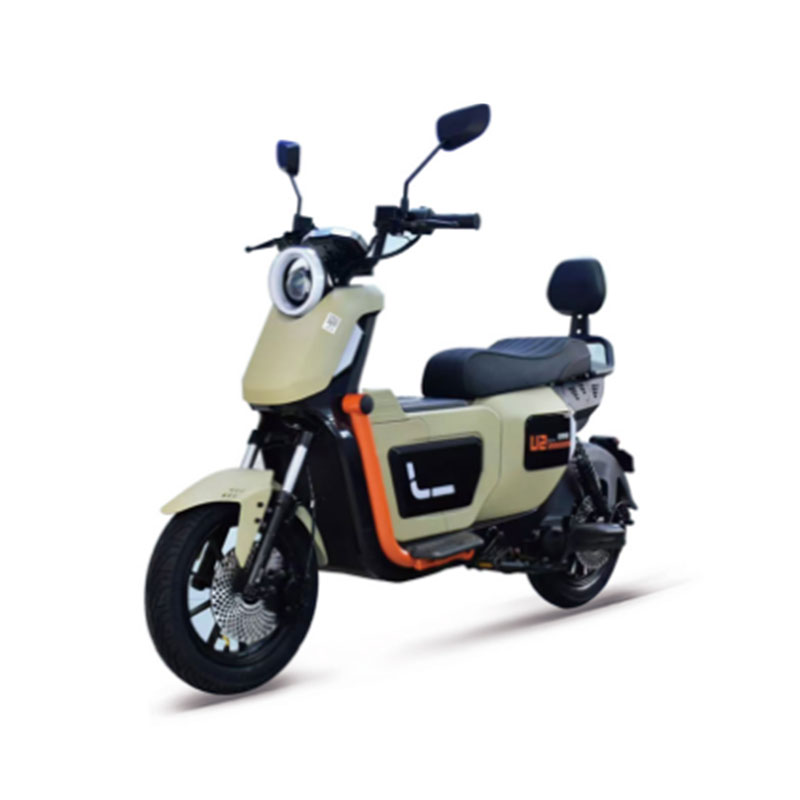
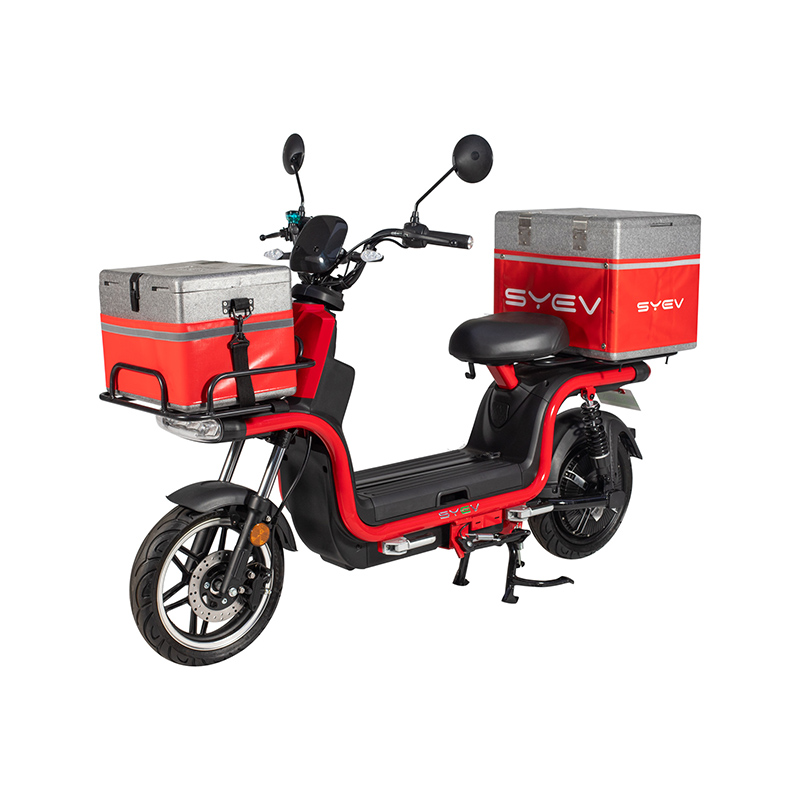
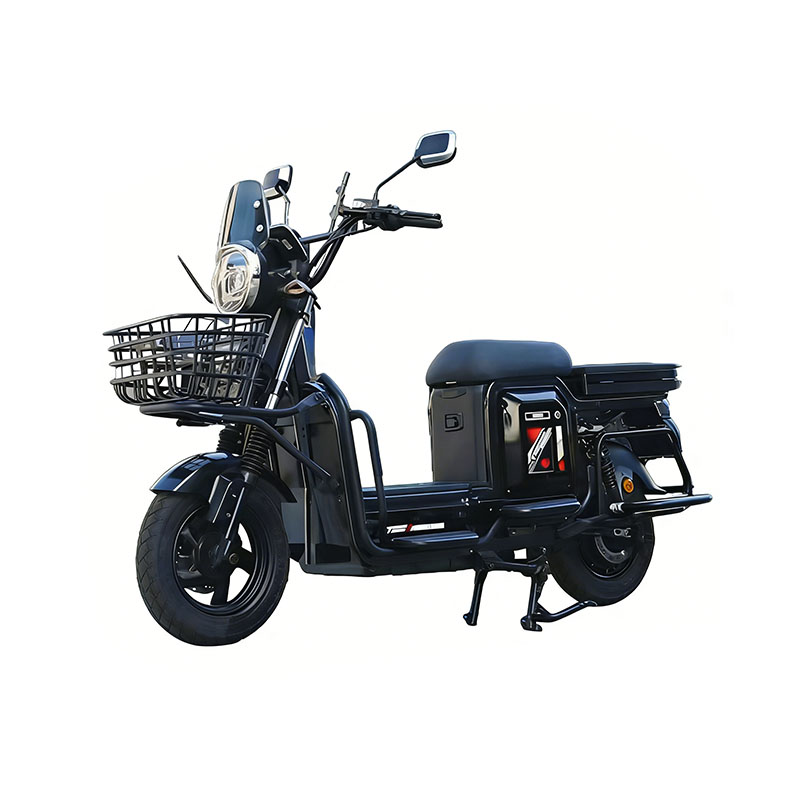
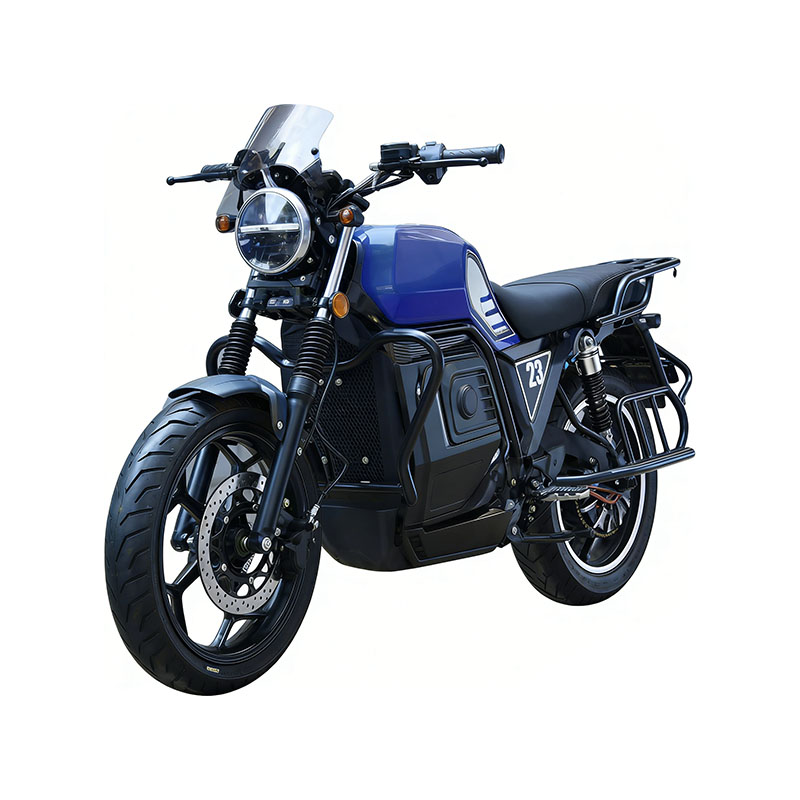
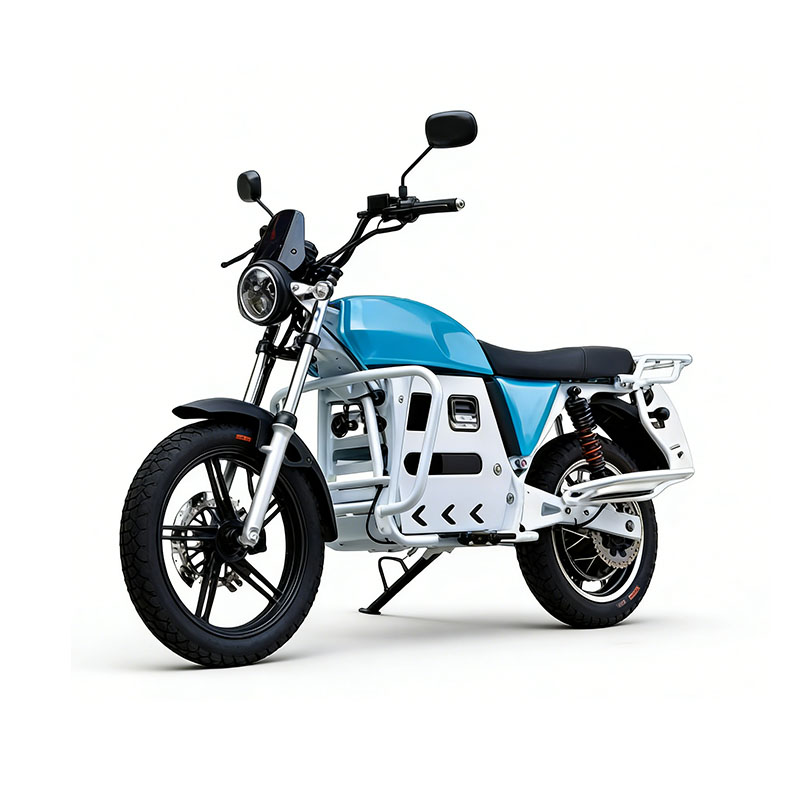
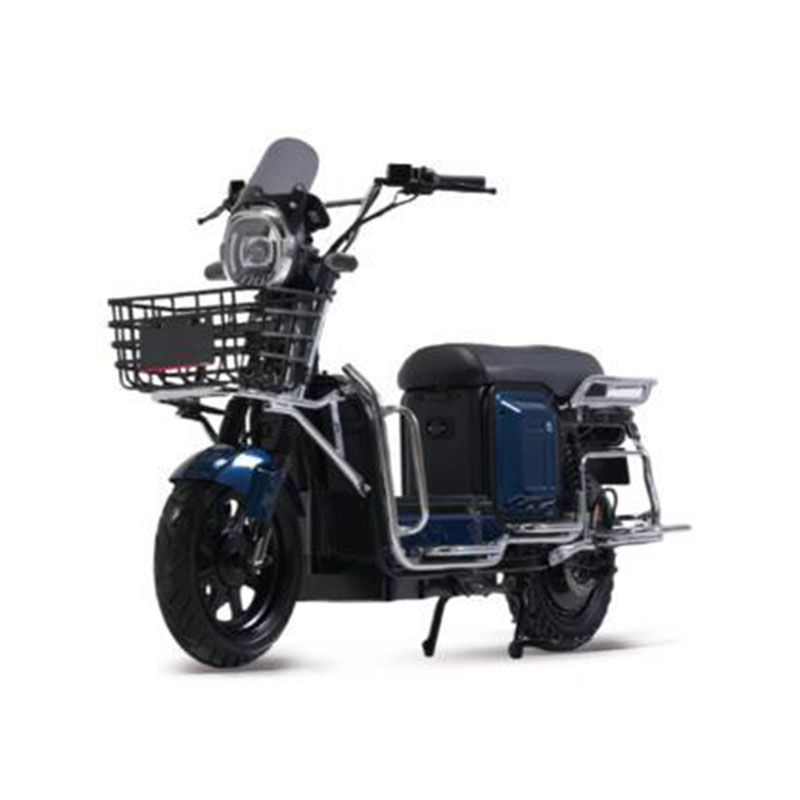
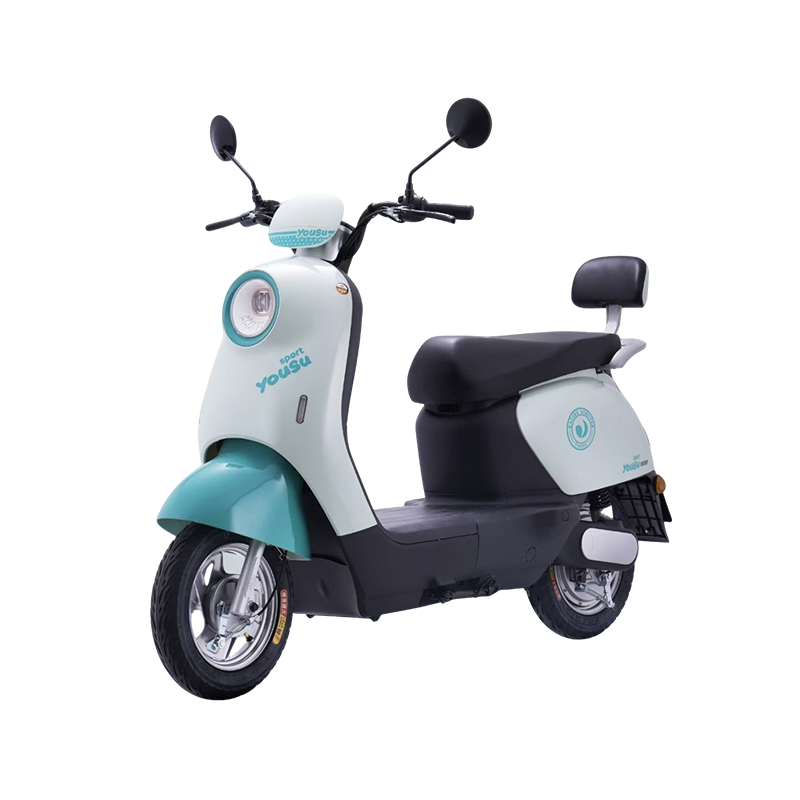
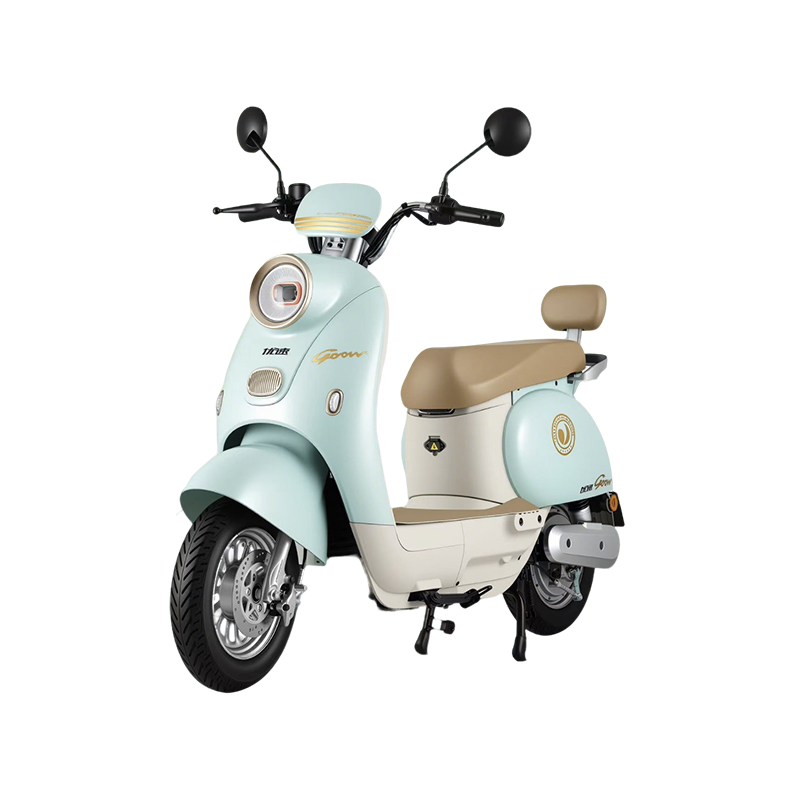
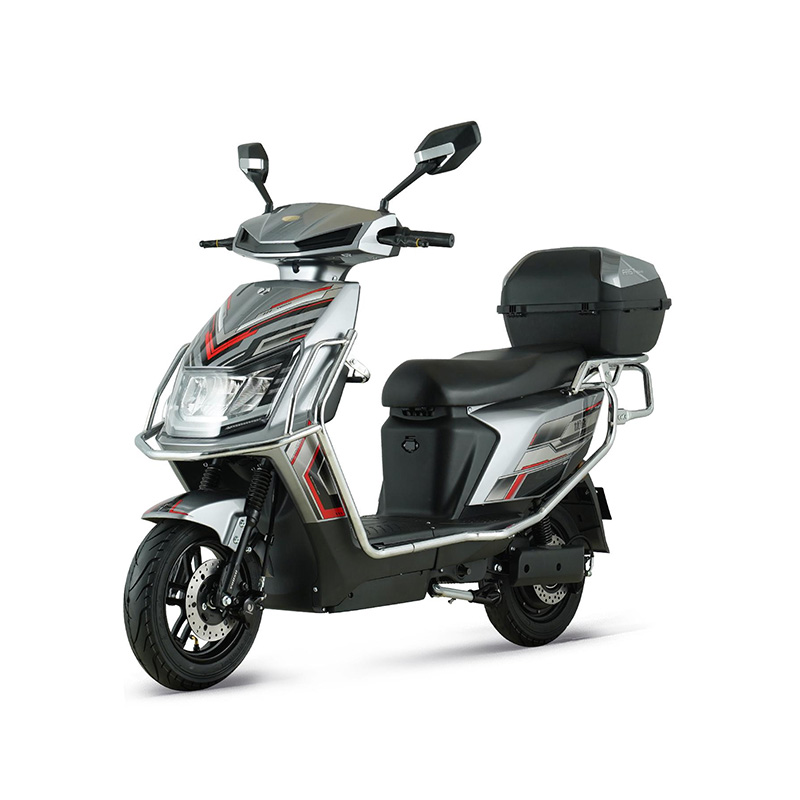
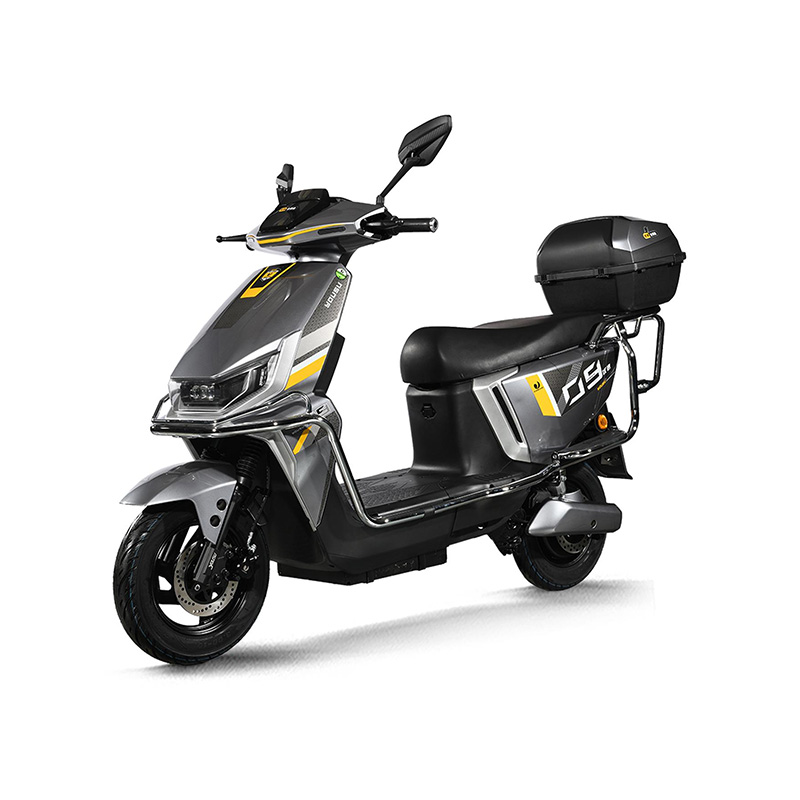
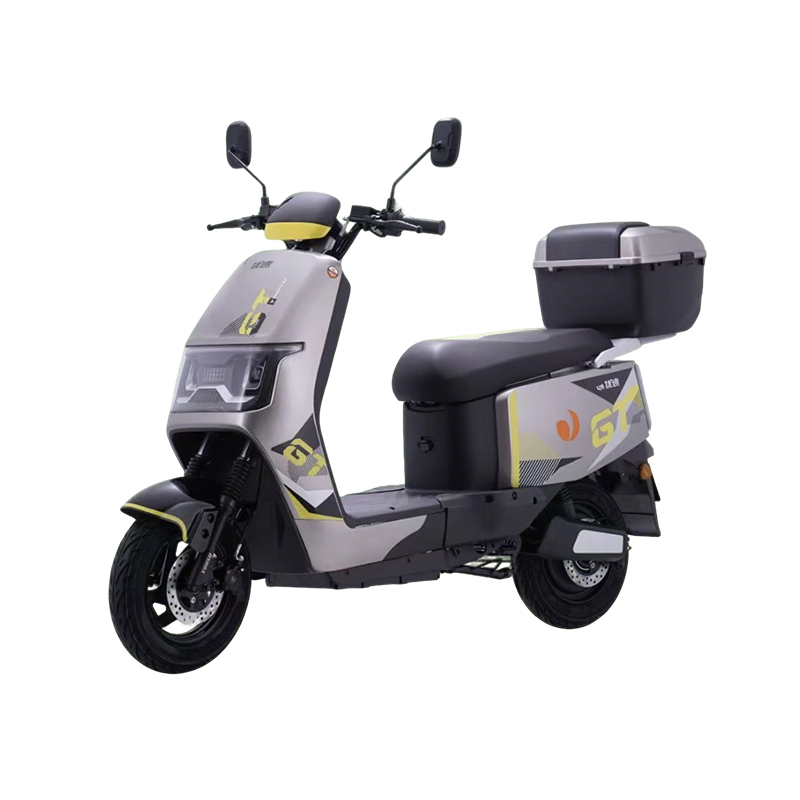

Suspension System
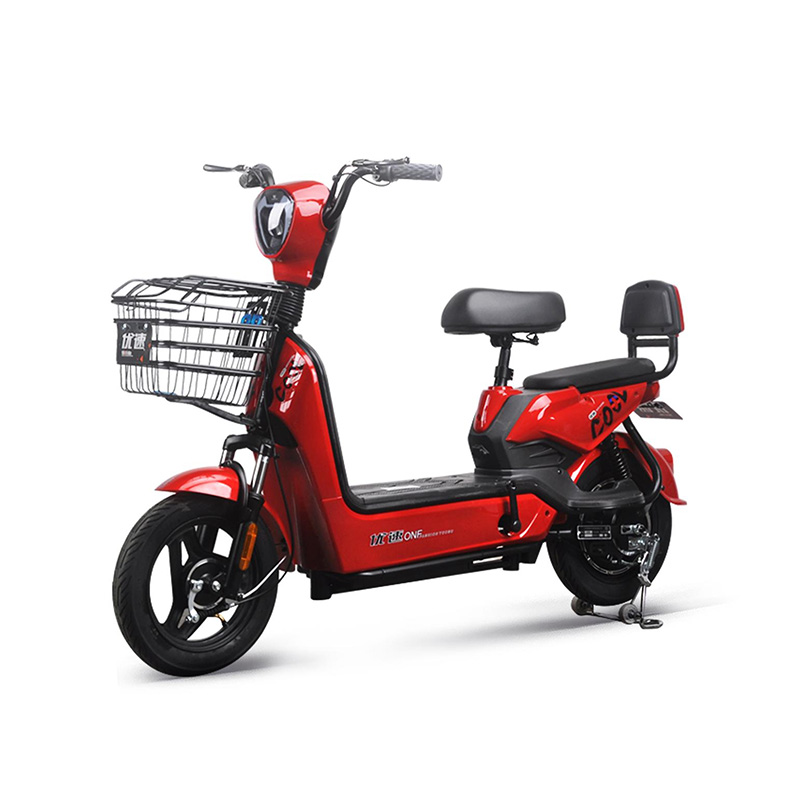
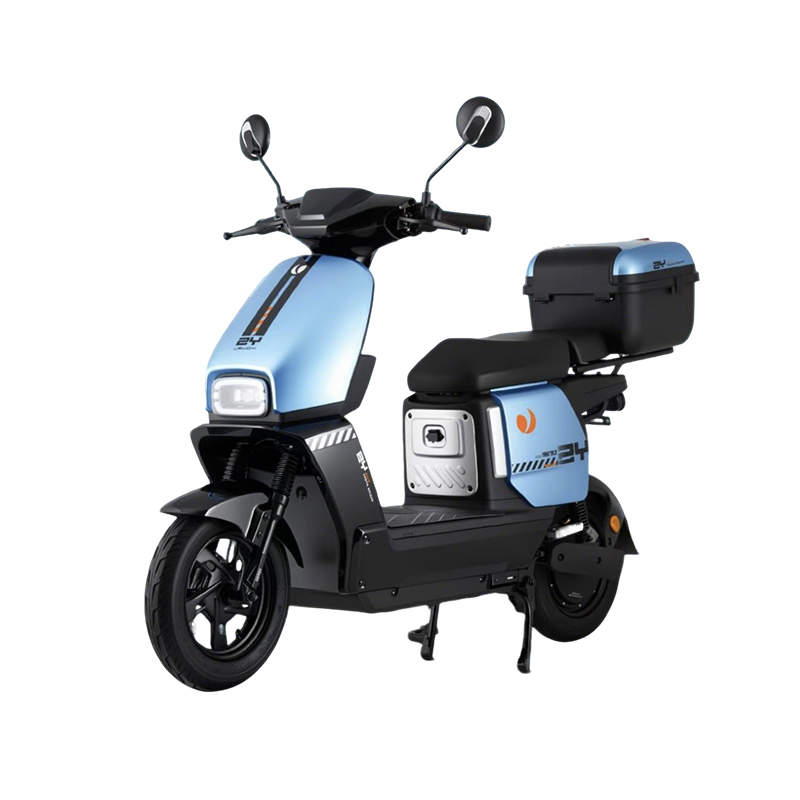
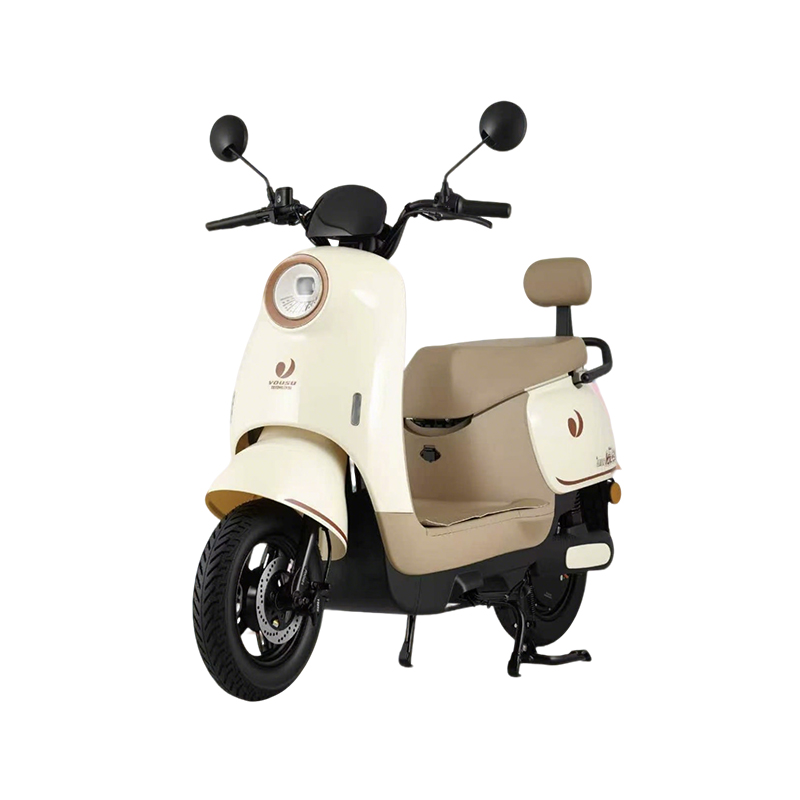
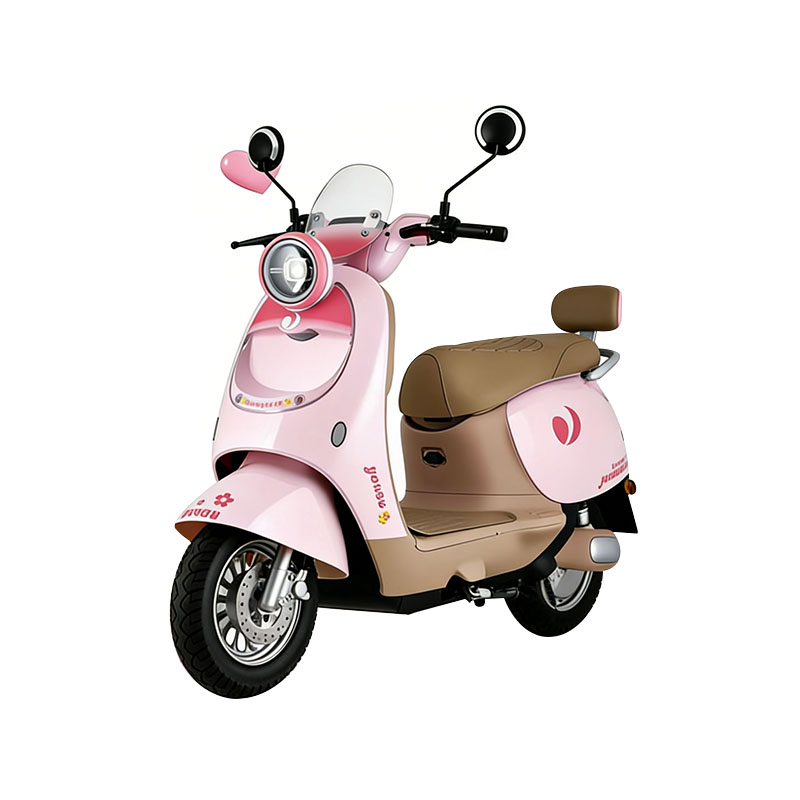
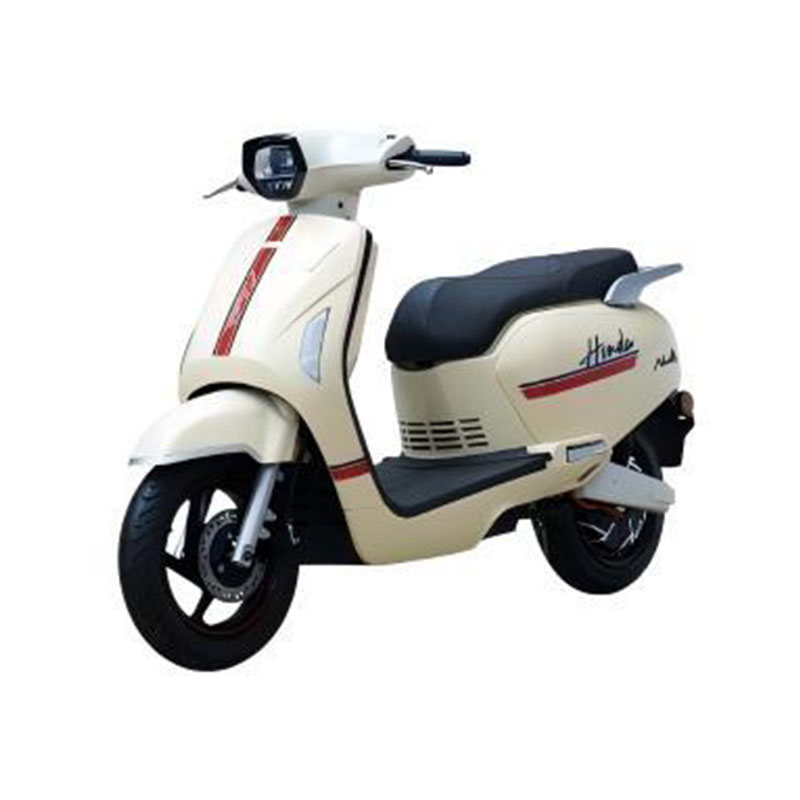
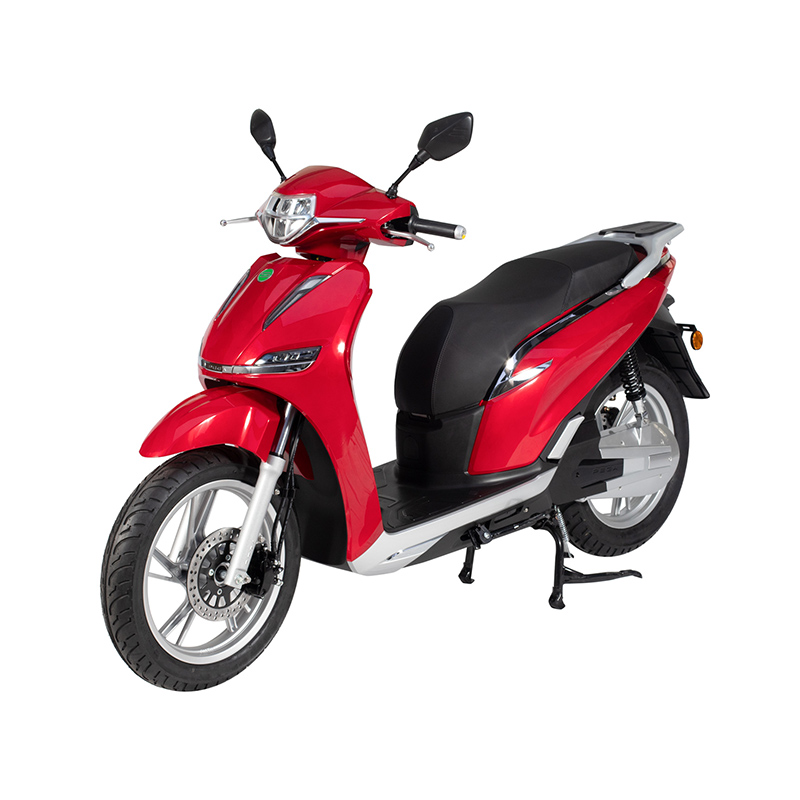
The suspension system of the Turtle Model Electric Scooter plays a pivotal role in ensuring stability and ride comfort, especially when traveling at higher speeds or negotiating sharp turns. The scooter is likely equipped with a dual suspension system consisting of front and rear shock absorbers. This system absorbs shocks and impacts from road irregularities like potholes, bumps, or cracks, which are more noticeable at higher speeds. The shock absorbers provide cushioning, reducing the risk of jolts or sudden disruptions in balance. By smoothing out the ride, the Turtle Model Electric Scooter offers a more stable experience, especially when cornering or navigating rough terrain. The rear suspension generally supports the rider’s weight and reduces the impact on the back wheel, helping the scooter remain grounded and balanced. The front suspension improves the stability during braking or quick directional changes, keeping the handlebars steady and responsive. In high-speed riding scenarios, the suspension allows the scooter to maintain consistent control and balance, reducing the likelihood of wobbling or instability that is common in other vehicles lacking this feature.
Tire Quality and Size
Tire quality, size, and type significantly impact an electric scooter's stability, particularly during high-speed runs or tight turns. The Turtle Model Electric Scooter is most likely equipped with larger, air-filled tires (typically ranging from 8.5 inches to 10 inches in diameter) or solid rubber tires that offer improved shock absorption and traction. Larger tires with a broader contact patch provide better grip on the road, which is essential for maintaining stability at high speeds. In sharp turns, these tires help the scooter resist slipping and skidding, ensuring that the rider maintains control and the scooter remains balanced. The tread pattern on the tires is designed to enhance grip on various surfaces, including wet roads or uneven pavement. This is especially crucial for the Turtle Model Electric Scooter, which, depending on its design, might be used in urban or suburban areas where conditions can change rapidly. By providing superior traction, the scooter minimizes lateral slippage, which could otherwise affect stability during high-speed cornering or fast turns.
Frame Design and Build Quality
The frame design of the Turtle Model Electric Scooter is engineered to enhance overall ride stability, ensuring that the scooter remains solid and balanced, even during sharp maneuvers. Typically, electric scooters are made of aluminum alloys or reinforced steel, both of which provide the strength needed to support the rider's weight while maintaining a lightweight structure. A low center of gravity is an essential design feature that helps keep the scooter balanced. By positioning the battery, motor, and frame components closer to the ground, the scooter reduces the chances of tipping over, particularly when making tight turns or riding at high speeds. The frame also ensures that the rider remains in an optimal position to maintain stability, contributing to a more secure riding experience. The ergonomic handlebars and steering column are designed to offer a comfortable grip and precise control over the scooter's direction, giving the rider more confidence when navigating high-speed sections or sharp corners.
Speed and Control
The Turtle Model Electric Scooter is likely equipped with advanced speed control systems that ensure a smooth transition in speed changes, critical for maintaining stability at higher speeds or during sharp turns. At higher speeds, the scooter should provide a gradual throttle response, ensuring the rider has full control over acceleration and deceleration. This feature helps avoid sudden surges of power that could cause unwanted swerving or loss of control. The braking system is equally important for stability during rapid deceleration or sharp turns. Whether the Turtle Model Electric Scooter uses disc brakes, regenerative braking, or drum brakes, the braking force is designed to be smooth and gradual to prevent the wheels from locking up or skidding. In combination with the suspension system, the braking system offers reliable stopping power, maintaining control and stability in all riding conditions, including high-speed turns.
Steering Geometry and Handlebars
The steering geometry of the Turtle Model Electric Scooter is engineered to offer precise and responsive control, particularly during high-speed or sharp turning maneuvers. The handlebars are ergonomically designed to ensure a firm grip while minimizing the risk of hand fatigue during long rides. Responsive steering is achieved through a combination of the front fork design and handlebar alignment, which allows the rider to make quick and accurate directional changes. In high-speed scenarios, the scooter’s steering system should maintain consistent control, preventing wobbling or oversteering that could lead to instability. The turning radius of the Turtle Model Electric Scooter is also optimized to allow for sharper turns without compromising the rider’s safety. This results in greater maneuverability and control, especially when navigating urban environments with tight corners or narrow pathways.
 Previous