


 English
 Español
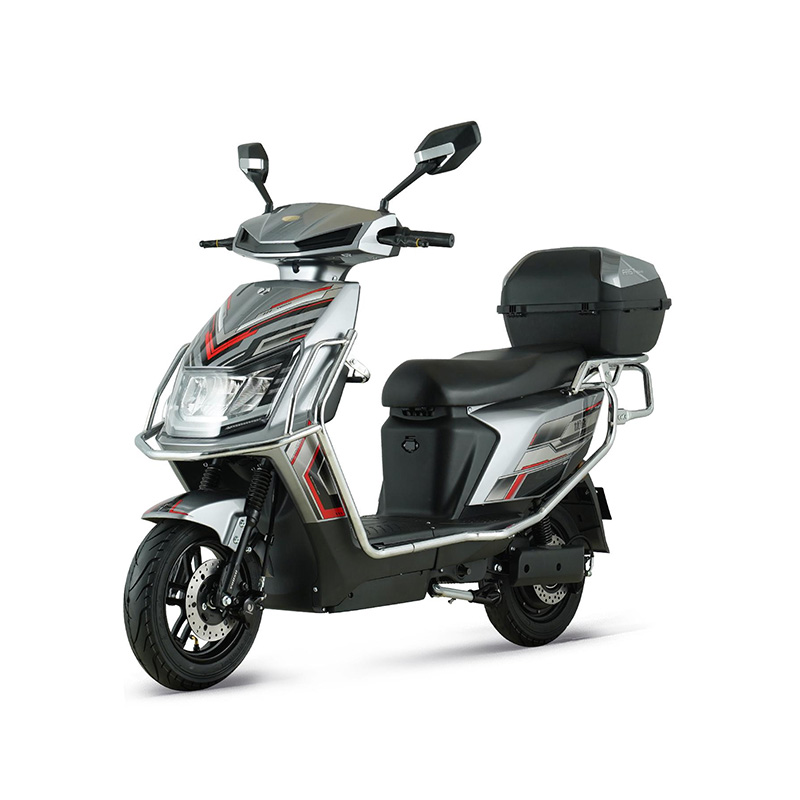
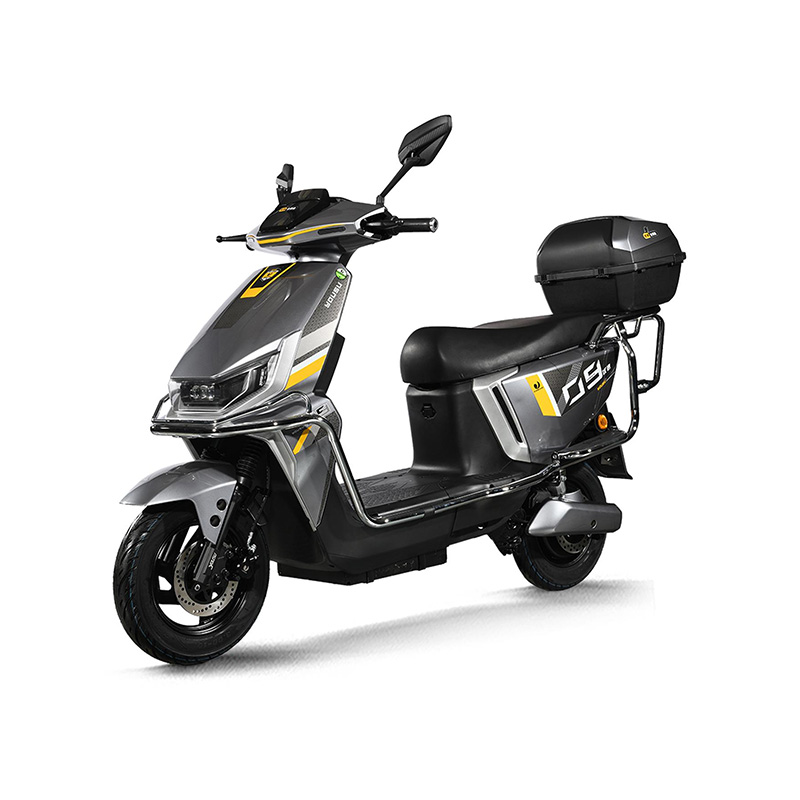
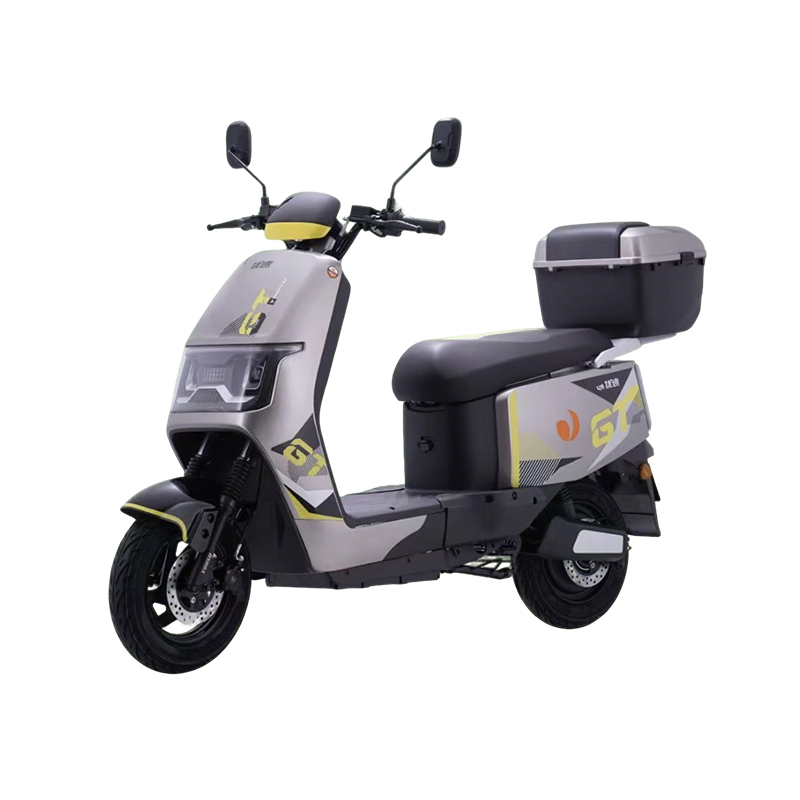

Is the Deck of the CoolRun Model Electric Scooter Comfortable for Long Commutes?
The deck design of the CoolRun Model Electric Scooter is generally stable and comfortable for longer commuting trips, particularly when used for typical urban rides ranging from 3 to 15 miles. A well-designed deck provides sufficient standing space, balanced weight distribution, and strong structural rigidity, all of which reduce rider fatigue and increase control. For commuters who ride daily, the deck plays a crucial role because it directly affects posture, stability, and long-term riding comfort.
In most practical riding scenarios, a commuter may spend anywhere from 10 to 40 minutes continuously standing on the scooter. If the deck is too narrow, slippery, or poorly balanced, the rider may experience discomfort in the feet, legs, or back. Fortunately, scooters designed for commuting—such as the CoolRun Model Electric Scooter—typically include a reinforced aluminum deck, anti-slip surface materials, and optimized dimensions to ensure a stable ride even on uneven city roads.
The following sections analyze the deck stability and comfort of the CoolRun Model Electric Scooter from several practical perspectives including deck size, materials, grip, riding posture, vibration absorption, and real-world commuting performance.
Deck Size and Standing Space
One of the most important factors affecting comfort is the available standing space on the deck. Riders need enough room to position both feet comfortably and occasionally adjust stance during longer rides. Many commuting scooters use decks measuring between 45 cm and 55 cm in length and 15 cm to 18 cm in width, which allows riders to adopt either a parallel stance or a staggered stance.
A deck that is too small forces riders to keep their feet very close together, which can cause instability and fatigue. On the other hand, a wider deck improves comfort but may increase overall scooter weight. The CoolRun Model Electric Scooter strikes a balance by offering sufficient platform space without compromising portability.
| Deck Length | Deck Width | Comfort Level |
|---|---|---|
| Under 40 cm | Under 14 cm | Low comfort for long rides |
| 45–50 cm | 15–16 cm | Moderate commuter comfort |
| 50–55 cm | 17–18 cm | High comfort for long commuting |
For commuters traveling longer distances, a deck length above 50 cm significantly improves the ability to shift body weight and maintain a natural riding posture.
Deck Material and Structural Stability
The material used in the deck affects both durability and ride stability. Most modern electric scooters use aerospace-grade aluminum alloy because it provides an excellent balance between strength and weight. A well-built aluminum deck can support riders weighing up to 100–120 kg (220–265 lbs) without bending or flexing.
Structural rigidity is particularly important when riding at higher speeds or over uneven surfaces. If the deck flexes too much, the rider may feel unstable. A reinforced deck frame with internal support ribs significantly improves stiffness and stability.
- Aluminum alloy construction improves durability
- Internal reinforcement increases deck rigidity
- Low flex improves rider balance at higher speeds
- Stronger decks support heavier riders
For everyday commuting, this type of construction ensures that the CoolRun Model Electric Scooter remains stable even during sudden braking, acceleration, or cornering.
Anti-Slip Surface and Rider Safety
A comfortable deck must also provide secure foot traction. Electric scooters often use textured rubber mats or sandpaper-style grip surfaces to prevent slipping, especially when riding in wet conditions.
High-quality anti-slip surfaces reduce the risk of foot movement during acceleration or braking. This is particularly important for longer commutes where even minor foot instability can cause fatigue or safety concerns.
For example, when riding at speeds between 20–25 km/h, a stable grip surface ensures that the rider’s feet remain securely positioned. Without proper traction, riders may subconsciously tighten their leg muscles to maintain balance, which leads to quicker fatigue during extended trips.
Riding Posture and Long-Distance Comfort
The deck design directly influences the rider’s posture. A properly proportioned deck allows riders to stand with one foot slightly ahead of the other, similar to the stance used in skateboarding or surfing. This stance improves stability and reduces strain on the lower back.
For longer commuting trips, riders typically adjust their stance periodically to prevent muscle fatigue. The CoolRun Model Electric Scooter deck provides sufficient space for these adjustments, which helps maintain comfort over time.
Benefits of Proper Riding Stance
- Better balance during acceleration and braking
- Reduced pressure on knees and ankles
- Improved control when navigating city traffic
- Lower fatigue during rides longer than 20 minutes
Impact of Suspension and Tires on Deck Comfort
Although the deck itself affects comfort, the surrounding components—especially suspension and tires—play a major role in how comfortable the deck feels during a ride. Even a well-designed deck may feel harsh if the scooter lacks proper shock absorption.
Many commuting scooters use either pneumatic tires or basic suspension systems to reduce vibration. When these components work together with a solid deck design, the rider experiences significantly less road vibration.
- Pneumatic tires absorb small bumps
- Suspension reduces vibration from rough pavement
- A rigid deck distributes impact forces evenly
- Combined systems improve overall riding comfort
In real commuting environments such as city streets, bike lanes, and sidewalks, these factors work together to maintain comfort during longer trips.
Real-World Commuting Experience
For daily riders, comfort is best measured through real commuting scenarios. Typical urban commuters travel between 5 km and 12 km per trip, which usually takes around 15–35 minutes depending on traffic conditions.
In these conditions, the deck of the CoolRun Model Electric Scooter provides enough standing room, grip, and structural stability to support continuous riding without excessive foot strain. Riders often report that a stable deck significantly improves confidence when navigating crowded streets, turning corners, or riding over uneven pavement.
For commuters who prioritize balance, safety, and comfort, the deck design plays one of the most important roles in the overall riding experience. A well-designed deck ensures that riders maintain control, reduce fatigue, and enjoy smoother journeys during daily travel.
 Previous