


 English
 Español
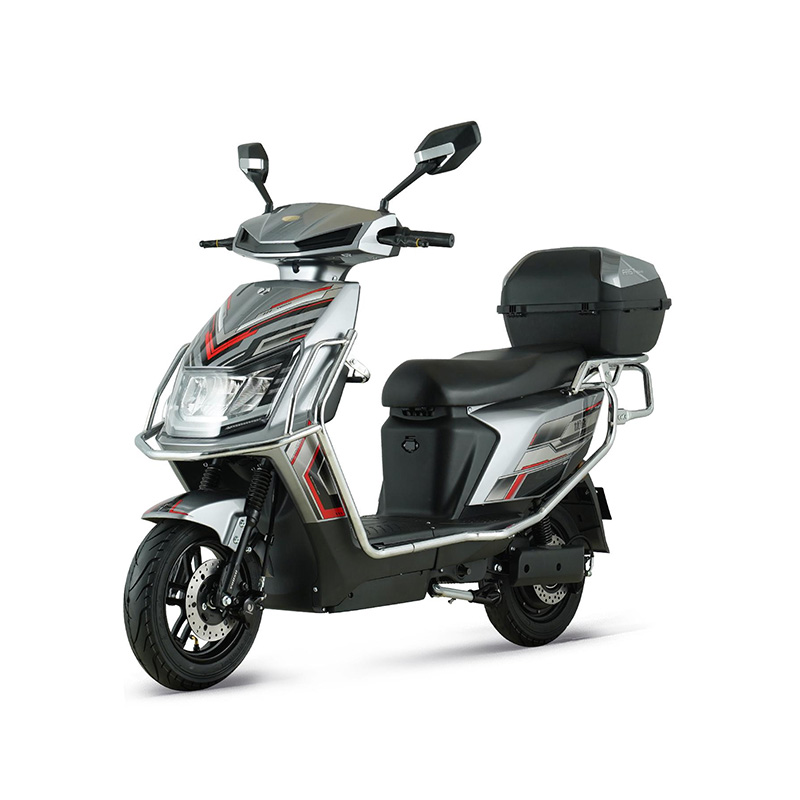
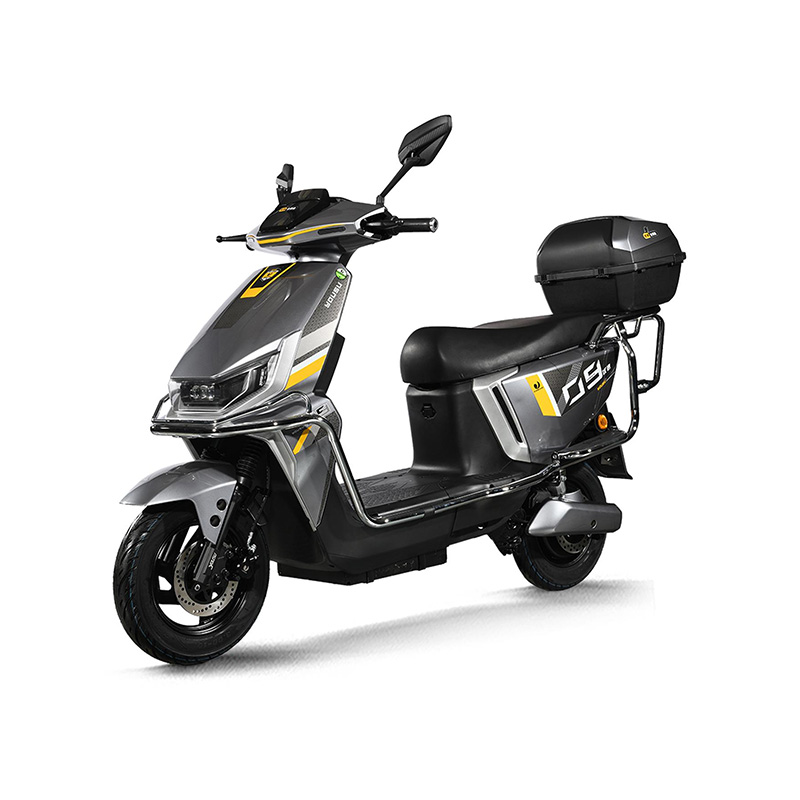
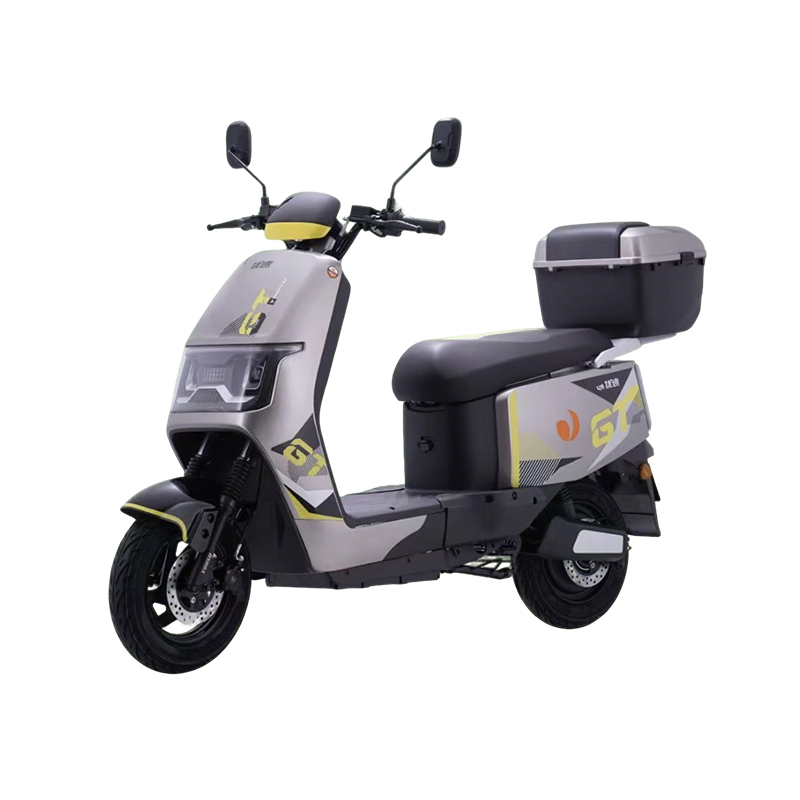

Braking Performance and Extended Stopping Distances
The 800w electric scooter experiences a significant change in braking dynamics on wet or slippery surfaces due to the reduced coefficient of friction between the tires and the road. This reduction means that under emergency braking, stopping distances are inherently longer, which can increase the risk of collisions if not accounted for. To mitigate this, high-quality scooters integrate precision-engineered braking systems, often combining mechanical disc brakes with regenerative braking. Mechanical disc brakes provide linear and consistent stopping force, while regenerative braking, modulated by the controller, converts kinetic energy into electrical energy without overwhelming the tires. Advanced scooters include systems such as anti-lock braking (ABS) to prevent wheel lock-up and maintain traction, ensuring that braking remains effective even in low-adhesion conditions. The synergy between mechanical and electronic systems allows the rider to maintain better control, reducing the likelihood of skidding or loss of directional stability. However, despite these technological measures, riders must adapt their behavior by applying brakes gradually and maintaining safe distances in wet conditions, as the scooter’s stopping distances are inevitably extended.
Traction Control and Torque Modulation
The 800w electric scooter relies heavily on its traction control system to manage wheel slip during acceleration on slippery surfaces. When the controller detects that the rear wheel is spinning faster than the front or losing contact with the road, torque output is dynamically reduced to prevent sudden acceleration that could destabilize the scooter. This modulation is especially important for an 800w motor, which provides substantial torque capable of overwhelming traction on wet roads. Traction control works in conjunction with regenerative braking, ensuring smooth deceleration and controlled power delivery. By regulating torque in real time, the scooter maintains grip, prevents fishtailing, and enhances rider confidence during low-traction conditions. Moreover, the system is calibrated to respond to variations in road texture, incline, and rider load, allowing consistent traction even in challenging urban or suburban environments. This real-time adjustment ensures that acceleration and braking forces are delivered safely, reducing the risk of accidents while maximizing energy efficiency and maintaining optimal ride stability.
Tire Design and Water Evacuation Capabilities
Tires are critical for the 800w electric scooter’s performance in wet or slippery conditions, as they are the only point of contact transmitting forces to the road. High-quality scooters feature tires with wide contact patches and deep, directional tread patterns engineered to disperse water effectively, reducing hydroplaning risk. The tread channels water away from the tire-road interface, maintaining a reliable grip during both acceleration and braking. In addition, rubber compound selection is vital: softer compounds provide better adhesion in cold and wet conditions, while durable compounds improve tire longevity under frequent urban use. Proper inflation is also essential to optimize contact area and maintain traction. Even minor deviations in tire pressure can significantly affect braking distance and cornering stability on wet surfaces. Engineers design the tire, wheel, and suspension system as an integrated package to ensure that the scooter maintains predictable handling characteristics, safe acceleration, and stable braking in low-traction environments, ensuring rider confidence during variable road conditions.
| Parameter | Specification | Impact / Notes | Design Feature |
| Motor Power | 800W DC Brushless | Provides balanced urban acceleration and hill-climb capability | High-efficiency motor for smooth torque |
| Top Speed | 25–30 km/h (adjustable by controller) | Supports safe city commuting while maintaining energy efficiency | Integrated speed limiter for safety |
| Battery & Range | 36V, 10–12 Ah Li-ion; ~30–40 km range | Determines ride distance; affected by load and riding mode | Regenerative braking extends effective range |
| Braking System | Front/rear disc brakes with regenerative braking | Ensures controlled deceleration even in wet conditions | ABS and traction control integrated |
| Tire & Traction | 8–10 inch pneumatic tires with directional tread | Maximizes grip on wet/slippery roads; reduces hydroplaning | Designed for urban stability and comfort |
Suspension System and Weight Distribution
The suspension system and weight distribution of the 800w electric scooter play a crucial role in maintaining stability in wet or slippery conditions. During braking, forward weight transfer can cause the front forks to compress excessively, potentially reducing rear-wheel traction. Conversely, uneven surfaces can lead to wheel lift or loss of contact if the suspension is too stiff or unresponsive. Modern scooters are equipped with adjustable or tuned suspension that balances compression and rebound damping, allowing the wheels to maintain optimal contact with the road surface. The low center of gravity, combined with proper deck height and rider positioning, enhances stability, especially during cornering or abrupt directional changes. Weight distribution also affects traction control and regenerative braking effectiveness: well-balanced scooters allow the electronic systems to operate within their intended parameters, ensuring that deceleration and acceleration forces are transmitted efficiently without compromising rider control. Properly engineered suspension and weight distribution enable the 800w electric scooter to deliver a controlled, predictable ride even on wet or uneven urban terrain.
Integration of Regenerative Braking and Electronic Safety Systems
Regenerative braking and electronic safety systems, including ABS and traction control, are fundamental to the 800w electric scooter’s wet-condition performance. Regenerative braking recovers kinetic energy and slows the vehicle without relying entirely on mechanical brakes, but in low-traction conditions, the controller moderates regenerative torque to prevent rear-wheel lock-up or instability. ABS monitors wheel speed and modulates hydraulic pressure to maintain traction, ensuring the scooter does not skid even under hard braking. Traction control complements this by adjusting torque delivery based on sensor feedback from wheel rotation and motor output. These systems are finely tuned to interact seamlessly, preventing conflicts and providing a smooth deceleration curve. The integration ensures that riders experience predictable braking and acceleration, improving safety during wet-weather commuting. Without these electronic controls, even minor wet-road hazards could cause significant instability or loss of control.
Rider Guidelines and Operational Best Practices
While the 800w electric scooter incorporates advanced safety features, rider behavior remains a critical factor in wet or slippery conditions. Riders should reduce speed, avoid sudden throttle application, brake gradually, and approach corners with minimal lean angles to maximize tire contact and prevent slipping. Additionally, riders should maintain proper tire inflation and inspect tire tread depth regularly to ensure sufficient grip. Awareness of road hazards such as painted markings, puddles, or metal surfaces is essential, as these surfaces are particularly slippery when wet. Rider weight and cargo load also influence braking and traction; uneven or excessive weight may reduce the effectiveness of traction control or regenerative braking. By combining rider attentiveness with the scooter’s engineered systems—including suspension tuning, electronic braking, traction control, and optimized tires—the 800w electric scooter delivers a stable, predictable, and energy-efficient ride even under adverse weather conditions. Proper education and cautious operation maximize the benefits of the scooter’s wet-weather design features.
 Previous