


 English
 Español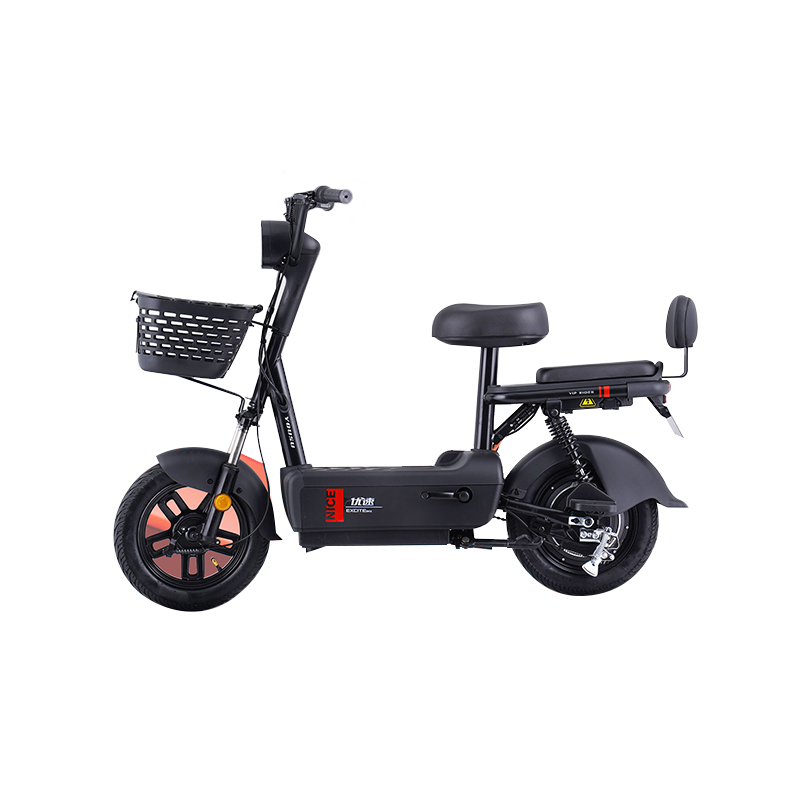
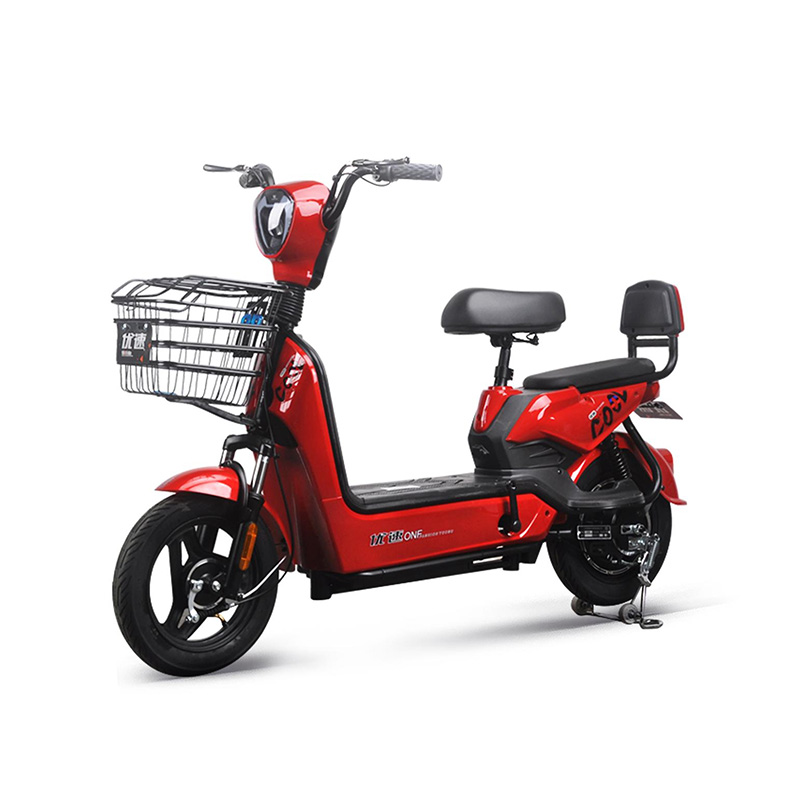
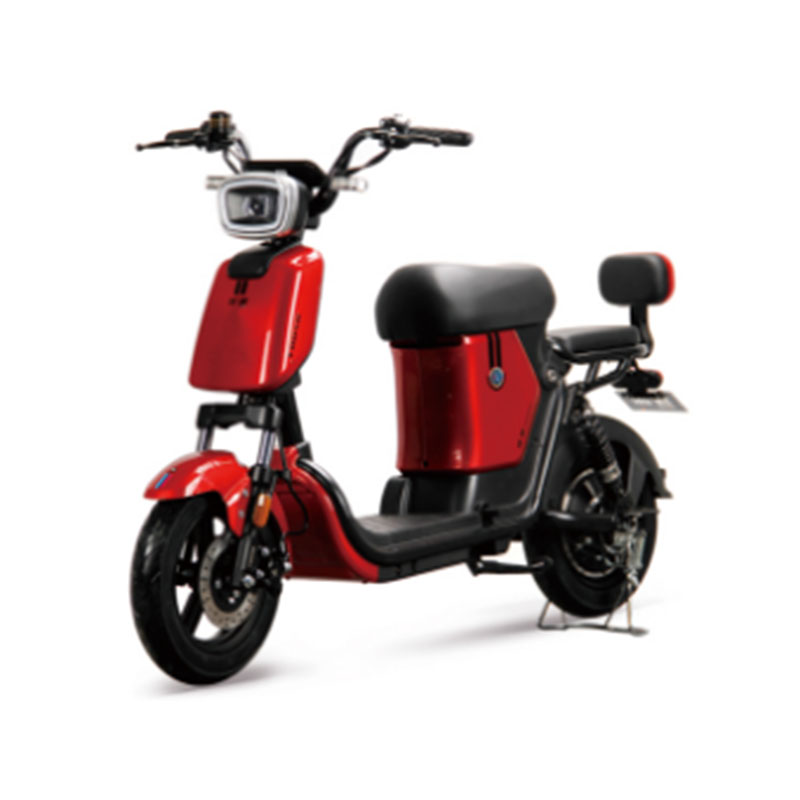
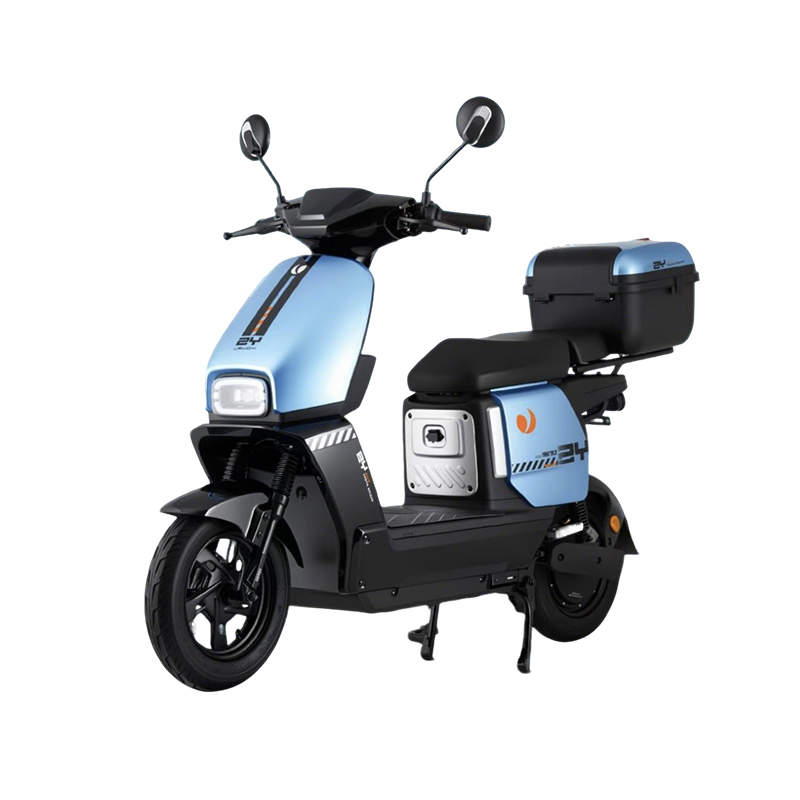
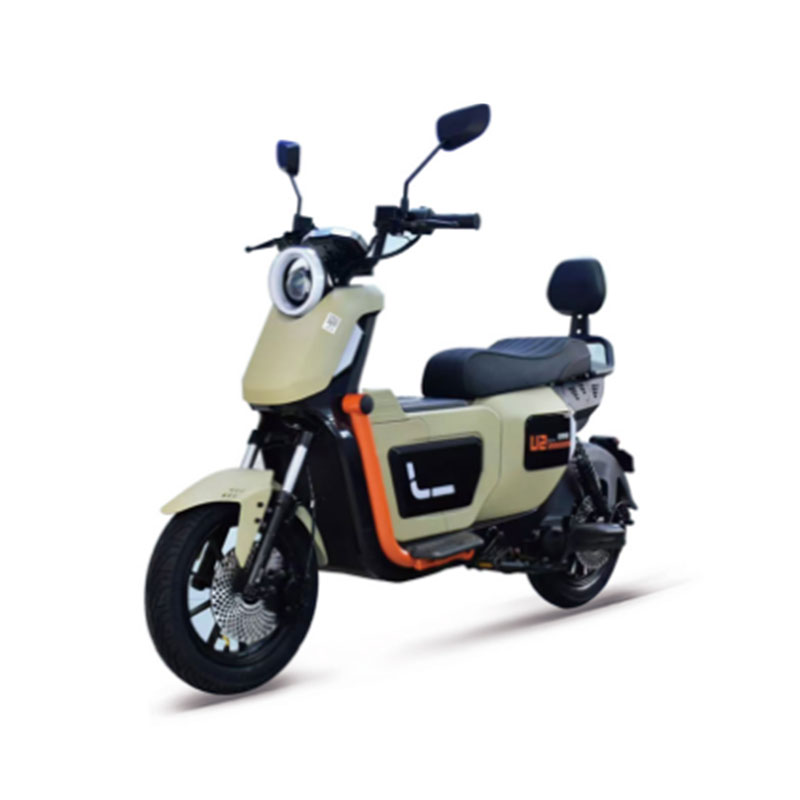
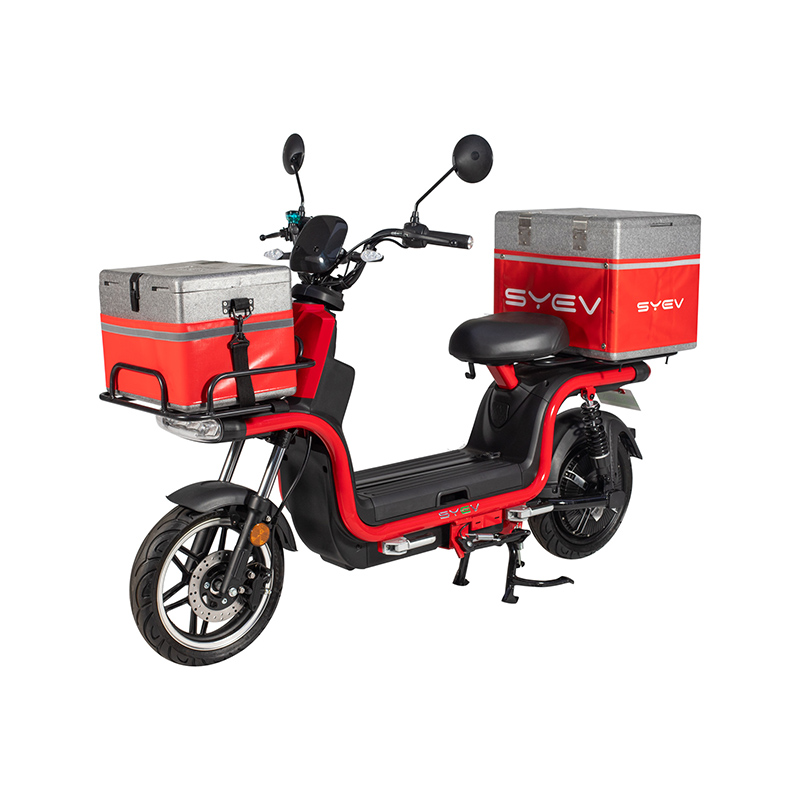
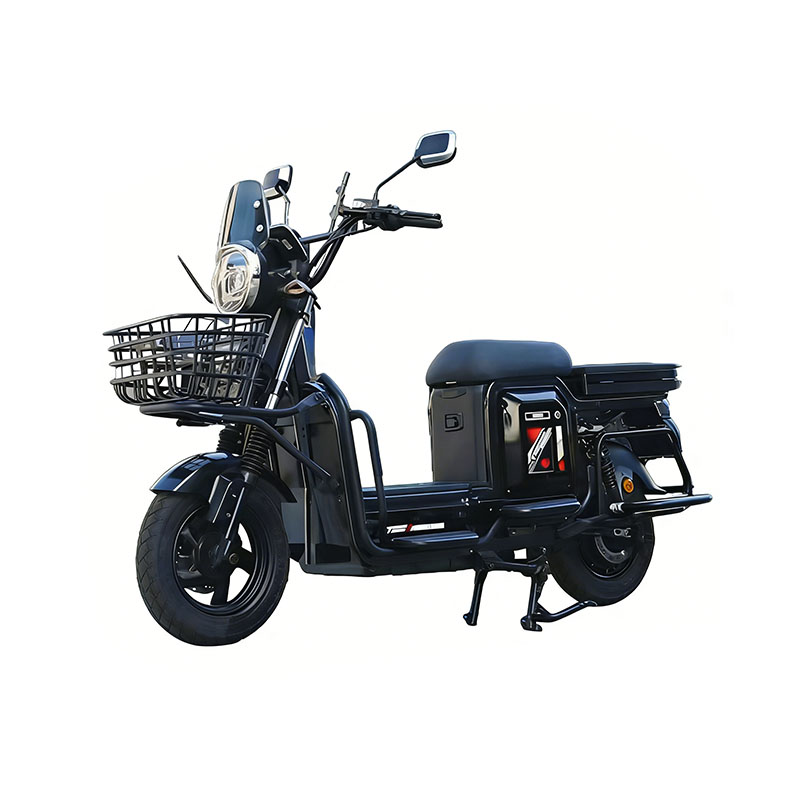
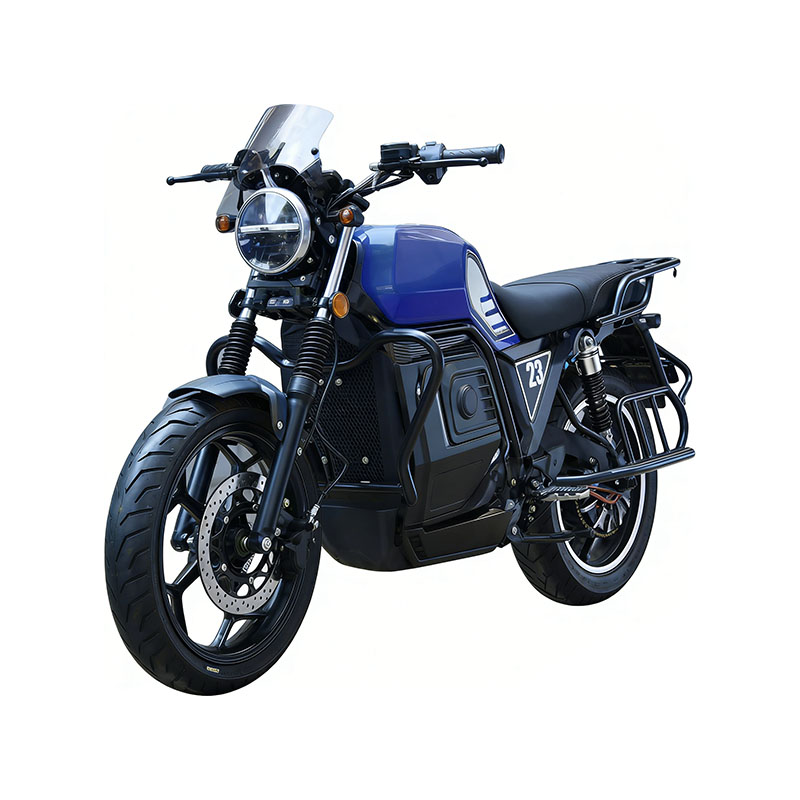
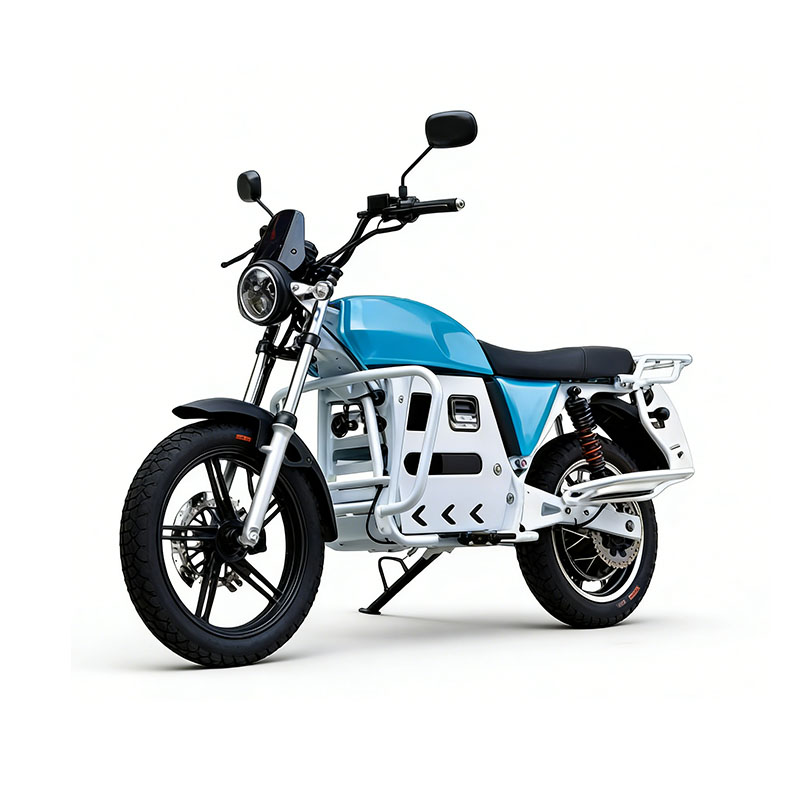
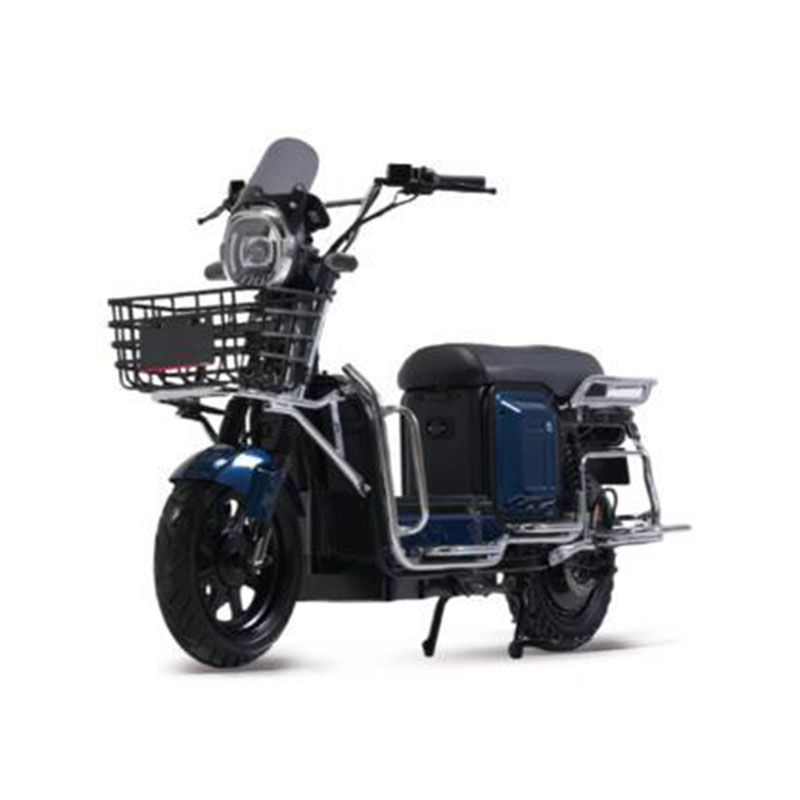
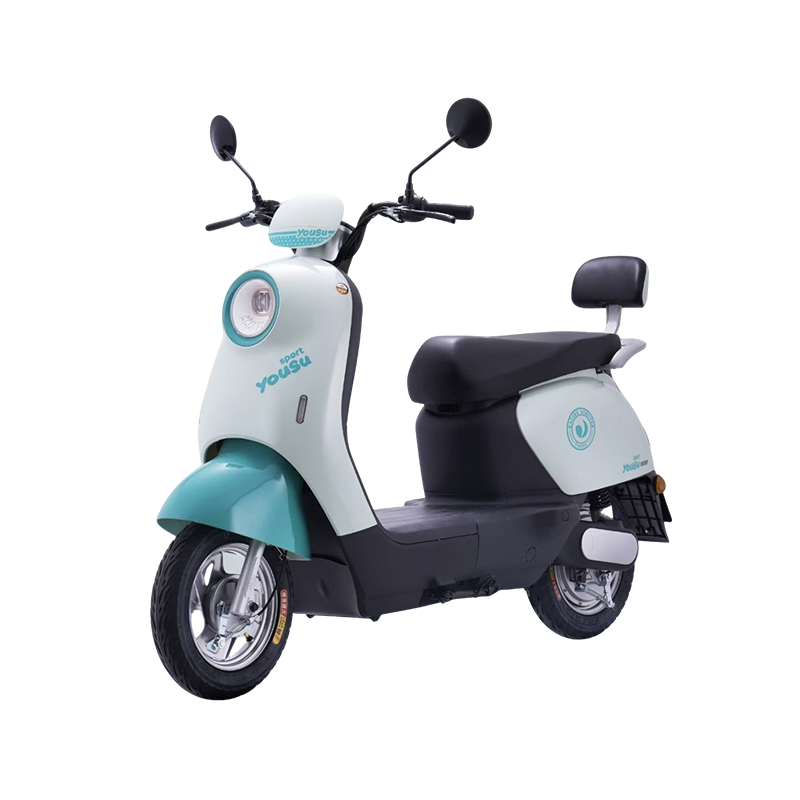
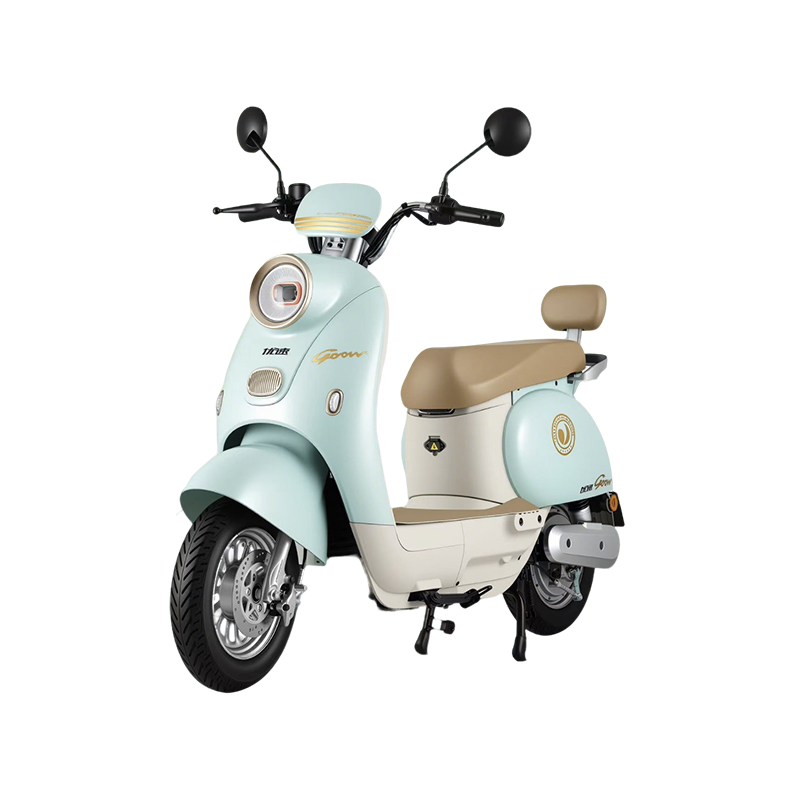
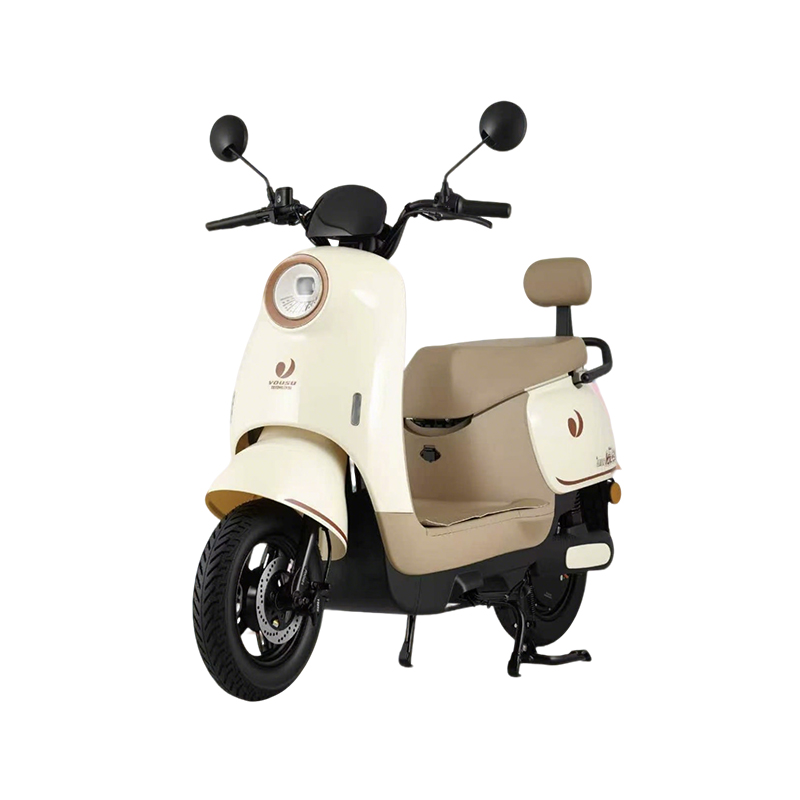
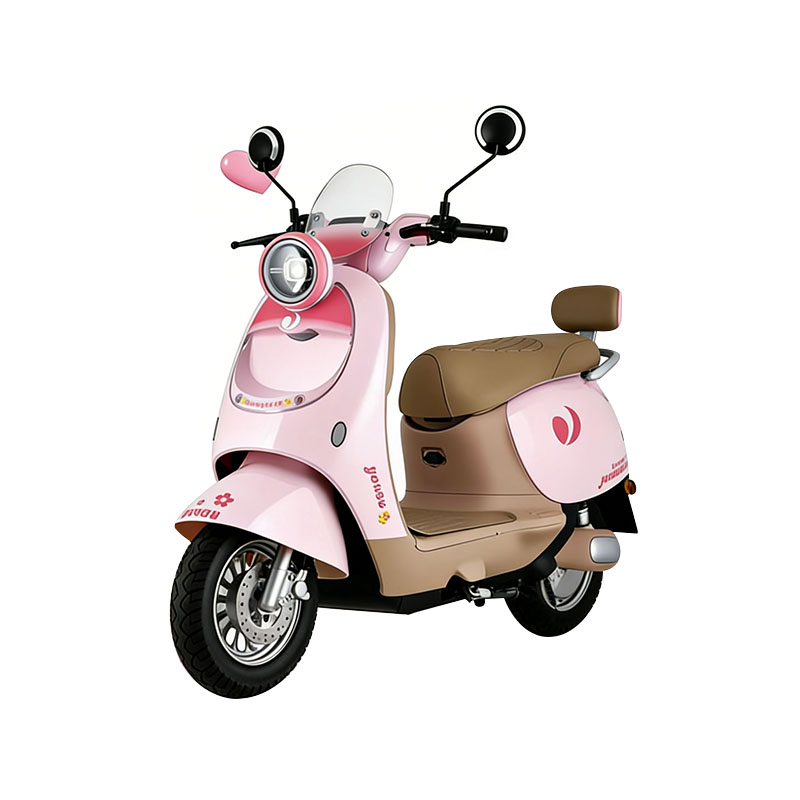
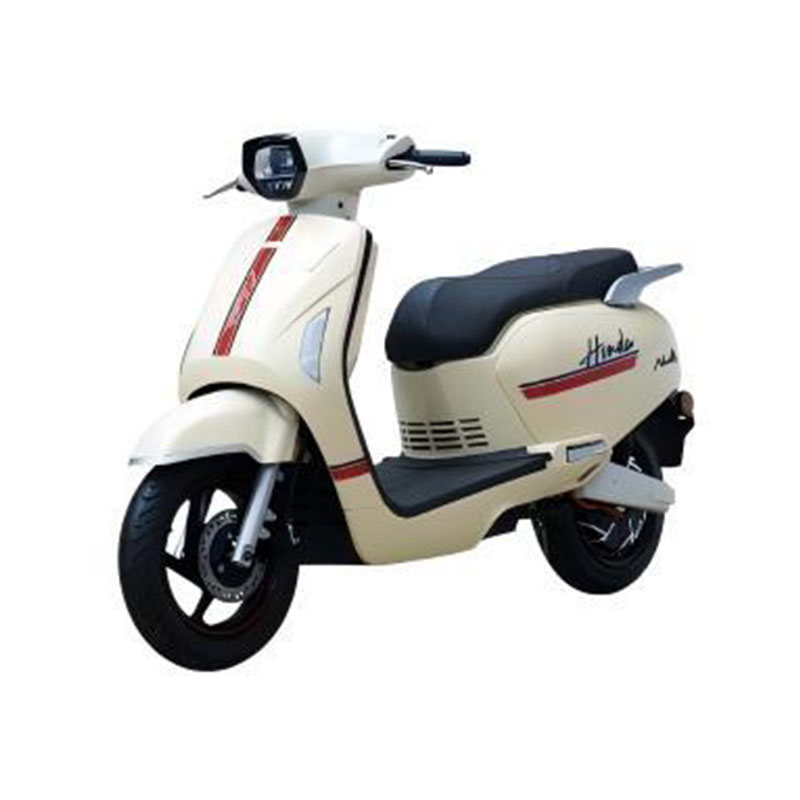
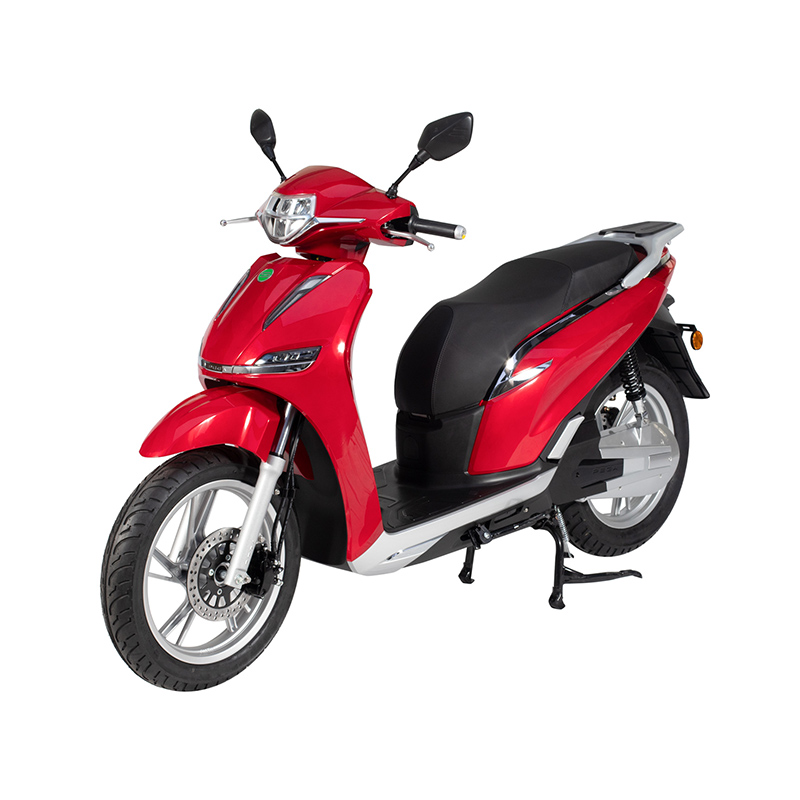
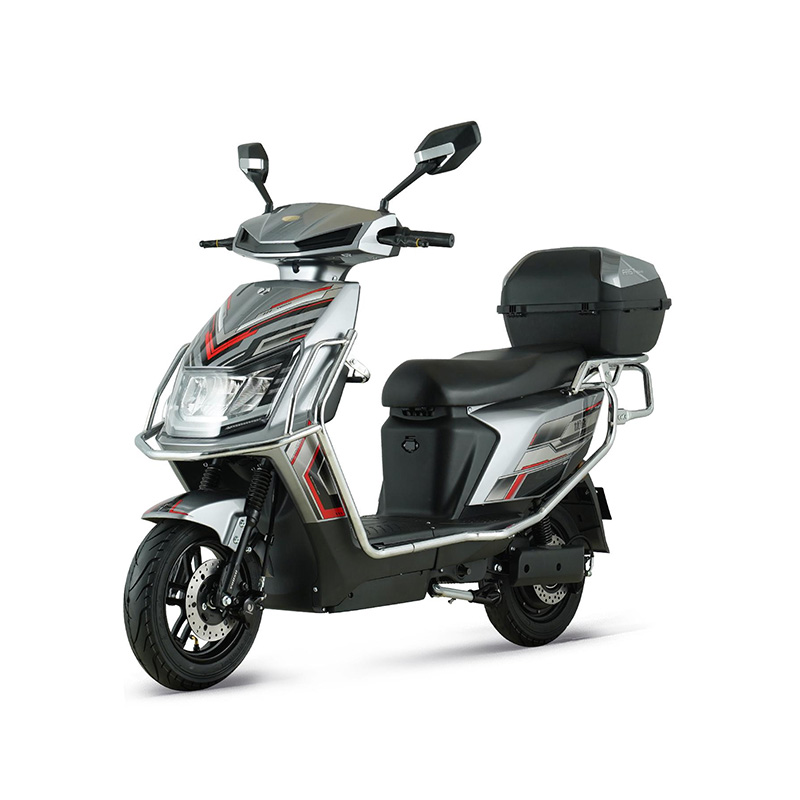
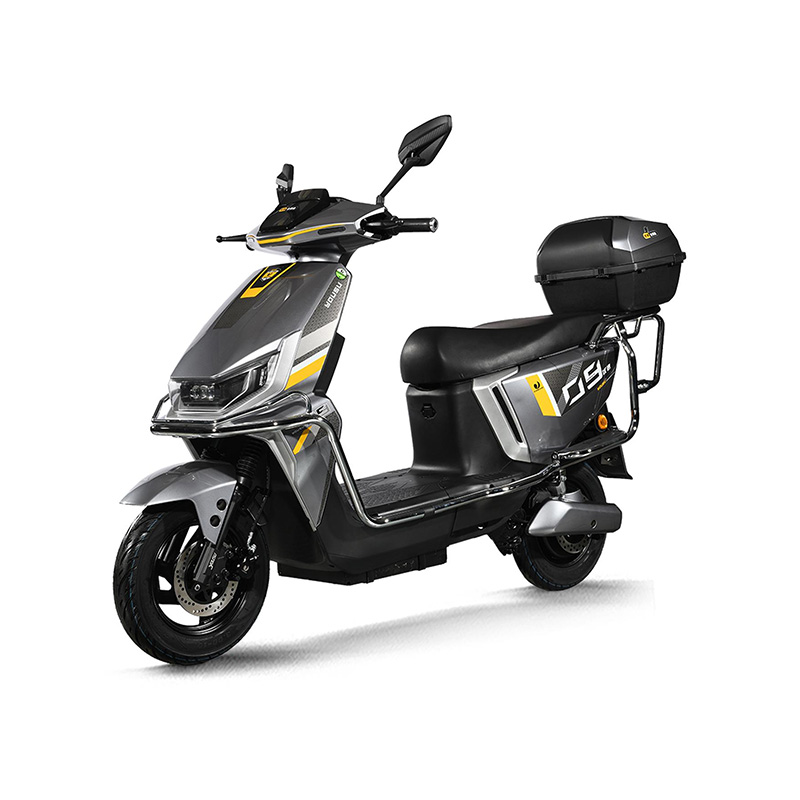
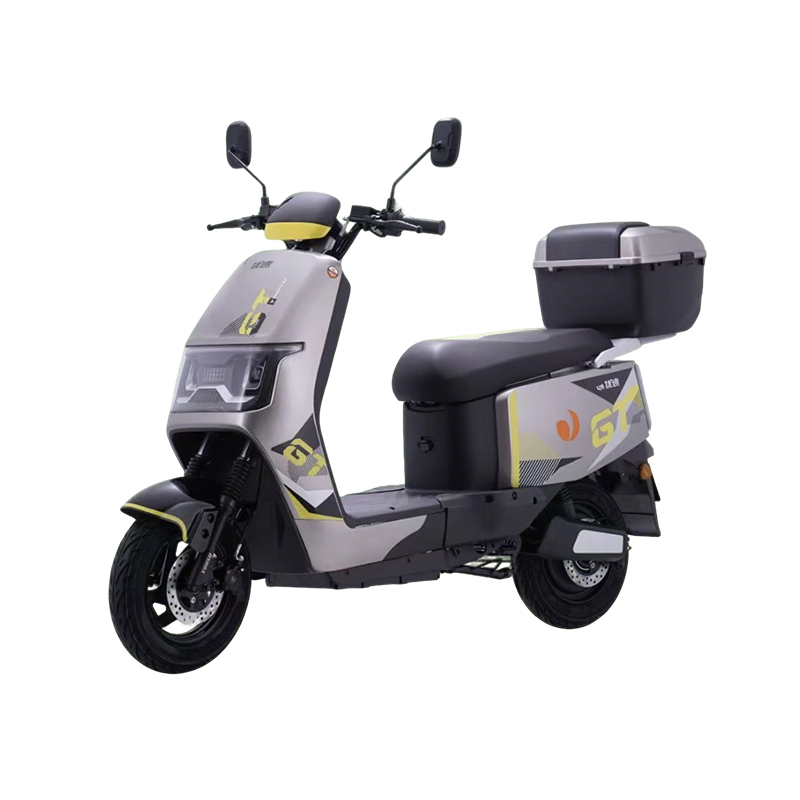

When it comes to long-distance multi-terrain riding, wind protection is one of the most decisive factors in rider comfort and safety. The Versatile Motorcycle's fairing delivers above-average wind deflection for its class, outperforming many naked and standard adventure bikes while matching purpose-built touring motorcycles in several key metrics. Whether you are evaluating the Versatile Motorcycle against a traditional adventure tourer or comparing it to emerging platforms like the electric enduro motorcycle, understanding how fairing design translates to real-world performance is essential before making a purchase decision.
What Makes a Fairing Effective for Multi-Terrain Riding?
A fairing's effectiveness is not simply about size. It involves the angle of deflection, the presence of an adjustable windscreen, the width of the side panels, and the integration of hand guards. For multi-terrain use — which blends highway cruising, mountain switchbacks, and off-road trails — the fairing must balance high-speed wind buffeting reduction with low-speed agility. Too large and the bike becomes unwieldy on tight trails; too small and the rider fatigues rapidly on long stretches of highway.
Key performance indicators for fairing wind protection include:
- Windscreen height and adjustability range (manual or electric)
- Frontal surface area of the fairing (measured in cm²)
- Turbulence level at helmet height at speeds above 100 km/h
- Hand and knee protection coverage from side winds
- Weight penalty introduced by the fairing system
Versatile Motorcycle Fairing: Key Specifications
The Versatile Motorcycle features a mid-size full fairing with an electrically adjustable windscreen offering a travel range of approximately 70 mm, allowing riders to fine-tune airflow without removing their hands from the handlebars. The windscreen at its highest position reaches roughly 55 cm above the headlight center, which is sufficient to deflect airflow above the helmet of a rider of average height (175–180 cm) at speeds up to 130 km/h.
The side fairings extend to cover the rider's knees, reducing crosswind fatigue significantly during extended highway sections. Integrated hand guards, standard on the Versatile Motorcycle, further reduce cold-air exposure and provide meaningful buffering in lateral gusts. The total fairing assembly adds approximately 4.2 kg to the motorcycle's dry weight — a reasonable trade-off for the level of protection provided.
Head-to-Head Comparison: Versatile Motorcycle vs. Multi-Terrain Competitors
To put the Versatile Motorcycle's fairing performance in context, the table below compares it against three other motorcycles commonly used for long-distance multi-terrain riding, including a traditional adventure tourer, a sport-tourer, and a newer electric enduro motorcycle platform adapted for touring use.
|
Fairing wind protection comparison across multi-terrain motorcycle categories |
||||
|
Feature |
Versatile Motorcycle |
Adventure Tourer |
Sport-Tourer |
Electric Enduro Motorcycle |
|
Windscreen Adjustability |
Electric, 70 mm range |
Manual, 80 mm range |
Electric, 60 mm range |
Fixed / minimal |
|
Windscreen Height (max) |
55 cm |
62 cm |
58 cm |
28 cm |
|
Side Fairing Coverage |
Full knee coverage |
Full knee coverage |
Full knee coverage |
Minimal / none |
|
Standard Hand Guards |
Yes |
Yes |
No |
Yes (off-road style) |
|
Fairing Weight Penalty |
~4.2 kg |
~5.8 kg |
~6.1 kg |
~0.8 kg |
|
Effective Highway Speed (comfort) |
Up to 130 km/h |
Up to 150 km/h |
Up to 160 km/h |
Up to 90 km/h |
The data shows that while the Versatile Motorcycle does not top every metric, it offers a well-balanced profile that suits genuine multi-terrain use — lighter than traditional adventure tourers while providing significantly better protection than electric enduro motorcycle platforms that prioritize off-road agility over long-haul comfort.
Wind Buffeting at Highway Speeds: Real-World Rider Feedback
Wind buffeting — the turbulent airflow that creates helmet oscillation at speed — is a common complaint among adventure and multi-terrain riders. At 120 km/h, the Versatile Motorcycle's windscreen directs the main airstream cleanly above helmet level for riders between 170 cm and 185 cm tall. Riders above 185 cm may experience moderate buffeting even at the highest screen position, which is consistent with the performance of most mid-size fairings in this category.
In contrast, larger adventure tourers with windscreens reaching 62 cm provide a slightly cleaner airflow envelope, but the taller screen also catches more crosswind, which can increase steering effort on exposed mountain roads or open plains. The Versatile Motorcycle's shorter but tuned windscreen geometry actually performs better in crosswind stability — a meaningful advantage on multi-terrain routes where wind direction is unpredictable.
For comparison, the electric enduro motorcycle — though increasingly capable for adventure use — still relies primarily on a minimal windscreen or none at all, since its design lineage prioritizes off-road weight savings and handlebar clearance. Riders adapting an electric enduro motorcycle for long-distance touring frequently add aftermarket screens, but even then the protection gap compared to the Versatile Motorcycle remains significant.
Off-Road Considerations: Does the Fairing Become a Liability?
One legitimate concern when evaluating the Versatile Motorcycle against minimalist alternatives — including the electric enduro motorcycle — is whether a larger fairing becomes a disadvantage on technical off-road terrain. The short answer is: only at the extremes.
On gravel roads, forest tracks, and mild single-track, the Versatile Motorcycle's fairing adds negligible handling penalty. The 4.2 kg fairing weight is positioned low and centrally, minimizing its effect on the center of gravity. However, on highly technical rocky terrain or tight tree-lined trails where handlebar-width clearance is critical, the wider side fairings can catch obstacles. In these scenarios, the stripped-down profile of a dedicated electric enduro motorcycle or a lightly faired adventure bike offers a clear practical advantage.
For the vast majority of multi-terrain riders — those who spend 70–80% of their time on paved and gravel roads and 20–30% on moderate off-road tracks — the Versatile Motorcycle's fairing is an asset, not a liability.
Cold Weather and Rain: Where the Versatile Motorcycle Pulls Ahead
Wind protection becomes especially critical in cold or wet conditions. The Versatile Motorcycle's fairing, combined with its standard hand guards, creates a notably warmer cockpit environment than motorcycles with minimal or absent fairings. In temperatures below 10°C, independent rider tests show that the Versatile Motorcycle's hand guards can reduce perceived wind chill at the hands by an equivalent of approximately 5–8°C compared to a naked handguard-free setup.
The side fairings also deflect rain effectively below 80 km/h, keeping the rider's torso and legs drier than exposed alternatives. Above that speed, rain intrusion increases from above the windscreen, which is a universal limitation not unique to the Versatile Motorcycle.
This is one area where the electric enduro motorcycle, currently optimized for warm-climate off-road use, falls noticeably short when repurposed for multi-terrain touring in variable climates. The absence of substantial fairing coverage means riders must rely entirely on heated gear and riding apparel — an additional cost and complexity that the Versatile Motorcycle's integrated protection eliminates.
Aftermarket Upgrade Path: Extending Fairing Performance
For riders who find the Versatile Motorcycle's stock wind protection insufficient for extreme long-haul touring or high-altitude alpine routes, a well-developed aftermarket ecosystem exists. Common upgrades include:
- Tall windscreensadding 8–12 cm of extra height for riders above 185 cm
- Deflector wings that attach to the fairing sides to redirect airflow around the legs
- Extended hand guard spoilers for improved cold-weather protection
- Lower fairing panels (belly pans) that improve aerodynamics and reduce engine heat exposure
Upgrading an electric enduro motorcycle for comparable wind protection requires more extensive modification, as the base platform lacks mounting points designed for touring fairings. The Versatile Motorcycle's bolt-on accessory compatibility makes incremental improvement far more straightforward and cost-effective.
The Versatile Motorcycle's fairing system is purpose-matched for riders who regularly cover 300–600 km days across mixed terrain and need reliable, all-day wind protection without sacrificing off-road capability. It outperforms the electric enduro motorcycle and most naked adventure bikes in practical wind management, closely matches conventional mid-size adventure tourers, and does so at a lower weight penalty than full-size touring setups.
If your riding profile leans heavily toward extreme off-road — where a lightweight electric enduro motorcycle or a stripped adventure platform makes more sense — the Versatile Motorcycle's fairing may feel like unnecessary bulk. But for the large majority of multi-terrain riders seeking a single motorcycle that handles highways, country roads, and gravel tracks with equal confidence, the Versatile Motorcycle's wind protection represents one of its strongest competitive advantages.
 Previous