


 English
 Español
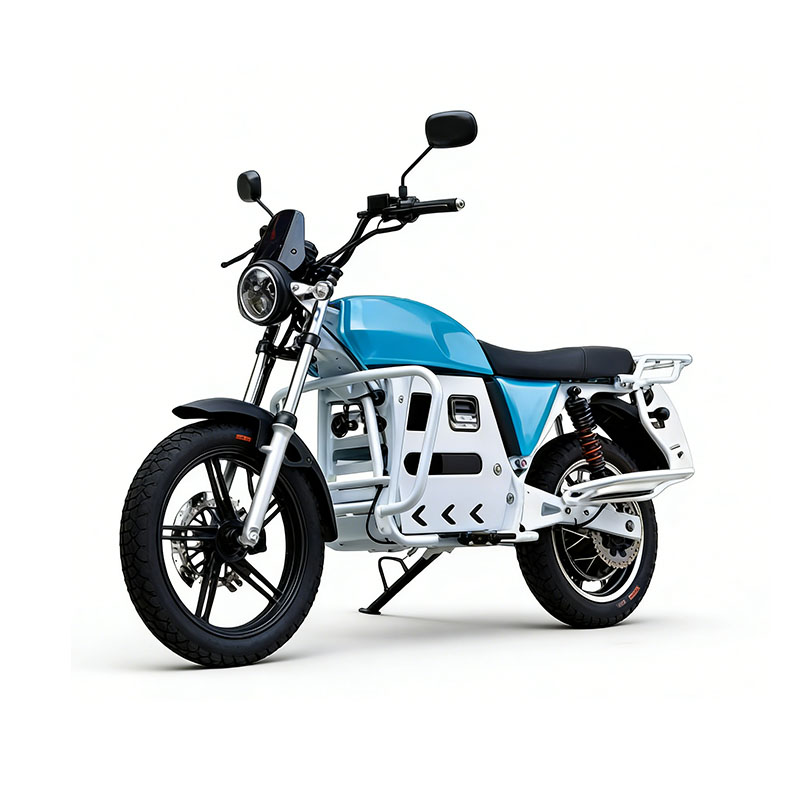
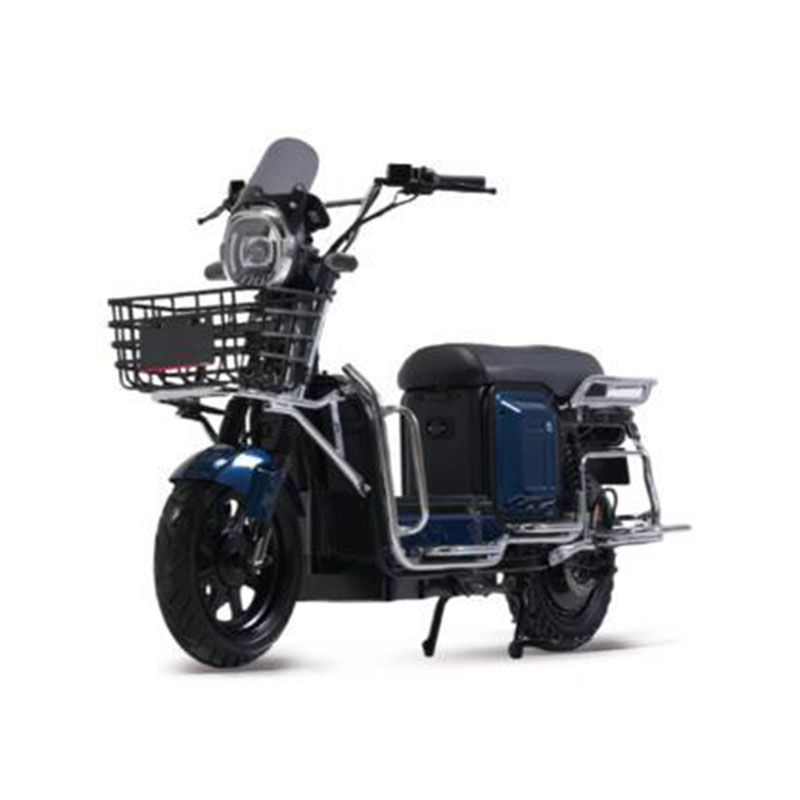
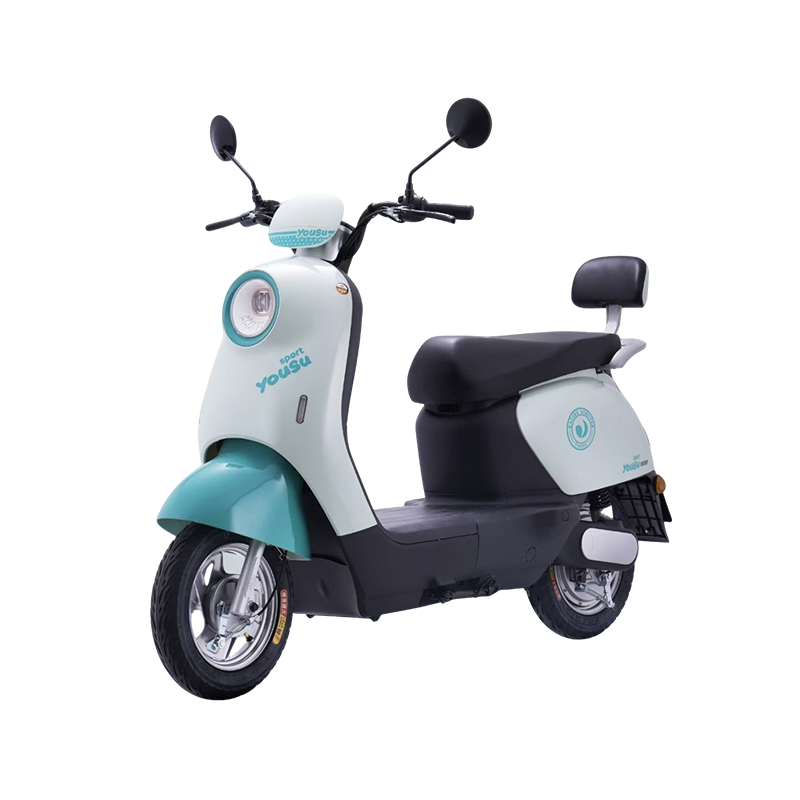
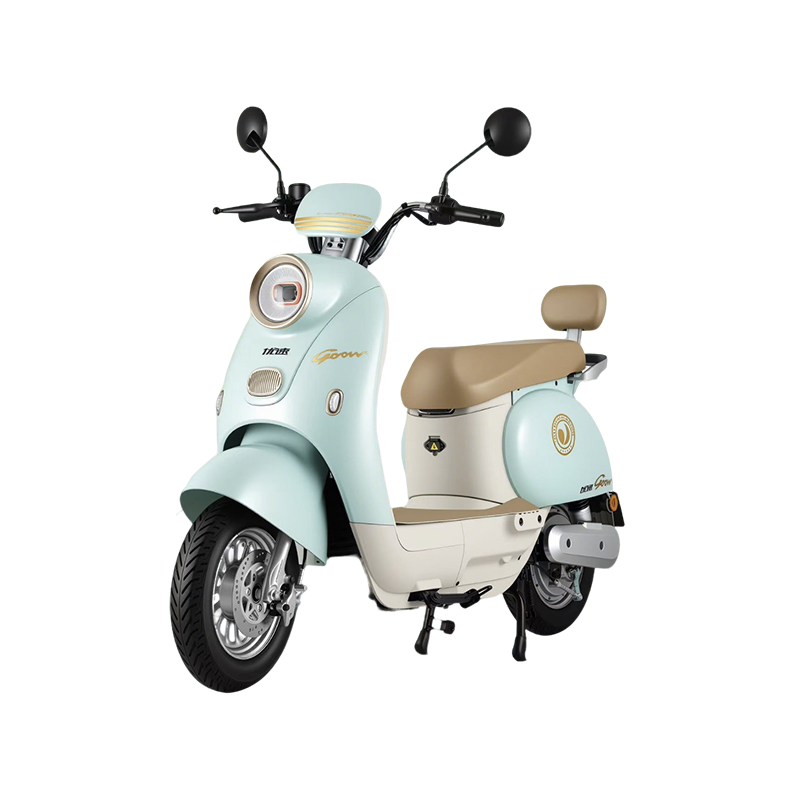
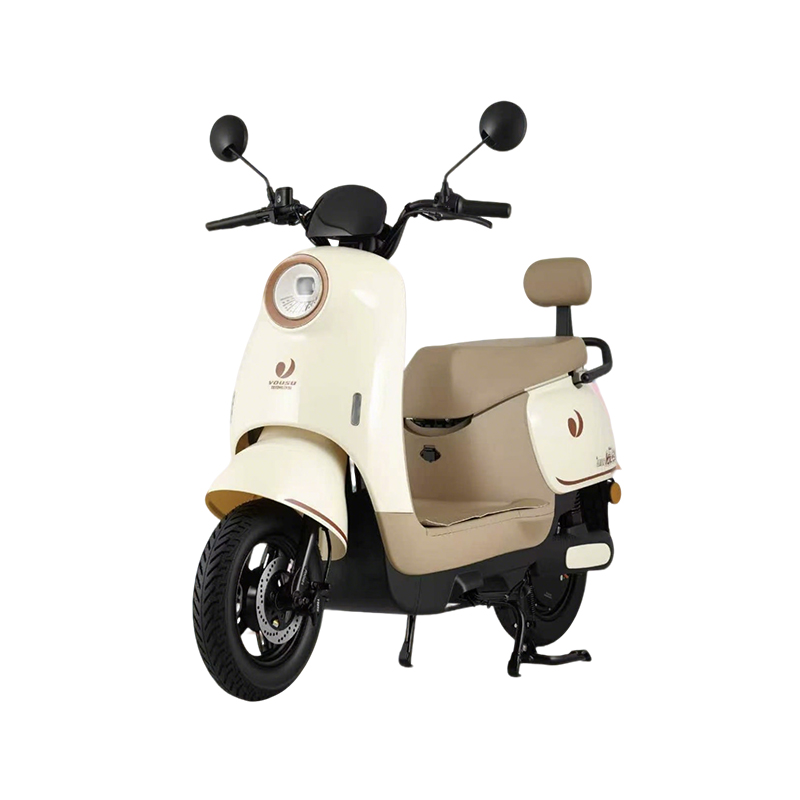
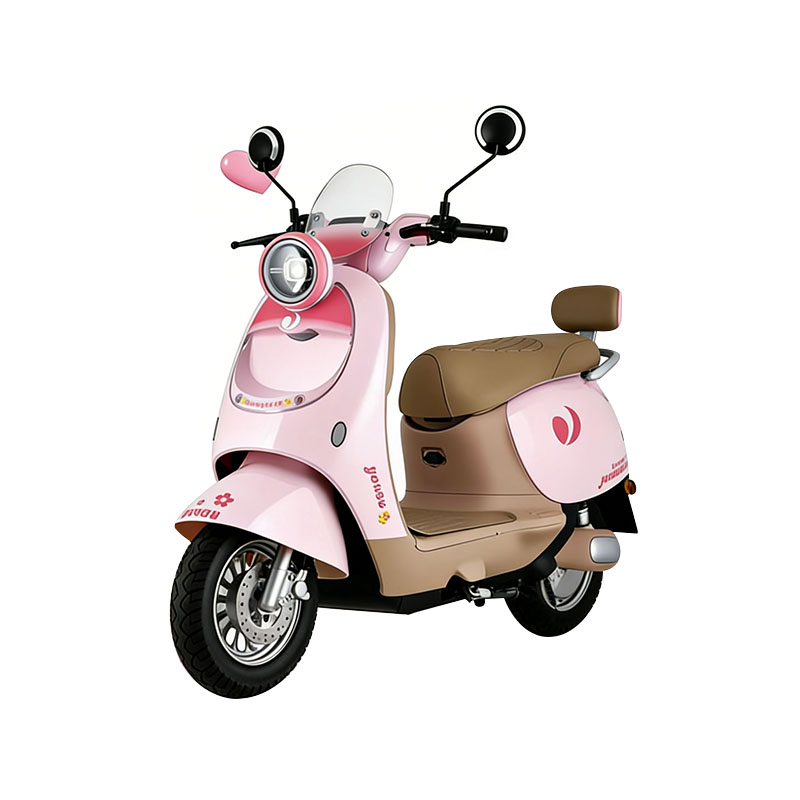
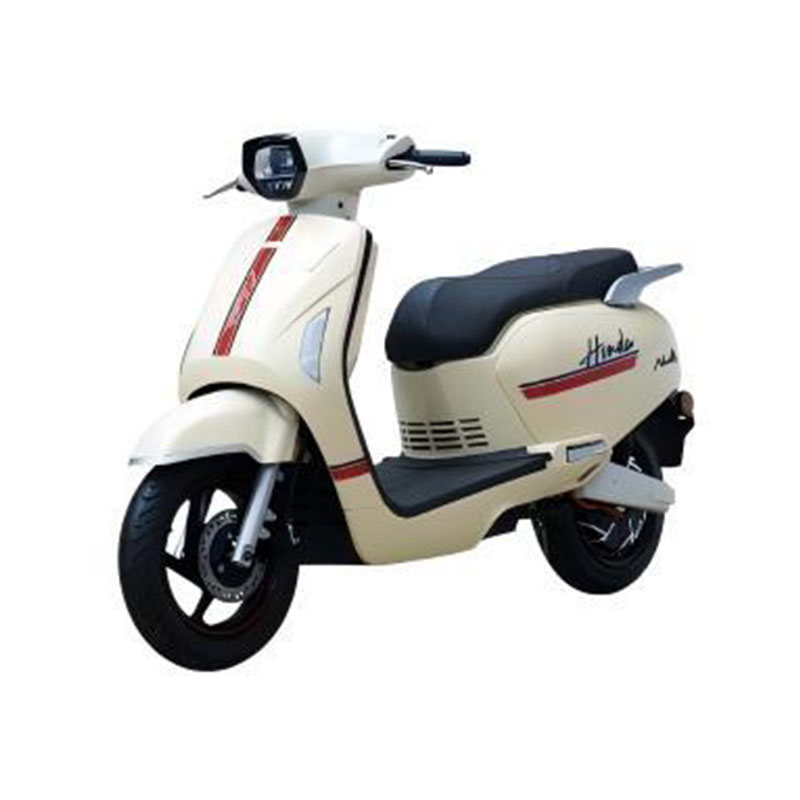
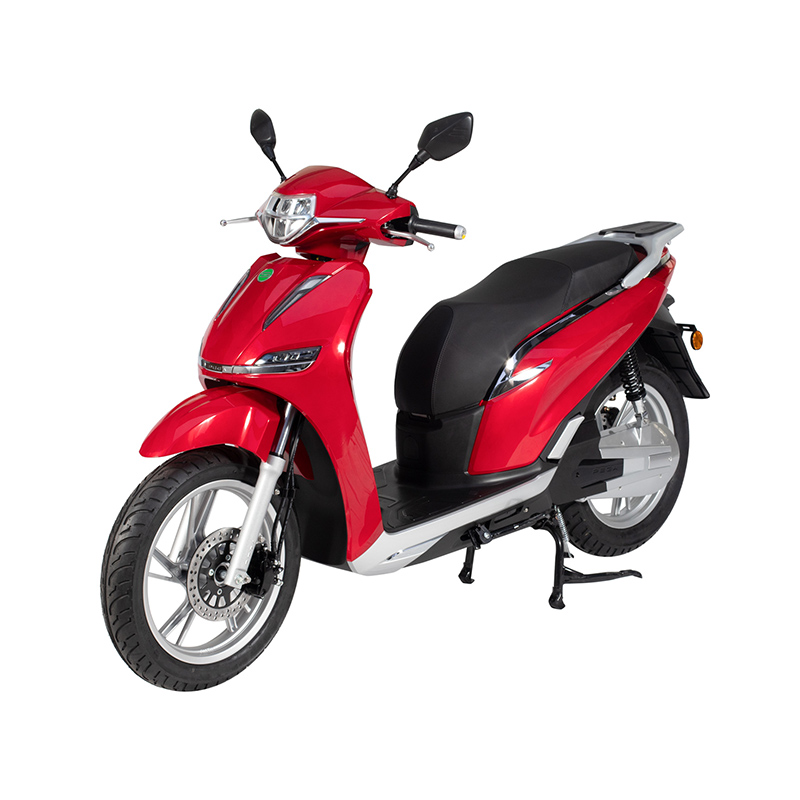
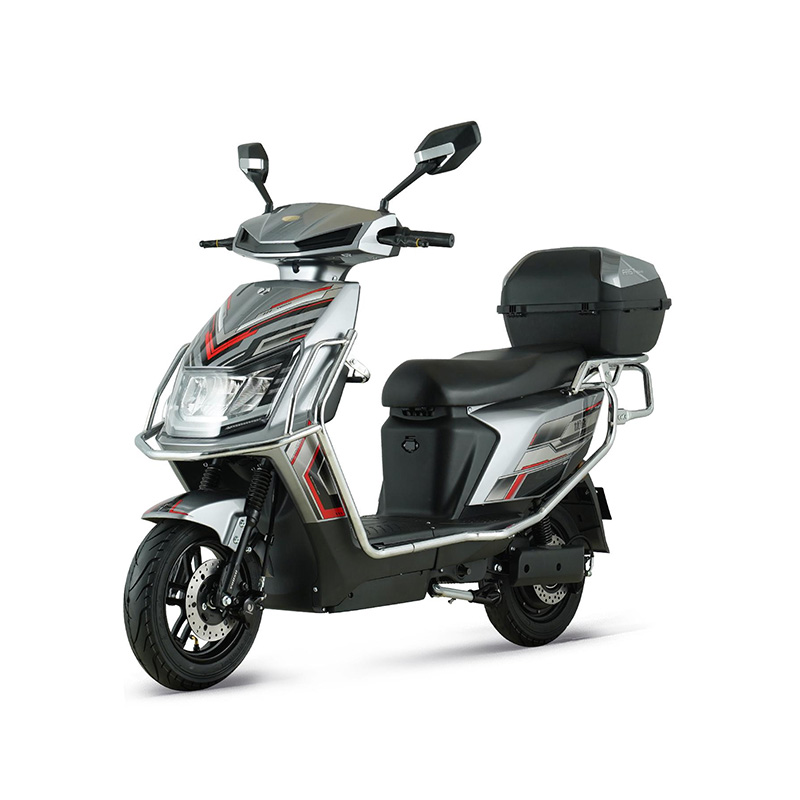
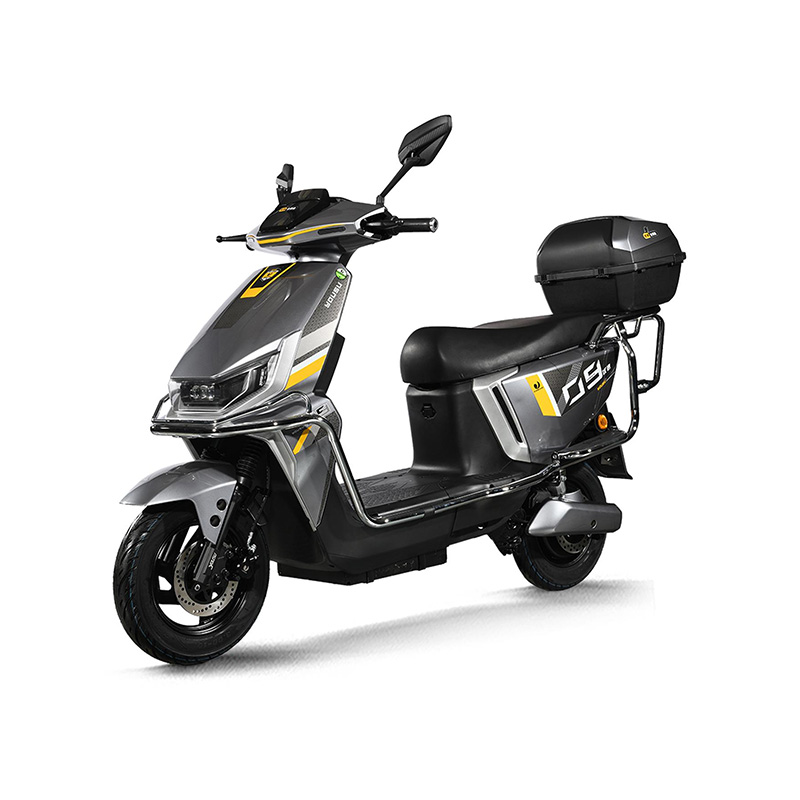
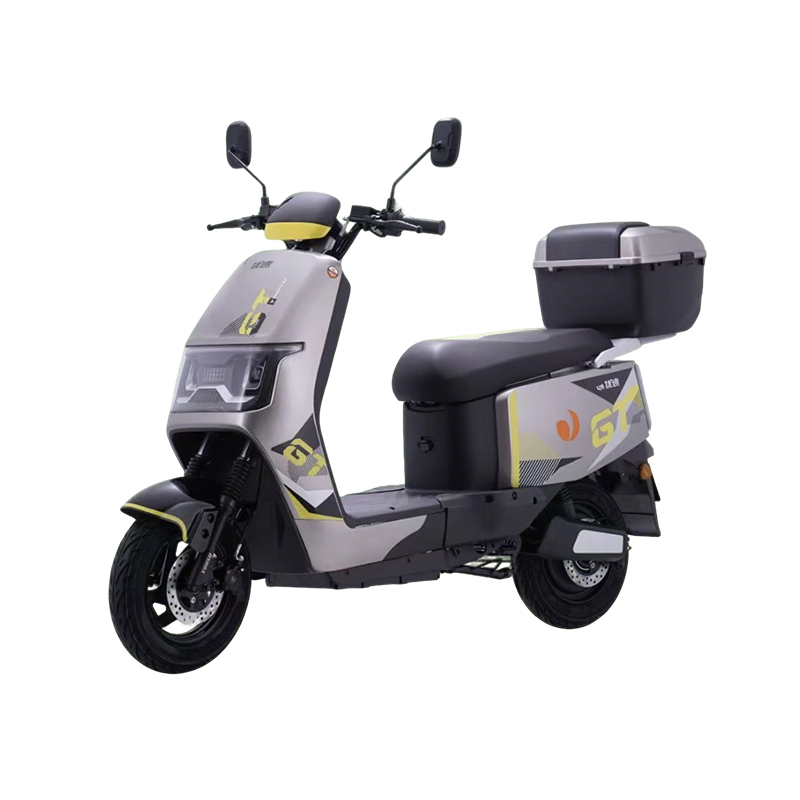

1. Advanced Battery Management System (BMS)
The vacuum type and fashion design electric scooter uses a sophisticated Battery Management System that continuously supervises every aspect of battery performance during long-distance riding. The system monitors the voltage of each individual cell, ensuring that no cell becomes overcharged or excessively discharged. This dynamic balancing is essential because uneven cell conditions can cause rapid capacity loss, overheating, or sudden drops in output. By consistently managing these parameters, the BMS keeps the battery in an optimal operating range, even when the rider demands maximum torque or maintains high speeds for long periods.
In addition to cell balancing, the BMS controls the discharge current based on real-time operating conditions. During long rides, the motor requires consistent power, and the BMS regulates the current flow to avoid sudden spikes that could destabilize the battery. It protects against overcurrent, short circuits, and deep discharge events that lead to battery instability. These protective functions collectively ensure that the battery remains stable and safe throughout extended journeys, prolonging both performance and lifespan.
2. Efficient Thermal Management and Heat Dissipation
Heat buildup is one of the most critical challenges during long-distance operation, and the vacuum type and fashion design electric scooter addresses this through an engineered thermal management system. The battery pack is constructed using materials that promote efficient heat dispersion, such as metal housings with high thermal conductivity or internal heat plates that spread heat evenly across the cells. These design choices prevent localized hotspots, which can accelerate chemical degradation and reduce range.
The battery compartment is designed to promote airflow where possible, enabling passive cooling during motion. Some models may include additional internal structures that help distribute heat more uniformly across the battery surface, preventing excessive temperatures in any specific region. By maintaining a controlled thermal environment, the scooter ensures that the battery chemistry remains stable and consistent even under demanding riding conditions. This thermal stability directly contributes to smoother energy output, better voltage retention, and long-term reliability throughout extended rides.
3. Optimized Energy Output and Power Distribution
The vacuum type and fashion design electric scooter stabilizes battery performance during long trips by intelligently managing energy delivery to the motor. The power controller uses precise modulation techniques to ensure that the battery does not experience sudden surges or drops in demand. This controlled energy flow minimizes stress on the battery cells and prevents voltage sag, which often occurs when riding uphill, accelerating rapidly, or maintaining high speeds for long durations.
The scooter may offer multiple riding modes that help adjust power distribution based on the user's needs. For example, a lower-power mode reduces the load on the battery by smoothing acceleration curves and limiting peak current usage. During extended rides, this optimization ensures that the overall discharge rate remains within a stable range, preventing thermal spikes and premature depletion. By regulating power output according to real-time riding conditions, the scooter maintains consistent performance throughout the entire journey, even as the battery gradually discharges.
4. High-Density and Durable Battery Cells
The battery pack used in the vacuum type and fashion design electric scooter is composed of high-density cells engineered for endurance and stability. These cells are designed to maintain chemical balance and structural integrity even under prolonged discharge cycles. Lower internal resistance allows the battery to deliver power efficiently without generating excess heat, which is especially important during long-distance travel where sustained energy output is required.
Because the battery cells are built to retain voltage under continuous load, the scooter can maintain consistent speed, torque, and performance until the battery approaches its lower charge limit. The stable design of the cells minimizes issues such as rapid voltage drop, instability due to heat buildup, or loss of power under heavy load. The combination of high energy density and strong thermal resistance ensures that the battery can support long journeys while maintaining reliable output, contributing to overall riding stability and confidence.
5. Smart Regenerative Braking System
Regenerative braking plays a crucial role in maintaining battery stability during prolonged rides on the vacuum type and fashion design electric scooter. When the rider applies the brakes or travels downhill, the motor switches into a generator mode that recovers kinetic energy and converts it back into electrical energy. This recovered energy is then fed into the battery in controlled increments, reducing the need for continuous heavy discharge.
This process helps smooth out the battery’s discharge cycle, slowing the rate at which energy is depleted and reducing deep discharge events. Deep discharges are known to destabilize battery chemistry, especially during long trips. By partially replenishing the battery during the ride, regenerative braking helps maintain a healthier voltage level for longer periods. It also reduces heat generation from the braking components, which indirectly contributes to thermal stability in the battery compartment. Overall, regenerative braking enhances long-distance endurance and minimizes battery stress.
6. Anti-Vibration and Protective Battery Housing
During extended rides, continuous exposure to vibration, bumps, and road irregularities can degrade battery performance. The vacuum type and fashion design electric scooter is equipped with a reinforced battery housing system that protects against mechanical stress. The battery pack is secured using shock-absorbing materials such as rubber padding or cushioned brackets that isolate vibrations and prevent them from reaching the cells directly.
This isolation is critical because frequent vibration can loosen electrical connections, damage internal separators, and cause microfractures in battery cells—all of which destabilize long-term performance. The protective housing not only shields the battery from physical impact but also stabilizes electrical connections within the system. The result is a battery that maintains consistent contact, proper heat distribution, and reliable energy output even when riding over challenging terrain for long durations. This structural protection significantly contributes to maintaining stable battery performance during long journeys.
 Previous