


 English
 Español



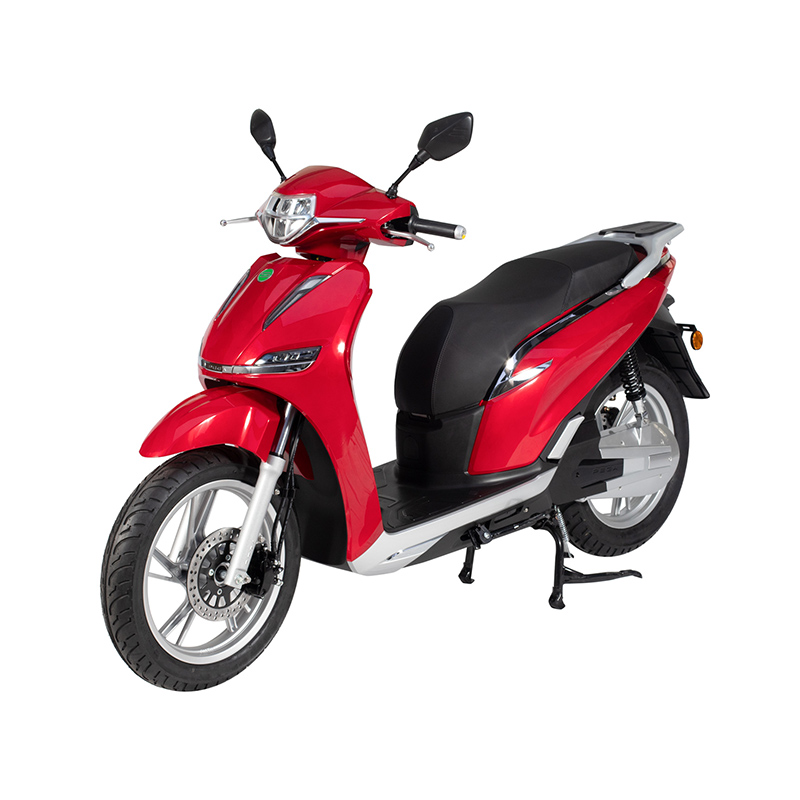
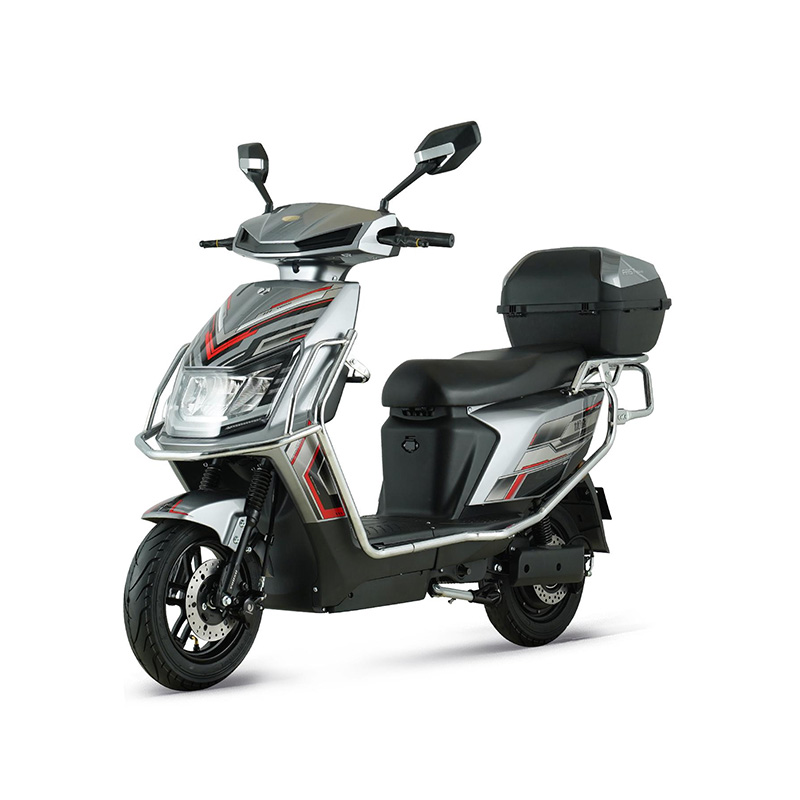
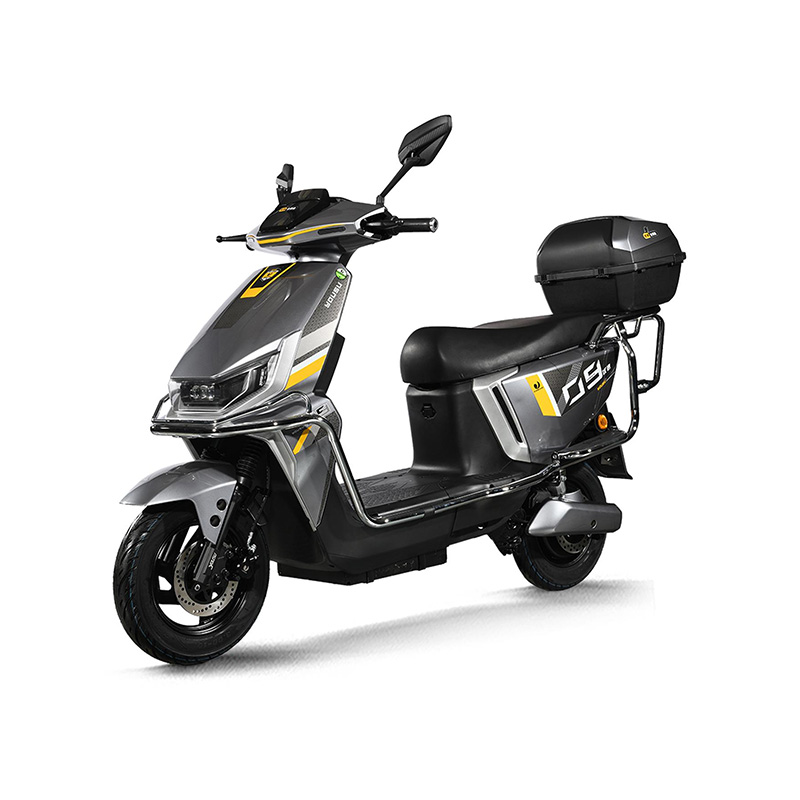
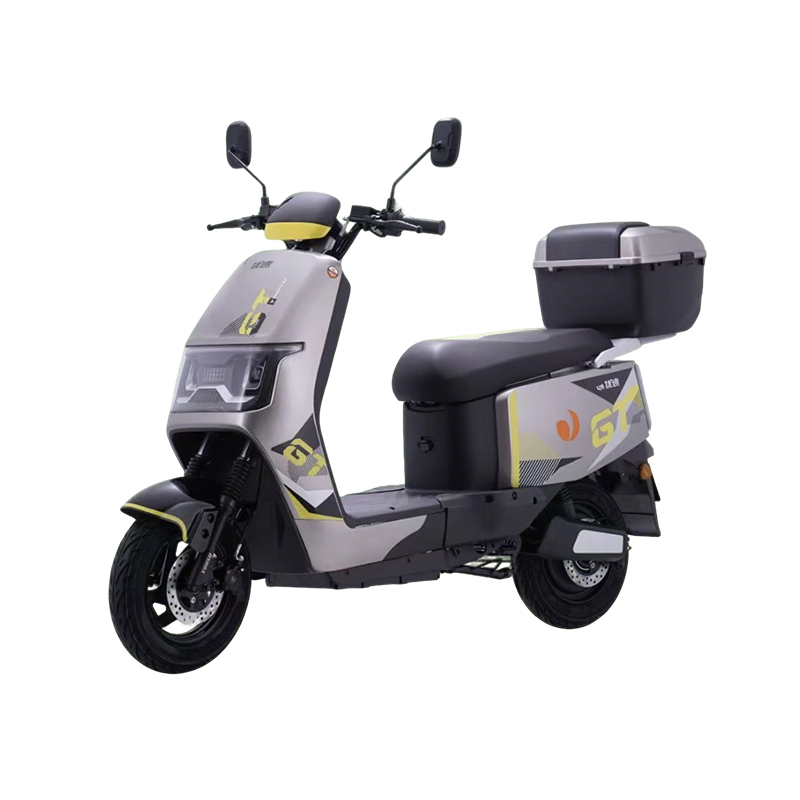

Advanced Sensor Calibration for Dense Environments
The electric scooter with built-in anti-theft alarm uses a multi-layered calibration system that adapts its sensitivity to the realities of crowded parking environments. Instead of reacting to every minor vibration or accidental bump, the sensors are engineered to recognize different intensities and directions of movement. The calibration process evaluates the magnitude, frequency, and repetition of the force applied to the scooter’s frame. Small or brief signals—such as a passerby brushing against the scooter—are categorized as harmless environmental noise. In contrast, sustained or forceful motion, which is typical during a theft attempt, generates sensor outputs that surpass preset thresholds.
The system also uses signal smoothing and filtering, which helps it ignore irregular and random disturbances common in high-foot-traffic areas. These algorithms analyze motion patterns over short time intervals, allowing the scooter to distinguish deliberate interference from routine environmental activity. By maintaining calibrated thresholds and applying real-time interpretation, the scooter avoids unnecessary alarms while preserving strong protection against unauthorized removal.
Intelligent Motion Pattern Recognition to Reduce False Alarms
Instead of relying solely on impact detection, the electric scooter with built-in anti-theft alarm evaluates the motion signature associated with each disturbance. Theft actions—such as lifting the scooter, tilting it aggressively, or attempting to roll it away—produce predictable and repeatable motion curves across the sensor’s multiple axes. The alarm’s processor compares incoming sensor data to these behavioral patterns. For example, lifting the scooter causes a distinct vertical acceleration spike, while dragging it produces horizontal traction signatures and increased frictional vibrations.
The system also monitors the duration of movement. A light accidental touch might last less than a second, but an attempt to reposition or steal the scooter usually involves several seconds of continuous physical interaction. The sensor’s firmware uses this time-based analysis to classify the action as harmless or suspicious. Some systems additionally utilize learning algorithms that automatically adjust to the user’s typical parking environment, reducing false triggers over time. This ability to recognize motion patterns significantly improves accuracy in crowded spaces where unpredictable bumps or contacts are common.
Environmental Noise and Proximity Filtering for Balanced Security
Crowded parking lots can generate complex environmental vibrations caused by footsteps, nearby car engines, moving carts, or even structural resonance. The electric scooter with built-in anti-theft alarm counteracts this through multi-stage noise filtering. First, the sensors evaluate whether the vibration originates directly from the scooter’s frame. Indirect vibrations—traveling through the ground, walls, or other vehicles—tend to have lower amplitude but higher dispersion, allowing the alarm to disregard them.
The system assesses the proximity of the disturbance. If the vibration detected is not combined with pressure, impact, or direct force on the scooter’s physical structure, the algorithm behaves more conservatively. The system may log the event without sounding the alarm, helping minimize false positives.
The integration of these noise-management strategies ensures the alarm maintains a balance between responsiveness and practicality. Users benefit from consistent protection without the frustration of alarms triggered by routine environmental activity in busy locations.
Multi-Stage Alarm Activation for Threat Differentiation
To provide nuanced protection, the electric scooter with built-in anti-theft alarm uses a multi-stage activation mechanism. At the lowest level, minor movement results in a warning beep or brief alert. This stage serves two purposes: it notifies potential offenders that the scooter is protected and helps the system confirm whether the disturbance is persistent. If the interference continues, the processor escalates the alarm into a second stage, usually involving a louder and longer alert.
Should the system detect sustained or forceful manipulation—consistent with lifting, dragging, or intentional tampering—it activates the highest-level alarm. This prolonged and high-volume sound is designed to attract attention and deter theft. The multi-stage approach greatly reduces unnecessary noise in crowded environments, ensuring that only credible threats trigger the full alarm. It also allows users and bystanders to differentiate between accidental contact and real tampering attempts, enhancing the scooter’s reliability and practical usability.
Anti-Tamper Protection for Alarm and Wiring Components
Thieves may attempt to disable the alarm system before stealing the scooter, especially in crowded parking spaces where their actions may blend into the environment. To counter this, the electric scooter with built-in anti-theft alarm incorporates hardware-level tamper protection. Key wires are embedded within the scooter’s frame, making them inaccessible without specialized tools and significant time. The alarm module is often sealed in a reinforced casing, preventing quick access or disassembly.
If someone attempts to strike, pry, or detach the alarm module, internal impact sensors immediately detect the force and trigger the alarm before tampering can progress. Even attempts to cut or disconnect power lines cause the system to activate its emergency alarm mode. Some designs include secondary power sources ensuring the alarm continues operating even if the main battery is unplugged.
These protective measures make it extremely difficult for thieves to disable the system discreetly, ensuring the scooter remains secure even in busy settings where tampering attempts might otherwise go unnoticed.
 Previous