


 English
 Español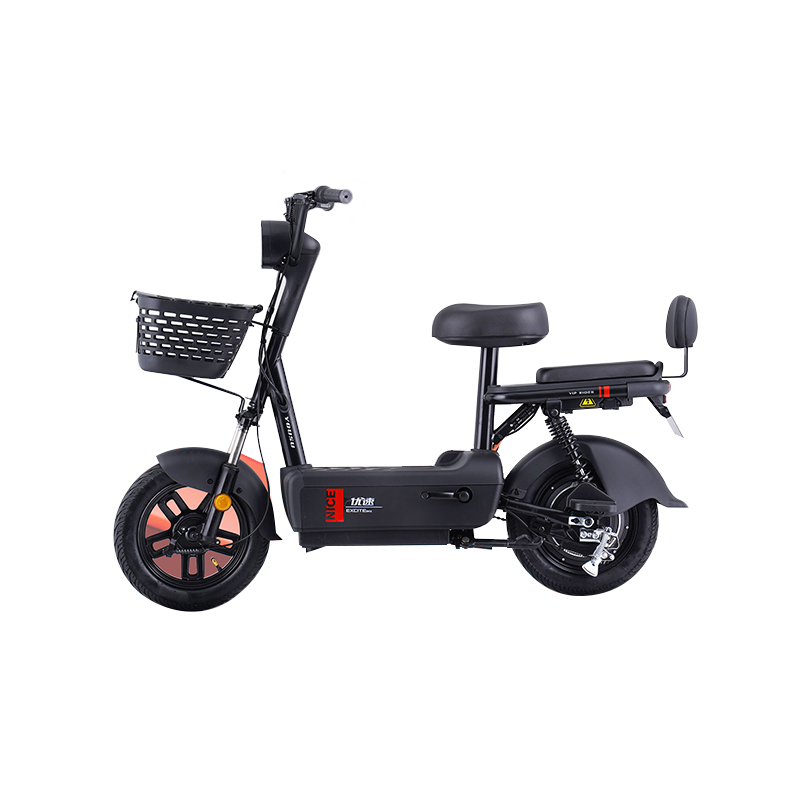
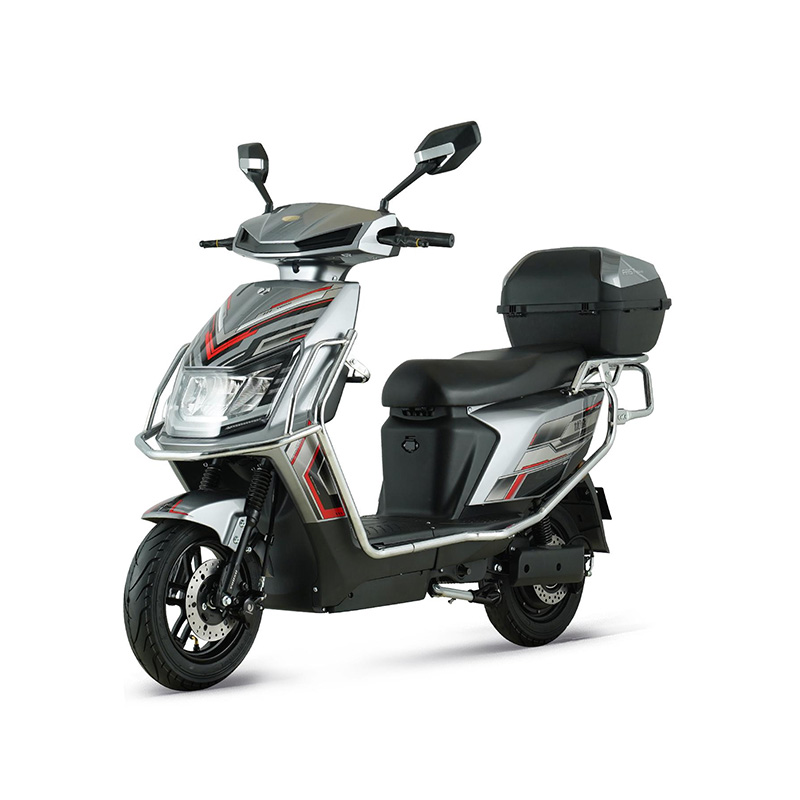
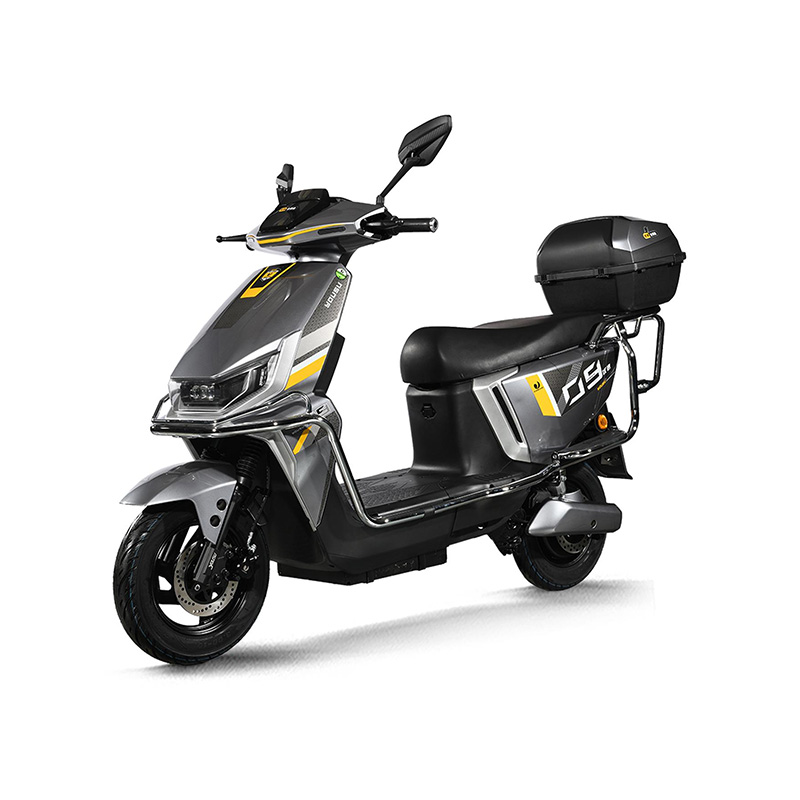
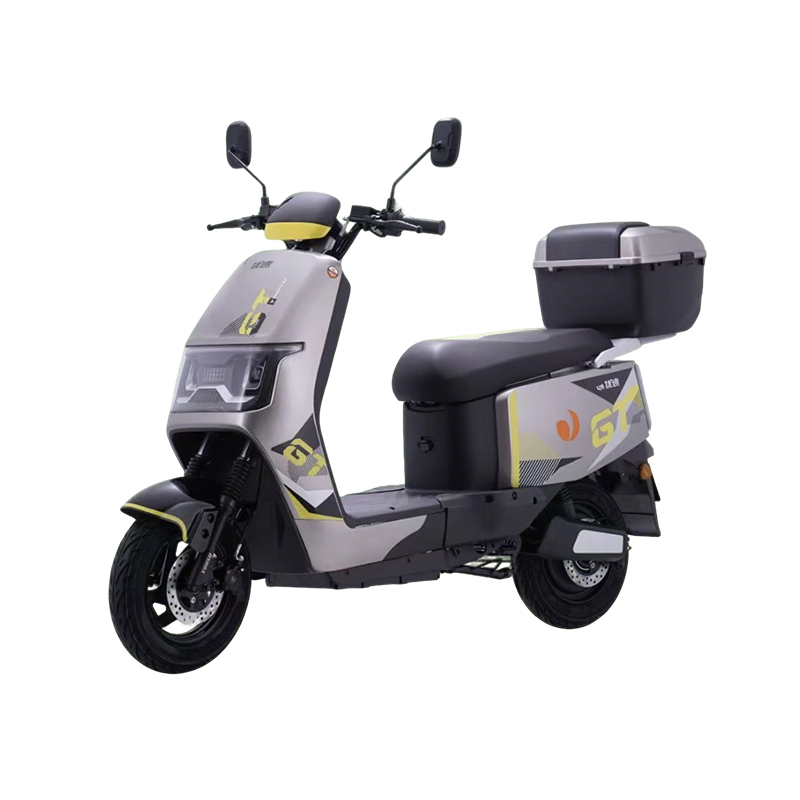

-
Material Selection for Durability and Strength
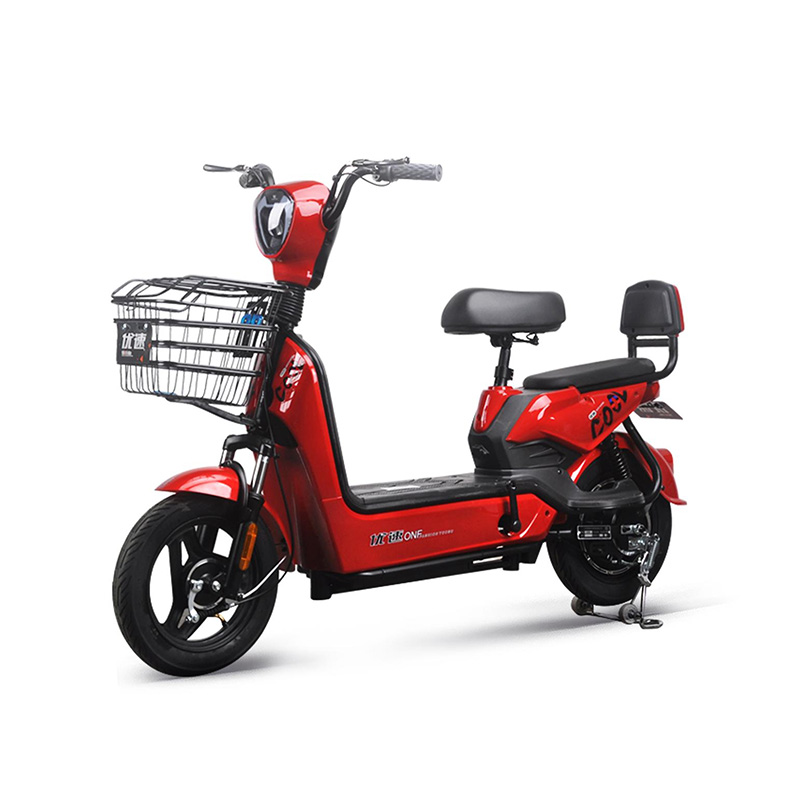
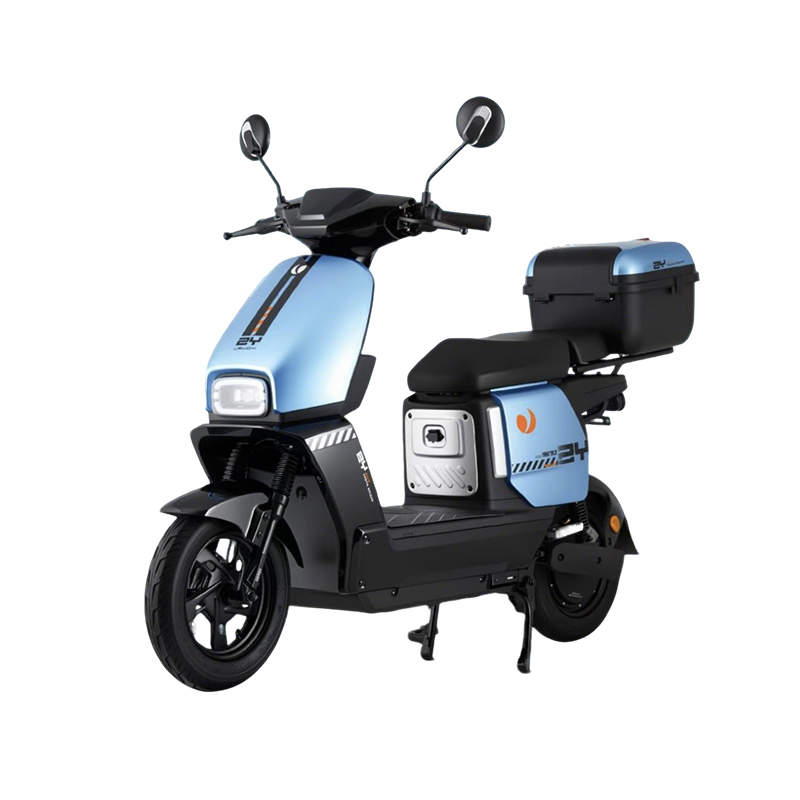
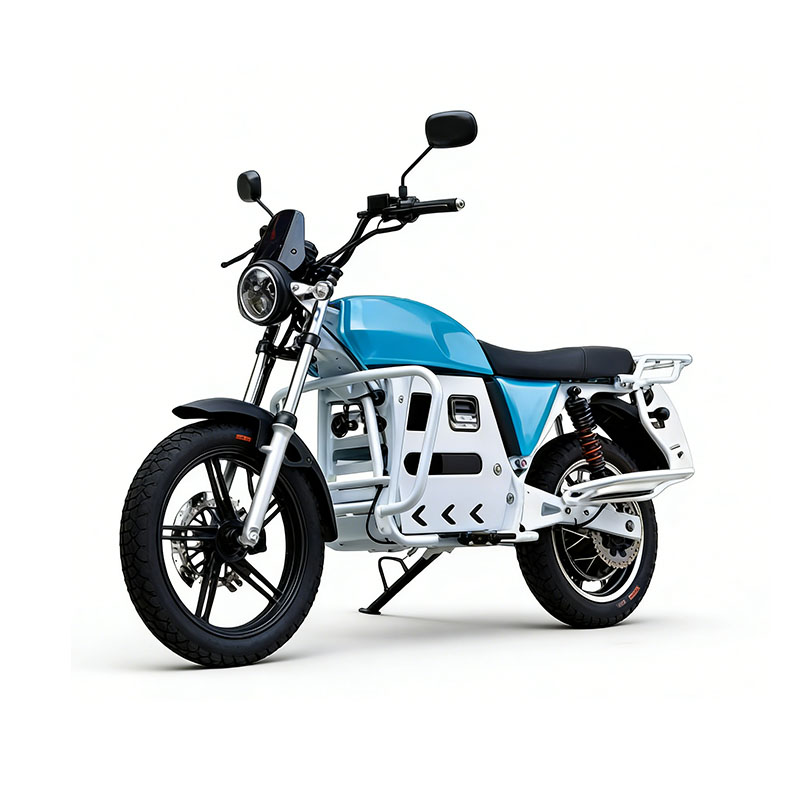
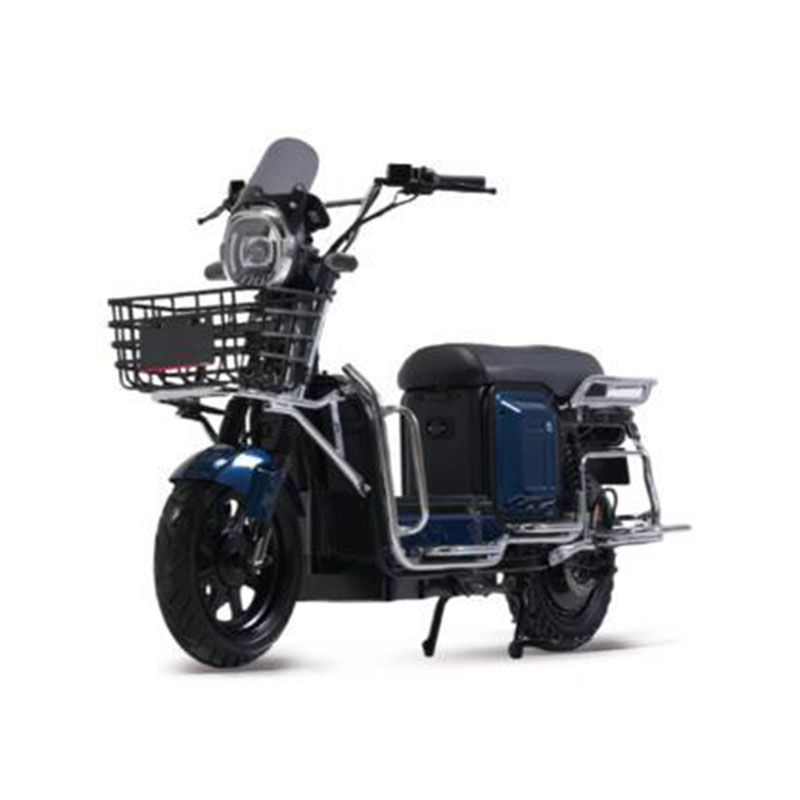
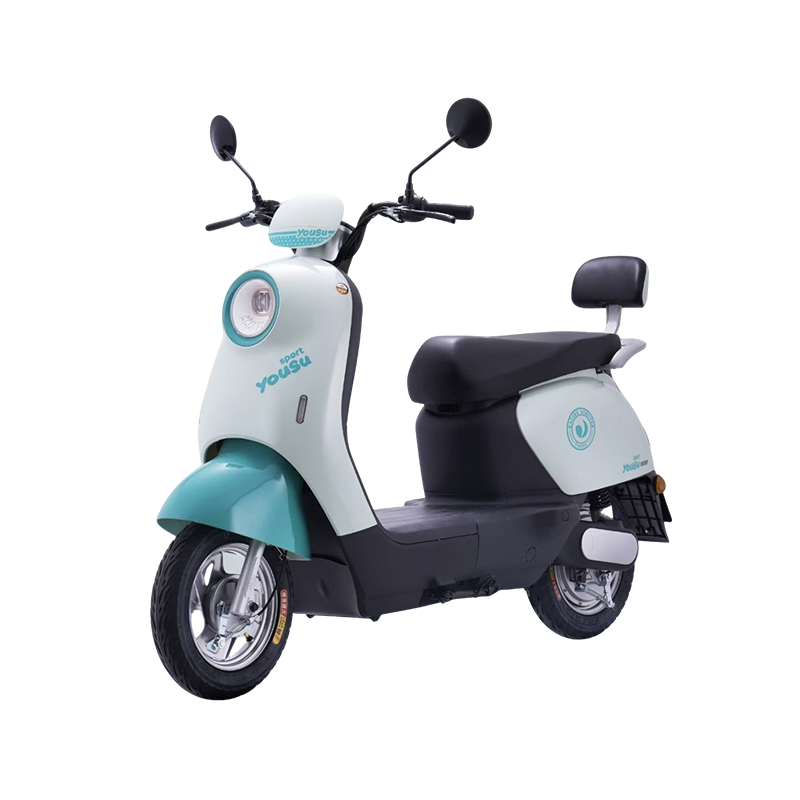
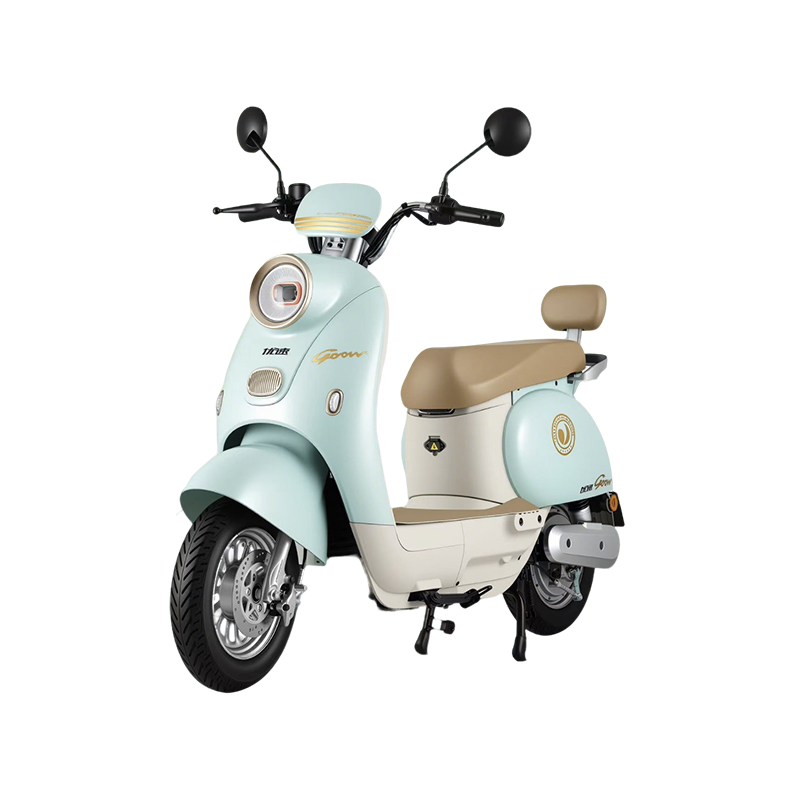
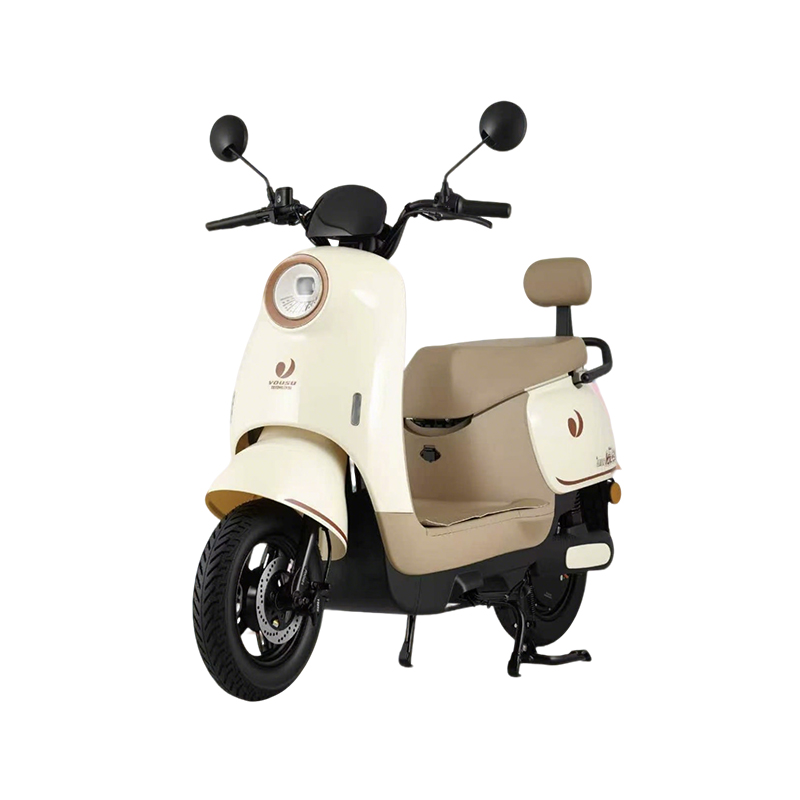
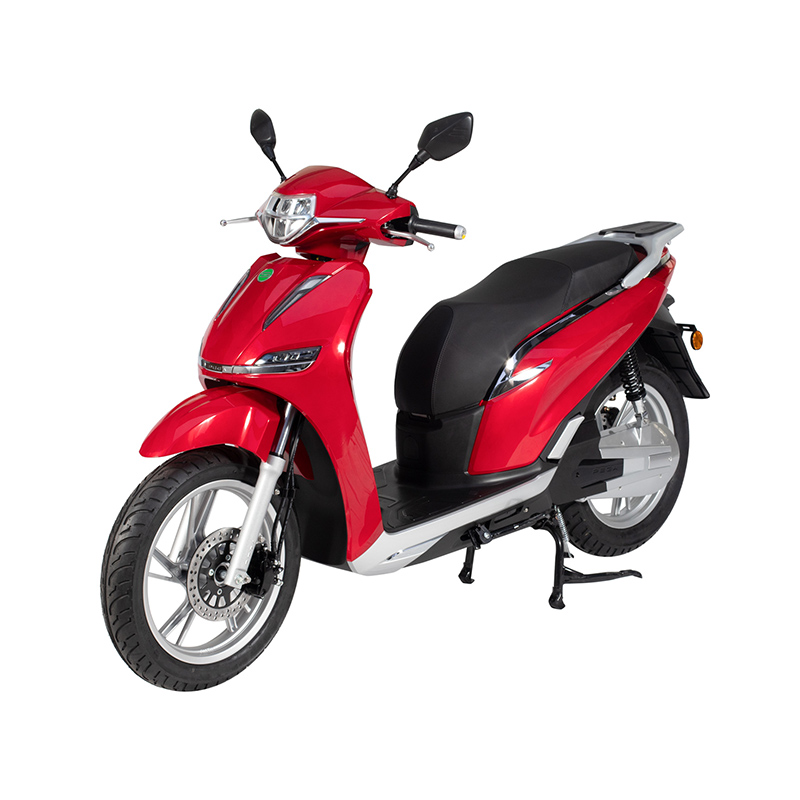
The Yousu High-End Electric Scooter frame is engineered using high-quality aluminum alloy, reinforced steel, or a hybrid combination, selected for their unique mechanical properties. Aluminum offers an excellent strength-to-weight ratio, reducing overall scooter mass while maintaining structural integrity to support rider loads exceeding 120 kilograms. Reinforced steel is strategically incorporated in high-stress areas, such as the stem or folding joint, to enhance fatigue resistance and prevent cracking over prolonged usage. This material choice allows the scooter to endure repeated dynamic loads, harsh environmental exposure, and minor collisions without permanent deformation. Additionally, both metals exhibit corrosion resistance properties, which are further enhanced through protective coatings, ensuring long-term durability in both urban and outdoor environments. -
Optimized Structural Geometry and Reinforcement
The scooter’s frame design incorporates advanced geometric engineering, including triangular cross-sections, gussets, and tapered tubular profiles, to distribute stress efficiently and resist torsional and bending forces. Critical load-bearing junctions, such as the connection between the deck, steering column, and front fork, are reinforced to minimize deflection under weight or during rapid maneuvers. Finite Element Analysis (FEA) simulations inform the placement of these reinforcements, predicting deformation patterns and identifying weak points before production. By optimizing geometry, the frame maintains uniform rigidity across the entire structure, enhancing stability during cornering, reducing rider fatigue, and ensuring that repeated load cycles do not induce warping or permanent bending over time. -
Precision Welding and Joint Integrity
The assembly of the Yousu High-End Electric Scooter frame relies on precision robotic welding and advanced joining techniques to create structurally sound connections between tubes and plates. Automated welding ensures uniform bead quality, consistent penetration, and minimal residual stresses, which are crucial for aluminum components prone to micro-cracks. High-end models often use reinforced gussets at critical weld junctions to distribute stress more evenly, preventing localized failures. Properly executed welds maintain structural continuity even under sudden shocks or falls, while manual inspection and non-destructive testing validate the quality of each joint. This approach significantly enhances both the durability and crash resilience of the frame, ensuring long-term reliability in daily urban use or demanding road conditions. -
Material Compensation for Fatigue and Springback
Metals exhibit natural elastic recovery, known as springback, and can experience fatigue over repeated stress cycles. The Yousu scooter frame addresses these phenomena through optimized wall thickness, alloy selection, and strategic reinforcement, ensuring that minor flexing does not compromise overall structure. Aluminum, while lightweight and rigid, is engineered with slightly thicker profiles or reinforced zones to counter fatigue, while steel is used in high-stress components to provide ductility and energy absorption. By accounting for these material behaviors during design, the frame maintains consistent curvature and alignment even after repeated use, reducing long-term deformation risks, enhancing rider safety, and preserving the scooter’s precise handling characteristics throughout its lifecycle. -
Servo-Optimized Component Integration
Critical components, such as the battery pack, motor, and electronic control units, are integrated into the frame in low, central positions to maintain a low center of gravity. This enhances stability and reduces the likelihood of tipping during acceleration, braking, or cornering. Protective enclosures and reinforced mounting points shield these sensitive parts from shocks and minor collisions. Additionally, the frame’s structural design allows for slight energy absorption around these components, limiting the force transmitted in the event of a crash. This integration ensures that not only is the rider protected but also the delicate electronics remain functional, prolonging scooter lifespan and reducing repair costs. -
Corrosion Resistance and Surface Treatments
Long-term durability is enhanced through advanced surface treatments, such as anodizing for aluminum or powder coating for steel components. These treatments provide superior resistance to moisture, salt, UV exposure, and chemical contaminants, preventing corrosion that could weaken the frame over time. Protective coatings also improve the visual appeal of the scooter, maintaining a premium finish despite daily use. In addition to protecting against environmental degradation, these treatments reduce the risk of microstructural fatigue caused by corrosion pits or surface cracks, further enhancing both mechanical integrity and rider safety. -
Vibration Damping and Ride Comfort
The frame is designed to manage vibrations induced by uneven surfaces, motor torque, and braking forces. Vibration-damping features, including optimized tube profiles and strategically reinforced deck sections, absorb energy that would otherwise transmit to the rider and critical frame joints. This minimizes fatigue in structural components, prevents micro-cracks from developing over time, and ensures a smoother, more comfortable ride. By reducing stress concentrations, the frame maintains high stiffness without compromising flexibility where needed, balancing both comfort and performance. Such design considerations are especially important for urban environments with frequent bumps, potholes, and surface irregularities.
How does the frame and body construction of the Yousu High-End Electric Scooter contribute to durability, rigidity, and crash protection?
 Previous
Product Consultation
Search
Categories
Recent Posts
If you have any questions, please fill out the contact form at the bottom of the page and contact us.

Contact information
-

+60 11 6268 8908
WhatsApp -

+86 15310886700
Tel -

[email protected]
Contact us now for a quote -

No. 88, Antai 2nd Road, Yangjian Town, Xishan District, Wuxi City, Jiangsu Province
Copyright © Jiangsu Yousu Vehicle Technology Co., Ltd. All Rights Reserved.
